Myanmar Lubricants & Specialty Oils Competition Benchmarking 2025: Distributor Network, Product Portfolio, Customer Segments & Pricing Models
Published on: November 2025
Report Overview
Myanmar DRC Lubricant Market Overview
Market Highlights
The Myanmar DRC lubricant market features a competitive mix of global lubricant majors, regional suppliers, and emerging local blenders serving automotive, industrial, and commercial sectors. International brands maintain strong dominance through product reliability and distribution reach, while domestic players compete through affordability, flexible supply arrangements, and targeted engagement with workshops and fleet operators.
Competitiveness is shaped by the integration of global-quality formulations with localized adaptation to Myanmar’s vehicle conditions, climate, and industrial requirements. Suppliers tailor viscosity grades, additive packages, and product variants to match varying engine types, fuel quality, and maintenance behaviours across passenger vehicles, motorcycles, commercial fleets, and small-scale industrial applications.
Distribution networks rely on multilayered routes connecting importers, wholesalers, service centers, retail outlets, and informal mechanic clusters. Companies with consistent stock availability, robust channel partnerships, and responsive technical support secure stronger market presence, enabling them to navigate fluctuating demand patterns, limited infrastructure, and diverse regional consumption needs.
Strategic priorities across the sector emphasize channel expansion, pricing efficiency, and technical capacity building. Lubricant suppliers invest in workshop training, brand activation, and improved supply-chain coordination while expanding product portfolios aligned with fuel efficiency, engine protection, and longer drain intervals. These initiatives support competitive differentiation in a market undergoing gradual modernization and rising vehicle penetration.
Ecosystem Matrix
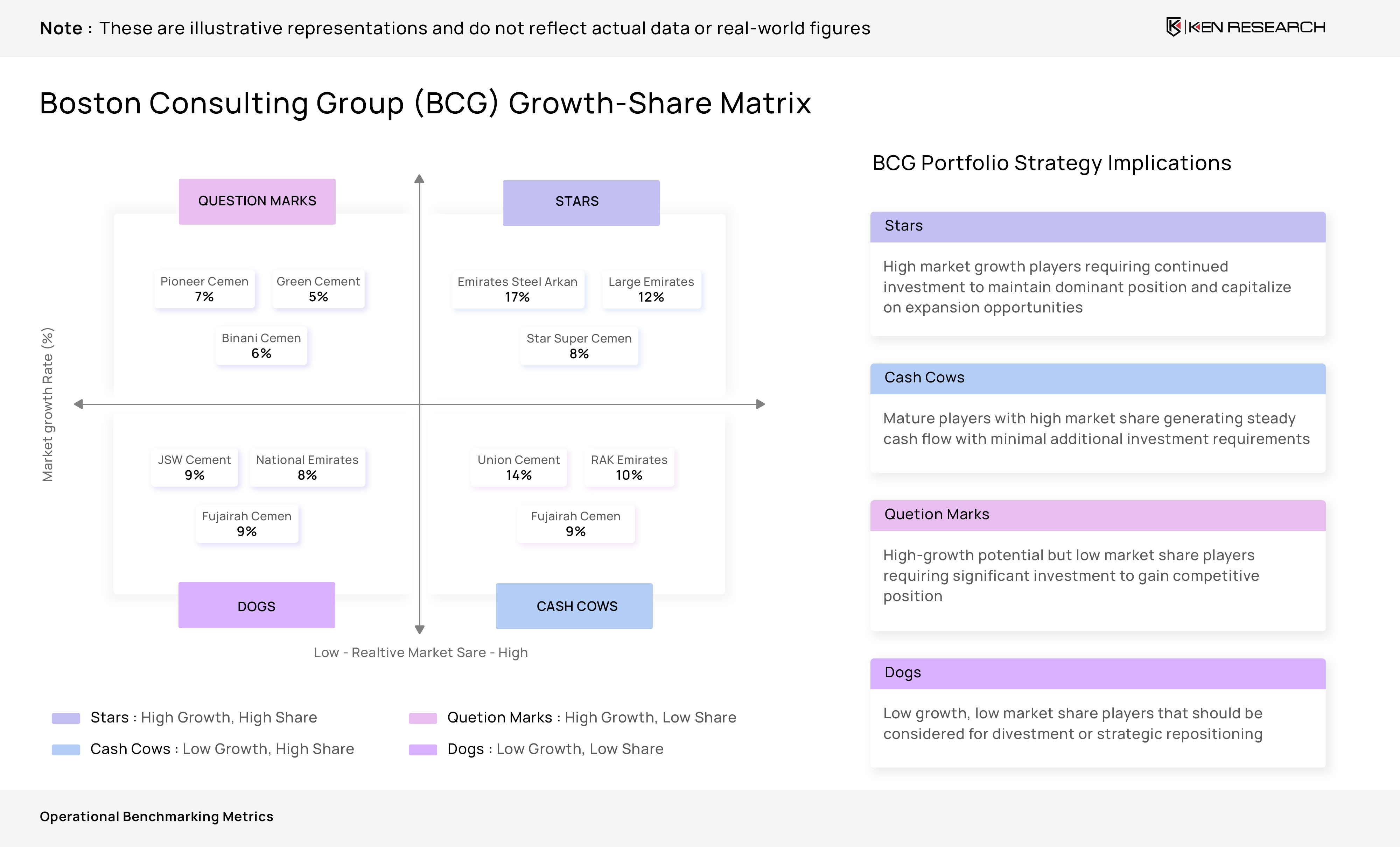
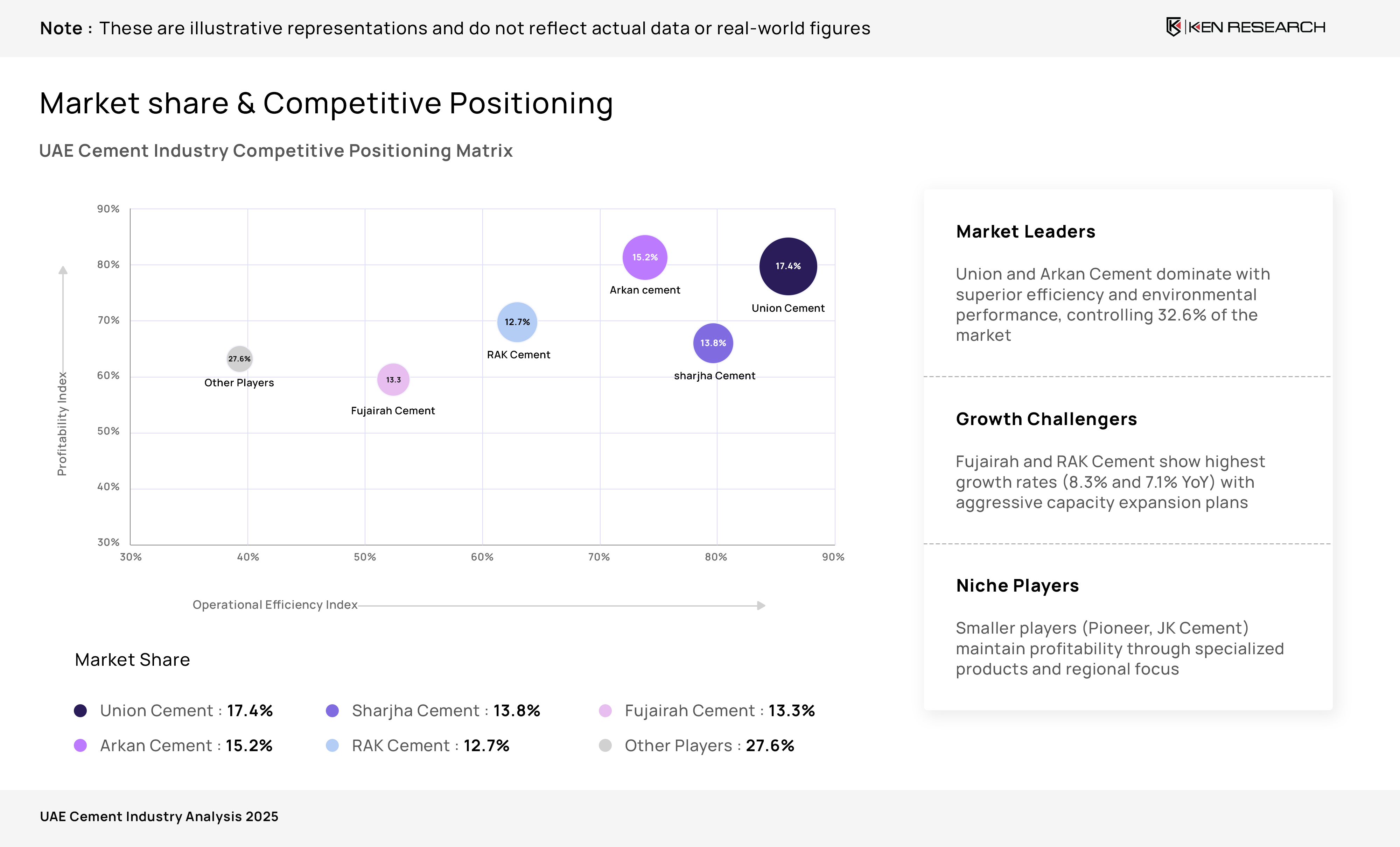
The Myanmar lubricant ecosystem is dominated by international majors like Shell, TotalEnergies, and Chevron, which maintain strong distribution and brand equity. However, medium-sized local companies are steadily expanding through aggressive retail penetration.
The small-scale players focus on price-sensitive segments, offering affordable alternatives while gradually expanding distribution in rural regions, reflecting the fragmented yet opportunity-rich nature of the market.
Leading Player Profiles
Company Profile Overview
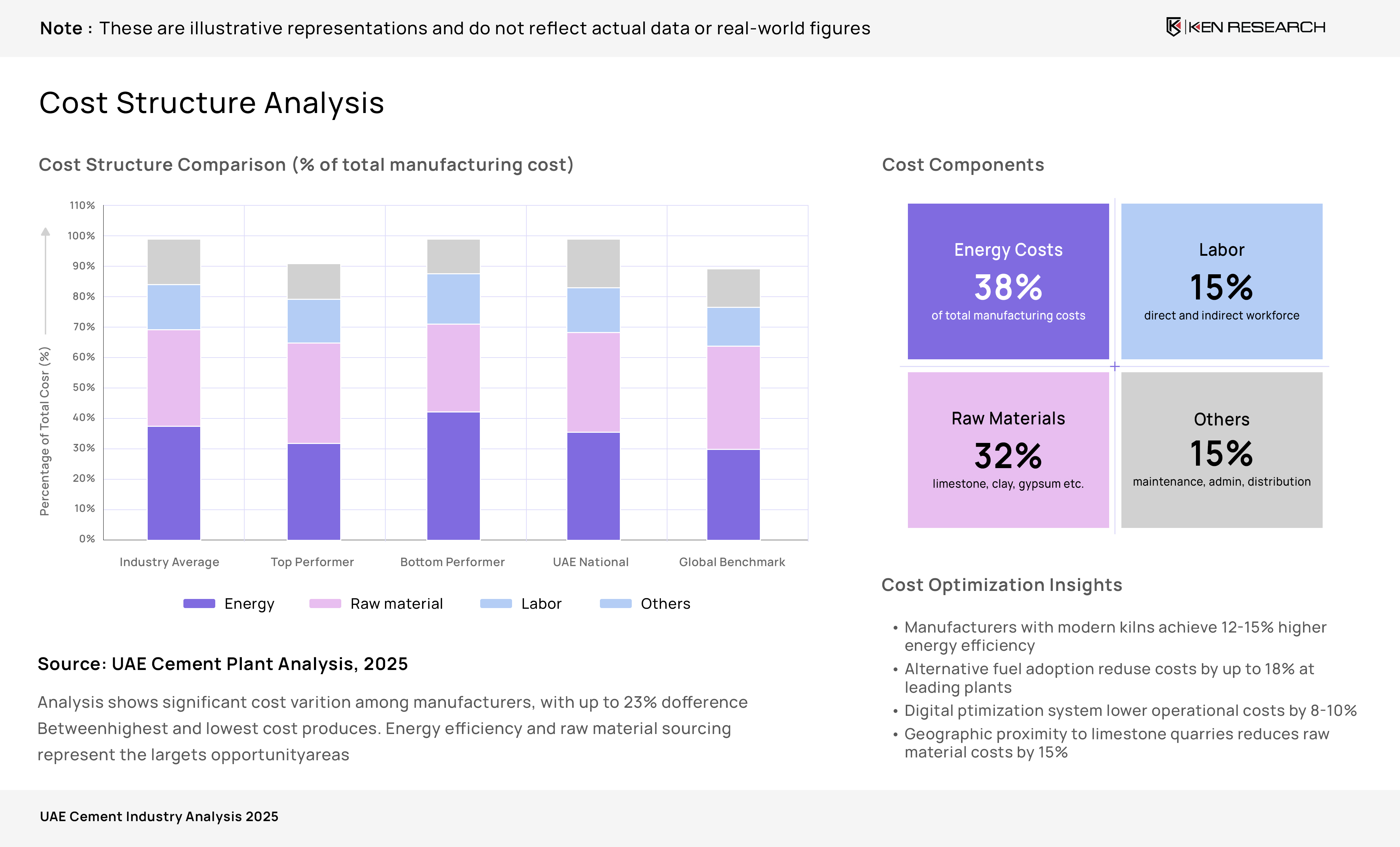
Large players like Shell, TotalEnergies, and Chevron rely on strong global branding and distribution channels to dominate the premium segment, while local groups (Max Energy, Denko, Parami) aggressively target middle-income consumers with affordable product lines.
The ecosystem demonstrates dual competition: premium brands retain dominance in B2B and industrial niches, whereas local brands penetrate mass-market automotive lubricants through fuel stations and retail workshops.
Key Operational Performance Metrics
Company Performance Overview
Unlock Market Insights
Dive deeper into production, distribution, and pricing intelligence.
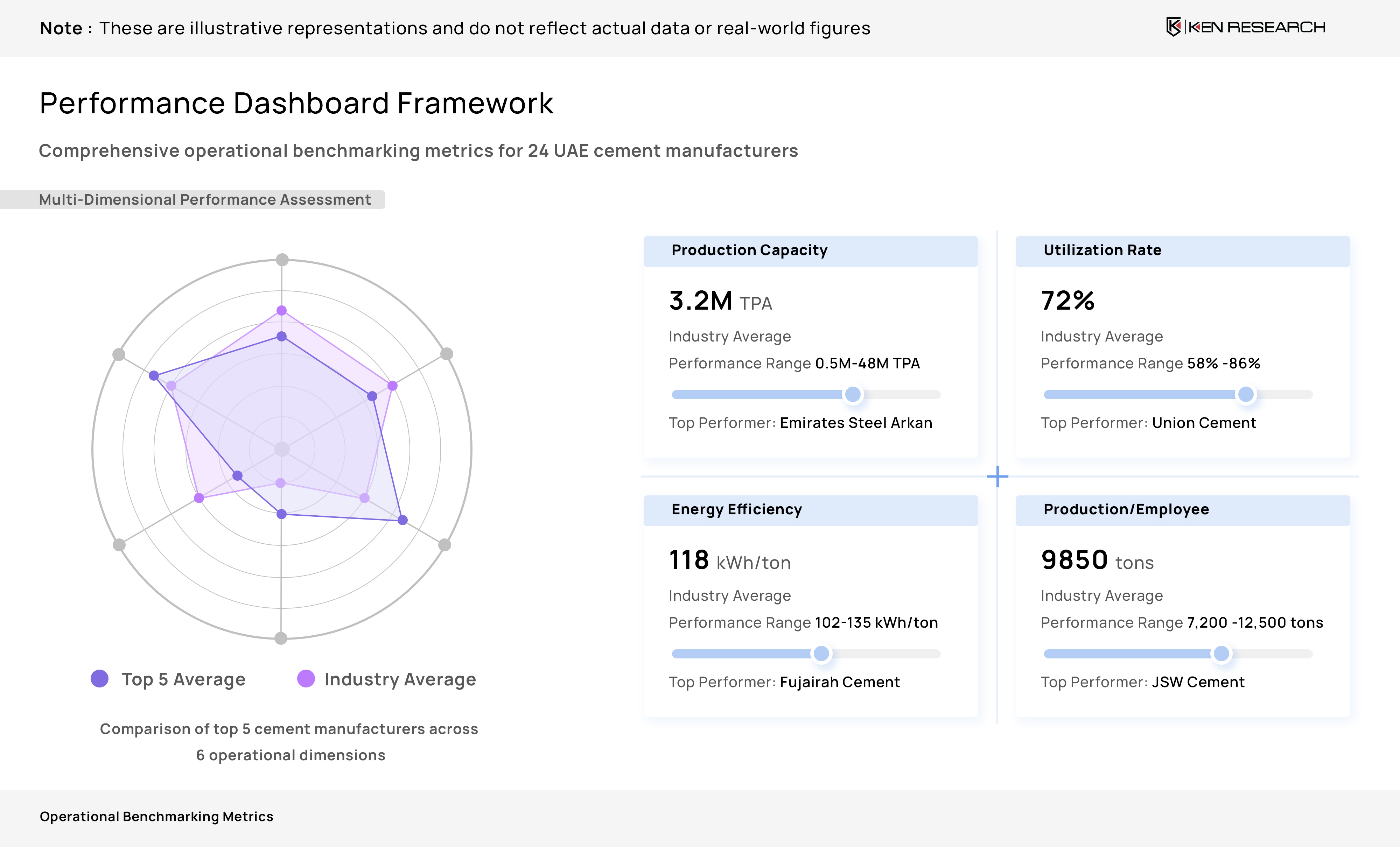
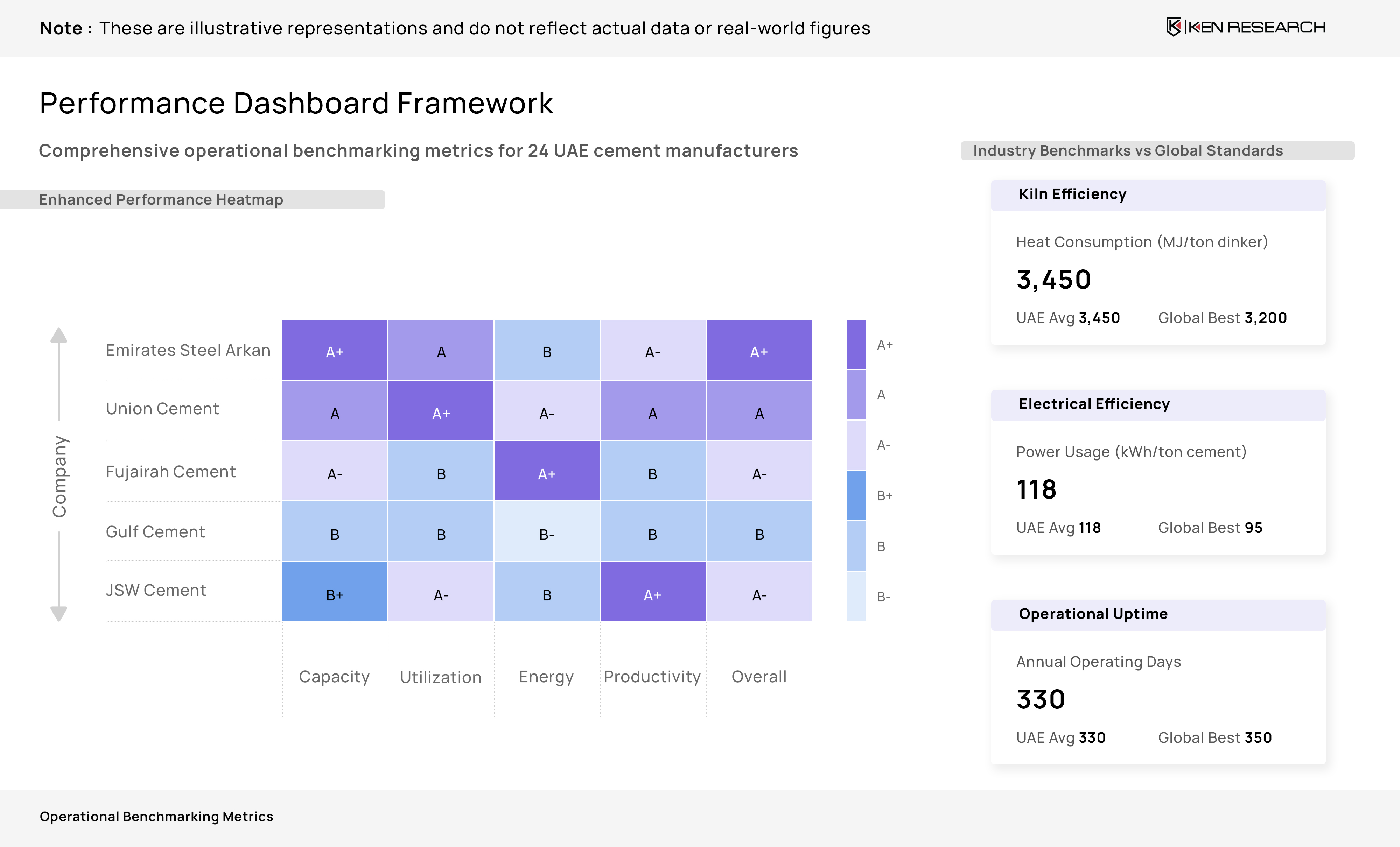
Get Customized ReportOperational benchmarks likepricing strategy, distribution depth, and dealer strengthdefine competitive positioning, with global players leveraging premium pricing while local brands compete on affordability and last-mile reach.
Companies withfuel station tie-ups (Max Energy, Denko)show higher operational integration, positioning them well to capture demand from daily vehicle users in Myanmar.
Core Financial Performance Metrics
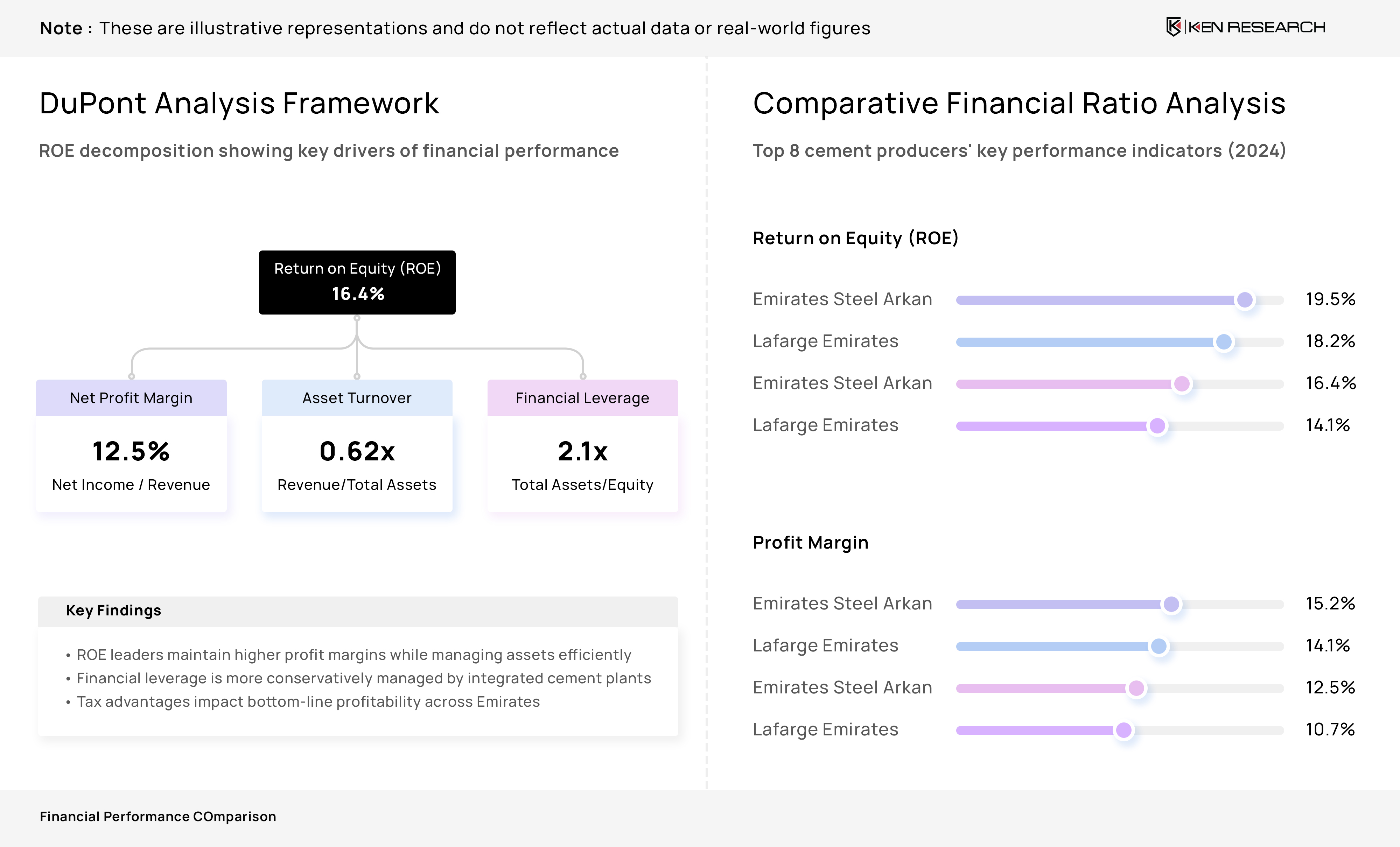
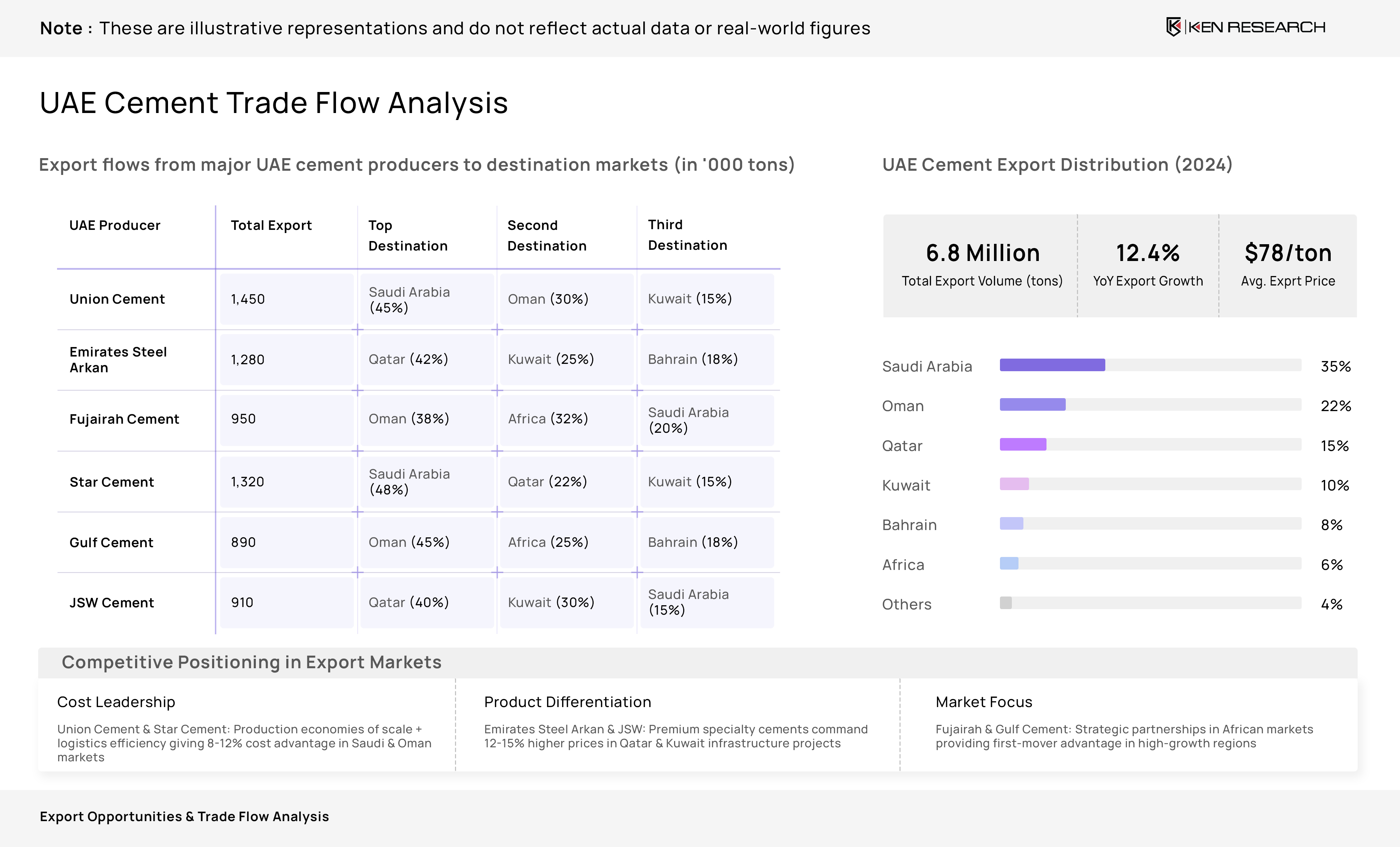
Financial performance metrics such as EBITDA margins and PAT ratios highlight the profitability gap between global majors and local players, with the former typically enjoying stronger cost efficiencies.
Local firms operate with thinner margins due to price sensitivity, but growing scale may help them optimize costs and achieve sustainable profitability.
Table of Contents
1. Ecosystem Matrix
1.1 Large Players
1.1.1 Shell Myanmar
1.1.2 TotalEnergies Myanmar
1.1.3 Chevron Myanmar
1.1.4 ExxonMobil Myanmar
1.1.5 Petronas Myanmar
1.2 Medium Players
1.2.1 Max Energy
1.2.2 Denko Trading
1.2.3 Shwe Taung Lubricants
1.2.4 Parami Lubricants
1.2.5 Myanma Petrochemical Enterprise
1.3 Small Players
1.3.1 Aye Yar Lubricants
1.3.2 Five Star Lubricants
1.3.3 Unique Lubricants
1.3.4 Super Seven Lubricants
1.3.5 Dragon Power Myanmar
2. Leading Player Profiles
2.1 Company Name
2.2 Group Name
2.3 Headquarters
2.4 Established Year
2.5 Core Services
2.6 Mode of Functioning
3. Key Operational Performance Metrics
3.1 Pricing (USD Mn)
3.2 Distribution Reach (No. of States/Regions)
3.3 Product Portfolio Breadth (No. of SKUs)
3.4 Retail Presence (No. of Outlets)
3.5 B2B Contracts (No. of Corporate Accounts)
3.6 Dealer Network Strength (No. of Dealers)
3.7 After-Sales Support (Service Centers/Units)
4. Core Financial Performance Metrics
4.1 Parameters
4.1.1 Revenue (USD Mn)
4.1.2 Revenue Growth (%)
4.1.3 COGS (USD Mn)
4.1.4 COGS Growth (%)
4.1.5 EBITDA (USD Mn)
4.1.6 EBITDA Growth (%)
4.1.7 EBITDA Margin (%)
4.1.8 PAT (USD Mn)
4.1.9 PAT Margin (%)
5. Methodology
5.1 Approach
5.1.1 Desk Sources
5.1.2 Primary Interviews
5.1.3 Sanity Checking & Validation
5.2 Benchmarking Process
5.2.1 Data Collection
5.2.2 Primary Validation
5.2.3 Proxy KPI Modelling
5.2.4 Normalization & Indexing
5.2.5 Gap Analysis
5.2.6 Peer Review
5.3 Sample Composition
5.3.1 Scope Items
5.3.2 Sample Size
5.3.3 Target Respondents
Methodology
Ken Research will deploy its proprietary, multi layered research framework—combining robust secondary research, targeted primary outreach, and rigorous data validation—to deliver an authoritative competitive landscape analysis of the Myanmar Lubricant Market.
Desk Sources
- Industry reports from proprietary databases and Ken Research archives
- Company annual reports and investor presentations
- Government and trade association publications (Energy Dept., Automotive Associations, Customs Data)
- Trade magazines, journals, and verified e-articles (Lubricants World, ASEAN Auto Review)
- Financial databases such as Bloomberg and Capital IQ
- Web traffic and app usage dashboards (e-commerce lubricant sales via SimilarWeb)
Primary Interviews
- CATIs and online surveys with key stakeholders
- Category managers and product managers from lubricant companies
- Senior sales and marketing leaders at major players
- Distributors and channel partners across states and regions
- Automotive workshops and industrial buyers for B2B insights
- Service center owners and fleet operators providing operational feedback
Sanity Checking & Validation
- Triangulation of secondary research, primary insights, and proxy KPI model outputs
- Proxy KPI synthesis using retail outlet counts, distributor reach, import/export volumes, and vehicle parc to approximate sales
- Outlier analysis supported by targeted follow-up discussions
- Assumption tracking with detailed logs of limitations and proxy KPI sources
- Internal peer review of methodology, models, and final benchmarking outputs
An Inside Look At Our Custom Insights
Take a look at ourcustomized insights, tailored to yourmarket and business needs. Our benchmarking reports deliver data-driven comparisons of key players, helping you uncover opportunities, assess performance, and make confident strategic decisions.