Is BNPL in India Creating 100M New Credit Users or Cannibalizing UPI and Credit Cards?
Ken Research
September 23, 2025 - 6 min read
September 23, 2025
by Ken ResearchThe India’s Buy Now Pay Later (BNPL) industry is projected to grow from USD 30 billion in 2025 to nearly USD approx. 78 billion by 2030, has quickly become the first step into formal credit for millions of underserved Indians. Yet, with UPI processing over 20 billion monthly transactions and credit cards dominating premium spending, the debate remains whether BNPL is truly creating new credit users or merely redirecting existing payments.
India’s Credit Gap and BNPL’s Rise
India’s structural credit gap with RBI (May 2025) reporting 103 million credit cards covering less than 10% of the population and NABARD (2022) noting that approximately rural households rely on informal borrowing, created fertile ground for BNPL to emerge.
By offering instant, small-ticket access, BNPL now reaches nearly 20% of India’s population, and RBI (2024) confirms that young adults aged 18–30, bypassed by credit cards but drawn to digital-first borrowing, dominate adoption.
RBI data show credit card transactions are projected to rise from 2.2 billion in FY21–22 to 11.9 billion by FY27–28, while debit card volumes remain stagnant at around 4 billion. This highlights how India’s transition from debit to credit is only just beginning, leaving space for BNPL to serve millions of first-time users who remain outside the formal credit system.
UPI as the Foundation for BNPL’s Growth
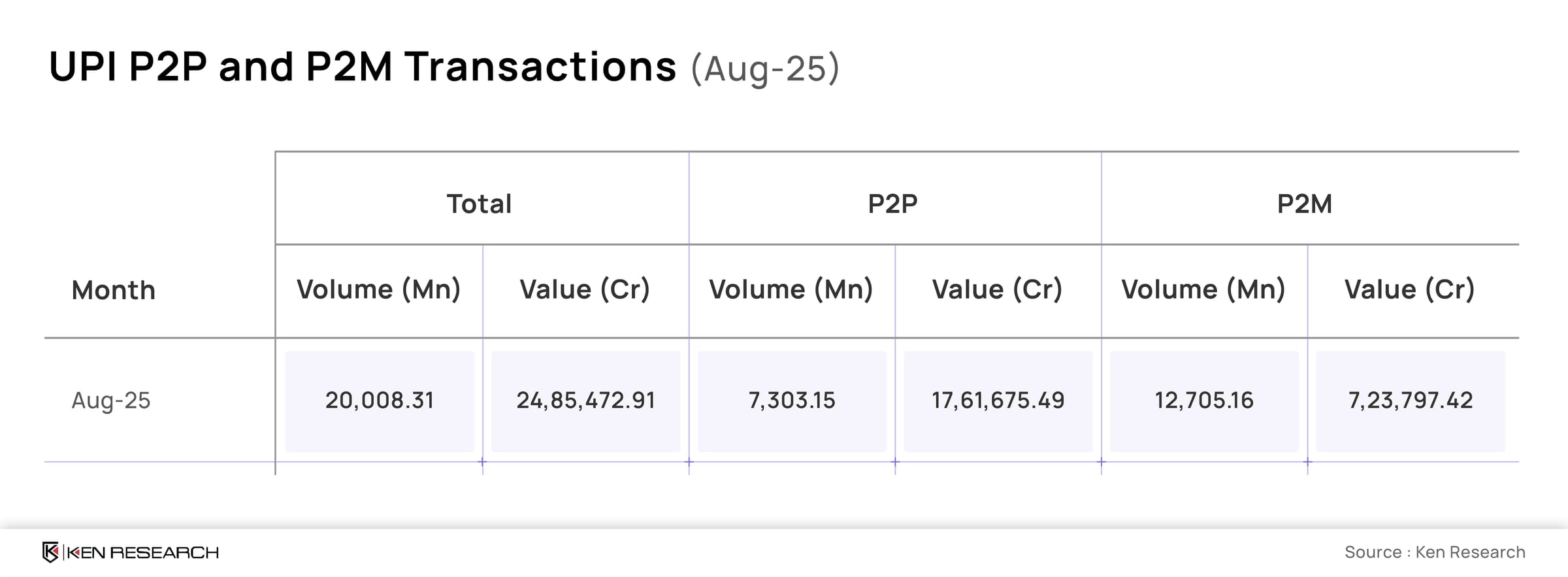
BNPL’s momentum was built on UPI’s dominance, as NPCI (May 2025) reported 18.7 billion transactions worth ₹25.14 lakh crore, rising to 20 billion transactions worth ₹24.85 lakh crore in August 2025.
This sheer scale has conditioned Indians to expect instant, trusted, and digital-first payments, a behavioral foundation that BNPL extends into credit.

E-commerce then amplified this habit, as Flipkart Pay Later and Amazon Pay Later embedded credit into checkout flows, while MeitY (2024) found that 40% of UPI merchant payments are tied to e-commerce, the ecosystem where BNPL has scaled fastest.
Meanwhile, UPI’s new features are reinforcing these habits, as the split-bill option alone surpassed 9 million users in 2025, proving especially popular among students and young professionals. This shows how younger Indians are already embracing shared and deferred payments, creating a natural bridge toward BNPL as their first structured credit product.
At the same time, competition is deepening this convergence. In 2025, Paytm, in partnership with Suryoday Small Finance Bank, launched ‘Paytm Postpaid', embedding BNPL-like credit lines directly on UPI. This widened access but also blurred the distinction between BNPL and UPI, showing how the very rails that enabled BNPL are now absorbing its features.
Expansion in Smaller Cities and New-to-Credit Users
BNPL’s greatest impact is in Bharat, where MeitY in 2024 reports that 55% of new digital finance users now come from Tier-2 and Tier-3 cities, many of whom are accessing structured borrowing for the first time. These consumers, whose rising discretionary spending is documented in the NSO Consumption Survey (2023), are using BNPL for smartphone, healthcare, and subscription purchases previously out of reach due to limited credit access.
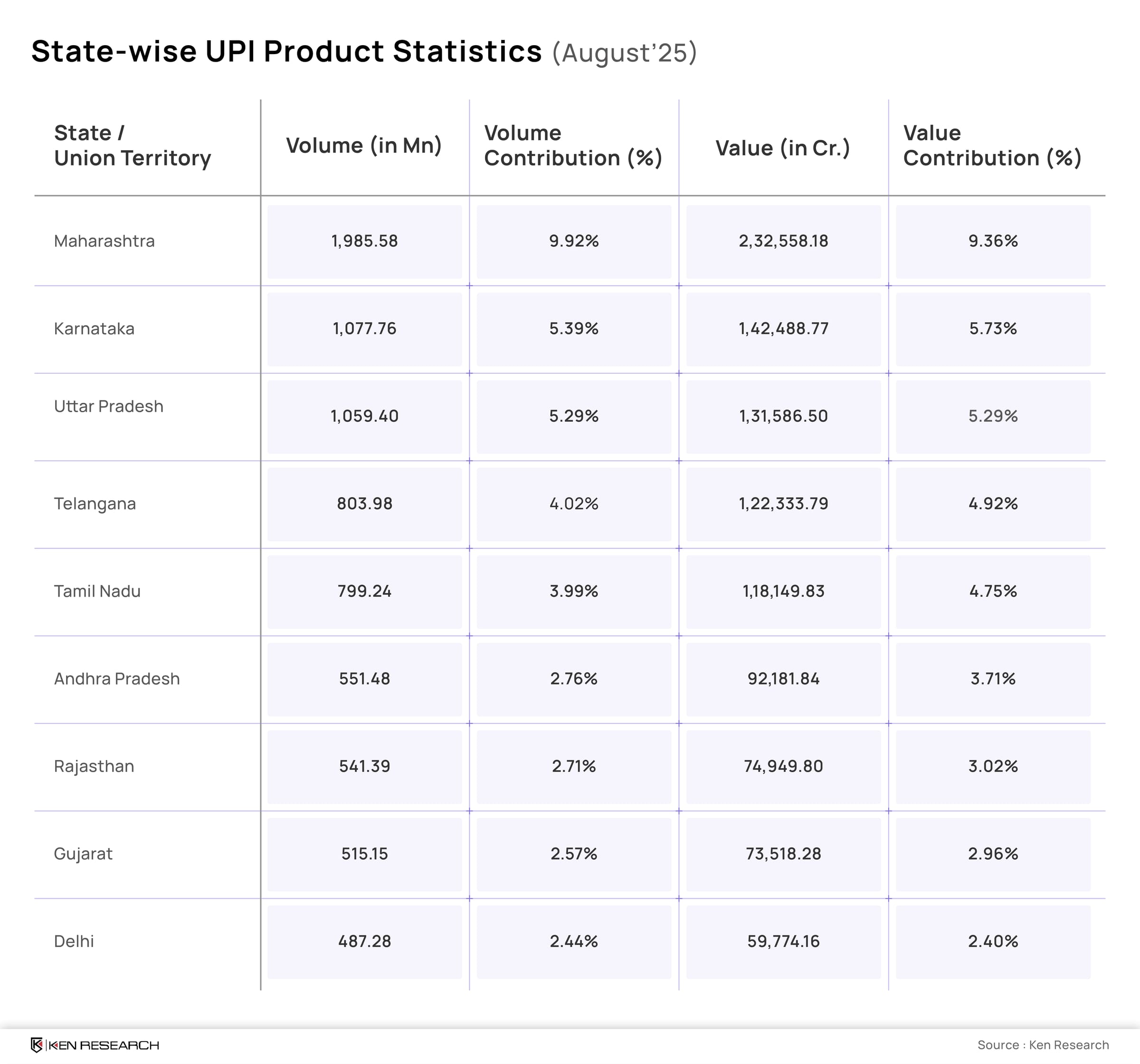
State-level UPI adoption underscores this shift; while Maharashtra and Karnataka lead volumes, states such as Uttar Pradesh, Telangana, Andhra Pradesh, and Rajasthan are contributing a growing share, reflecting how UPI and, by extension, BNPL is no longer metro-centric but spreading across India.
At the same time, competition is reinforcing this trend. Amazon and Paytm are tailoring BNPL to smaller-ticket needs in non-metro markets, positioning it as a mass-market tool for onboarding millions of first-time borrowers.
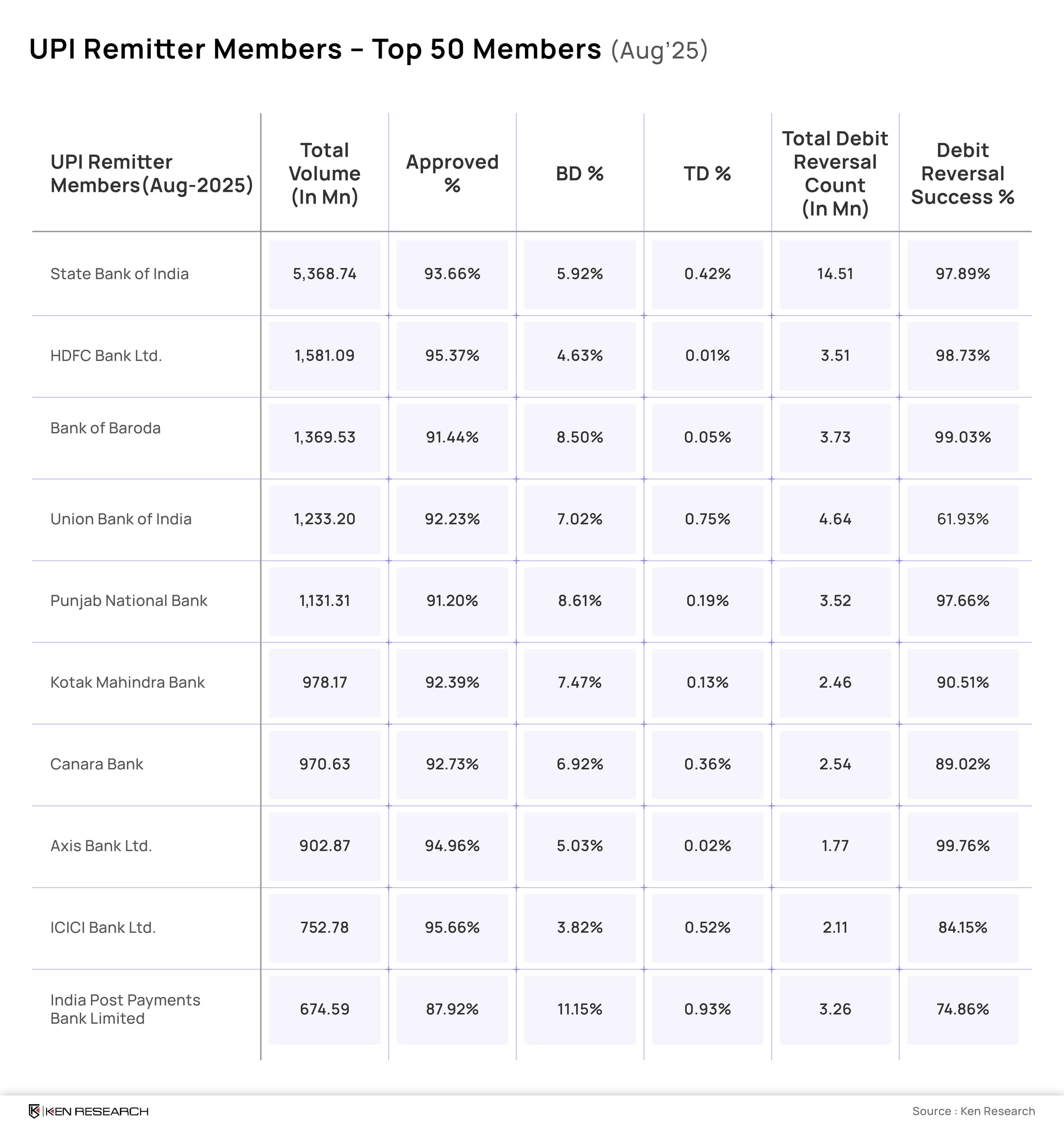
Banks are also stepping into UPI as leading public and private sector banks from SBI and HDFC to Union Bank and Axis are not only driving UPI transaction volumes but are also rolling out Credit Line on UPI. This integration turns UPI from a payment platform into a credit-enabled ecosystem, making banks central to BNPL’s expansion into Bharat.
Overlap with UPI and Cards: Signs of Cannibalization
However, Even as BNPL scales, it increasingly overlaps with UPI and cards, raising doubts about whether it is truly creating incremental demand. Regulatory tightening in 2022–23, when RBI prohibited prepaid BNPL credit lines, forced providers like PayU and Paytm to pivot toward EMI-style lending, while NPCI (2024) revealed that 16 million RuPay credit cards are now linked to UPI, allowing consumers to access credit without BNPL.
In addition, competitive moves are erasing BNPL’s unique edge. Pine Labs, in partnership with J&K Bank, launched a UPI-linked revolving credit instrument in 2025, effectively replicating BNPL’s deferred payment model inside the UPI ecosystem. NPCI’s Credit Line on UPI, already live with major banks and apps, goes further by embedding pre-sanctioned credit directly into UPI merchant payments, compressing BNPL’s differentiation at checkout.
Recent regulatory changes have reinforced this overlap: UPI transaction limits were raised to ₹10 lakh/day for verified categories, encouraging high-value spending that traditionally leaned on cards or BNPL. As a result, UPI itself is evolving into a credit-enabled ecosystem, leaving BNPL to fight for distinct relevance.
The Merchant Dilemma: Growth vs. Profitability
For merchants, BNPL improves checkout conversions by 20–30% and increases order values, but these gains come with high subsidy costs that erode profitability in low-margin sectors like groceries and food delivery.
NPCI data shows that the average UPI ticket size in 2025 hovered between ₹1,242 and ₹1,346, with 85% of transactions below ₹500, mostly concentrated in groceries, restaurants, pharmacies, and fuel.
In category splits, groceries and essential services accounted for 68% of transaction volumes but only 53% of value, while e-commerce and digital services accounted for 74% of volumes but 81% of value.
This explains why merchants in essential sectors struggle with BNPL economics, while platforms in electronics, e-commerce, and financial services embrace it to drive higher-value purchases.
Consequently, large players are consolidating BNPL in-house, as Amazon’s 2025 acquisition of Axio, which secured an NBFC license, reflects a strategic move to embed BNPL directly into its ecosystem, reduce reliance on third-party providers, and capture customer credit data. This approach gives Amazon a competitive edge and signals that only scale players may be able to sustain BNPL profitably.
India 2030: Expansion or Substitution?
BNPL’s future could follow two paths: an Expansion Scenario, where responsible regulation and sustainable models onboard 100M+ new-to-credit users by 2030 as projected in NITI Aayog’s Digital Banking Vision, or a Substitution Scenario, where BNPL remains largely a checkout convenience that boosts GMV without deepening financial inclusion.
Yet the regulatory environment will heavily influence which path prevails. India’s household debt-to-GDP ratio at 36% leaves room for credit growth, but the RBI’s 2025 Payment Aggregator guidelines, which imposed stricter capital norms, mandated full KYC, and barred rent payments via credit cards, show how policymakers are reshaping the industry to prevent misuse and force more sustainable practices.
Meanwhile, UPI itself is expanding globally. Merchant acceptance is now live in Bhutan, France, Mauritius, Nepal, Singapore, Sri Lanka, and the UAE, signaling that credit-on-UPI use cases could soon travel with Indian consumers abroad, a move that could further shape whether BNPL remains complementary or gets absorbed.
What's Ahead
BNPL has transformed India’s credit landscape by reaching young consumers and underserved households, particularly in smaller towns, while UPI integration and e-commerce adoption have fueled its scale. However, as overlaps with UPI and cards deepen and regulatory scrutiny intensifies, BNPL risks blending into existing payment rails rather than driving genuine credit inclusion.
Ultimately, whether BNPL becomes the engine that brings India’s next 100 million credit users into the financial system or fades into a checkout feature will depend on how providers adapt to regulation, compete strategically, and position BNPL within India’s evolving digital ecosystem.
Get started
We've helped companies around the world future-proof
their businesses - and we can do the same for you.