Egypt Retail Banking & Consumer Finance Competition Benchmarking 2025: Branch and Digital Channels, Product Portfolio, Customer Segments & Market Share
Published on: March 2026
Report Overview
Egypt Retail Banking MarketOverview
Market Highlights
The Egypt Retail Banking Market features a competitive landscape with large state-backed banks, established private institutions, foreign-backed operators, and Shariah-compliant banks. The key to success lies not just in scale, but in how banks leverage distribution strength, service mix, and brand credibility to foster durable customer relationships, especially in mass-market segments.
Global banks bring digital innovation and process discipline but must localize their offerings to meet Egyptian consumers' expectations. Domestic banks, with their stronger familiarity with local habits, balance customer trust with personalized services. The interplay of international sophistication with regional responsiveness defines the market's competitive dynamics.
In this environment, branch presence still plays a significant role in customer acquisition, particularly for deposit-based products. However, the importance of customer experience, particularly in digital channels, is growing. Banks that combine physical accessibility with seamless digital services are well-positioned to deepen relationships and drive customer loyalty, particularly in sectors like consumer finance and mobile banking.
Competition in Egypt’s retail banking sector increasingly revolves around technology integration, operational efficiency, and targeted portfolio strategies. While larger banks benefit from balance-sheet strength, mid-tier and smaller institutions are focusing on digital acceleration, selective branch expansion, and specialized offerings to differentiate themselves and maintain profitability in a rapidly evolving market.
Ecosystem Matrix
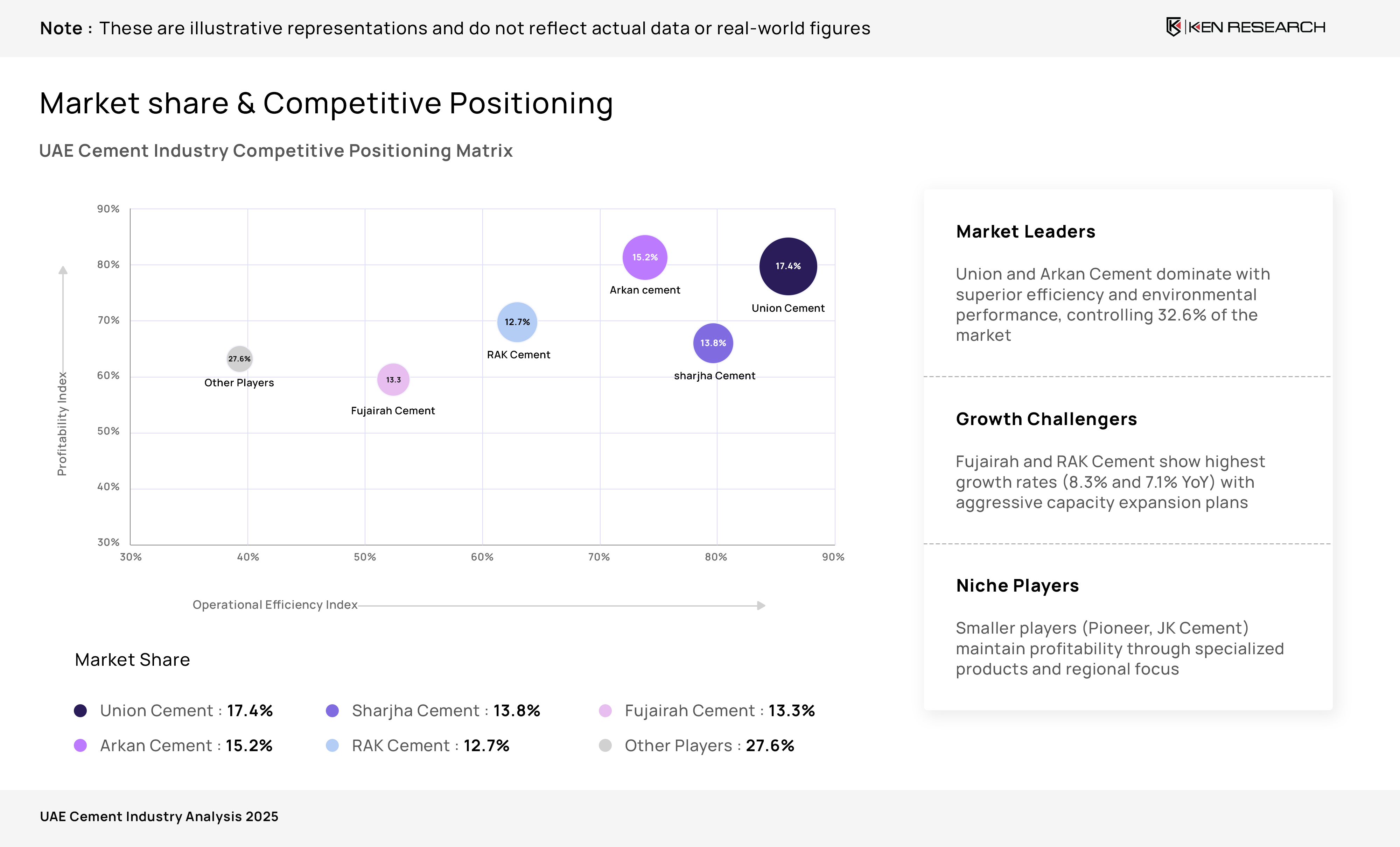
Egypt’s retail banking market remains concentrated around state-backed and top private institutions that command stronger deposit franchises, wider branch reach, and broader product portfolios, making customer trust, distribution depth, and balance-sheet capacity central to competitive leadership.
Mid-tier and smaller banks compete through Islamic banking propositions, selective affluent or SME targeting, and digital service enhancement, yet the market still structurally favors players with stronger legacy brands, payroll linkages, and superior ability to mobilize low-cost deposits.
Leading Player Profiles
Company Profile Overview
The leading cohort reflects a market where ownership backing, institutional legacy, and service breadth matter materially, with state-linked players retaining scale advantages while private and foreign-backed banks differentiate through customer experience, digital journeys, and specialized retail propositions.
Established year and group support remain important competitive signals in Egypt because longer-standing banks generally benefit from stronger customer familiarity, wider physical access, and deeper liability franchises, while newer entrants rely more heavily on sharper positioning and service modernization.
Key Operational Performance Metrics
Company Performance Overview
Unlock Market Insights
Dive deeper into production, distribution, and pricing intelligence.
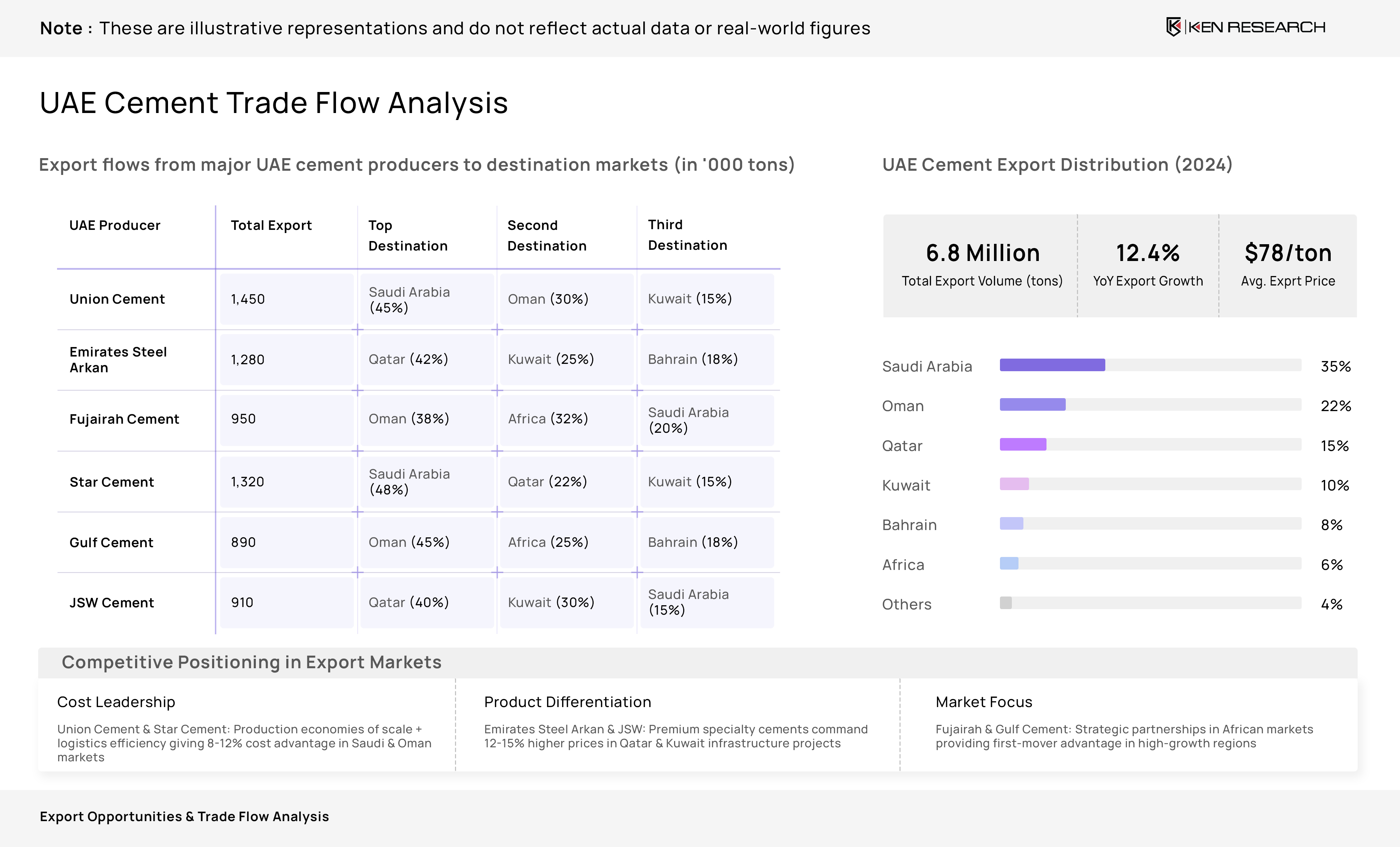
Get Customized ReportIn Egypt’s retail banking market, revenue leadership is primarily shaped by the ability to price lending effectively while simultaneously mobilizing deposits at scale, because asset growth without liability strength or transaction monetization does not convert efficiently into sustainable competitive advantage.
Digital usage is increasingly influential, but the strongest banks are still those that combine branch trust, deposit depth, and multi-product penetration, allowing them to translate customer relationships into better fee generation, stronger retention, and broader balance-led retail economics.
Core Financial Performance Metrics
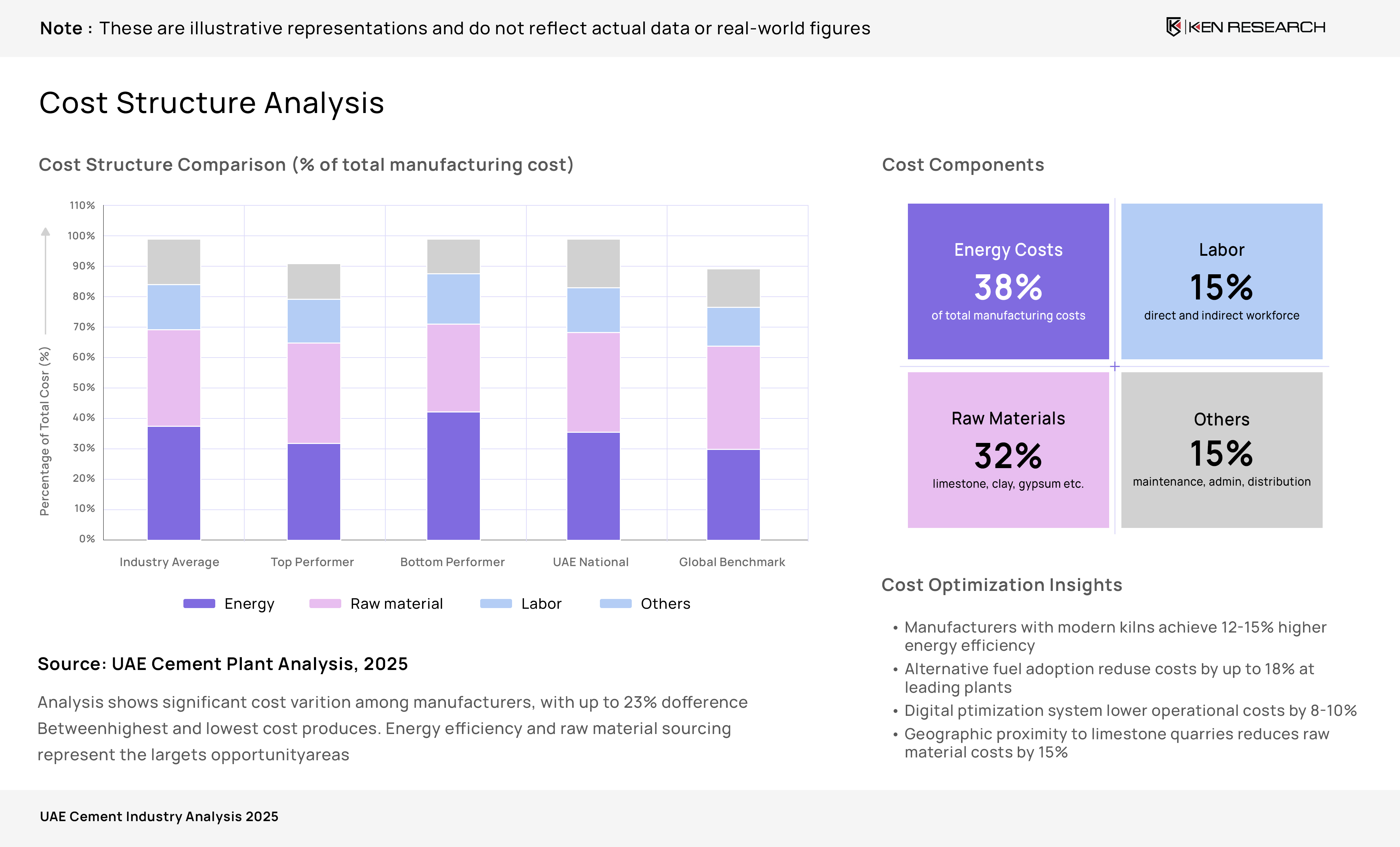
Financial comparison in Egypt retail banking should focus not only on top-line growth but also on conversion efficiency, because funding costs, pricing competition, and provisioning pressure can expand balance-sheet scale without proportionate improvement in operating profitability.
EBITDA and PAT margins are especially useful for separating banks that are scaling through disciplined balance deployment and better customer mix from those that are pursuing growth through volume expansion that may not translate into equally strong bottom-line performance.
Table of Contents
1. Ecosystem Matrix
1.1 Large Players
1.1.1 National Bank of Egypt
1.1.2 Banque Misr
1.1.3 Commercial International Bank (CIB)
1.1.4 Banque du Caire
1.1.5 QNB Alahli
1.1.6 Arab African International Bank
1.1.7 ALEXBANK
1.2 Medium Players
1.2.1 Housing & Development Bank
1.2.2 Faisal Islamic Bank of Egypt
1.2.3 Abu Dhabi Islamic Bank - Egypt
1.2.4 Crédit Agricole Egypt
1.2.5 Egyptian Gulf Bank
1.2.6 Société Arabe Internationale de Banque (saib)
1.2.7 Al Baraka Bank Egypt
1.3 Small Players
1.3.1 Attijariwafa bank Egypt
1.3.2 Abu Dhabi Commercial Bank - Egypt
1.3.3 The United Bank
1.3.4 Suez Canal Bank
2. Leading Player Profiles
2.1 Parameters
2.1.1 Company Name
2.1.2 Group Name
2.1.3 Headquarters
2.1.4 Established Year
2.1.5 Core Services
2.1.6 Mode of Functioning
3. Key Operational Performance Metrics
3.1 Parameters
3.1.1 Pricing / Average Lending Yield (%)
3.1.2 Retail Loan Book Outstanding (USD Mn)
3.1.3 Customer Deposits (USD Mn)
3.1.4 New Retail Loan Disbursements (USD Mn)
3.1.5 Active Retail Customers (No.)
3.1.6 Credit Cards in Force (No.)
3.1.7 Average Deposit Balance per Customer (USD)
3.1.8 Retail Fee Income (USD Mn)
3.1.9 Digital Transaction Value (USD Mn)
3.1.10 Cross-Sell Ratio (Products / Customer)
4. Core Financial Performance Metrics
4.1 Parameters
4.1.1 Revenue (USD Mn)
4.1.2 Revenue Growth (%)
4.1.3 COGS (USD Mn)
4.1.4 COGS Growth (%)
4.1.5 EBITDA (USD Mn)
4.1.6 EBITDA Growth (%)
4.1.7 EBITDA Margin (%)
4.1.8 PAT (USD Mn)
4.1.9 PAT Margin (%)
5. Methodology
5.1 Approach
5.1.1 Desk Sources
5.1.2 Primary Interviews
5.1.3 Sanity Checking & Validation
5.2 Benchmarking Process
5.2.1 Data Collection
5.2.2 Primary Validation
5.2.3 Proxy KPI Modelling
5.2.4 Normalization & Indexing
5.2.5 Gap Analysis
5.2.6 Peer Review
5.3 Sample Composition
5.3.1 Scope Items
5.3.2 Sample Size
5.3.3 Target Respondents
Methodology
Ken Research will deploy its proprietary, multi layered research framework, combining robust secondary research, targeted primary outreach, and rigorous data validation, to deliver an authoritative competitive landscape analysis of the Egypt Retail Banking Market. Proxy KPIs will be customized to the retail banking structure of Egypt, especially around deposit franchise strength, loan book productivity, customer monetization, card penetration, digital transaction behavior, and cross-sell intensity.
Desk Sources
- Industry reports from proprietary databases and Ken Research archives
- Company annual reports and investor presentations
- Central Bank of Egypt publications and licensed bank disclosures
- Government and banking association releases
- Trade magazines, journals, and e-articles
- Financial databases such as Bloomberg and Capital IQ
- App usage, web traffic, and digital visibility dashboards relevant to banking platforms
Primary Interviews
- CATIs and online surveys with key stakeholders
- Retail banking heads and consumer finance leaders at banks
- Senior sales and marketing leads at leading players
- Branch operations managers and digital banking teams
- Payment ecosystem participants, distributors, and channel partners where relevant
- Industry analysts and consultants
- Technology and service providers for digital metrics
Sanity Checking and Validation
- Triangulation to cross-verify estimates from secondary data, primary inputs, and proxy model outputs
- Proxy KPI synthesis using related KPIs such as branch footprint, ATM density, active cards, mobile banking usage, deposit base, and customer counts to approximate revenue potential
- Outlier analysis to identify and reconcile anomalous data points through follow-up discussions
- Assumption tracking with a clear log of benchmarking assumptions, limitations, and proxy KPI sources
- Peer review through internal expert validation of methodology, models, and key outputs before finalization
An Inside Look At Our Custom Insights
Take a look at ourcustomized insights, tailored to yourmarket and business needs. Our benchmarking reports deliver data-driven comparisons of key players, helping you uncover opportunities, assess performance, and make confident strategic decisions.