France Edible Oil Manufacturing & Refining Competition Benchmarking 2025: Refining Capacity, Product Portfolio, Distribution Network & Company Performance
Published on: December 2025
Report Overview
France Edible Oil Market Overview
Market Highlights
The France Edible Oil Market showcases a diverse competitive structure, where multinational corporations, regional manufacturers, and local firms engage in a dynamic interplay. Multinationals leverage economies of scale and extensive distribution networks, while regional players focus on tailored offerings that resonate with local consumer preferences, and local firms capitalize on agility and niche markets to carve out their space.
Innovation in the edible oil sector is characterized by a blend of global advancements and localized adaptations. Companies are increasingly integrating cutting-edge processing technologies and sustainable practices while ensuring that their products meet the specific tastes and dietary needs of French consumers, thereby enhancing market relevance and consumer loyalty.
The distribution and aftersales ecosystem is pivotal in determining market success, with strategic partnerships among producers, distributors, and retailers enhancing product accessibility. Effective aftersales support, including customer education and responsive service, fosters brand loyalty and strengthens market positioning in a competitive landscape.
Business strategies within the market are increasingly focused on operational efficiency, cost management, and technology integration. Firms are adopting sustainable practices and innovative product development to meet evolving consumer demands, while agility in operations allows them to swiftly respond to market changes, ensuring a competitive edge in the ever-evolving edible oil landscape.
Ecosystem Matrix
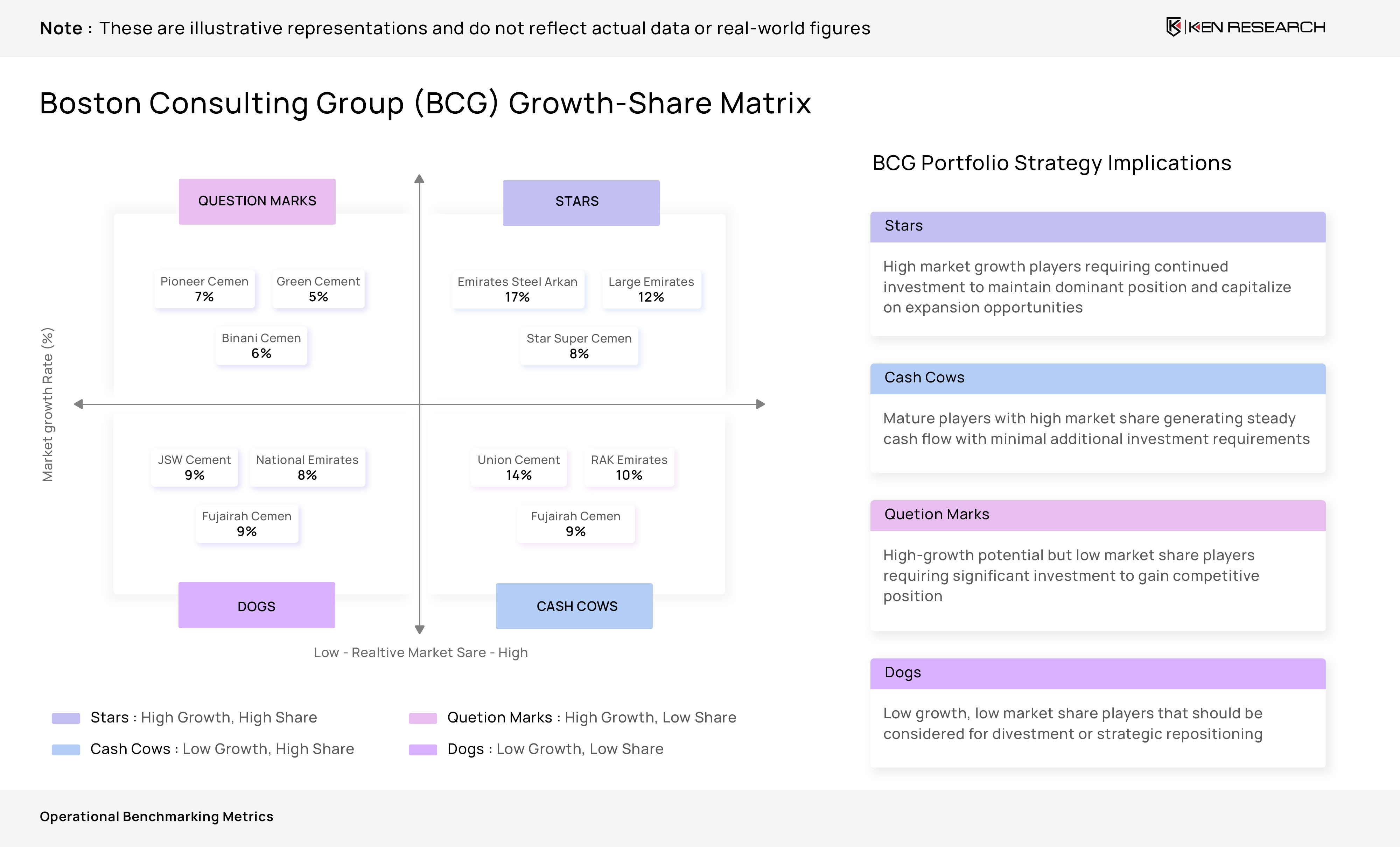
The ecosystem demonstrates strong consolidation in large-scale integrated agro-industrial groups like Avril, Bunge, and Cargill, which dominate refining and distribution. Medium firms retain niche strength in regional oils, while small artisanal producers specialize in organic and premium edible oils.
Market segmentation highlights a dual structure: large players ensure mass-market supply and export competitiveness, while medium and small operators strengthen France’s brand equity in artisanal, organic, and regional specialties, creating diversity in consumer offerings.
Leading Player Profiles
Company Profiles Overview
Large agro-industrial groups such as Avril, Cargill, and Bunge dominate integrated refining and processing, while independent family-owned firms preserve France’s artisanal identity in premium and organic oil categories.
Cooperative and regional players like Sodiaal and Cauvin provide a bridge between mass-market production and consumer demand for organic, sustainable, and traceable oils, reflecting evolving consumer preferences in France.
Key Operational Performance Metrics
Company Performance Overview
Unlock Market Insights
Dive deeper into production, distribution, and pricing intelligence.
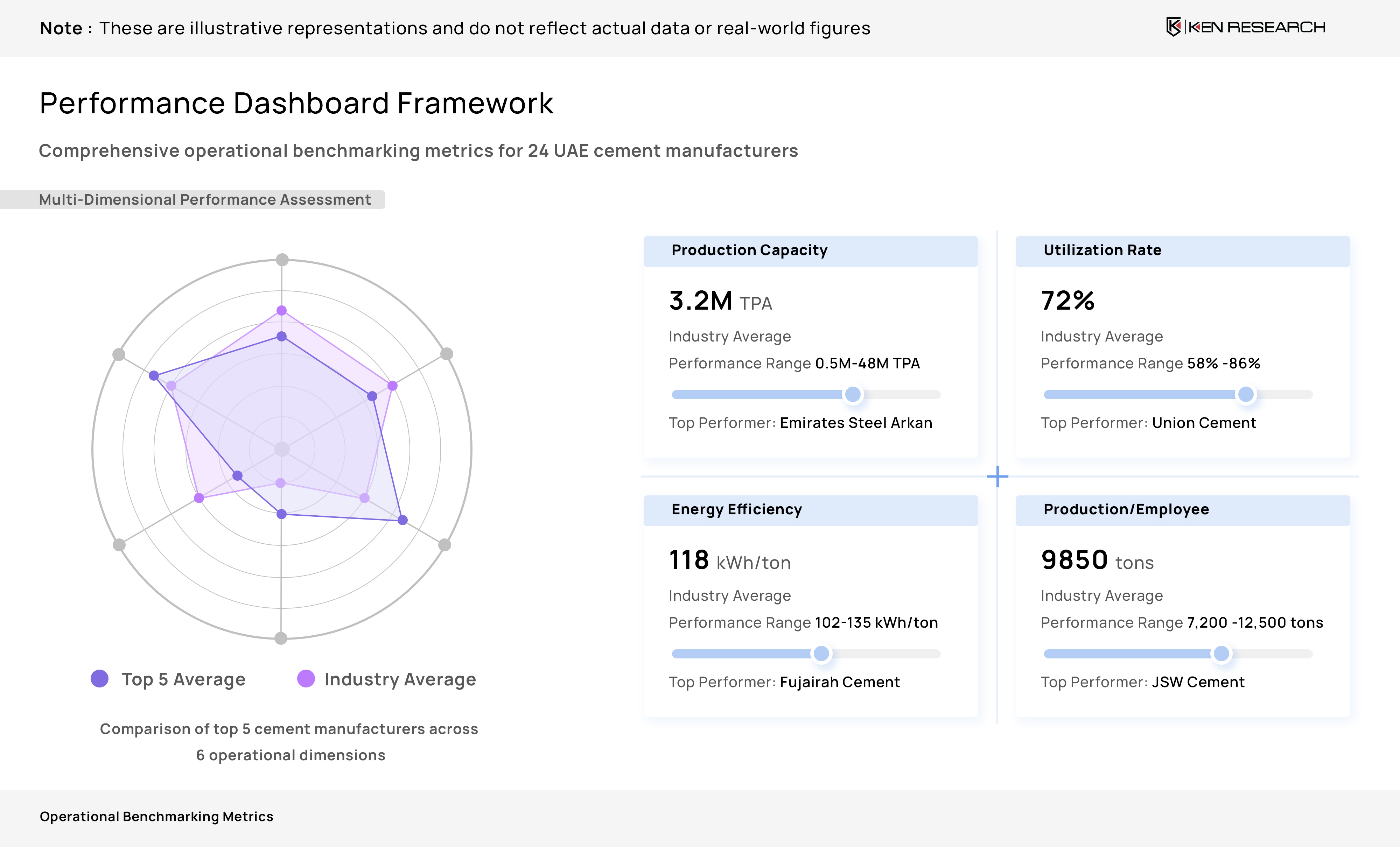
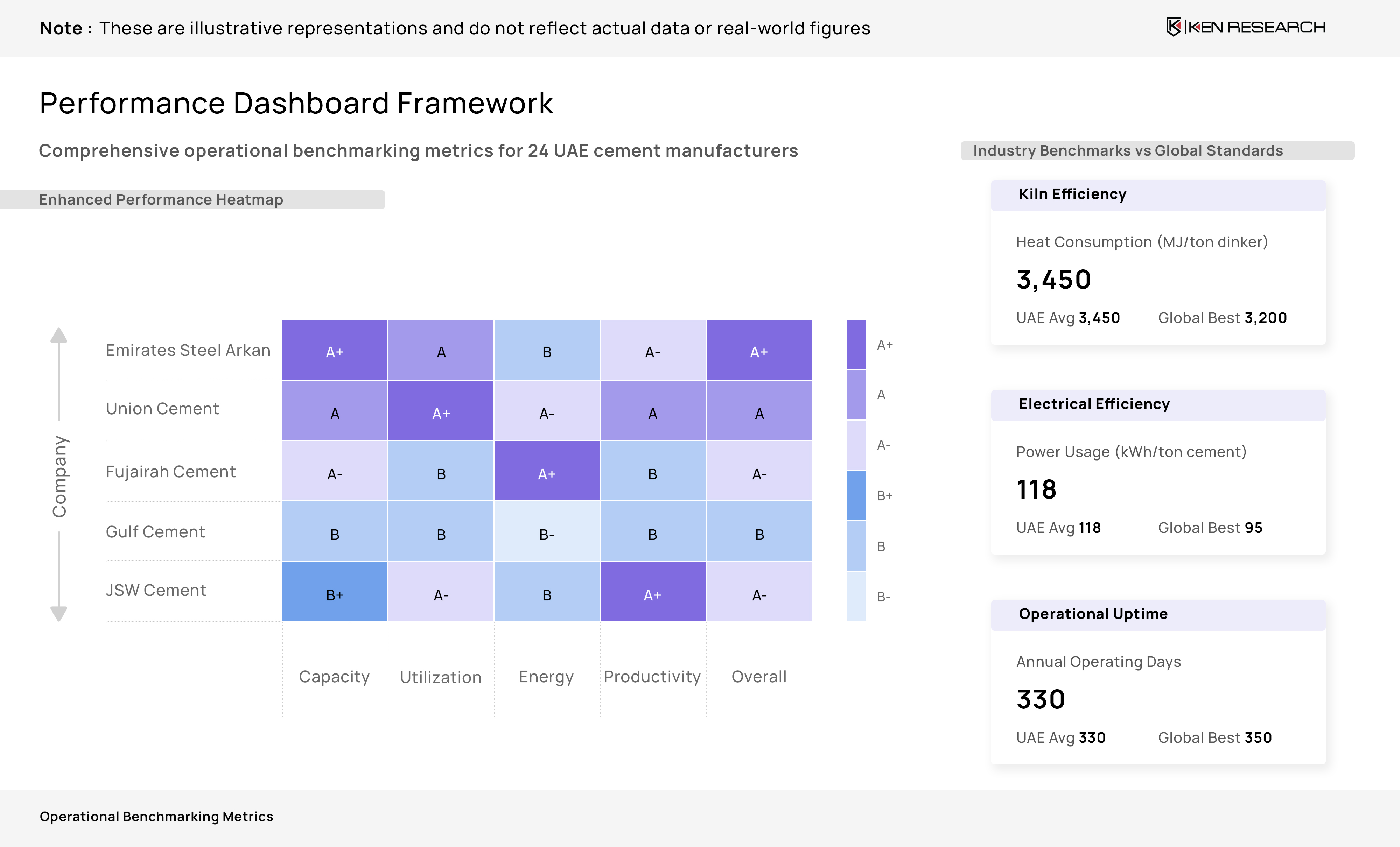
Get Customized ReportKey operational levers like refining capacity, distribution, and export orientation directly shape competitiveness, with Avril, Bunge, and Cargill maintaining efficiency advantages. Smaller producers focus on niche SKUs and premium pricing to remain profitable.
Export penetration differentiates mid-sized players like Olvea, who leverage specialty oils for international markets, contrasting with domestic-focused artisanal operators such as Richard and Vigean.
Core Financial Performance Metrics
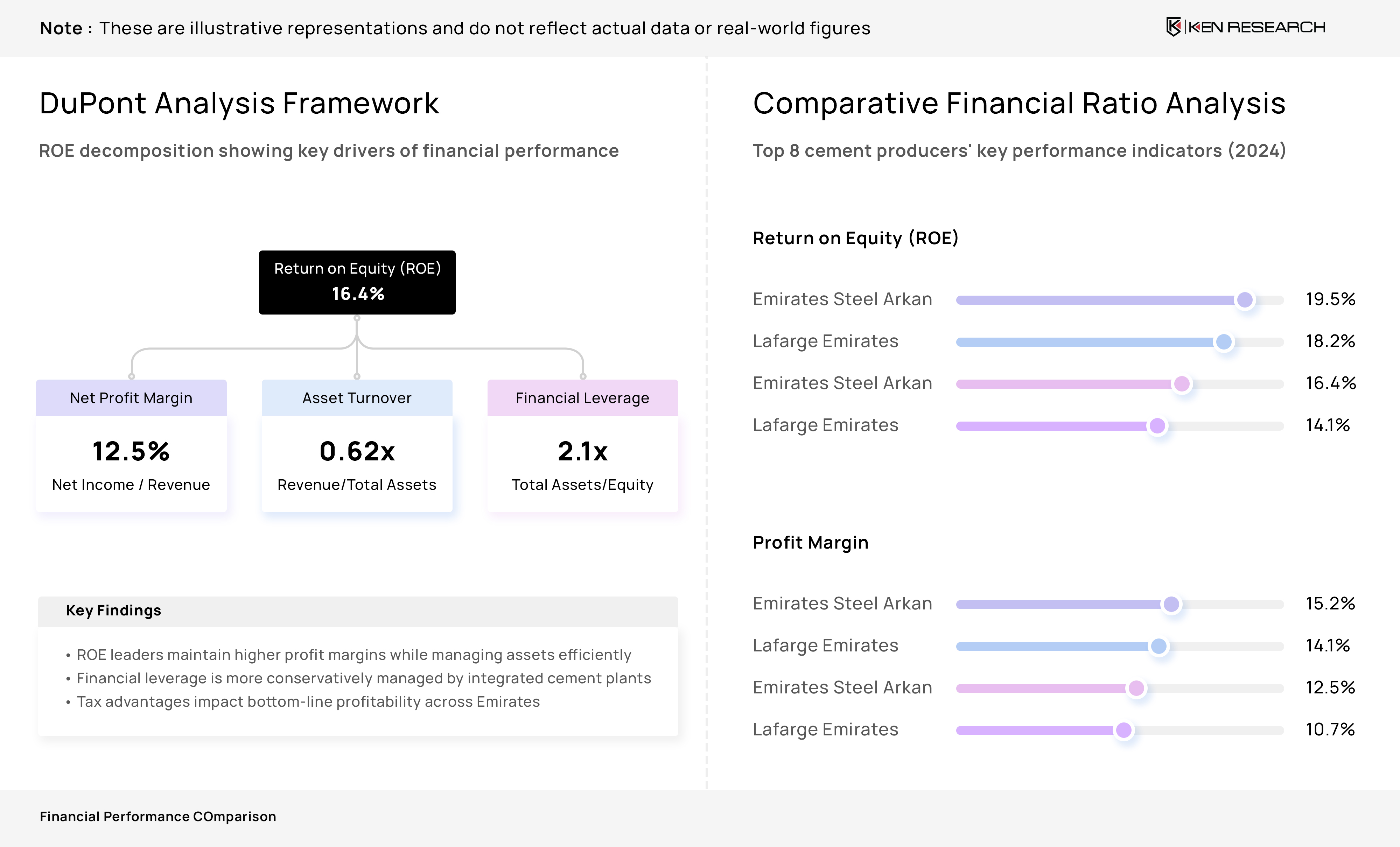
Large integrated groups secure financial resilience through scale, diversified segments, and efficiency gains, while mid-tier independents focus on premium niches but face higher COGS ratios relative to revenue.
EBITDA margins are more favorable for niche players in organic and cold-pressed segments due to premium pricing, while industrial players balance margin with scale and export competitiveness.
Table of Contents
1. Ecosystem Matrix
1.1 Large Players
1.1.1
Avril Group
1.1.2
Bunge France
1.1.3
Cargill France
1.1.4
Euralis Group
1.1.5
Sodiaal
(Oléagineux)
1.1.6
Cristal Union
1.2 Medium Players
1.2.1
Huileries de Lapalisse
1.2.2
Huilerie Emile Noël
1.2.3
Oleificio Borelli France
1.2.4
Olvea Group
1.2.5
Huilerie Cauvin
1.3 Small Players
1.3.1
Huilerie Vigean
1.3.2
Huilerie Richard
1.3.3
Huilerie Beaujolaise
1.3.4
Moulin Castelas
1.3.5
Huilerie Artisanale de Provence
2. Leading Player Profiles
2.1 Company Name
2.2 Group Name
2.3 Headquarters
2.4 Established Year
2.5 Core Business Segment
2.6 Mode of Functioning
3. Key Operational Performance Metrics
3.1 Production Capacity (MT/Year)
3.2 Refining Capacity (MT/Year)
3.3 Distribution Coverage (%)
3.4 Export Share (%)
3.5 Product Range (SKUs)
3.6 Pricing (USD/Kg)
3.7 Number of Processing Plants
3.8 Number of Farms
4. Core Financial Performance Metrics
4.1 Parameters
4.1.1 Revenue (USD Mn)
4.1.2 Revenue Growth (%)
4.1.3 COGS (USD Mn)
4.1.4 COGS Growth (%)
4.1.5 EBITDA (USD Mn)
4.1.6 EBITDA Growth (%)
4.1.7 EBITDA Margin (%)
4.1.8 PAT (USD Mn)
4.1.9 PAT Margin (%)
5. Methodology
5.1 Approach
5.1.1 Desk Sources
5.1.2 Primary Interviews
5.1.3 Sanity Checking & Validation
5.2 Benchmarking Process
5.2.1 Data Collection
5.2.2 Primary Validation
5.2.3 Proxy KPI Modelling
5.2.4 Normalization & Indexing
5.2.5 Gap Analysis
5.2.6 Peer Review
5.3 Sample Composition
5.3.1 Scope Items
5.3.2 Sample Size
5.3.3 Target Respondents
Methodology
Ken Research will deploy its proprietary, multi-layered research framework—combining robust secondary research, targeted primary outreach, and rigorous data validation—to deliver an authoritative competitive landscape analysis of the France Edible Oil Market.
Desk Sources
- Proprietary databases and Ken Research archives
- Company annual reports and investor presentations
- Government and trade association publications
- Trade magazines, journals, and sector-specific e-articles
- Financial databases (Bloomberg; Capital IQ)
- Web traffic and app analytics dashboards
Primary Interviews
- CATI and online surveys with key stakeholders
- Category managers and R&D heads of edible oil producers
- Senior sales and marketing leaders
- Distributors and channel partners
- Industry analysts and consultants
- Technology and service providers
Sanity Checking and Validation
- Triangulation to cross-verify estimates from secondary data, primary inputs, and proxy model outputs
- Proxy KPI synthesis using installed base, refining capacity, and web traffic to estimate revenues or capacities
- Outlier analysis to identify anomalous data points through follow-up discussions
- Assumption tracking with a documented log of sources and limitations
- Internal peer review and expert validation
An Inside Look At Our Custom Insights
Take a look at ourcustomized insights, tailored to yourmarket and business needs. Our benchmarking reports deliver data-driven comparisons of key players, helping you uncover opportunities, assess performance, and make confident strategic decisions.