India Agricultural Equipment & Machinery Competition Benchmarking 2025: Product Portfolio, Dealer Network, Customer Segments & Company Performance
Published on: December 2025
Report Overview
India Agricultural Equipment Market Overview
Market Highlights
The India Agricultural Equipment Market features a layered competitive landscape where vertically integrated multinationals coexist with established regional players and agile local entrants. Integrated majors focus on scale and supply chain optimization, while regional manufacturers emphasize customization and responsive delivery models aligned with local demand cycles. Smaller domestic firms leverage niche specialization, quick turnaround times, and flexible service agreements to compete effectively across targeted micro-segments.
Global innovation merges with strong domestic adaptation as companies localize agricultural equipment designs, technology applications, and service models to align with India’s diverse agricultural practices and regional preferences. Hardware suppliers and software platform developers collaborate with public and private distributors to tailor solutions for varied climatic, infrastructural, and regulatory conditions, ensuring that imported technology integrates seamlessly with indigenous manufacturing and service protocols.
The distribution and aftersales ecosystem plays a decisive role in shaping user experience and network reliability. Strategic partnerships between manufacturers, local dealers, and service providers are expanding access to agricultural equipment across rural and urban landscapes. Aftersales excellence—spanning maintenance contracts, uptime assurance, and digital service monitoring—drives customer retention and operator credibility in a fragmented service environment.
Competitiveness increasingly relies on operational discipline and data-enabled planning. Leading operators employ predictive maintenance tools, integrated management systems, and real-time analytics to minimize downtime and optimize utilization rates. Sustainability commitments and modular product design are enhancing lifecycle efficiency, while collaborative ventures between agricultural firms and technology innovators accelerate advancements across the equipment landscape.
Ecosystem Matrix
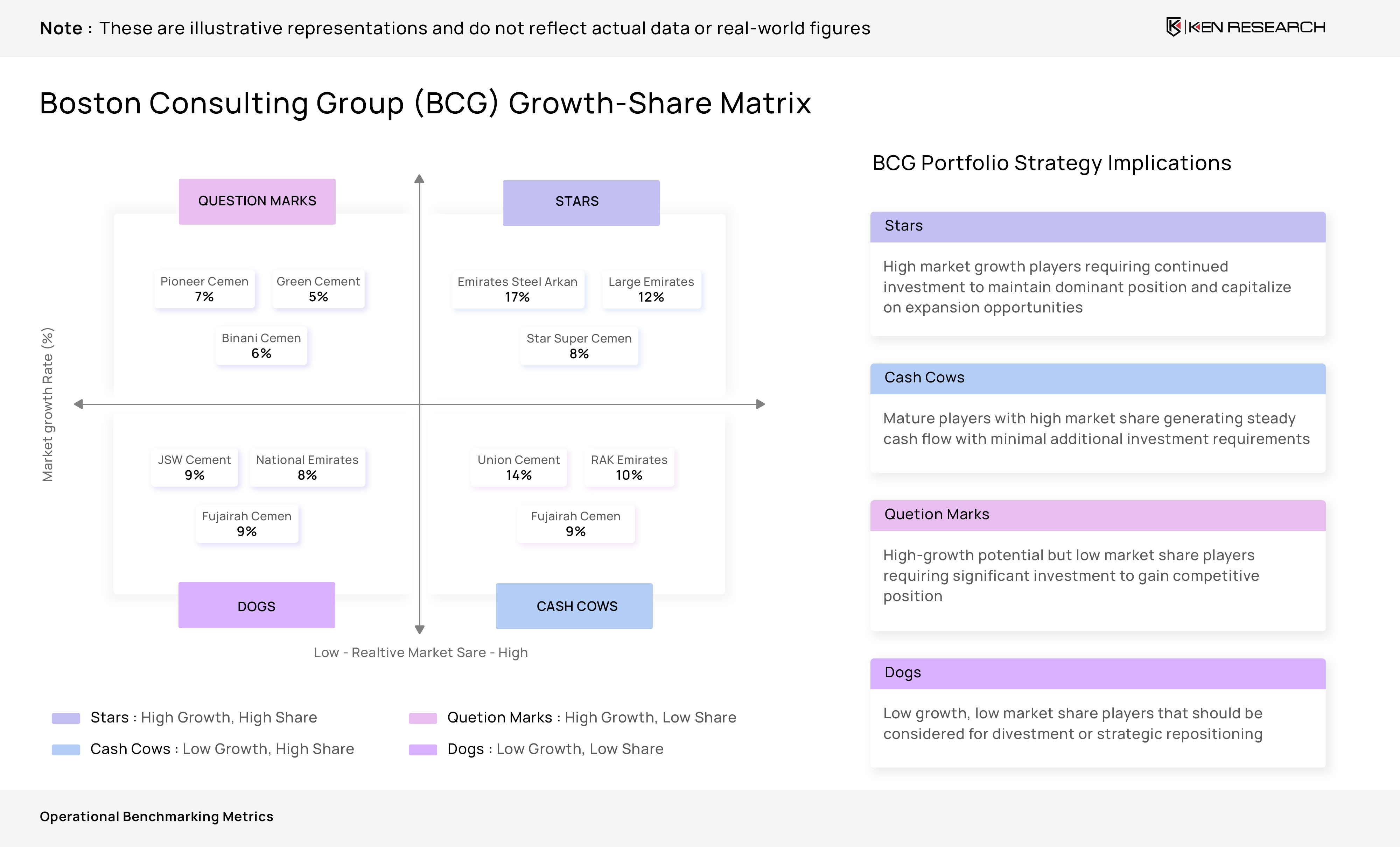
The Indian agricultural equipment market is anchored by established large-scale manufacturers such as Mahindra & Mahindra, TAFE, and Escorts Kubota, which drive mechanization with extensive product portfolios and nationwide distribution networks.
Medium and small-scale players, including Captain Tractors, Force Motors, and HMT Tractors, add diversity to the ecosystem, catering to regional and niche demands, and collectively enhancing market competitiveness and adoption levels.
Leading Player Profiles
Company Profile Overview
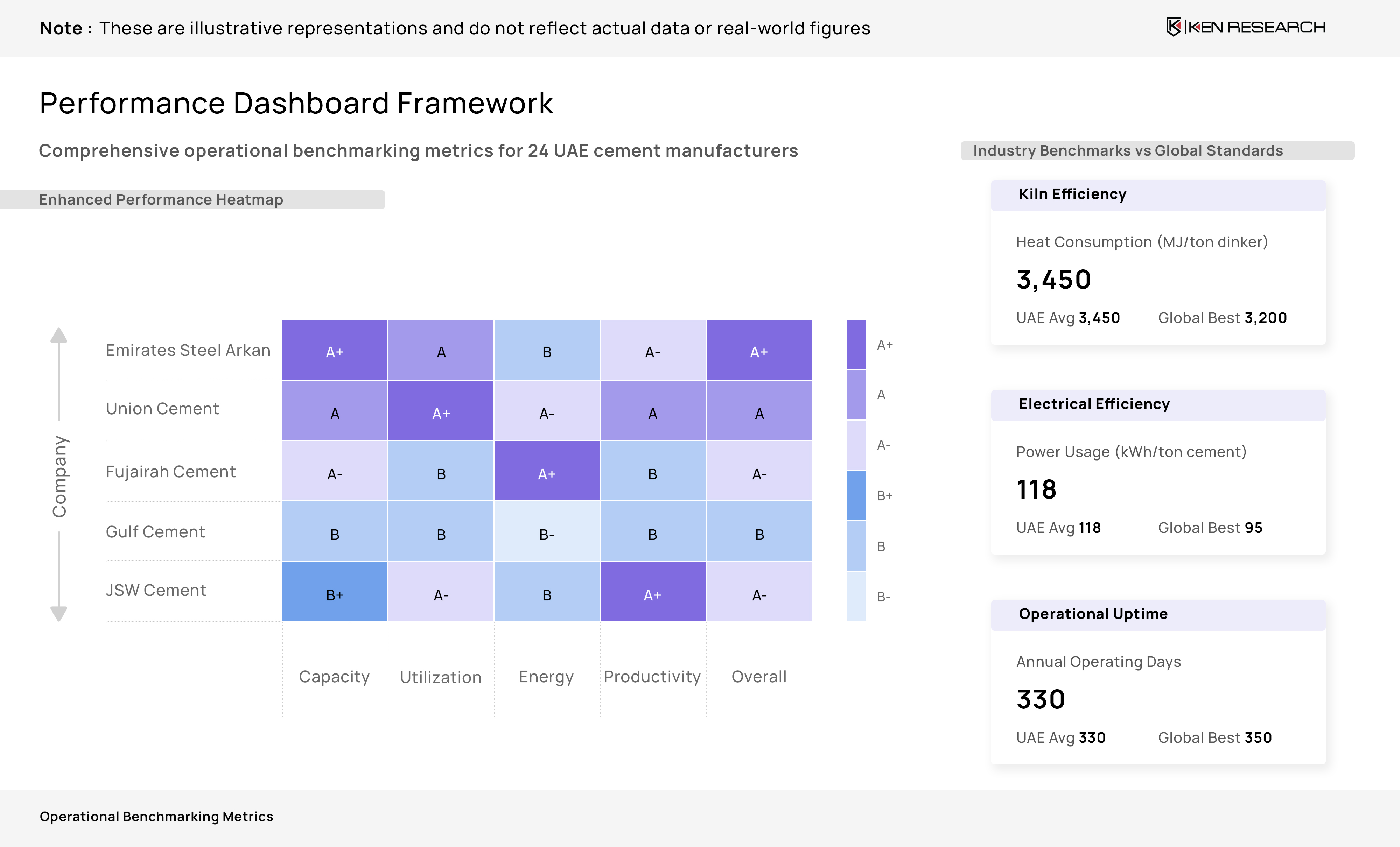
Market leadership is distributed between diversified conglomerates like Mahindra and Escorts, alongside focused equipment manufacturers like Sonalika and Captain Tractors, reflecting a strong balance of legacy and innovation.
Regional manufacturers, such as Kartar Agro Industries and Indo Green Farm Solutions, strengthen localized ecosystems with tailored products for regional farming practices.
Key Operational Performance Metrics
Company Performane Overview
Unlock Market Insights
Dive deeper into production, distribution, and pricing intelligence.
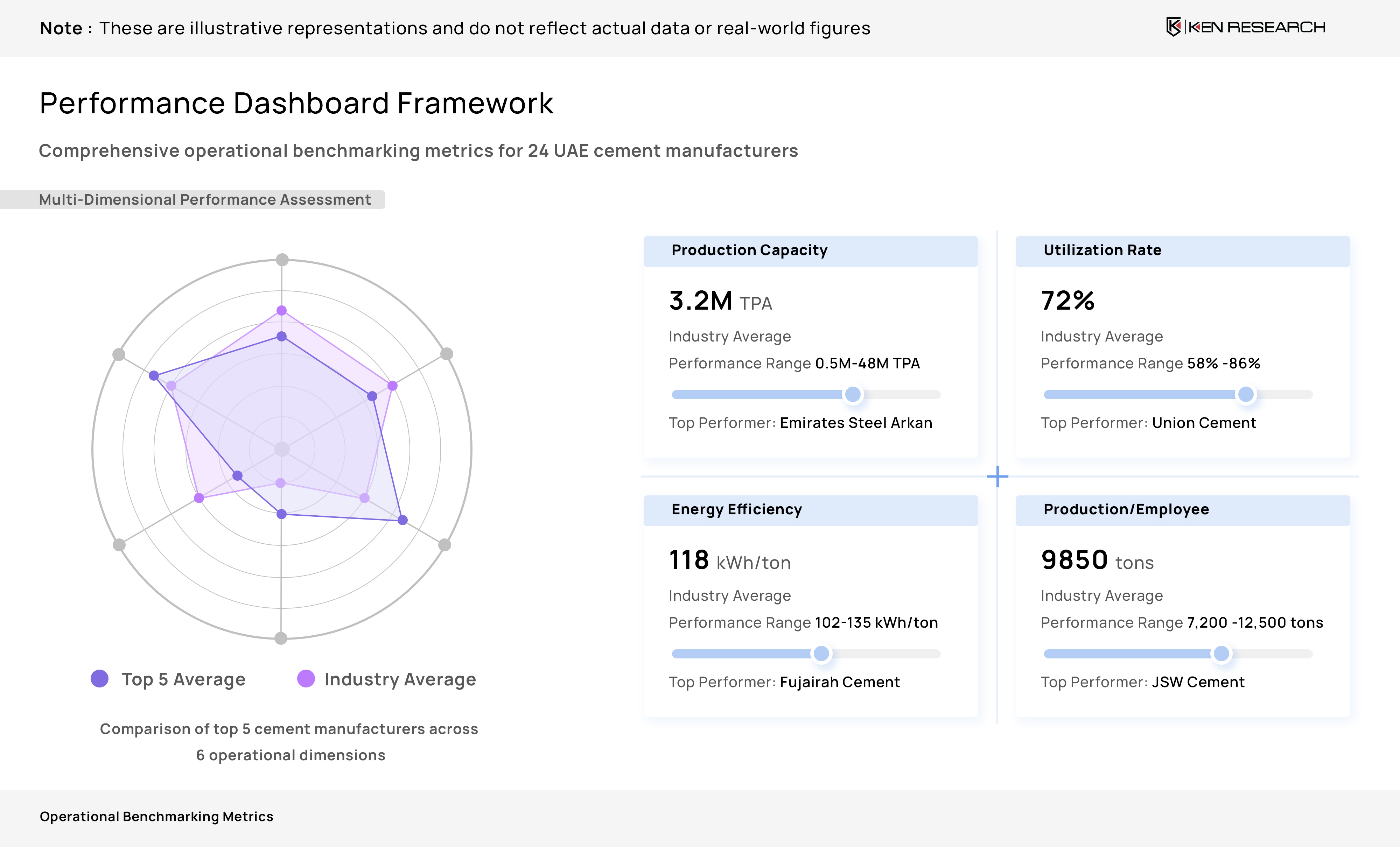
Get Customized ReportKey revenue-driving parameters highlight differences in scale, with Mahindra, TAFE, and Escorts having higher production capacity and distribution coverage compared to small-scale regional players.
The inclusion of pricing as a core parameter underscores its role in shaping affordability, adoption, and competitive positioning in the Indian market.
Core Financial Performance Metrics
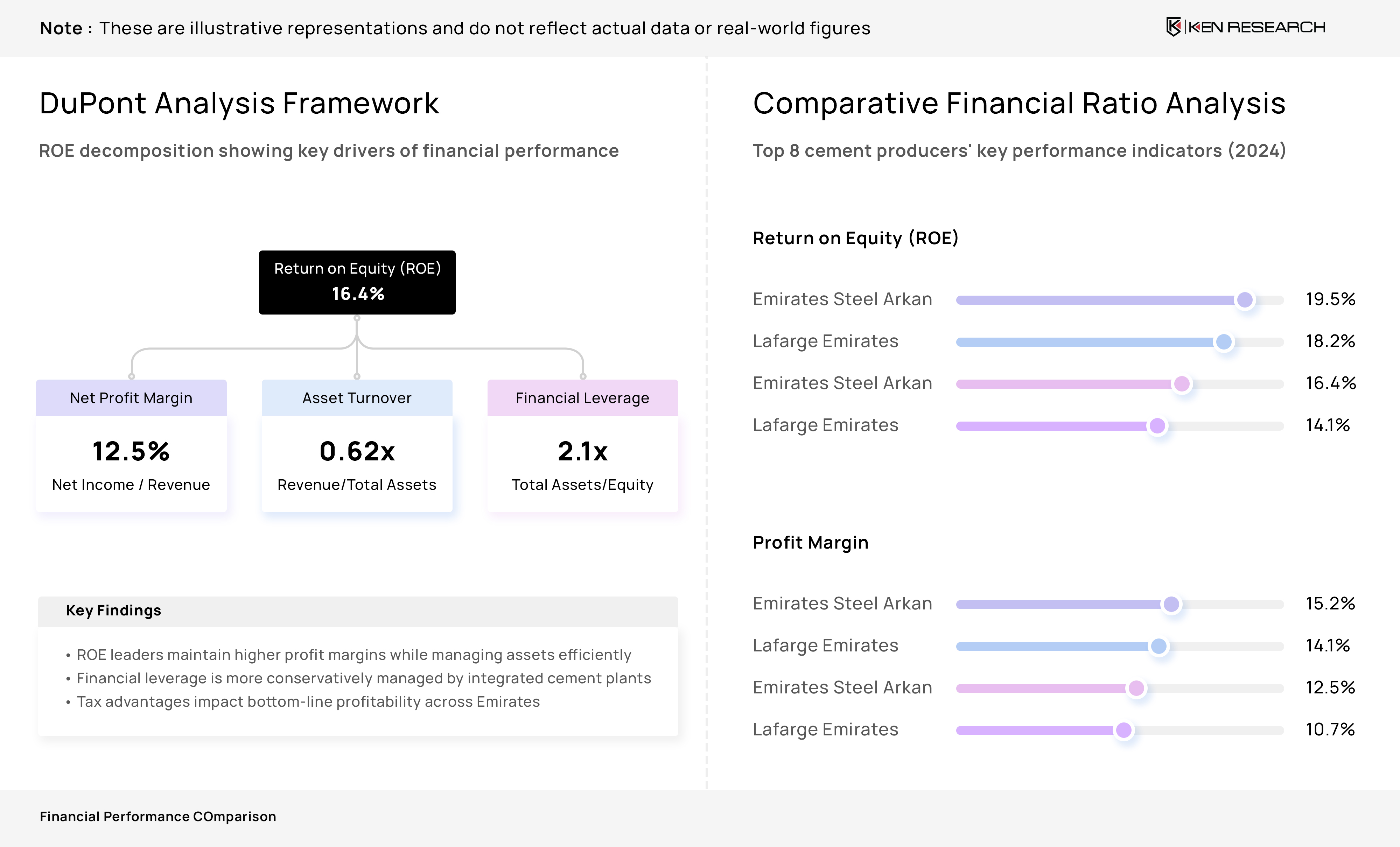
Financial benchmarking emphasizes profitability metrics such as EBITDA and PAT margins, which are critical in distinguishing leaders like Mahindra and Escorts from regional players operating at thinner margins.
Revenue growth trajectories and cost management efficiency remain central to competitive positioning, directly shaping sustainability and long-term dominance in India’s agricultural equipment industry.
Table of Contents
1. Ecosystem Matrix
1.1 Large Players
1.1.1 Mahindra & Mahindra Ltd
1.1.2 TAFE Motors and Tractors Limited
1.1.3 Escorts Kubota Limited
1.1.4 International Tractors Limited
1.1.5 CNH Industrial (India) Private Limited
1.2 Medium Players
1.2.1 VST Tillers Tractors Limited
1.2.2 Force Motors Limited
1.2.3 John Deere India Private Limited
1.2.4 Beri Udyog Pvt Ltd.
1.2.5 India Agrovision Implements Pvt. Ltd.
1.3 Small Players
1.3.1 KisanKraft Limited
1.3.2 Tillers Tractors Ltd.
1.3.3 VST Tillers Tractors Limited
1.3.4 Shivagrico Implements Limited
1.3.5 KisanKraft Limited
2. Leading Player Profiles
2.1 Parameters
2.1.1 Company Name
2.1.2 Group Name
2.1.3 Headquarters
2.1.4 Established Year
2.1.5 Core Services
2.1.6 Mode of Functioning
2.2. Players
2.2.1 CNH Industrial (India) Private Limited
2.2.2 Escorts Kubota Limited
2.2.3 International Tractors Limited
2.2.4 Mahindra & Mahindra Ltd
2.2.5 TAFE Motors and Tractors Limited
2.2.6 Beri Udyog Pvt Ltd.
2.2.7 Force Motors Limited
2.2.8 India Agrovision Implements Pvt. Ltd.
2.2.9 John Deere India Private Limited
2.2.10 VST Tillers Tractors Limited
2.2.11 KisanKraft Limited
2.2.12 Shivagrico Implements Limited
2.2.13 Tillers Tractors Ltd.
3. Key Operational Performance Metrics
3.1 Parameters
3.1.1 Tractor Sales Volume (units)
3.1.2 Power Tiller Sales Volume (units)
3.1.3 Aftermarket Spare Parts Revenue (units)
3.1.4 Average Selling Price per Unit (USD Mn)
3.1.5 Dealer Network Coverage (%)
3.1.6 Fuel Efficiency Improvement (%)
3.1.7 Machine Downtime (hours/year)
3.1.8 Average Service Turnaround Time (days)
3.1.9 Customer Retention Rate (%)
3.1.10 Warranty Claim Rate (%)
4. Core Financial Performance Metrics
4.1 Parameters
4.1.1 Revenue (USD Mn)
4.1.2 Revenue Growth (%)
4.1.3 COGS (USD Mn)
4.1.4 COGS Growth (%)
4.1.5 EBITDA (USD Mn)
4.1.6 EBITDA Growth (%)
4.1.7 EBITDA Margin (%)
4.1.8 PAT (USD Mn)
4.1.9 PAT Margin (%)
5. Methodology
5.1 Approach
5.1.1 Desk Sources
5.1.2 Primary Interviews
5.1.3 Sanity Checking & Validation
5.2 Benchmarking Process
5.2.1 Data Collection
5.2.2 Primary Validation
5.2.3 Proxy KPI Modelling
5.2.4 Normalization & Indexing
5.2.5 Gap Analysis
5.2.6 Peer Review
5.3 Sample Composition
5.3.1 Scope Items
5.3.2 Sample Size
5.3.3 Target Respondents
Methodology
Ken Research will deploy its proprietary, multi-layered research framework—combining robust secondary research, targeted primary outreach, and rigorous data validation—to deliver an authoritative competitive landscape analysis of the Indian agricultural equipment market. All proxy KPIs are selected to capture the operational and financial realities of tractors, harvesters, tillers, and farm implements in India.
Desk Sources
- Industry reports from proprietary databases and Ken Research archives
- Company annual reports and investor presentations
- Government and trade association publications, including MoA&FW, Tractor Manufacturers Association, FADA, and the VAHAN database
- Trade magazines, industry journals, and relevant e-articles
- Financial intelligence databases such as Bloomberg and Capital IQ
- Web traffic and app usage dashboards, including SimilarWeb and App Annie
Primary Interviews
- CATI interviews and online surveys with key industry stakeholders
- Category managers and R&D heads of agricultural equipment manufacturers
- Senior sales and marketing leaders at leading equipment players
- Distributors and dealer principals
- Farmers, FPO leaders, and rental fleet operators (Custom Hiring Centers)
- Technology and service providers for telematics and precision agriculture tools
Sanity Checking & Validation
- Triangulation to cross-verify estimates from secondary research, primary inputs, and proxy model outputs
- Proxy KPI synthesis using installed base, dealer footprint, horsepower-band registrations, service revenues, and aftermarket attach rates to estimate revenues or capacities
- Outlier analysis to identify inconsistencies and reconcile anomalous data points through follow-up discussions
- Assumption tracking with a structured log documenting benchmarking assumptions, limitations, and proxy KPI sources
- Internal peer review of research methodology, analytical models, and key outputs prior to finalization
An Inside Look At Our Custom Insights
Take a look at ourcustomized insights, tailored to yourmarket and business needs. Our benchmarking reports deliver data-driven comparisons of key players, helping you uncover opportunities, assess performance, and make confident strategic decisions.