India Fertilizer Distribution & Trading Competition Benchmarking 2025: Distributor Network, Channel Coverage, Product Portfolio & Company Performance
Published on: December 2025
Report Overview
India Fertilizer Distribution Market Overview
Market Highlights
The India Fertilizer Distribution Market showcases a diverse competitive structure, where multinational corporations, regional manufacturers, and local firms engage in a dynamic interplay. Multinationals leverage their extensive resources for efficiency, while regional players focus on tailored solutions that resonate with local agricultural practices, and local firms capitalize on agility and niche expertise to penetrate specific market segments.
Innovation from global players is harmoniously blended with localized adaptations, as companies tailor their product offerings and distribution strategies to meet the unique needs of Indian farmers. This synergy fosters a robust ecosystem where technology and traditional practices coexist, ensuring that solutions are both cutting-edge and contextually relevant.
The distribution and aftersales ecosystem is pivotal in enhancing customer satisfaction and operational efficiency. Strategic collaborations among manufacturers, distributors, and agronomists facilitate seamless access to fertilizers, while comprehensive aftersales support, including training and advisory services, strengthens customer loyalty and enhances the overall value proposition.
Looking ahead, the competitive landscape is increasingly shaped by a focus on sustainability, technological integration, and operational agility. Companies are adopting innovative practices that prioritize resource efficiency and environmental stewardship, while also embracing digital tools to enhance decision-making and responsiveness, thereby positioning themselves favorably in a rapidly evolving market.
Ecosystem Matrix
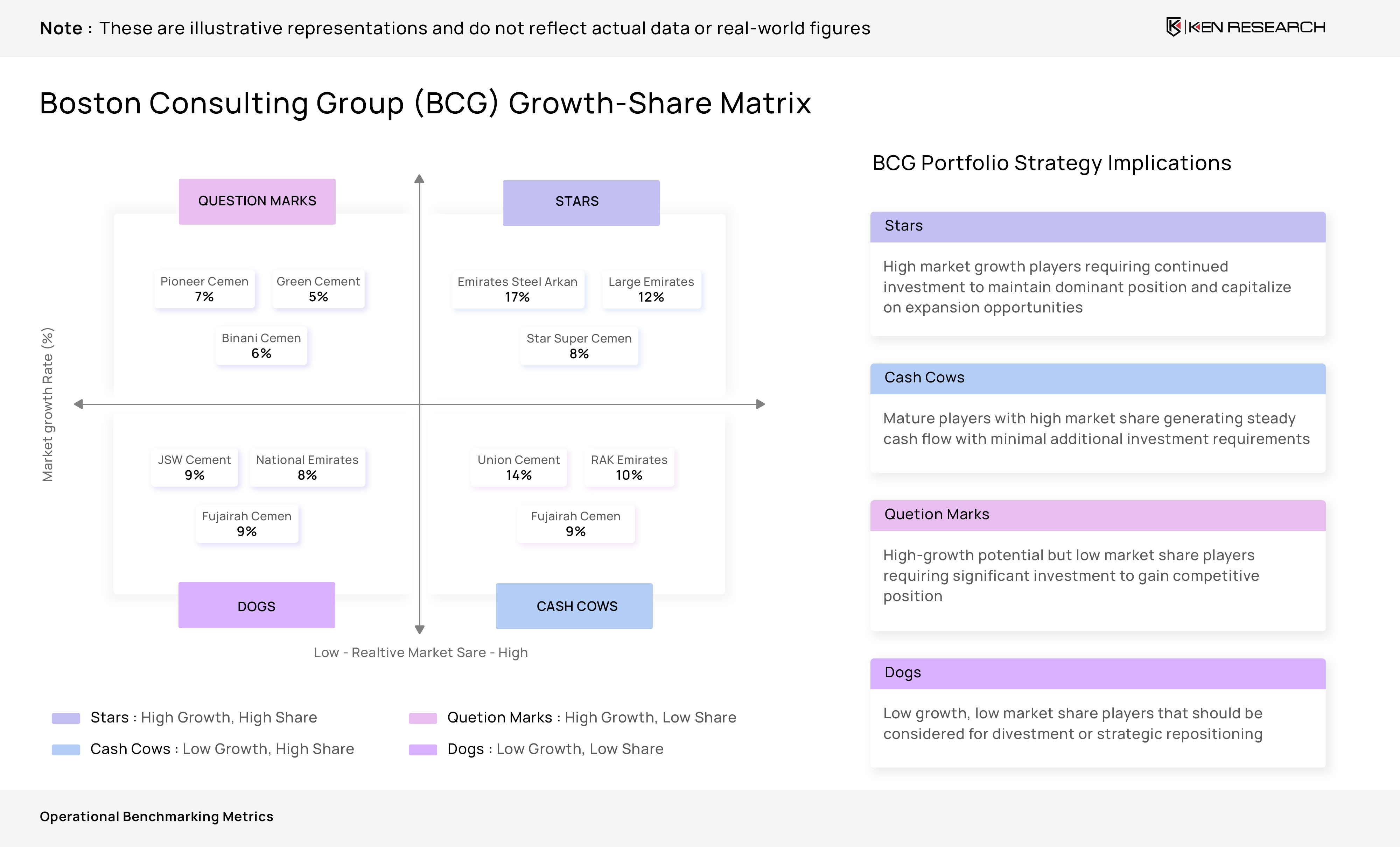
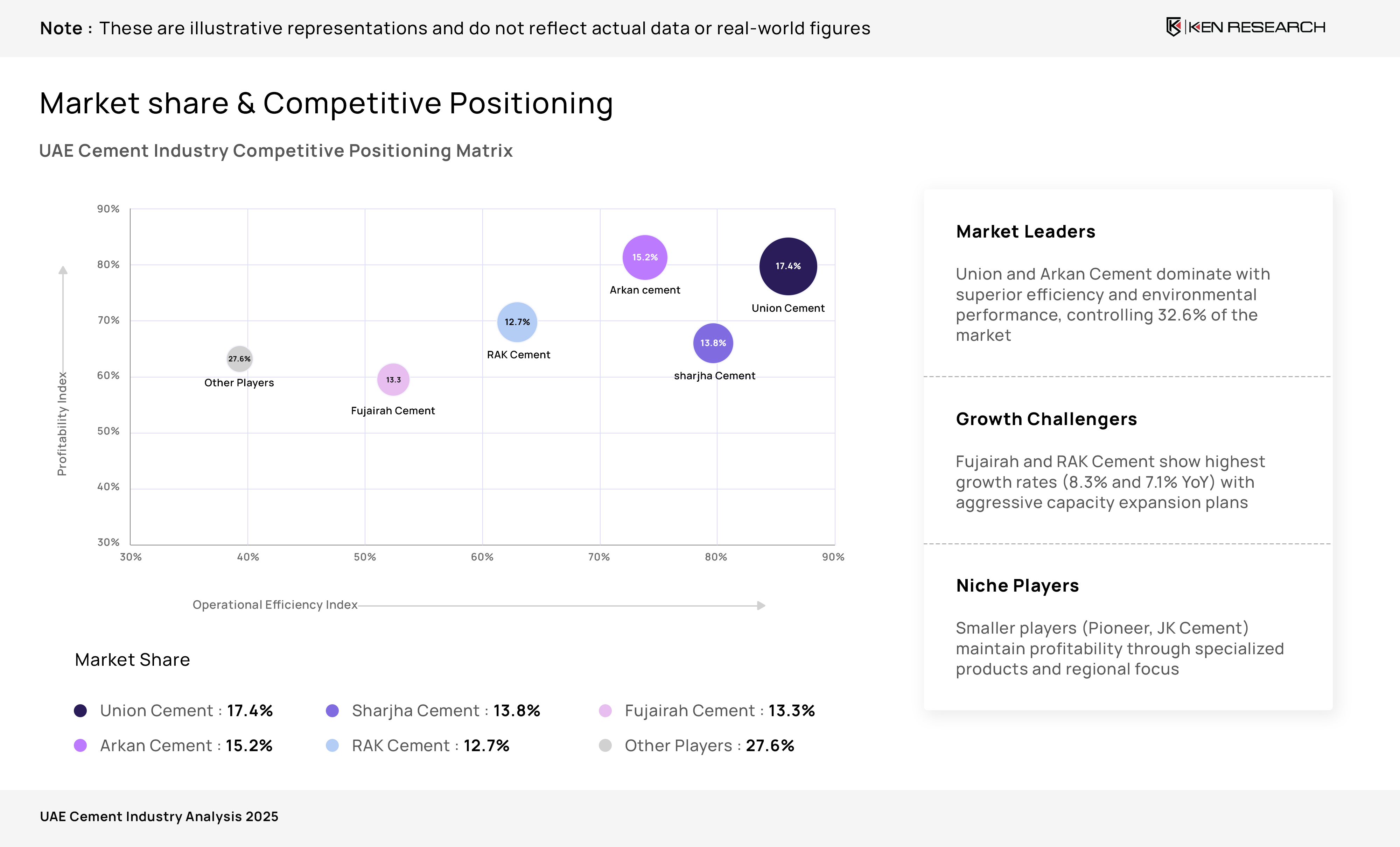
The Indian fertilizer market is highly concentrated with large cooperatives and state-owned firms driving volumes, while private mid-sized and smaller players contribute niche strengths in specialty and regional coverage. This blend creates competitive intensity and regional market fragmentation.
Large entities dominate procurement, import facilitation, and distribution reach, whereas medium and small companies often diversify into specialty, crop-specific, or organic fertilizer niches, indicating a structurally layered competitive environment across geographies.
Leading Player Profiles
Company Profile Overview
Cooperative groups and PSUs dominate with deep distribution capabilities, while private conglomerates expand through specialty products and retail penetration, balancing the ecosystem with both mass-scale and niche coverage.
Diversification into bio-fertilizers, crop care solutions, and retail chains by larger players reflects the market’s transition from commodity supply to integrated agri-solutions.
Key Operational Performance Metrics
Company Performance Overview
Unlock Market Insights
Dive deeper into production, distribution, and pricing intelligence.
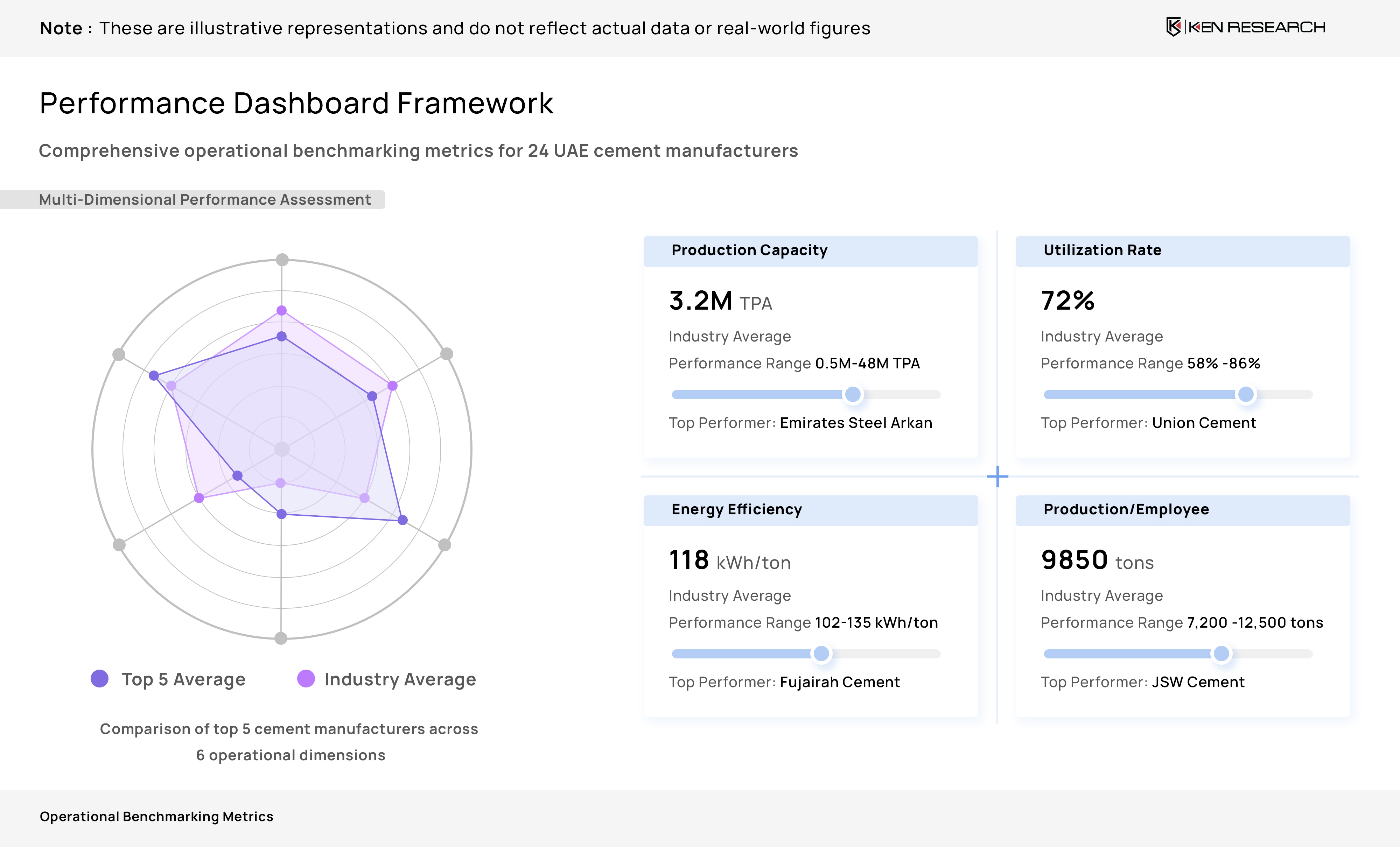
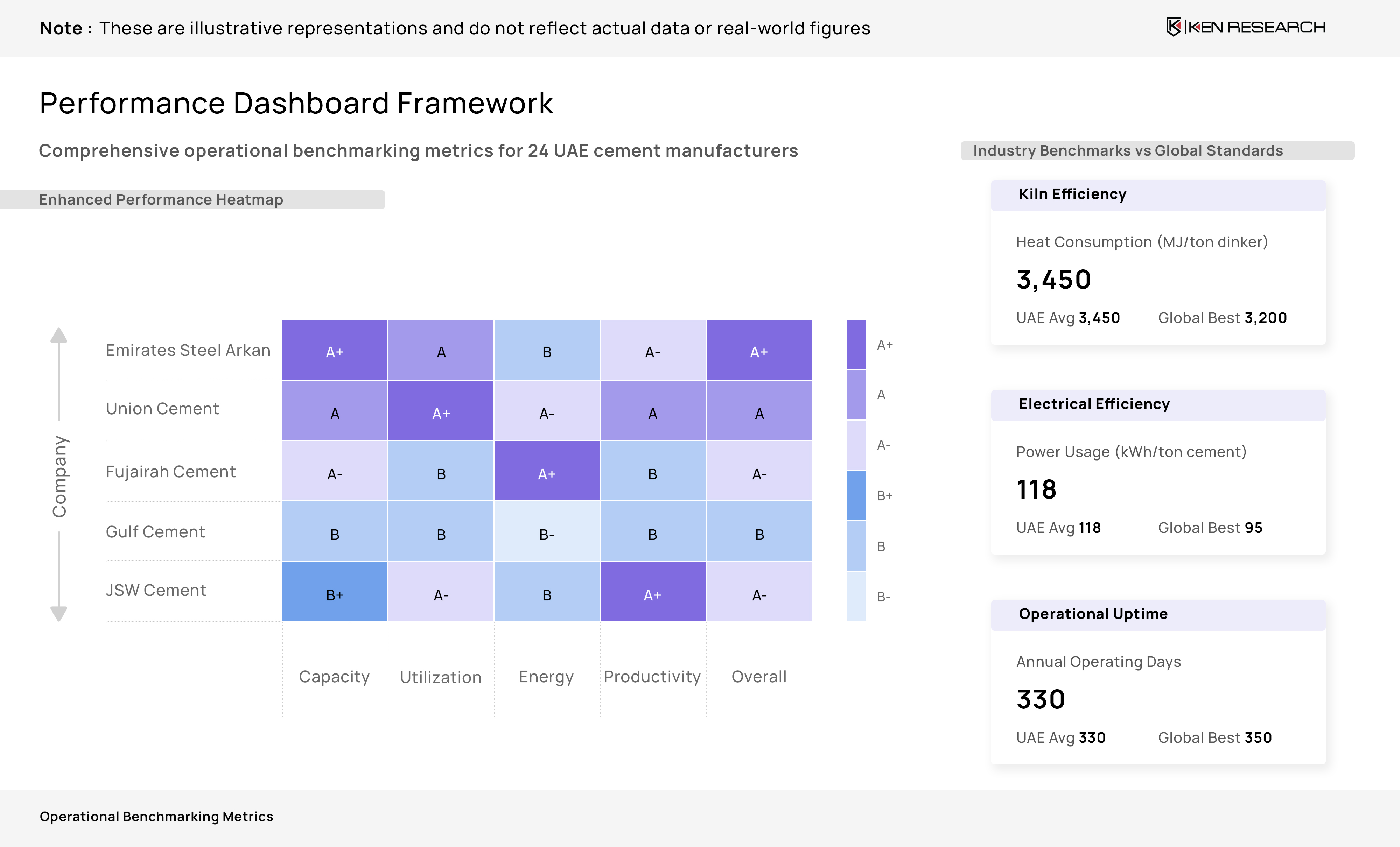
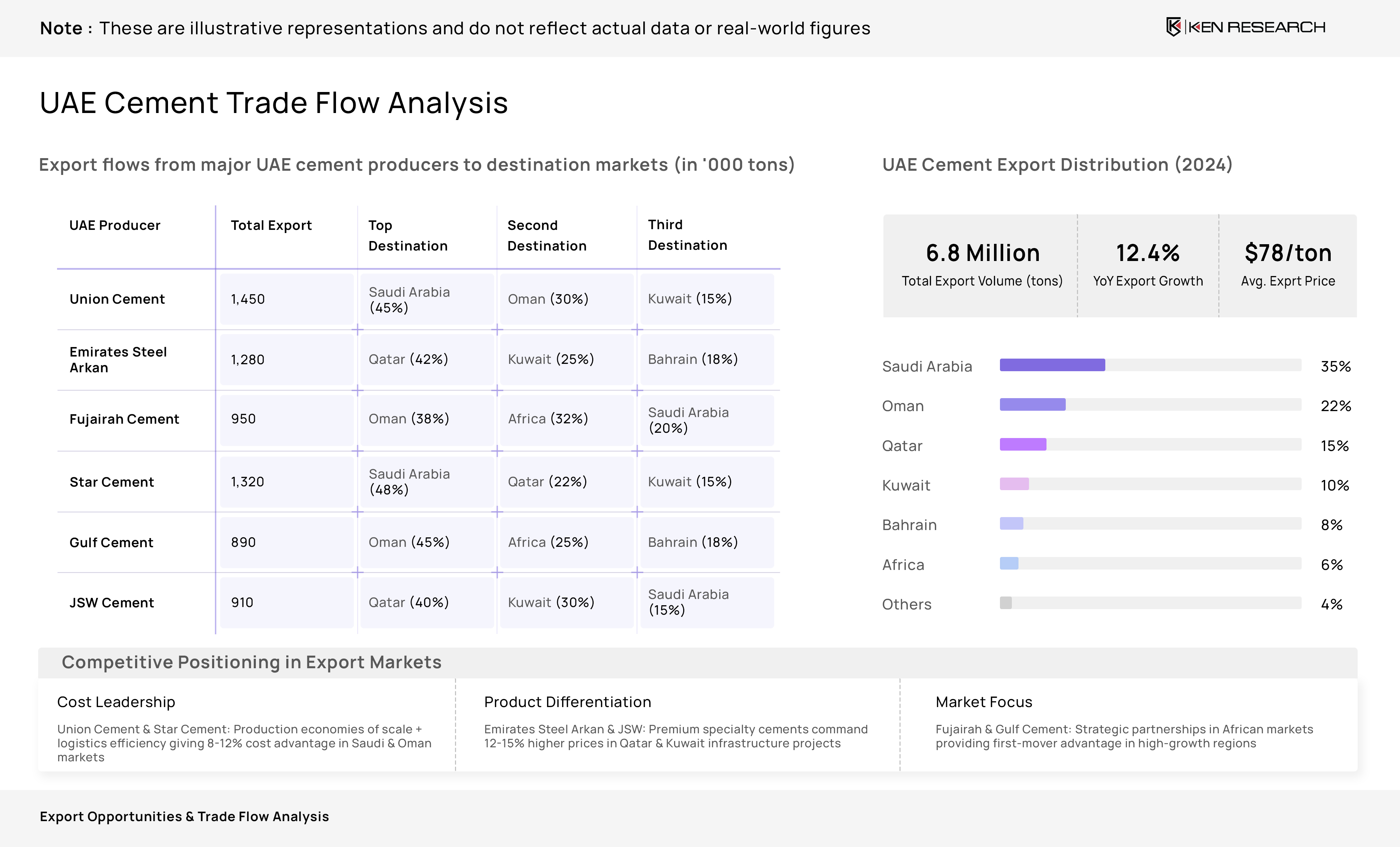
Get Customized ReportKey operational metrics such as production capacity, dealer network reach, and pricing strategies directly influence company competitiveness, with larger players leveraging economies of scale while smaller firms focus on differentiated pricing and regional targeting.
Export share and product portfolio breadth highlight the strategic positioning of players—balancing between global competitiveness and localized market penetration—especially important in a highly subsidy-regulated Indian environment.
Core Financial Performance Metrics
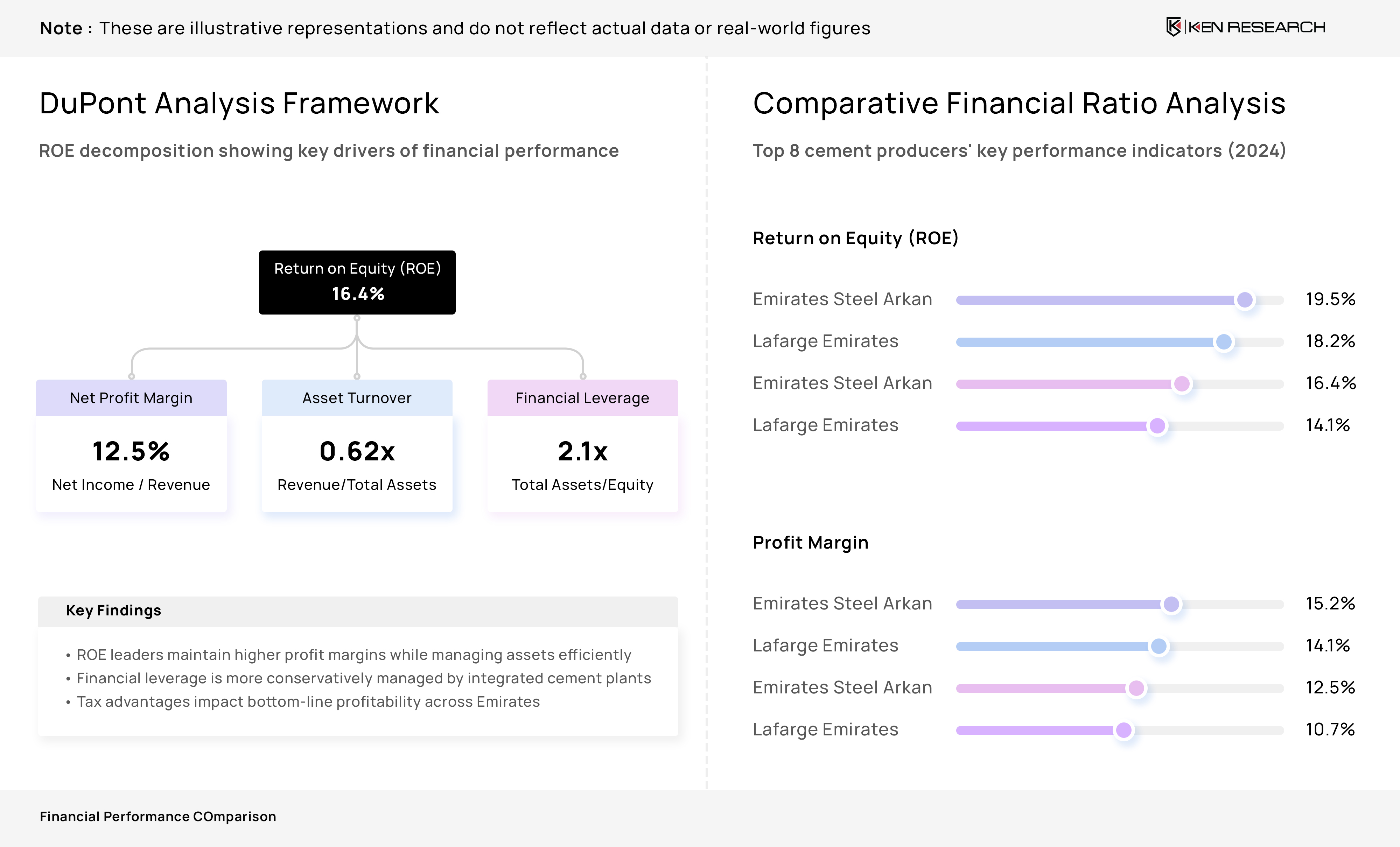
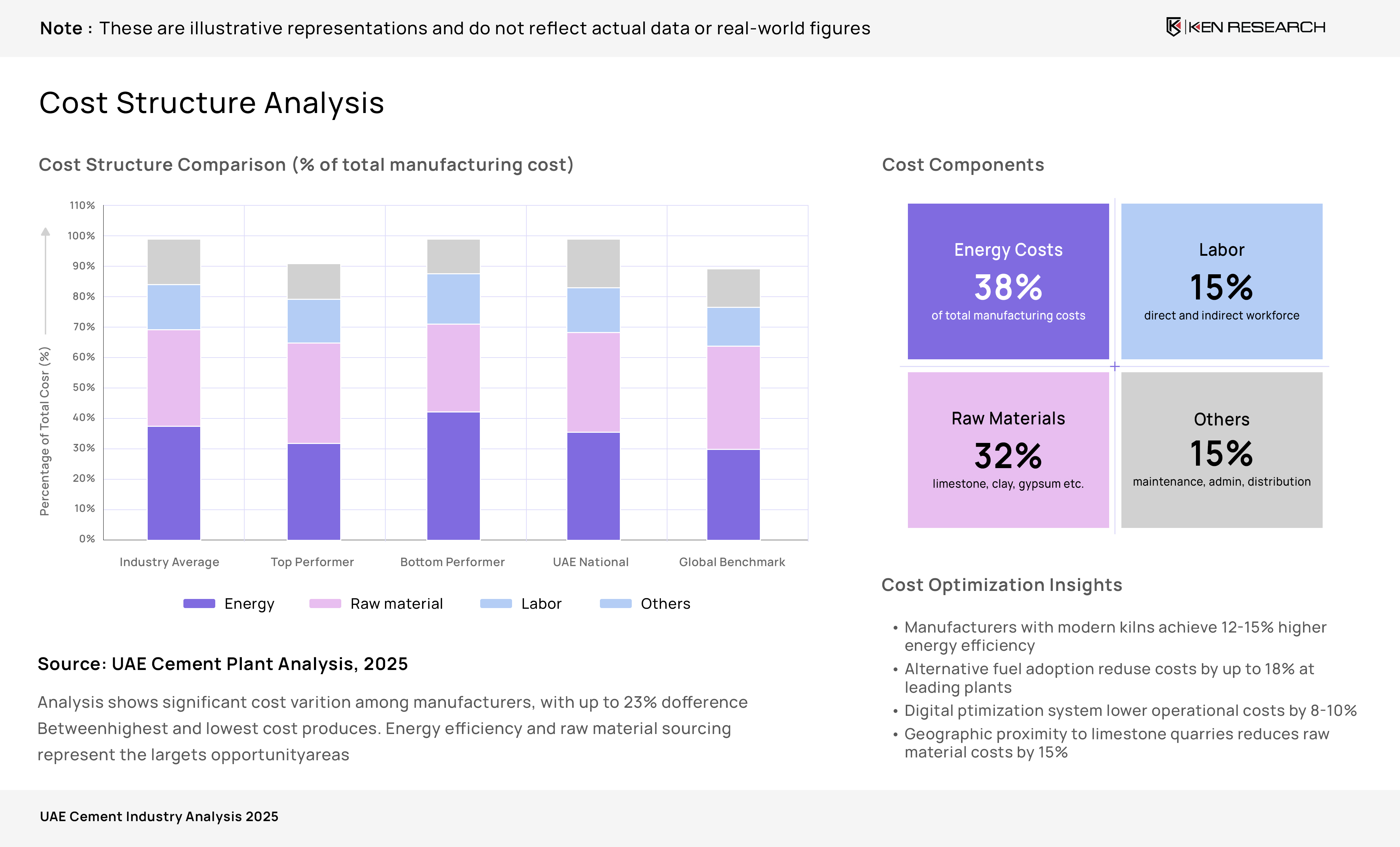
Financial performance in India’s fertilizer market is influenced heavily by subsidy structures, raw material cost fluctuations, and global fertilizer price trends, impacting margins across both public and private players.
Larger companies maintain scale-driven revenue stability, while medium and small firms face margin pressures but capitalize on niche fertilizer demand and localized distribution, shaping the competitive financial landscape.
Table of Contents
1. Ecosystem Matrix
1.1 Large Players
1.1.1 IFFCO
1.1.2 Coromandel International
1.1.3 Chambal Fertilisers & Chemicals
1.1.4 National Fertilizers Ltd.
1.1.5 Rashtriya Chemicals & Fertilizers
1.1.6 Gujarat State Fertilizers & Chemicals
1.1.7 Zuari Agro Chemicals
1.1.8 Tata Chemicals
1.2 Medium Players
1.2.1 Paradeep Phosphates
1.2.2 Nagarjuna Fertilizers
1.2.3 Indo Gulf Fertilisers
1.2.4 Southern Petrochemical Industries Corporation
1.2.5 Krishak Bharati Cooperative Ltd.
1.2.6 Deepak Fertilisers
1.2.7 Madras Fertilizers
1.3 Small Players
1.3.1 Aries Agro
1.3.2 Mangalore Chemicals
1.3.3 Indian Potash Ltd.
1.3.4 Rama Phosphates
1.3.5 Khaitan Chemicals
2. Leading Player Profiles
2.1 Company Name & Group Name
2.2 Headquarters
2.3 Established Year
2.4 Core Services
2.5 Mode of Functioning
3. Key Operational Performance Metrics
3.1 Production Capacity (MT)
3.2 Dealer / Distribution Network (No. of outlets)
3.3 Installed Base (Units)
3.4 Annual Sales Volume (MT)
3.5 Pricing (USD/MT)
3.6 After-Sales Service Coverage
3.7 Product Portfolio Breadth
3.8 Export Share (%)
4. Core Financial Performance Metrics
4.1 Parameters
4.1.1 Revenue (USD Mn)
4.1.2 Revenue Growth (%)
4.1.3 COGS (USD Mn)
4.1.4 COGS Growth (%)
4.1.5 EBITDA (USD Mn)
4.1.6 EBITDA Growth (%)
4.1.7 EBITDA Margin (%)
4.1.8 PAT (USD Mn)
4.1.9 PAT Margin (%)
5. Methodology
5.1 Approach
5.1.1 Desk Sources
5.1.2 Primary Interviews
5.1.3 Sanity Checking & Validation
5.2 Benchmarking Process
5.2.1 Data Collection
5.2.2 Primary Validation
5.2.3 Proxy KPI Modelling
5.2.4 Normalization & Indexing
5.2.5 Gap Analysis
5.2.6 Peer Review
5.3 Sample Composition
5.3.1 Scope Items
5.3.2 Sample Size
5.3.3 Target Respondents
Methodology
Ken Research will deploy its proprietary, multi-layered research framework—combining robust secondary research, targeted primary outreach, and rigorous data validation—to deliver an authoritative competitive landscape analysis of the India Fertilizer Distribution Market.
Desk Sources
- Industry reports from proprietary databases and Ken Research archives
- Company annual reports and investor presentations
- Government and trade association publications, including the Saudi Ministry of Environment, Water & Agriculture, SASO, and GAStat
- Trade magazines, journals, and online portals such as AgriME and Middle East Agriforum
- Financial databases including Bloomberg and Capital IQ
- Web traffic and app usage dashboards such as SimilarWeb, App Annie, and Google Trends
Primary Interviews
- CATIs and online surveys with category managers and R&D heads at agricultural equipment manufacturers
- Senior sales and marketing leaders at local distributors and OEMs
- Regional dealers, channel partners, and modern trade buyers
- Independent agricultural consultants and industry associations
- Technology and service providers for digital and precision agriculture metrics
Sanity Checking & Validation
- Triangulation to cross-verify estimates from secondary data, primary inputs, and proxy model outputs
- Proxy KPI synthesis using installed base, dealer and distributor counts, tractor sales volumes, after-sales service penetration, and machinery rental activity
- Outlier analysis to identify and reconcile anomalous data points through follow-up discussions
- Assumption tracking with a structured log documenting limitations and proxy KPI sources
- Peer review by internal subject-matter experts prior to finalization
An Inside Look At Our Custom Insights
Take a look at ourcustomized insights, tailored to yourmarket and business needs. Our benchmarking reports deliver data-driven comparisons of key players, helping you uncover opportunities, assess performance, and make confident strategic decisions.