India Insurance Broking & Advisory Competition Benchmarking 2025: Insurer Partnerships, Customer Segments, Advisory Capabilities & Market Share
Published on: February 2026
Report Overview
India Insurance Broking Market Overview
Market Highlights
Global best practices in risk advisory, claims advocacy, and benefits structuring increasingly blend with localized execution models tailored to India’s fragmented demand base. Domestic brokers refine product design, pricing, and servicing to address SMEs and retail segments, while digital players simplify the buying journey through assisted sales, advisor platforms, and streamlined policy issuance, ensuring regulatory alignment and insurer integration.
The distribution and aftersales ecosystem remains central to competitive differentiation. Strong advisor networks, efficient renewal management, and responsive claims support directly shape customer retention and lifetime value. Brokers with integrated servicing and coordinated insurer engagement demonstrate higher client stickiness and more stable renewal economics.
Strategically, leading players focus on operational efficiency, disciplined cost management, and targeted technology adoption to sustain margins in a competitive pricing environment. Analytics-led cross-sell and advisory-driven value creation increasingly separate high-performing brokers from transactional intermediaries, shaping long-term leadership in the India insurance broking market.
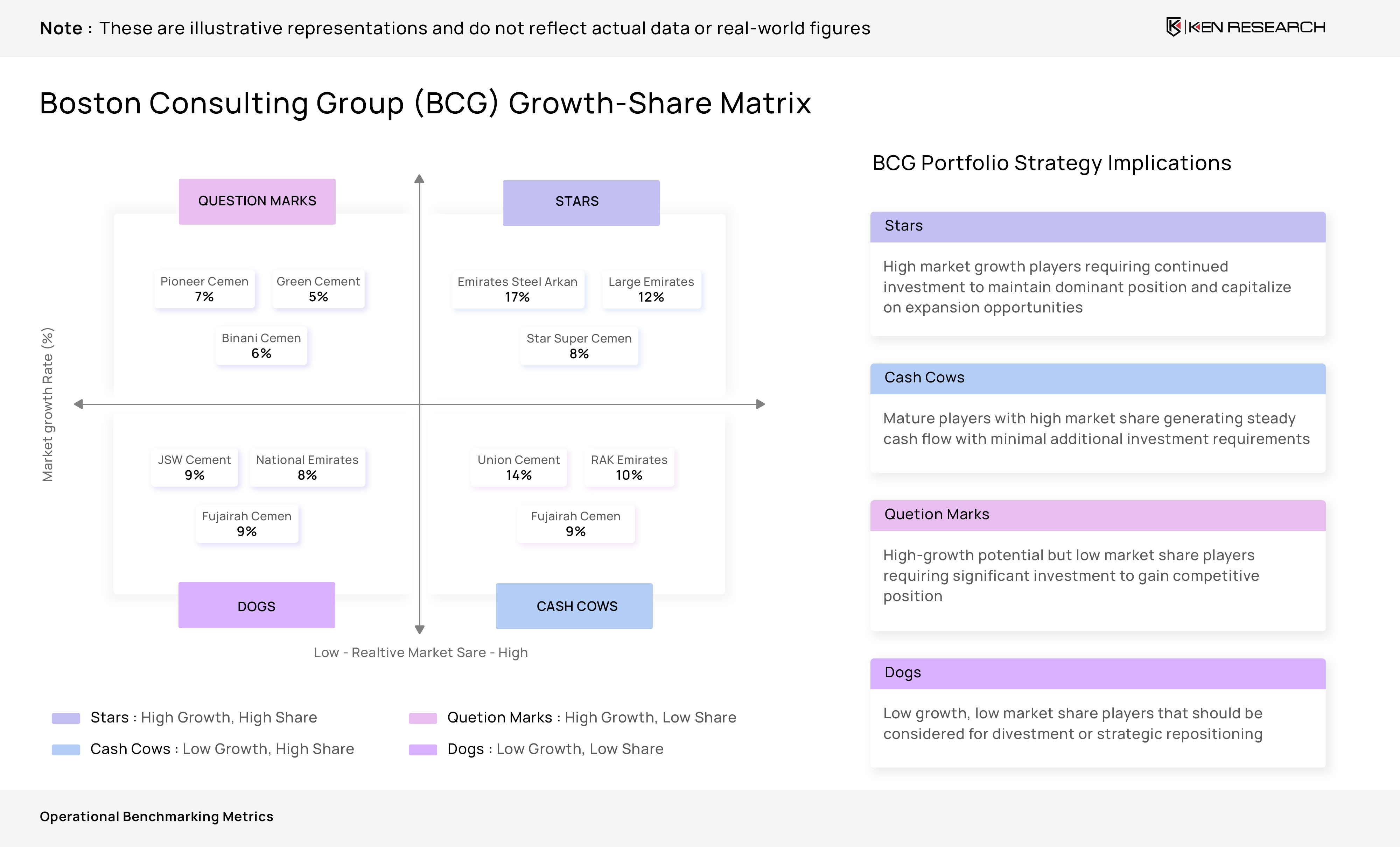
Ecosystem Matrix
India’s insurance broking ecosystem is clearly dual-speed: global composite brokers dominate large-ticket corporate risk and benefits, while scaled domestic brokers win through distribution depth, product bundling, and sharper servicing economics across SME and retail lines.
Competitive intensity is rising as digital-first brokers improve conversion and renewal engines, pushing incumbents to strengthen claims advocacy, industry-specialist advisory, and fee-based risk services to protect margin and reduce dependence on pure placement commissions.
Leading Player Profiles
Company Profile Overview
The leading set spans three operating archetypes: global composite brokers (high-value corporate risk), scaled Indian brokerages (distribution plus servicing), and digital-first players (conversion, renewals, and low-CAC acquisition). This mix is tightening competition across both corporate benefits and mass retail.
Establishment timelines signal maturity advantages for legacy brokers in complex corporate placements, while 2013–2016 entrants are structurally better at tech-led sourcing and renewal workflows, forcing a market shift toward faster servicing, stronger claims support, and better unit economics.
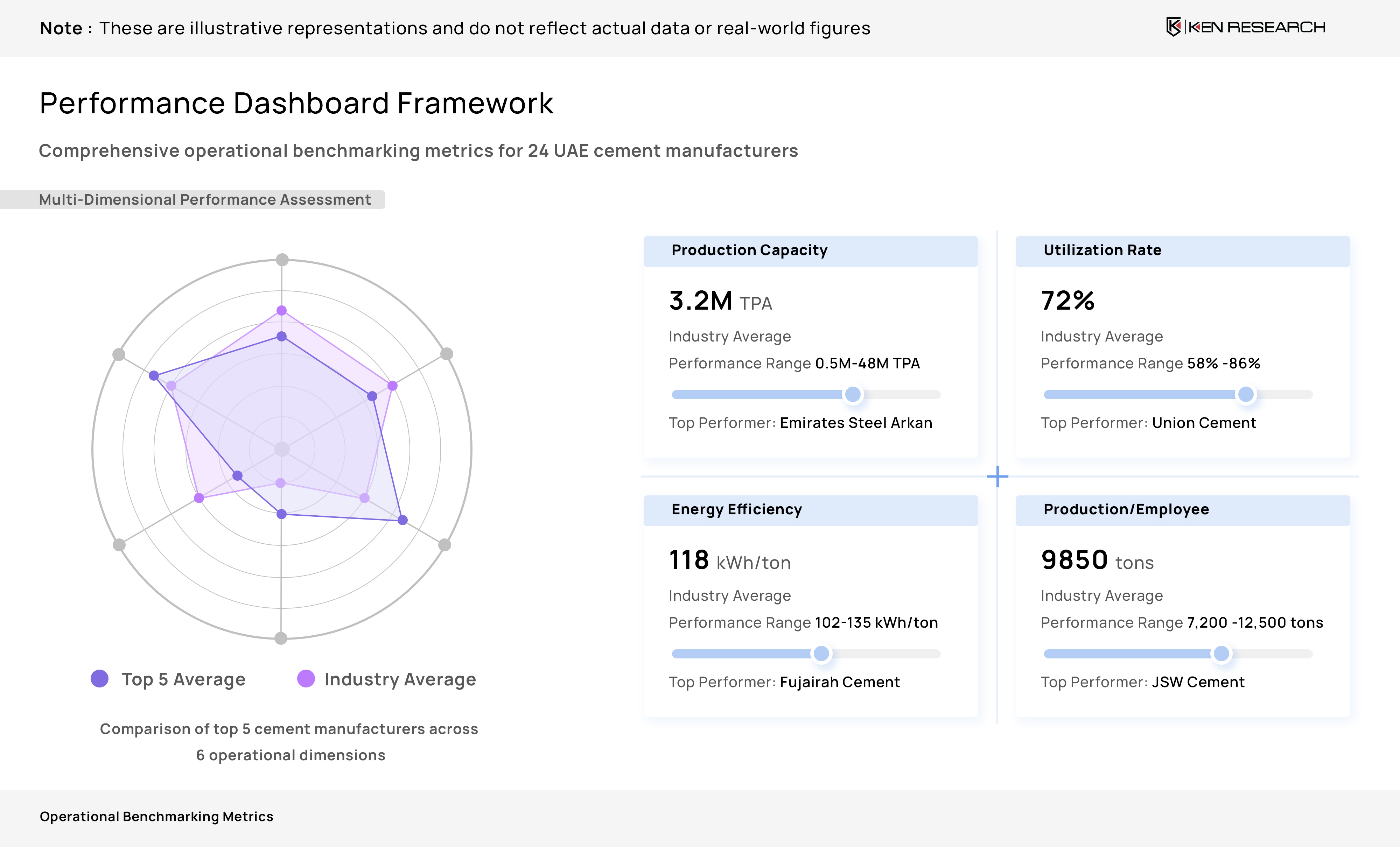
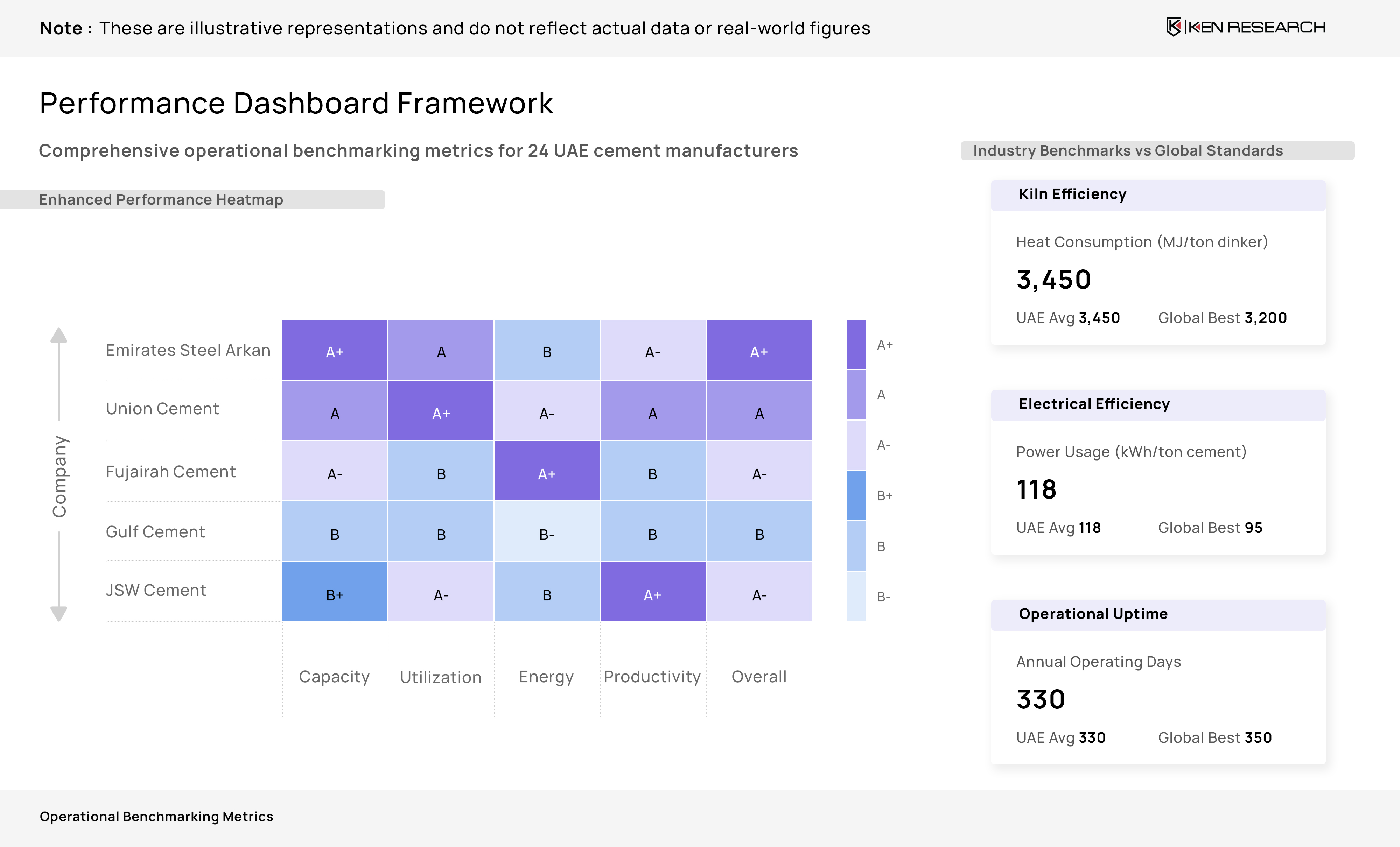
Key Operational Performance Metrics
Company Performance Overview
Unlock Market Insights
Dive deeper into production, distribution, and pricing intelligence.
Get Customized ReportRevenue leadership in Indian broking is primarily a function of premium placed, fee rate discipline, and renewal retention, with digital conversion increasingly separating scaled brokers from long-tail players. Pricing power improves meaningfully when claims advocacy and risk advisory become measurable outcomes.
The market is moving toward operating leverage: higher advisor productivity, stronger cross-sell, and tighter renewal engines. Brokers that standardize pricing (fees) while expanding corporate account depth typically outperform on net brokerage income and margin stability.
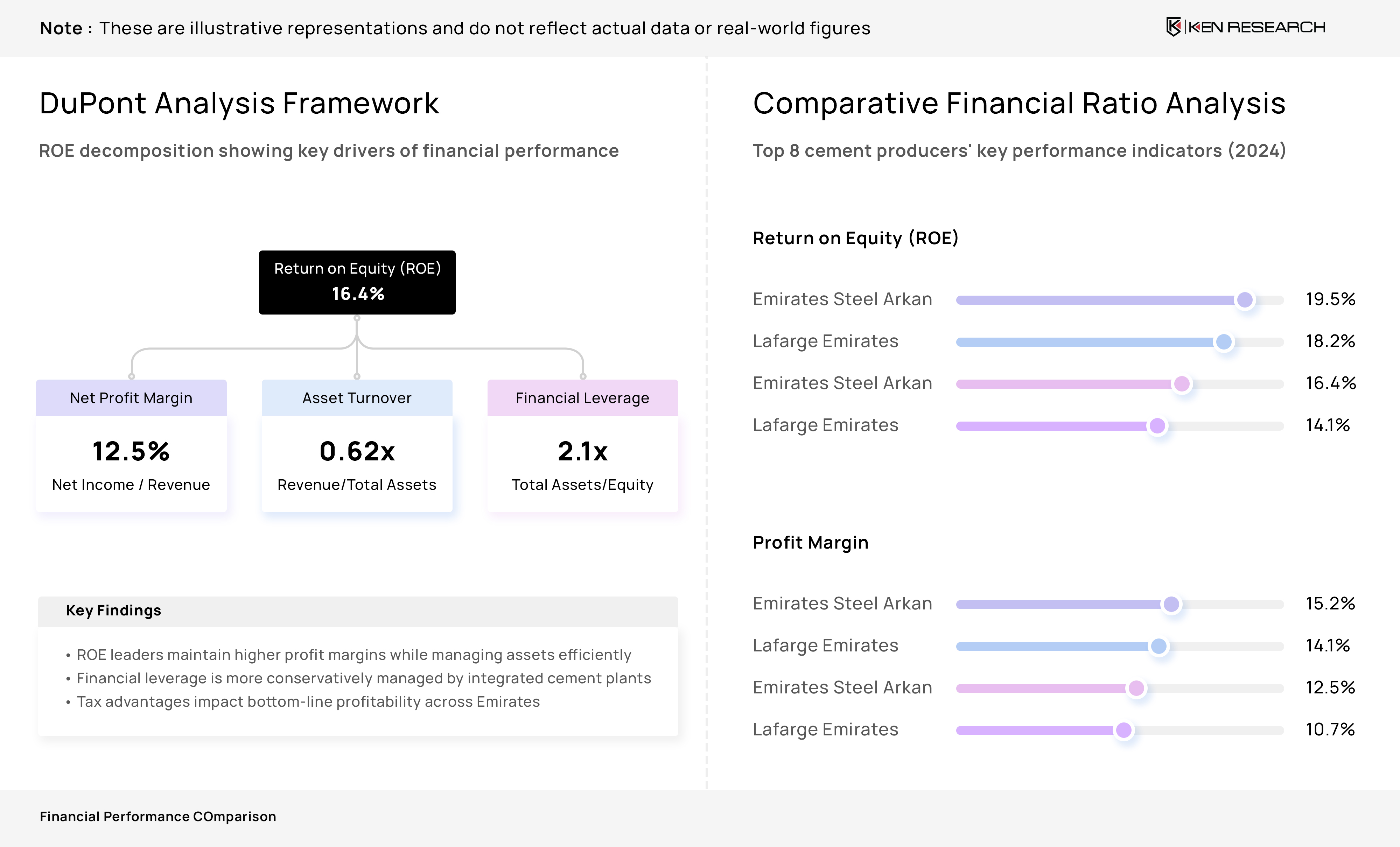
Core Financial Performance Metrics
Financial outperformance typically follows scale plus mix: brokers with higher corporate share and sticky renewals tend to show steadier revenue growth and better EBITDA margins, while retail-heavy models must offset higher servicing costs through conversion, productivity, and automation.
Margin expansion is most achievable when revenue is diversified across placement, advisory fees, and benefits consulting, reducing volatility from commission compression and improving PAT stability through predictable recurring renewal income.
Table of Contents
1. Ecosystem Matrix
1.1 Large Players
1.1.1 Marsh India
1.1.2 Aon Risk Insurance Brokers India
1.1.3 Willis Towers Watson India Insurance Brokers
1.1.4 Howden Insurance Brokers India
1.1.5 Gallagher Insurance Brokers
1.1.6 Lockton India Insurance Broking and Advisory
1.1.7 Mahindra Insurance Brokers
1.1.8 Prudent Insurance Brokers
1.2 Medium Players
1.2.1 Probus Insurance Broker
1.2.2 Bajaj Capital Insurance Broking
1.2.3 Anand Rathi Insurance Brokers
1.2.4 Policybazaar Insurance Brokers
1.2.5 Turtlemint Insurance Broking Services
1.2.6 RenewBuy (D2C Insurance Broking)
1.3 Small Players
1.3.1 Girnar Insurance Brokers (InsuranceDekho)
1.3.2 Square Insurance Brokers
1.3.3 Pioneer Insurance & Reinsurance Brokers
2. Leading Player Profiles
2.1 Parameters
2.1.1 Company Name
2.1.2 Group Name
2.1.3 Headquarters
2.1.4 Established Year
2.1.5 Core Services
2.1.6 Mode of Functioning
3. Key Operational Performance Metrics
3.1 Premium Placed (USD Mn)
3.2 Net Brokerage Income (USD Mn)
3.3 Commission / Fee Rate (%)
3.4 Pricing (Avg Broker Fee per Policy, USD)
3.5 Policy Volumes (No.)
3.6 Corporate Accounts (No.)
3.7 Renewal Retention (%)
3.8 Cross-sell Rate (%)
3.9 Active Advisors / Agents (No.)
3.10 Digital Lead-to-Sale Conversion (%)
4. Core Financial Performance Metrics
4.1 Parameters
4.1.1 Revenue (USD Mn)
4.1.2 Revenue Growth (%)
4.1.3 COGS (USD Mn)
4.1.4 COGS Growth (%)
4.1.5 EBITDA (USD Mn)
4.1.6 EBITDA Growth (%)
4.1.7 EBITDA Margin (%)
4.1.8 PAT (USD Mn)
4.1.9 PAT Margin (%)
5. Methodology
5.1 Approach
5.1.1 Desk Sources
5.1.2 Primary Interviews
5.1.3 Sanity Checking & Validation
5.2 Benchmarking Process
5.2.1 Data Collection
5.2.2 Primary Validation
5.2.3 Proxy KPI Modelling
5.2.4 Normalization & Indexing
5.2.5 Gap Analysis
5.2.6 Peer Review
5.3 Sample Composition
5.3.1 Scope Items
5.3.2 Sample Size
5.3.3 Target Respondents
Methodology
Ken Research will deploy its proprietary, multi layered research framework combining robust secondary research, targeted primary outreach, and rigorous data validation to deliver an authoritative competitive benchmarking analysis of the India Insurance Broking Market. The methodology is designed to capture structural competitiveness, operational differentiation, and financial benchmarking across large, mid-sized, and emerging brokers operating within the regulated Indian ecosystem. All proxy KPIs and analytical constructs are customized to reflect insurance broking business models, revenue drivers, and regulatory realities in India.
Desk Sources
- Industry reports from proprietary databases and Ken Research internal archives to establish historical benchmarks and competitive baselines
- Company annual reports, regulatory filings, investor presentations, and statutory disclosures to extract financials, operating models, and service mix
- Publications and circulars from IRDAI and relevant industry bodies to capture regulatory frameworks, license structures, and compliance requirements
- Trade journals, insurance-focused publications, and market commentaries to track competitive developments, pricing practices, and channel evolution
- Financial intelligence platforms such as Bloomberg and Capital IQ for standardized financial ratios and peer-level comparisons
- Digital intelligence tools including SimilarWeb and app analytics platforms to assess digital sourcing capability, online demand generation, and customer engagement
Primary Interviews
- CATI interviews and structured discussions with senior management at insurance broking firms covering corporate, retail, and digital business models
- In-depth interviews with heads of sales, distribution, and client servicing to validate revenue drivers, pricing practices, and renewal behavior
- Discussions with insurers, TPAs, and reinsurance partners to validate broker influence, placement strength, and claims handling effectiveness
- Consultations with industry experts, consultants, and regulatory specialists to validate evolving business models and competitive positioning
Sanity Checking and Validation
- Triangulation of estimates through cross-verification of secondary research, primary insights, and proxy-based analytical models
- Proxy KPI synthesis using indicators such as premium placed, policy volumes, advisor productivity, and digital conversion to approximate revenues
- Outlier analysis to identify inconsistencies in reported or derived metrics, followed by targeted follow-up discussions with market participants
- Structured assumption tracking documenting all modeling assumptions, limitations, and proxy KPI sources
- Internal peer review of methodology, analytical models, and outputs by senior Ken Research analysts prior to finalization
An Inside Look At Our Custom Insights
Take a look at ourcustomized insights, tailored to yourmarket and business needs. Our benchmarking reports deliver data-driven comparisons of key players, helping you uncover opportunities, assess performance, and make confident strategic decisions.