India Poultry Producers Market
Published on: November 2025
Report Overview
India Poultry Producers Market
Market Highlights
The India poultry producers market is characterized by a diverse mix of large integrated agribusiness groups, emerging commercial farms, and a substantial base of smallholder producers. Major integrated players dominate through scale efficiencies, structured supply chains, and strong regional branding, while smaller operators remain competitive through localized sourcing, flexible operations, and price-sensitive market strategies.
Competitiveness in India is shaped by the fusion of modern production technologies with deep adaptation to local consumption behaviour. Producers increasingly invest in improved hatcheries, automated feeding systems, and stringent biosecurity, while customizing product formats, pricing structures, and distribution approaches to match varied regional tastes, affordability expectations, and household consumption patterns across urban and rural markets.
Distribution networks extend across wet markets, modern retail chains, institutional buyers, wholesalers, and quick-service restaurants. Producers with reliable cold-chain systems, large-scale contract farming networks, and consistent delivery capabilities enjoy stronger buyer relationships. This supply reliability supports market presence and helps navigate seasonal fluctuations and infrastructure disparities across different states.
Strategic priorities across the sector include disease control, cost optimization, and sustainability-oriented modernization. Producers are focusing on feed efficiency, improved farm management, waste reduction, and digital monitoring technologies, while strengthening biosecurity to counter periodic disease outbreaks. These initiatives enhance productivity, regulatory compliance, and long-term competitiveness in a rapidly expanding domestic poultry ecosystem.
Ecosystem Matrix
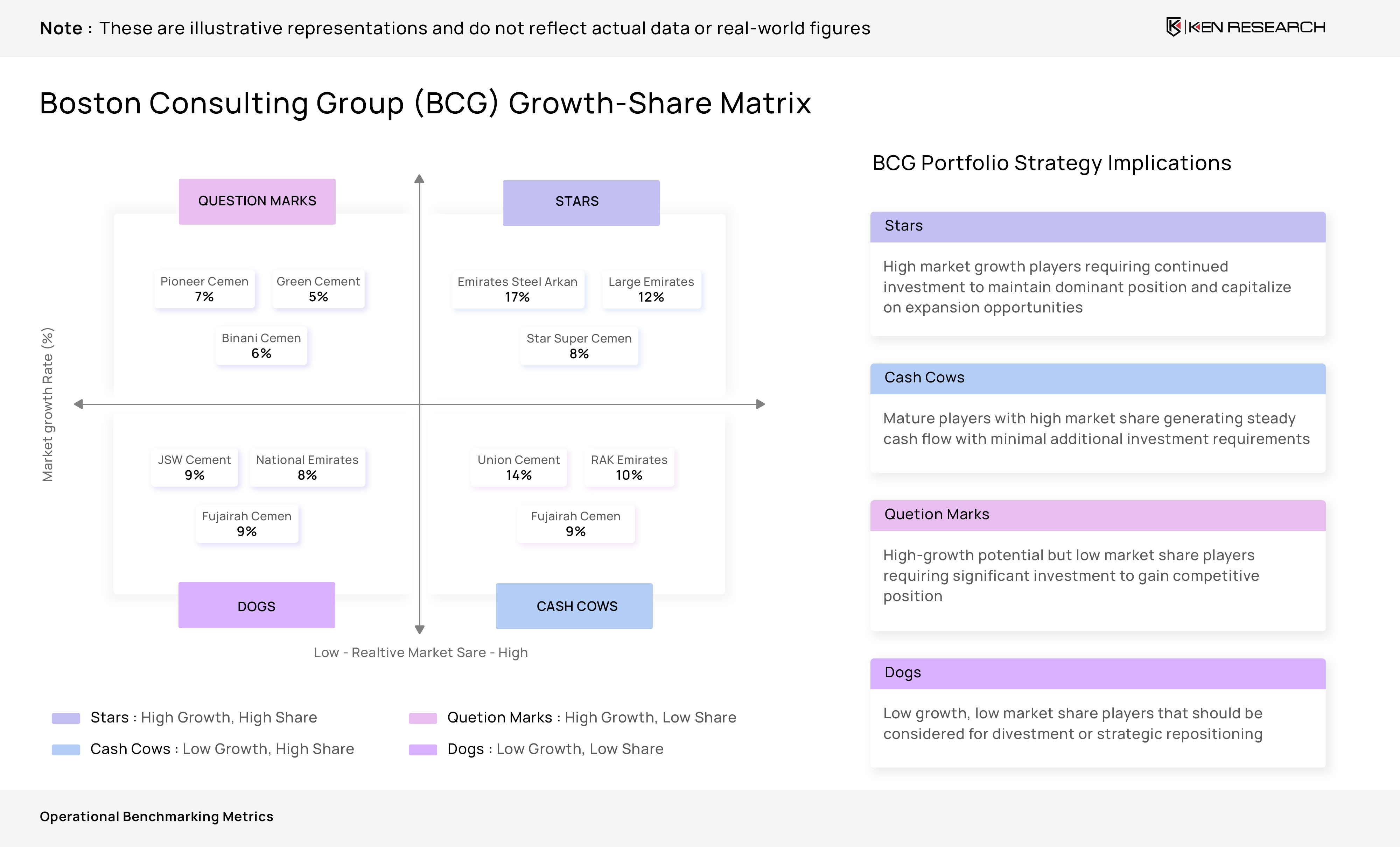
The Indian poultry sector is driven by large-scale integrated producers like Venky’s, Suguna, and Godrej Tyson, who leverage economies of scale, advanced breeding practices, and strong distribution networks to dominate the organized poultry segment.
Medium and small players such as Simran Farms, Shanthi Feeds, and regional operators ensure widespread availability, catering to diverse geographies and local preferences, highlighting the fragmented yet fast-growing nature of India’s poultry ecosystem
Leading Player Profiles
Company Profiles Overview
Larger integrated companies like Venky’s and Suguna have expanded into feed, processed chicken, and branded foods, strengthening their leadership in India’s organized poultry market.
Regional players such as Keggfarms and Shanthi Feeds specialize in niche segments (specialty eggs, broilers), sustaining a diversified industry structure catering to evolving consumer demand.
Key Operational Performance Metrics
Company Performance Overview
Unlock Market Insights
Dive deeper into production, distribution, and pricing intelligence.
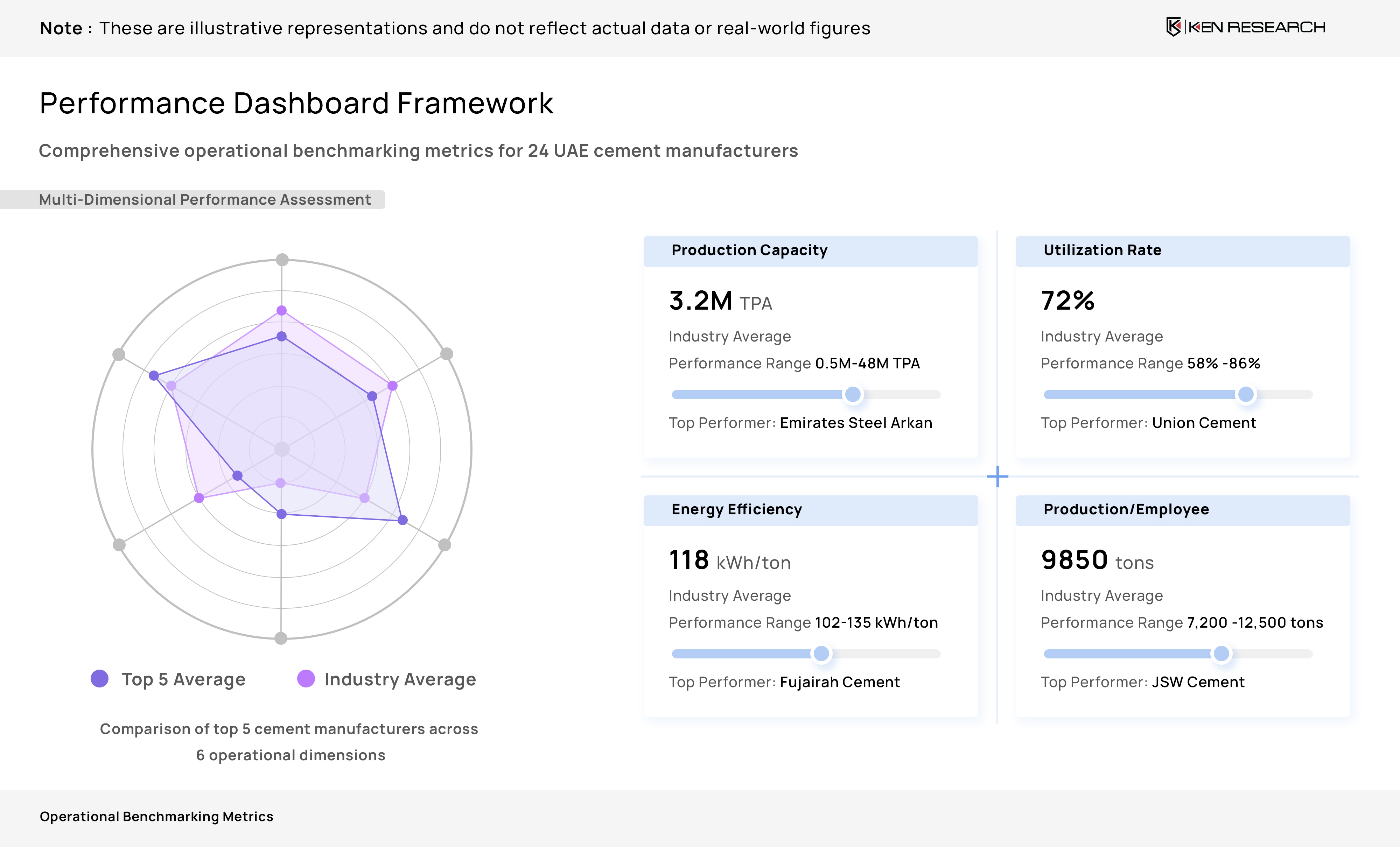
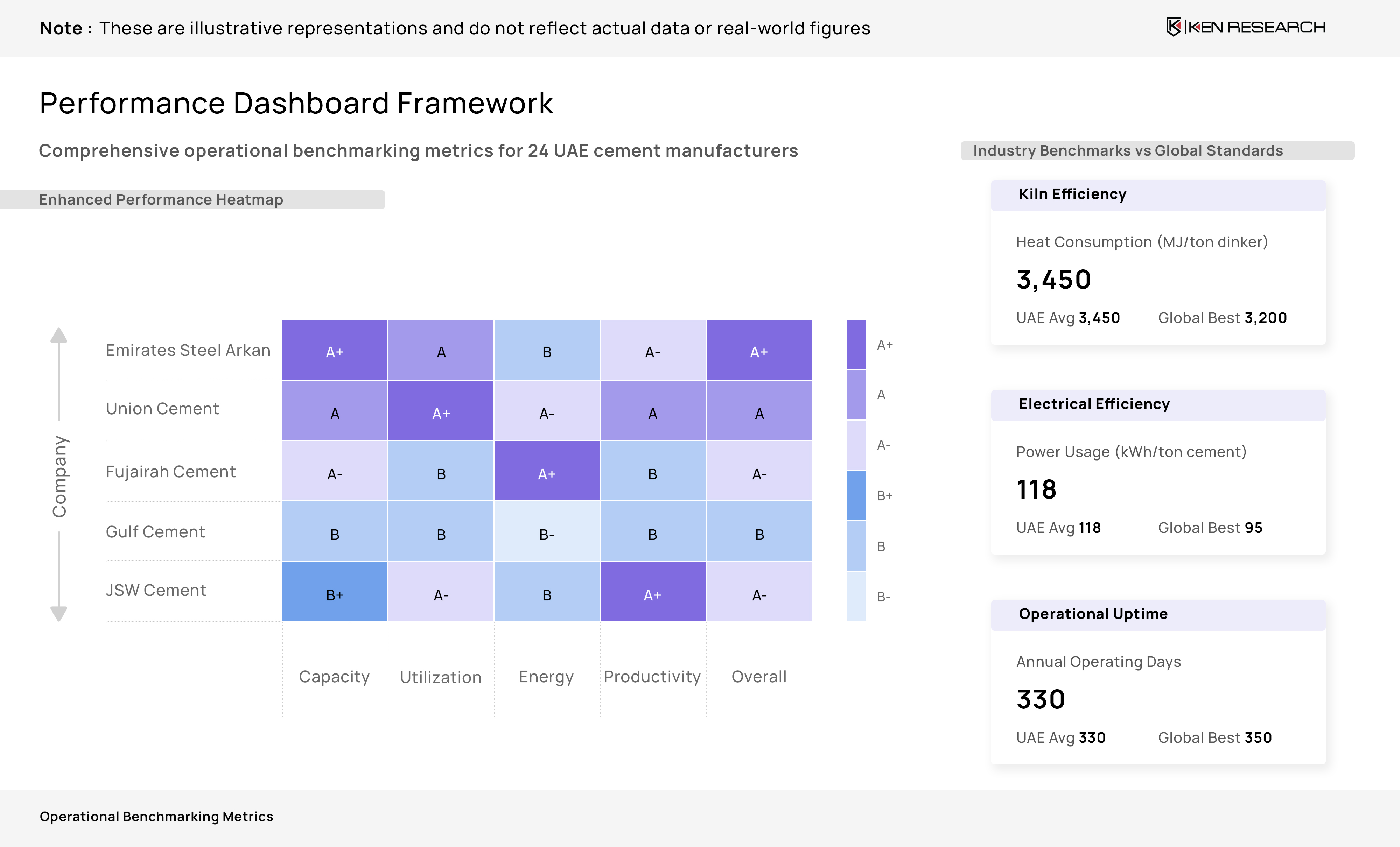
Get Customized ReportOperational benchmarking highlights how scale-driven players like Venky’s and Suguna leverage contract farming networks and higher hatchery capacities to sustain cost efficiency and market penetration.
Smaller firms remain competitive via niche operations, regional focus, and selective processing models, underscoring the coexistence of scale and specialization in India’s poultry landscape.
Core Financial Performance Metrics
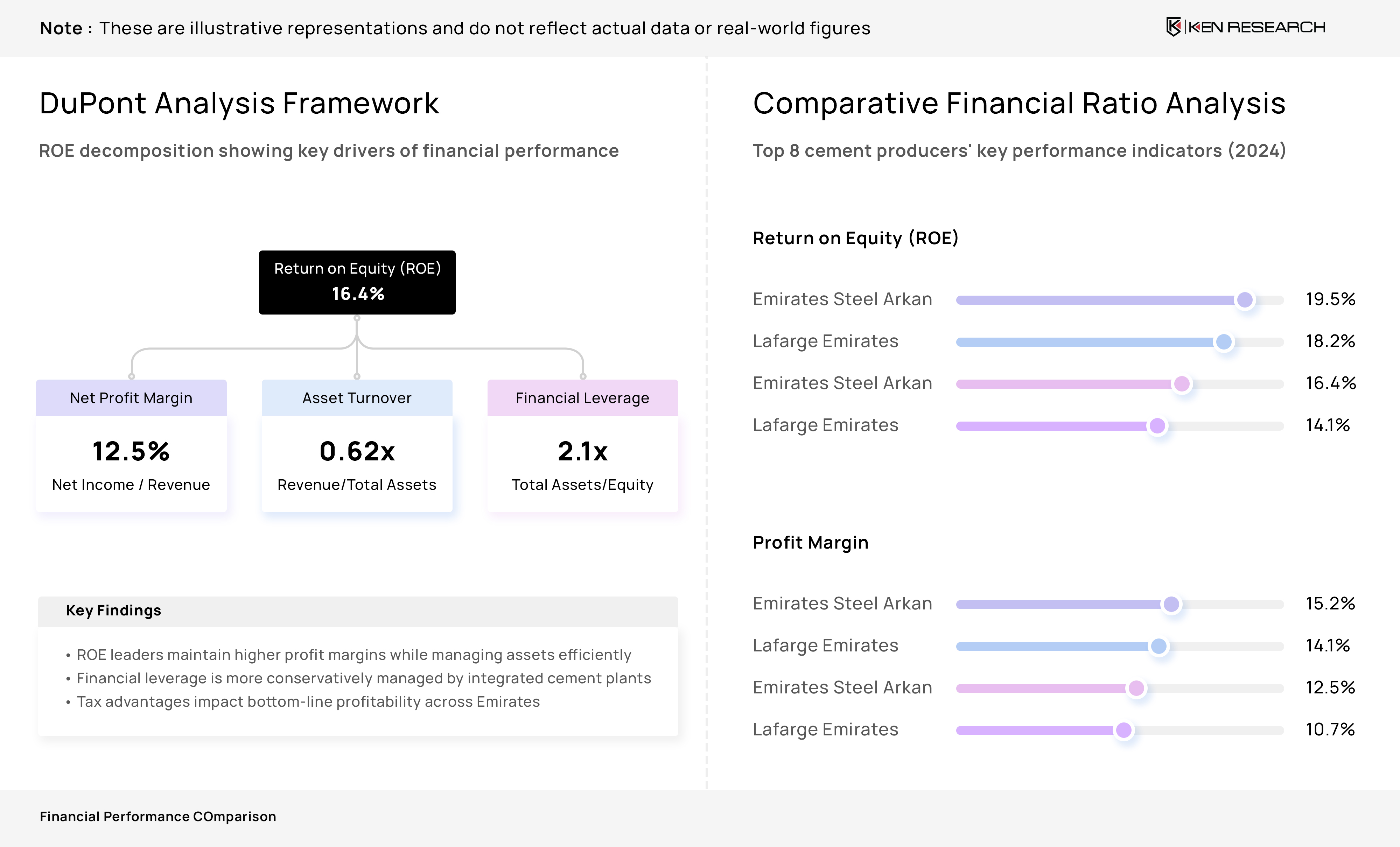
Financial benchmarking emphasizes the dominance of integrated firms like Venky’s, Suguna, and IB Group, which benefit from diversified revenue streams across feed, hatcheries, and processing.
Smaller players demonstrate leaner operations with lower EBITDA margins, reflecting their reliance on regional markets and less diversified cost structures.
Table of Contents
1. Ecosystem Matrix
1.1 Large Players
1.1.1 Venky’s
1.1.2 Suguna Foods
1.1.3 Godrej Tyson Foods
1.1.4 Skylark Hatcheries
1.1.5 IB Group
1.1.6 Sneha Group
1.2 Medium Players
1.2.1 Simran Farms
1.2.2 Pioneer Poultry Group
1.2.3 SR Group Poultry
1.2.4 Mulpuri Poultry Farms
1.2.5 Keggfarms
1.3 Small Players
1.3.1 Shanthi Feeds
1.3.2 Super Chick
1.3.3 Ovobel Foods
1.3.4 C&M Farms
1.3.5 Hemanth Poultry Farms
2. Leading Player Profiles
2.1 Parameters
2.1.1 Company Name
2.1.2 Group Name
2.1.3 Headquarters
2.1.4 Established Year
2.1.5 Core Focus
2.1.6 Mode of Functioning
3. Key Operational Performance Metrics
3.1 Parameters
3.1.1 Number of Broilers Sold (Annual)
3.1.2 Hatchery Capacity (Million Chicks)
3.1.3 Processing Capacity (TPA)
3.1.4 Feed Capacity (MT/Year)
3.1.5 Distribution Coverage
3.1.6 Average Pricing (USD Mn)
3.1.7 Exports Share (%)
3.1.8 Contract Farmers (Nos.)
4. Core Financial Performance Metrics
4.1 Parameters
4.1.1 Revenue (USD Mn)
4.1.2 Revenue Growth (%)
4.1.3 COGS (USD Mn)
4.1.4 COGS Growth (%)
4.1.5 EBITDA (USD Mn)
4.1.6 EBITDA Growth (%)
4.1.7 EBITDA Margin (%)
4.1.8 PAT (USD Mn)
4.1.9 PAT Margin (%)
5. Methodology
5.1 Approach
5.1.1 Desk Sources
5.1.2 Primary Interviews
5.1.3 Sanity Checking & Validation
5.2 Benchmarking Process
5.2.1 Data Collection
5.2.2 Primary Validation
5.2.3 Proxy KPI Modelling
5.2.4 Normalization & Indexing
5.2.5 Gap Analysis
5.2.6 Peer Review
5.3 Sample Composition
5.3.1 Scope Items
5.3.2 Sample Size
5.3.3 Target Respondents
Methodology
Ken Research will deploy its proprietary, multi-layered research framework—combining robust secondary research, targeted primary outreach, and rigorous data validation—to deliver an authoritative competitive landscape analysis of the market. All proxy KPIs below are tailored to the poultry value chain in India.
Desk Sources
- Industry reports (Proprietary databases, Ken Research archives)
- Company annual reports, investor presentations, and credit ratings
- Government and trade publications (DAHD, APEDA, NECC, state veterinary departments, poultry federations)
- Trade magazines and journals; hatchery genetics and breed supplier technical notes; commodity price series for maize and soymeal
- Financial databases (Capital IQ, CMIE, stock exchanges)
- Digital signals such as brand and SKU presence on marketplaces, modern retail listings, and web traffic or app usage for D2C poultry brands
Primary Interviews
- CATIs and online surveys with key stakeholders
- Category managers, R&D heads at integrators (broiler/layer systems), hatchery managers, and feed mill heads
- Senior sales and marketing leaders at leading producers; procurement teams and live-bird trading partners
- Distributors, cold-chain and logistics partners, modern retail buyers for branded chicken and egg SKUs, and HoReCa procurement teams
- Industry analysts, consultants, poultry veterinarians, and genetics suppliers
- Technology and service providers offering digital metrics such as e-commerce panels and point-of-sale datasets
Sanity Checking & Validation
- Triangulation: Cross-verify estimates using secondary data, primary interviews, and proxy model outputs
- Proxy KPI Synthesis: Utilize KPIs such as DOC placements, broiler and layer flock size, hatchery capacity, breeders in lay, feed capacity (MT/day), processing throughput (birds/hour or TPA), live-bird realization (INR/kg), processed chicken realization (INR/kg), average live weight at sale (kg), dressing yield (%), and FCR
- Outlier Analysis: Flag anomalies in FCR, mortality, yield, utilization, and price trends that diverge from regional norms, followed by re-contacting sources for validation
- Assumption Tracking: Maintain an auditable log of all proxy multipliers (e.g., DOC-to-saleable bird conversion, kg per bird, realization per kg) with time stamps and source references
- Peer Review: Conduct internal senior analyst review of methodologies, models, and outputs prior to finalization
- Reconciliation: Align DOC placements with saleable bird output by adjusting for mortality and cycle times across regions and seasons
An Inside Look At Our Custom Insights
Take a look at ourcustomized insights, tailored to yourmarket and business needs. Our benchmarking reports deliver data-driven comparisons of key players, helping you uncover opportunities, assess performance, and make confident strategic decisions.