Indonesia Edible Oil Manufacturing & Refining Competition Benchmarking 2025: Refining Capacity, Product Portfolio, Distribution Network & Company Performance
Published on: December 2025
Report Overview
Indonesia Edible Oil Market Overview
Market Highlights
The Indonesia Edible Oil Market showcases a diverse competitive structure, where multinational corporations, regional manufacturers, and local firms engage in a dynamic interplay. Multinationals leverage economies of scale and advanced supply chain efficiencies, while regional players focus on tailored offerings that resonate with local consumer preferences, and local firms capitalize on agility and niche market opportunities.
Innovation from global players is seamlessly integrated with localized strategies, as companies adapt their product offerings to meet the unique tastes and dietary habits of Indonesian consumers. Collaborations between technology providers and local manufacturers enhance the adaptability of products, ensuring they align with regional agricultural practices and consumer expectations.
The distribution and aftersales ecosystem is critical in enhancing market penetration and customer satisfaction. Strategic partnerships among manufacturers, distributors, and retailers facilitate efficient product delivery, while robust aftersales support, including customer service and product education, fosters brand loyalty and repeat purchases in a competitive landscape.
Business strategies in the market are increasingly centered on operational efficiency, cost management, and sustainability initiatives. Companies are adopting advanced technologies to streamline production processes and reduce waste, while also focusing on sustainable sourcing practices. This forward-looking approach, emphasizing innovation and responsiveness, is shaping the competitive dynamics and positioning firms for long-term success in the evolving edible oil sector.
Ecosystem Matrix
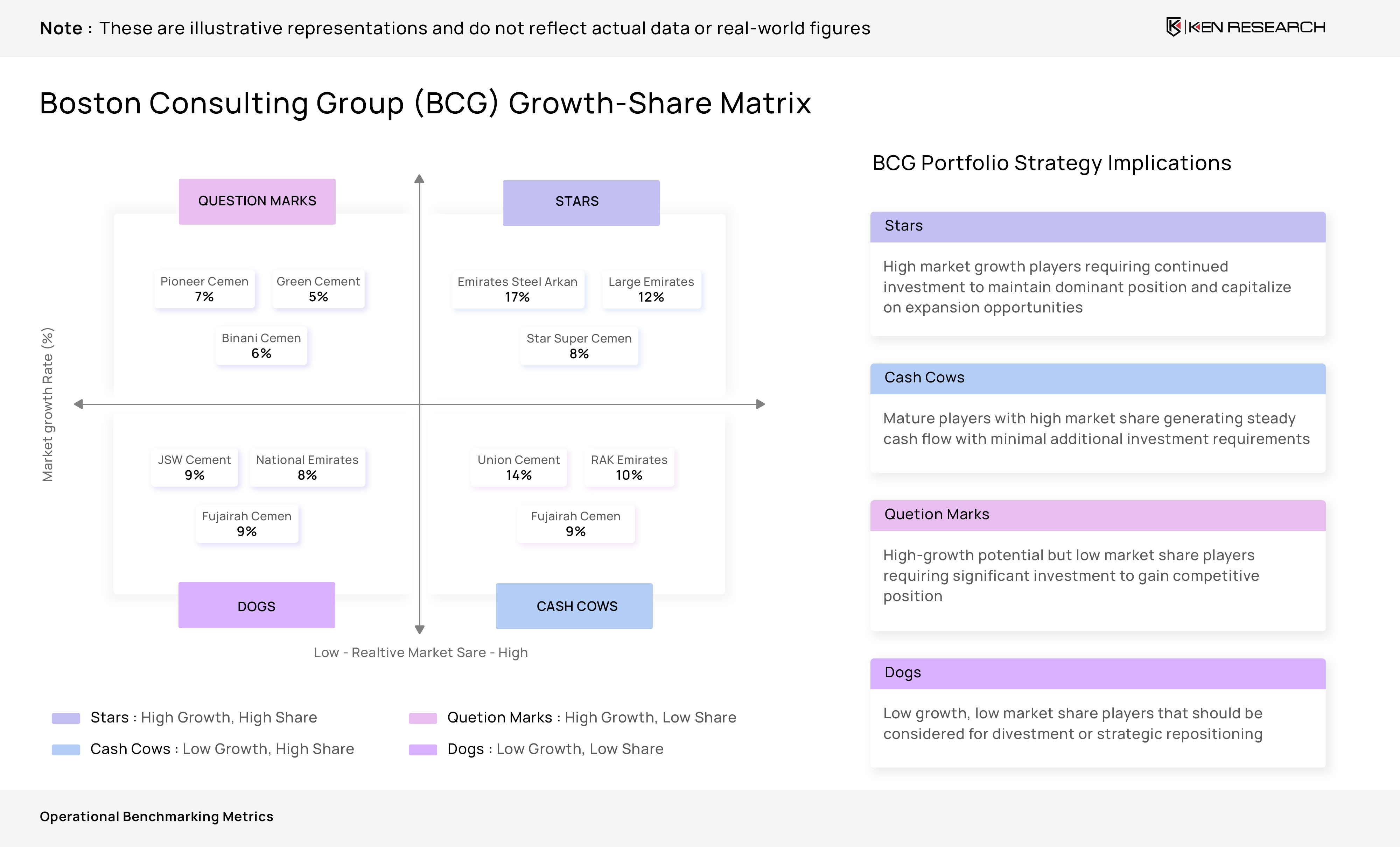
Indonesia’s edible oil industry is dominated by vertically integrated conglomerates with plantation, refining, and distribution capacities, ensuring consistent supply control and economies of scale. Large players drive exports while medium firms balance regional presence and specialty product portfolios.
Smaller players remain regionally focused, often serving niche segments or local provinces. However, competitive pressures from large players’ cost leadership strategies force consolidation, strategic alliances, and diversification into specialty oils or value-added downstream products.
Leading Player Profiles
Company Profiles Overview
The market is characterized by a dominance of integrated business models, where companies manage plantations, refineries, and distribution networks to optimize efficiency. Group ownership by conglomerates highlights strong financial backing and vertical synergy advantages.
Legacy companies such as London Sumatra and Bakrie Plantations are evolving through modernization, while newer entrants like Triputra Agro and Sawit Sumbermas bring agile operating models and regional expansion strategies.
Key Operational Performance Metrics
Company Performance Overview
Unlock Market Insights
Dive deeper into production, distribution, and pricing intelligence.
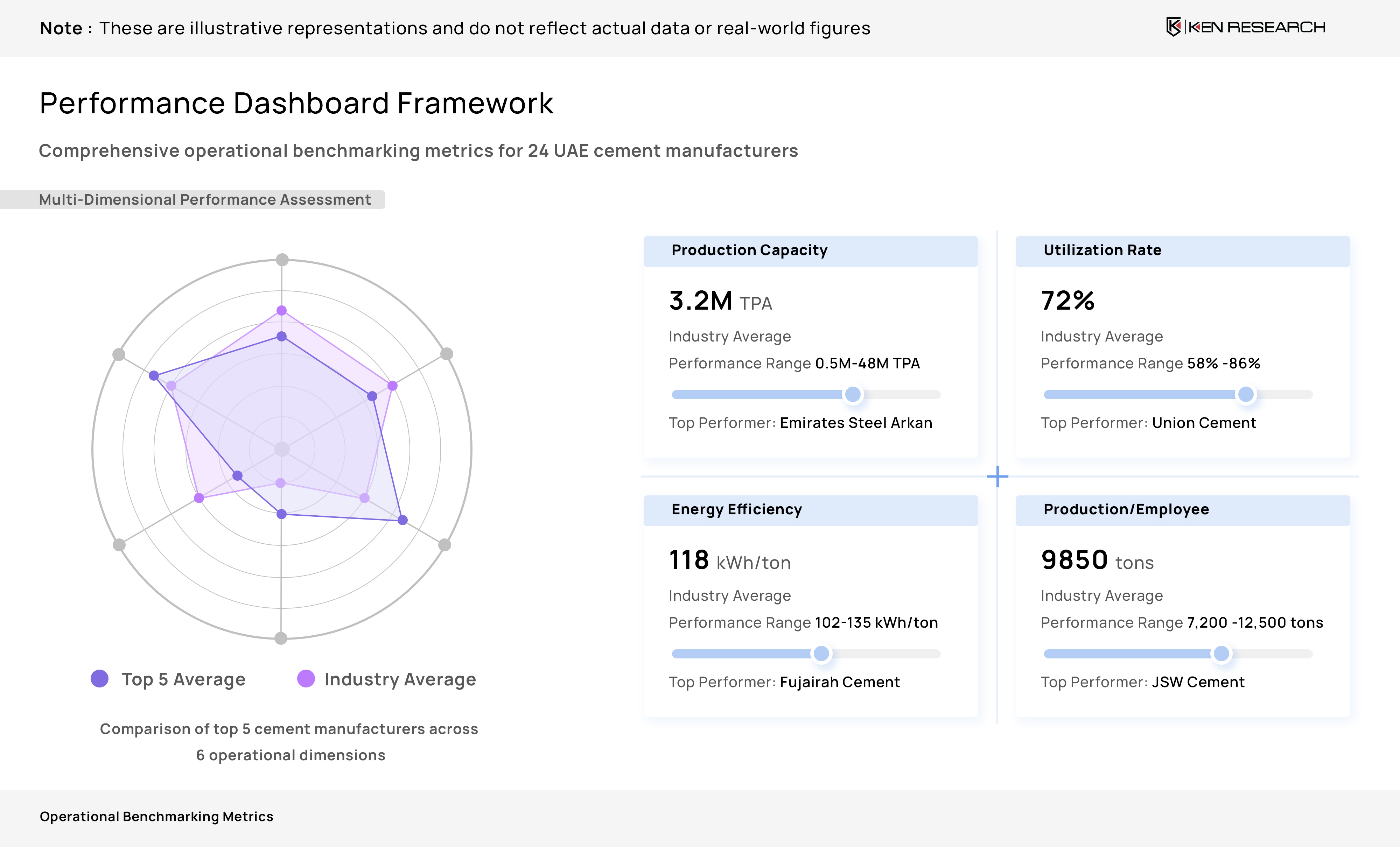
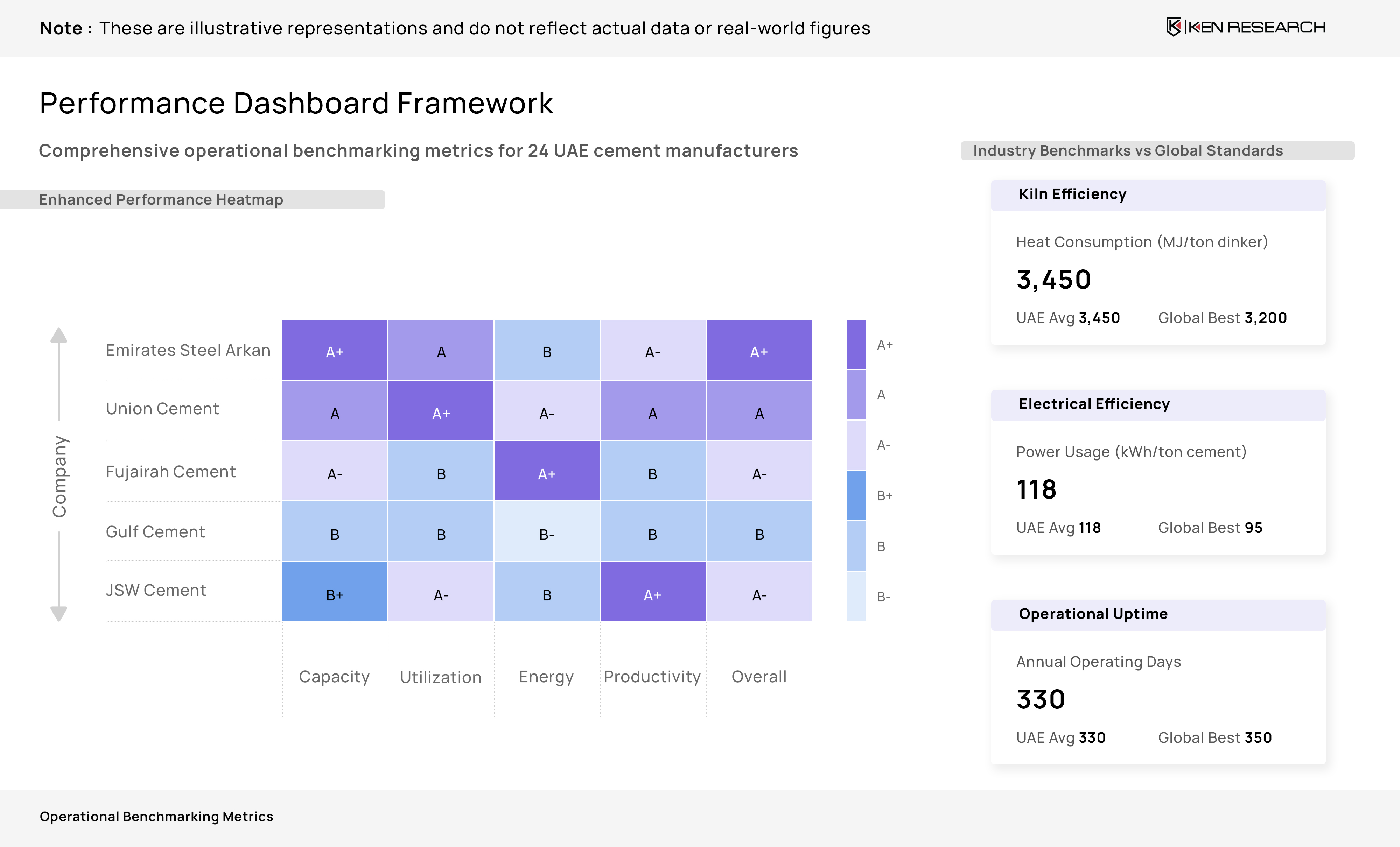
Get Customized ReportOperational KPIs highlight the centrality of production and refining capacities, export orientation, and pricing strategy in revenue generation. Integrated players’ ability to optimize cost structures through plantation-to-market operations provides competitive advantage.
Pricing acts as a direct revenue lever, while export share reveals dependency on global commodity cycles. Domestic distribution coverage determines resilience against international volatility.
Core Financial Performance Metrics
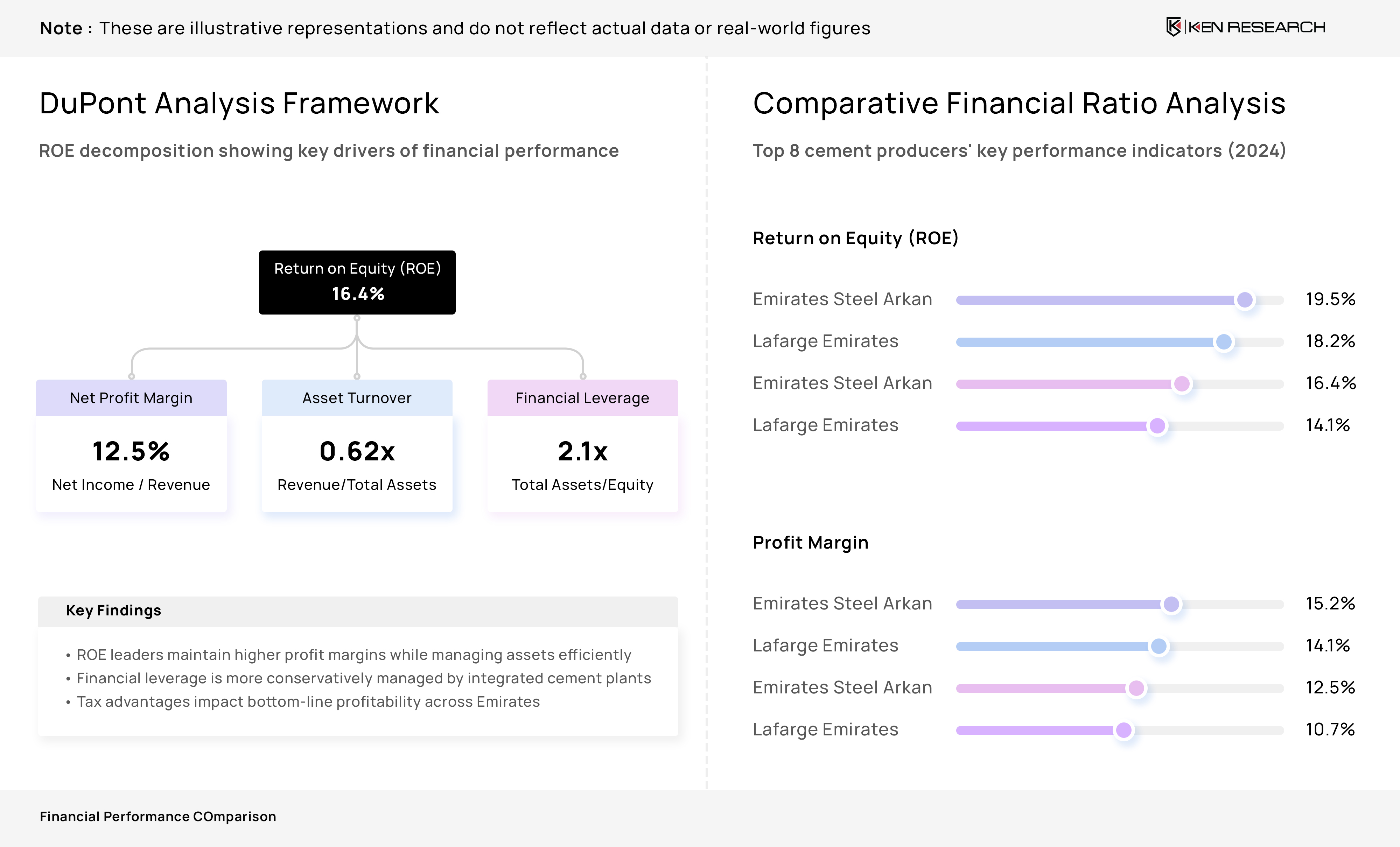
Financial KPIs highlight the structural profitability challenges, with fluctuations in CPO prices directly impacting revenue, EBITDA margins, and PAT performance. Leaders with diversified downstream operations show stronger resilience in margin stability.
Revenue growth and COGS management emerge as decisive factors differentiating high-performing firms. Integrated players’ scale advantages allow them to optimize EBITDA margins despite commodity price volatility.
Table of Contents
1. Ecosystem Matrix
1.1 Large Players
1.1.1 Indofood Agri Resources
1.1.2 Wilmar Nabati Indonesia
1.1.3 Musim Mas Group
1.1.4 Astra Agro Lestari
1.1.5 Asian Agri
1.1.6 Salim Ivomas Pratama
1.1.7 SMART Tbk
1.1.8 Permata Hijau Group
1.2 Medium Players
1.2.1 Tunas Baru Lampung
1.2.2 Triputra Agro Persada
1.2.3 Bumitama Agri
1.2.4 Dharma Satya Nusantara
1.2.5 KPN Corp
1.2.6 Sampoerna Agro
1.3 Small Players
1.3.1 Bakrie Sumatera Plantations
1.3.2 PP London Sumatra Indonesia
1.3.3 Sawit Sumbermas Sarana
1.3.4 Eagle High Plantations
1.3.5 BW Plantation
2. Leading Player Profiles
2.1 Company Name
2.2 Group Name
2.3 Headquarters
2.4 Established Year
2.5 Core Business Segment
2.6 Mode of Functioning
3. Key Operational Performance Metrics
3.1 Production Capacity (MT/Year)
3.2 Number of Plantations
3.3 Refining Capacity (MT/Year)
3.4 Export Share (%)
3.5 Distribution Coverage (%)
3.6 Product Range (Types / Variants)
3.7 Pricing (USD/Kg)
4. Core Financial Performance Metrics
4.1 Parameters
4.1.1 Revenue (USD Mn)
4.1.2 Revenue Growth (%)
4.1.3 COGS (USD Mn)
4.1.4 COGS Growth (%)
4.1.5 EBITDA (USD Mn)
4.1.6 EBITDA Growth (%)
4.1.7 EBITDA Margin (%)
4.1.8 PAT (USD Mn)
4.1.9 PAT Margin (%)
5. Methodology
5.1 Approach
5.1.1 Desk Sources
5.1.2 Primary Interviews
5.1.3 Sanity Checking & Validation
5.2 Benchmarking Process
5.2.1 Data Collection
5.2.2 Primary Validation
5.2.3 Proxy KPI Modelling
5.2.4 Normalization & Indexing
5.2.5 Gap Analysis
5.2.6 Peer Review
5.3 Sample Composition
5.3.1 Scope Items
5.3.2 Sample Size
5.3.3 Target Respondents
Methodology
Ken Research will deploy its proprietary, multi-layered research framework—combining robust secondary research, targeted primary outreach, and rigorous data validation—to deliver an authoritative competitive landscape analysis of the Indonesia Edible Oil Market. The methodology ensures accuracy, reliability, and actionable insights by triangulating across multiple data streams, including financial performance, operational KPIs, and proxy indicators specific to the edible oil value chain.
Desk Sources
- Industry reports from Ken Research archives and proprietary databases
- Company annual reports, investor presentations, and press releases
- Government publications from BPS–Statistics Indonesia, GAPKI, the Ministry of Agriculture, and Trade Ministry bulletins
- Trade magazines and commodity journals such as
- Financial databases including Bloomberg, Capital IQ, and IDX filings
- Digital dashboards such as SimilarWeb for website traffic and Nielsen Retail Audit for sales volume trends
Primary Interviews
- CATIs and online surveys with key stakeholders
- Category managers and R&D heads of edible oil producers
- Senior sales and marketing leaders at leading edible oil brands
- Distributors and channel partners across modern trade and traditional retail
- Industry analysts and consultants
- Technology and logistics providers supporting downstream metrics
Sanity Checking & Validation
- Triangulation to cross-verify estimates from secondary research, primary inputs, and proxy model outputs
- Proxy KPI synthesis using plantation acreage, refining capacity, export volumes, CPO yield, and distribution outlet counts to estimate revenues or production
- Outlier analysis to identify and reconcile anomalous data points through follow-ups
- Assumption tracking with documented rationale and proxy source references
- Peer review by internal experts validating methodology, KPI models, and key outputs
An Inside Look At Our Custom Insights
Take a look at ourcustomized insights, tailored to yourmarket and business needs. Our benchmarking reports deliver data-driven comparisons of key players, helping you uncover opportunities, assess performance, and make confident strategic decisions.