Malaysia Fertilizer Distribution Market
Published on: December 2025
Report Overview
Malaysia Fertilizer Distribution Market Overview
Market Highlights
The Malaysia Fertilizer Distribution Market showcases a diverse competitive framework where multinational corporations, regional manufacturers, and local firms interact dynamically. Multinationals leverage their extensive resources for efficiency, while regional players focus on tailored solutions that resonate with local agricultural practices, and local firms capitalize on agility and niche expertise to carve out market segments.
Innovation from global leaders is harmoniously integrated with localized strategies, as companies adapt their product offerings to meet the specific agronomic needs and environmental conditions of Malaysia. Collaborations between technology providers and local distributors facilitate the customization of fertilizers, ensuring that solutions are both effective and contextually relevant to Malaysian farmers.
The distribution and aftersales ecosystem is pivotal in enhancing customer satisfaction and operational efficiency. Strategic alliances among manufacturers, distributors, and agricultural cooperatives are essential for optimizing supply chains, while robust aftersales support, including training and advisory services, fosters long-term relationships and enhances product performance in the field.
Future competitiveness in the market hinges on a blend of innovation, sustainability, and responsiveness. Companies are increasingly adopting advanced technologies for precision agriculture, while sustainability initiatives are driving the development of eco-friendly products. This forward-looking approach, combined with a commitment to local adaptation, positions firms to navigate the evolving landscape of the fertilizer distribution sector effectively.
Ecosystem Matrix
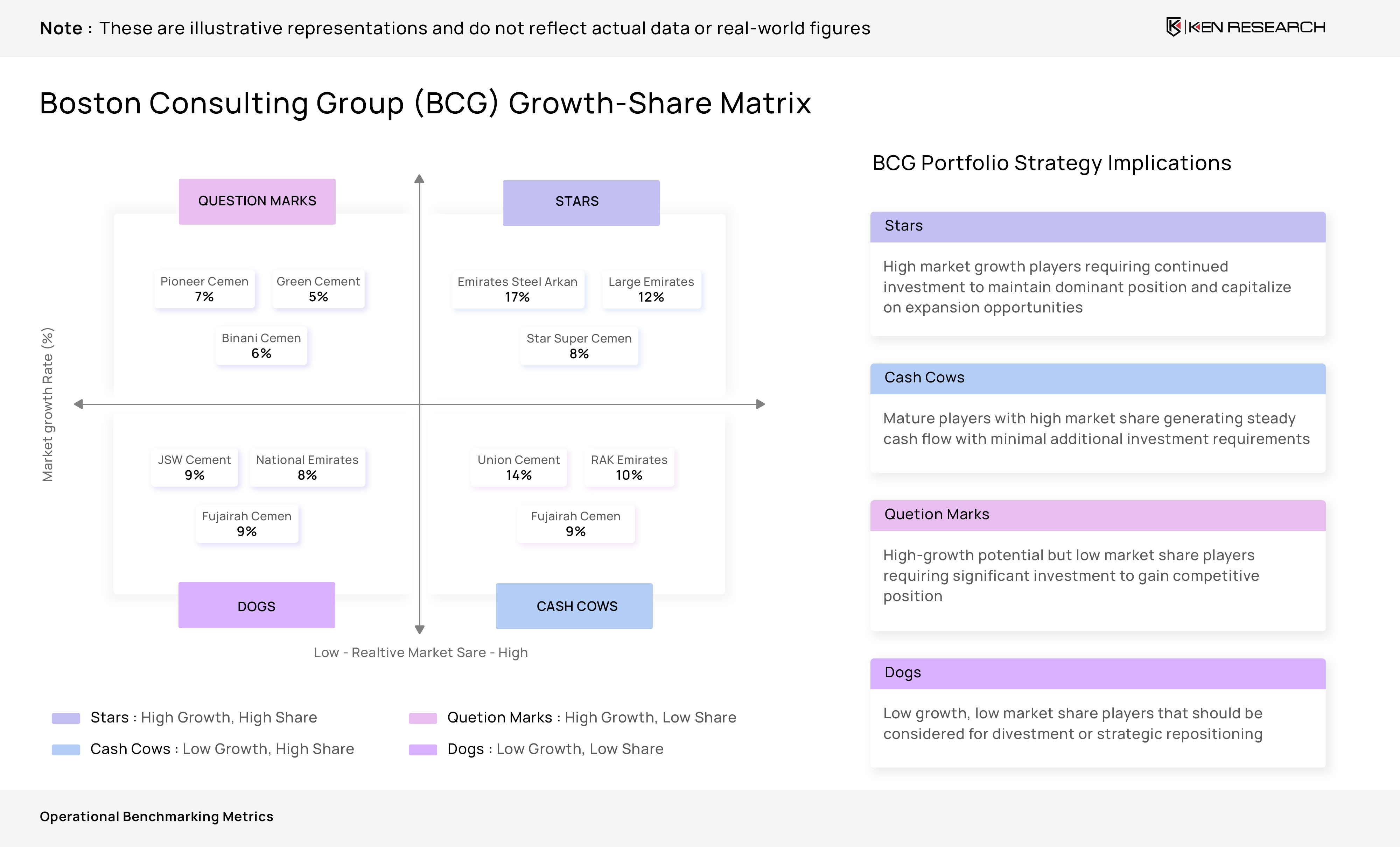
Competitive intensity in Malaysia’s fertilizer distribution market is shaped by the presence of international majors, large agro-industrial groups, and a diverse set of medium and small players, resulting in moderate market concentration and dynamic competition across all company size categories.
The ecosystem demonstrates maturity with established supply chains and strong group affiliations, creating moderate barriers to entry. Innovation trends focus on crop-specific solutions and advisory services, while growth opportunities exist in regional expansion, value-added products, and integration with plantation networks.
Leading Player Profiles
Company Profile Overview
In 2025, companies in the Malaysia Fertilizer Distribution Market are focusing on sustainable practices and digital transformation to enhance supply chain efficiency, reduce environmental impact, and meet the growing demand for eco-friendly fertilizers.
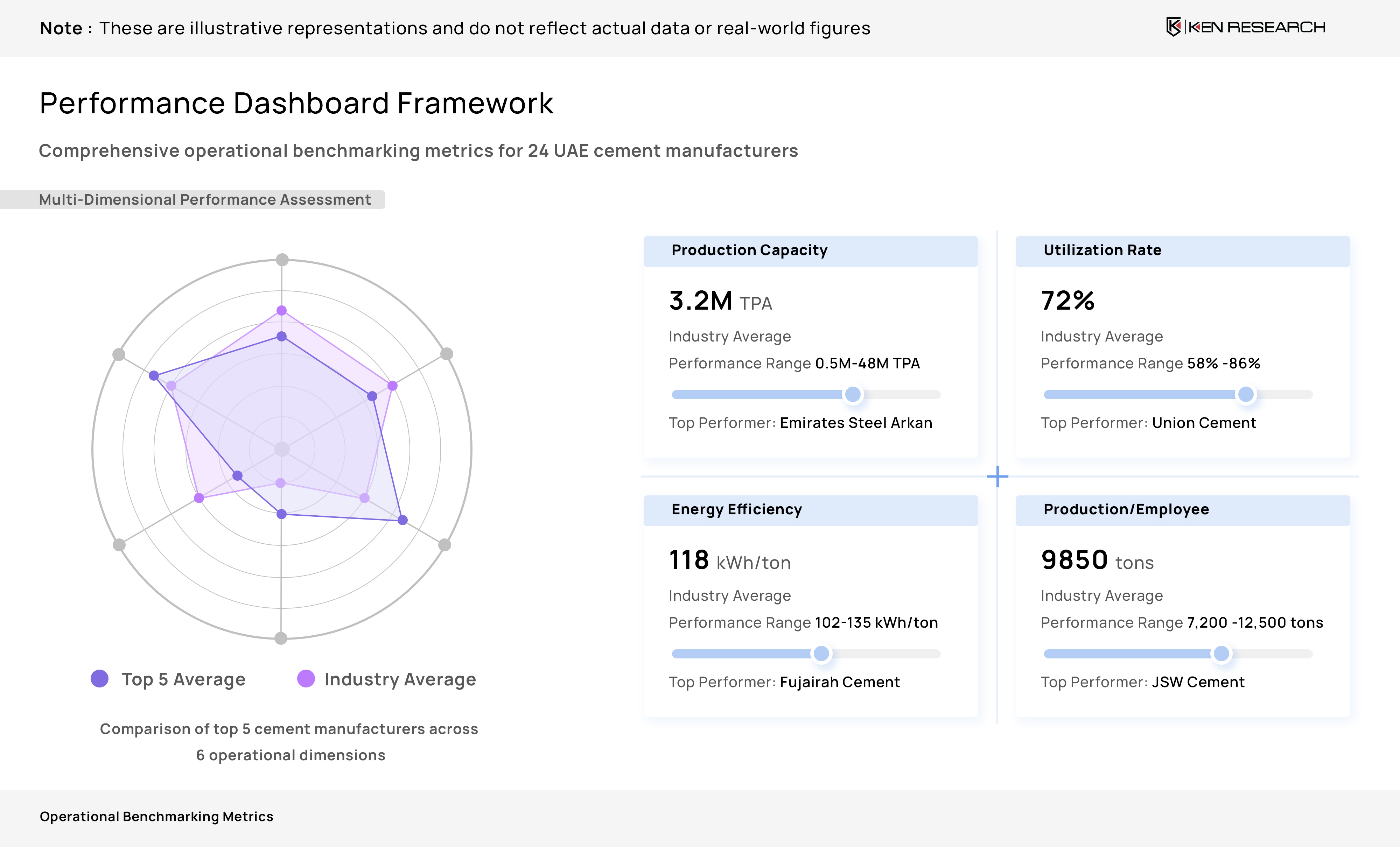
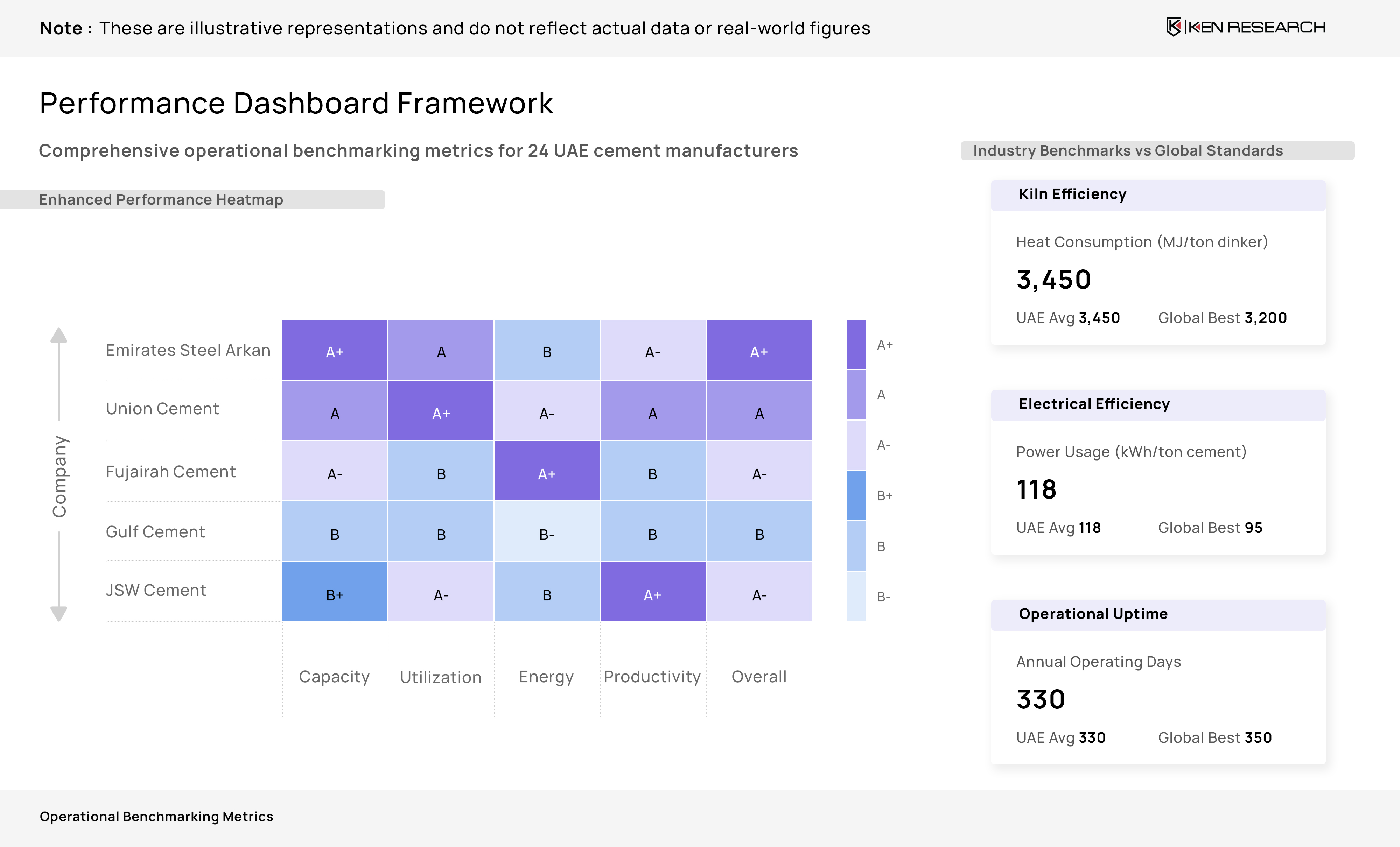
Operational efficiency is achieved through strategic partnerships, advanced logistics, and technology integration, enabling companies to maintain a competitive edge by optimizing distribution networks and minimizing costs in the dynamic Malaysian market.
Key Operational Performance Metrics
Company Performance Overview
Unlock Market Insights
Dive deeper into production, distribution, and pricing intelligence.
Get Customized ReportThe Malaysia Fertilizer Distribution Market’s revenue is primarily driven by total fertilizer volume distributed, the number of active agricultural client accounts, and the average order frequency per client. Pricing is standardized and tracked as average selling price per ton in USD/ton, reflecting market competitiveness.
Operational efficiency is benchmarked through metrics like on-time delivery rate, distribution network coverage, and order fulfillment accuracy. Inventory holding period and return rates due to quality issues are critical for maintaining supply chain reliability and customer retention in this niche market.
Core Financial Performance Metrics
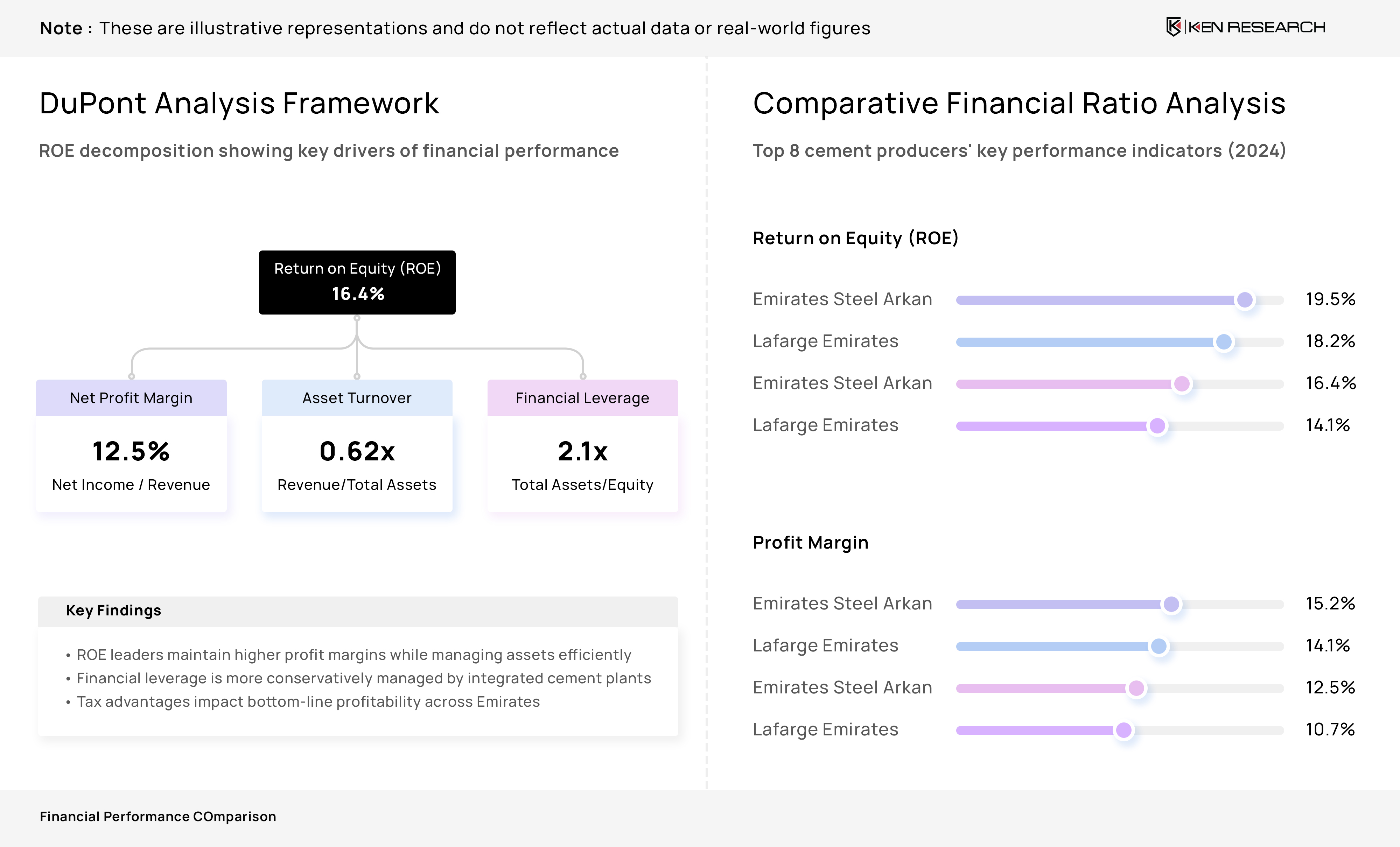
Large players like Agromate Holdings Sdn. Bhd. demonstrate superior scale and pricing power, reflected in higher revenues and margins, compared to smaller peers such as Seri Bumi Sdn. Bhd., which struggle with lower revenue and margin resilience.
Top-tier companies exhibit better cost efficiency and financial stability, with Agromate Holdings Sdn. Bhd. leading in EBITDA margins, while lower-tier players like Seri Bumi Sdn. Bhd. face challenges in maintaining cost efficiency and financial robustness.
Table of Contents
1. Ecosystem Matrix
1.1 Large Players
1.1.1 Yara International (M) Sdn. Bhd.
1.1.2 FGV Fertilizer Sdn. Bhd.
1.1.3 IFFCO (Malaysia) Sdn. Bhd.
1.1.4 Agromate Holdings Sdn. Bhd.
1.1.5 Hap Seng Fertilizers Sdn. Bhd.
1.2 Medium Players
1.2.1 Twin Arrow Fertilizer Sdn. Bhd.
1.2.2 Agroharta Fertilizer Sdn. Bhd.
1.2.3 Consolidated Fertiliser Corporation Sdn. Bhd.
1.2.4 FELCRA Niaga Sdn. Bhd.
1.2.5 Hextar Fertilizers Sdn. Bhd.
1.3 Small Players
1.3.1 LYC Organic Fertilizer Sdn. Bhd.
1.3.2 Seri Bumi Sdn. Bhd.
1.3.3 Moltex Trading Sdn. Bhd.
1.3.4 Proline Trading Sdn. Bhd.
1.3.5 KL Seng Agro Sdn. Bhd.
2. Leading Player Profiles
2.1 Parameters
2.1.1 Company Name
2.1.2 Group Name
2.1.3 Headquarters
2.1.4 Established Year
2.1.5 Core Services
2.1.6 Mode of Functioning
2.2. Players
2.2.1 Agromate Holdings Sdn. Bhd.
2.2.2 FGV Fertilizer Sdn. Bhd.
2.2.3 Hap Seng Fertilizers Sdn. Bhd.
2.2.4 IFFCO (Malaysia) Sdn. Bhd.
2.2.5 Yara International (M) Sdn. Bhd.
2.2.6 Agroharta Fertilizer Sdn. Bhd.
2.2.7 Consolidated Fertiliser Corporation Sdn. Bhd.
2.2.8 FELCRA Niaga Sdn. Bhd.
2.2.9 Hextar Fertilizers Sdn. Bhd.
2.2.10 Twin Arrow Fertilizer Sdn. Bhd.
2.2.11 KL Seng Agro Sdn. Bhd.
2.2.12 LYC Organic Fertilizer Sdn. Bhd.
2.2.13 Moltex Trading Sdn. Bhd.
2.2.14 Proline Trading Sdn. Bhd.
2.2.15 Seri Bumi Sdn. Bhd.
3. Key Operational Performance Metrics
3.1 Parameters
3.1.1 Total Fertilizer Volume Distributed (tons)
3.1.2 Active Agricultural Client Accounts (units)
3.1.3 Average Order Frequency per Client (orders/year)
3.1.4 Average Selling Price per Ton (USD/ton)
3.1.5 On-Time Delivery Rate (%)
3.1.6 Distribution Network Coverage (km)
3.1.7 Order Fulfillment Accuracy (%)
3.1.8 Inventory Holding Period (days)
3.1.9 Return Rate due to Quality Issues (%)
3.1.10 Customer Retention Rate (%)
4. Core Financial Performance Metrics
4.1 Parameters
4.1.1 Revenue (USD Mn)
4.1.2 Revenue Growth (%)
4.1.3 COGS (USD Mn)
4.1.4 COGS Growth (%)
4.1.5 EBITDA (USD Mn)
4.1.6 EBITDA Growth (%)
4.1.7 EBITDA Margin (%)
4.1.8 PAT (USD Mn)
4.1.9 PAT Margin (%)
5. Methodology
5.1 Approach
5.1.1 Desk Sources
5.1.2 Primary Interviews
5.1.3 Sanity Checking & Validation
5.2 Benchmarking Process
5.2.1 Data Collection
5.2.2 Primary Validation
5.2.3 Proxy KPI Modelling
5.2.4 Normalization & Indexing
5.2.5 Gap Analysis
5.2.6 Peer Review
5.3 Sample Composition
5.3.1 Scope Items
5.3.2 Sample Size
5.3.3 Target Respondents
Methodology
Ken Research will deploy its proprietary, multi-layered research framework—combining robust secondary research, targeted primary outreach, and rigorous data validation—to deliver an authoritative competitive landscape analysis of the Malaysia Fertilizer Distribution Market.
Desk Sources
- Industry reports (Proprietary databases, Ken Research archives, and major regional or global market sources relevant to Malaysia Fertilizer Distribution Market)
- Company annual reports & investor presentations of large and emerging players in the Malaysia Fertilizer Distribution Market
- Government & trade association publications related to the Malaysia Fertilizer Distribution Market sector
- Trade magazines, journals, and e-articles specific to Malaysia Fertilizer Distribution Market
- Financial databases (Bloomberg, Capital IQ, Factiva)
- Web traffic & app-usage dashboards (SimilarWeb, App Annie, or equivalents) for online or digital players in this market
Primary Interviews
- Category Managers / R&D Heads of key Malaysia Fertilizer Distribution Market producers or service providers
- Senior Sales/Marketing Leads at leading firms
- Distributors, channel partners, or trade buyers active in this market
- Technology/service providers supporting the ecosystem
- Industry analysts and consultants with expertise in Malaysia Fertilizer Distribution Market
Sanity Checking and Validation
- Triangulation: Cross-verify estimates from secondary data, primary inputs, and proxy model outputs
- Proxy KPI synthesis: Use related KPIs (e.g., capacity, throughput, transaction volumes, web traffic, or installation base) to approximate market performance
- Outlier analysis: Identify and reconcile anomalous data points via follow-up validation
- Assumption tracking: Maintain a log of all benchmarking assumptions, with clear notes on limitations and proxy KPI sources
- Peer review: Internal expert review of methodology, models, and key outputs before finalization
An Inside Look At Our Custom Insights
Take a look at ourcustomized insights, tailored to yourmarket and business needs. Our benchmarking reports deliver data-driven comparisons of key players, helping you uncover opportunities, assess performance, and make confident strategic decisions.