Oman Poultry Production & Processing Competition Benchmarking 2025: Production Capacity, Processing Capabilities, Distribution Network & Company Performance
Published on: December 2025
Report Overview
Oman Poultry Producers Market Overview
Market Highlights
The Oman Poultry Producers Market showcases a diverse competitive framework where multinational corporations, regional manufacturers, and local firms engage in a dynamic interplay. Multinationals leverage economies of scale and advanced supply chain efficiencies, while regional players focus on tailored offerings that resonate with local consumer preferences, and local firms capitalize on agility and niche market opportunities.
Innovation from global leaders is seamlessly integrated with local adaptations, as companies refine their product offerings to meet the unique demands of the Omani market. This includes the incorporation of region-specific practices and technologies that enhance operational effectiveness and consumer satisfaction, ensuring that global advancements are relevant and applicable within the local context.
The distribution and aftersales ecosystem is pivotal in enhancing market competitiveness, with strategic collaborations among producers, distributors, and retailers facilitating efficient product delivery and customer support. A robust aftersales framework, characterized by responsive service and maintenance solutions, fosters customer loyalty and strengthens brand reputation in a competitive landscape.
Forward-looking strategies emphasize efficiency, cost management, and sustainability, with industry players increasingly adopting technology-driven solutions to enhance productivity and reduce environmental impact. The agility to innovate and localize operations is becoming a defining characteristic of successful competitors, shaping the future trajectory of the Oman Poultry Producers Market.
Ecosystem Matrix
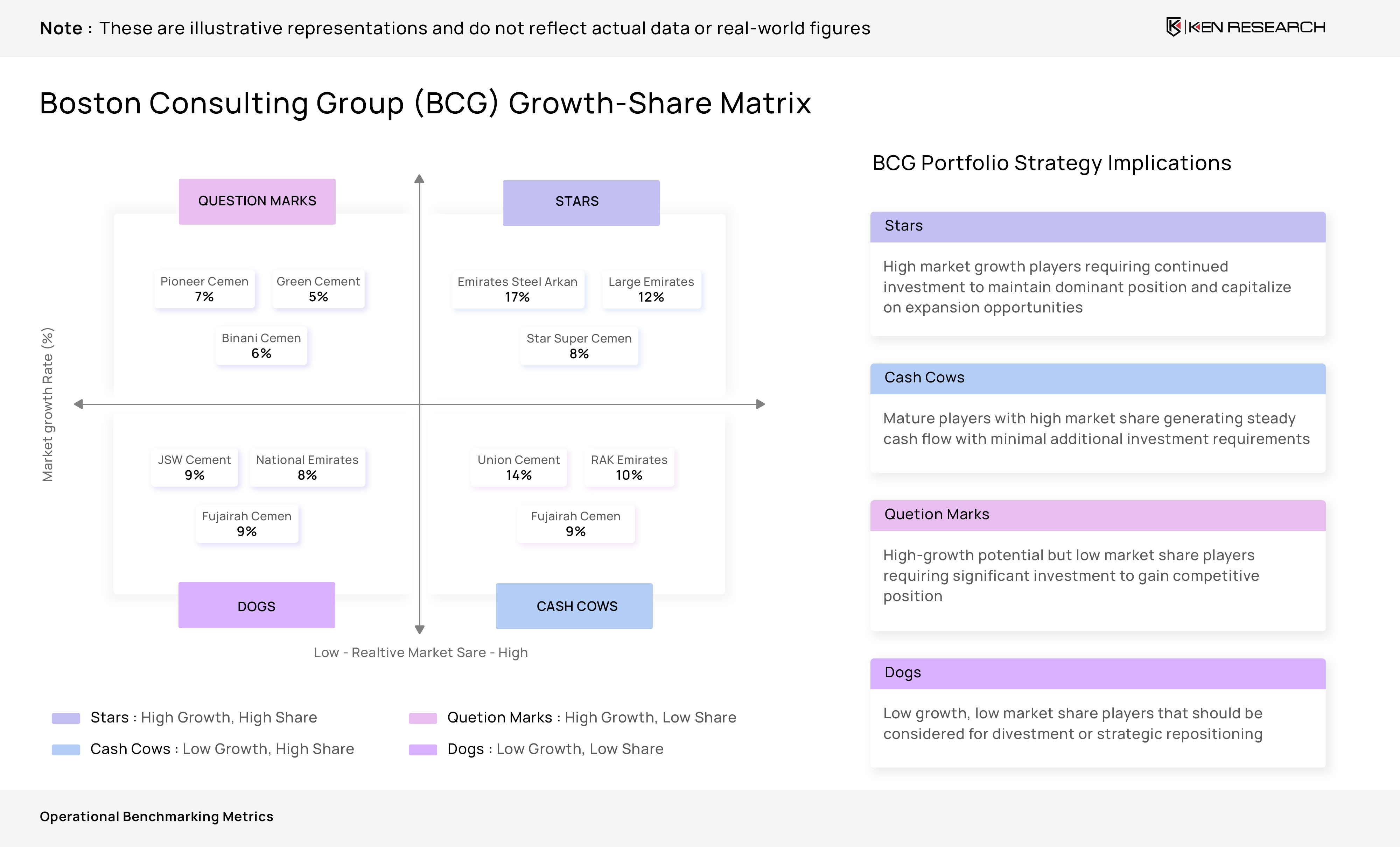
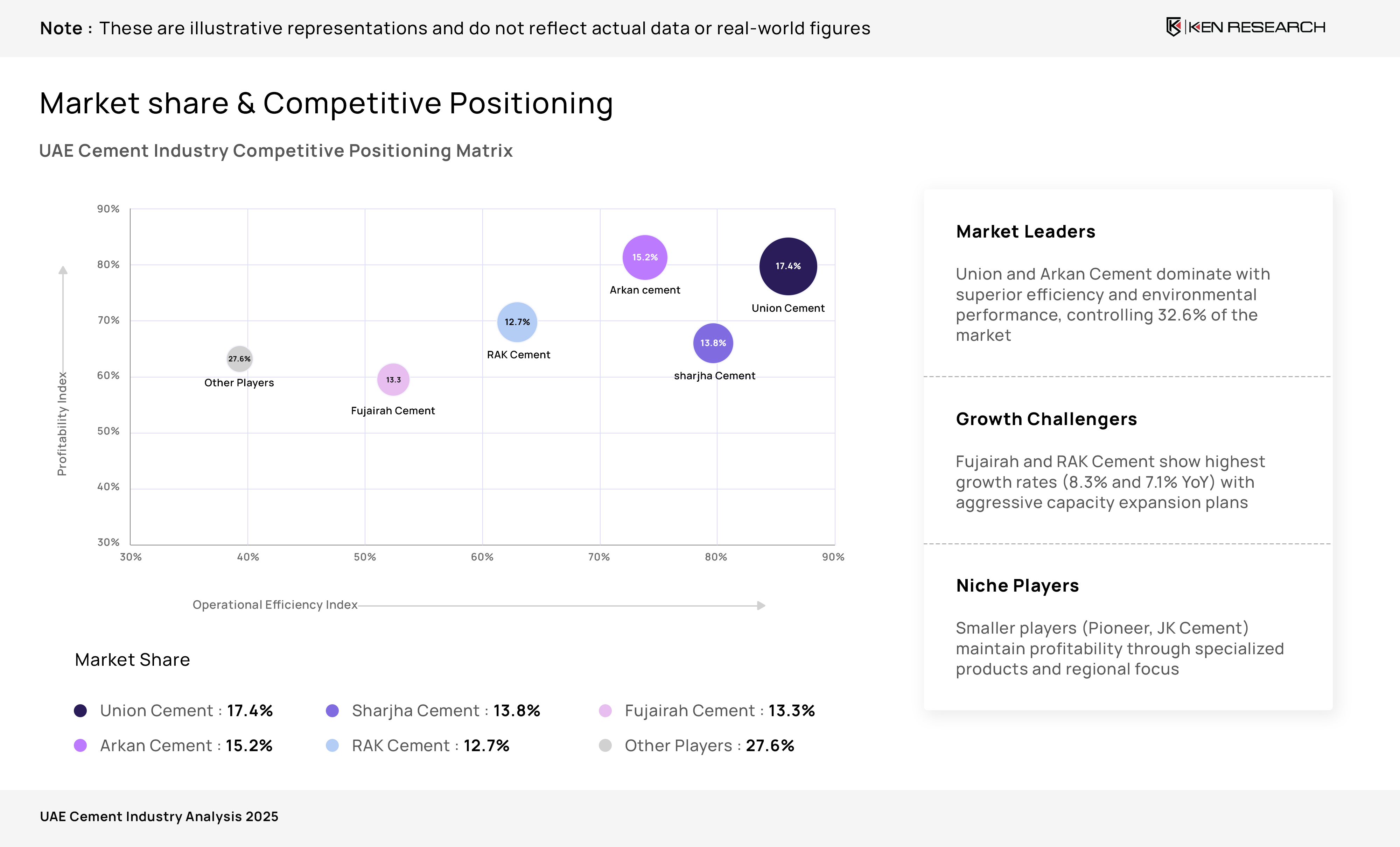
Oman’s poultry ecosystem reflects a strong dominance of large-scale integrated producers such as A’Saffa Foods and A’Namaa Poultry, which shape industry pricing and supply stability through extensive production, processing, and distribution capabilities.
Medium and small players play a crucial balancing role, meeting regionalized demand and niche preferences while contributing to competitive diversity in local poultry supply and reducing dependence on large producers.
Leading Player Profiles
Company Profiles Overview
Large entities dominate with integrated farming-to-processing models, ensuring supply consistency and scale economies, while medium players maintain significant regional presence with semi-integrated operations.
Smaller operators primarily target local markets with limited capacity but remain essential to decentralized distribution, bridging demand-supply gaps in specific regions of Oman.
Key Operational Performance Metrics
Company Performance Overview
Unlock Market Insights
Dive deeper into production, distribution, and pricing intelligence.
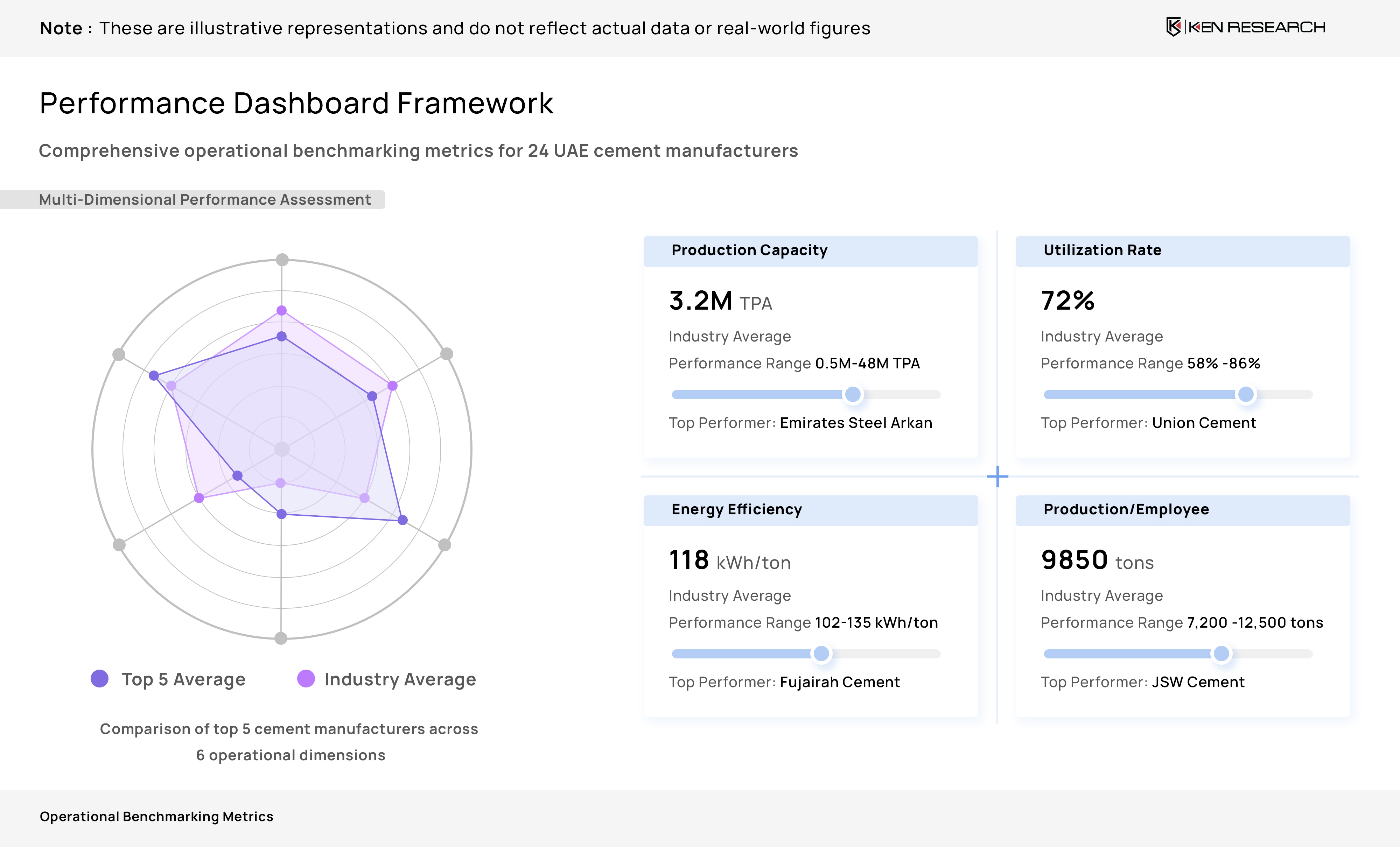
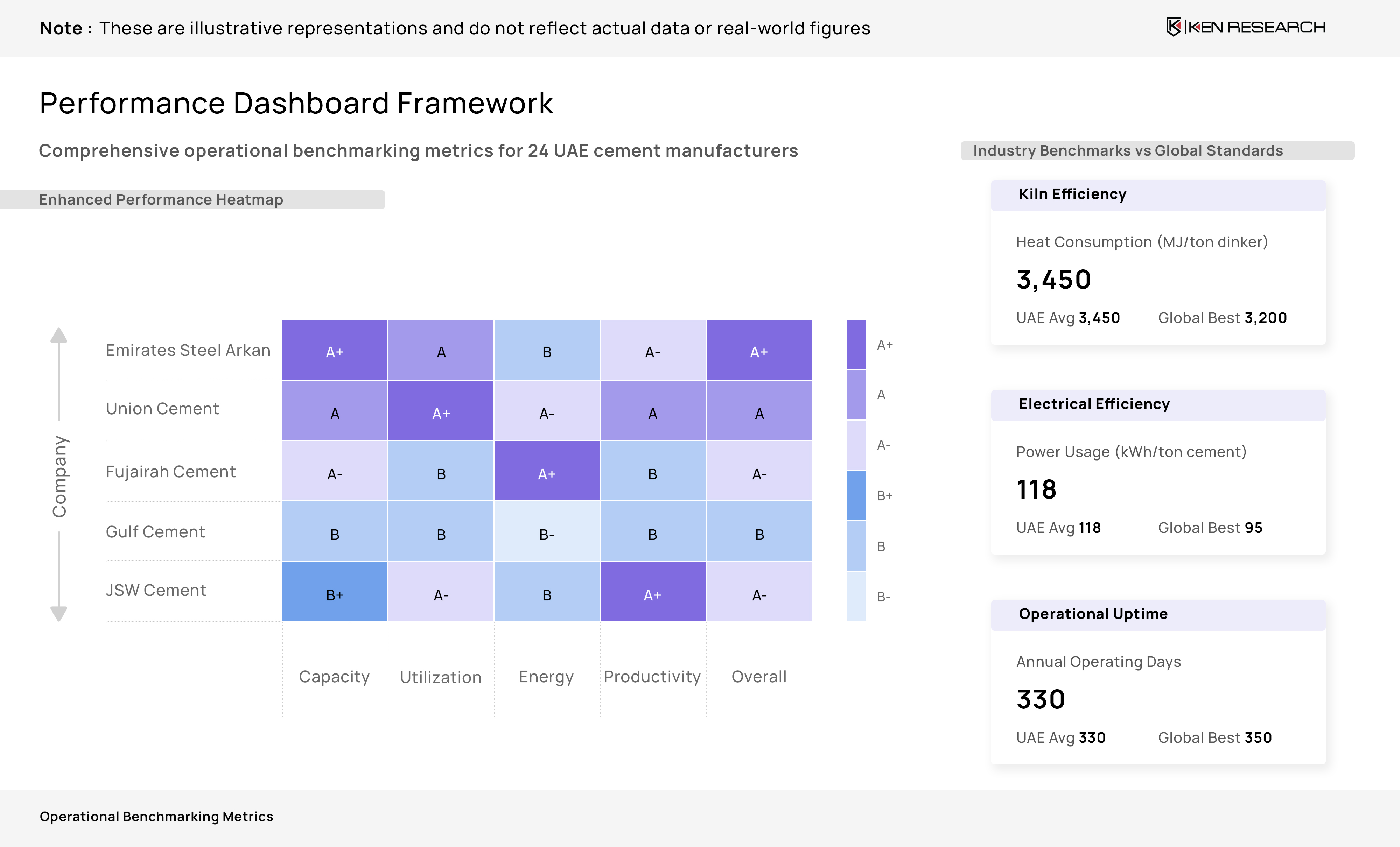
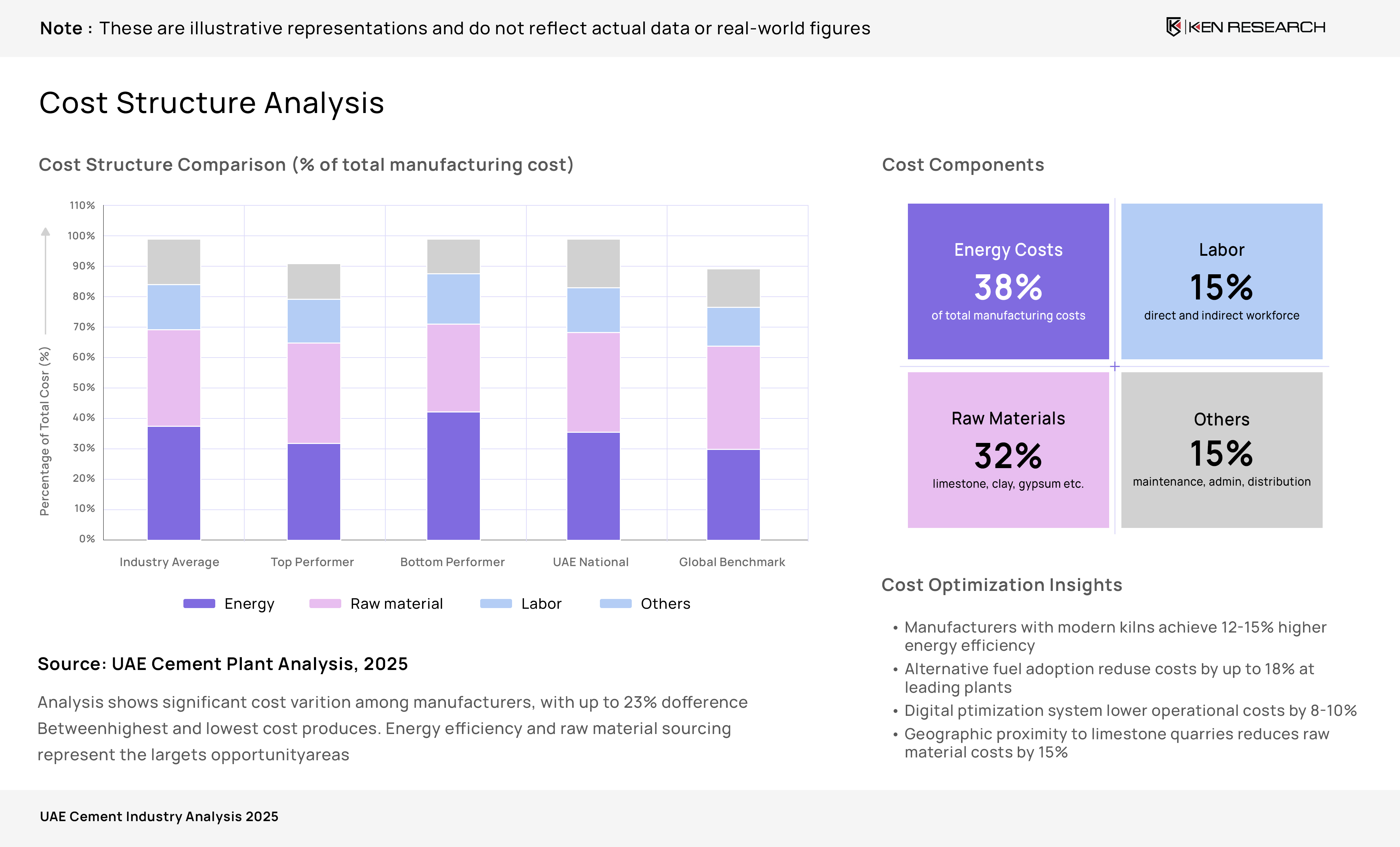
Get Customized ReportOman’s poultry sector operational benchmarks revolve around production capacity, integrated feed-to-processing chains, and regional distribution strength, with pricing emerging as a key determinant of competitive differentiation in local markets.
Larger players leverage economies of scale, while medium and small operators focus on regionalized efficiency and flexibility, enabling a broad spectrum of supply models in the market.
Core Financial Performance Metrics
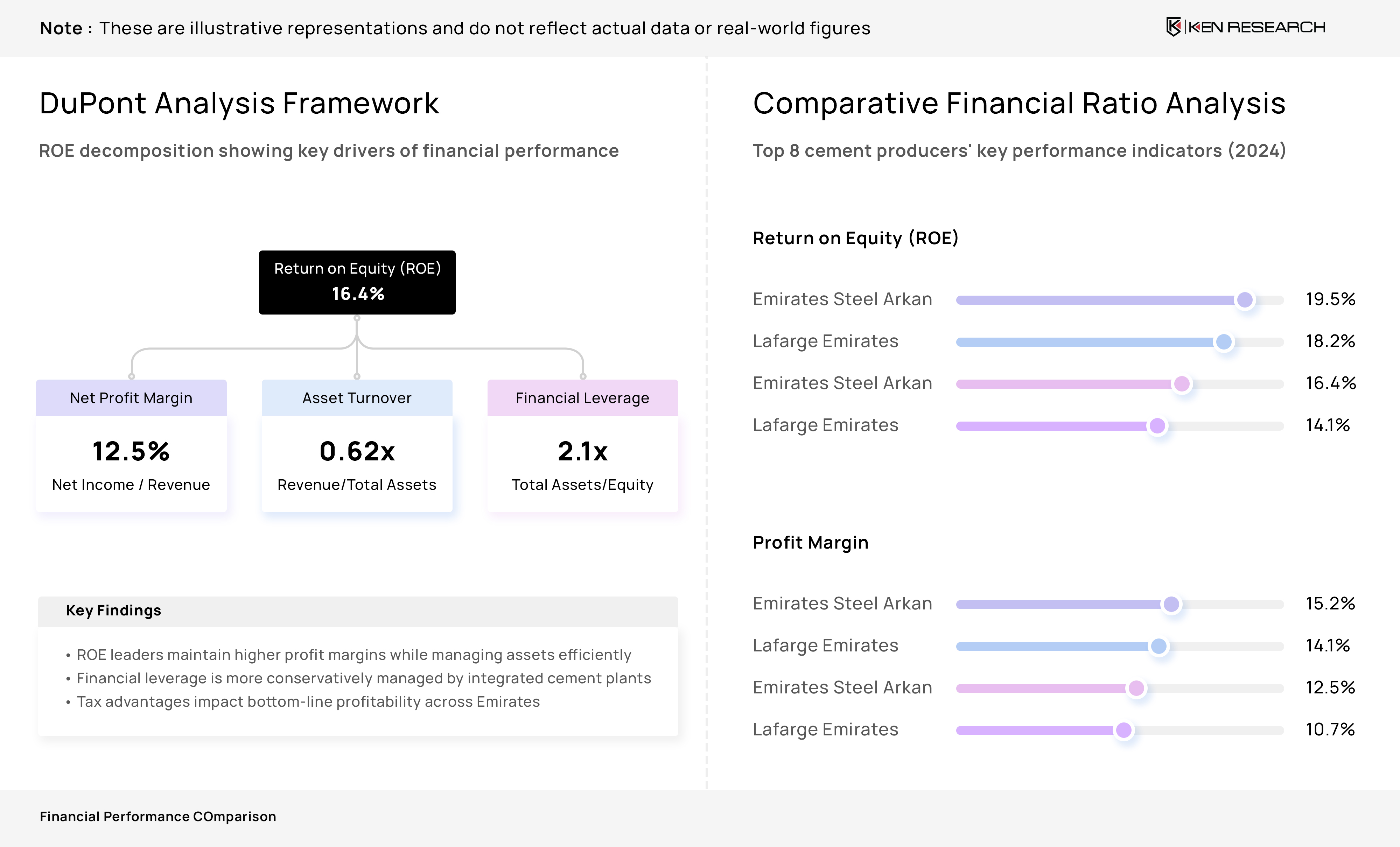
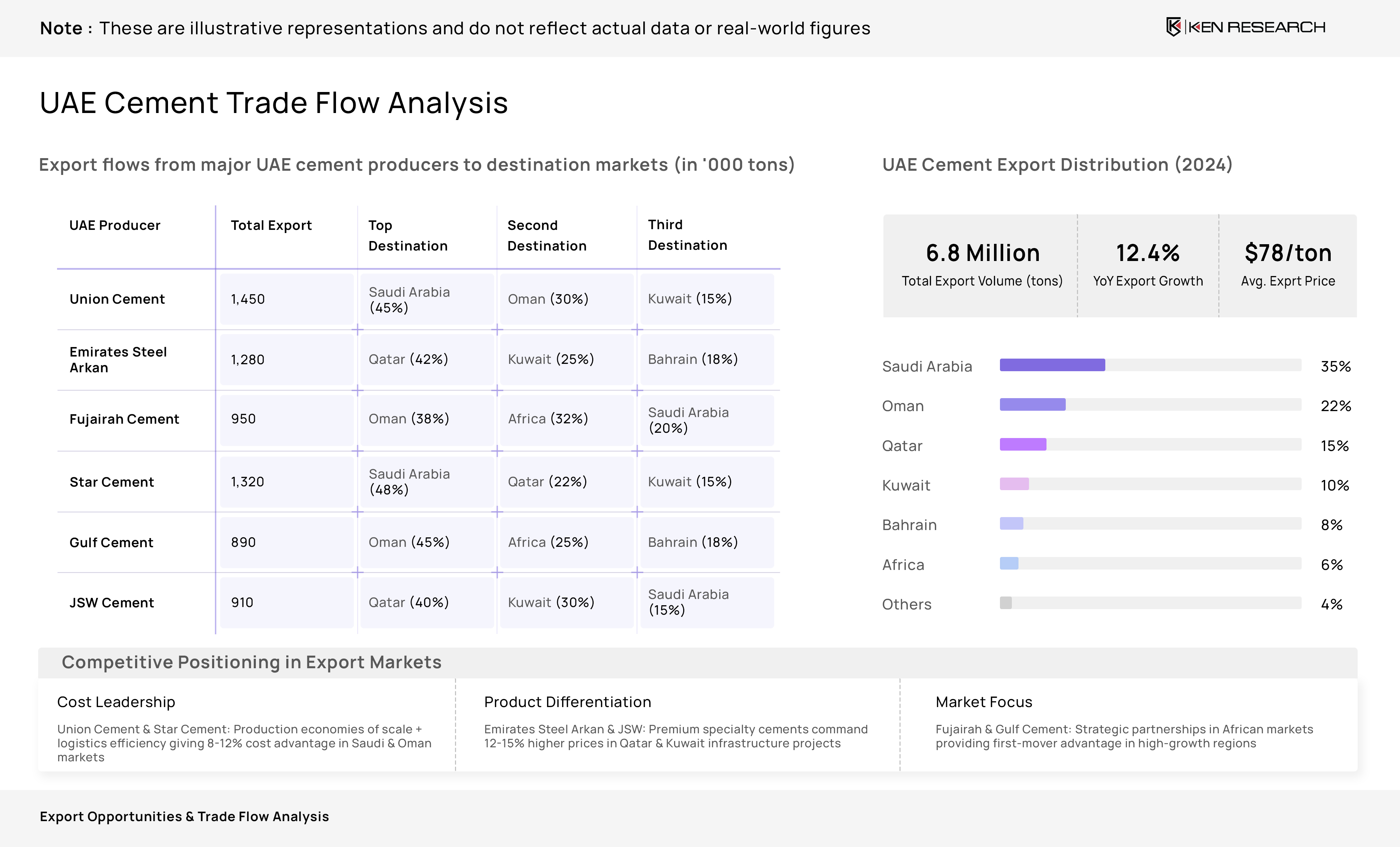
Financial competitiveness in Oman’s poultry sector is determined by revenue scale, cost structures, and margin optimization, with integrated players better positioned to capture profitability despite volatility in feed costs.
EBITDA and PAT margins serve as crucial benchmarks, reflecting operational efficiency, input cost management, and resilience against regional market fluctuations.
Table of Contents
1. Ecosystem Matrix
1.1 Large Players
1.1.1 A’Namaa Poultry
1.1.2 A’Saffa Foods
1.1.3 Al Bashaer Poultry
1.1.4 Dhofar Poultry
1.1.5 Al Ajmi Poultry
1.2 Medium Players
1.2.1 Sohar Poultry
1.2.2 Al Qurum Poultry
1.2.3 Al Fawaz Poultry
1.2.4 Gulf Poultry Company
1.2.5 Al Ruwad Poultry
1.3 Small Players
1.3.1 Muscat Poultry
1.3.2 Al Maha Poultry
1.3.3 Al Bustan Poultry
1.3.4 Al Sharqiya Poultry
1.3.5 Al Watan Poultry
2. Leading Player Profiles
2.1 Parameters
2.1.1 Company Name
2.1.2 Group Name
2.1.3 Headquarters
2.1.4 Established Year
2.1.5 Core Business Segment
2.1.6 Mode of Functioning
3. Key Operational Performance Metrics
3.1 Parameters
3.1.1 Company Name
3.1.2 Group Name
3.1.3 Production Capacity (MT/Year)
3.1.4 Number of Farms (Units)
3.1.5 Hatcheries (Units)
3.1.6 Processing Plants (Units)
3.1.7 Feedmill Capacity (MT/Year)
3.1.8 Distribution Coverage (Regions / Provinces)
3.1.9 Export Share (%)
3.1.10 Product Range (Types / Variants)
3.1.11 Pricing (USD/KG)
4. Core Financial Performance Metrics
4.1 Parameters
4.1.1 Revenue (USD Mn)
4.1.2 Revenue Growth (%)
4.1.3 COGS (USD Mn)
4.1.4 COGS Growth (%)
4.1.5 EBITDA (USD Mn)
4.1.6 EBITDA Growth (%)
4.1.7 EBITDA Margin (%)
4.1.8 PAT (USD Mn)
4.1.9 PAT Margin (%)
5. Methodology
5.1 Approach
5.1.1 Desk Sources
5.1.2 Primary Interviews
5.1.3 Sanity Checking & Validation
5.2 Benchmarking Process
5.2.1 Data Collection
5.2.2 Primary Validation
5.2.3 Proxy KPI Modelling
5.2.4 Normalization & Indexing
5.2.5 Gap Analysis
5.2.6 Peer Review
5.3 Sample Composition
5.3.1 Scope Items
5.3.2 Sample Size
5.3.3 Target Respondents
Methodology
Ken Research will deploy its proprietary, multi-layered research framework—combining robust secondary research, targeted primary outreach, and rigorous data validation—to deliver an authoritative competitive landscape analysis of the Oman Poultry Producers Market.
Desk Sources
- Industry reports from proprietary databases and Ken Research archives
- Company annual reports and investor presentations
- Government and trade association publications from the Ministry of Agriculture & Fisheries, Oman Chamber of Commerce, and GCC trade statistics
- Trade magazines, industry journals, and sector-specific news portals
- Financial databases including Bloomberg, Capital IQ, and Zawya
- Digital metrics dashboards such as SimilarWeb, social media analytics, and app engagement data for B2C sales channels
Primary Interviews
- CATIs and online surveys with category managers and R&D heads of poultry producers
- Senior sales and marketing leaders at leading poultry companies
- Distributors, retailers, and modern trade buyers
- Veterinary input and feed suppliers
- Industry consultants and agribusiness analysts
Sanity Checking & Validation
- Triangulation to cross-verify estimates from secondary research, primary insights, and proxy KPI models
- Proxy KPI synthesis using production capacity, number of farms, hatcheries, distribution reach, and feed mill output to estimate revenues or market share
- Outlier analysis to identify and reconcile anomalous data points through targeted follow-ups
- Assumption tracking with a transparent log covering proxy derivations and methodological limitations
- Peer review by internal subject-matter experts prior to release
An Inside Look At Our Custom Insights
Take a look at ourcustomized insights, tailored to yourmarket and business needs. Our benchmarking reports deliver data-driven comparisons of key players, helping you uncover opportunities, assess performance, and make confident strategic decisions.