Qatar Fertilizer Distribution Market
Published on: January 2026
Report Overview
Qatar Fertilizer Distribution Market Overview
Market Highlights
The Qatar Fertilizer Distribution Market showcases a diverse competitive structure, where multinational corporations, regional manufacturers, and local firms engage in a dynamic interplay. Multinationals leverage their extensive resources for efficiency, while regional players focus on tailored solutions that resonate with local agricultural needs, and local firms capitalize on agility and niche expertise.
Innovation from global leaders is seamlessly integrated with localized strategies, as companies adapt their offerings to meet the unique demands of the Qatari market. This includes the customization of products and services that align with local agricultural practices and environmental conditions, fostering a robust ecosystem of collaboration and adaptation.
The distribution and aftersales landscape is critical, with strategic partnerships enhancing service delivery and customer satisfaction. Effective collaboration among manufacturers, distributors, and retailers ensures a reliable supply chain, while aftersales support, including maintenance and customer service, strengthens brand loyalty and market presence.
Looking ahead, the competitive landscape is shaped by a focus on sustainability, technological integration, and operational efficiency. Companies are increasingly adopting innovative practices and agile methodologies to respond to market changes, ensuring they remain competitive in a rapidly evolving environment that prioritizes both environmental stewardship and economic viability.
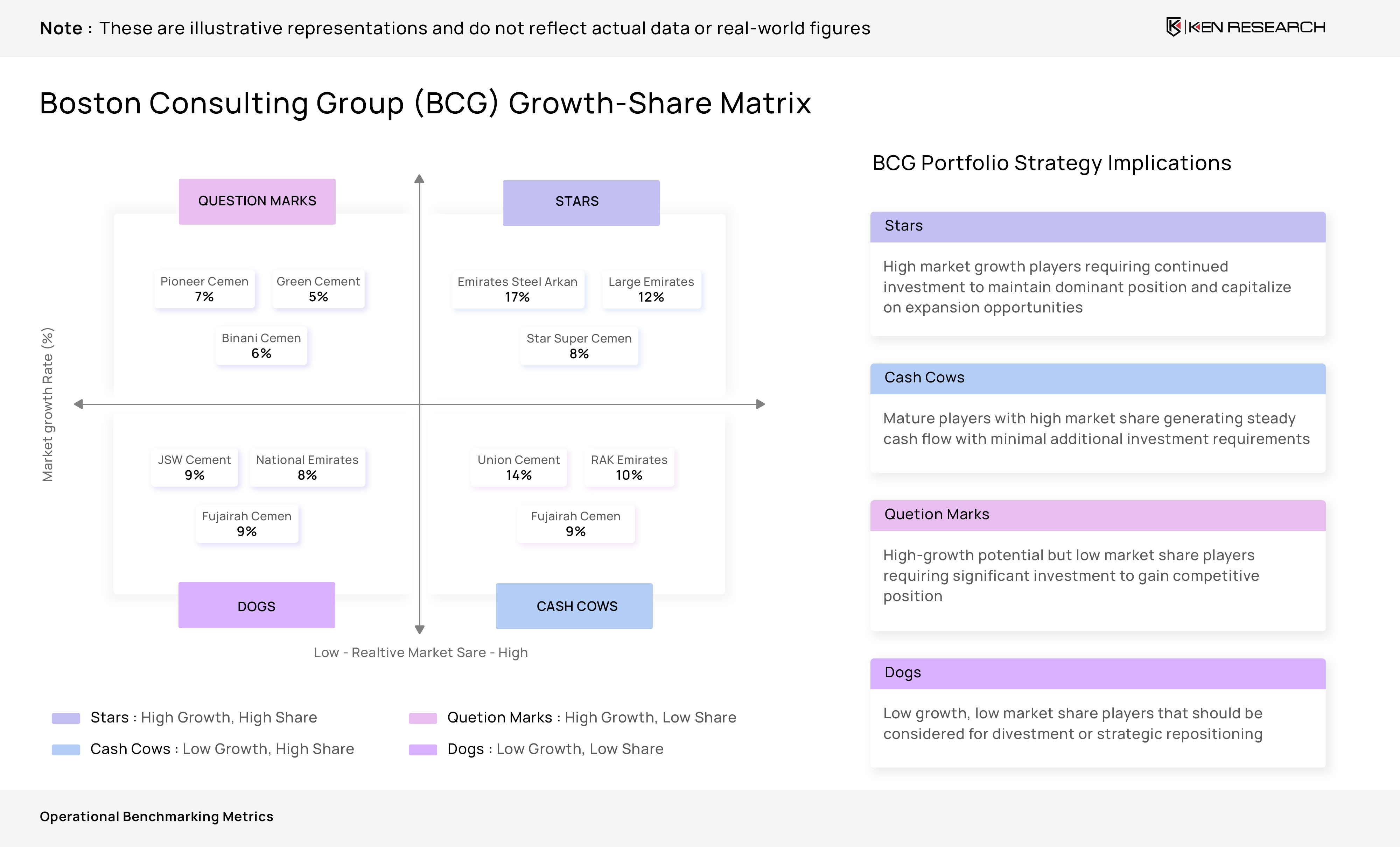
Ecosystem Matrix
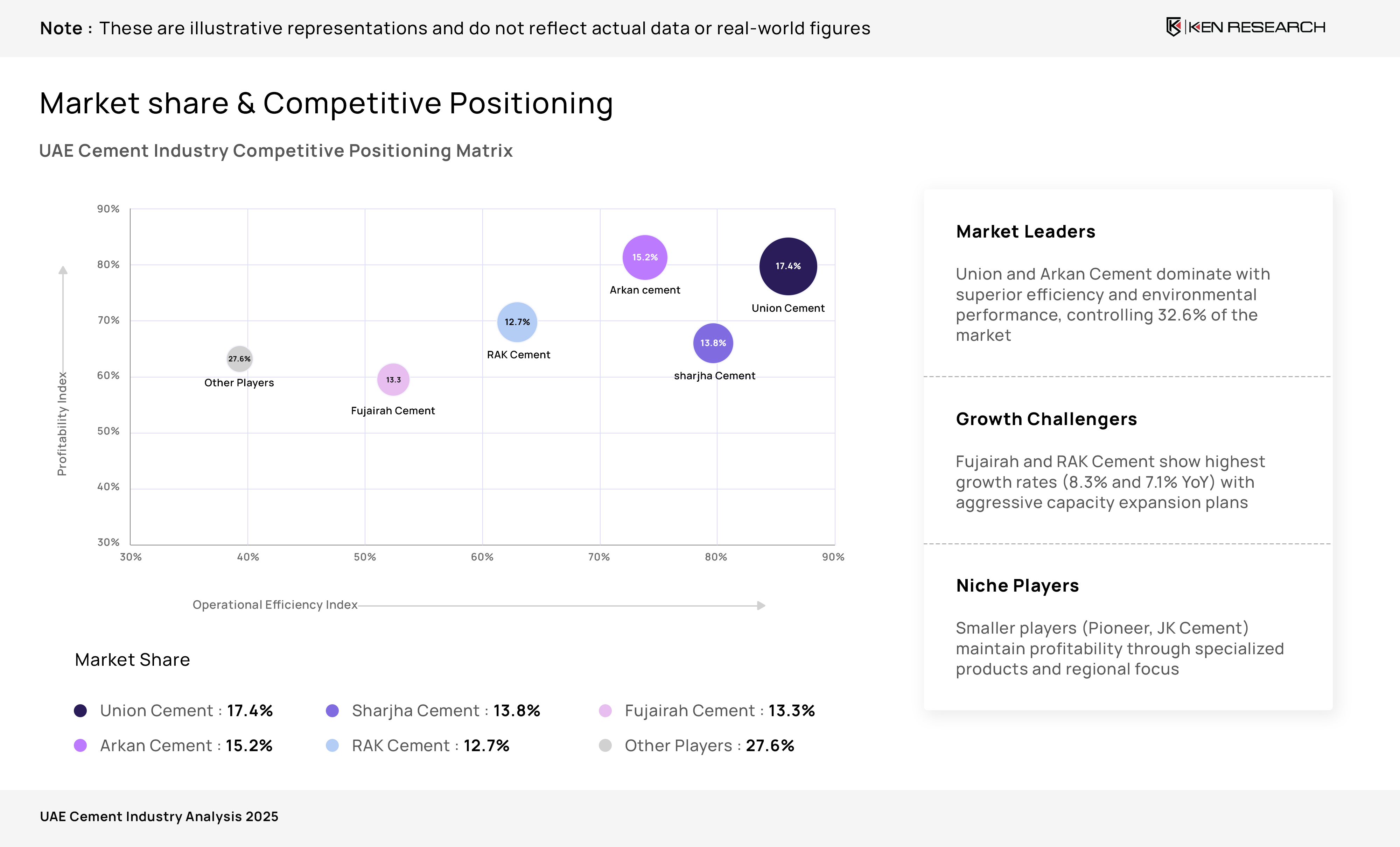
The market is structurally concentrated, with state-linked entities anchoring bulk fertilizer flows, while mid-sized distributors compete through specialty products, private-label imports, and service depth across farming and landscaping demand segments.
Smaller players remain relevant through last-mile reach, flexible pricing, and niche crop nutrition offerings, despite limited scale and higher dependence on spot procurement.
Leading Player Profiles
Company Profile Overview
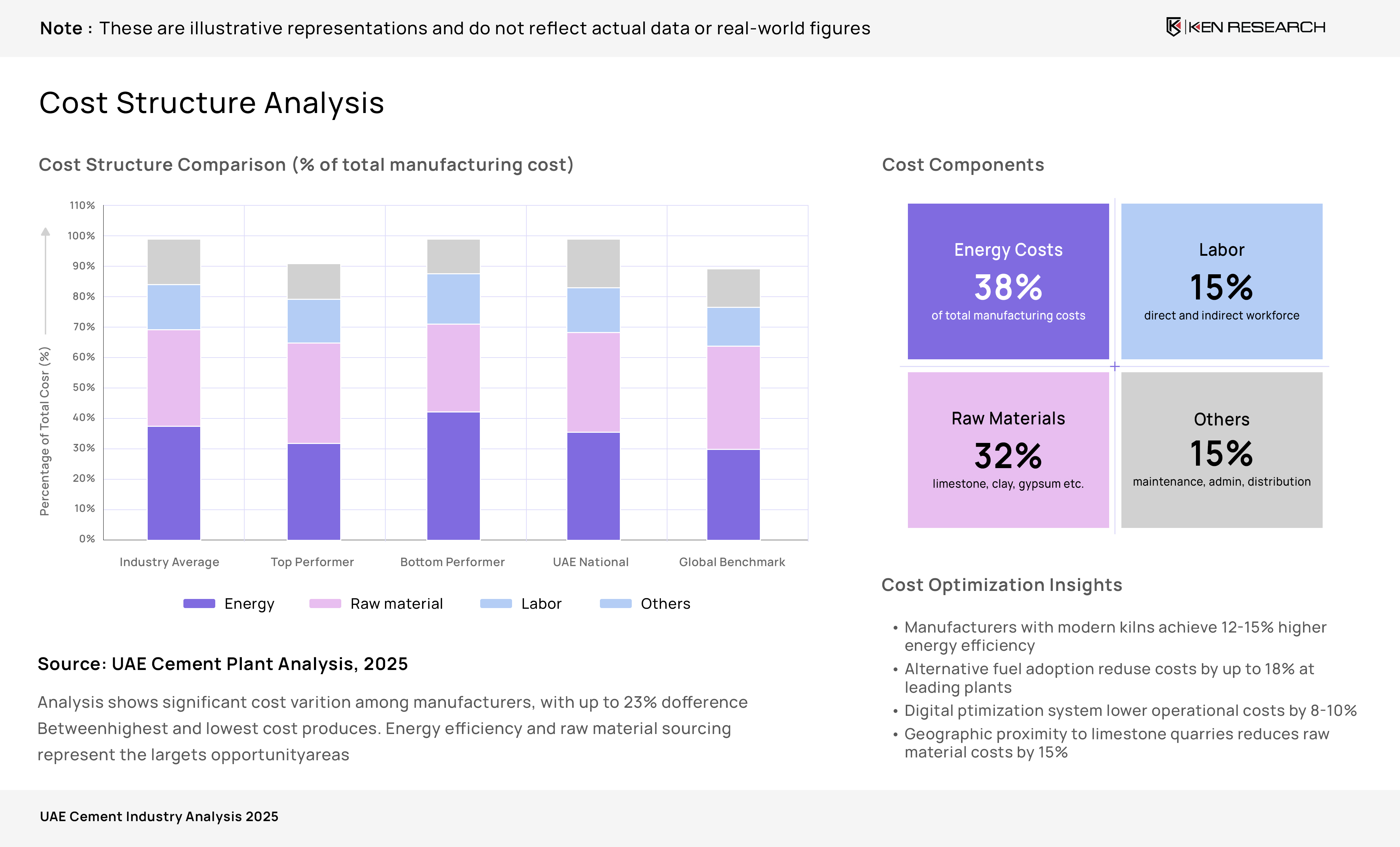
Leading distributors benefit from backward integration or government backing, while mid-tier players focus on crop-specific solutions and supply responsiveness.
Smaller firms operate with thinner margins but faster capital cycles and selective participation in high-value specialty fertilizers.
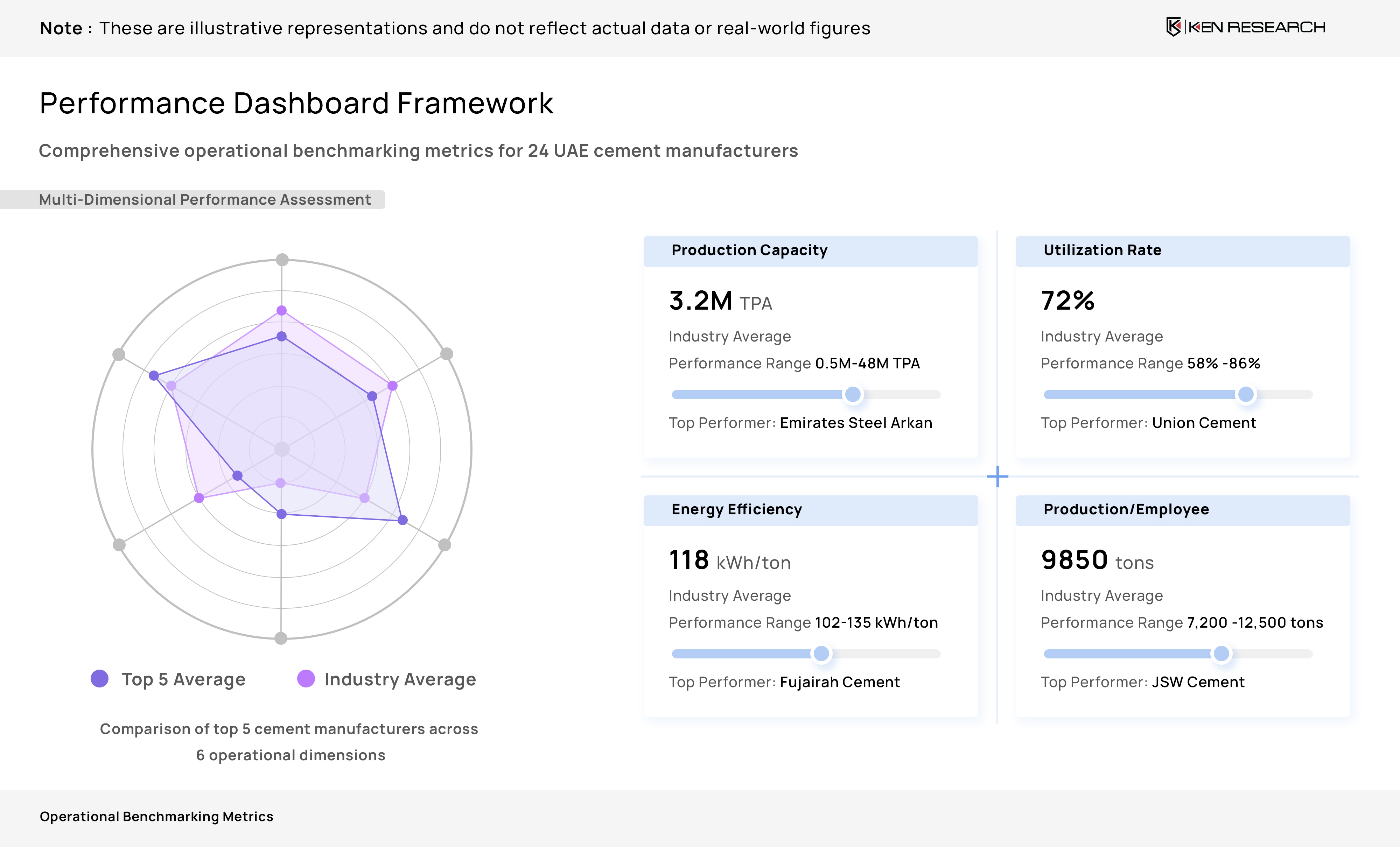
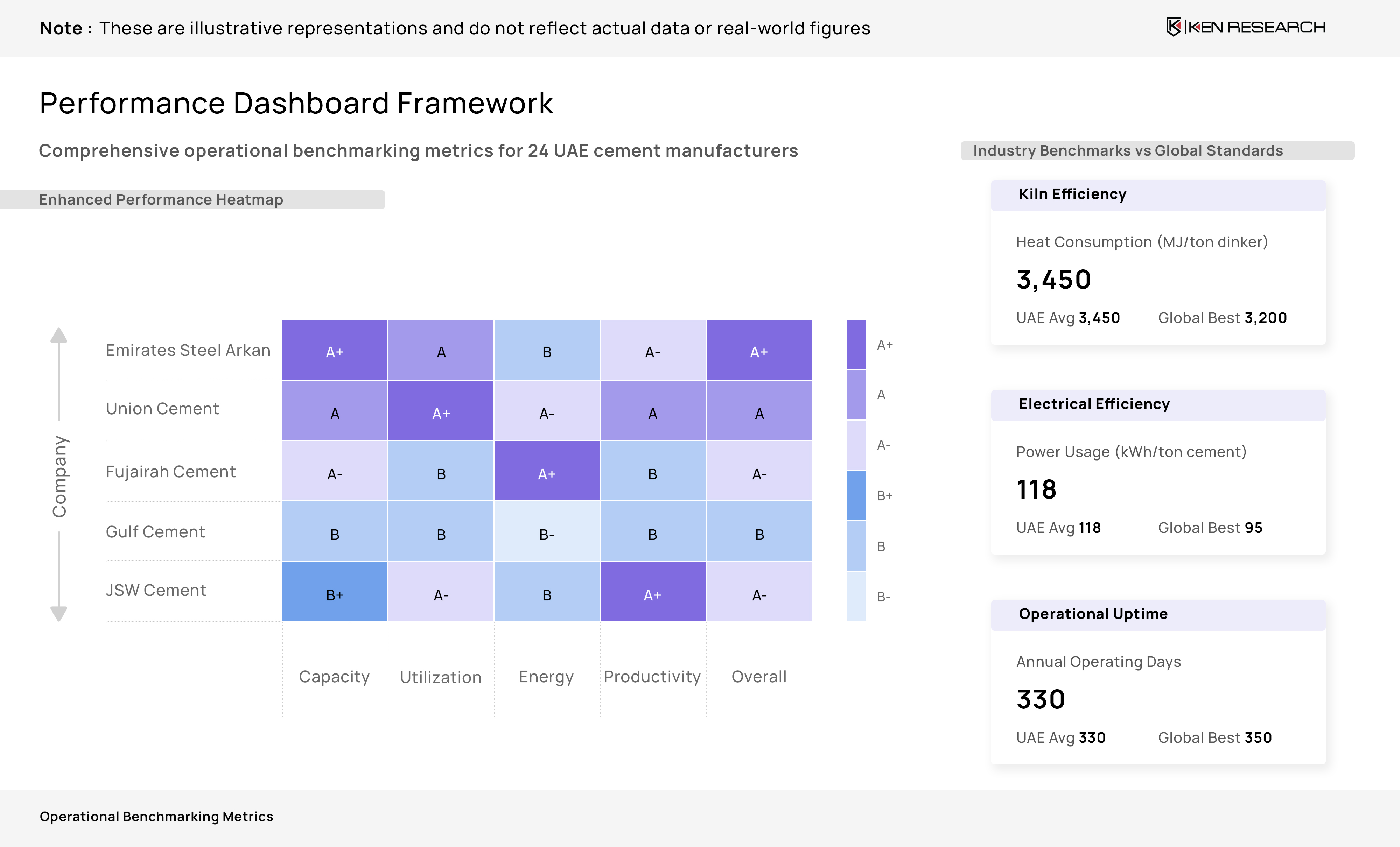
Key Operational Performance Metrics
Company Performance Overview
Unlock Market Insights
Dive deeper into production, distribution, and pricing intelligence.
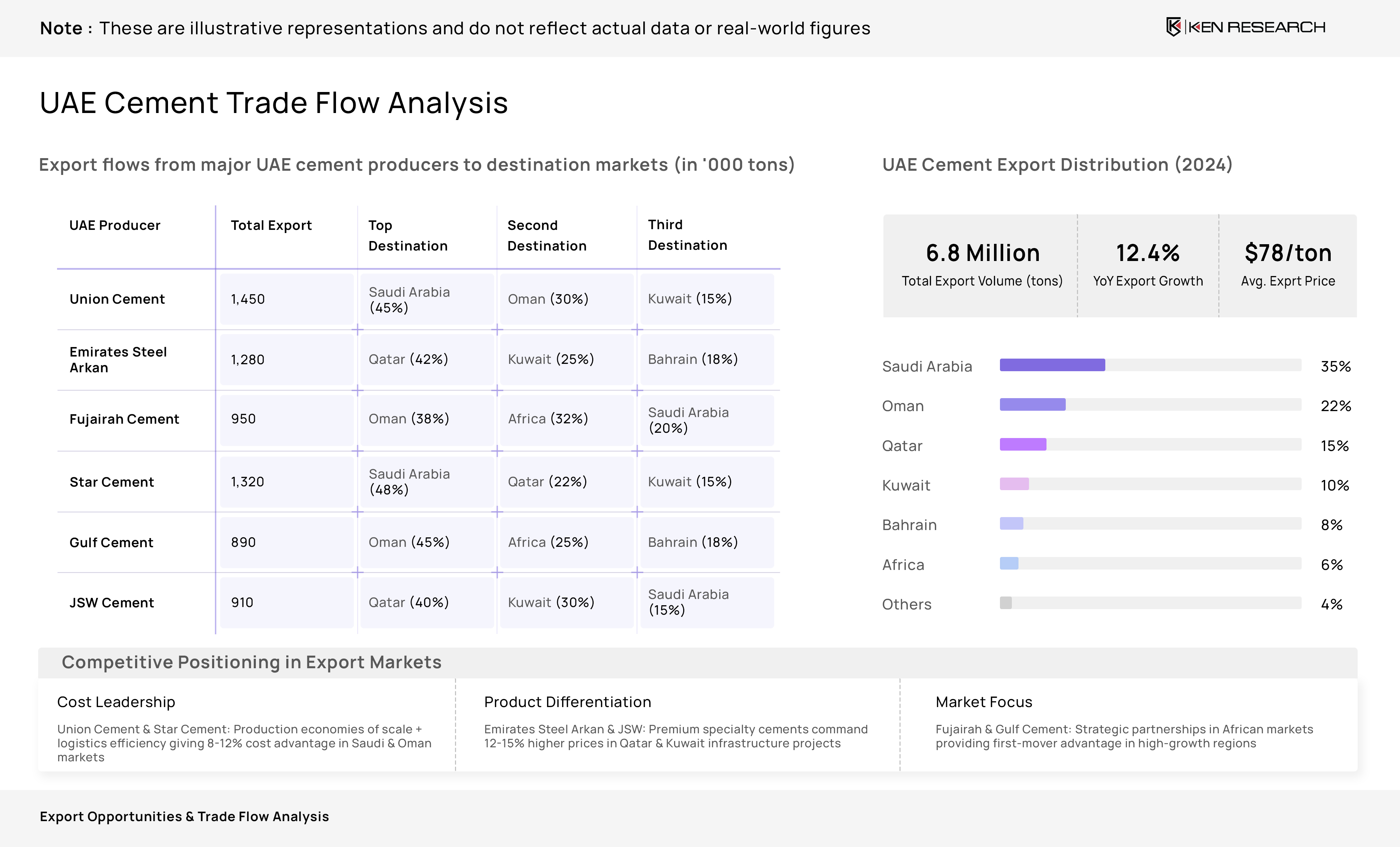
Get Customized ReportRevenue creation is most sensitive to pricing per ton, contract sales share, and annual distribution volumes, with inventory turnover and credit cycles shaping working capital efficiency.
Players with higher contract exposure and optimized import cycles demonstrate superior revenue stability in Qatar’s demand-constrained fertilizer market.
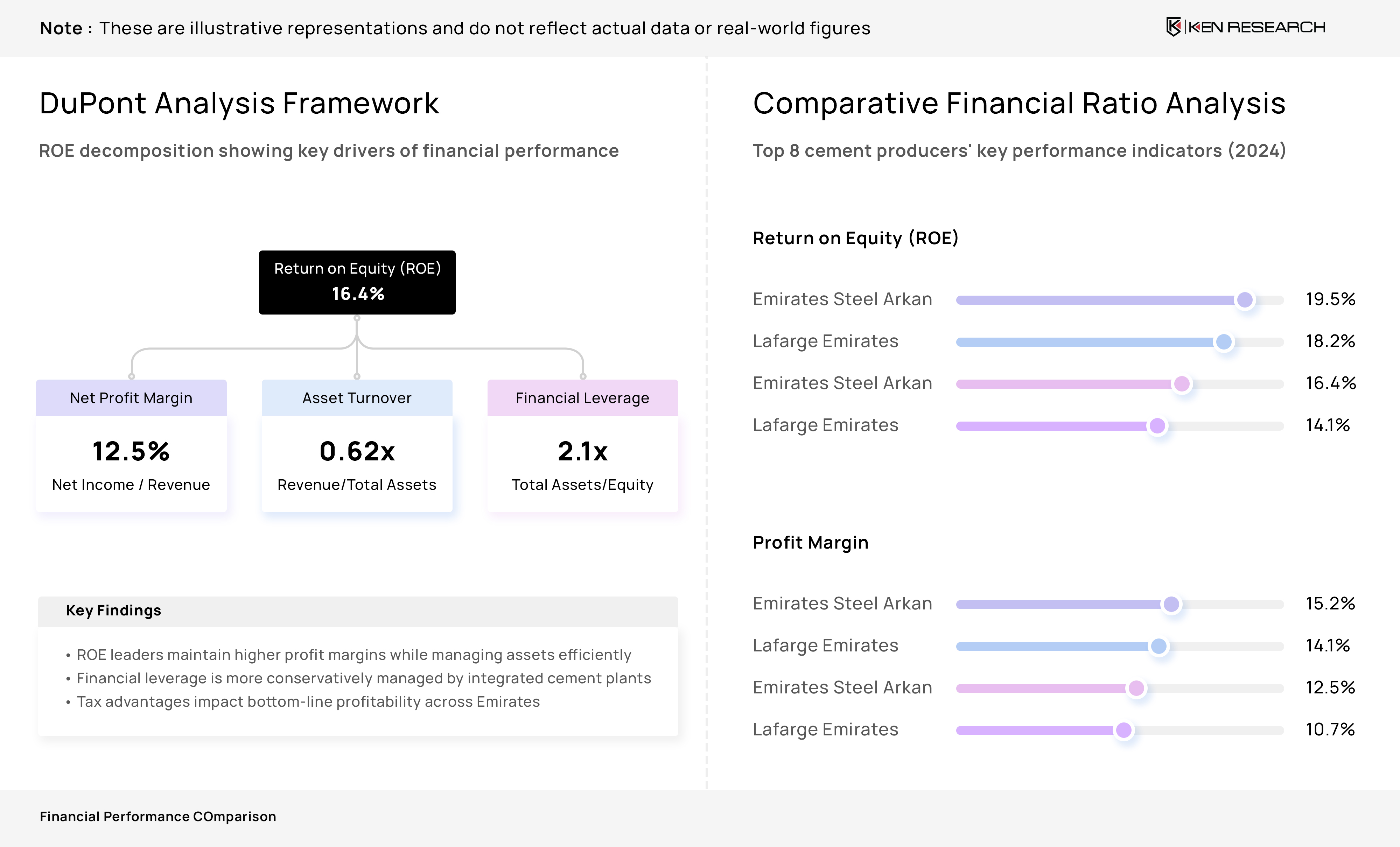
Core Financial Performance Metrics
Large players benefit from scale-driven margin resilience and lower COGS volatility, while mid-sized distributors prioritize EBITDA stability through cost-plus contracts.
Smaller players operate with thinner margins but faster cash cycles, relying on selective pricing and niche fertilizer categories.
Table of Contents
1. Ecosystem Matrix
1.1 Large Players
1.1.1 Qatar Fertiliser Company (QAFCO)
1.1.2 Muntajat
1.1.3 Hassad Food
1.1.4 Industries Qatar
1.1.5 Yara Qatar
1.1.6 Gulf International Chemicals
1.2 Medium Players
1.2.1 Gulf Chemicals & Industrial Oils (GCIO)
1.2.2 Al Muftah Agriculture Supplies
1.2.3 Al Sulaiteen Agricultural & Industrial Services
1.2.4 Al Hodaifi Agricultural Supplies
1.2.5 Doha Agricultural & Veterinary Services
1.3 Small Players
1.3.1 Al Najma Agricultural Supplies
1.3.2 Al Amaal Agricultural Trading
1.3.3 Al Wajba Agricultural Materials
1.3.4 Al Mashaf Fertilizer Trading
1.3.5 Green Grower Qatar
2. Leading Player Profiles
2.1 Company Name
2.2 Group Name
2.3 Headquarters
2.4 Establishment Year
2.5 Core Services
2.6 Mode of Functioning
3. Key Operational Performance Metrics
3.1 Annual Distribution Volume (USD Mn)
3.2 Average Pricing per Ton (USD)
3.3 Import Dependency (%)
3.4 Contract Sales Share (%)
3.5 Spot Sales Share (%)
3.6 Number of Active Buyers
3.7 Average Order Size (USD)
3.8 Inventory Turnover (x)
3.9 Credit Period (Days)
4. Core Financial Performance Metrics
4.1 Parameters
4.1.1 Revenue (USD Mn)
4.1.2 Revenue Growth (%)
4.1.3 COGS (USD Mn)
4.1.4 COGS Growth (%)
4.1.5 EBITDA (USD Mn)
4.1.6 EBITDA Growth (%)
4.1.7 EBITDA Margin (%)
4.1.8 PAT (USD Mn)
4.1.9 PAT Margin (%)
5. Methodology
5.1 Approach
5.1.1 Desk Sources
5.1.2 Primary Interviews
5.1.3 Sanity Checking & Validation
5.2 Benchmarking Process
5.2.1 Data Collection
5.2.2 Primary Validation
5.2.3 Proxy KPI Modelling
5.2.4 Normalization & Indexing
5.2.5 Gap Analysis
5.2.6 Peer Review
5.3 Sample Composition
5.3.1 Scope Items
5.3.2 Sample Size
5.3.3 Target Respondents
Methodology
Ken Research will deploy its proprietary, multi-layered research framework combining robust secondary research, targeted primary outreach, and rigorous data validation to deliver an authoritative competitive landscape analysis of the Qatar Fertilizer Distribution Market.
Desk Sources
- Industry reports (Proprietary databases, Ken Research archives, and major regional or global market sources relevant to Qatar Fertilizer Distribution Market)
- Company annual reports & investor presentations of large and emerging players in the Qatar Fertilizer Distribution Market
- Government & trade association publications related to the Qatar Fertilizer Distribution Market sector
- Trade magazines, journals, and e-articles specific to Qatar Fertilizer Distribution Market
- Financial databases (Bloomberg, Capital IQ, Factiva)
- Web traffic & app-usage dashboards (SimilarWeb, App Annie, or equivalents) for online or digital players in this market
Primary Interviews
- Category Managers / R&D Heads of key Qatar Fertilizer Distribution Market producers or service providers
- Senior Sales/Marketing Leads at leading firms
- Distributors, channel partners, or trade buyers active in this market
- Technology/service providers supporting the ecosystem
- Industry analysts and consultants with expertise in Qatar Fertilizer Distribution Market
Sanity Checking and Validation
- Triangulation: Cross-verify estimates from secondary data, primary inputs, and proxy model outputs
- Proxy KPI synthesis: Use related KPIs (e.g., capacity, throughput, transaction volumes, web traffic, or installation base) to approximate market performance
- Outlier analysis: Identify and reconcile anomalous data points via follow-up validation
- Assumption tracking: Maintain a log of all benchmarking assumptions, with clear notes on limitations and proxy KPI sources
- Peer review: Internal expert review of methodology, models, and key outputs before finalization
An Inside Look At Our Custom Insights
Take a look at ourcustomized insights, tailored to yourmarket and business needs. Our benchmarking reports deliver data-driven comparisons of key players, helping you uncover opportunities, assess performance, and make confident strategic decisions.