Qatar Poultry Producers Market
Published on: December 2025
Report Overview
Qatar Poultry Producers Market
Market Highlights
The Qatar poultry producers market features a concentrated competitive landscape dominated by vertically integrated domestic players, supported by a limited number of regional suppliers and smaller local farms. Large producers focus on end-to-end control across breeding, feed, processing, and distribution, while smaller players differentiate through niche offerings, flexibility, and localized supply relationships tailored to specific customer segments.
Global poultry production practices are increasingly embedded in the market, but their application is highly localized. Producers adapt genetics, housing systems, and feed strategies to suit Qatar’s climatic conditions, water constraints, and regulatory requirements. This blend of international expertise and region-specific customization allows domestic players to maintain productivity while meeting halal standards and national food security objectives.
Distribution strength and aftersales support significantly influence competitive positioning within the market. Established producers leverage strong ties with modern retail, foodservice operators, and institutional buyers, supported by reliable cold-chain logistics and responsive service networks. Consistent product availability, quality assurance, and technical support reinforce customer loyalty in a market where freshness and supply reliability are critical decision factors.
Looking ahead, competitive dynamics will continue to be shaped by operational efficiency, technology integration, and strategic agility rather than scale alone. Producers that balance cost discipline with innovation, sustainability alignment, and localized execution are well positioned to strengthen market presence. The interplay of these factors will continue to define leadership and long-term competitiveness in the Qatar poultry producers market.
Ecosystem Matrix
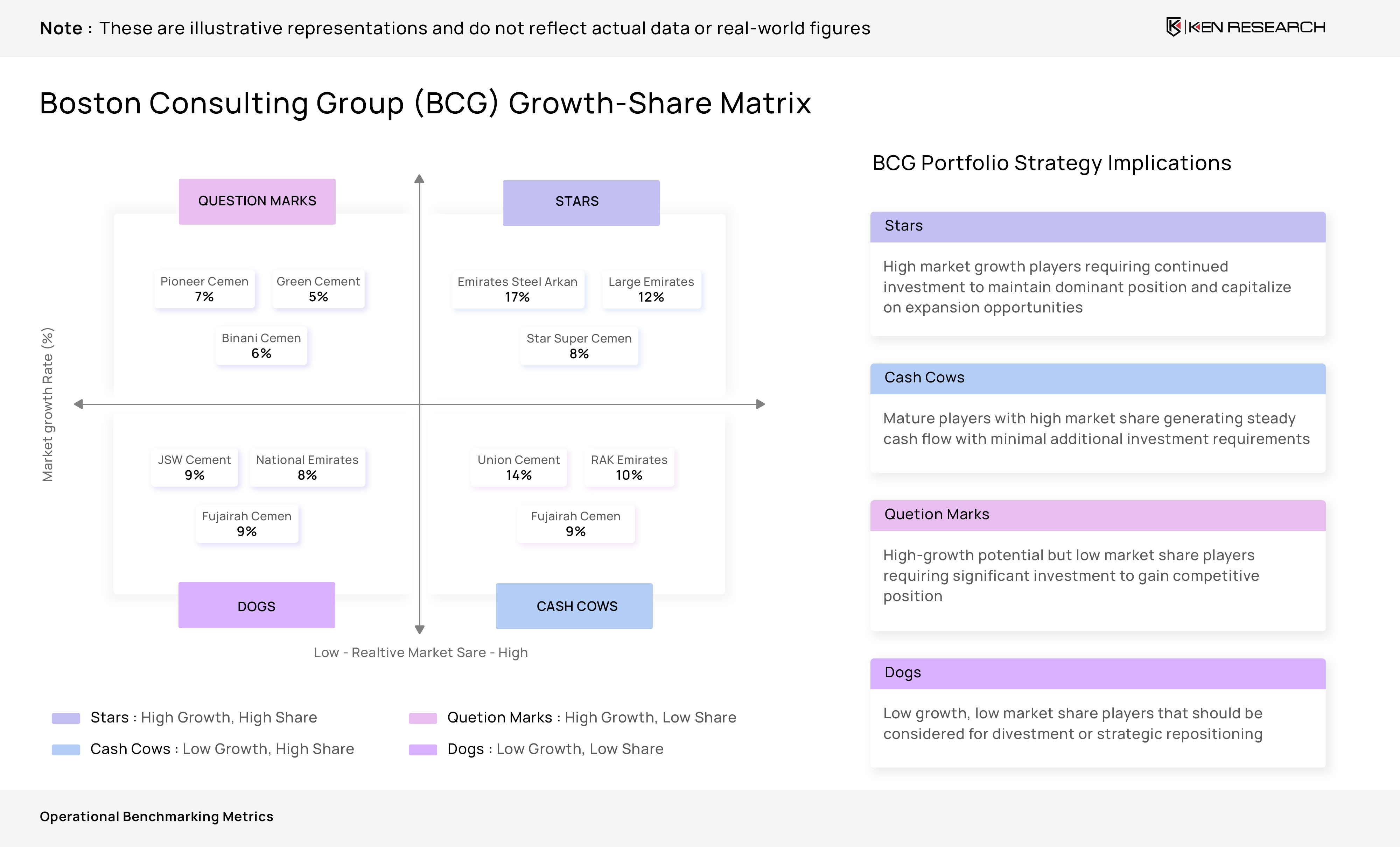
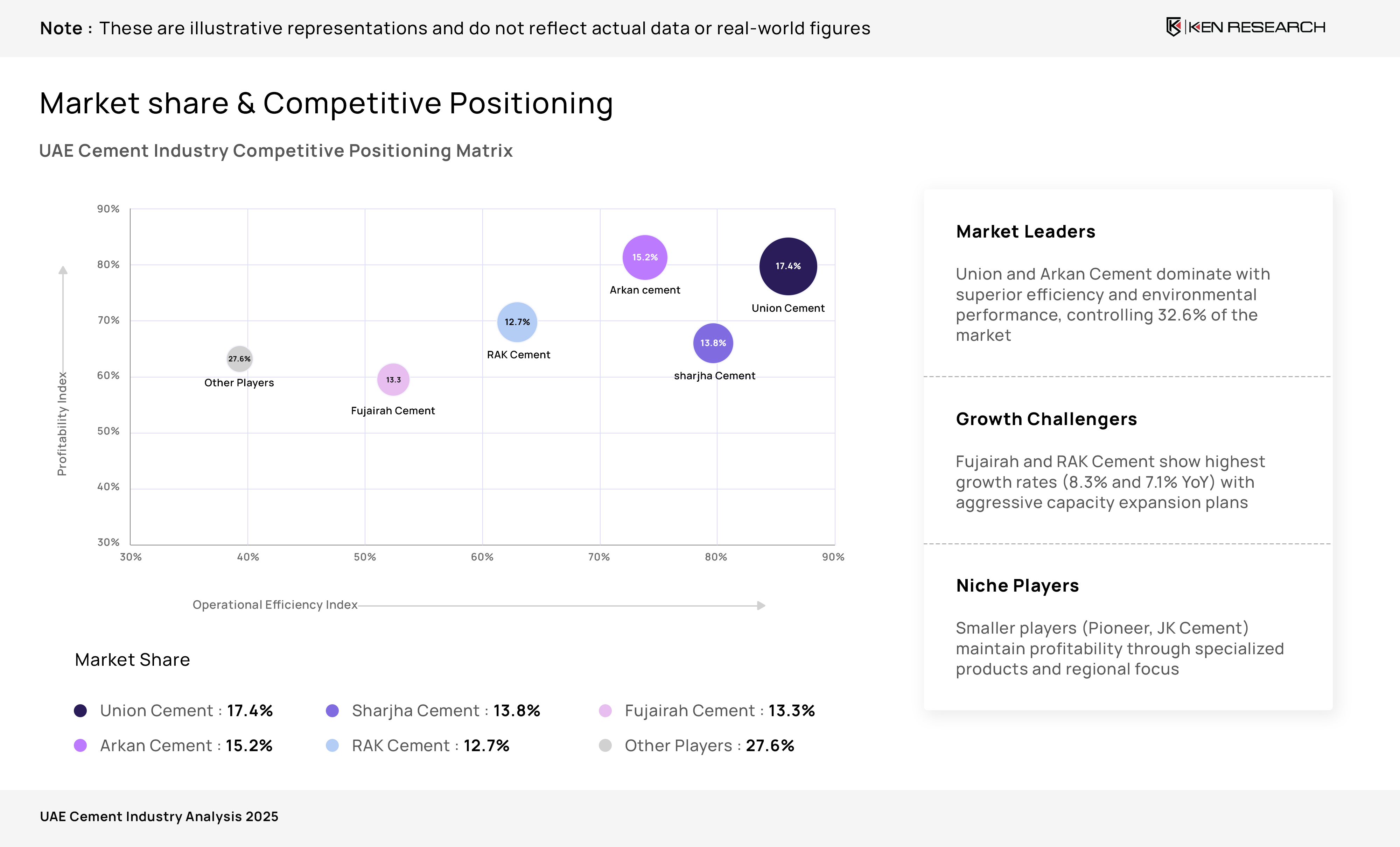
Qatar’s poultry market ecosystem demonstrates strong dominance of government-backed and large integrated players such as Baladna and Widam Food, ensuring food security and self-sufficiency goals remain central to the country’s strategic agenda.
Medium and smaller players operate with focused niches, typically targeting regional demand pockets or specialty poultry production, but face scalability challenges compared to heavily state-supported market leaders.
Leading Player Profiles
Company Profiles Overview
The player base reflects a unique mix of state-owned giants and private entities, reinforcing Qatar’s commitment to balancing food security with private market participation.
Government-backed players dominate vertical integration and distribution channels, while mid-tier and smaller companies provide competitive diversity but depend on niche positioning to remain profitable.
Key Operational Performance Metrics
Company Performance Overview
Unlock Market Insights
Dive deeper into production, distribution, and pricing intelligence.
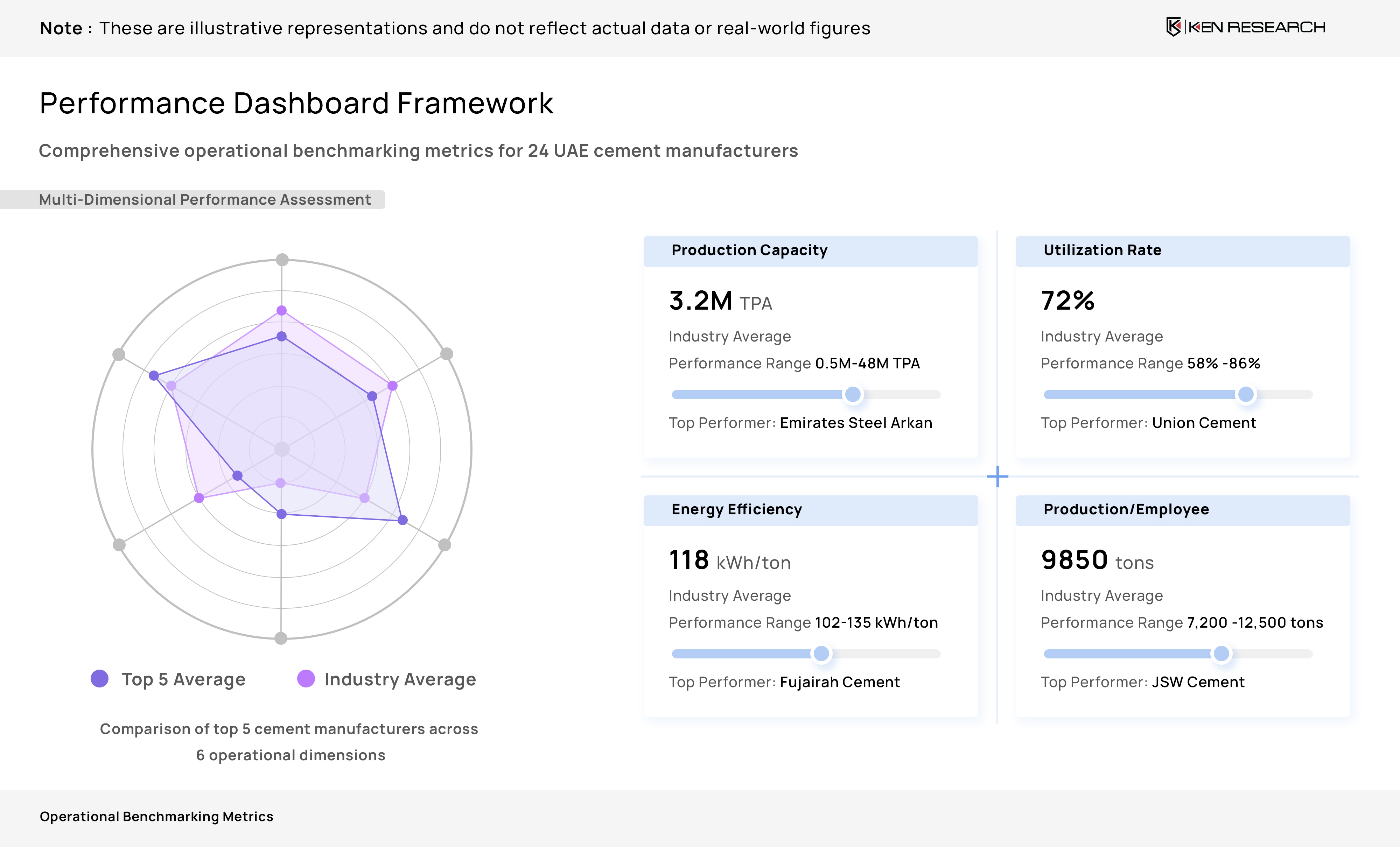
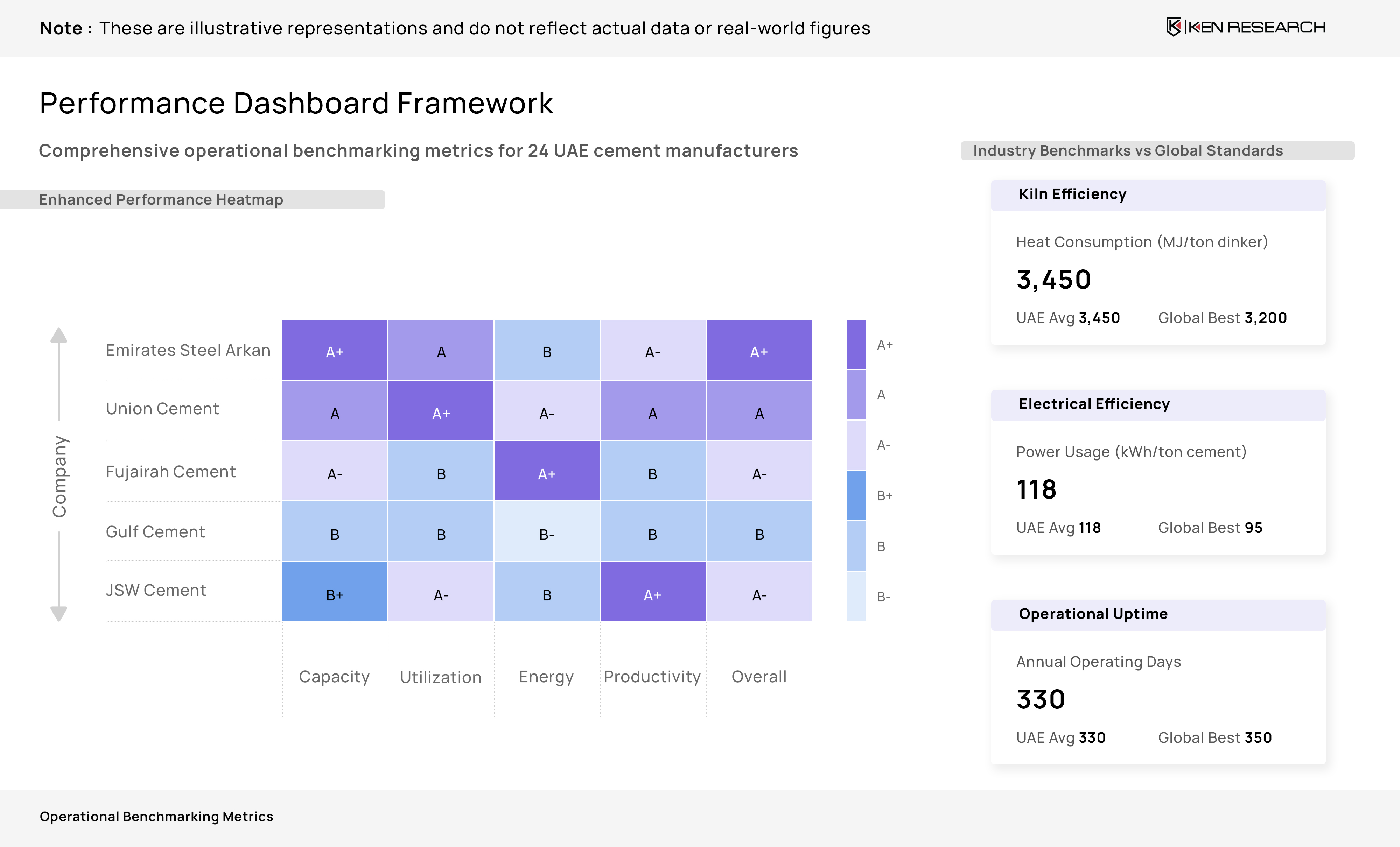
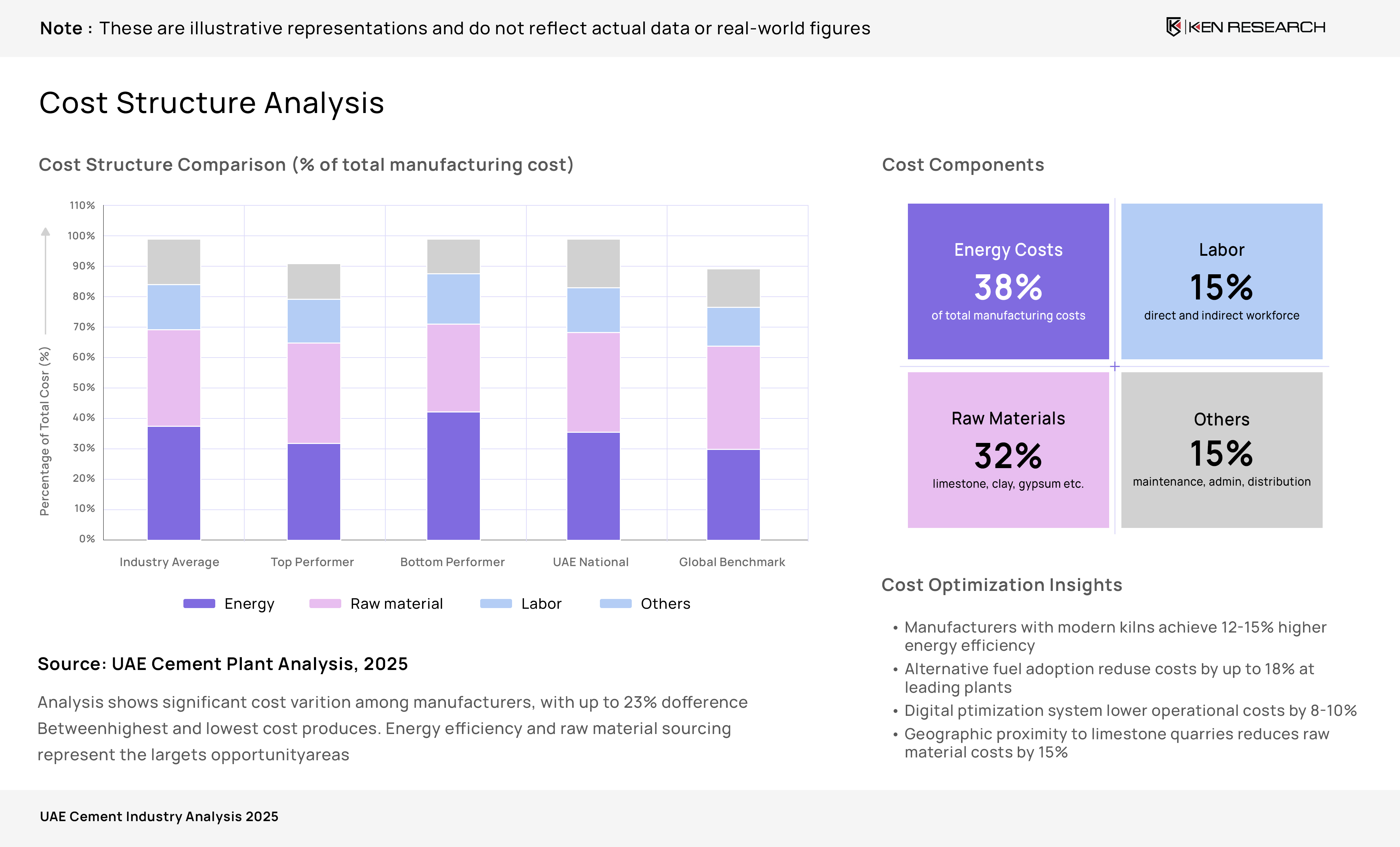
Get Customized ReportOperational performance highlights the dominance of Baladna, Widam Food, and Hassad-backed entities in capacity, integrated feedmills, and expansive distribution—core levers for revenue generation.
Smaller producers are constrained in scale, often specializing in targeted poultry products and regional supply but lacking infrastructure breadth to compete on equal terms.
Core Financial Performance Metrics
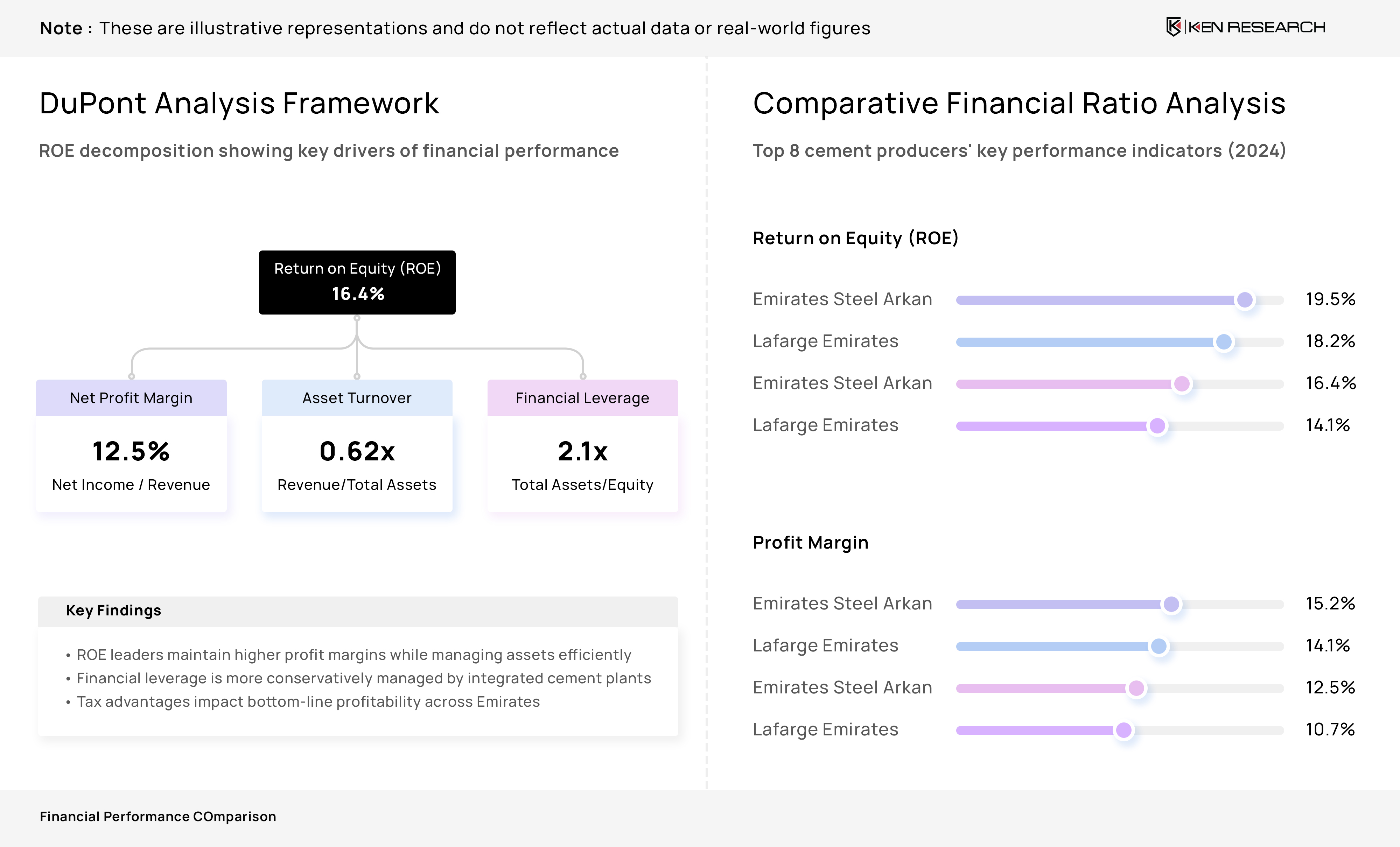
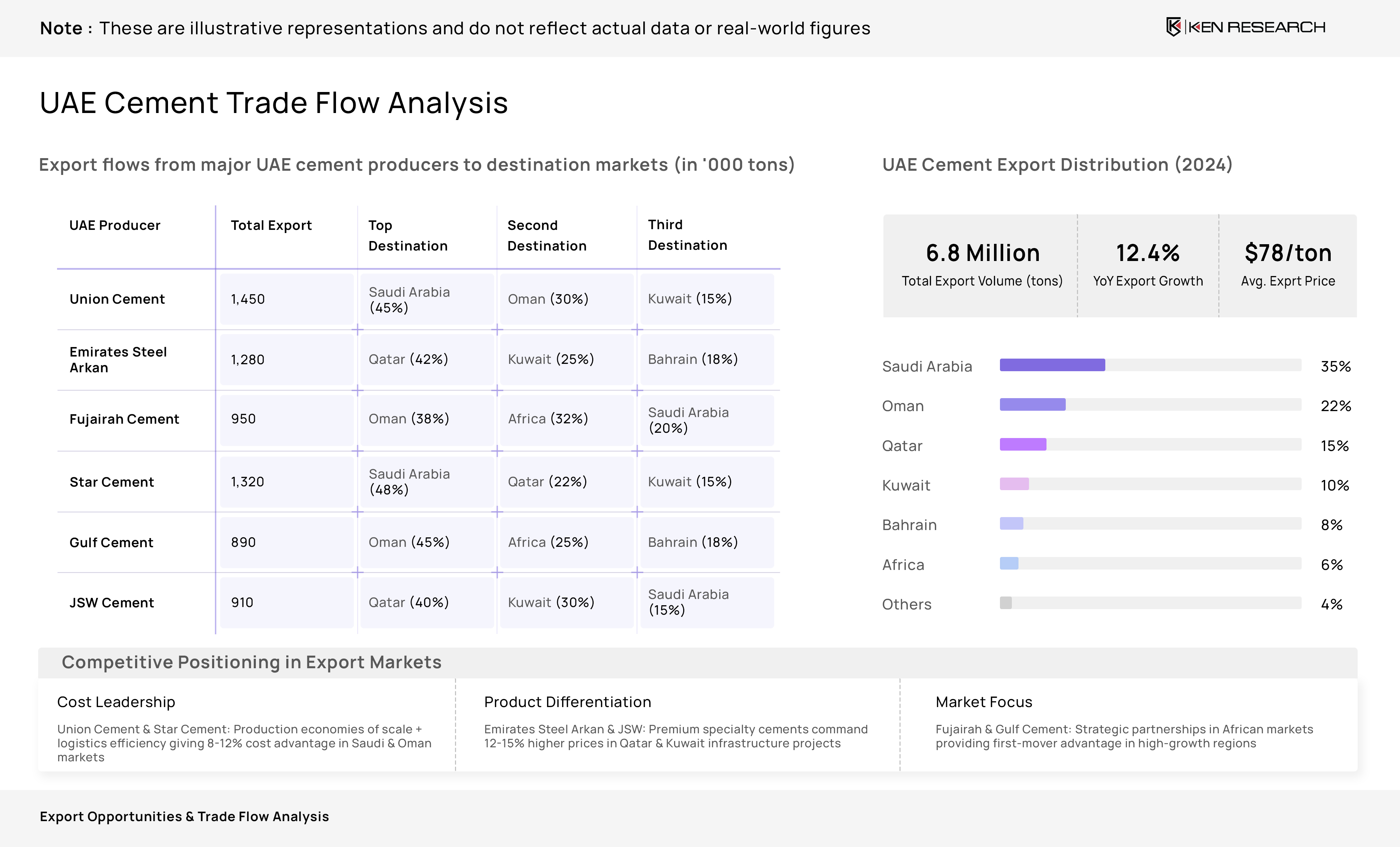
Financial benchmarking reinforces the gap between state-backed, publicly listed entities and smaller independents, with profitability margins reflecting scale advantages and government-linked procurement contracts.
Private mid-tier players often exhibit slower growth trajectories, constrained by capital intensity and higher COGS relative to larger integrated companies.
Table of Contents
1. Ecosystem Matrix
1.1 Large Players
1.1.1 Baladna Poultry
1.1.2 Widam Food
1.1.3 National Poultry Company Qatar
1.1.4 Qatar Meat & Livestock Company
1.1.5 Hassad Food Poultry Division
1.1.6 Al Waha Poultry
1.2 Medium Players
1.2.1 Al Sultan Poultry
1.2.2 Arab Qatari Company
1.2.3 Al Jazeera Poultry
1.2.4 Al Khor Poultry
1.2.5 Al Jassim Poultry
1.2.6 Al Shamal Poultry
1.3 Small Players
1.3.1 Qatar Modern Poultry
1.3.2 Al Maha Poultry
1.3.3 Al Eman Poultry
1.3.4 Al Noor Poultry
1.3.5 Doha Poultry Farm
1.3.6 Al Raed Poultry
2. Leading Player Profiles
2.1 Parameters
2.1.1 Company Name
2.1.2 Group Name
2.1.3 Headquarters
2.1.4 Established Year
2.1.5 Core Business Segment
2.1.6 Mode of Functioning
3. Key Operational Performance Metrics
3.1 Parameters
3.1.1 Production Capacity (MT/Year)
3.1.2 Number of Farms (Units)
3.1.3 Hatcheries (Units)
3.1.4 Processing Plants (Units)
3.1.5 Feedmill Capacity (MT/Year)
3.1.6 Distribution Coverage (% of Domestic Market Reach)
3.1.7 Export Share (% of Total Production)
3.1.8 Product Range (No. of SKUs / Product Categories)
3.1.9 Pricing (USD/Kg)
4. Core Financial Performance Metrics
4.1 Parameters
4.1.1 Company Name
4.1.2 Group Name
4.1.3 Revenue ( USD M n)
4.1.4 Revenue Growth (%)
4.1.5 COGS (USD Mn)
4.1.6 COGS Growth (%)
4.1.7 EBITDA (USD Mn)
4.1.8 EBITDA Growth (%)
4.1.9 EBITDA Margin (%)
4.1.10 PAT (USD Mn)
4.1.11 PAT Margin (%)
5. Methodology
5.1 Approach
5.1.1 Desk Sources
5.1.2 Primary Interviews
5.1.3 Sanity Checking & Validation
5.2 Benchmarking Process
5.2.1 Data Collection
5.2.2 Primary Validation
5.2.3 Proxy KPI Modelling
5.2.4 Normalization & Indexing
5.2.5 Gap Analysis
5.2.6 Peer Review
5.3 Sample Composition
5.3.1 Scope Items
5.3.2 Sample Size
5.3.3 Target Respondents
Methodology
Ken Research will deploy its proprietary, multi-layered research framework—combining robust secondary research, targeted primary outreach, and rigorous data validation—to deliver an authoritative competitive landscape analysis of theQatar Poultry Producers Market. The methodology is customized to reflect the structure, operational nuances, and performance drivers of the poultry industry in Qatar.
Desk Sources
- Industry reports (Proprietary databases, Ken Research archives)
- Company annual reports and investor presentations
- Government and trade association publications (Ministry of Municipality & Environment, Qatar Chamber of Commerce, Qatar National Food Security Program reports)
- Trade magazines, journals, and e-articles (Gulf Food Business, Middle East Poultry Journal)
- Financial databases (Bloomberg, Capital IQ)
- Web traffic and digital presence dashboards (SimilarWeb, App Annie, social media engagement trackers)
Primary Interviews
- CATIs and online surveys with key stakeholders
- Category managers / R&D heads of poultry producers
- Senior sales and marketing leads at leading poultry companies
- Distributors and channel partners (modern trade buyers, supermarkets, HORECA distributors)
- Industry analysts and consultants with GCC poultry market focus
- Technology and service providers for farm automation, cold chain, and digital monitoring
Sanity Checking and Validation
- Triangulation: Cross-verify estimates from secondary data, primary inputs, and proxy model outputs
- Proxy KPI synthesis: Use related KPIs—such as production capacity (MT), hatchery throughput, feed mill capacity, retail outlet coverage, and import substitution levels—to approximate revenues or market share
- Outlier analysis: Identify and reconcile anomalous data points via follow-up discussions with industry experts
- Assumption tracking: Maintain a log of all benchmarking assumptions, with clear notes on limitations and proxy KPI sources
- Peer review: Conduct internal expert reviews of methodology, models, and key outputs before finalization
An Inside Look At Our Custom Insights
Take a look at ourcustomized insights, tailored to yourmarket and business needs. Our benchmarking reports deliver data-driven comparisons of key players, helping you uncover opportunities, assess performance, and make confident strategic decisions.