Saudi Arabia Poultry Production & Processing Competition Benchmarking 2025: Production Capacity, Processing Capabilities, Distribution Network & Company Performance
Published on: December 2025
Report Overview
Saudi Arabia Poultry Producers Market Overview
Market Highlights
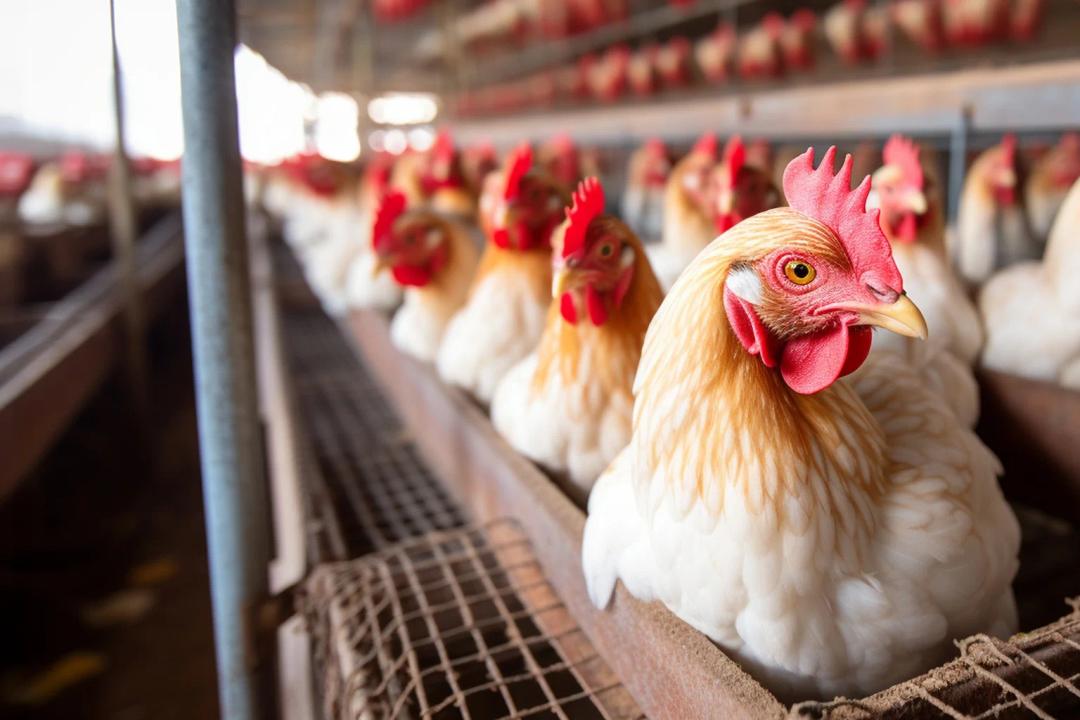
The Saudi Arabia Poultry Producers Market showcases a diverse competitive structure, where multinational corporations, regional manufacturers, and local firms engage in a dynamic interplay. Multinationals leverage economies of scale and advanced supply chain efficiencies, while regional players focus on tailored solutions that resonate with local consumer preferences, and local firms capitalize on agility and niche market opportunities.
Innovation from global leaders is seamlessly integrated with localized strategies, as companies adapt their offerings to meet the unique demands of the Saudi market. This includes the customization of production techniques and product lines that reflect cultural preferences, ensuring relevance and resonance with consumers while fostering a robust ecosystem of partnerships with local suppliers and distributors.
The distribution and aftersales framework is critical in enhancing market competitiveness, with strategic collaborations among producers, distributors, and retailers ensuring efficient product availability and customer satisfaction. A focus on aftersales service, including support and maintenance, strengthens brand loyalty and enhances the overall consumer experience in a rapidly evolving market landscape.
Looking ahead, the market is poised for transformation driven by innovation, localization, and operational agility. Companies are increasingly adopting sustainable practices and advanced technologies to streamline operations, reduce costs, and enhance product offerings, positioning themselves to navigate future challenges and capitalize on emerging opportunities within the poultry sector.
Ecosystem Matrix
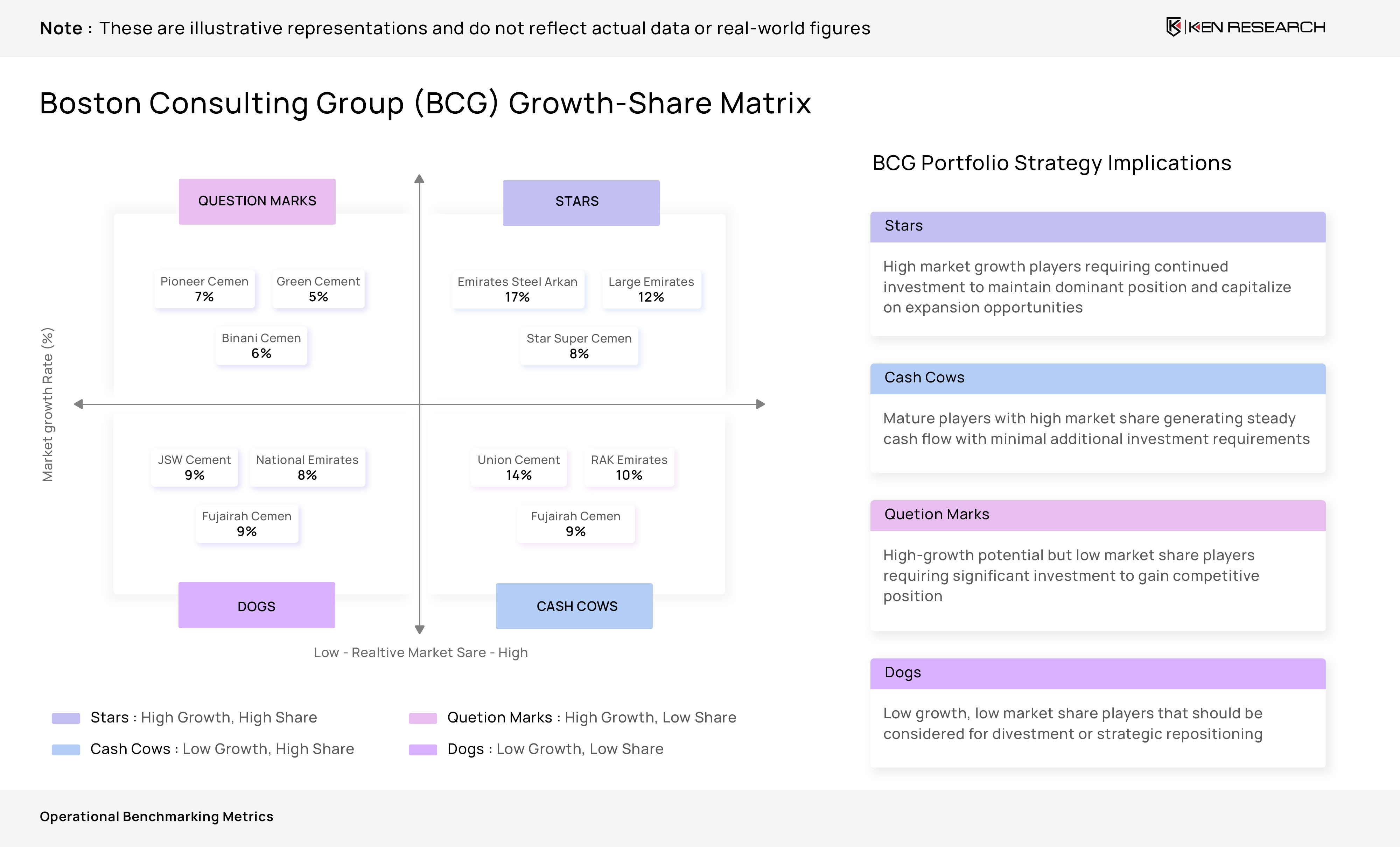
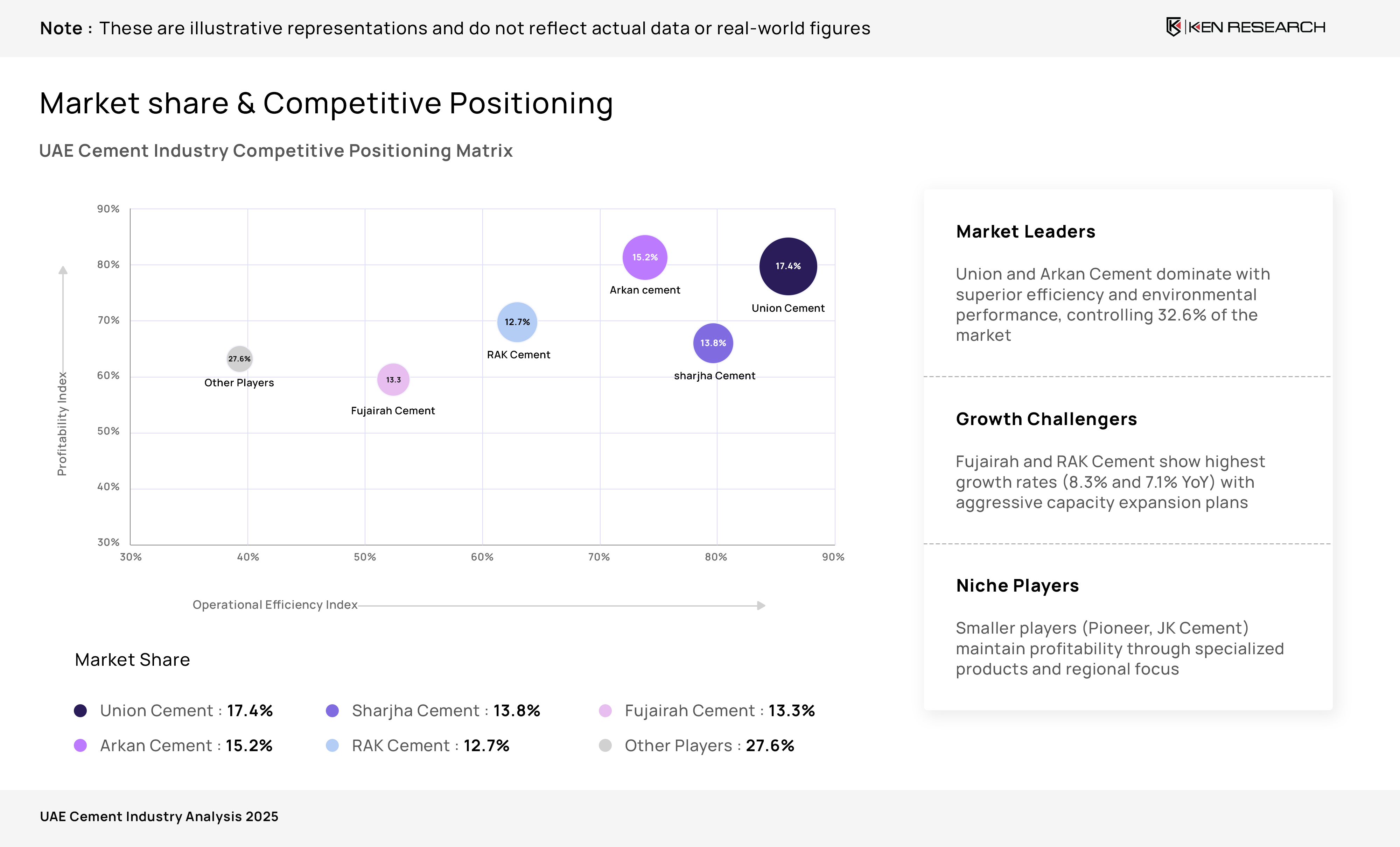
The Saudi poultry ecosystem demonstrates strong concentration among large integrated players such as Al-Watania and Almarai, which control significant production, processing, and distribution capacity, creating entry barriers for smaller farms in the value chain.
Medium and small players, while numerous, primarily serve niche or regional demand segments. Their survival depends heavily on local distribution networks, cost control, and contract farming arrangements with larger integrators
Leading Player Profiles
Company Profile Overview
Large producers such as Al-Watania, Almarai, and Tanmiah dominate through vertical integration, covering everything from feed production to retail distribution. This provides them economies of scale and better pricing control.
Mid-sized and regional players focus on fresh poultry for local markets, operating with semi-integrated or contract farming models. Their growth is constrained by limited access to capital-intensive infrastructure.
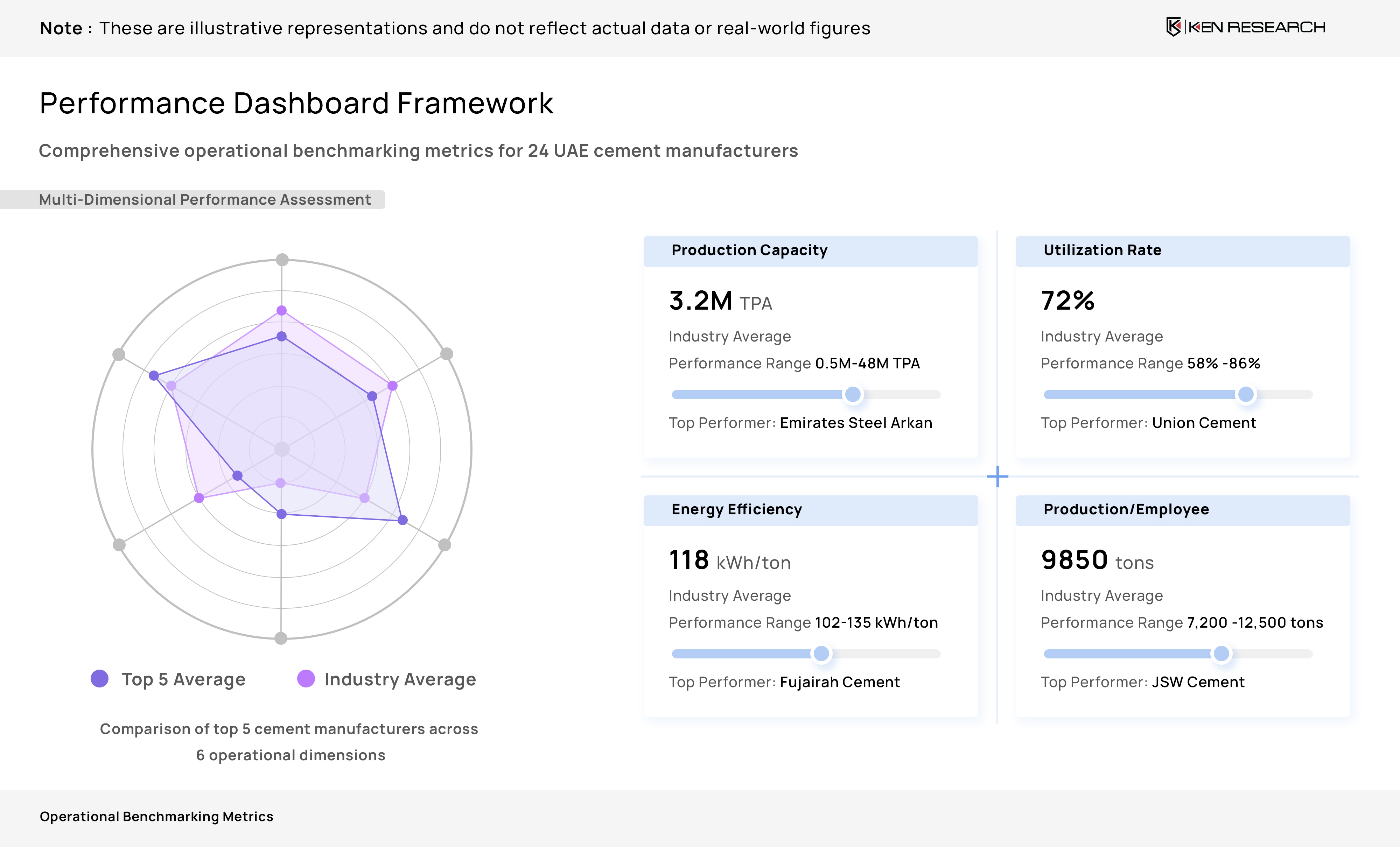
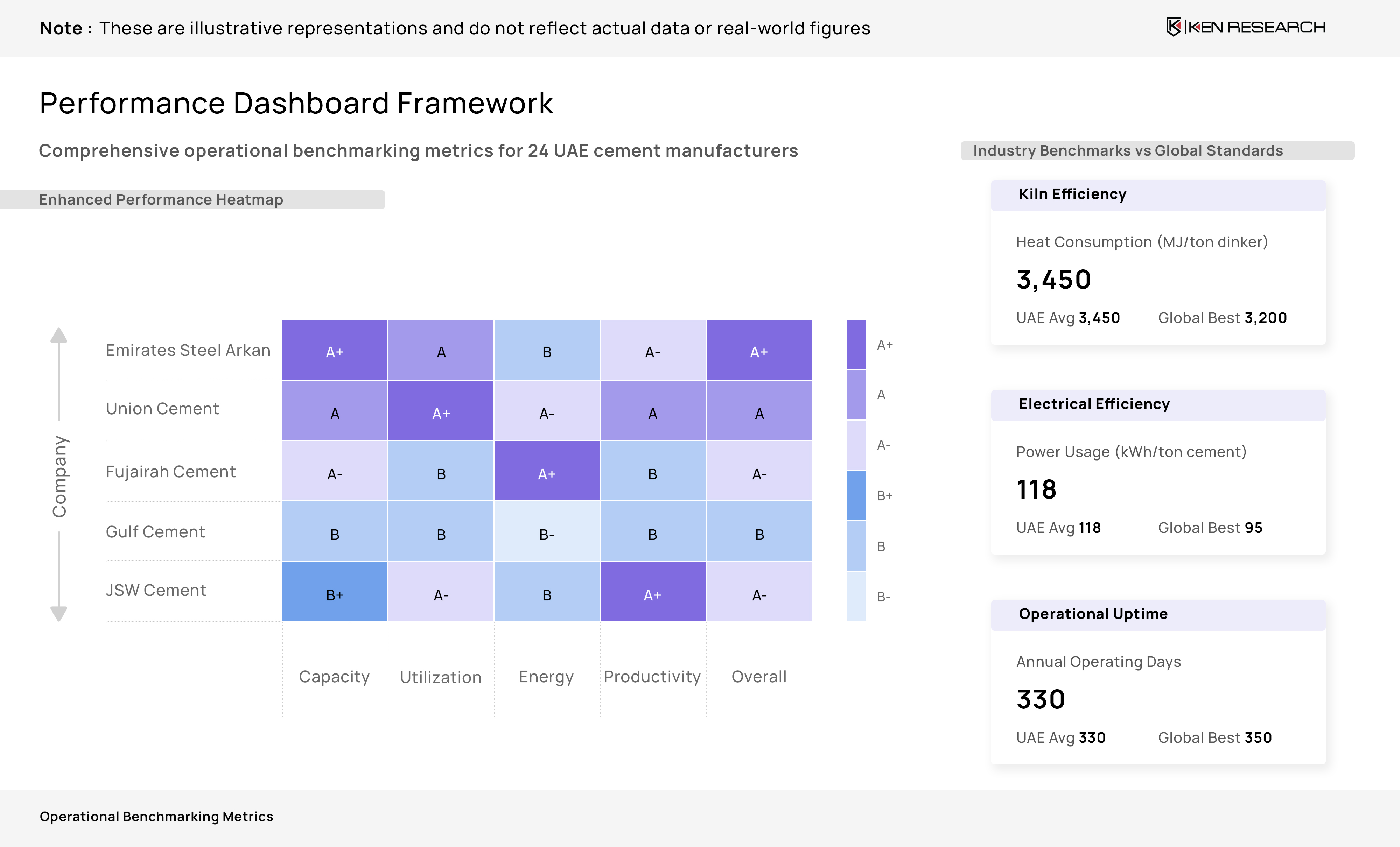
Key Operational Performance Metrics
Comapny Performance Overview
Unlock Market Insights
Dive deeper into production, distribution, and pricing intelligence.
Get Customized ReportRevenue generation in this market is highly dependent on capacity utilization, cost efficiency in feed, and integration of farming with processing. Pricing acts as the most direct driver of topline competitiveness.
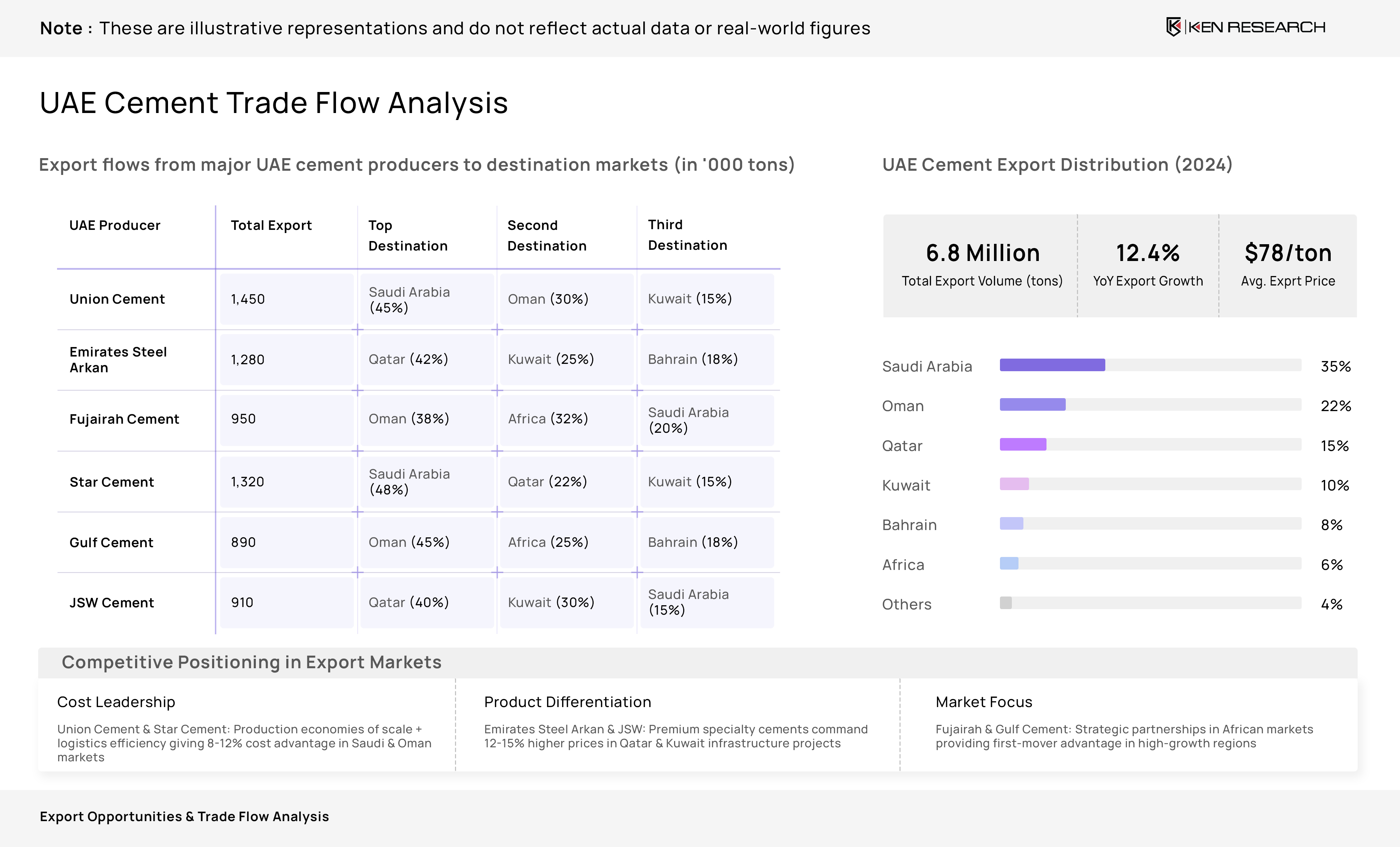
Distribution scale across modern trade and retail chains plays a crucial role, especially as demand in urban centers like Riyadh and Jeddah favors established brands with wider product portfolios.
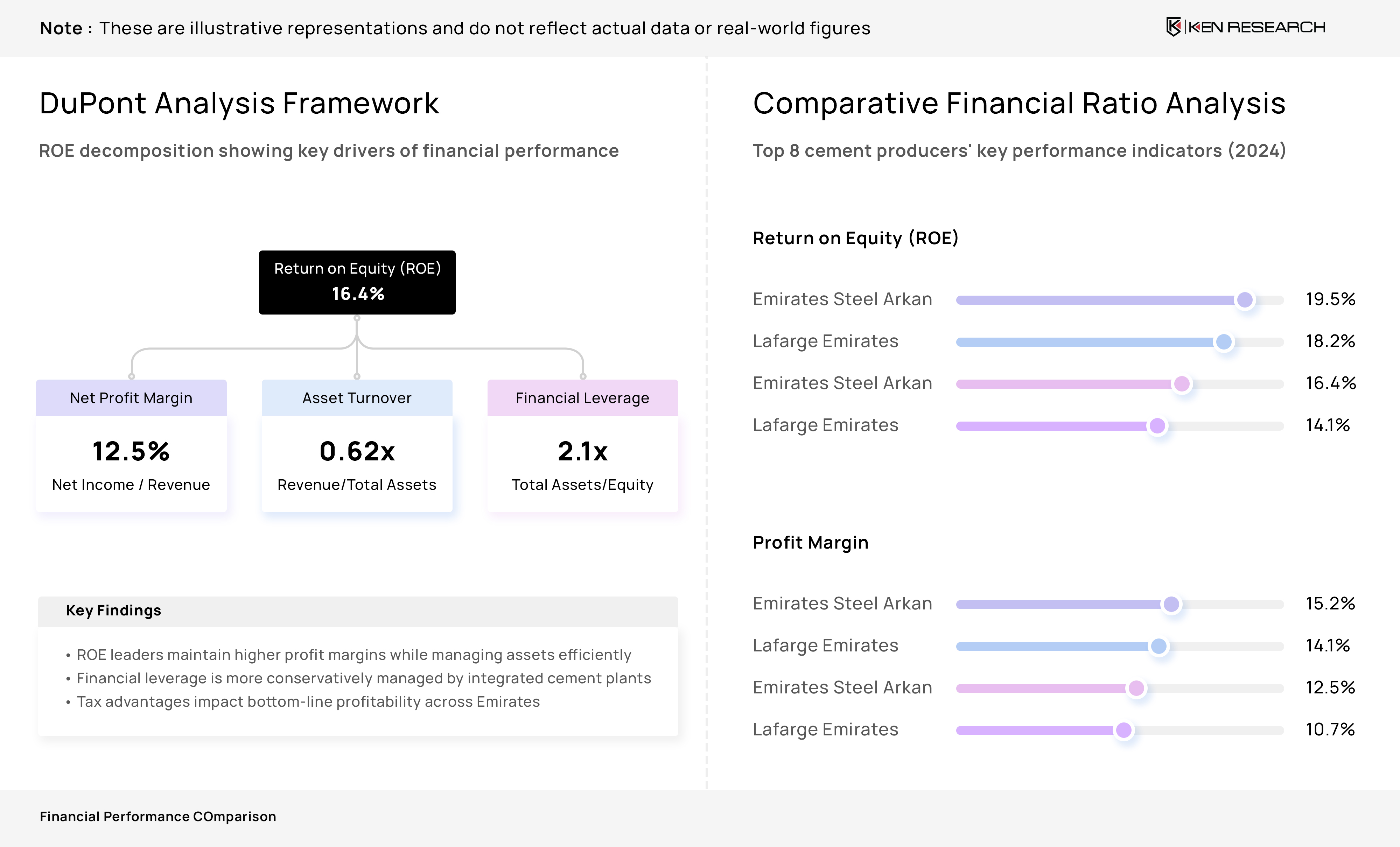
Core Financial Performance Metrics
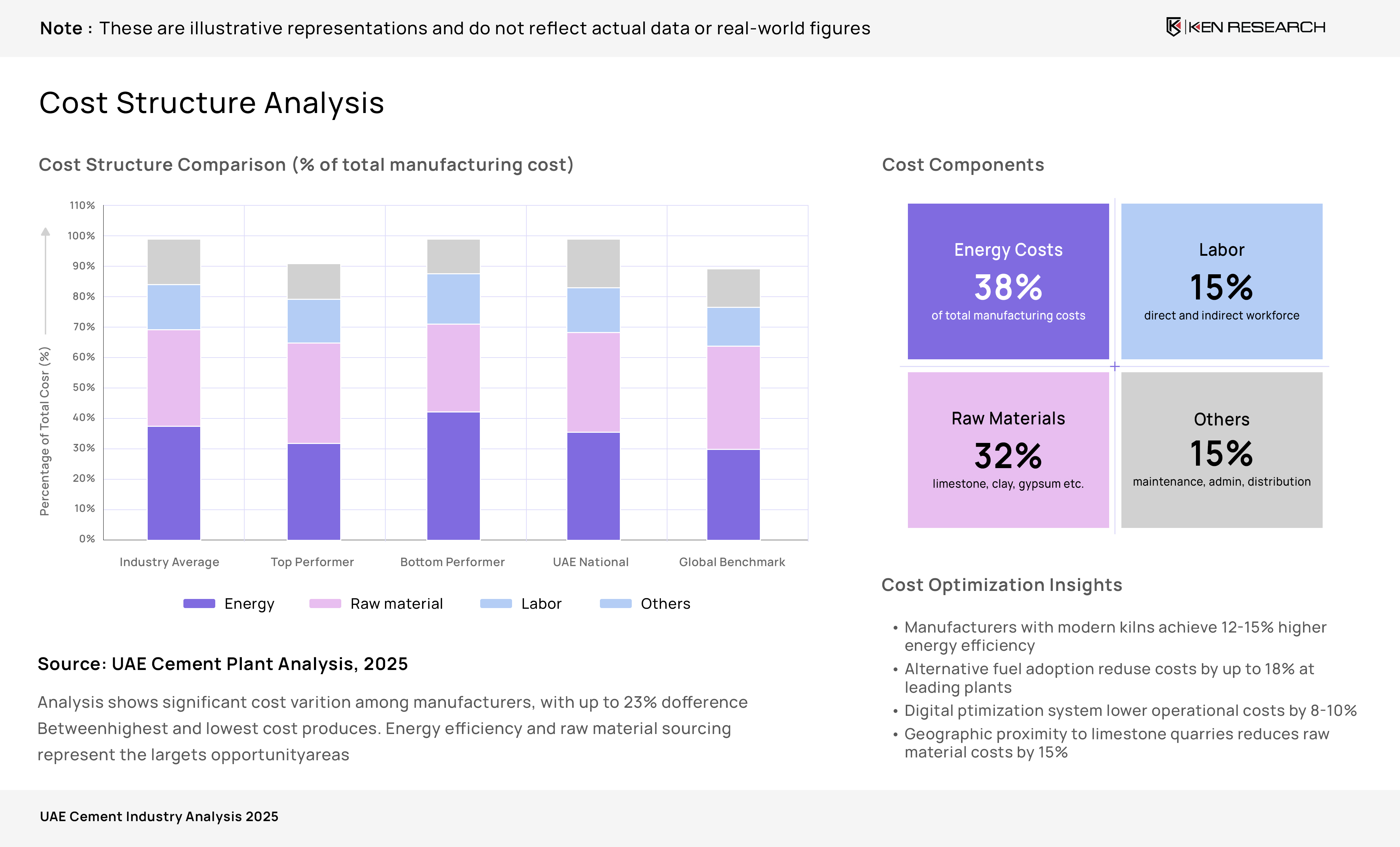
Larger integrated players benefit from stronger EBITDA margins due to economies of scale in feed procurement, breeding, and distribution, while smaller players face thinner margins and volatility in raw material costs.
Profitability in the Saudi poultry sector is closely tied to feed cost management, government subsidies, and efficiency in processing operations, making scale a defining factor in financial resilience.
Table of Contents
1. Ecosystem Matrix
1.1 Large Players
1.1.1 Al-Watania Poultry
1.1.2 Almarai Poultry Division
1.1.3 Tanmiah Food Company
1.1.4 Al-Fakieh Poultry Farms
1.1.5 Al Youm Poultry
1.1.6 Al Dabbagh Poultry
1.1.7 Fakieh Poultry Farms
1.2 Medium Players
1.2.1 Radwa Poultry
1.2.2 Golden Chicken Farm
1.2.3 Al Kabeer Group
1.2.4 Al Jazira Poultry
1.2.5 Al Jazeera Poultry Farm
1.2.6 Middle East Poultry Company
1.3 Small Players
1.3.1 Al Safa Poultry
1.3.2 Najd Poultry Farms
1.3.3 National Poultry Company
1.3.4 Al Taif Poultry
1.3.5 Al Bayan Poultry
1.3.6 Al Shifa Poultry
2. Leading Player Profiles
2.1 Company Name
2.2 Group Name
2.3 Headquarters
2.4 Established Year
2.5 Core Business Segment
2.6 Mode of Functioning
3. Key Operational Performance Metrics
3.1 Production Capacity (MT/Year)
3.2 Number of Farms (Units)
3.3 Hatcheries (Units)
3.4 Processing Plants (Units)
3.5 Feedmill Capacity (MT/Year)
3.6 Distribution Coverage (%)
3.7 Export Share (%)
3.8 Product Range (Number of SKUs)
3.9 Pricing (USD/Kg)
4. Core Financial Performance Metrics
4.1 Parameters
4.1.1 Revenue (USD Mn)
4.1.2 Revenue Growth (%)
4.1.3 COGS (USD Mn)
4.1.4 COGS Growth (%)
4.1.5 EBITDA (USD Mn)
4.1.6 EBITDA Growth (%)
4.1.7 EBITDA Margin (%)
4.1.8 PAT (USD Mn)
4.1.9 PAT Margin (%)
5. Methodology
5.1 Approach
5.1.1 Desk Sources
5.1.2 Primary Interviews
5.1.3 Sanity Checking & Validation
5.2 Benchmarking Process
5.2.1 Data Collection
5.2.2 Primary Validation
5.2.3 Proxy KPI Modelling
5.2.4 Normalization & Indexing
5.2.5 Gap Analysis
5.2.6 Peer Review
5.3 Sample Composition
5.3.1 Scope Items
5.3.2 Sample Size
5.3.3 Target Respondents
Methodology
Ken Research will deploy its proprietary, multi-layered research framework—combining robust secondary research, targeted primary outreach, and rigorous data validation—to deliver an authoritative competitive landscape analysis of the Saudi Arabia Poultry Producers Market.
Desk Sources
- Industry reports, including proprietary databases and Ken Research archives
- Company annual reports and investor presentations
- Government publications and trade association reports
- Trade magazines, industry journals, and expert e-articles
- Financial databases, including Bloomberg and Capital IQ
- Web traffic analytics and app performance dashboards
Primary Interviews
- CATIs and online surveys with key industry stakeholders
- Category managers and R&D heads of market manufacturers
- Senior sales and marketing leaders at leading industry players
- Distributors and channel partners across key regions
- Industry analysts and consultants
- Technology and service providers supporting the ecosystem
Sanity Checking and Validation
- Triangulation through cross-verification of secondary data, primary inputs, and proxy model outputs
- Proxy KPI synthesis using indicators such as production volumes, distribution coverage, and hatchery capacity to estimate revenues
- Outlier analysis to identify, investigate, and reconcile anomalous data points through follow-ups
- Assumption tracking with a structured log of all assumptions and proxy data sources
- Peer review, including internal validation of methodology, datasets, and key outputs
An Inside Look At Our Custom Insights
Take a look at ourcustomized insights, tailored to yourmarket and business needs. Our benchmarking reports deliver data-driven comparisons of key players, helping you uncover opportunities, assess performance, and make confident strategic decisions.