Singapore Mobile Payment Services Market
Published on: April 2026
Report Overview
Singapore Mobile Payment Services MarketOverview
Market Highlights
The Singapore mobile payment services market features a layered competitive landscape led by domestic banks, national payment infrastructure providers, super-app ecosystems, global device-native wallets, and specialized fintech operators. Competition is intense within a highly interoperable environment, where players compete not only on payment functionality but also on ecosystem depth, merchant reach, and daily relevance across consumer payment journeys.
Large players maintain a strong competitive advantage through established customer trust, direct bank-account connectivity, broad merchant acceptance, and seamless usage across transfers, retail payments, transport, and online commerce. At the same time, regional and niche providers continue to hold strategic relevance by focusing on specific use cases such as cross-border remittance, travel-related spending, merchant cashback, and transit-linked payments.
A key defining feature of the market is the coexistence of global payment technology standards with highly localized payment adaptation. International device-native wallets bring mature tokenization, security architecture, and contactless payment functionality, but their competitive success in Singapore depends on issuer partnerships, transport integration, and compatibility with domestic payment acceptance frameworks.
Domestic and regional operators strengthen their market position by aligning closely with local payment behavior through PayNow integration, SGQR acceptance, merchant reward programs, bill-payment capabilities, remittance services, and marketplace-linked checkout solutions. Looking ahead, long-term leadership will favor players that combine innovation with operational agility, strong merchant economics, responsive customer support, and the ability to adapt quickly to evolving interoperability, fraud-management, and embedded-finance requirements.
Ecosystem Matrix
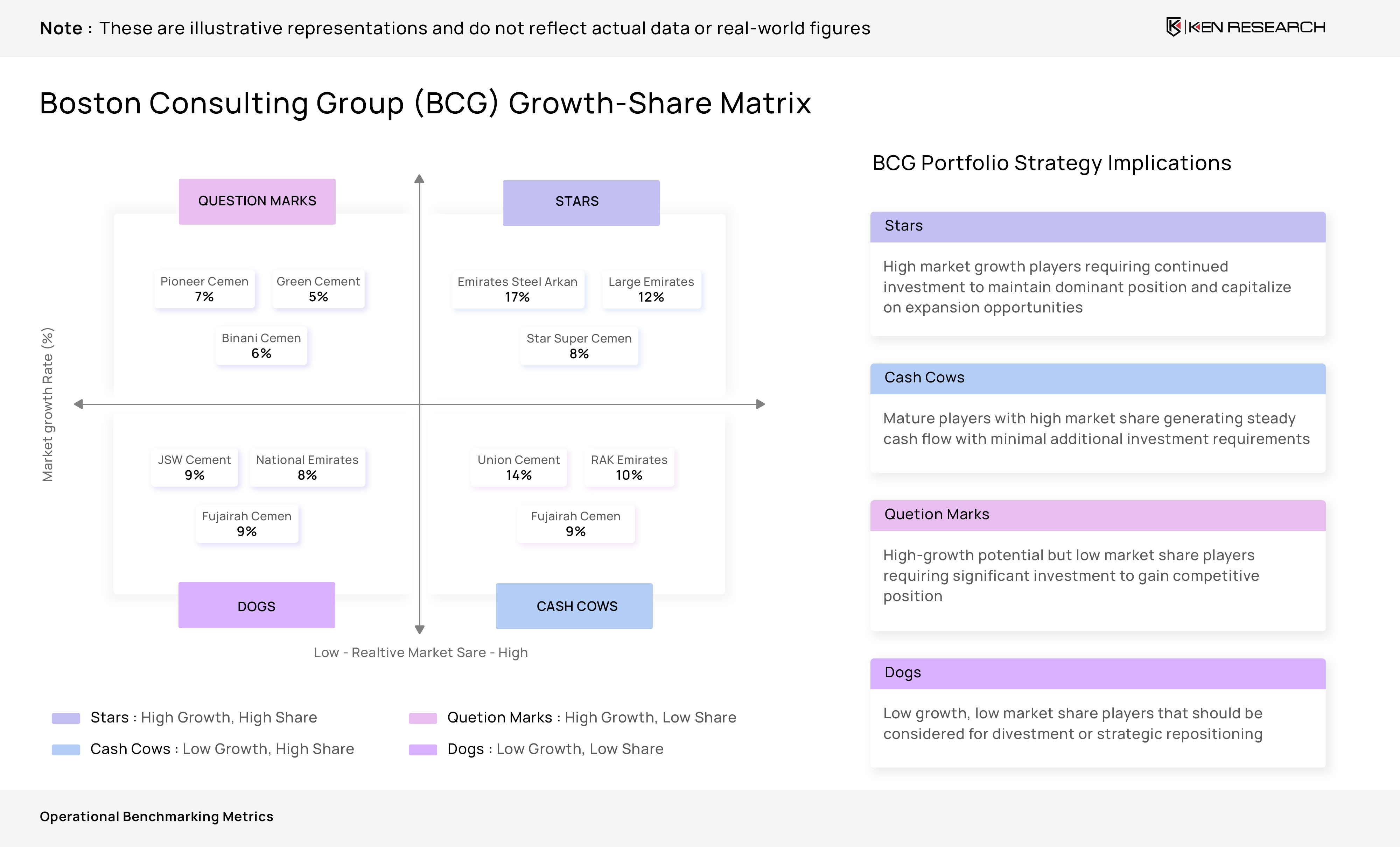
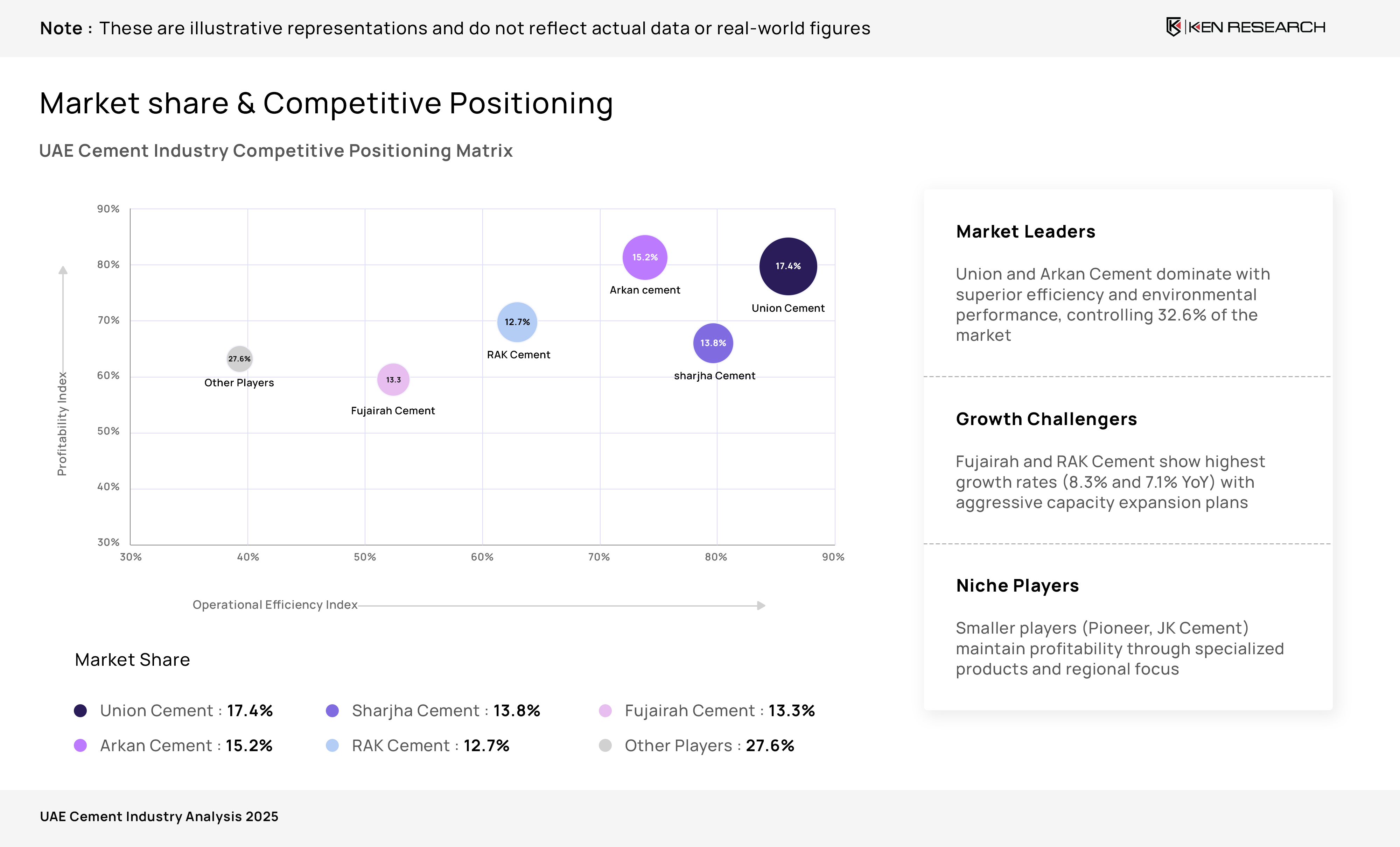
Singapore’s mobile payments ecosystem is structurally led by domestic banks, national payment rails, and scaled super-app wallets, while device wallets strengthen in-store usage through card tokenization. Market leadership therefore depends on acceptance breadth, interoperability, stored-value relevance, and everyday use frequency.
Competitive intensity is highest in QR, P2P transfer, transit-linked, and online checkout journeys, where players differentiate through rewards, cross-border usage, embedded finance, and merchant acquisition. This makes ecosystem position closely tied to consumer trust, bank connectivity, and merchant network density.
Leading Player Profiles
Company Profile Overview
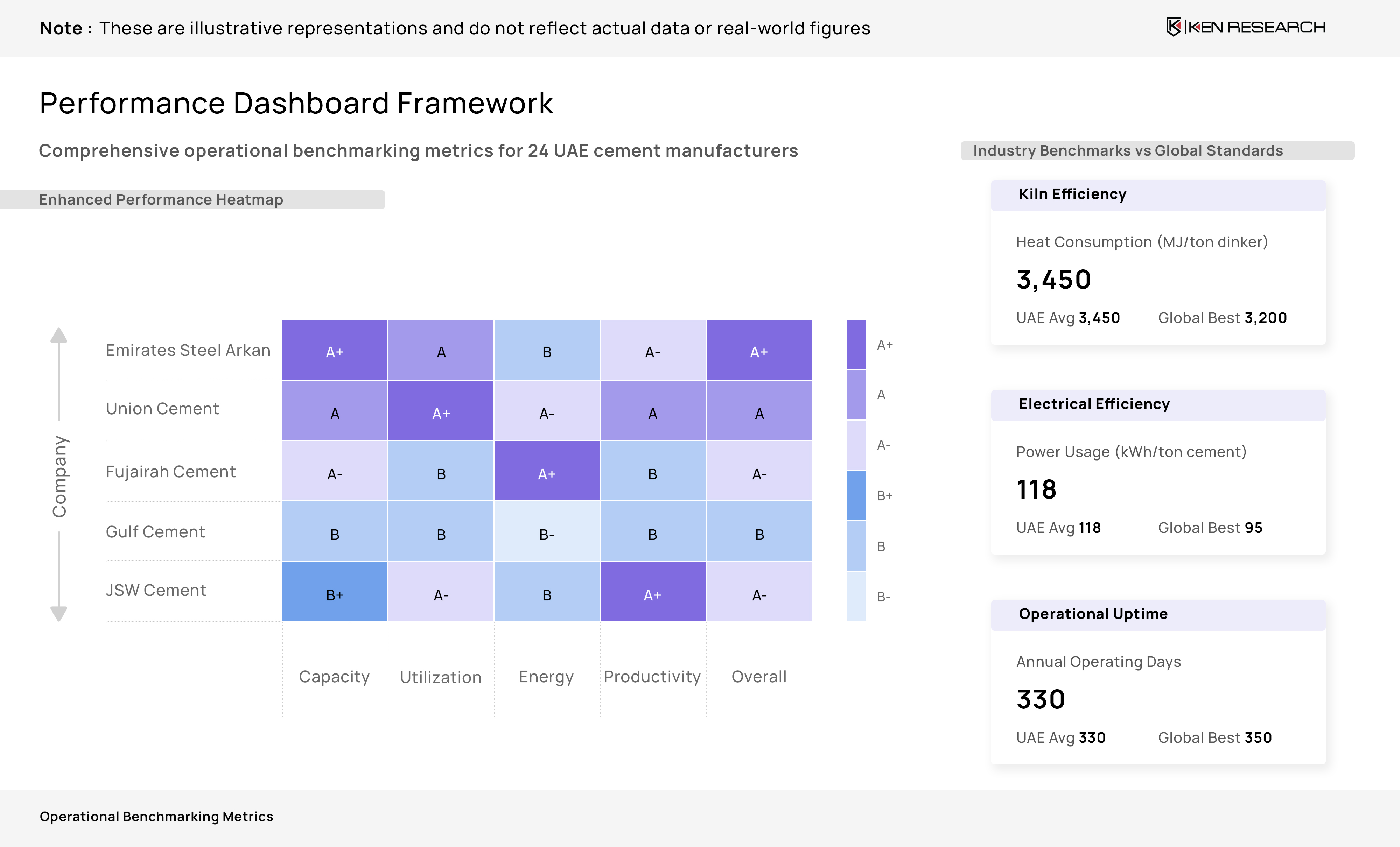
The competitive set combines three dominant strategic archetypes: bank-led daily payment ecosystems, platform-led wallets that monetize consumer frequency, and device-native wallets that deepen card tokenization. This structure keeps wallet adoption high but leaves monetization uneven across players.
Entity positioning is increasingly defined by adjacent control points such as marketplace traffic, telecom distribution, transit utility, and cross-border spend. Players with stronger embedded journeys generally enjoy better transaction recurrence, while niche wallets rely more heavily on rewards, FX savings, or specialist merchant partnerships.
Key Operational Performance Metrics
Company Profile Overview
Unlock Market Insights
Dive deeper into production, distribution, and pricing intelligence.
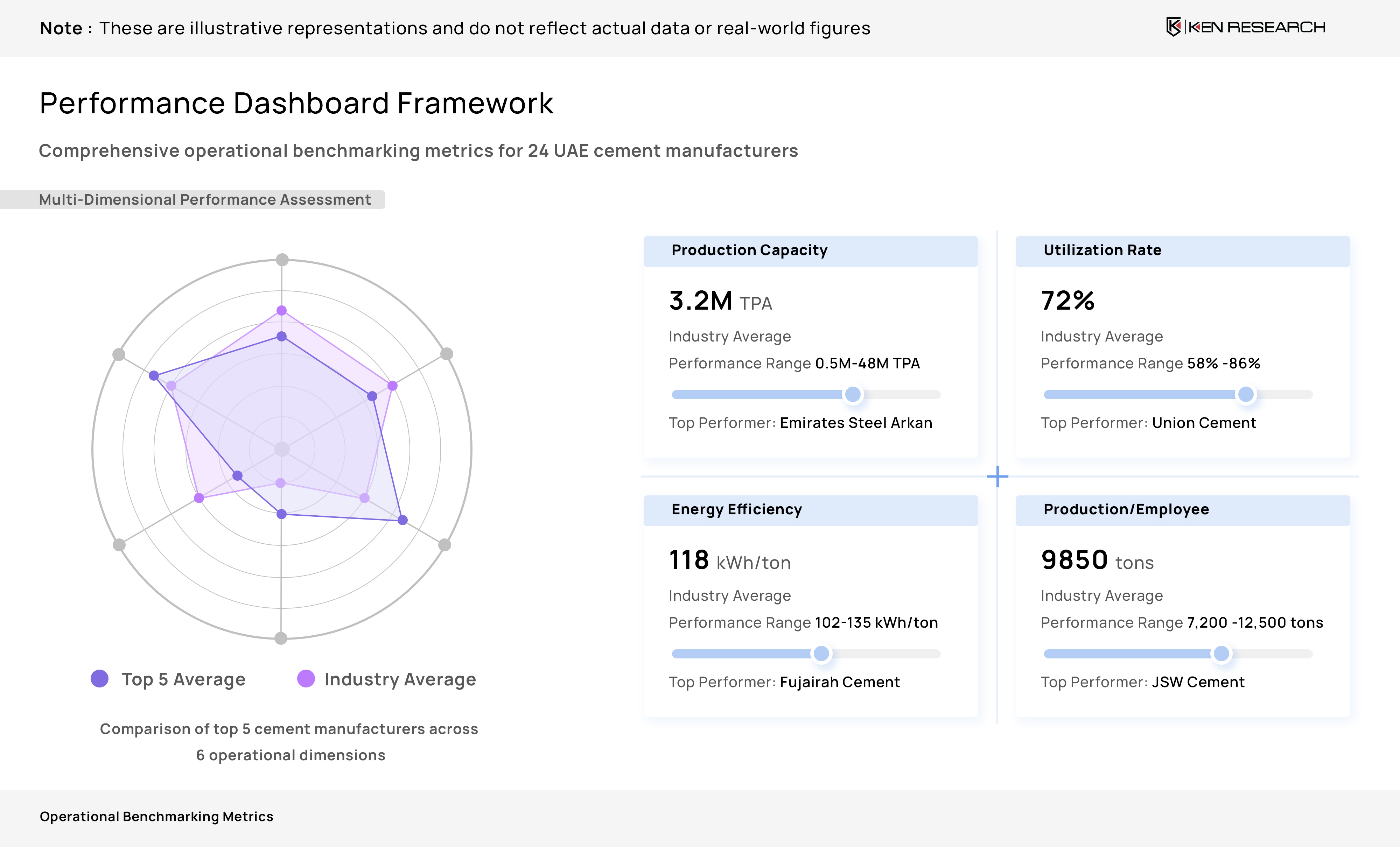
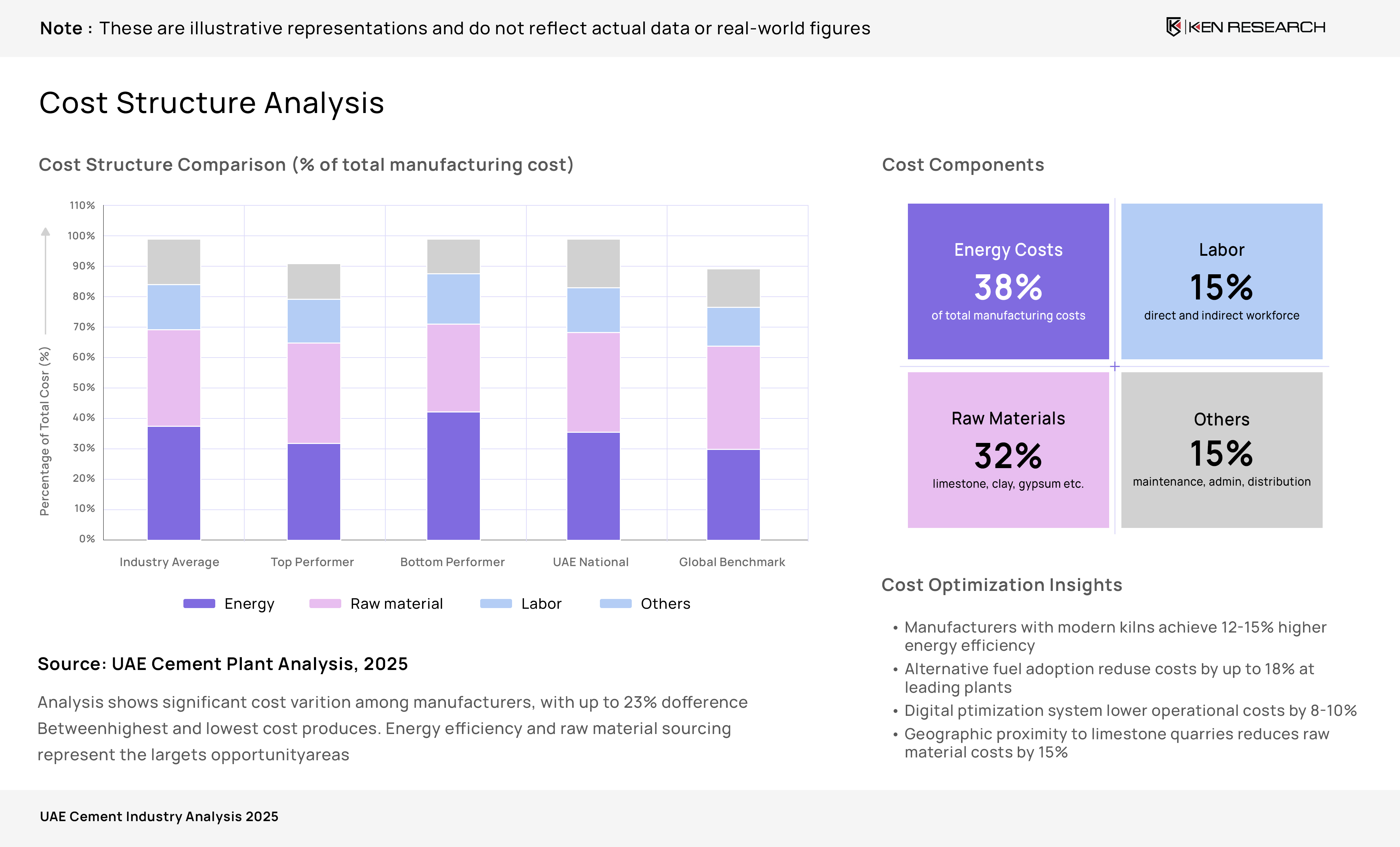
Get Customized ReportRevenue outcomes in Singapore mobile payments are most directly shaped by transaction volume, merchant acceptance breadth, pricing yield, and payment frequency. Cross-border throughput and online checkout mix matter disproportionately for fintech wallets, while bank-led players benefit more from account-linkage depth and daily utility.
Operational benchmarking should rank KPIs by monetization impact: first throughput and pricing, then acceptance scale and user activity, and finally channel mix and retention. In Singapore, interoperability compresses differentiation, so repeat usage and embedded merchant journeys are key share drivers.
Core Financial Performance Metrics
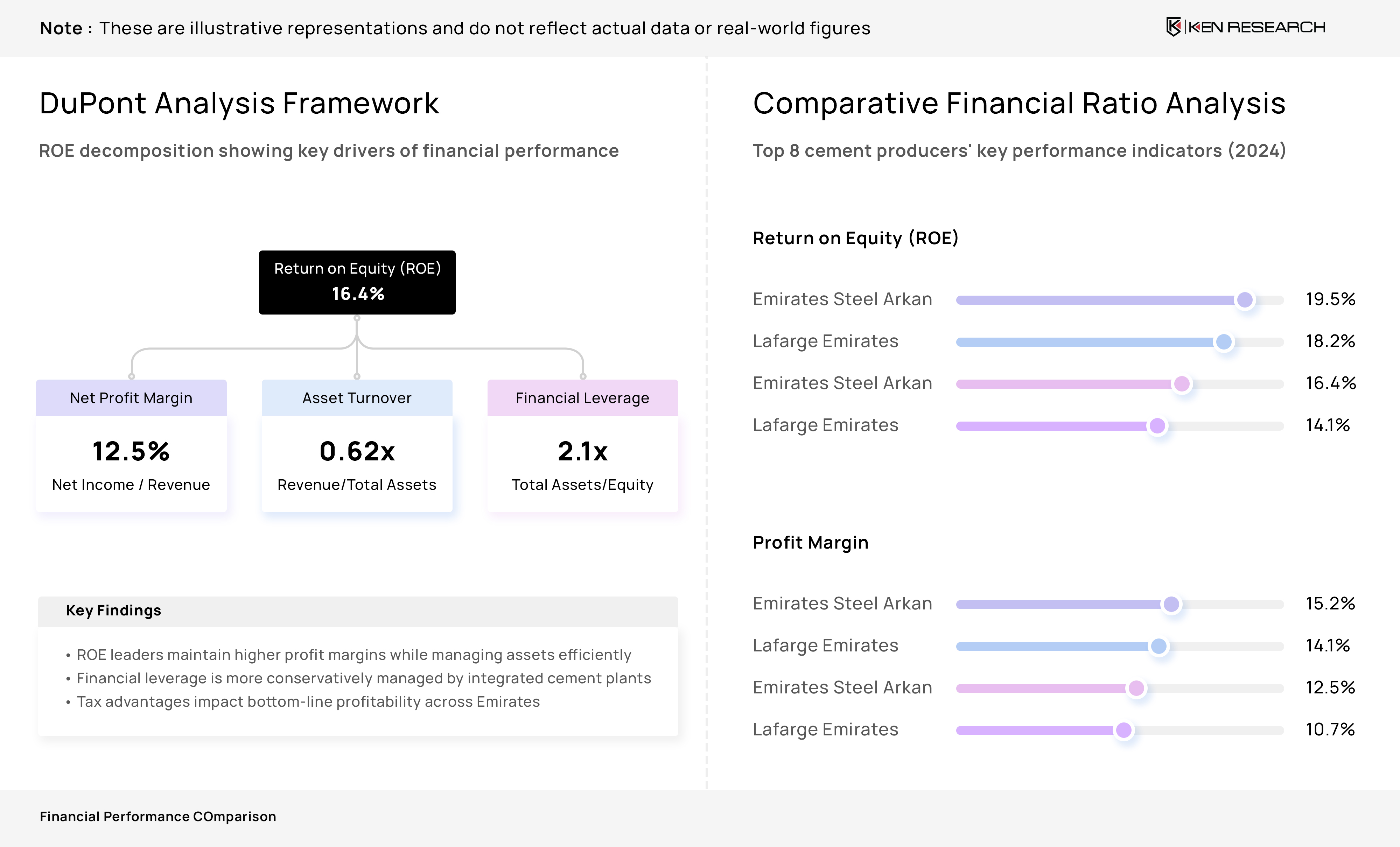
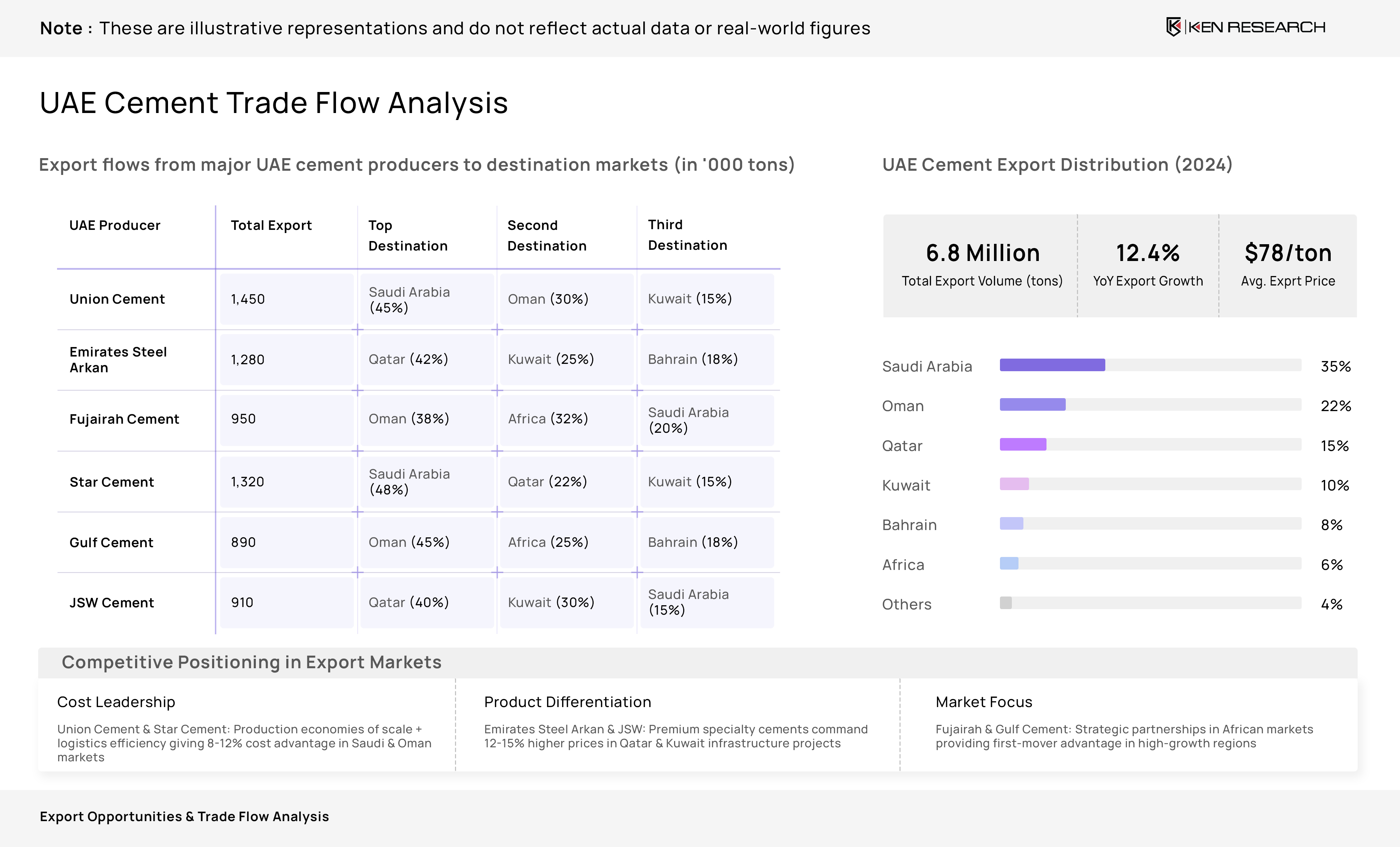
Financial benchmarking in this market should be read through scale efficiency: players with stronger transaction density and lower processing cost per payment typically convert revenue growth into EBITDA more effectively, while rewards-heavy challengers often show weaker near-term margins.
Margin structure varies by operating model. Bank-led and infrastructure-led providers usually benefit from lower customer acquisition intensity, whereas wallet challengers and platform ecosystems often prioritize growth, cashback, and merchant onboarding, delaying PAT conversion despite strong gross payment momentum.
Table of Contents
1. Ecosystem Matrix
1.1 Large Players
1.1.1 DBS Bank Ltd.
1.1.2 Oversea-Chinese Banking Corporation Limited
1.1.3 United Overseas Bank Limited
1.1.4 Network for Electronic Transfers (Singapore) Pte Ltd
1.1.5 Grab Holdings Limited
1.1.6 Singtel
1.1.7 Sea Limited
1.1.8 Google LLC
1.2 Medium Players
1.2.1 Apple Inc.
1.2.2 Samsung Electronics Co., Ltd.
1.2.3 PayPal Pte. Ltd.
1.2.4 You Technologies Group (Singapore) Pte. Ltd.
1.2.5 Wise Asia-Pacific Pte. Ltd.
1.2.6 Revolut Technologies Singapore Pte. Ltd.
1.3 Small Players
1.3.1 Fave Group Pte. Ltd.
1.3.2 BigPay Singapore Pte. Ltd.
1.3.3 SimplyGo Pte. Ltd.
2. Leading Player Profiles
2.1 Parameters
2.1.1 Company Name
2.1.2 Group Name
2.1.3 Headquarters
2.1.4 Established Year
2.1.5 Core Services
2.1.6 Mode of Functioning
3. Key Operational Performance Metrics
3.1 Parameters
3.1 Active Users / Wallet Accounts
3.2 Monthly TPV (USD Mn)
3.3 Merchant Acceptance Points
3.4 Pricing / Take Rate
3.5 Avg. Transactions per User
3.6 Avg. Transaction Value (USD)
3.7 PayNow / Bank-Link Penetration
3.8 Online Checkout Share
3.9 Cross-border Payment Volume (USD Mn)
3.10 Retention / Churn
4. Core Financial Performance Metrics
4.1 Parameters
4.1.1 Revenue (USD Mn)
4.1.2 Revenue Growth (%)
4.1.3 COGS (USD Mn)
4.1.4 COGS Growth (%)
4.1.5 EBITDA (USD Mn)
4.1.6 EBITDA Growth (%)
4.1.7 EBITDA Margin (%)
4.1.8 PAT (USD Mn)
4.1.9 PAT Margin (%)
5. Methodology
5.1 Approach
5.1.1 Desk Sources
5.1.2 Primary Interviews
5.1.3 Sanity Checking & Validation
5.2 Benchmarking Process
5.2.1 Data Collection
5.2.2 Primary Validation
5.2.3 Proxy KPI Modelling
5.2.4 Normalization & Indexing
5.2.5 Gap Analysis
5.2.6 Peer Review
5.3 Sample Composition
5.3.1 Scope Items
5.3.2 Sample Size
5.3.3 Target Respondents
Methodology
Ken Research will deploy its proprietary, multi layered research framework—combining robust secondary research, targeted primary outreach, and rigorous data validation—to deliver an authoritative competitive landscape analysis of the Singapore Mobile Payment Services Market. The methodology is designed to benchmark bank-led wallets, payment infrastructure operators, super-app wallets, device-native wallets, and fintech payment apps on a like-for-like basis using market-specific proxy KPIs tied directly to payment scale, monetization, and ecosystem reach.
Desk Sources
- Industry reports, proprietary databases, and Ken Research archives
- Company annual reports, investor presentations, product pages, and regulatory filings
- Monetary Authority of Singapore publications, SGQR and payment ecosystem releases, and trade association material
- Trade magazines, journals, e-articles, and sector newsletters covering e-payments, wallets, and merchant acquiring
- Financial databases including Bloomberg and Capital IQ
- Web traffic, app usage, and mobile engagement dashboards such as Similarweb, data.ai, and app-store intelligence platforms
Primary Interviews
- CATIs and online surveys with key stakeholders across the mobile payment ecosystem
- Product heads, digital payments leads, and category managers at wallet providers and banks
- Senior sales, partnerships, and merchant acquisition leaders at leading players
- Payment gateway partners, merchant aggregators, acquirers, distributors, and channel partners
- Industry analysts, fintech consultants, and payments infrastructure specialists
- Technology and service providers supporting app analytics, QR acceptance, fraud tools, and transaction processing
Sanity Checking and Validation
- Triangulation across secondary findings, interview inputs, and proxy model outputs
- Proxy KPI synthesis using payment-volume indicators such as active users, merchant acceptance points, app engagement, online checkout penetration, bank-link penetration, and cross-border wallet usage
- Outlier analysis to isolate and reconcile abnormal values through follow-up discussions and peer comparison
- Assumption tracking through a structured log of benchmarking assumptions, limitations, and proxy sources
- Peer review by internal sector specialists to validate methodology design, normalization logic, and final output quality
An Inside Look At Our Custom Insights
Take a look at ourcustomized insights, tailored to yourmarket and business needs. Our benchmarking reports deliver data-driven comparisons of key players, helping you uncover opportunities, assess performance, and make confident strategic decisions.