United Kingdom Mobile Financial Services & Neobanking Competition Benchmarking 2025: User Base, Product Capabilities, Digital Channels & Growth Strategy
Published on: March 2026
Report Overview
UK Mobile Financial Services Market Overview
Market Highlights
The UK Mobile Financial Services Market reflects a highly competitive and structurally layered ecosystem where challenger banks, incumbent financial institutions, digital wallet providers, and specialist payment fintechs compete across overlapping customer journeys. Some players are built around broad financial ecosystems that combine banking, payments, cards, savings, and transfers, while others focus on specific value pools such as international remittances, merchant acceptance, budgeting-led engagement, or credit-linked mobile transactions. This creates a market where competitive intensity is shaped not only by scale, but also by product depth, customer relevance, and frequency of app interaction.
A defining feature of the market is the way innovation blends with local adaptation. UK users expect convenience, transparency, security, and simple digital journeys, which has pushed firms to refine onboarding, app usability, pricing communication, and embedded service design. Traditional banks continue to strengthen their mobile capabilities to remain relevant, while fintech players differentiate through sharper product experiences, faster feature cycles, and more focused financial propositions. Open banking and digital payment infrastructure have further increased the importance of integration, interoperability, and mobile-first service design.
The distribution and aftersales ecosystem in this market is increasingly digital in nature. Competitive strength depends heavily on app visibility, partnership reach, merchant network integration, customer support quality, onboarding simplicity, and trust in transaction security. Players that combine intuitive service delivery with strong fraud controls, responsive support systems, and dependable transaction experiences are better positioned to drive retention and deepen wallet share. Over time, these operating strengths can matter as much as product breadth in shaping market leadership.
Looking ahead, the market will continue to be defined by the interaction between innovation, localization, and strategic agility. Firms that can translate high-frequency mobile usage into durable monetization while maintaining compliance, trust, and operational discipline are likely to sustain long-term advantage. As mobile finance becomes more embedded in everyday payments, banking, and money management behavior, the UK Mobile Financial Services Market is expected to remain dynamic, innovation-led, and highly competitive.
Ecosystem Matrix
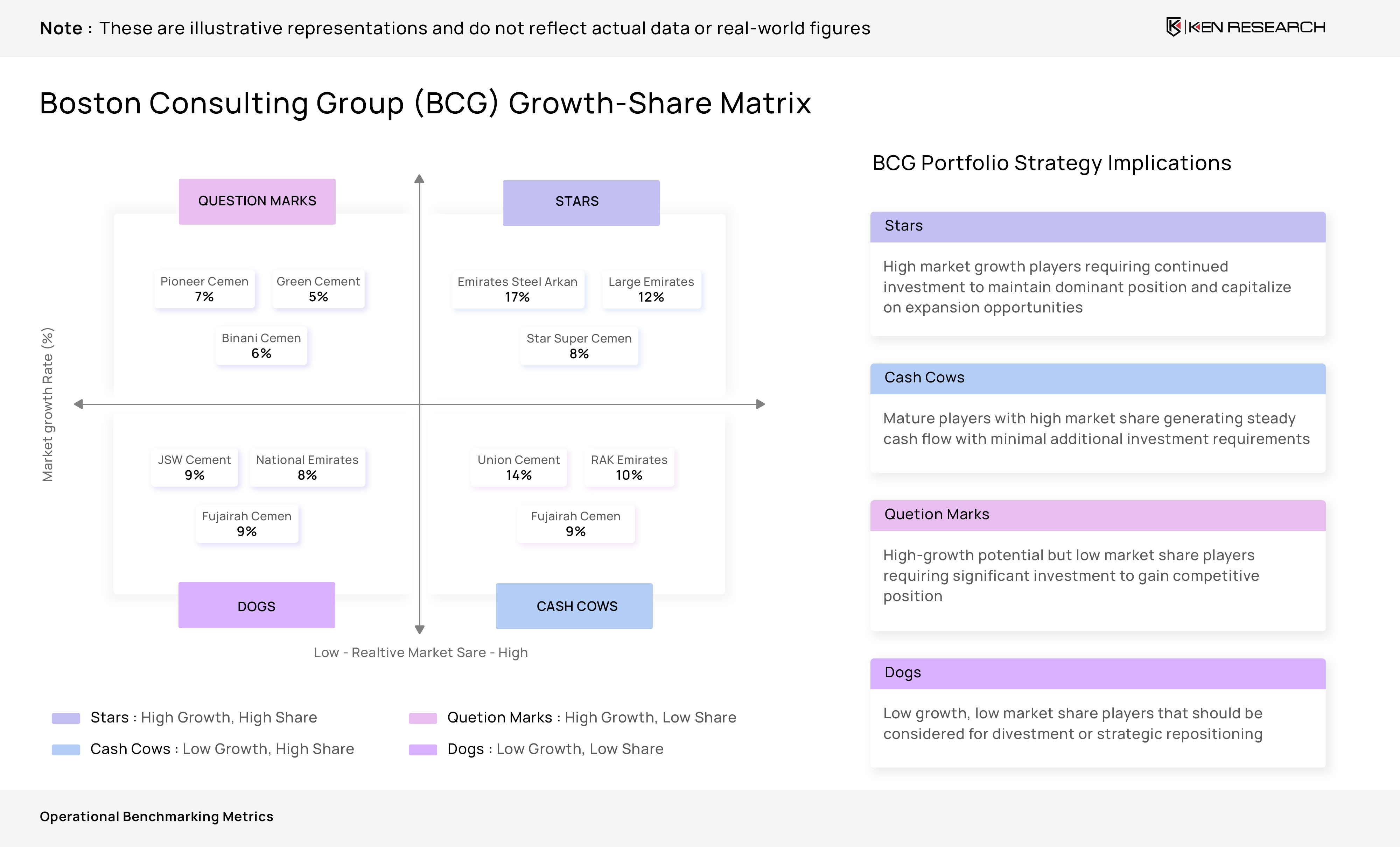
The large-player ecosystem is led by digital challenger banks, global payment platforms, and major incumbent banks that have invested heavily in mobile banking infrastructure. Their scale advantage is driven by regulatory licensing, extensive customer bases, and diversified financial service offerings.
Medium and small fintech players strengthen the ecosystem through niche propositions such as digital wallets, BNPL services, merchant acceptance solutions, and financial management tools. These specialized models allow agile firms to compete effectively against larger incumbents in specific service segments.
Leading Player Profiles
Company Profile Overview
The UK mobile financial services market is shaped by both fintech innovators and traditional banks that have integrated advanced mobile banking capabilities into their service ecosystems. Challenger banks such as Revolut, Monzo, and Starling have gained strong traction through mobile-first strategies.
Payments companies and fintech platforms complement banking providers by enabling digital wallets, merchant acceptance solutions, and cross-border transfers, reinforcing the broader mobile financial ecosystem.
Key Operational Performance Metrics
Company Performance Overview
Unlock Market Insights
Dive deeper into production, distribution, and pricing intelligence.
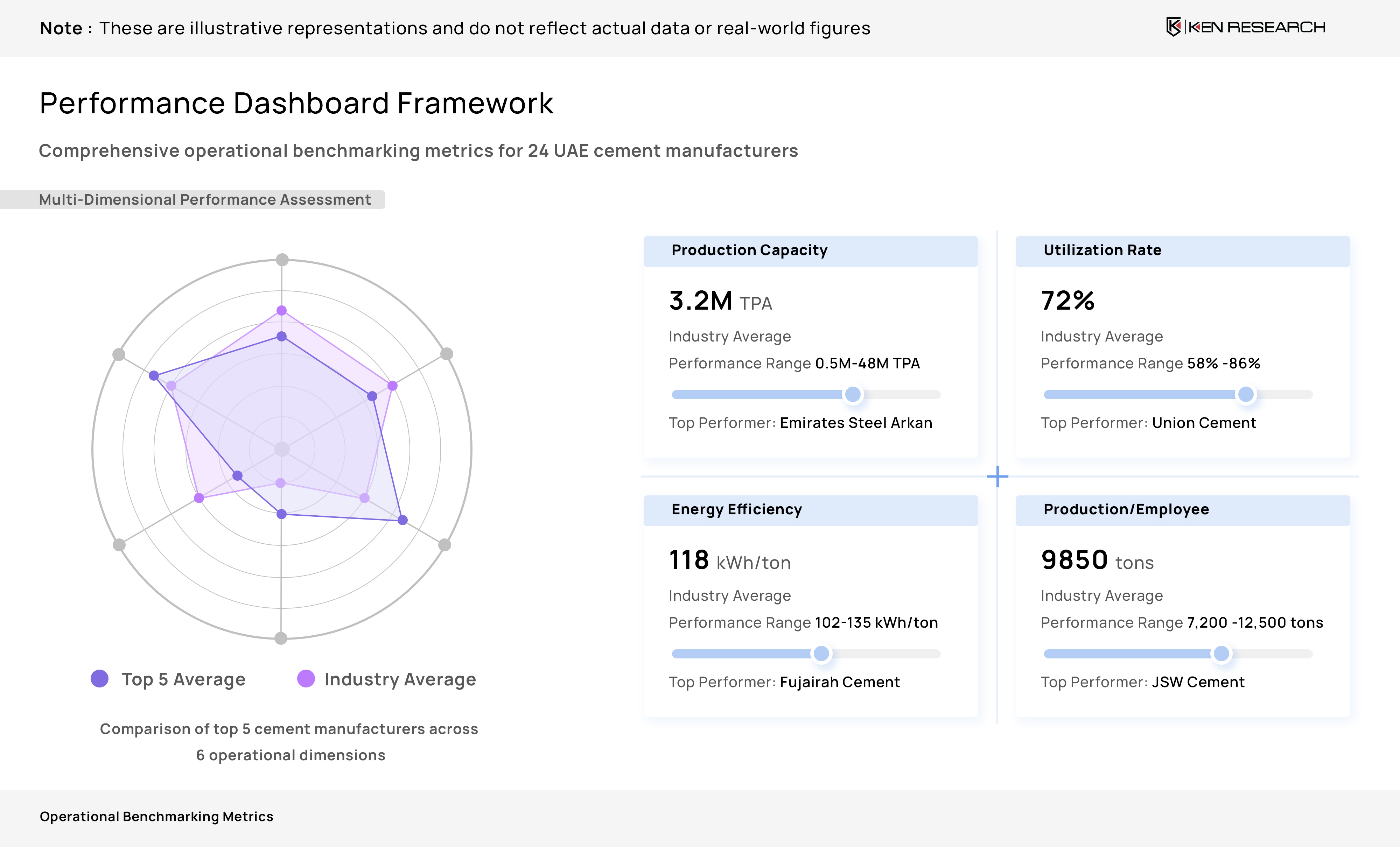
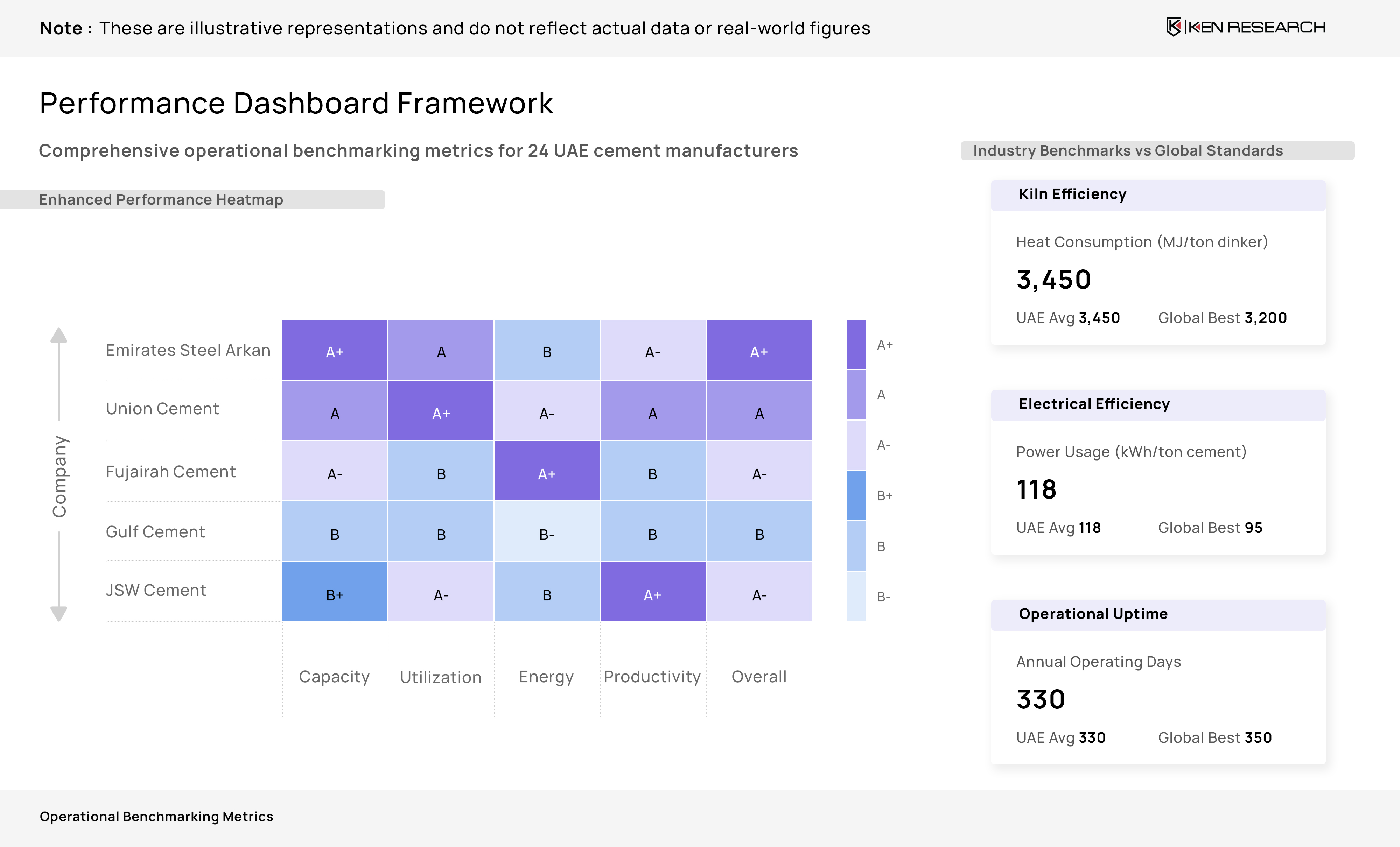
Get Customized ReportOperational performance within the UK mobile finance sector depends heavily on customer engagement metrics, transaction volumes, and payment activity intensity. Platforms that combine high active user engagement with diversified transaction services typically generate stronger revenue streams.
Monetization strategies across players differ significantly, ranging from subscription banking models to payment transaction fees and merchant services revenue, reflecting the diverse business models operating within the market.
Core Financial Performance Metrics
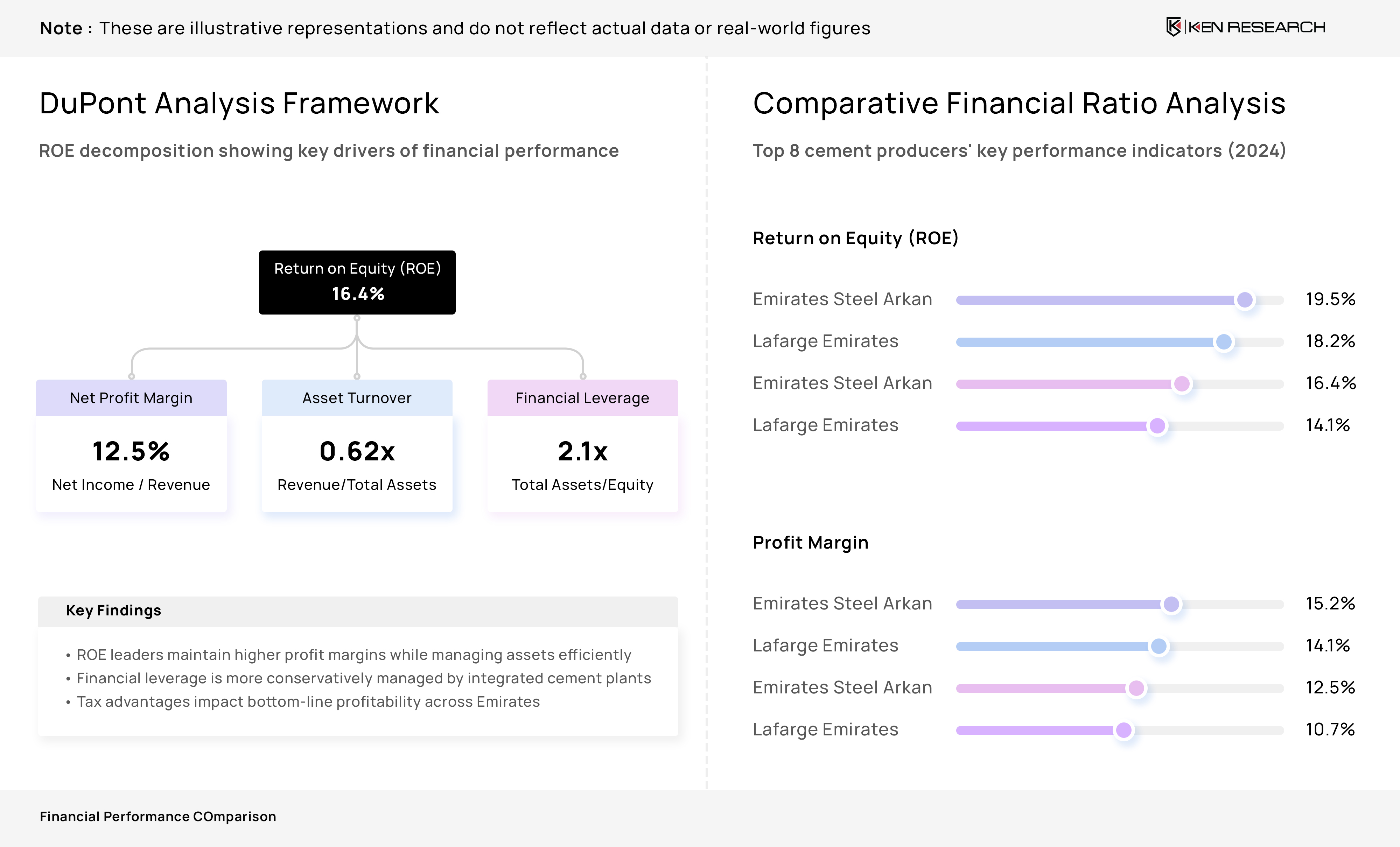
Financial benchmarking across the UK mobile financial services ecosystem reflects varying revenue models including interchange fees, subscription banking tiers, payment processing fees, and lending spreads. These models shape profitability and cost structures differently for banks and fintech providers.
Profitability levels often depend on scale, customer acquisition efficiency, and operational cost discipline, particularly in technology infrastructure, regulatory compliance, and fraud prevention.
Table of Contents
1. Ecosystem Matrix
1.1 Large Players
1.1.1 Revolut Ltd
1.1.2 Monzo Bank Limited
1.1.3 Starling Bank Limited
1.1.4 Wise Payments Limited
1.1.5 PayPal UK Ltd
1.1.6 Barclays Bank UK PLC
1.1.7 HSBC UK Bank plc
1.1.8 Lloyds Bank plc
1.2 Medium Players
1.2.1 National Westminster Bank Plc
1.2.2 Skrill Limited
1.2.3 Zilch Technology Limited
1.2.4 SumUp Payments Limited
1.2.5 Kroo Bank Ltd
1.3 Small Players
1.3.1 HyperJar Ltd
1.3.2 Pockit Limited
1.3.3 Snoop App Ltd
2. Leading Player Profiles
2.1 Parameters
2.1.1 Company Name
2.1.2 Group Name
2.1.3 Headquarters
2.1.4 Established Year
2.1.5 Core Services
2.1.6 Mode of Functioning
3. Key Operational Performance Metrics
3.1.1 Pricing (GBP/user/month or take rate %)
3.1.2 Payment Transaction Volume (GBP Mn)
3.1.3 Monthly Active Users (000)
3.1.4 Average Revenue per Active User (GBP)
3.1.5 Card Spend Volume (GBP Mn)
3.1.6 Cross-Border Transfer Volume (GBP Mn)
3.1.7 Lending / Credit Volume via App (GBP Mn)
3.1.8 Merchant Acceptance Volume (GBP Mn)
3.1.9 Customer Retention Rate (%)
4. Core Financial Performance Metrics
4.1 Parameters
4.1.1 Revenue (USD Mn)
4.1.2 Revenue Growth (%)
4.1.3 COGS (USD Mn)
4.1.4 COGS Growth (%)
4.1.5 EBITDA (USD Mn)
4.1.6 EBITDA Growth (%)
4.1.7 EBITDA Margin (%)
4.1.8 PAT (USD Mn)
4.1.9 PAT Margin (%)
5. Methodology
5.1 Approach
5.1.1 Desk Sources
5.1.2 Primary Interviews
5.1.3 Sanity Checking & Validation
5.2 Benchmarking Process
5.2.1 Data Collection
5.2.2 Primary Validation
5.2.3 Proxy KPI Modelling
5.2.4 Normalization & Indexing
5.2.5 Gap Analysis
5.2.6 Peer Review
5.3 Sample Composition
5.3.1 Scope Items
5.3.2 Sample Size
5.3.3 Target Respondents
Methodology
Ken Research will deploy its proprietary, multi layered research framework, combining robust secondary research, targeted primary outreach, and rigorous data validation, to deliver an authoritative competitive landscape analysis of theUK Mobile Financial Services Market. The methodology is customized to the market’s app-led nature and includes proxy KPIs relevant to digital banking, mobile payments, wallet engagement, merchant acceptance, cross-border transactions, credit-linked usage, and customer stickiness.
Desk Sources
- Industry reports from proprietary databases and Ken Research archives
- Company annual reports and investor presentations
- Government and trade association publications
- Trade magazines, journals, and e-articles
- Financial databases such as Bloomberg and Capital IQ
- Web traffic and app usage dashboards such as SimilarWeb and App Annie
Primary Interviews
- CATIs and online surveys with key stakeholders
- Product managers, category heads, and digital banking leaders at key market participants
- Senior sales and marketing leads at leading players
- Merchant partners, aggregators, distributors, and channel partners
- Industry analysts and consultants
- Technology and service providers for digital metrics, app analytics, payments infrastructure, and fraud control
Sanity Checking and Validation
- Triangulation to cross verify estimates from secondary data, primary inputs, and proxy model outputs
- Proxy KPI synthesis using related KPIs such as app downloads, monthly active users, transaction counts, merchant footprint, card issuance, web traffic, and wallet activity to approximate revenues or operating scale
- Outlier analysis to identify and reconcile anomalous data points through follow-up discussions
- Assumption tracking with a clear log of benchmarking assumptions, limitations, and proxy KPI sources
- Peer review through internal expert validation of methodology, models, and key outputs before finalization
An Inside Look At Our Custom Insights
Take a look at ourcustomized insights, tailored to yourmarket and business needs. Our benchmarking reports deliver data-driven comparisons of key players, helping you uncover opportunities, assess performance, and make confident strategic decisions.