
Asia-Pacific Stem Cell Therapy Market Outlook to 2030
Region:Asia
Author(s):Sanjeev
Product Code:KROD1643
October 2024
85
About the Report
Asia-Pacific Stem Cell Therapy Market Overview
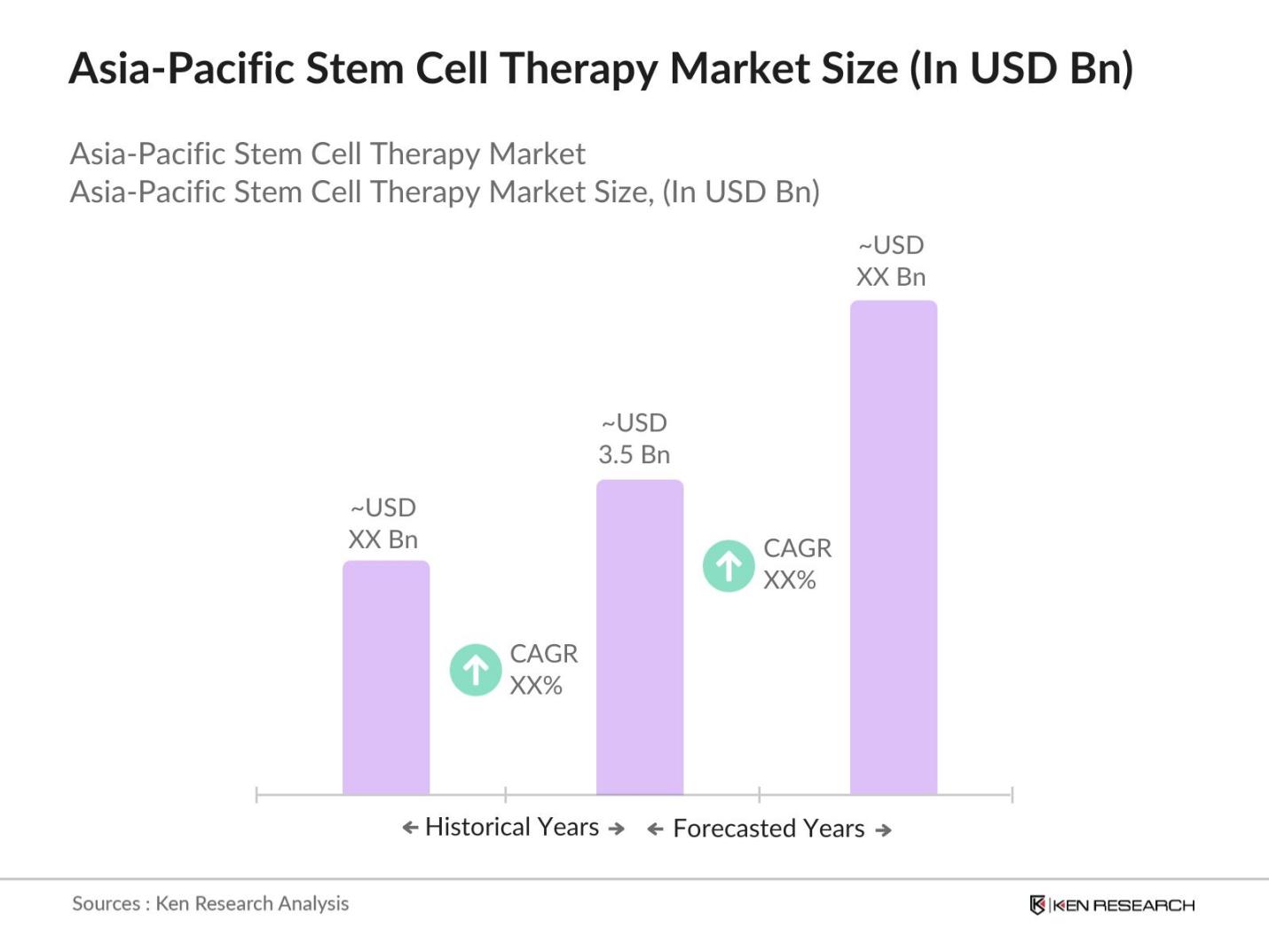
- In 2023, the Asia-Pacific (APAC) Stem Cell Therapy Market was valued at USD 3.5 billion. The market's growth is propelled by the increasing prevalence of chronic diseases, advancements in stem cell research and therapies, and rising awareness of regenerative medicine. Stem cell therapy is utilized in treating various conditions, including cardiovascular diseases, neurological disorders, and orthopedic issues.
- Major players in the APAC Stem Cell Therapy market include Mesoblast Ltd, Astellas Pharma Inc., Stempeutics Research Pvt Ltd, and Fujifilm Cellular Dynamics, Inc. These companies are recognized for their innovative stem cell therapies and comprehensive regenerative medicine solutions. Mesoblast Ltd is a leader in developing and commercializing cellular medicines.
- Tokyo, Seoul, and Sydney are key cities in the market. Tokyo's significance is due to Japan's advanced medical infrastructure and robust research capabilities in stem cell therapy. Seoul's position stems from South Korea's strong investment in biotechnology and regenerative medicine. Sydney stands out due to Australia's supportive regulatory environment and established research centers.
- In 2023, Mesoblast Ltd expanded its portfolio with new allogeneic cellular medicines, aimed at treating inflammatory diseases and conditions requiring tissue regeneration. Their products, such as Remestemcel-L, are designed to enhance patient outcomes in various therapeutic areas.
Asia-Pacific Stem Cell Therapy Market Segmentation
The APAC Stem Cell Therapy market can be segmented by technology, end-user, and region:
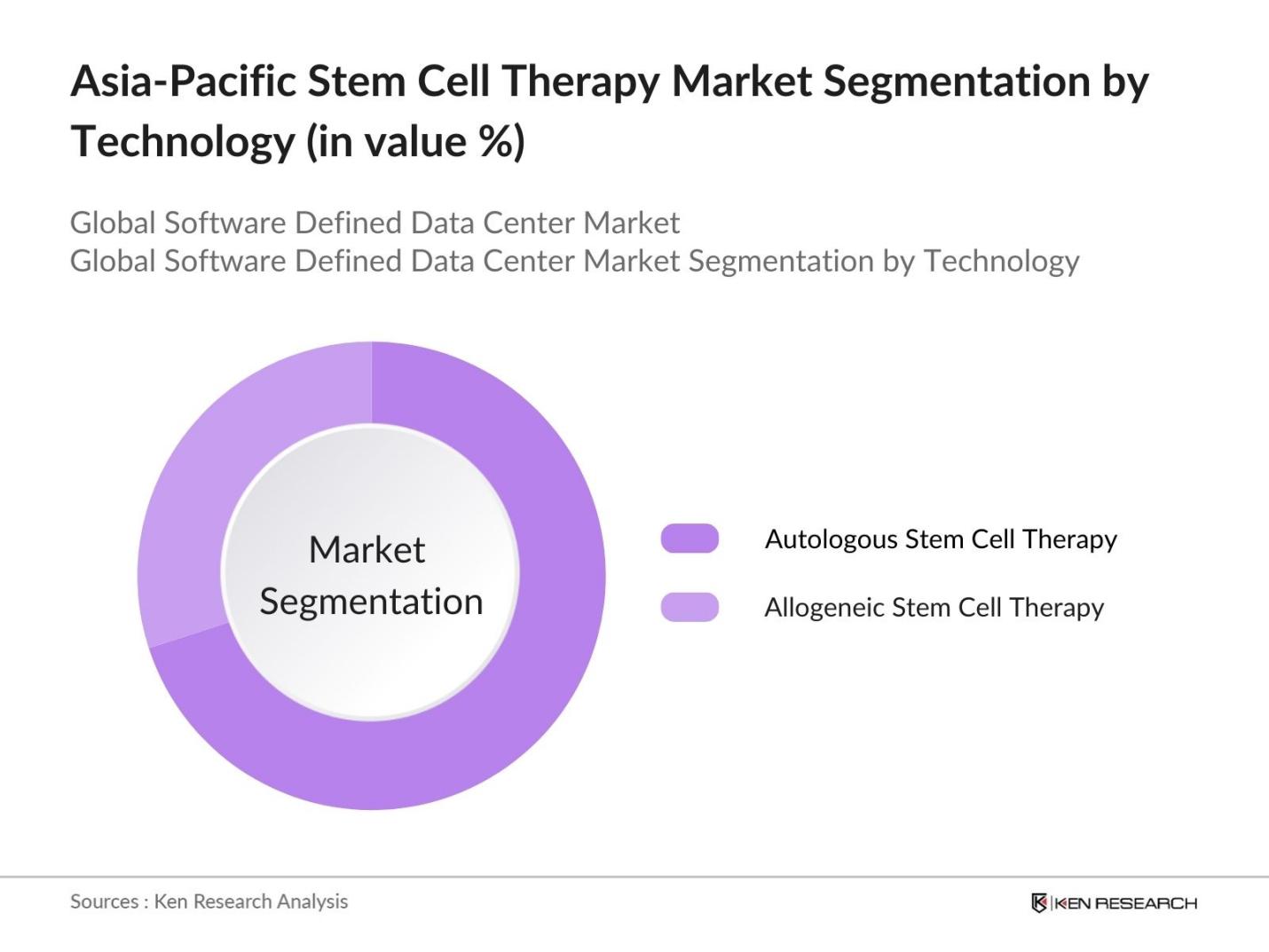
- By Technology: The APAC Stem Cell Therapy market is segmented into autologous stem cell therapy and allogeneic stem cell therapy. In 2023, allogeneic stem cell therapy dominated the market due to its widespread applications and ongoing clinical trials demonstrating its effectiveness in treating a wide range of conditions.
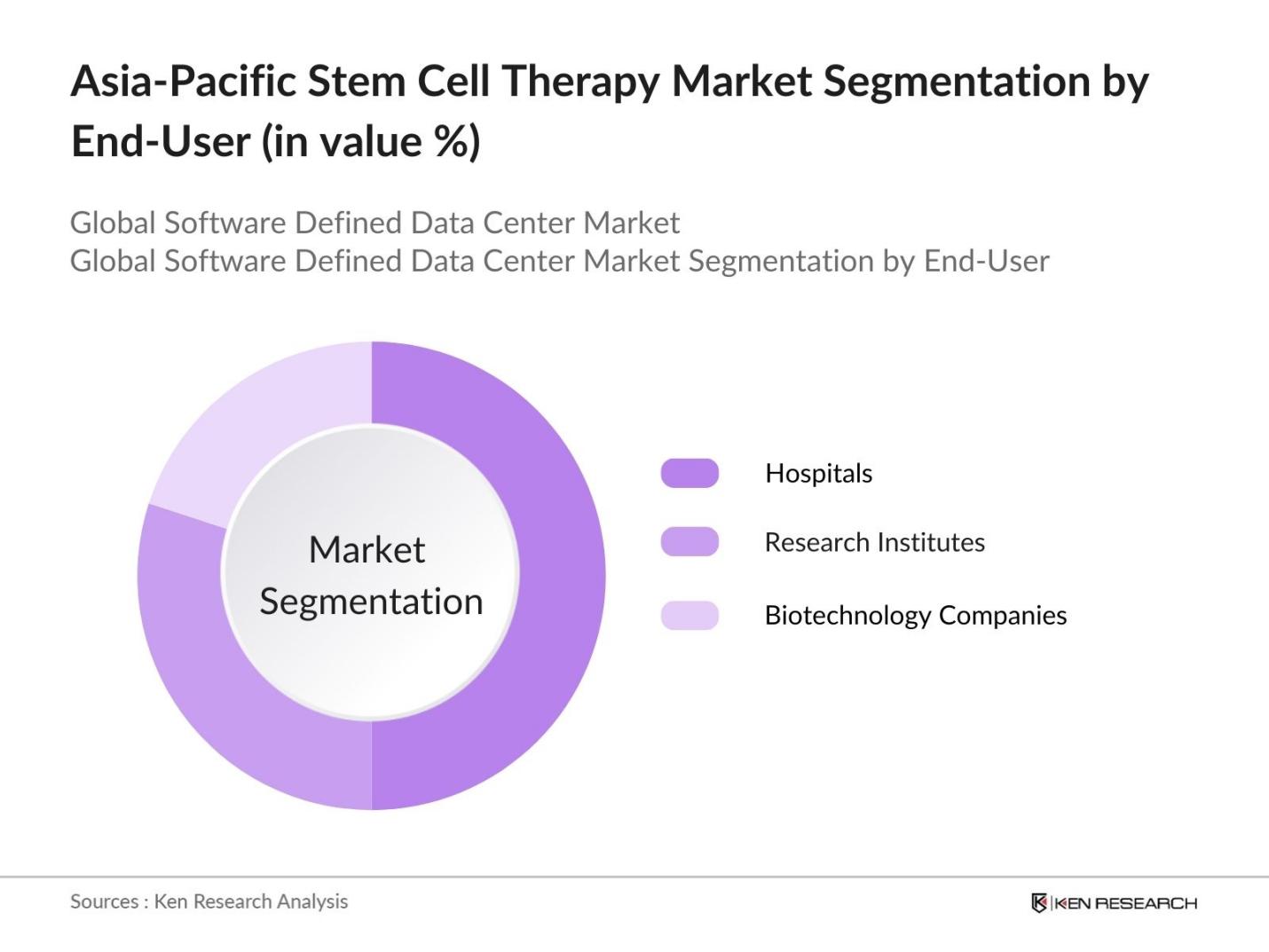
- By End-User: The APAC Stem Cell Therapy market is segmented into hospitals, research institutes, and biotechnology companies. In 2023, hospitals were the leading segment due to the increasing adoption of stem cell therapies in clinical settings for treating complex diseases and conditions.
- By Region: The APAC Stem Cell Therapy market is segmented regionally into Japan, South Korea, China, India, and Australia. In 2023, Japan led the Asia-Pacific Stem Cell Therapy market due to its advanced healthcare infrastructure, strong government support for regenerative medicine, and a high number of ongoing clinical trials.
Asia-Pacific Stem Cell Therapy Market Competitive Landscape
|
Company |
Establishment Year |
Headquarters |
|
Mesoblast Ltd |
2004 |
Melbourne, Australia |
|
Astellas Pharma Inc. |
1923 |
Tokyo, Japan |
|
Stempeutics Research Pvt Ltd |
2006 |
Bangalore, India |
|
Fujifilm Cellular Dynamics, Inc. |
2004 |
Madison, USA |
|
Thermo Fisher Scientific |
1956 |
Waltham, USA |
- Mesoblast Ltd: In 2023, Mesoblast Ltd led the Asia-Pacific Stem Cell Therapy market with the introduction of its new allogeneic stem cell therapy, Remestemcel-L, designed to treat inflammatory diseases such as chronic heart failure and graft-versus-host disease (GvHD). This product demonstrates Mesoblast's commitment to innovative regenerative medicine solutions and highlights the company's leading position in developing cellular medicines with clinical potential.
- Astellas Pharma Inc.: In 2023, Astellas Pharma Inc. expanded its regenerative medicine portfolio by acquiring a pioneering stem cell therapy startup, enhancing its research capabilities and broadening its range of stem cell-based treatments. This strategic acquisition underscores Astellass dedication to advancing regenerative therapies and solidifies its position as a key player in the Asia-Pacific stem cell therapy market.
Asia-Pacific Stem Cell Therapy Market Analysis
Market Growth Drivers
-
Increasing Prevalence of Chronic Diseases: The rising incidence of chronic diseases is a driver of demand for stem cell therapies. For instance, the prevalence of diabetes in the Asia-Pacific region has seen substantial growth, with an estimated 120 million individuals affected in 2023 alone. Similarly, cardiovascular diseases are a leading cause of death in the region. Stem cell therapies have shown promising results, particularly in managing diabetes-related complications and regenerating damaged heart tissues in cardiovascular patients.
- Advancements in Stem Cell Research: Technological advancements have been a key factor in driving the stem cell therapy market. The development of induced pluripotent stem cells (iPSCs), which can be generated from adult cells, has revolutionized the field by offering a non-controversial source of stem cells with the potential to differentiate into any cell type. Between 2018 and 2023, the number of clinical trials involving stem cell therapies in the Asia-Pacific region increased , with over 150 trials focused on new therapies for neurodegenerative diseases, cancer, and autoimmune disorders.
- Government Support and Funding: Governments across the Asia-Pacific region are playing a crucial role in the growth of the stem cell therapy market through supportive policies and funding initiatives. For example, Japan's government allocated over USD 1 billion from 2018 to 2023 for regenerative medicine research, including stem cell therapies, under its "Plan for Advanced Medical Technology" initiative. South Korea has also invested heavily, with over USD 500 million directed towards stem cell research and clinical applications in the same period.
Market Challenges
-
High Treatment Costs: Stem cell therapies are often expensive, with treatment costs ranging from tens to hundreds of thousands of dollars depending on the condition and type of therapy. This high-cost limits access for many patients, particularly in low- and middle-income countries within the Asia-Pacific region. The affordability of these therapies remains a barrier to widespread adoption, despite the potential benefits.
- Limited Infrastructure and Expertise: Many countries in the Asia-Pacific region lack the necessary infrastructure and skilled professionals required to deliver advanced stem cell therapies. The development and maintenance of specialized facilities, along with the training of healthcare providers in stem cell technologies, are critical challenges. Without sufficient infrastructure and expertise, the scalability and accessibility of these therapies are hindered.
- Regulatory Hurdles: The regulatory landscape for stem cell therapies varies across the Asia-Pacific region. While some countries, like Japan and South Korea, have established supportive frameworks, others have stringent or unclear regulations that slow down the approval process for new therapies. Navigating these regulatory complexities can be challenging for companies seeking to enter or expand within the market, leading to delays in bringing innovative treatments to patients.
Government Initiatives
-
Singapores Stem Cell Research Grants: Singapore has been a pioneer in stem cell research within Asia, with the government providing substantial support through the Agency for Science, Technology and Research (A*STAR). From 2018 to 2023, the government allocated SGD 120 million towards stem cell research and regenerative medicine, targeting new therapies for cancer and age-related diseases. Singapores strong intellectual property protections and supportive regulatory environment have driven advancements in stem cell technology, particularly in treating leukemia and other blood disorders.
- Indias Stem Cell and Regenerative Medicine Research Act: In 2020, India introduced the "Stem Cell and Regenerative Medicine Research Act," aimed at regulating stem cell research and promoting innovation. The Indian government has also invested INR 500 crore through the Department of Biotechnology (DBT) under its Biotechnology Industry Research Assistance Council (BIRAC) program. By 2023, these efforts had resulted in over 100 ongoing clinical trials, focusing on diseases such as diabetes, osteoarthritis, and liver disease.
Asia-Pacific Stem Cell Therapy Market Future Outlook
The Asia-Pacific stem cell therapy market is poised for growth, driven by advancements in stem cell technologies, increasing government support, and rising demand for innovative treatments.
Future Market Trends
-
Increased Collaboration Between Academia and Industry: Over the next five years, the trend of increased collaboration between academic institutions and industry players in the stem cell therapy market is expected to accelerate. These partnerships will help in translating cutting-edge research into clinical applications more efficiently, resulting in the faster adoption of innovative stem cell therapies across the Asia-Pacific region.
- Expansion of Off-the-Shelf Stem Cell Products: The development and availability of off-the-shelf stem cell products, which can be mass-produced and stored for immediate use, are anticipated to grow . These products will make stem cell therapies more accessible and cost-effective, particularly in emergency and acute care settings, driving broader adoption and market expansion.
- Advancements in Gene-Edited Stem Cell Therapies: The next five years are expected to see advancements in gene-edited stem cell therapies, driven by technologies like CRISPR. These therapies will enable precise modifications of genes within stem cells, offering potential cures for genetic disorders and enhancing the effectiveness of stem cell treatments.
Scope of the Report
|
By Region |
North America Europe Asia-Pacific Latin America Middle East & Africa |
|
By End-User |
Hospitals Research Institutes Biotechnology Companies |
|
By Application Type |
Oncology Orthopedics Cardiovascular Diseases Neurological Disorders Autoimmune Diseases |
|
By Technology |
Autologous Stem Cell Therapy Allogeneic Stem Cell Therapy |
Products
Key Target Audience
Banks and Financial Institutions
Venture Capitalists
Government Agencies and Regulatory Bodies (MHLW, MFDS, NMPA, CDSCO)
Hospitals with Regenerative Medicine Departments
Pharmaceutical Companies
Medical Device Manufacturers
Healthcare Providers
Insurance Companies
Biotechnology Companies
Time Period Captured in the Report
Historical Period: 2018-2023
Base Year: 2023
Forecast Period: 2023-2028
Companies
Players Mentioned in the Report
Mesoblast Ltd
Astellas Pharma Inc.
Stempeutics Research Pvt Ltd
Fujifilm Cellular Dynamics, Inc.
Thermo Fisher Scientific
Cynata Therapeutics Limited
Takeda Pharmaceutical Company Limited
Novo Nordisk A/S
ReNeuron Group plc
BrainStorm Cell Therapeutics Inc.
Beike Biotechnology
CellResearch Corporation
Macrogen
Kolon TissueGene, Inc.
MediPost Co., Ltd.
Table of Contents
1. Asia-Pacific Stem Cell Therapy Market Overview
1.1. Definition and Scope
1.2. Market Taxonomy
1.3. Market Growth Rate
1.4. Market Segmentation Overview
2. Asia-Pacific Stem Cell Therapy Market Size (in USD Bn), 2018-2023
2.1. Historical Market Size
2.2. Year-on-Year Growth Analysis
2.3. Key Market Developments and Milestones
3. Asia-Pacific Stem Cell Therapy Market Analysis
3.1. Growth Drivers
3.1.1. Increasing Prevalence of Chronic Diseases
3.1.2. Advancements in Stem Cell Research
3.1.3. Government Support and Funding
3.2. Restraints
3.2.1. High Treatment Costs
3.2.2. Limited Infrastructure and Expertise
3.2.3. Regulatory Hurdles
3.3. Opportunities
3.3.1. Emerging Markets
3.3.2. Technological Innovations
3.3.3. Expansion of Clinical Applications
3.4. Trends
3.4.1. Integration of AI and Machine Learning
3.4.2. Personalized Stem Cell Therapies
3.4.3. Growth in Off-the-Shelf Stem Cell Products
3.5. Government Initiatives
3.5.1. Singapores Stem Cell Research Grants
3.5.2. Indias Stem Cell and Regenerative Medicine Research Act
3.5.3. Japans Regenerative Medicine Support
3.6. SWOT Analysis
3.7. Stake Ecosystem
3.8. Competition Ecosystem
4. Asia-Pacific Stem Cell Therapy Market Segmentation, 2023
4.1. By Application Type (in Value %)
4.1.1. Oncology
4.1.2. Orthopedics
4.1.3. Cardiovascular Diseases
4.1.4. Neurological Disorders
4.1.5. Autoimmune Diseases
4.2. By Technology (in Value %)
4.2.1. Autologous Stem Cell Therapy
4.2.2. Allogeneic Stem Cell Therapy
4.3. By End-User (in Value %)
4.3.1. Hospitals
4.3.2. Research Institutes
4.3.3. Biotechnology Companies
4.4. By Region (in Value %)
4.4.1. North America
4.4.2. Europe
4.4.3. Asia-Pacific
4.4.4. Latin America
4.4.5. Middle East & Africa
5. Asia-Pacific Stem Cell Therapy Market Cross Comparison
5.1. Detailed Profiles of Major Companies
5.1.1. Mesoblast Ltd
5.1.2. Astellas Pharma Inc.
5.1.3. Stempeutics Research Pvt Ltd
5.1.4. Fujifilm Cellular Dynamics, Inc.
5.1.5. Cynata Therapeutics Limited
5.1.6. Takeda Pharmaceutical Company Limited
5.1.7. Novo Nordisk A/S
5.1.8. ReNeuron Group plc
5.1.9. BrainStorm Cell Therapeutics Inc.
5.1.10. Beike Biotechnology
5.1.11. CellResearch Corporation
5.1.12. Macrogen
5.1.13. Kolon TissueGene, Inc.
5.1.14. MediPost Co., Ltd.
5.2. Cross Comparison Parameters (No. of Employees, Headquarters, Inception Year, Revenue)
6. Asia-Pacific Stem Cell Therapy Market Competitive Landscape
6.1. Market Share Analysis
6.2. Strategic Initiatives
6.3. Mergers and Acquisitions
6.4. Investment Analysis
6.4.1. Venture Capital Funding
6.4.2. Government Grants
6.4.3. Private Equity Investments
7. Asia-Pacific Stem Cell Therapy Market Regulatory Framewor
7.1. National Regulations
7.2. Compliance Requirements
7.3. Certification Processes
8. Asia-Pacific Stem Cell Therapy Market Future Outlook (in USD Bn), 2023-2028
8.1. Future Market Size Projections
8.2. Key Factors Driving Future Market Growth
9. Asia-Pacific Stem Cell Therapy Market Future Segmentation, 2028
9.1. By Application Type (in Value %)
9.2. By Technology (in Value %)
9.3. By End-User (in Value %)
9.4. By Region (in Value %)
10. Asia-Pacific Stem Cell Therapy Market Analysts Recommendations
10.1. TAM/SAM/SOM Analysis
10.2. Customer Cohort Analysis
10.3. Marketing Initiatives
10.4. White Space Opportunity Analysis
Disclaimer Contact UsResearch Methodology
Step 1: Identifying Key Variables
Creating an ecosystem for all major entities in the Asia-Pacific Stem Cell Therapy market and referencing multiple secondary and proprietary databases to perform desk research. This includes collating industry-level information on market drivers, challenges, and key players.
Step 2: Market Building
Gathering statistics on the Asia-Pacific Stem Cell Therapy market over the years, including the adoption rate of stem cell therapies and the penetration of key market players. We will analyze market share, revenue generated, and product adoption trends to ensure accuracy and reliability in the data presented.
Step 3: Validating and Finalizing
Formulating market hypotheses and conducting CATIs (Computer-Assisted Telephone Interviews) with industry experts from leading companies. These interviews will help validate the collected statistics and provide operational and financial insights directly from company representatives.
Step 4: Research Output
Our team will engage with multiple stem cell therapy providers to understand the dynamics of product segments, consumer preferences, and sales trends. This process will validate the derived statistics using a bottom-to-top approach, ensuring that the final data reflects the actual market conditions.
Frequently Asked Questions
1. How big is the Asia-Pacific Stem Cell Therapy Market?
In 2023, the Asia-Pacific Stem Cell Therapy Market was valued at USD 3.5 billion, driven by increasing prevalence of chronic diseases, advancements in stem cell research, and supportive government initiatives.
2. What are the challenges in the Asia-Pacific Stem Cell Therapy Market?
Challenges in the Asia-Pacific Stem Cell Therapy market include high treatment costs, regulatory hurdles, and ethical concerns surrounding stem cell research. These factors can impact market growth and accessibility.
3. Who are the major players in the Asia-Pacific Stem Cell Therapy Market?
Major players in the Asia-Pacific Stem Cell Therapy Market include Mesoblast Ltd, Astellas Pharma Inc., Stempeutics Research Pvt Ltd, Fujifilm Cellular Dynamics, Inc., and Cynata Therapeutics Limited. These companies are leading in research, development, and commercialization of stem cell therapies.
4. What are the growth drivers of the Asia-Pacific Stem Cell Therapy Market?
Growth drivers in the Asia-Pacific Stem Cell Therapy Market include increasing prevalence of chronic diseases, technological advancements in stem cell research, and substantial government support and funding for stem cell research and therapy development. These factors contribute to the markets expansion and development.
Why Buy From Us?

What makes us stand out is that our consultants follows Robust, Refine and Result (RRR) methodology. i.e. Robust for clear definitions, approaches and sanity checking, Refine for differentiating respondents facts and opinions and Result for presenting data with story

We have set a benchmark in the industry by offering our clients with syndicated and customized market research reports featuring coverage of entire market as well as meticulous research and analyst insights.

While we don't replace traditional research, we flip the method upside down. Our dual approach of Top Bottom & Bottom Top ensures quality deliverable by not just verifying company fundamentals but also looking at the sector and macroeconomic factors.

With one step in the future, our research team constantly tries to show you the bigger picture. We help with some of the tough questions you may encounter along the way: How is the industry positioned? Best marketing channel? KPI's of competitors? By aligning every element, we help maximize success.

Our report gives you instant access to the answers and sources that other companies might choose to hide. We elaborate each steps of research methodology we have used and showcase you the sample size to earn your trust.

If you need any support, we are here! We pride ourselves on universe strength, data quality, and quick, friendly, and professional service.