
Global G Protein Coupled Receptors Market Outlook to 2030
Region:Global
Author(s):Sanjna
Product Code:KROD10205
Region:Global
Author(s):Sanjna
Product Code:KROD10205
December 2024
82
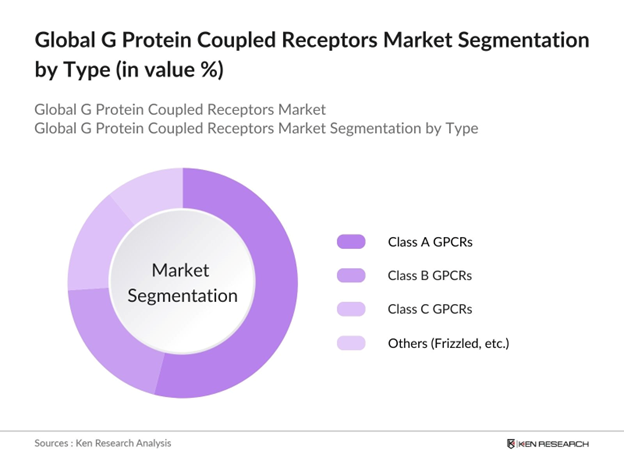
By Type: The GPCR market is segmented by type into Class A, Class B, Class C, and other GPCRs like Frizzled receptors. Class A GPCRs dominate the market due to their diverse therapeutic applications across diseases like cardiovascular and metabolic disorders. This class, often the most studied, benefits from extensive structural knowledge and high expression in human tissues, making it a preferred target in drug development.
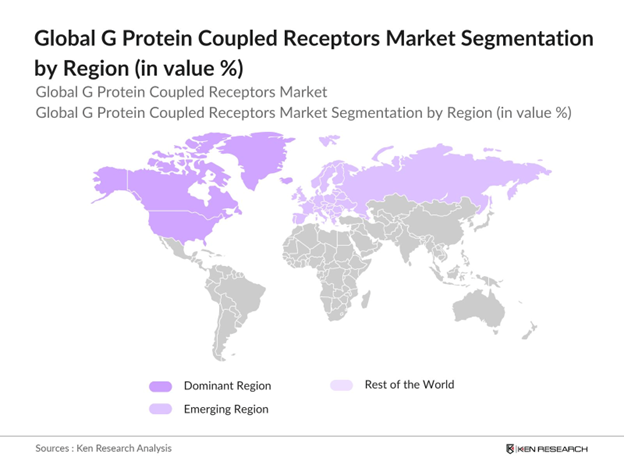
By Region: The market segmentation by region includes North America, Europe, Asia-Pacific, Latin America, and the Middle East & Africa. North America holds a significant share of the market due to its robust biopharmaceutical industry, advanced research infrastructure, and substantial funding for healthcare innovations. The presence of leading pharmaceutical companies and ongoing research initiatives in this region enhance the market's growth potential, making it a primary hub for GPCR research and development activities.
By Therapeutic Area: The market is further segmented by therapeutic area, including oncology, neurology, cardiovascular diseases, respiratory diseases, and endocrine disorders. In the therapeutic segmentation, oncology leads due to the increasing prevalence of cancer globally and the crucial role GPCRs play in tumor signaling pathways. The need for highly targeted cancer therapies drives significant research and development investments, propelling oncology to the forefront of GPCR applications.
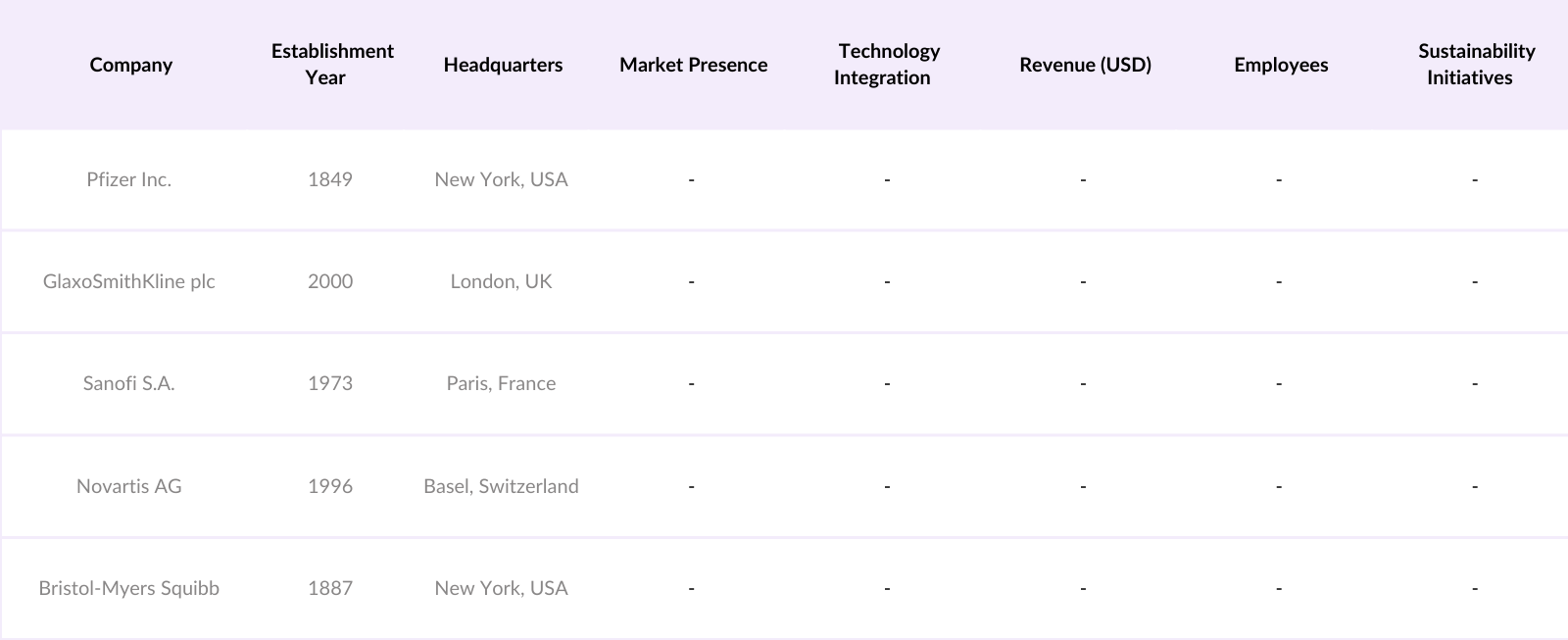
The GPCR market is dominated by key players with extensive portfolios in biopharmaceuticals and therapeutic innovation. The competitive landscape showcases a consolidation of power among leading pharmaceutical and biotech firms, which focus on technological advancements, collaborations, and a strong global presence. This market concentration underscores the influence these companies wield in directing GPCR-targeted drug development.
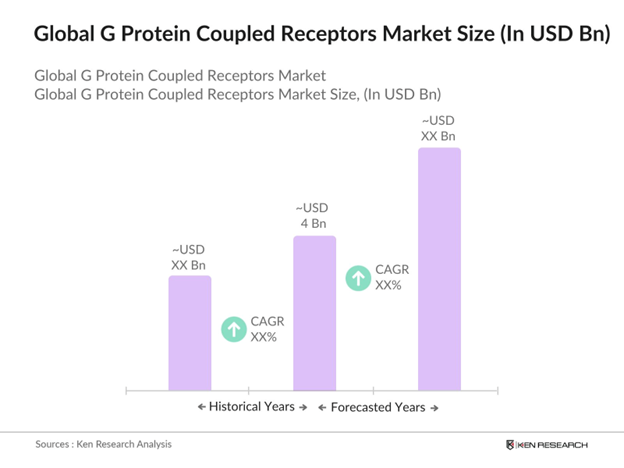
The Global GPCR market is projected to experience substantial growth over the coming years. The demand for precision medicine, combined with rapid advancements in biotechnology and the integration of artificial intelligence in drug discovery, will further drive market expansion. Increased funding for research, particularly in oncology and neurology, is expected to enhance market growth, establishing new opportunities in therapeutic developments.
|
Segments |
Sub-Segments |
|
By Type |
Class A GPCRs |
|
By Therapeutic Area |
Oncology |
|
By Drug Type |
Agonists |
|
By Application |
Pharmaceuticals |
|
By Region |
North America |
1.1. Definition and Scope
1.2. Market Taxonomy
1.3. Mechanisms of Action
1.4. Market Segmentation Overview
2.1. Historical Market Size
2.2. Year-On-Year Growth Analysis
2.3. Key Market Developments and Milestones
3.1. Growth Drivers
3.1.1. Technological Advancements in GPCR Drug Discovery
3.1.2. Rising Demand for Targeted Therapies
3.1.3. Increase in Chronic and Infectious Diseases
3.1.4. Expansion in Personalized Medicine
3.2. Market Challenges
3.2.1. High Cost of R&D (Cost-Burden Factor)
3.2.2. Regulatory Complexities (Regulatory Landscape)
3.2.3. Lack of Structural Data (Data Gap Issues)
3.3. Opportunities
3.3.1. Emerging Markets in Asia-Pacific
3.3.2. Collaborations with Biotech Firms
3.3.3. Advances in Structural Biology Techniques
3.4. Trends
3.4.1. Shift Toward Biased Agonism
3.4.2. Adoption of AI-Driven Drug Discovery Models
3.4.3. Increase in GPCR Allosteric Modulators
3.5. Government Regulation
3.5.1. FDA and EMA Approvals for GPCR-Targeted Drugs
3.5.2. Regulatory Incentives for Rare Disease Treatments
3.5.3. Government Funding for GPCR Research
3.6. SWOT Analysis
3.7. Stake Ecosystem
3.8. Porters Five Forces Analysis
3.9. Competition Ecosystem
4.1. By Type (In Value %)
4.1.1. Class A GPCRs
4.1.2. Class B GPCRs
4.1.3. Class C GPCRs
4.1.4. Others (Frizzled, etc.)
4.2. By Therapeutic Area (In Value %)
4.2.1. Oncology
4.2.2. Neurology
4.2.3. Cardiovascular Diseases
4.2.4. Respiratory Diseases
4.2.5. Endocrine Disorders
4.3. By Drug Type (In Value %)
4.3.1. Agonists
4.3.2. Antagonists
4.3.3. Allosteric Modulators
4.3.4. Inverse Agonists
4.4. By Application (In Value %)
4.4.1. Pharmaceuticals
4.4.2. Research Institutions
4.4.3. Contract Research Organizations (CROs)
4.5. By Region (In Value %)
4.5.1. North America
4.5.2. Europe
4.5.3. Asia-Pacific
4.5.4. Latin America
4.5.5. Middle East & Africa
5.1. Detailed Profiles of Major Companies
5.1.1. Pfizer Inc.
5.1.2. GlaxoSmithKline plc
5.1.3. Sanofi S.A.
5.1.4. Novartis AG
5.1.5. Bristol-Myers Squibb
5.1.6. Merck & Co., Inc.
5.1.7. AstraZeneca
5.1.8. Amgen Inc.
5.1.9. Roche Holding AG
5.1.10. Eli Lilly and Company
5.2. Cross Comparison Parameters (R&D Investment, Product Portfolio, Market Presence, Collaborations, Revenue, Geographic Footprint, Pipeline Products, Strategic Initiatives)
5.3. Market Share Analysis
5.4. Strategic Initiatives
5.5. Mergers and Acquisitions
5.6. Investment Analysis
5.7. Venture Capital Funding
5.8. Government Grants
5.9. Private Equity Investments
6.1. Regulatory Standards for GPCR-targeted Drugs
6.2. Compliance and Certification Requirements
6.3. Government-Funded Research Initiatives
7.1. Future Market Size Projections
7.2. Key Factors Driving Future Market Growth
8.1. By Type (In Value %)
8.2. By Therapeutic Area (In Value %)
8.3. By Drug Type (In Value %)
8.4. By Application (In Value %)
8.5. By Region (In Value %)
9.1. TAM/SAM/SOM Analysis
9.2. Market Entry Strategies
9.3. Customer Cohort Analysis
9.4. White Space Opportunity Analysis
This phase begins with the creation of a comprehensive ecosystem map for the GPCR market, covering all stakeholders, from pharmaceutical manufacturers to healthcare institutions. We gather industry-level data using both secondary databases and proprietary sources to identify influential variables.
In this step, historical data is collected to evaluate the penetration and development within the GPCR market. Revenue and market share data are meticulously analyzed to ensure accurate market size estimations and growth trend identification.
Market insights are corroborated through interviews with industry experts, including professionals from leading biopharmaceutical companies. These insights refine our data and validate market trends, providing in-depth knowledge on segment dynamics.
The last phase synthesizes all collected data, incorporating direct feedback from industry players. This step involves validating findings to ensure a comprehensive and accurate analysis of the GPCR market, providing reliable forecasts and insights.
The Global GPCR market is valued at USD 4 billion, driven by the demand for targeted therapies and advances in biopharmaceutical research.
Challenges in Global GPCR market include high research costs, regulatory complexities, and the scarcity of structural data, impacting drug development timelines and increasing the cost burden for market players.
Key players in Global GPCR market include Pfizer, GlaxoSmithKline, Sanofi, and Novartis. These companies dominate due to their extensive research investments, diversified portfolios, and significant market presence.
Global GPCR Market growth is propelled by increased demand for precision medicine, advancements in biotechnology, and AI-driven drug discovery models.

What makes us stand out is that our consultants follows Robust, Refine and Result (RRR) methodology. i.e. Robust for clear definitions, approaches and sanity checking, Refine for differentiating respondents facts and opinions and Result for presenting data with story

We have set a benchmark in the industry by offering our clients with syndicated and customized market research reports featuring coverage of entire market as well as meticulous research and analyst insights.

While we don't replace traditional research, we flip the method upside down. Our dual approach of Top Bottom & Bottom Top ensures quality deliverable by not just verifying company fundamentals but also looking at the sector and macroeconomic factors.

With one step in the future, our research team constantly tries to show you the bigger picture. We help with some of the tough questions you may encounter along the way: How is the industry positioned? Best marketing channel? KPI's of competitors? By aligning every element, we help maximize success.

Our report gives you instant access to the answers and sources that other companies might choose to hide. We elaborate each steps of research methodology we have used and showcase you the sample size to earn your trust.

If you need any support, we are here! We pride ourselves on universe strength, data quality, and quick, friendly, and professional service.