
Global Intelligent Lighting Controls Market Outlook to 2030
Region:Global
Author(s):Mukul
Product Code:KROD7144
Region:Global
Author(s):Mukul
Product Code:KROD7144
November 2024
98
The global intelligent lighting controls market is dominated by a few major players, including Signify N.V., Acuity Brands, and Schneider Electric SE. This consolidation highlights the significant influence these companies have on product innovation, technology integration, and the establishment of industry standards. The markets competitive landscape is characterized by technological advancements, strategic partnerships, and mergers & acquisitions.
|
Company Name |
Establishment Year |
Headquarters |
Product Portfolio |
Employees |
Revenue |
R&D Focus |
Key Partnerships |
Certifications |
Recent Innovations |
|
Signify N.V. |
1891 |
Eindhoven, NL |
- |
- |
- |
- |
- |
- |
- |
|
Acuity Brands, Inc. |
2001 |
Atlanta, USA |
- |
- |
- |
- |
- |
- |
- |
|
Schneider Electric SE |
1836 |
Rueil-Malmaison, FR |
- |
- |
- |
- |
- |
- |
- |
|
Legrand S.A. |
1904 |
Limoges, FR |
- |
- |
- |
- |
- |
- |
- |
|
Honeywell International Inc. |
1906 |
Charlotte, USA |
- |
- |
- |
- |
- |
- |
- |
Over the next five years, the global intelligent lighting controls market is expected to witness significant growth driven by continued advancements in wireless communication technologies, increasing demand for energy-efficient solutions, and smart city initiatives across various regions. Governments worldwide are pushing for sustainable solutions in the construction and industrial sectors, which is anticipated to boost the adoption of intelligent lighting systems. Additionally, the integration of artificial intelligence and IoT is likely to enhance market potential further, opening new avenues for innovation.
|
By Product Type |
Sensors Dimmers & Switches Relay Units Gateways |
|
By Communication Protocol |
Wired Wireless Hybrid Systems |
|
By Application |
Residential Commercial Industrial Public & Government Buildings |
|
By End-user |
Hospitals Educational Institutions Retail Spaces Manufacturing Facilities |
|
By Region |
North America Europe Asia-Pacific Middle East & Africa Latin America |
1.1. Definition and Scope
1.2. Market Taxonomy
1.3. Market Growth Rate
1.4. Market Segmentation Overview
2.1. Historical Market Size
2.2. Year-On-Year Growth Analysis
2.3. Key Market Developments and Milestones
3.1. Growth Drivers
3.1.1. Adoption of Smart Homes (Urbanization, Residential Lighting Demand)
3.1.2. Energy Efficiency Regulations (Government Policies, Regulatory Mandates)
3.1.3. Rising Focus on IoT Integration (Technological Advancements)
3.1.4. Sustainability Initiatives (Energy Consumption Reduction)
3.2. Market Challenges
3.2.1. High Initial Costs (Installation & Maintenance)
3.2.2. Integration Challenges with Existing Infrastructure (Compatibility Issues)
3.2.3. Data Privacy Concerns (Security Issues in IoT-based Systems)
3.3. Opportunities
3.3.1. Advancements in Wireless Technology (Increased Flexibility, Reduced Cabling)
3.3.2. Integration with Smart City Projects (Public Infrastructure Demand)
3.3.3. Government Initiatives on Energy Efficiency (Tax Incentives, Subsidies)
3.4. Trends
3.4.1. Integration with Voice-Controlled Devices (Smart Assistants Integration)
3.4.2. Adoption of DALI (Digital Addressable Lighting Interface Standards)
3.4.3. Shift Towards Wireless Lighting Controls (Reduction in Wired Systems)
3.5. Government Regulations
3.5.1. Energy Efficiency Building Standards (Lighting Efficiency Mandates)
3.5.2. Regulations for IoT-enabled Devices (Security Standards)
3.5.3. Regional and International Energy Policies (LEED, BREEAM Certifications)
3.6. SWOT Analysis
3.7. Stake Ecosystem
3.8. Porters Five Forces Analysis
3.9. Competitive Ecosystem Analysis
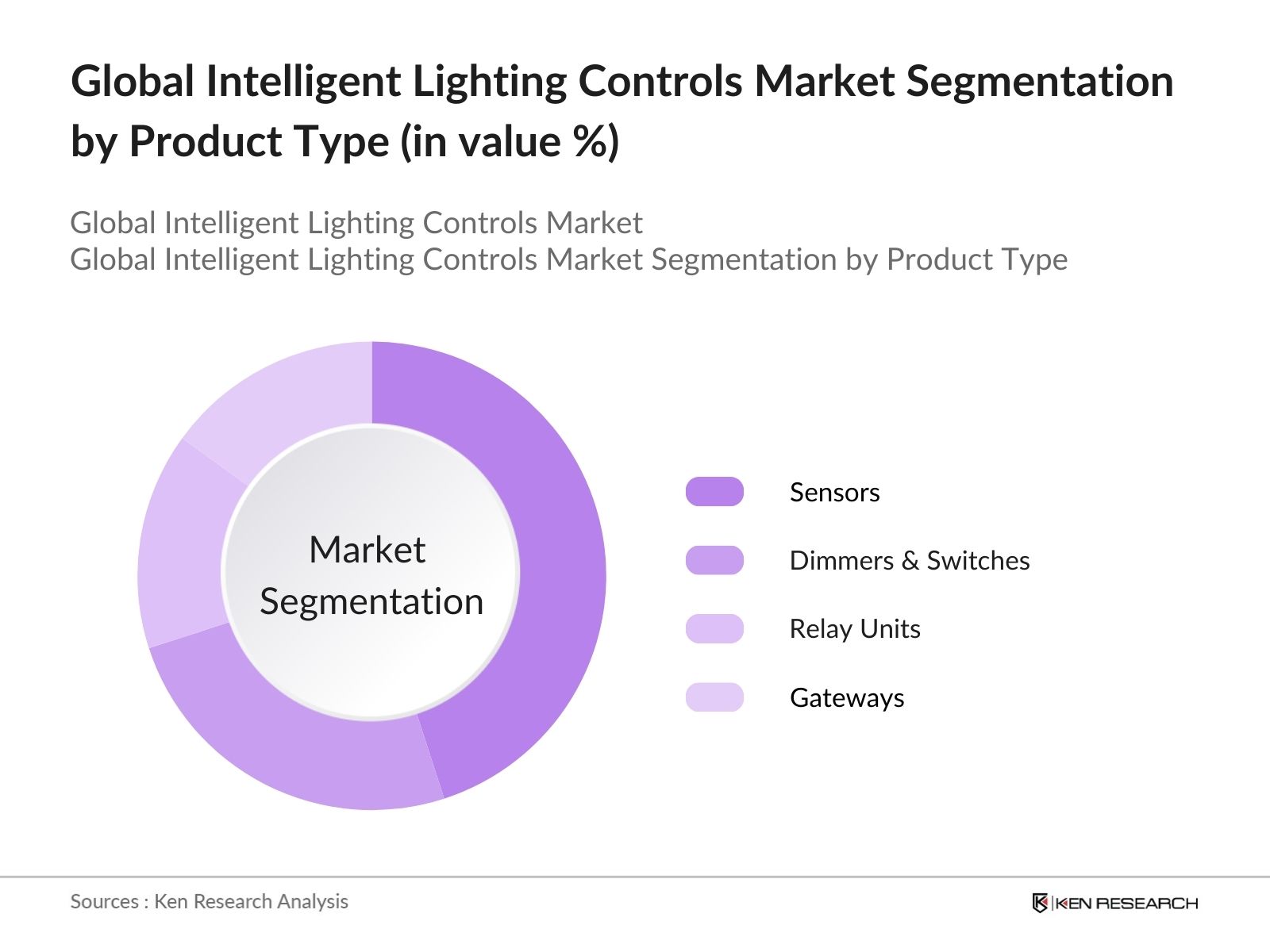
4.1. By Product Type (In Value %)
4.1.1. Sensors (Occupancy, Daylight Sensors)
4.1.2. Dimmers & Switches
4.1.3. Relay Units
4.1.4. Gateways (Wireless Communication Nodes)
4.2. By Communication Protocol (In Value %)
4.2.1. Wired (DALI, DMX512)
4.2.2. Wireless (Zigbee, Bluetooth, Wi-Fi)
4.2.3. Hybrid Systems
4.3. By Application (In Value %)
4.3.1. Residential
4.3.2. Commercial
4.3.3. Industrial
4.3.4. Public & Government Buildings
4.4. By End-user (In Value %)
4.4.1. Hospitals
4.4.2. Educational Institutions
4.4.3. Retail Spaces
4.4.4. Manufacturing Facilities
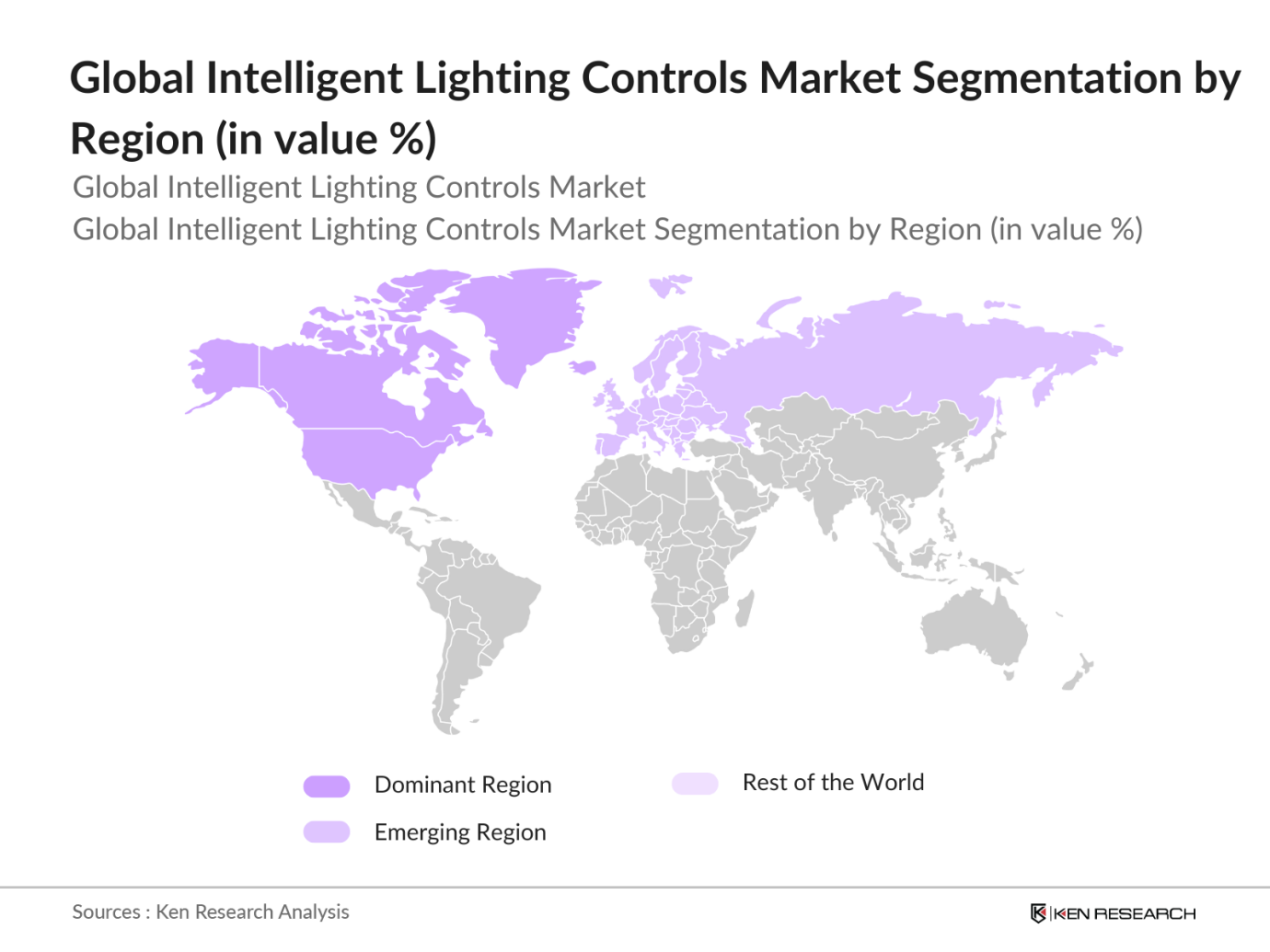
4.5. By Region (In Value %)
4.5.1. North America
4.5.2. Europe
4.5.3. Asia-Pacific
4.5.4. Middle East & Africa
4.5.5. Latin America
5.1. Detailed Profiles of Major Competitors
5.1.1. Signify N.V.
5.1.2. Acuity Brands, Inc.
5.1.3. Legrand S.A.
5.1.4. Lutron Electronics Co. Inc.
5.1.5. Honeywell International Inc.
5.1.6. Schneider Electric SE
5.1.7. Hubbell Incorporated
5.1.8. General Electric Company
5.1.9. Eaton Corporation
5.1.10. OSRAM GmbH
5.1.11. Cree, Inc.
5.1.12. Leviton Manufacturing Co., Inc.
5.1.13. Helvar
5.1.14. Zumtobel Group
5.1.15. Digital Lumens, Inc.
5.2. Cross Comparison Parameters (No. of Employees, Headquarters, Inception Year, Revenue, Product Portfolio, Recent Developments, Partnerships, Certifications)
5.3. Market Share Analysis
5.4. Strategic Initiatives (Partnerships, Expansions, Joint Ventures)
5.5. Mergers & Acquisitions
5.6. Investment Analysis
5.7 Government Grants
5.8. Private Equity Investments
6.1. Energy Efficiency Standards (Regulatory Compliance)
6.2. IoT Data Protection Regulations
6.3. Certification Processes (Energy Star, BREEAM, LEED)
7.1. Future Market Size Projections
7.2. Key Factors Driving Future Market Growth
8.1. By Product Type (In Value %)
8.2. By Communication Protocol (In Value %)
8.3. By Application (In Value %)
8.4. By End-user (In Value %)
8.5. By Region (In Value %)
9.1. TAM/SAM/SOM Analysis
9.2. Customer Cohort Analysis
9.3. Marketing Initiatives
9.4. White Space Opportunity Analysis
The first step involves mapping the key stakeholders in the intelligent lighting controls market. This includes major manufacturers, technology providers, and end-users. Secondary research from proprietary databases and government reports is conducted to identify the critical variables driving the market, such as energy efficiency regulations and IoT integration.
In this phase, historical data for the market is compiled and analyzed to estimate revenue generation and penetration of intelligent lighting systems across different regions. Service provider ratios and market demand are evaluated to generate reliable market statistics.
We conduct interviews with industry experts, such as product managers and engineers, using CATI methods. These experts validate our market hypotheses, providing insights on technological developments and customer preferences.
The final stage involves synthesizing all the gathered data through a bottom-up approach. Direct engagement with leading companies ensures that data accuracy is validated, providing a comprehensive overview of the markets performance.
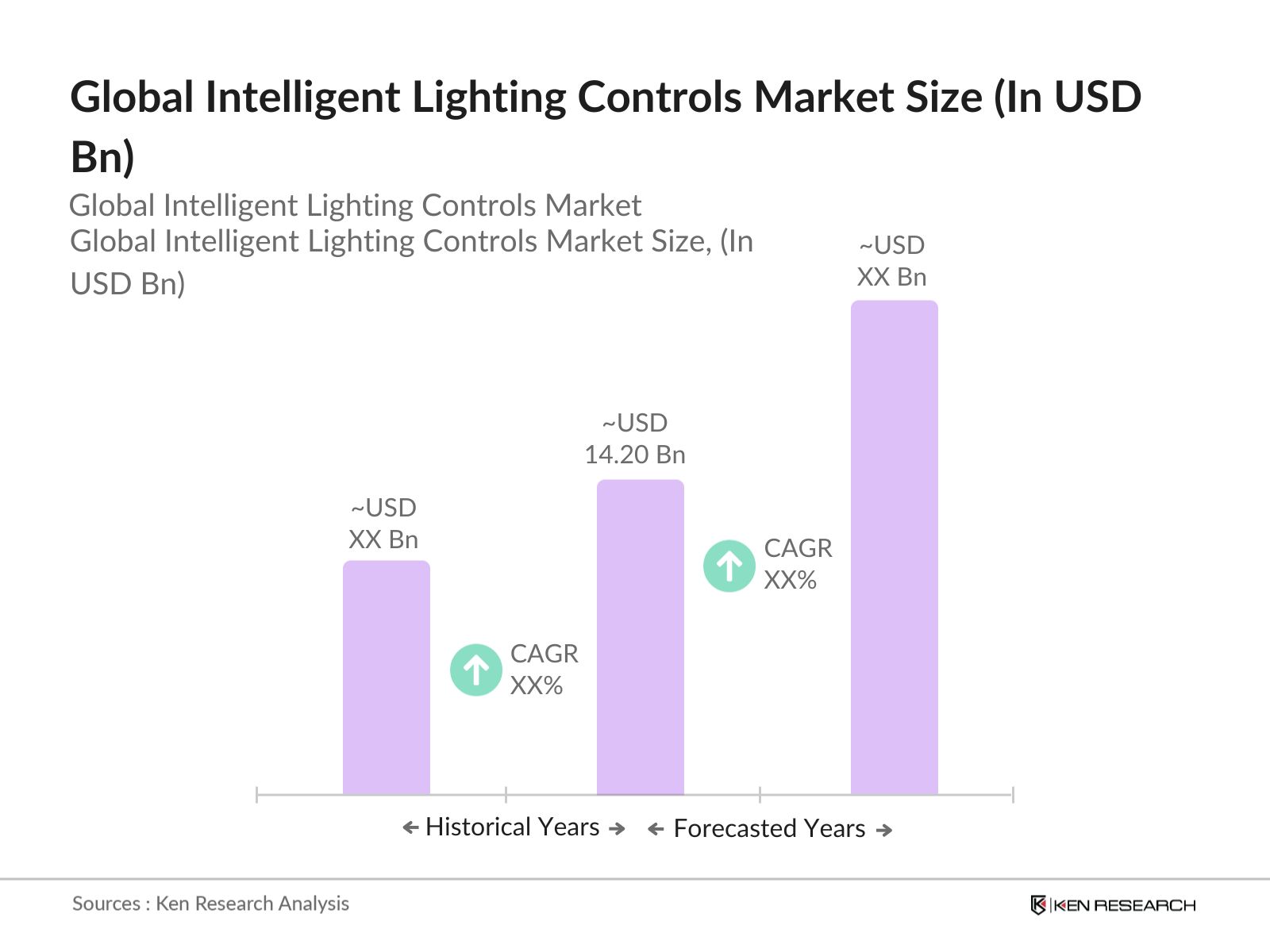
The global intelligent lighting controls market was valued at USD 14.20 billion, driven by the growing adoption of smart homes and the need for energy-efficient solutions in both residential and commercial sectors.
Challenges include high installation costs, integration issues with existing infrastructures, and concerns related to data privacy in IoT-based lighting control systems.
Key players include Signify N.V., Acuity Brands, Schneider Electric, Legrand S.A., and Honeywell International Inc., dominating the market due to their technological innovation and strategic partnerships.
Growth is driven by increasing government regulations on energy efficiency, the adoption of IoT and smart home devices, and the development of wireless lighting control systems.

What makes us stand out is that our consultants follows Robust, Refine and Result (RRR) methodology. i.e. Robust for clear definitions, approaches and sanity checking, Refine for differentiating respondents facts and opinions and Result for presenting data with story

We have set a benchmark in the industry by offering our clients with syndicated and customized market research reports featuring coverage of entire market as well as meticulous research and analyst insights.

While we don't replace traditional research, we flip the method upside down. Our dual approach of Top Bottom & Bottom Top ensures quality deliverable by not just verifying company fundamentals but also looking at the sector and macroeconomic factors.

With one step in the future, our research team constantly tries to show you the bigger picture. We help with some of the tough questions you may encounter along the way: How is the industry positioned? Best marketing channel? KPI's of competitors? By aligning every element, we help maximize success.

Our report gives you instant access to the answers and sources that other companies might choose to hide. We elaborate each steps of research methodology we have used and showcase you the sample size to earn your trust.

If you need any support, we are here! We pride ourselves on universe strength, data quality, and quick, friendly, and professional service.