CHAPTER 1 - MARKET SUMMARY
Market Overview
The Global Ozempic Market operates as a prescription-led pharmaceutical market in which Novo Nordisk records product revenue through wholesalers, pharmacy networks and institutional channels. Demand is anchored in diabetes management: 589 million adults aged 20-79 were living with diabetes in 2024, creating a substantial addressable population for effective glucose-lowering therapies with cardiovascular and renal benefits.
North America remains the principal commercial hub because of high prescription intensity, specialist access and comparatively high net revenue per treatment. The region accounted for an estimated 64.0% of 2025 Ozempic revenue. Novo Nordisk invested approximately USD 2 billion in United States manufacturing during 2025 and plans a further USD 5.6 billion through 2028 to expand fill-finish and packaging capacity.
Market Value
USD 19,227 million
2025
Dominant Region
North America
2025
Dominant Segment
Glycemic Control, with Chronic Kidney Disease Risk Reduction fastest growing
2025
Total Number of Players
10
Future Outlook
The Global Ozempic Market is projected to increase from USD 19,227 million in 2025 to USD 24,990 million by 2031. The forecast represents a 4.46% CAGR, substantially below the 42.76% historical CAGR recorded during 2020-2025. Growth will increasingly depend on treatment-volume expansion rather than price realization. Wider diagnosis of type 2 diabetes, the chronic kidney disease indication, improved supply availability and greater penetration in Asia Pacific and emerging markets will support volume. However, negotiated pricing, payer restrictions and competition from tirzepatide and next-generation incretin products will moderate revenue growth and reduce average revenue per patient-year.
Patient-year treatment equivalents are projected to rise from approximately 3.00 million in 2025 to 5.10 million in 2031, representing a 9.24% volume CAGR. The divergence between volume and value growth reflects an expected decline in average net revenue per patient-year from approximately USD 6,409 to USD 4,900. North America will remain the largest revenue pool, but Asia Pacific is expected to record the strongest regional expansion as diagnosis, specialist access and reimbursement coverage improve. Strategic priorities include protecting formulary position, expanding cardiorenal prescribing, securing authentic distribution and aligning manufacturing output with regional demand.
4.46%
Forecast CAGR
$24,990 Mn
2030 Projection
Base Year
2025
Historical Period
2020-2025
Forecast Period
2026-2031
Historical CAGR
42.76%
CHAPTER 2 - SCOPE OF REPORT
Scope of the Market
CHAPTER 3 - Key Stakeholders
Key Target Audience
Key stakeholders who can leverage from this market analysis for investment, strategy, and operational planning.
Investors
CAGR, lifecycle risk, pricing pressure, pipeline competition, margins
Corporates
prescription growth, manufacturing capacity, access, differentiation, portfolio strategy
Government
affordability, reimbursement, medicine safety, supply resilience, outcomes
Operators
cold chain, fill-finish, pharmacy access, adherence, availability
Financial institutions
revenue durability, patent exposure, capex, payer risk, demand
CHAPTER 4 - Market Size & Growth
Market Size, Growth Forecast and Trends
This section evaluates the historical market size, analyzes year-over-year growth dynamics, and presents forecast projections supported by market performance indicators and demand-side drivers. Historical values are anchored to reported global Ozempic sales and converted into USD using annual exchange-rate normalization. Forecast values combine treatment-volume, net-pricing, indication-expansion and competitive-pressure assumptions.
Historical & Projected Market Size ($ Million)
Year-over-Year Growth Rate (%)
Market Value vs Volume Growth (%)
Historical Market Performance (2020-2025)
Ozempic revenue expanded from USD 3,243 million in 2020 to USD 19,227 million in 2025. The strongest annual increase occurred in 2021, when modeled USD revenue grew 65.22%, while reported product sales reached DKK 33,705 million. Growth remained above 57% through 2023 before moderating to 25.36% in 2024 and 10.40% in 2025. The inflection reflected a larger revenue base, temporary supply constraints and increasing competition, while treatment volume continued expanding. Reported 2025 Ozempic sales were DKK 127,089 million.
Forecast Market Outlook (2026-2031)
The market is forecast to reach USD 24,990 million in 2031, representing a 4.46% CAGR from 2025. Treatment-equivalent volume is expected to grow faster than revenue as payer negotiations and competition reduce net pricing. The sharpest pricing adjustment is incorporated in 2027, when the United States Medicare maximum fair price becomes effective. Thereafter, international expansion, cardiorenal prescribing and manufacturing capacity additions support renewed revenue growth. The forecast assumes no abrupt global patent cliff before the terminal year, while recognizing increasing lifecycle-management pressure and substitution by competing incretin therapies.
CHAPTER 5 - Market Data
Market Breakdown
The Global Ozempic Market is shifting from a high-growth launch phase toward a mature, volume-led commercial model. Investors and healthcare executives should therefore track patient penetration, net revenue per treatment and payer-driven price realization alongside headline product revenue.
Year | Market Size (USD Mn) | YoY Growth (%) | Patient-Year Volume (Mn) | Average Net Revenue per Patient-Year (USD) | US Medicare MFP per Pen (USD) | Period |
|---|---|---|---|---|---|---|
| 2020 | $3,243 Mn | +- | 0.45 | 7,207 | Forecast | |
| 2021 | $5,358 Mn | +65.22% | 0.77 | 6,958 | Forecast | |
| 2022 | $8,439 Mn | +57.50% | 1.24 | 6,806 | Forecast | |
| 2023 | $13,893 Mn | +64.63% | 2.07 | 6,711 | Forecast | |
| 2024 | $17,416 Mn | +25.36% | 2.69 | 6,474 | Forecast | |
| 2025 | $19,227 Mn | +10.40% | 3.00 | 6,409 | Forecast | |
| 2026 | $20,646 Mn | +7.38% | 3.33 | 6,200 | Forecast | |
| 2027 | $21,090 Mn | +2.15% | 3.70 | 5,700 | Forecast | |
| 2028 | $22,275 Mn | +5.62% | 4.05 | 5,500 | Forecast | |
| 2029 | $23,267 Mn | +4.45% | 4.39 | 5,300 | Forecast | |
| 2030 | $24,225 Mn | +4.12% | 4.75 | 5,100 | Forecast | |
| 2031 | $24,990 Mn | +3.16% | 5.10 | 4,900 | Forecast |
Patient-Year Volume
3.00 million patient-years, 2025, global. Increasing treatment volume supports manufacturing utilization and distributor throughput even as pricing moderates. Ozempic sales reached DKK 127,089 million in 2025, increasing 10% at constant exchange rates.
Average Net Revenue per Patient-Year
USD 6,409, 2025, global. Declining net revenue per patient increases the strategic importance of production efficiency, formulary retention and international mix. Novo Nordisk reported an 81.0% group gross margin in 2025, down from 84.7% in 2024.
US Medicare Maximum Fair Price
USD 276.78 per pen, 2027, United States. The negotiated price represents approximately 71% savings from the referenced list price and creates a significant gross-to-net headwind in the largest national market.
CHAPTER 6 - Segmentation
Market Segmentation Framework
Comprehensive analysis across key dimensions providing insights into market structure, consumer preferences, and distribution patterns.
No of Segments
7
Dominant Segment
Product Type
Fastest Growing Segment
Disease Area
Product Type
Care Setting
End User
Disease Area
Channel
Technology
Geography
Key Segmentation Takeaways
Comprehensive analysis across all extracted segmentation dimensions providing insights into market structure, consumer preferences, and distribution patterns.
Product Type
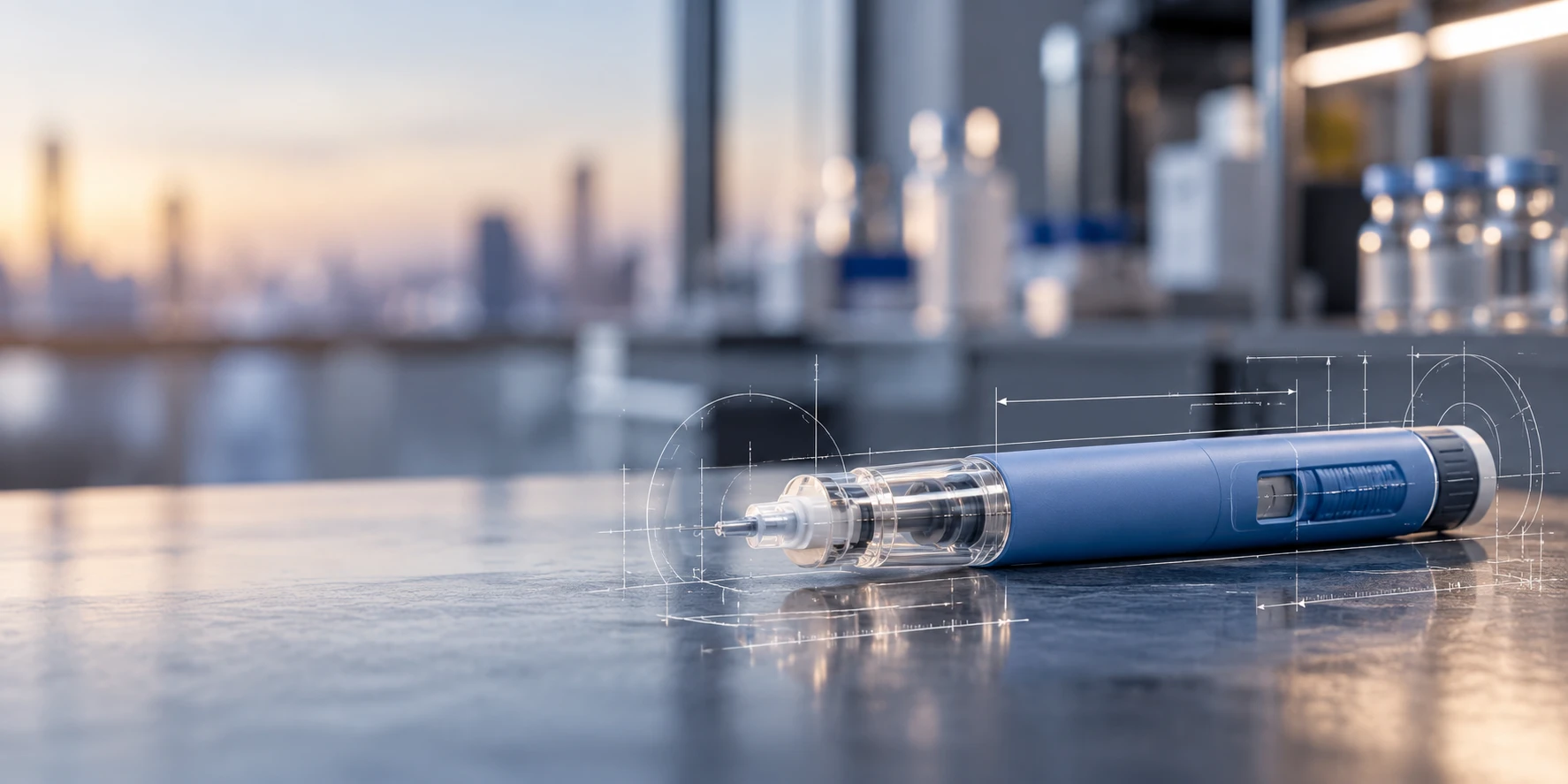
Ozempic injection pens constitute the dominant commercial format because the once-weekly regimen is established across major diabetes-treatment guidelines, reimbursement systems and pharmacy workflows. Maintenance-dose pens generate recurring prescription revenue, while starter regimens support patient acquisition. Tablet formulations broaden lifecycle options but require differentiated prescribing, adherence education and payer positioning.
Disease Area
Chronic kidney disease risk reduction is the fastest-growing disease-area opportunity following the expanded United States indication. Growth is supported by the high overlap between diabetes and kidney disease, specialist-led treatment pathways and measurable clinical outcomes. The segment creates opportunities for coordinated endocrinology, nephrology and cardiology engagement rather than glucose-control promotion alone.
CHAPTER 7 - Regional Analysis
Regional Analysis
North America remained the largest regional Ozempic revenue pool in 2025, supported by high GLP-1 prescription intensity, broad specialist access and comparatively high net pricing. Europe and Asia Pacific provide the principal diversification opportunities as reimbursement and diabetes-treatment capacity expand.
Regional Ranking
1st, North America
Regional Share vs Global (North America)
64.0%
Global CAGR (2026-2031)
4.46%
Regional Ranking
1st, North America
Regional Share vs Global (North America)
64.0%
Global CAGR (2026-2031)
4.46%
Regional Analysis (Current Year)
Regional Analysis Comparison
| Metric | North America | Europe | Asia Pacific | Latin America | Middle East and Africa |
|---|---|---|---|---|---|
| Market Size (USD Mn, 2025) | 12,305 | 3,268 | 2,115 | 962 | 577 |
| CAGR (%) | 3.7% | 5.8% | 8.9% | 7.6% | 8.2% |
| Adults with Diabetes (Mn, 2024) | 54 | 66 | 240 | 36 | 40 |
| Access and Payer Structure (2025) | Broad commercial access with Medicare price intervention | National HTA, reimbursement and prescribing controls | Mixed reimbursement, self-pay and hospital access | Private insurance and selective public procurement | Concentrated private channels and public tenders |
Market Position
North America ranked first with an estimated USD 12,305 million market in 2025, supported by the United States prescription base and manufacturing investment of USD 2 billion during the year.
Growth Advantage
Asia Pacific is projected to grow at 8.9%, compared with 5.8% in Europe and 3.7% in North America, reflecting a larger underpenetrated diabetes population and improving specialist access.
Competitive Strengths
North America combines high treatment spending, established GLP-1 prescribing and expanded supply capacity, while FDA resolution of the semaglutide shortage in February 2025 improved prescription fulfillment reliability.
CHAPTER 8 - INDUSTRY ANALYSIS
Growth Drivers, Challenges & Opportunities
Comprehensive analysis of key factors shaping the Global Ozempic Market, including growth catalysts, operational challenges, and emerging opportunities across production, distribution, and consumer segments.
Growth Drivers
Expanding Global Diabetes Treatment Pool
- The global diabetes population is projected to reach 853 million adults (2050, global), supporting sustained demand for therapies that combine glucose control with cardiovascular and renal benefits.
- Type 2 diabetes represents approximately 90%-95% of diagnosed diabetes cases (2026, United States), concentrating commercial opportunity in the population covered by Ozempic's core indication.
- Diabetes was associated with 3.4 million deaths (2024, global), strengthening payer and provider incentives to prioritize medicines with demonstrated outcomes beyond glycemic control.
Expansion into Cardiorenal Treatment Pathways
- Approximately 41% of United States adults with type 2 diabetes have CKD (2026, United States), creating a substantial overlap between endocrinology and nephrology treatment populations.
- The FDA added a CKD-related indication during 2025 (United States), enabling promotion around kidney-disease progression, kidney failure and cardiovascular death rather than glucose control alone.
- Diabetes contributes approximately 44% of new end-stage renal disease cases (2024 evidence, United States), increasing the economic relevance of therapies that delay costly renal deterioration.
Manufacturing Capacity and Supply Normalization
- A further USD 5.6 billion is planned through 2028 (United States) for new lines, fill-finish capacity, packaging and site expansion, reducing lost prescriptions caused by supply limitations.
- Novo Nordisk expects approximately DKK 55 billion of capital expenditure (2026, global), maintaining capacity investment across active ingredients, aseptic production and finished-product processes.
- FDA declared the semaglutide injection shortage resolved on 21 February 2025 (United States), improving channel confidence and supporting conversion from compounded alternatives to approved products.
Market Challenges
Payer Negotiation and Net Price Compression
- The Ozempic maximum fair price is USD 276.78 per pen (2027, United States), requiring higher treatment volume to offset lower revenue per reimbursed prescription.
- The negotiated prices become effective on 1 January 2027 (United States), creating a visible revenue inflection for manufacturers, wholesalers and plans serving Medicare beneficiaries.
- Ozempic revenue increased only 6% in reported DKK terms (2025, global), showing that the market has already moved beyond the extreme growth rates recorded during earlier launch years.
Intensifying Incretin Competition
- Mounjaro revenue increased 99% during 2025 (global), demonstrating rapid conversion toward tirzepatide and raising the cost of protecting Ozempic formulary position.
- International Mounjaro revenue reached USD 3.3 billion in Q4 2025 (outside United States), indicating that competitive pressure is expanding beyond the United States.
- Ozempic's forecast value CAGR is limited to 4.46% during 2025-2031 (global), despite projected treatment-volume growth above 9%, reflecting competitive and pricing dilution.
Counterfeit, Compounding and Channel Integrity Risk
- Falsified products were detected in Brazil, the United Kingdom and the United States (2023), increasing authentication, pharmacovigilance and distributor-audit requirements.
- WHO has observed increased reports of falsified semaglutide products since 2022 (global), showing that demand can create illicit supply channels when authentic availability or affordability is inadequate.
- FDA proposed excluding semaglutide from the 503B bulks list in April 2026 (United States), which could reduce mass compounding but also increase scrutiny of prescription and fulfillment models.
Market Opportunities
Penetration of Under-Served International Markets
- Asia Pacific Ozempic revenue is projected to grow at 8.9% CAGR during 2025-2031, creating monetizable opportunities through national reimbursement, private insurance and specialist distribution.
- Africa's diabetes population is projected to increase by 142% to 60 million adults by 2050, creating long-duration demand for affordable GLP-1 access and localized supply models.
- International expansion requires lower net pricing, reliable cold-chain infrastructure and market-specific physician education because the projected global average revenue per patient-year falls to USD 4,900 by 2031.
Digital Prescribing and Direct Patient Access
- Digital pharmacy and telehealth channels can lower patient-acquisition friction by combining clinical screening, prescription management and fulfillment within one pathway, supporting forecast treatment volume of 5.10 million patient-years by 2031.
- Integrated access models benefit manufacturers, licensed pharmacies and telehealth providers by shifting demand away from unauthenticated compounded products and into trackable, regulated channels after the 2025 shortage resolution.
- To capture the opportunity, operators must implement prescription verification, adverse-event reporting and temperature-controlled fulfillment because WHO identified falsified product activity across three regulated national markets in 2023.
Cardiorenal Care Pathway Integration
- The monetizable angle is expansion from glucose-control prescriptions into longer-duration cardiorenal management, supported by a 24% reduction in kidney-disease outcomes in FLOW.
- Endocrinology practices, nephrology clinics, payers and hospital systems benefit where delayed kidney deterioration reduces high-cost dialysis and hospitalization exposure linked to the 44% diabetes share of new ESRD cases.
- Realization requires integrated testing, referral and reimbursement protocols because approximately 87% of United States adults with CKD are unaware of the condition (2026).
CHAPTER 9 - Competitive Landscape
Competitive Landscape Overview
The market combines single-brand ownership with intense molecule-level competition. Manufacturing scale, clinical outcomes, payer access, supply reliability and net price realization are the principal barriers to successful participation.
Market Share Distribution
Top 5 Players
Market Dynamics
8 new entrants in the past 5 years, indicating strong market attractiveness and growth potential.
Company Name | Market Share | Headquarters | Founding Year | Core Market Focus |
|---|---|---|---|---|
Novo Nordisk A/S | 100% of branded Ozempic revenue | Bagsvaerd, Denmark | 1923 | Semaglutide diabetes, obesity and cardiorenal therapies |
Eli Lilly and Company | - | Indianapolis, United States | 1876 | Tirzepatide and next-generation incretin therapies |
AstraZeneca plc | - | Cambridge, United Kingdom | 1999 | Diabetes, cardiovascular and renal medicines |
Sanofi S.A. | - | Paris, France | 1973 | Diabetes medicines and injectable treatment platforms |
Boehringer Ingelheim International GmbH | - | Ingelheim am Rhein, Germany | 1885 | Cardiometabolic, diabetes and chronic kidney disease therapies |
Pfizer Inc. | - | New York, United States | 1849 | Oral metabolic and obesity-treatment pipeline |
Amgen Inc. | - | Thousand Oaks, United States | 1980 | Long-acting obesity and metabolic therapies |
Roche Holding AG | - | Basel, Switzerland | 1896 | Incretin and cardiometabolic pipeline development |
Zealand Pharma A/S | - | Soborg, Denmark | 1998 | Peptide-based obesity and metabolic medicines |
Viking Therapeutics, Inc. | - | San Diego, United States | 2012 | Oral and injectable metabolic-disease candidates |
Cross Comparison Parameters
The report provides detailed cross-comparison of key players across 10 performance parameters to identify competitive strengths and weaknesses.
GLP-1 Prescription Volume
Dose Availability Rate
Product Revenue Growth
Gross-to-Net Price Realization
Analysis Covered
Market Share Analysis:
Compares prescription value, volume and therapeutic positioning across leading competitors
Cross Comparison Matrix:
Benchmarks access, supply, clinical breadth and financial performance indicators
SWOT Analysis:
Evaluates company-specific capabilities, pipeline exposure, risks and strategic gaps
Pricing Strategy Analysis:
Assesses list prices, rebates, reimbursement and patient-access economics globally
Company Profiles:
Reviews portfolios, market focus, headquarters and competitive development priorities
CHAPTER 10 - REPORT TOC
Table of Contents
Market Assessment Phase
Supply-side and competitive intelligence covering market sizing, segmentation, competitive dynamics, regulatory landscape, and future forecasts.
Go-To-Market Strategy Phase
15 chapters
Entry strategy evaluation, execution roadmap, partner recommendations, and profitability outlook.
Survey Phase
8 chapters
Demand-side primary research conducted through structured interviews and online surveys with end users across priority metros and Tier 2/3 cities to capture consumption behavior, unmet needs, and purchase drivers.
Complete Report Coverage
201+ detailed sections covering every aspect of the market
143
Assessment Sections
58
Strategy Sections
CHAPTER 11 - Our Approach
Research Methodology
Desk Research
- Reviewed audited Ozempic product sales
- Mapped diabetes and CKD prevalence
- Assessed regulatory indication expansions globally
- Tracked payer pricing and reimbursement
Primary Research
- Interviewed endocrinologists and diabetologists
- Consulted nephrology department heads
- Engaged pharmacy procurement directors
- Interviewed pharmaceutical market-access executives
Validation and Triangulation
- Validated findings across 280 respondents
- Reconciled reported sales and prescriptions
- Cross-checked pricing against patient volume
- Tested regional access and reimbursement
CHAPTER 12 - FAQ
FAQs
Still have questions?
Our research team is here to help you find the right solution
CHAPTER 13 - Related Research
Explore Related Reports
Expand your market intelligence with complementary research across regions and adjacent markets.
Regional/Country ReportsRelated market analysis across key regions
Related market analysis across key regions
- UAE Ozempic Market
- KSA Ozempic Market
- Indonesia Ozempic Market
- Vietnam Ozempic Market
- Thailand Ozempic Market
Adjacent ReportsRelated markets and complementary research
Related markets and complementary research
- Global Africa Diabetes Care Devices Market Report Size Share Growth Drivers Trends Opportunities & Forecast 2025–2030
- Philippines Chronic Kidney Disease Treatment Market
- Malaysia Cardiovascular Treatment Market
- Saudi Arabia Pharmaceutical Distribution Market Size, Share, Growth Drivers, Trends, Opportunities & Forecast 2025–2030
- South Korea Incretin-based Therapies Market
500+
Market Research Reports
50+
Countries Covered
15+
Industry Verticals