MEA Enteral Feeding Devices Market Analysis to 2030: Trends, Growth, and Insights

Region:Middle East

Author(s):Shubham Kashyap

Product Code:KROD2937

Published On

November 2024

Total pages

96

About the Report

Middle East and Africa Enteral Feeding Devices Market Overview

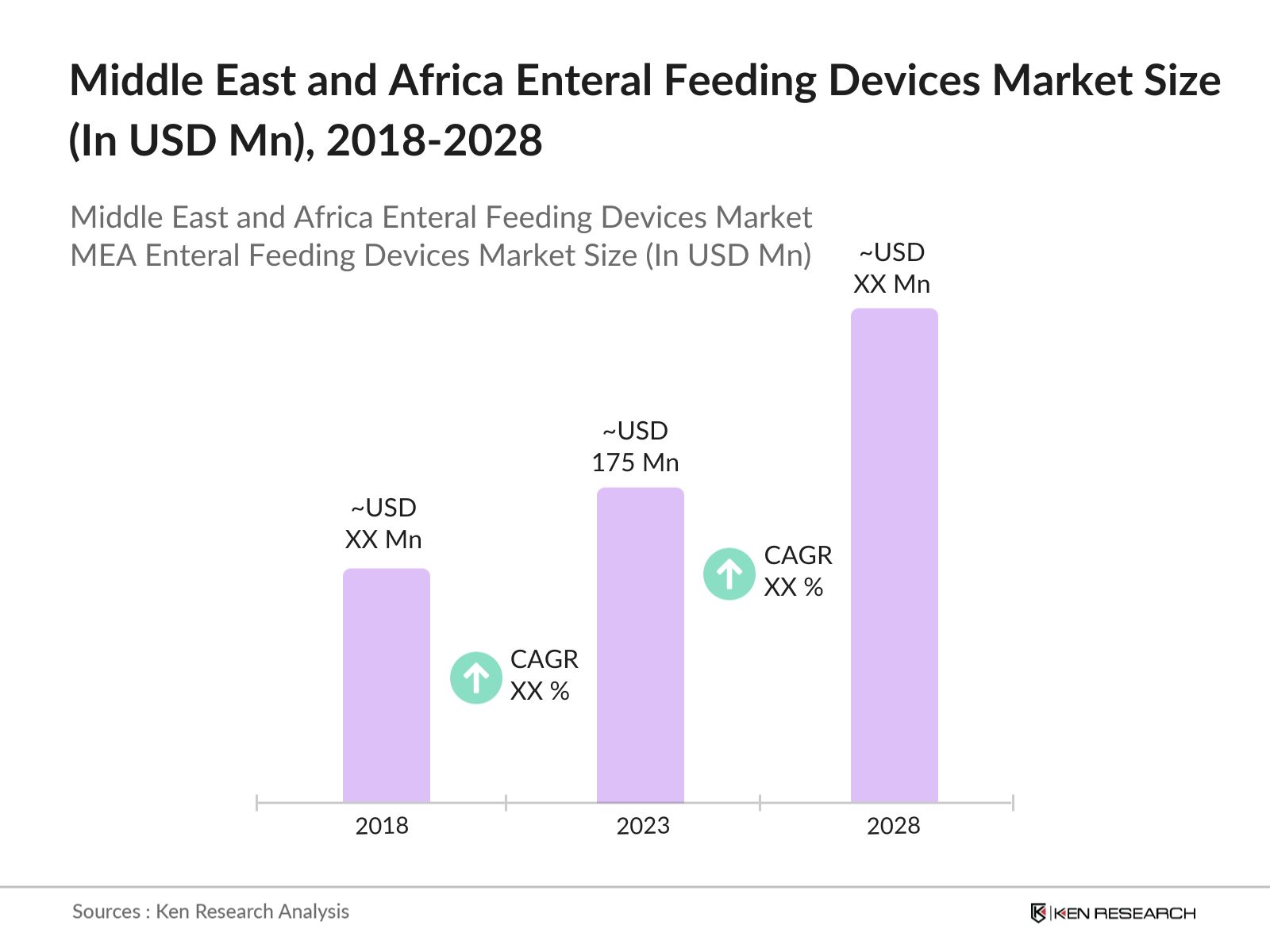
  • The Middle East and Africa Enteral Feeding Devices Market was valued at USD 175 billion in 2023, driven by the increasing prevalence of chronic diseases, an aging population, and the rising need for advanced healthcare infrastructure. The market is experiencing steady growth due to the expanding demand for enteral feeding in home care settings, hospitals, and long-term care facilities.
  • Key players in the Middle East and Africa Enteral Feeding Devices Market include Abbott Laboratories, Fresenius Kabi, Nestl Health Science, B. Braun Melsungen AG, and Danone. These companies are leading innovations in enteral feeding technologies, focusing on enhancing patient safety, device compatibility, and ease of use.
  • The UAE and South Africa are the leading countries in the market within the region, with substantial investments in healthcare infrastructure and a growing focus on home healthcare solutions. Their strategic initiatives to improve patient care and outcomes contribute to market growth.
  • In June 2024, Nestl Health Science agreed to acquire the global rights to Vowst, the first FDA-approved oral microbiota-based therapeutic to prevent recurrent Clostridioides difficile infection in adults, from Seres Therapeutics. This USD 175M deal gives Nestl full control over Vowst's development, manufacturing, and distribution worldwide, strengthening its gastrointestinal health portfolio.

Middle East and Africa Enteral Feeding Devices Market

Middle East and Africa Enteral Feeding Devices Market Segmentation

The Middle East and Africa Enteral Feeding Devices Market can be segmented based on product type, end-user, and region:
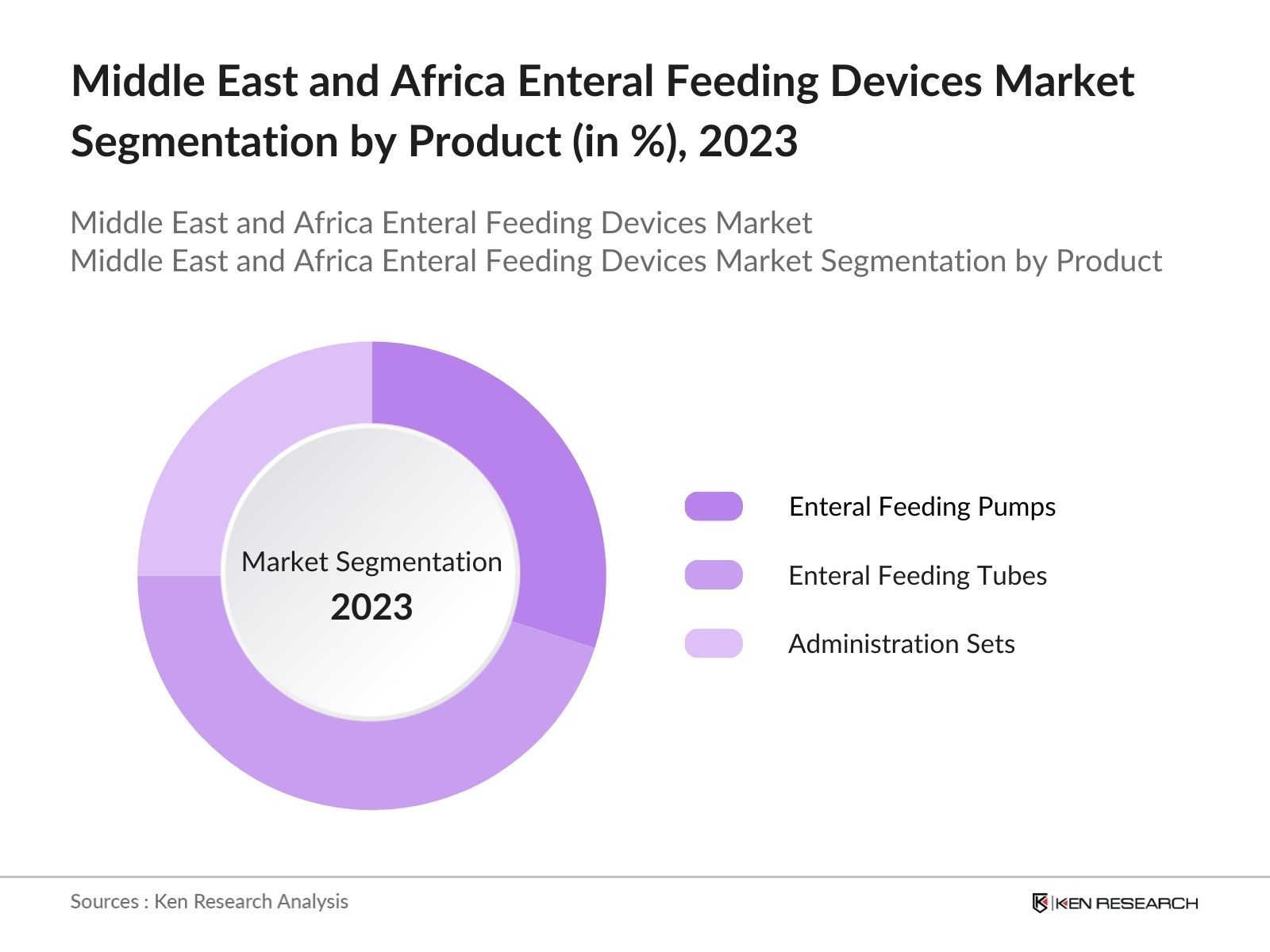
  • By Product: The market is segmented into enteral feeding pumps, enteral feeding tubes, administration sets. In 2023, enteral feeding tubes held the dominant market share, driven by their widespread use in hospital settings and long-term care facilities. The demand for different types of feeding tubes, such as nasogastric and gastrostomy tubes, has increased due to their necessity in delivering nutrition to patients with compromised feeding capabilities.

Middle East and Africa Enteral Feeding Devices Market Segmentation

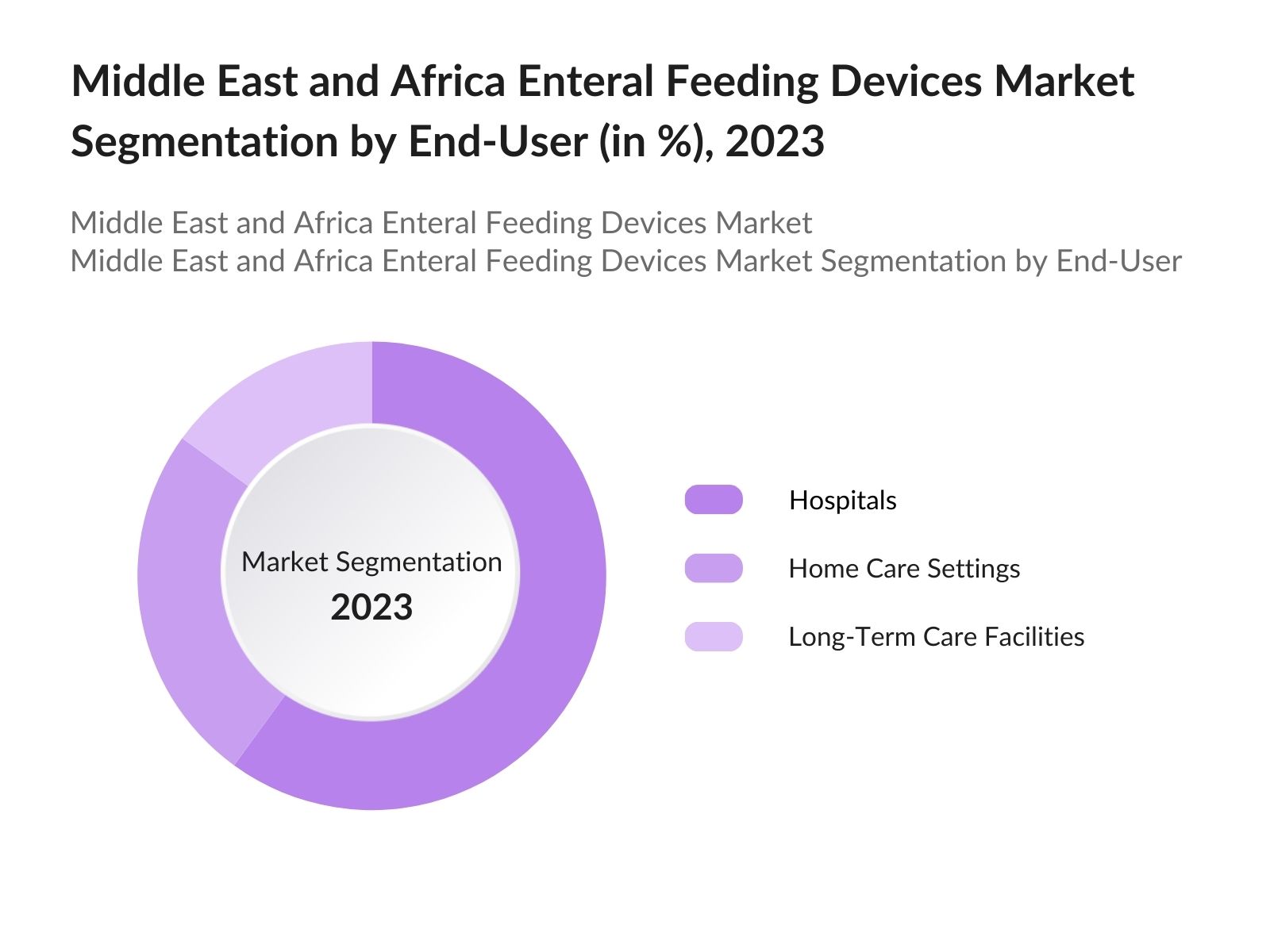
  • By End-user: By end-user, the market is segmented into hospitals, home care settings, and long-term care facilities. In 2023, hospitals held the largest market share in the Middle East and Africa under the segmentation by end-user. Hospitals are the primary end-users of enteral feeding devices, driven by the high incidence of chronic diseases and the increasing number of surgical procedures requiring nutritional support.

Middle East and Africa Enteral Feeding Devices Market Segmentation

  • By Region: The market is segmented into UAE, South Africa, Saudi Arabia, Egypt, and Nigeria. The UAE and South Africa dominated the market in 2023, driven by robust healthcare infrastructure and significant investments in healthcare technology. Additionally, government initiatives in both countries to enhance patient care standards have further accelerated the adoption of enteral feeding devices.

Middle East and Africa Enteral Feeding Devices Market Competitive Landscape

Company

Establishment Year

Headquarters

Abbott Laboratories

1888

Chicago, USA

Fresenius Kabi

1912

Bad Homburg, Germany

Nestl Health Science

2011

Lausanne, Switzerland

B. Braun Melsungen AG

1839

Melsungen, Germany

Danone

1919

Paris, France

  • Abbott Laboratories: In 2023, Abbott Laboratories announced the launch of a new range of enteral feeding solutions, tailored to meet the specific nutritional needs of critically ill patients. This expansion in their product portfolio aims to enhance patient care and cater to the growing demand for enteral nutrition in hospitals and home care settings across the Middle East and Africa.
  • B. Braun Melsungen AG: In September 2021, B. Braun completed the acquisition of Sterinova Inc., obtaining full ownership of the company, which specializes in developing and manufacturing ready-to-use sterile injectable products. Sterinova continues to operate as a distinct subsidiary.

Middle East and Africa Enteral Feeding Devices Market Industry Analysis

Growth Drivers:

  • Rising Prevalence of Chronic Diseases: The increasing prevalence of chronic diseases, such as cancer, diabetes, and neurological disorders, in the Middle East and Africa is a noteworthy growth driver. The Middle East and North Africa region has one of the highest prevalence rates of diabetes globally. In 2019, the age-standardized incidence rate of type 2 diabetes mellitus (T2DM) increased by 79.6% compared to 1990, while the age-standardized prevalence rate increased by 85.5% Patients with these conditions often require enteral feeding due to difficulties in swallowing or impaired digestion, boosting the demand for enteral feeding devices.

  • Expansion of Home Healthcare Services: The demand for home healthcare services is on the rise in the Middle East and Africa, driven by the growing elderly population and a shift towards cost-effective healthcare solutions. In 2023, the National Center for Privatization & PPP and the Ministry of Health Saudi Arabia collaborated to launch the Expressions of Interest (EOI) for home healthcare, long-term care, and medical rehabilitation projects in the Eastern Region and Riyadh. This trend has resulted in increased adoption of enteral feeding devices designed for home use, contributing substantially to market growth.
  • Aging Population and Rising Healthcare Needs: The region's ageing population is another critical driver of the enteral feeding devices market. In 2023, the percentage of the population over the age of 65 in the MENA region was estimated at 4.7% of a total population of 336 million which is anticipated to increase in the coming years. This demographic shift has resulted in a higher incidence of age-related conditions such as dysphagia, necessitating the use of enteral feeding devices for nutritional support.

Challenges:

  • Regulatory Challenges and Reimbursement Issues: Regulatory challenges and varying reimbursement policies across different countries in the Middle East and Africa are substantial hurdles for market growth. These challenges can affect market access, delay product launches, and increase compliance costs for manufacturers. In 2024, South Africa imposed stricter regulations on the certification of medical devices, extending approval times by an average of six months.

  • High Cost of Enteral Feeding Devices: The high cost of enteral feeding devices, particularly advanced models with smart features, poses a challenge for widespread adoption, especially in low-income regions. Cost constraints can limit market growth and reduce access to essential nutrition support for patients. In many areas, the expense of these devices makes them unaffordable for numerous healthcare providers and patients, further exacerbating disparities in healthcare access.

Government Initiatives:

  • UAE's Healthcare Vision 2030: The UAE governments Vision 2030 focuses on advancing healthcare infrastructure and promoting innovation in medical devices, including enteral feeding devices. The strategy includes regulatory reforms, investment in healthcare technology, and partnerships with leading global companies to enhance patient care standards. The governments push for modernizing healthcare facilities is expected to boost the market for enteral feeding devices.

  • South Africas National Health Insurance (NHI) Scheme: South Africa's NHI scheme aims to provide universal health coverage and improve access to essential healthcare services, including enteral nutrition support for patients. The initiative targets underserved areas, particularly in the Eastern Cape and Limpopo provinces, where malnutrition rates are high. This initiative is expected to drive demand for enteral feeding devices and improve market access for manufacturers.

Middle East and Africa Enteral Feeding Devices Market Future Market Outlook

The Middle East and Africa Enteral Feeding Devices Market is expected to witness steady growth during the forecast period of 2023-2028, driven by the increasing prevalence of chronic diseases, advancements in enteral feeding technologies, and supportive government policies.

Future Market Trends:

  • Smart Enteral Feeding Pumps: By 2028, the market is expected to witness a substantial shift towards smart enteral feeding pumps with advanced features, such as automated flow rate adjustments, real-time monitoring, and remote patient management capabilities. These innovations aim to improve patient safety and enhance treatment outcomes in both hospital and home care settings.

  • Expansion of Enteral Feeding Devices in Home Healthcare: The trend towards home healthcare is expected to continue over the next five years, with increasing adoption of enteral feeding devices designed for home use. This expansion will be supported by growing awareness about the benefits of enteral nutrition and supportive government policies promoting home healthcare solutions.

Scope of the Report

By Product

Enteral Feeding Pumps

Enteral Feeding Tubes

Administration Sets

By Age Group

Adults

Pediatrics

By End-User

Hospitals

Home Care Settings

Long-term Care Facilities

By Application

Oncology

Gastroenterology

Neurology

Diabetes

Others

By Region

UAE

South Africa

Saudi Arabia

Egypt

Nigeria

Products

Key Target Audience

  • Pharmaceutical Companies
  • Manufacturers of Medical Devices
  • Hospitals and Healthcare Facilities
  • Home Care Providers
  • Insurance Companies
  • Government and Regulatory Bodies (UAE Ministry of Health, South Africa Department of Health)
  • Investors and Venture Capitalists
  • Banks and Financial Institutions
  • Healthcare Professionals and Dietitians

Time Period Captured in the Report


  • Historical Period: 2018-2023
  • Base Year: 2023
  • Forecast Period: 2023-2028

Companies

Key Players Mentioned in the Report

  • Abbott Laboratories

  • Fresenius Kabi

  • Nestl Health Science

  • B. Braun Melsungen AG

  • Danone

  • Cardinal Health

  • Boston Scientific Corporation

  • ConMed Corporation

  • Cook Medical

  • Vygon SA

  • Medtronic

  • Halyard Health

  • Moog Inc.

  • Alcor Scientific

  • Applied Medical Technology Inc.

Table of Contents

01. Middle East and Africa Enteral Feeding Devices Market Overview

1.1. Definition and Scope

1.2. Market Taxonomy

1.3. Market Valuation and Historical Performance

1.4. Key Market Trends and Developments

1.5. Market Segmentation Overview

02. Middle East and Africa Enteral Feeding Devices Market Size (in USD Bn), 2018-2023

2.1. Historical Market Size

2.2. Year-on-Year Growth Analysis

2.3. Key Market Developments and Milestones

03. Middle East and Africa Enteral Feeding Devices Market Analysis

3.1. Growth Drivers

3.2. Challenges

3.3. Opportunities

3.4. Trends

3.5. Government Initiatives

3.6. SWOT Analysis

3.7. Stakeholder Ecosystem

3.8. Competition Ecosystem

04. Middle East and Africa Enteral Feeding Devices Market Segmentation, 2023

4.1. By Product Type (in Value %)

Enteral Feeding Pumps

Enteral Feeding Tubes

Administration Sets

Accessories

4.2. By Age Group (in Value %)

Adults

Pediatrics

4.3. By End-User (in Value %)

Hospitals

Home Care Settings

Long-Term Care Facilities

4.4. By Application (in Value %)

Oncology

Gastroenterology

Neurology

Diabetes

Others

4.5. By Region (in Value %)

North

South

East

West

05. Middle East and Africa Enteral Feeding Devices Market Competitive Landscape

5.1. Detailed Profiles of Major Companies

5.2. Cross Comparison Parameters (No. of Employees, Headquarters, Inception Year, Revenue)

06. Middle East and Africa Enteral Feeding Devices Market Competitive Landscape Analysis

6.1. Market Share Analysis

6.2. Strategic Initiatives

6.3. Mergers and Acquisitions

6.4. Investment Analysis

07. Middle East and Africa Enteral Feeding Devices Market Regulatory Framework

7.1. UAE Healthcare Regulation Updates

7.2. South Africa NHI Scheme

7.3. Compliance Requirements and Certification Processes

08. Middle East and Africa Enteral Feeding Devices Market Future Outlook (in USD Bn), 2023-2028

8.1. Future Market Size Projections

8.2. Key Factors Driving Future Market Growth

8.3. Future Market Segmentation

09. Middle East and Africa Enteral Feeding Devices Future Market Segmentation, 2028

9.1. By Product Type (in Value %)

9.2. By Age Group (in Value %)

9.3. By End-User (in Value %)

9.4. By Application (in Value %)

9.5. By Region (in Value %)

10. Middle East and Africa Enteral Feeding Devices Market Analysts’ Recommendations


10.1. TAM/SAM/SOM Analysis

10.2. Customer Cohort Analysis

10.3. Marketing Initiatives

10.4. White Space Opportunity Analysis

11. Disclaimer

12. Contact Us

Research Methodology

01. Identifying Key Variables:

Ecosystem creation for all the major entities and referring to multiple secondary and proprietary databases to perform desk research around the market to collate industry-level information.

02. Market Building:

Collating statistics on the Middle East and Africa enteral feeding devices market over the years, penetration of healthcare facilities and service providers ratio to compute revenue generated for the market.

03. Validating and Finalizing:

Building market hypotheses and conducting CATIs with industry experts from different companies to validate statistics and seek operational and financial information from company representatives.

04. Research Output:

Our team will approach multiple essential enteral feeding device companies and understand the nature of product segments, sales, consumer preference, and other parameters to validate statistics derived through a bottom-to-top approach.

Frequently Asked Questions

01. How big is the Middle East and Africa Enteral Feeding Devices Market?

The Middle East and Africa Enteral Feeding Devices Market was valued at USD 175 billion in 2023, driven by the increasing prevalence of chronic diseases, advancements in healthcare infrastructure, and the expansion of home healthcare services.

02. What are the challenges in the Middle East and Africa Enteral Feeding Devices Market?

Challenges in the Middle East and Africa enteral feeding devices market include regulatory hurdles across different countries, high device costs, and limited healthcare infrastructure in some regions, which can restrict market growth.

03. Who are the major players in the Middle East and Africa Enteral Feeding Devices Market?

Key players in the Middle East and Africa enteral feeding devices market include Abbott Laboratories, Fresenius Kabi, Nestl Health Science, B. Braun Melsungen AG, and Danone, among others. These companies lead the market due to their technological advancements and strategic partnerships in the region.

04. What are the growth drivers of the Middle East and Africa Enteral Feeding Devices Market?

The Middle East and Africa enteral feeding devices market is driven by the rising prevalence of chronic diseases, technological advancements in enteral feeding devices, and the expansion of home healthcare services across the region.

Why Buy From Us?

RRR
Refine Robust Result (RRR) Framework

What makes us stand out is that our consultants follows Robust, Refine and Result (RRR) methodology. i.e. Robust for clear definitions, approaches and sanity checking, Refine for differentiating respondents facts and opinions and Result for presenting data with story

Our Reach Is Unmatched

We have set a benchmark in the industry by offering our clients with syndicated and customized market research reports featuring coverage of entire market as well as meticulous research and analyst insights.

Research
Shifting the Research Paradigm

While we don't replace traditional research, we flip the method upside down. Our dual approach of Top Bottom & Bottom Top ensures quality deliverable by not just verifying company fundamentals but also looking at the sector and macroeconomic factors.

Insite
More Insights-Better Decisions

With one step in the future, our research team constantly tries to show you the bigger picture. We help with some of the tough questions you may encounter along the way: How is the industry positioned? Best marketing channel? KPI's of competitors? By aligning every element, we help maximize success.

Trust
Transparency and Trust

Our report gives you instant access to the answers and sources that other companies might choose to hide. We elaborate each steps of research methodology we have used and showcase you the sample size to earn your trust.

support
Round the Clock Support

If you need any support, we are here! We pride ourselves on universe strength, data quality, and quick, friendly, and professional service.

Why Client Choose Us?

400000+ Reports in repository
150+ Consulting project a year
100+ Analysts
8000+ Client Queries in 2022