
USA Apiculture Market Outlook to 2030
Region:North America
Author(s):Vijay Kumar
Product Code:KROD7894
November 2024
84
About the Report
USA Apiculture Market Overview
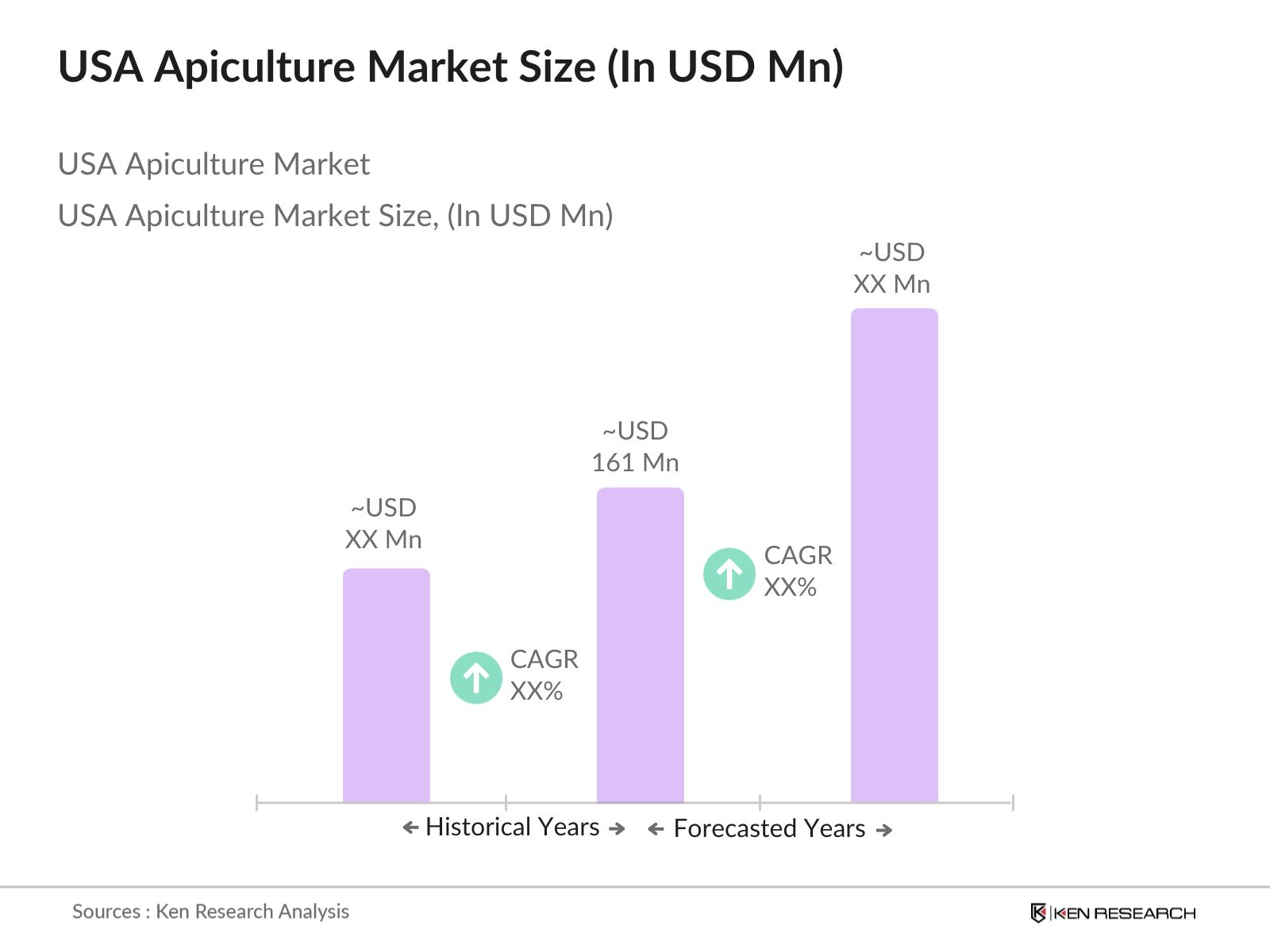
- The USA Apiculture market is valued at USD 161 million, based on a five-year historical analysis. This market is primarily driven by the increasing demand for natural honey and bee-derived products, such as beeswax and propolis, in industries like food and beverages, cosmetics, and pharmaceuticals. The rising awareness of the ecological importance of honeybees, particularly their role in pollination, has also contributed to market growth, as agriculture heavily relies on pollination services for crop production. Additionally, government support and advancements in beekeeping technologies are further accelerating market expansion.
- In the USA Apiculture market, states like California and Florida lead due to favorable climates, extensive agricultural activities requiring pollination services, and established infrastructures for large-scale beekeeping operations. California, for instance, benefits from its extensive almond industry, which relies heavily on commercial bee colonies for pollination. Florida's market is driven by its citrus groves and year-round beekeeping potential. These regions dominate due to their symbiotic relationship between agriculture and apiculture, supported by state-level initiatives to preserve and boost bee populations.
- The Environmental Protection Agency (EPA) has implemented regulations to mitigate the impact of pesticides on bee populations. In 2023, the EPA introduced stricter guidelines on the use of neonicotinoid pesticides, which have been linked to bee population declines. These regulations require farmers to follow bee-safe pesticide application practices to reduce harm to pollinators, which in turn supports the sustainability of the apiculture industry.
USA Apiculture Market Segmentation
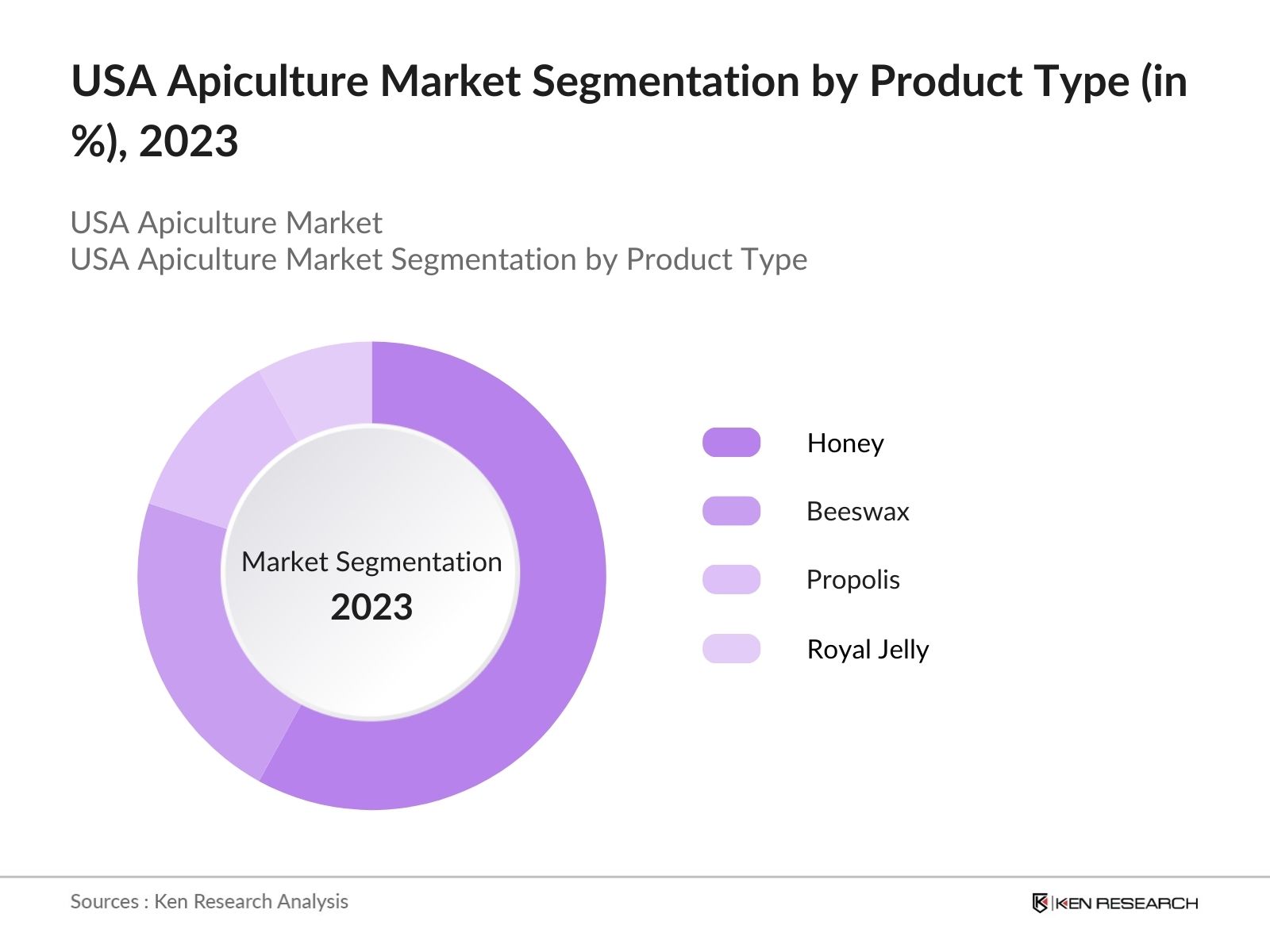
By Product Type: The USA Apiculture market is segmented by product type into honey, beeswax, royal jelly, and propolis. Among these, honey holds the dominant market share, driven by its widespread use in the food and beverage industry, pharmaceuticals, and cosmetics. Honeys versatility, paired with increasing consumer demand for natural sweeteners, has solidified its market dominance.
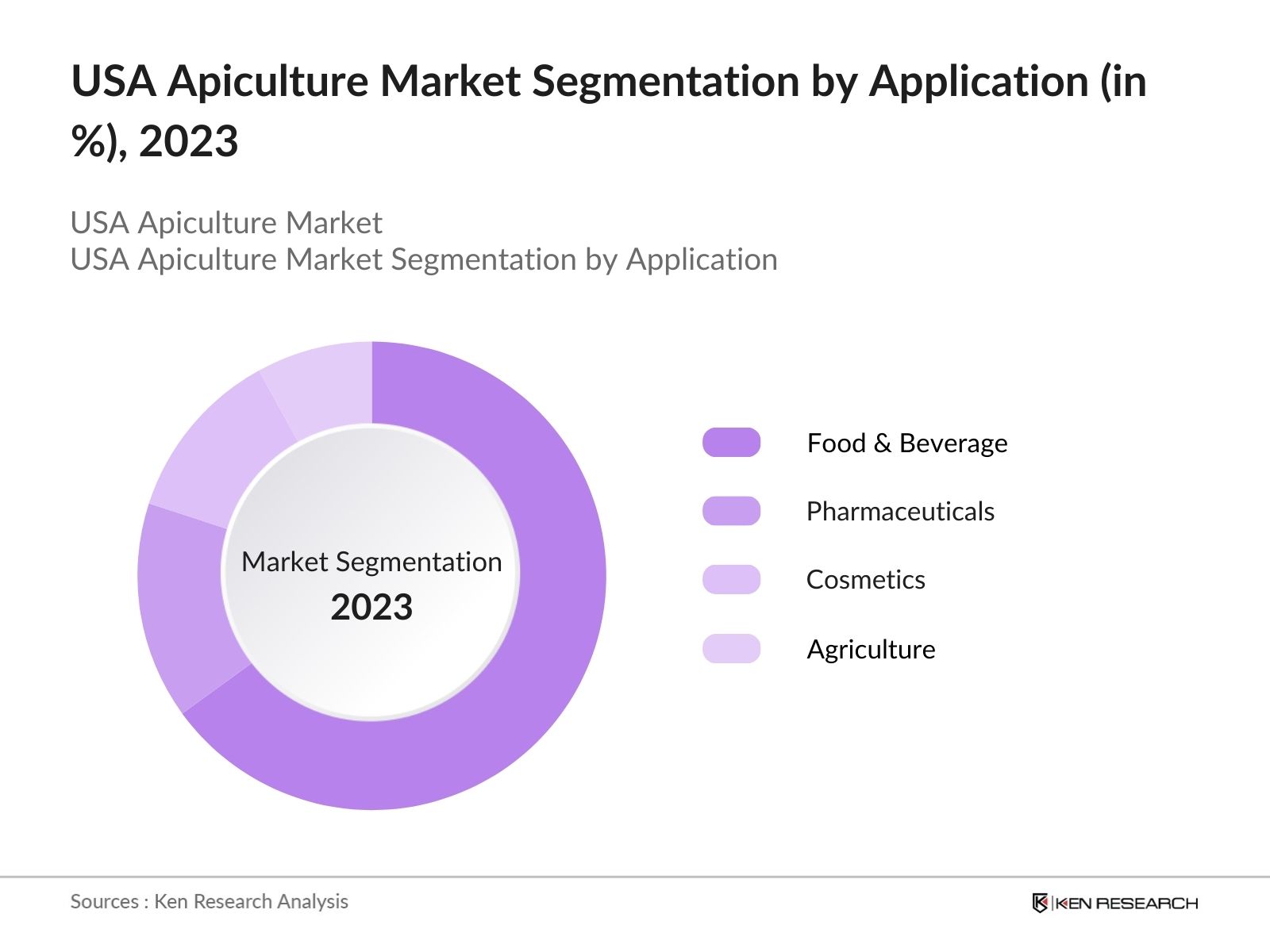
By Application: The USA Apiculture market is also segmented by application into food and beverage, cosmetics, pharmaceuticals, and agriculture. The food and beverage segment dominates this category, primarily due to the high demand for honey as a natural sweetener and an ingredient in health-conscious products. Honey is frequently used in baked goods, beverages, and processed foods, with organic honey seeing significant growth due to consumer trends favoring healthier, more sustainable options.
USA Apiculture Market Competitive Landscape
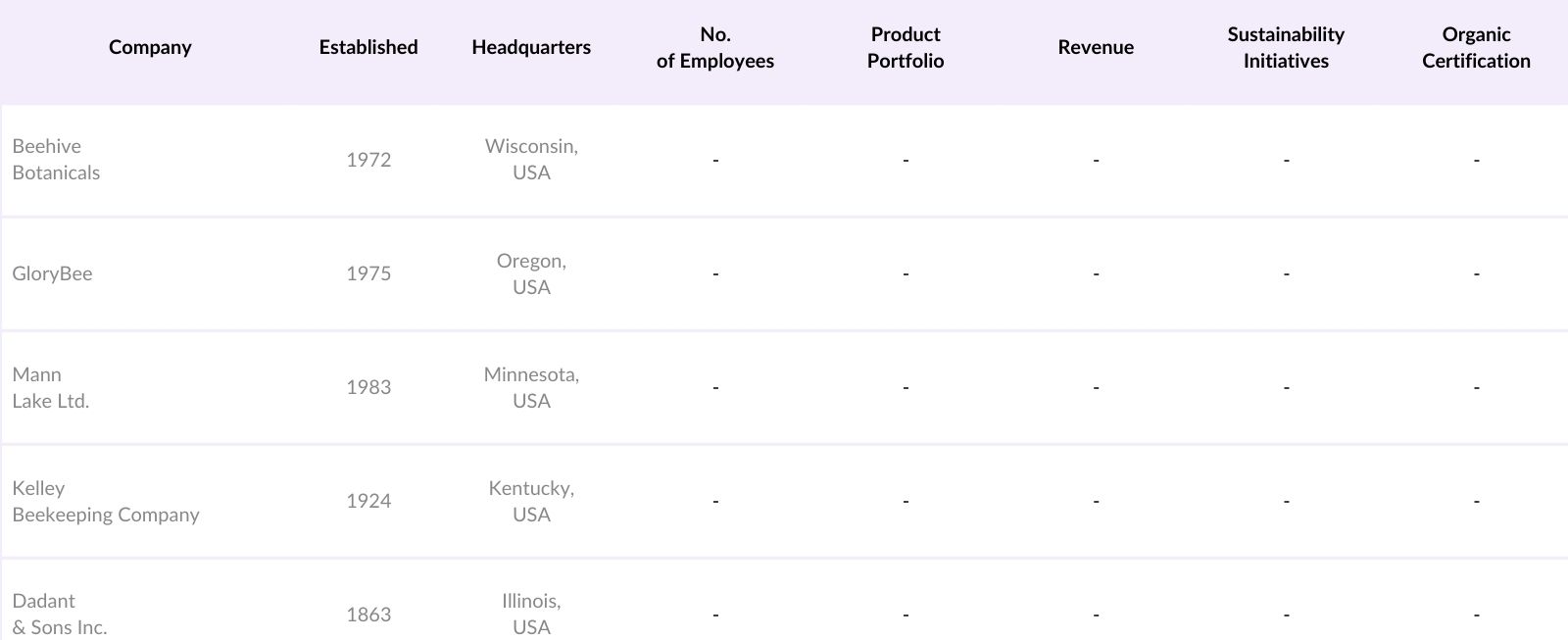
The USA Apiculture market is dominated by a few key players who have strong operational capabilities, established supply chains, and brand recognition. These companies are involved in the production of honey, beeswax, and other products while investing in innovations like sustainable beekeeping practices and apiary technologies. The competitive landscape is largely consolidated with key players such as Beehive Botanicals and GloryBee leading the market.
USA Apiculture Industry Analysis
Growth Drivers
- Demand for Organic Honey: The demand for organic honey in the U.S. has been steadily increasing due to a growing consumer preference for natural and organic products. The USDA reports that organic agricultural land in the U.S. expanded to over 5.5 million acres in 2023, reflecting a nationwide shift toward organic farming. Organic honey production has benefited from this trend, with apiaries seeing a rise in certified organic honey.
- Rise in Pollination Services: Pollination services have become a key revenue driver in the U.S. apiculture market, with pollination fees paid by almond, apple, and berry farmers rising sharply. In 2023, the USDA valued pollination services at around $656 million annually, driven by demand from large-scale agricultural operations, particularly in California. Bees play an integral role in pollinating about 35% of crops in the U.S. The increase in monoculture crops and reduced natural pollinators due to environmental stressors has further driven demand for managed pollination services from beekeepers.
- Adoption of Beekeeping Technologies: Beekeeping technologies, such as digital apiary management systems, have seen increased adoption in the U.S., particularly among commercial beekeepers. These systems help track hive health, optimize honey production, and improve overall colony management. In 2024, the U.S. Department of Agriculture estimated that around 40% of commercial beekeepers had adopted some form of digital beekeeping technology.
Market Challenges
- Colony Collapse Disorder (CCD): Colony Collapse Disorder continues to pose a significant threat to the U.S. beekeeping industry. The USDA reported in 2023 that 45% of managed honeybee colonies were lost due to CCD and other factors like pesticide exposure and poor nutrition. This large-scale colony loss not only impacts honey production but also endangers pollination services critical to U.S. agriculture. The collapse in bee populations has direct economic implications, affecting crop yields and reducing income for beekeepers.
- Climate Change Effects: Climate change has led to more unpredictable weather patterns, which adversely affect bee foraging and honey production. According to a 2024 report by the National Climate Assessment, rising temperatures and changing precipitation patterns have caused shifts in flower blooming cycles, reducing bees' access to pollen. These environmental disruptions have led to decreased honey yields in regions such as the Midwest, where prolonged droughts in 2023 resulted in a 20% reduction in honey output.
USA Apiculture Market Future Outlook
Over the next five years, the USA Apiculture market is expected to experience steady growth, driven by factors such as rising consumer awareness about the benefits of honey and other bee-derived products. Technological advancements in apiary management, coupled with government support to preserve bee populations, will further contribute to market expansion.
Market Opportunities
- Expansion into Urban Beekeeping: Urban beekeeping has gained popularity in U.S. cities, providing an opportunity for expanding honey production beyond rural areas. Cities like New York and Chicago have seen a rise in community beekeeping programs, with over 400 urban apiaries registered in 2023. Urban beekeeping offers unique benefits, such as diverse pollen sources and the opportunity for public engagement in conservation efforts. In addition, local governments have introduced incentives to encourage beekeeping in green spaces, contributing to biodiversity and supporting pollinator health in urban settings.
- Organic Certification Growth: The USDA reported a rise in organic certifications for honey producers in 2023, with more beekeepers adopting organic practices to meet growing consumer demand for organic honey. This growth is partly driven by government incentives that provide financial support for beekeepers transitioning to organic methods. With organic-certified honey gaining a higher market value, more U.S. producers are seeking certification, which requires adherence to stringent guidelines on pesticide use, bee management, and forage sources.
Scope of the Report
|
Product Type |
Honey Beeswax Propolis Royal Jelly |
|
Application |
Food and Beverage Cosmetics, Pharmaceuticals Agriculture |
|
Technology |
Traditional Beekeeping Modern Beekeeping |
|
Hive Type |
Langstroth Hive Top-Bar Hive Warre Hive |
|
Region |
Northeast USA Midwest USA South USA West USA |
Products
Key Target Audience
Honey and Beeswax Manufacturers
Beekeepers and Apiarists
Food and Beverage Companies
Cosmetics and Skincare Companies
Pharmaceuticals Manufacturers
Agricultural Firms (Pollination Services)
Government and Regulatory Bodies (USDA, EPA)
Investments and Venture Capitalist Firms
Companies
Players Mentioned in the Report
Beehive Botanicals
GloryBee
Mann Lake Ltd.
Kelley Beekeeping Company
Dadant & Sons Inc.
Blue Ridge Honey Co.
Olivarez Honey Bees
Western Honey Bee Farm
Raw Honey USA
Millers Honey Company
Table of Contents
1. USA Apiculture Market Overview
1.1. Definition and Scope
1.2. Market Taxonomy
1.3. Market Growth Rate
1.4. Market Segmentation Overview
2. USA Apiculture Market Size (In USD Bn)
2.1. Historical Market Size
2.2. Year-On-Year Growth Analysis
2.3. Key Market Developments and Milestones
3. USA Apiculture Market Analysis
3.1. Growth Drivers
3.1.1. Demand for Organic Honey (Organic Honey Production Trends)
3.1.2. Rise in Pollination Services (Pollination Service Revenue)
3.1.3. Adoption of Beekeeping Technologies (Digital Apiary Management)
3.2. Market Challenges
3.2.1. Colony Collapse Disorder (Impact on Honeybee Colonies)
3.2.2. Climate Change Effects (Environmental Impact)
3.2.3. Lack of Skilled Beekeepers (Skilled Labor Availability)
3.3. Opportunities
3.3.1. Expansion into Urban Beekeeping (Urban Beekeeping Adoption)
3.3.2. Organic Certification Growth (Organic Label Penetration)
3.3.3. Government Support for Beekeepers (Subsidies and Grants)
3.4. Trends
3.4.1. Rise in Demand for Natural Honey Products (Natural Honey Consumption)
3.4.2. Growth of Honey as an Ingredient in Processed Foods (Processed Food Market Growth)
3.4.3. Increase in Pollinator-Friendly Practices (Agro-Ecological Initiatives)
3.5. Government Regulation
3.5.1. USDA Honey Standards (Certification and Compliance)
3.5.2. Environmental Regulations Impacting Beekeeping (EPA Regulations)
3.5.3. Trade Regulations on Honey Imports (Import and Export Tariffs)
3.6. SWOT Analysis
3.7. Stake Ecosystem
3.8. Porters Five Forces
3.9. Competition Ecosystem
4. USA Apiculture Market Segmentation
4.1. By Product Type (In Value %)
4.1.1. Honey
4.1.2. Beeswax
4.1.3. Propolis
4.1.4. Royal Jelly
4.2. By Application (In Value %)
4.2.1. Food and Beverage
4.2.2. Cosmetics
4.2.3. Pharmaceuticals
4.2.4. Agriculture
4.3. By Technology (In Value %)
4.3.1. Traditional Beekeeping
4.3.2. Modern Beekeeping (Digital Monitoring, Hive Sensors)
4.4. By Hive Type (In Value %)
4.4.1. Langstroth Hive
4.4.2. Top-Bar Hive
4.4.3. Warre Hive
4.5. By Region (In Value %)
4.5.1. Northeast USA
4.5.2. Midwest USA
4.5.3. South USA
4.5.4. West USA
5. USA Apiculture Market Competitive Analysis
5.1. Detailed Profiles of Major Companies
5.1.1. Beehive Botanicals
5.1.2. GloryBee
5.1.3. Betterbee
5.1.4. Dadant & Sons Inc.
5.1.5. Kelley Beekeeping Company
5.1.6. Mann Lake Ltd.
5.1.7. Beekeeping for Beginners LLC
5.1.8. Blue Ridge Honey Co.
5.1.9. Olivarez Honey Bees
5.1.10. Western Honey Bee Farm
5.1.11. Raw Honey USA
5.1.12. Millers Honey Company
5.1.13. Kona Queen Hawaii Inc.
5.1.14. Desert Creek Honey
5.1.15. Carolina Honeybees
5.2. Cross Comparison Parameters (Employee Count, Headquarters Location, Product Portfolio, Revenue, Market Share, Strategic Initiatives, Organic Certification, Sustainability Practices)
5.3. Market Share Analysis
5.4. Strategic Initiatives
5.5. Mergers And Acquisitions
5.6. Investment Analysis
5.7. Venture Capital Funding
5.8. Government Grants
5.9. Private Equity Investments
6. USA Apiculture Market Regulatory Framework
6.1. USDA Honey Standards
6.2. Environmental Standards for Apiaries
6.3. Certification Processes for Organic Honey
6.4. Trade Tariffs and Import/Export Policies
7. USA Apiculture Future Market Size (In USD Bn)
7.1. Future Market Size Projections
7.2. Key Factors Driving Future Market Growth
8. USA Apiculture Future Market Segmentation
8.1. By Product Type (In Value %)
8.2. By Application (In Value %)
8.3. By Technology (In Value %)
8.4. By Hive Type (In Value %)
8.5. By Region (In Value %)
9. USA Apiculture Market Analysts Recommendations
9.1. TAM/SAM/SOM Analysis
9.2. Customer Cohort Analysis
9.3. Marketing Initiatives
9.4. White Space Opportunity Analysis
Research Methodology
Step 1: Identification of Key Variables
The initial phase involves constructing a comprehensive ecosystem map of the USA Apiculture market, encompassing all significant stakeholders, such as beekeepers, honey manufacturers, and distributors. This step includes an extensive review of secondary sources, such as government databases, market reports, and proprietary data.
Step 2: Market Analysis and Construction
In this step, historical data regarding the USA Apiculture market is analyzed, focusing on honey production, beeswax demand, and the usage of bee products in various industries. Trends are identified through revenue analysis, which ensures a reliable forecast for future market growth.
Step 3: Hypothesis Validation and Expert Consultation
Market hypotheses are formulated based on initial data analysis and validated through direct interviews with industry experts. These include consultations with leading apiarists, honey producers, and agricultural stakeholders, allowing for a refined understanding of the market dynamics.
Step 4: Research Synthesis and Final Output
The final phase synthesizes data from all sources, providing an in-depth, validated analysis. The insights gathered from primary research are cross-verified through a bottom-up approach to ensure the accuracy and comprehensiveness of the market forecast.
Frequently Asked Questions
01. How big is the USA Apiculture Market?
The USA Apiculture market is valued at USD 161 million, based on a five-year historical analysis. This market is primarily driven by the increasing demand for natural honey and bee-derived products, such as beeswax and propolis, in industries like food and beverages, cosmetics, and pharmaceuticals.
02. What are the challenges in the USA Apiculture Market?
Challenges include colony collapse disorder, climate change impacts on bee populations, and the lack of skilled labor in beekeeping, which threatens the industry's stability.
03. Who are the major players in the USA Apiculture Market?
Key players include Beehive Botanicals, GloryBee, Mann Lake Ltd., Kelley Beekeeping Company, and Dadant & Sons Inc., dominating due to their large-scale operations and extensive distribution networks.
04. What are the growth drivers of the USA Apiculture Market?
Growth drivers include increasing demand for organic honey, advancements in beekeeping technologies, and government incentives aimed at preserving bee populations for pollination services.
Why Buy From Us?

What makes us stand out is that our consultants follows Robust, Refine and Result (RRR) methodology. i.e. Robust for clear definitions, approaches and sanity checking, Refine for differentiating respondents facts and opinions and Result for presenting data with story

We have set a benchmark in the industry by offering our clients with syndicated and customized market research reports featuring coverage of entire market as well as meticulous research and analyst insights.

While we don't replace traditional research, we flip the method upside down. Our dual approach of Top Bottom & Bottom Top ensures quality deliverable by not just verifying company fundamentals but also looking at the sector and macroeconomic factors.

With one step in the future, our research team constantly tries to show you the bigger picture. We help with some of the tough questions you may encounter along the way: How is the industry positioned? Best marketing channel? KPI's of competitors? By aligning every element, we help maximize success.

Our report gives you instant access to the answers and sources that other companies might choose to hide. We elaborate each steps of research methodology we have used and showcase you the sample size to earn your trust.

If you need any support, we are here! We pride ourselves on universe strength, data quality, and quick, friendly, and professional service.