
USA Assisted Reproductive Technology Market Outlook to 2030
Region:North America
Author(s):Shubham Kashyap
Product Code:KROD1846
November 2024
89
About the Report
USA Assisted Reproductive Technology Market Overview
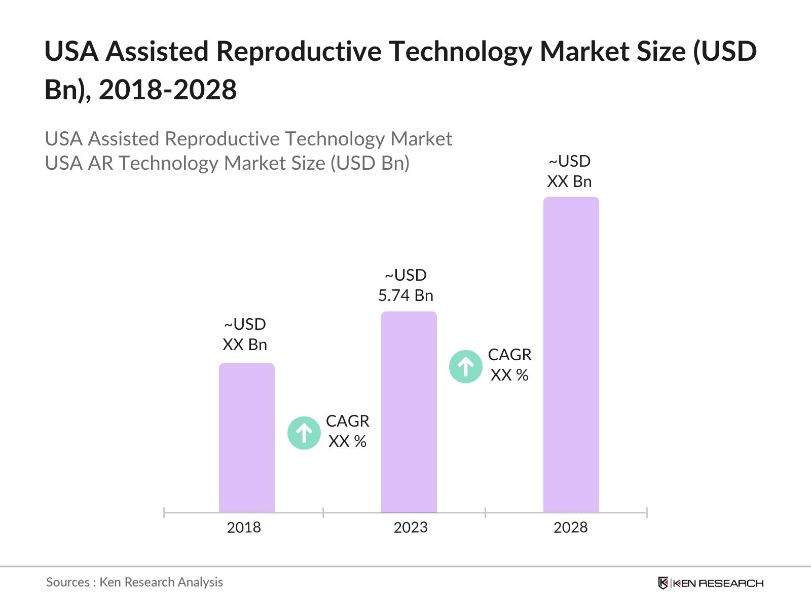
- The USA Assisted Reproductive Technology (ART) Market was valued at USD 5.74 billion in 2023, driven by advancements in medical technology, increased awareness about fertility treatments, and rising infertility rates. The growing acceptance of ART procedures, coupled with supportive government policies and an aging maternal age demographic, has fueled market growth.
- Key players in the USA ART market include CooperSurgical, Vitrolife AB, Cook Medical, Ferring Pharmaceuticals, and Merck KGaA. These companies dominate the market through comprehensive service offerings, innovative fertility treatment solutions, and strategic collaborations that enhance patient outcomes and service accessibility.
- The market in the USA is predominantly concentrated in states like California, New York, and Texas, which lead in ART adoption due to their advanced healthcare infrastructure, high patient awareness, and availability of specialized fertility centers.
- In 2023, CooperSurgical launched a new time-lapse imaging system, "EmbryoScope+" that integrates AI technology to enhance embryo selection processes, optimizing IVF success rates. This innovation is expected to improve ART outcomes and expand CooperSurgicals market reach.
USA Assisted Reproductive Technology Market Segmentation
The USA ART market is segmented by various factors, including procedure type, end-user, and region.
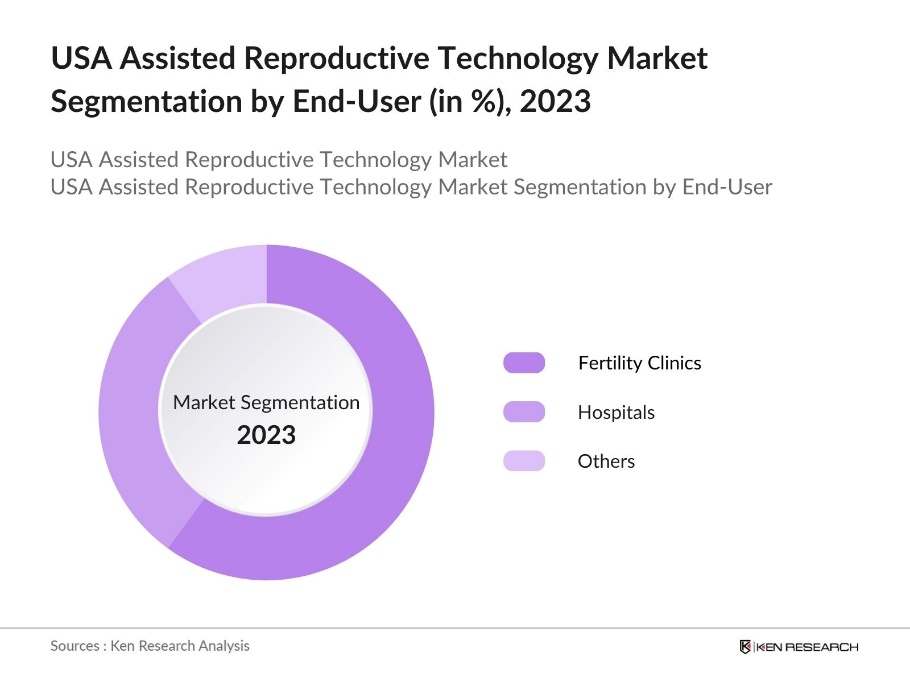
- By End-User: The market is segmented by end-user into fertility clinics, hospitals. Fertility clinics dominated the market in 2023, driven by specialized facilities, expert medical staff, and a focused approach to reproductive treatments. The rise in infertility rates and the need for specialized care have fueled demand in this segment. Growth is supported by advanced technologies like genetic screening and embryo selection techniques that enhance success rates and patient satisfaction.
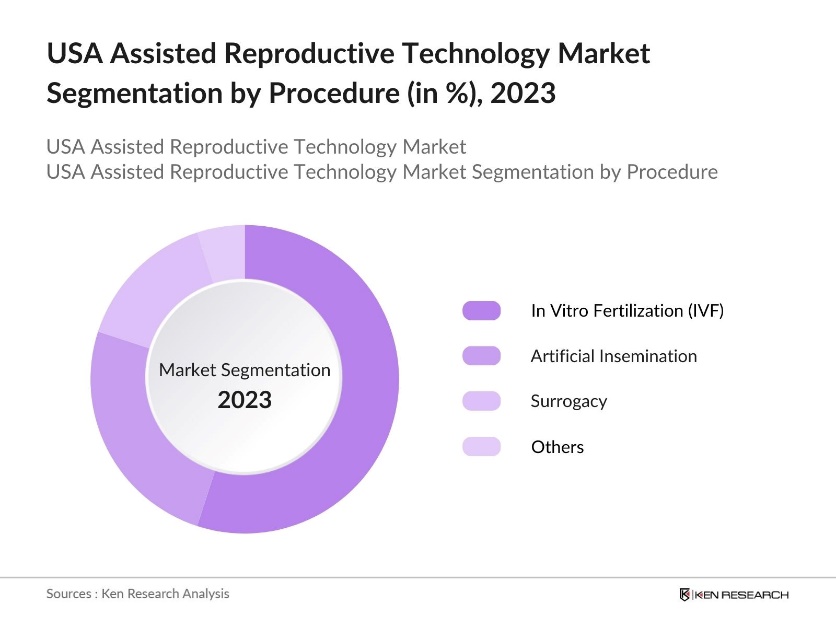
- By Procedure Type: The market is segmented into in vitro fertilization (IVF), artificial insemination, surrogacy. In 2023, IVF held the dominant market share due to its high success rates and widespread use in treating various fertility issues. IVF procedures include traditional IVF, ICSI (Intracytoplasmic Sperm Injection), and frozen embryo transfer, with leading providers like Vitrolife AB and Cook Medical establishing a strong presence in this segment, contributing to its dominance.
- By Region: The market is regionally segmented into Northeast, Midwest, South, and West USA. In 2023, the West USA dominated the market share, primarily due to the presence of advanced healthcare infrastructure, a higher number of fertility centers, and supportive state policies. The Northeast USA follows closely, with substantial adoption driven by higher patient awareness and robust healthcare systems.
USA Assisted Reproductive Technology Market Competitive Landscape
|
Company |
Establishment Year |
Headquarters |
|
CooperSurgical |
1989 |
Trumbull, Connecticut |
|
Vitrolife AB |
1994 |
Gothenburg, Sweden |
|
Cook Medical |
1963 |
Bloomington, Indiana |
|
Ferring Pharmaceuticals |
1950 |
Saint-Prex, Switzerland |
|
Merck KGaA |
1668 |
Darmstadt, Germany |
- CooperSurgical: In 2023, CooperSurgical acquired ZyMt Fertility, a subsidiary of DxNow, Inc., for an undisclosed amount.This acquisition strengthens CooperSurgical's portfolio of innovative solutions for reproductive care and enhances patient outcomes. ZyMt Fertility develops and commercializes a first-of-its-kind sperm separation device for use in artificial or assisted reproductive therapies.
- Vitrolife AB: In 2023, Vitrolife AB launched Gx Media, which includes triple antioxidant protection aimed at improving embryo viability. This product is part of their broader strategy to enhance ART outcomes and solidify their position in the ART market. The introduction of Gx Media aligns with their goal of providing superior products that contribute to higher success rates in IVF, thereby supporting ART clinics and improving patient outcomes
USA Assisted Reproductive Technology Market Analysis
Growth Drivers
- Increasing Maternal Age and Infertility Rates: The rise in maternal age is a noteworthy growth driver in the market. According to the Centers for Disease Control and Prevention (CDC), in 2022, the mean age of mothers at first birth increased to 27.4 years, another record high. This trend correlates with a higher incidence of infertility, as fertility rates typically decline after age 35. This demographic shift, combined with societal trends towards delayed parenthood, is driving the market's expansion as more couples seek fertility solutions.
- Advancements in ART Technologies and Success Rates: Technological advancements have boosted ART success rates, making treatments more appealing to potential patients. The integration of AI in embryo selection has improved the accuracy of identifying viable embryos, AI models had a median accuracy of 77.8% in predicting clinical pregnancy, compared to 64% by embryologists. Moreover, innovations like pre-implantation genetic testing (PGT) have reduced miscarriage rates by detecting genetic abnormalities early, thus enhancing patient outcomes.
- Insurance Coverage Expansion and Cost Reduction Initiatives: The expansion of insurance coverage for ART procedures is another critical growth driver. As of 2024, majority of states in the USA mandate insurance coverage for at least some ART services, according to the US Department of Health and Human Services. This expansion has reduced the financial burden on patients, making treatments like IVF more accessible to a broader population. Additionally, some states have introduced cost-sharing initiatives, lowering out-of-pocket expenses for patients.
Challenges
- High Treatment Costs and Limited Accessibility: Despite expanded insurance coverage, the high cost of ART treatments remains an important barrier. The cost of a single IVF cycle in the USA is high, excluding additional expenses for medications. This financial burden makes ART procedures inaccessible to many middle- and lower-income families. Many couples who could benefit from ART do not pursue treatment due to these high costs, highlighting a major challenge for market growth.
- Ethical and Legal Concerns: The market faces numerous ethical and legal challenges that complicate its growth. Surrogacy and embryo handling laws vary across states, with some states having strict regulations that limit the availability of these services. Legal disputes over embryo ownership and surrogacy contracts create uncertainties for both providers and patients, potentially deterring the adoption of ART services in certain regions.
Government Initiatives
- Family Building Act of 2024: The Family Building Act, introduced in 2024, aims to enhance access to fertility treatments by providing federal grants and tax credits to individuals undergoing ART procedures. The act mandates that all state insurance programs cover at least one IVF cycle, expanding accessibility for low- and middle-income families. According to the US Department of Health and Human Services, this initiative has led to substantial increase in the number of insured ART cycles in the first half of 2024 alone.
- Reproductive Health Equity Act 2024: The Reproductive Health Equity Act, introduced in 2024, aims to ensure equitable access to ART services for all individuals, regardless of socioeconomic status or geographic location. The act mandates federal funding to establish new ART clinics in underserved areas and provides grants to existing clinics to expand their services. It also includes provisions for comprehensive insurance coverage for ART procedures across all states.
USA Assisted Reproductive Technology Future Market Outlook
The USA ART market is poised for substantial growth, driven by technological advancements in reproductive medicine, increasing acceptance of fertility treatments, and supportive government policies.
Future Market Trends
- Expansion of Genetic Screening and AI Integration: By 2028, genetic screening and AI integration in ART processes are expected to become standard practices, improving success rates and patient outcomes. The use of AI for personalized treatment plans and optimized embryo selection will drive substantial investments in ART technologies.
- Growth in Surrogacy and Egg Donation Services: With rising awareness and acceptance, surrogacy and egg donation services are projected to grow significantly by 2028. This growth is driven by changing social norms, supportive legislation, and increased demand from same-sex couples and single parents.
Scope of the Report
|
By Procedure |
In Vitro Fertilization (IVF) Artificial Insemination Surrogacy Others |
|
By End-User |
Fertility Clinics Hospitals Others |
|
By Region |
Northeast Midwest South West |
Products
Key Target Audience Organizations and Entities Who Can Benefit by Subscribing to This Report:
Fertility Clinics
Hospitals and Healthcare Providers
ART Technology Providers
Pharmaceutical Companies
Insurance Companies
Patient Advocacy Groups
Investments and Venture Capitalist Firms
Banks and Financial Institutions
Government and Regulatory Bodies (FDA, CDC)
Time Period Captured in the Report:
Historical Period: 2018-2023
Base Year: 2023
Forecast Period: 2023-2028
Companies
Players Mentioned in the Report:
CooperSurgical
Vitrolife AB
Cook Medical
Ferring Pharmaceuticals
Merck KGaA
Igenomix
Origio
EMD Serono
OvaScience
Genea Limited
Progyny
IntegraMed Fertility
Boston IVF
Shady Grove Fertility
Reproductive Medicine Associates (RMA) Network
Table of Contents
1. USA Assisted Reproductive Technology Market Overview
1.1 Definition and Scope
1.2 Market Taxonomy
1.3 Market Valuation and Historical Performance
1.4 Key Market Trends and Developments
1.5 Market Segmentation Overview
2. USA Assisted Reproductive Technology Market Size (in USD Bn), 2018-2023
2.1 Historical Market Size
2.2 Year-on-Year Growth Analysis
2.3 Key Market Developments and Milestones
3. USA Assisted Reproductive Technology Market Analysis
3.1 Growth Drivers
3.2 Challenges
3.3 Opportunities
3.4 Trends
3.5 Government Initiatives
3.6 SWOT Analysis
3.7 Stakeholder Ecosystem
3.8 Competition Ecosystem
4. USA Assisted Reproductive Technology Market Segmentation, 2023
4.1 By Procedure Type (in Value %)
4.1.1 In Vitro Fertilization (IVF)
4.1.2 Artificial Insemination
4.1.3 Surrogacy
4.1.4 Others
4.2 By End-User (in Value %)
4.2.1 Fertility Clinics
4.2.2 Hospitals
4.2.3 Others
4.3 By Region (in Value %)
4.3.1 Northeast
4.3.2 Midwest
4.3.3 South
4.3.4 West
5. USA Assisted Reproductive Technology Market Competitive Landscape
5.1 Detailed Profiles of Major Companies
5.2 Cross Comparison Parameters (No. of Employees, Headquarters, Inception Year, Revenue)
6. USA Assisted Reproductive Technology Market Competitive Landscape Analysis
6.1 Market Share Analysis
6.2 Strategic Initiatives
6.3 Mergers and Acquisitions
6.4 Investment Analysis
7. USA Assisted Reproductive Technology Market Regulatory Framework
7.1 Family Building Act 2023
7.2 Assisted Reproductive Technology Promotion Act 2024
7.3 Compliance Requirements and Certification Processes
8. USA Assisted Reproductive Technology Market Future Outlook (in USD Bn), 2023-2028
8.1 Future Market Size Projections
8.2 Key Factors Driving Future Market Growth
8.3 Future Market Segmentation
9. USA Assisted Reproductive Technology Market Analysts Recommendations
9.1 TAM/SAM/SOM Analysis
9.2 Customer Cohort Analysis
9.3 Marketing Initiatives
9.4 White Space Opportunity Analysis
Disclaimer
Contact Us
Research Methodology
Step: 1 Identifying Key Variables
Ecosystem creation for all the major entities and referring to multiple secondary and proprietary databases to perform desk research around market to collate industry level information.
Step: 2 Market Building
Collating statistics on USA assisted reproductive technology market over the years, penetration of marketplaces and service providers ratio to compute revenue generated for USA assisted reproductive technology market. We will also review service quality statistics to understand revenue generated which can ensure accuracy behind the data points shared.
Step: 3 Validating and Finalizing
Building market hypothesis and conducting CATIs with industry experts belonging to different companies to validate statistics and seek operational and financial information from company representatives.
Step: 4 Research Output
Our team will approach multiple essential healthcare and medical companies and understand nature of product segments and sales, consumer preference and other parameters, which will support us validate statistics derived through bottom to top approach from healthcare and medical companies.
Frequently Asked Questions
01. How big is the USA Assisted Reproductive Technology Market?
The USA Assisted Reproductive Technology (ART) market was valued at USD 5.74 billion in 2023, driven by rising infertility rates, advancements in reproductive technologies, and increasing demand for fertility treatments such as IVF and ICSI.
02. What are the challenges in the USA Assisted Reproductive Technology Market?
Challenges in the USA ART market include high treatment costs, limited insurance coverage, ethical and legal complexities, and uneven access to ART services across different regions. These factors can hinder the market's growth and accessibility.
03. Who are the major players in the USA Assisted Reproductive Technology Market?
Key players in the USA ART market include CooperSurgical, Vitrolife AB, Cook Medical, Ferring Pharmaceuticals, and Merck KGaA. These companies lead due to their comprehensive fertility treatment solutions, strong research capabilities, and robust distribution networks.
04. What are the growth drivers of the USA Assisted Reproductive Technology Market?
Growth drivers for the USA ART market include increasing maternal age, rising infertility rates, and advancements in reproductive technologies like genetic screening and AI integration. Expanded insurance coverage and supportive government initiatives also contribute to market expansion.
Why Buy From Us?

What makes us stand out is that our consultants follows Robust, Refine and Result (RRR) methodology. i.e. Robust for clear definitions, approaches and sanity checking, Refine for differentiating respondents facts and opinions and Result for presenting data with story

We have set a benchmark in the industry by offering our clients with syndicated and customized market research reports featuring coverage of entire market as well as meticulous research and analyst insights.

While we don't replace traditional research, we flip the method upside down. Our dual approach of Top Bottom & Bottom Top ensures quality deliverable by not just verifying company fundamentals but also looking at the sector and macroeconomic factors.

With one step in the future, our research team constantly tries to show you the bigger picture. We help with some of the tough questions you may encounter along the way: How is the industry positioned? Best marketing channel? KPI's of competitors? By aligning every element, we help maximize success.

Our report gives you instant access to the answers and sources that other companies might choose to hide. We elaborate each steps of research methodology we have used and showcase you the sample size to earn your trust.

If you need any support, we are here! We pride ourselves on universe strength, data quality, and quick, friendly, and professional service.