
KSA Crypto Wallet Market Outlook to 2030
Region:Saudi Arabia
Author(s):Abhinav kumar
Product Code:KROD5145
Region:Saudi Arabia
Author(s):Abhinav kumar
Product Code:KROD5145
December 2024
92
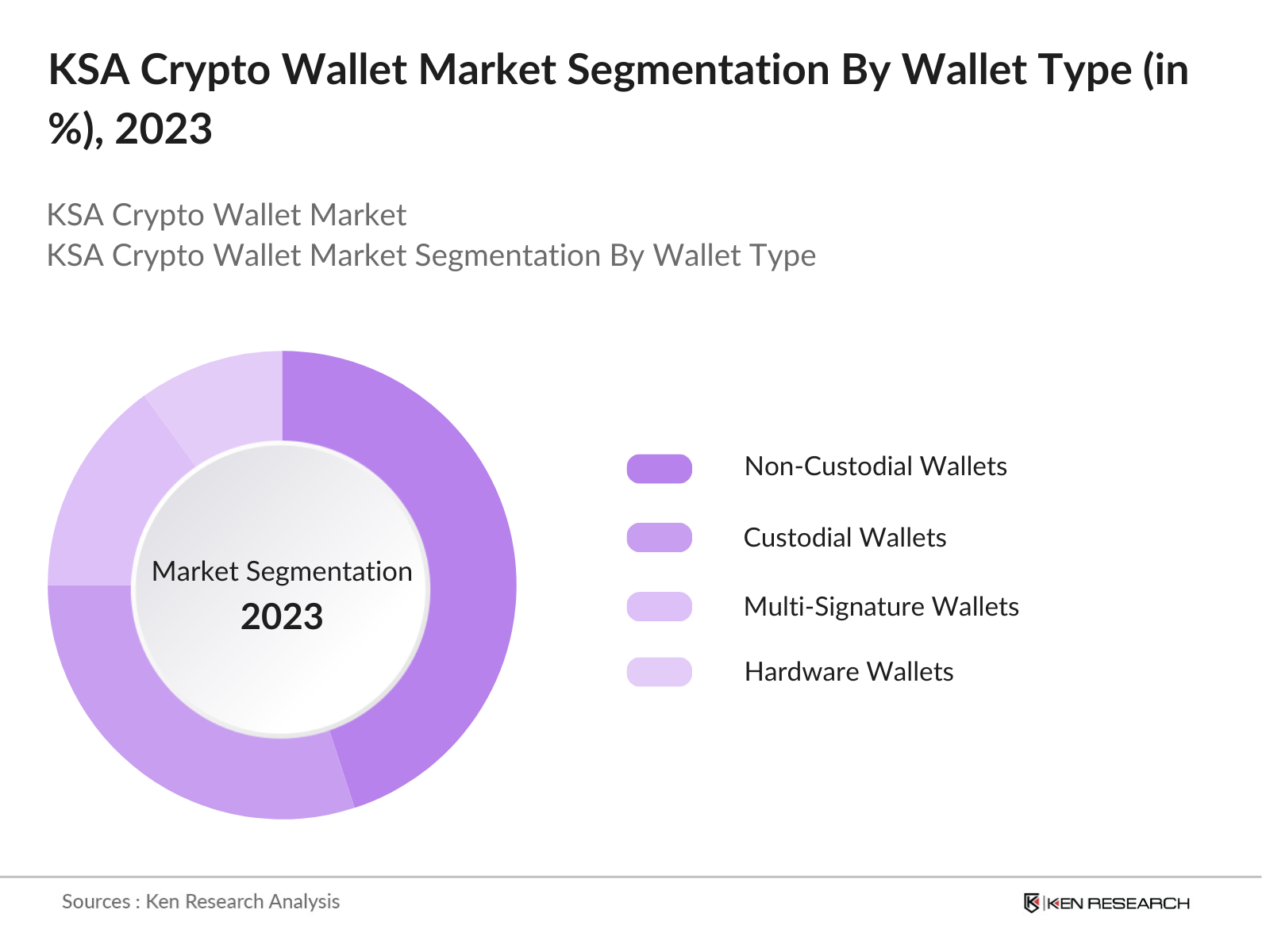
By Wallet Type: The KSA Crypto Wallet market is segmented by wallet type into custodial wallets, non-custodial wallets, multi-signature wallets, and hardware wallets. Recently, non-custodial wallets have dominated this segment due to their enhanced security features and growing consumer preference for full control over their private keys. Users are increasingly seeking ways to mitigate risks from centralized exchanges, driving demand for non-custodial wallets. Additionally, non-custodial wallets are popular among experienced crypto users in KSA, who prefer to own their assets without the intervention of third parties. This shift towards user autonomy in managing assets is a strong driver in this sub-segment.
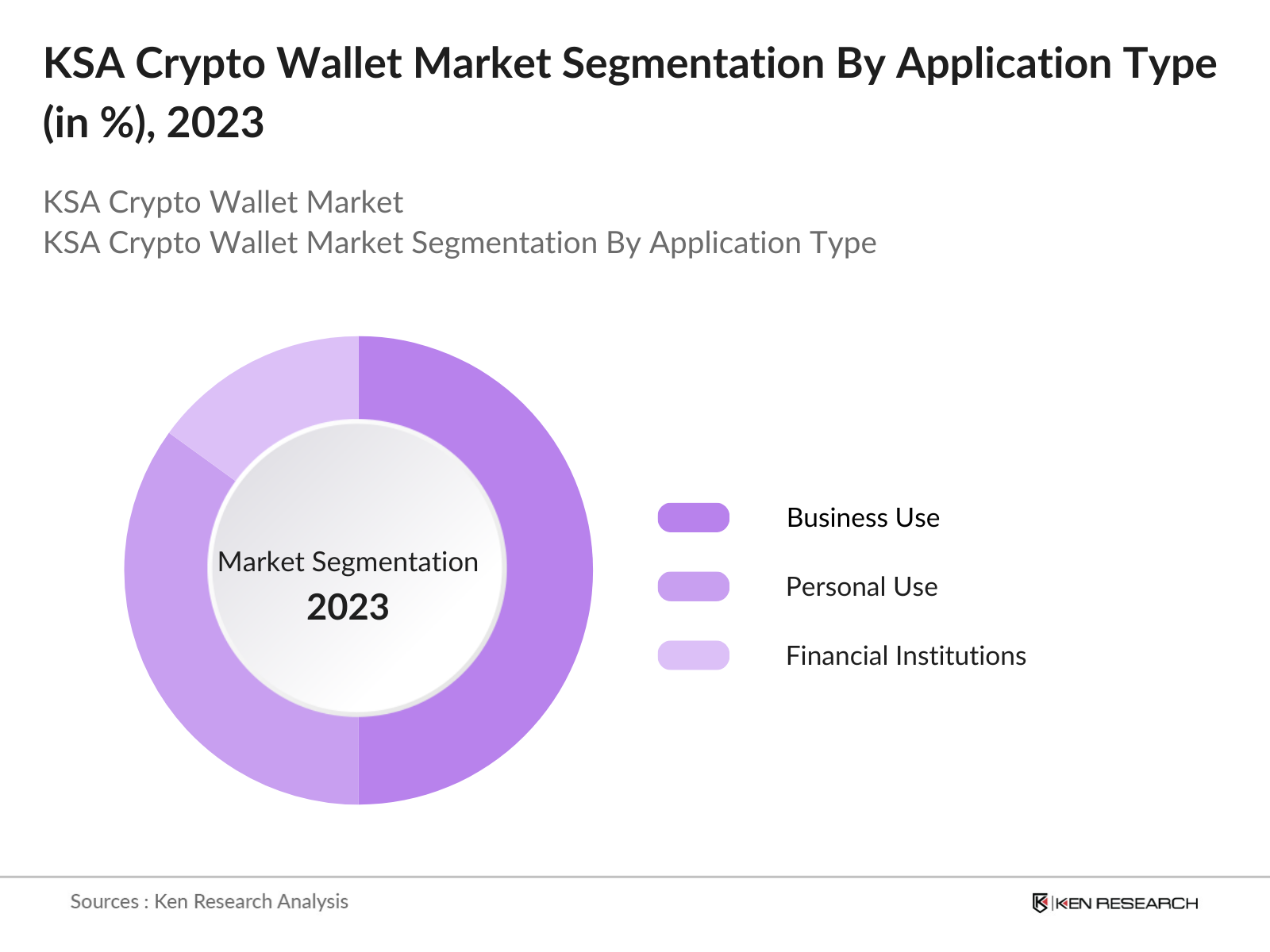
By Application: The KSA Crypto Wallet market is also segmented by application into personal use, business use, and financial institutions. The business use sub-segment is currently leading the market, driven by the increasing number of enterprises exploring the potential of cryptocurrencies for operational and financial purposes. Businesses in KSA are beginning to accept cryptocurrencies as payment options and are also exploring blockchain solutions to streamline international trade and finance. The flexibility offered by crypto wallets in managing cross-border transactions efficiently has made them an attractive tool for businesses looking to bypass traditional banking delays.
The KSA Crypto Wallet market is dominated by both local and global players. The market is highly competitive, with a mix of established fintech companies and new entrants focusing on crypto wallet development and integration with blockchain solutions. Major players such as Binance and Coinbase have entered the Saudi market through partnerships and strategic collaborations with local fintech firms. Additionally, native platforms like BitOasis are emerging as strong competitors due to their deep understanding of the regional market and regulatory environment. The competition is further intensified by government-backed blockchain initiatives, which are drawing attention from private sector players.
|
Company |
Establishment Year |
Headquarters |
No. of Employees |
Crypto Asset Support |
Platform Support |
Security Features |
Partnerships |
Compliance Initiatives |
|
Binance |
2017 |
Malta |
_ |
_ |
_ |
_ |
_ |
_ |
|
Coinbase |
2012 |
USA |
_ |
_ |
_ |
_ |
_ |
_ |
|
BitOasis |
2015 |
UAE |
_ |
_ |
_ |
_ |
_ |
_ |
|
Ledger |
2014 |
France |
_ |
_ |
_ |
_ |
_ |
_ |
|
Trust Wallet |
2017 |
Singapore |
_ |
_ |
_ |
_ |
_ |
_ |
Over the next five years, the KSA Crypto Wallet market is expected to experience significant growth driven by the countrys push toward digital transformation and the governments active support of blockchain and cryptocurrency initiatives. The expanding fintech ecosystem, coupled with increasing consumer awareness about the benefits of cryptocurrencies, will drive further adoption of crypto wallets in the region. Moreover, technological advancements, including improved security features and the integration of decentralized finance (DeFi) solutions, will also contribute to the market's growth. The involvement of institutional investors, businesses, and the growing acceptance of cryptocurrencies in daily transactions will continue to shape the future of the market.
|
By Wallet Type |
Custodial Wallets Non-Custodial Wallets Multi-Signature Wallet Hardware Wallets |
|
By Application |
Personal Business Financial Institutions |
|
By Transaction Type |
Payments Savings Investments Remittances |
|
By Platform |
Mobile Desktop Web-based |
|
By Industry Vertical |
Banking and Financial Services E-commerce Retail IT and Telecommunications |
1.1. Definition and Scope
1.2. Market Taxonomy
1.3. Market Growth Rate
1.4. Market Segmentation Overview
2.1. Historical Market Size
2.2. Year-On-Year Growth Analysis
2.3. Key Market Developments and Milestones
3.1. Growth Drivers
3.1.1. Digital Transformation Initiatives in KSA
3.1.2. Increase in Cryptocurrency Adoption
3.1.3. Central Bank Regulations
3.1.4. Rise of FinTech Ecosystems
3.2. Market Challenges
3.2.1. Regulatory Uncertainty
3.2.2. Lack of Consumer Awareness
3.2.3. Cybersecurity Threats
3.2.4. Technical Integration Issues
3.3. Opportunities
3.3.1. Growth in Digital Payments
3.3.2. Investment in Blockchain Infrastructure
3.3.3. Potential for Crypto as Remittance Tool
3.4. Trends
3.4.1. Integration of NFTs and Decentralized Finance
3.4.2. Mobile-first Wallets
3.4.3. Rise of Custodial vs. Non-Custodial Wallets
3.5. Government Regulations
3.5.1. SAMA's Role in Crypto Regulations
3.5.2. Anti-Money Laundering (AML) Laws
3.5.3. FATF Compliance in KSA
3.5.4. Role of the National Digital Transformation Unit
3.6. SWOT Analysis
3.6.1. Strengths
3.6.2. Weaknesses
3.6.3. Opportunities
3.6.4. Threats
3.7. Stake Ecosystem
3.8. Porters Five Forces
3.9. Competition Ecosystem
4.1. By Wallet Type (In Value %)
4.1.1. Custodial Wallets
4.1.2. Non-Custodial Wallets
4.1.3. Multi-Signature Wallets
4.1.4. Hardware Wallets
4.2. By Application (In Value %)
4.2.1. Personal
4.2.2. Business
4.2.3. Financial Institutions
4.3. By Transaction Type (In Value %)
4.3.1. Payments
4.3.2. Savings
4.3.3. Investments
4.3.4. Remittances
4.4. By Platform (In Value %)
4.4.1. Mobile
4.4.2. Desktop
4.4.3. Web-based
4.5. By Industry Vertical (In Value %)
4.5.1. Banking and Financial Services
4.5.2. E-commerce
4.5.3. Retail
4.5.4. IT and Telecommunications
5.1. Detailed Profiles of Major Companies
5.1.1. Binance
5.1.2. CoinBase
5.1.3. BitOasis
5.1.4. Ledger
5.1.5. Trust Wallet
5.1.6. Trezor
5.1.7. BitPay
5.1.8. Coinomi
5.1.9. ZenGo
5.1.10. Blockchain Wallet
5.1.11. MetaMask
5.1.12. Safepal
5.1.13. Jaxx Liberty
5.1.14. Edge Wallet
5.1.15. Exodus
5.2. Cross Comparison Parameters (No. of Users, Platform Support, Crypto Asset Support, Security Features, Ease of Use, Transactions Per Day, Partnerships, Regulatory Compliance)
5.3. Market Share Analysis
5.4. Strategic Initiatives
5.5. Mergers and Acquisitions
5.6. Investment Analysis
5.7. Venture Capital Funding
5.8. Government Grants
5.9. Private Equity Investments
6.1. SAMA Regulations
6.2. Anti-Money Laundering (AML) Compliance
6.3. FATF Regulations
6.4. Licensing Requirements
7.1. Future Market Size Projections
7.2. Key Factors Driving Future Market Growth
8.1. By Wallet Type (In Value %)
8.2. By Application (In Value %)
8.3. By Transaction Type (In Value %)
8.4. By Platform (In Value %)
8.5. By Industry Vertical (In Value %)
9.1. TAM/SAM/SOM Analysis
9.2. Customer Cohort Analysis
9.3. Marketing Initiatives
9.4. White Space Opportunity Analysis
In the initial phase, an ecosystem map of the KSA Crypto Wallet market was created to identify key variables such as cryptocurrency adoption, regulatory frameworks, and fintech integration. This stage involved thorough desk research using secondary and proprietary databases to gather comprehensive industry-level data.
This phase included the collection and analysis of historical market data from leading financial institutions and industry reports. An in-depth assessment of cryptocurrency adoption trends, wallet usage, and transaction volumes was performed to estimate revenue and market dynamics.
Market hypotheses were developed regarding consumer preferences and wallet adoption, and validated through interviews with industry experts from prominent fintech companies. These consultations provided operational insights that were essential for confirming market estimates.
The final phase involved detailed discussions with wallet developers and blockchain experts to ensure the accuracy and relevance of the data collected. This stage ensured that all market segments and growth drivers were thoroughly examined, providing a comprehensive and validated analysis of the KSA Crypto Wallet market.
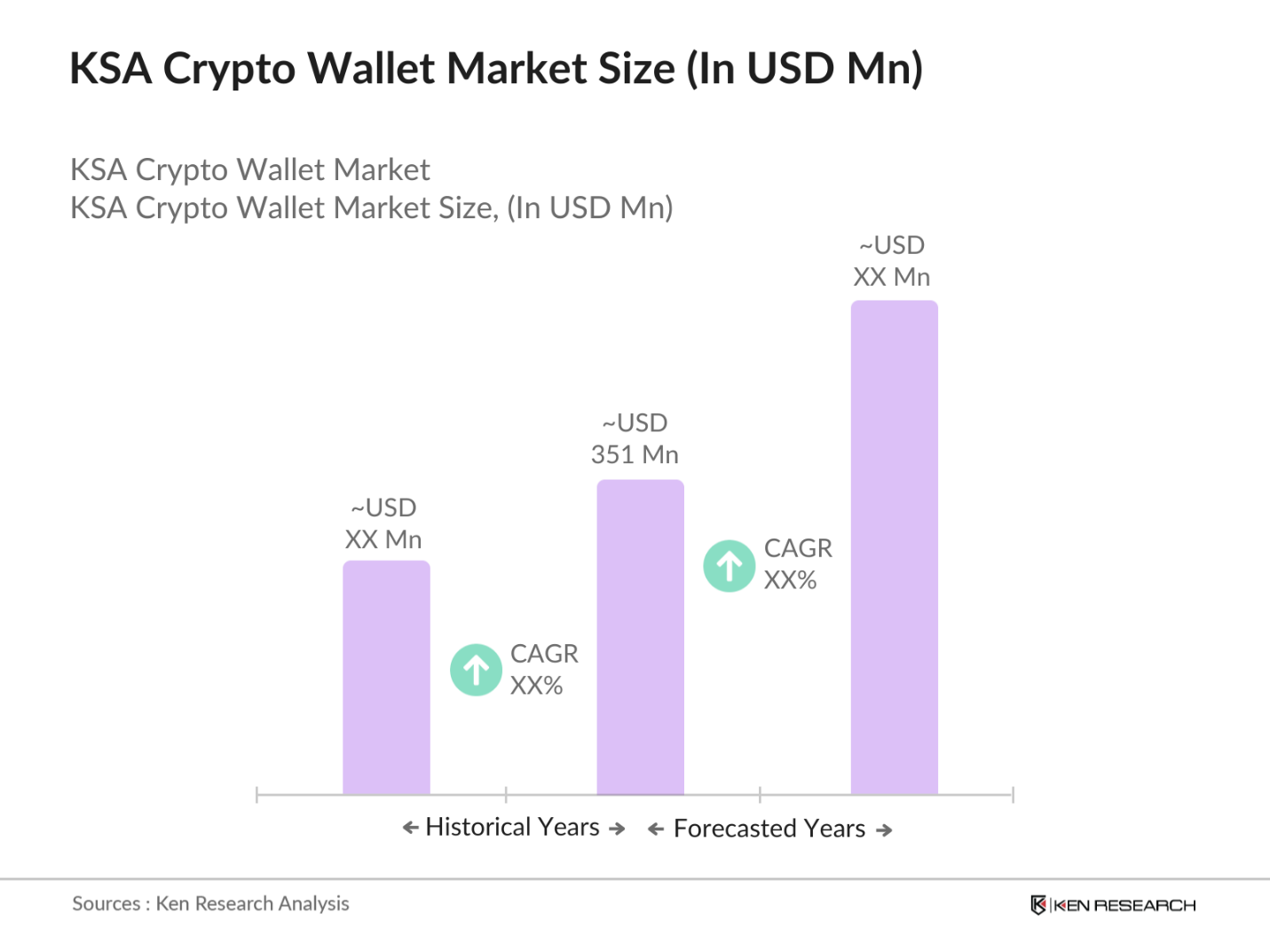
The KSA Crypto Wallet market is valued at approximately USD 351 million, driven by the countrys increasing digital transformation and fintech adoption aligned with Vision 2030.
Challenges include regulatory uncertainty, particularly around cryptocurrency taxation and compliance, as well as growing concerns around cybersecurity and consumer awareness regarding crypto assets.
Key players include Binance, Coinbase, BitOasis, Ledger, and Trust Wallet. These companies are recognized for their technological innovations, security features, and compliance with local regulations.
The market is propelled by factors such as increasing cryptocurrency adoption, advancements in blockchain technology, and government initiatives under Vision 2030 that support digital transformation.

What makes us stand out is that our consultants follows Robust, Refine and Result (RRR) methodology. i.e. Robust for clear definitions, approaches and sanity checking, Refine for differentiating respondents facts and opinions and Result for presenting data with story

We have set a benchmark in the industry by offering our clients with syndicated and customized market research reports featuring coverage of entire market as well as meticulous research and analyst insights.

While we don't replace traditional research, we flip the method upside down. Our dual approach of Top Bottom & Bottom Top ensures quality deliverable by not just verifying company fundamentals but also looking at the sector and macroeconomic factors.

With one step in the future, our research team constantly tries to show you the bigger picture. We help with some of the tough questions you may encounter along the way: How is the industry positioned? Best marketing channel? KPI's of competitors? By aligning every element, we help maximize success.

Our report gives you instant access to the answers and sources that other companies might choose to hide. We elaborate each steps of research methodology we have used and showcase you the sample size to earn your trust.

If you need any support, we are here! We pride ourselves on universe strength, data quality, and quick, friendly, and professional service.