Saudi Perfume Market 2.50Bn Sales in 2024 and Four Cities Will Shape 2025
Ken Research
September 16, 2025 - 4 min read
September 16, 2025
by Khushi RastogiSaudi Arabia’s perfume market reached approx USD 2.50 billion in 2024, supported by both a strong domestic base and high volumes of religious tourism. The Kingdom’s 35.3 million residents, with nearly 46% in the 24–54 working-age bracket, provide a steady consumer foundation for luxury and personal care spending. Urban density in the Central and Western regions has concentrated fragrance sales in key cities, while large-scale tourism has reinforced perfumes as essential purchases.
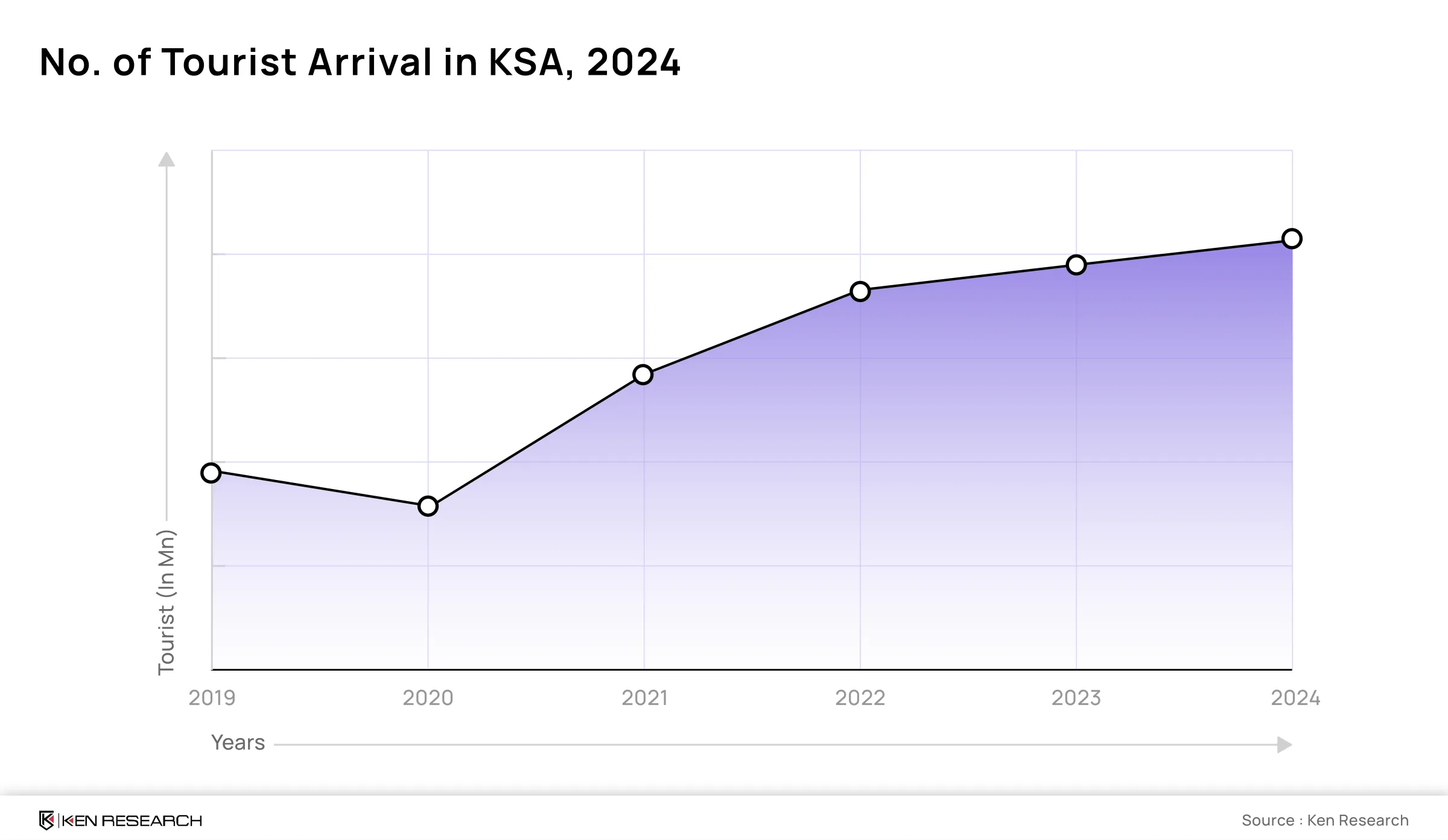
In 2024, Saudi Arabia recorded 29.7 million international tourist arrivals, marking an 8% year-on-year increase from 2023. Domestic pilgrimages and tourism reached over 86 million trips, growing 5% compared to the previous year. This strong tourist footfall, both international and domestic, keeps perfumes a popular choice for gifting and personal use
Riyadh, Jeddah, Makkah, and Dammam each follow distinct demand patterns, shaped by demographics, cultural practices, and retail infrastructure. Together, they represent not a single unified market, but a set of city-level economies that defined fragrance consumption in 2024 and frame its outlook in 2025.
Riyadh Leads Saudi Arabia’s Perfume Sales
Riyadh accounted for almost one-third of Saudi Arabia’s perfume sales in 2024, generating an estimated SAR 2 billion. The city’s position reflects the demographic and economic weight of the Central region, which houses more than a third of the Kingdom’s total population.
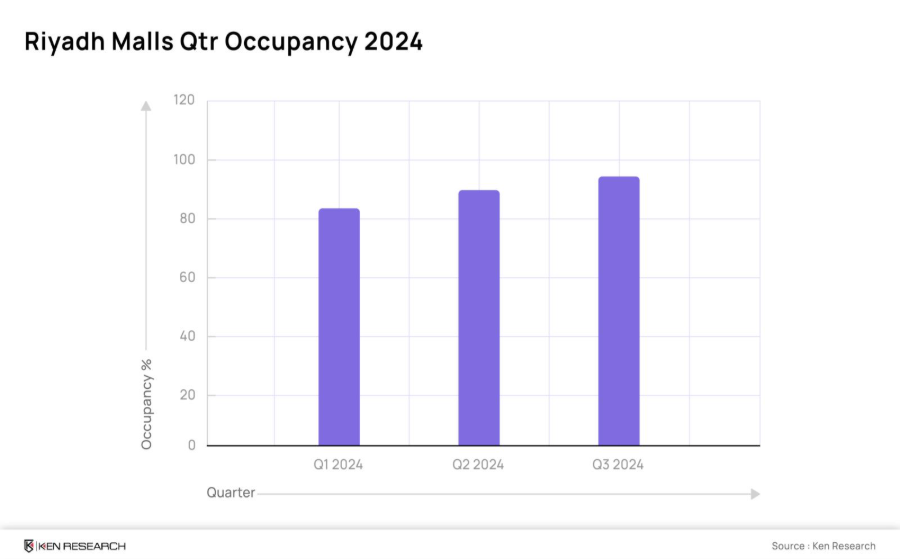
High-income household, dense retail infrastructure, and premium malls make Riyadh the leading hub for international and domestic fragrance brands in KSA. In 2024, premium malls like Riyadh Park and Al Nakheel achieved up to 92% occupancy, signaling high retail footfall and strong consumer demand for fragrances in the capital.
Perfume demand in Riyadh is reinforced by the city’s concentration of working-age consumers, particularly in the 24–54 demographic, who represent the most consistent buyers of luxury and personal care products.
Retail availability is broad, ranging from large-format malls to specialized fragrance boutiques, ensuring high accessibility across consumer groups.
While other regions show seasonality or heritage-linked demand, Riyadh’s sales are primarily driven by urban affluence and consistent purchasing power, positioning it as the anchor market within Saudi Arabia’s fragrance economy.
Religious Tourism Drives Perfume Demand in Jeddah
Jeddah represented close to 20% of Saudi Arabia’s perfume sales in 2024, with an estimated value of SAR 1.73 billion, as per the Ken Research. The city’s role as the principal gateway for international pilgrims strongly influences its fragrance market dynamics.
Demand intensifies during Ramadan, Hajj, and Umrah, when visitor inflows peak and perfumes are widely purchased as gifts and souvenirs. The Western region, where Jeddah is located, accounts for more than 34% of the national population, adding a sizeable resident consumer base to the seasonal inflow of pilgrims.
Retail activity is concentrated in shopping centers, local souqs, and duty-free outlets near transport hubs, aligning with both resident and visitor demand. The fragrance market in Jeddah is therefore characterized by periodic sales peaks linked to religious and cultural events, making it structurally different from Riyadh’s steady, urban-driven performance.
Heritage and Pilgrimage Define Makkah’s Perfume Market
Makkah generated more than SAR 767 million in perfume sales in 2024, representing a smaller share of the national market compared with Riyadh and Jeddah. Demand in the city is closely tied to pilgrimage activity and the cultural significance of traditional fragrances such as oud, attar, and musk. These products are commonly purchased by both residents and visiting pilgrims, often as souvenirs or gifts that carry spiritual and cultural meaning.
Unlike Riyadh and Jeddah, where sales are more influenced by retail scale and modern shopping formats, Makkah’s fragrance economy is defined by its connection to heritage and tradition.
Purchases emphasize authenticity, with a stronger focus on natural ingredients and long-established perfumery practices. This structure positions Makkah as a niche but stable segment of the overall Saudi perfume market, supported by consistent pilgrimage flows and the enduring demand for heritage-linked scents.
Dammam Emerges as a Growing Perfume Hub
Dammam recorded approximately SAR 476.8 million in perfume sales in 2024. While smaller in absolute value compared to Riyadh, Jeddah, and Makkah, Dammam’s fragrance market is expanding in line with the city’s urban development and rising household incomes.
The Eastern region, where Dammam is located, represents nearly 16% of Saudi Arabia’s total population, providing a growing base of consumers.
Retail availability is improving as new malls and organized shopping spaces expand access to premium and mid-range fragrances. In addition, e-commerce is gaining traction more quickly in Dammam compared to the larger cities, supported by younger, digitally active consumers exploring fragrance purchases online.
These factors are gradually increasing Dammam’s share within the national perfume economy, positioning it as a market with long-term growth potential despite its smaller current size.
Perfume Demand Driven by Four Saudi Cities
Saudi Arabia perfume industry reached USD 2.51 billion in 2024, but the national figure masks significant differences across its major urban centres. Riyadh anchors the market with almost one-third of total sales, supported by high-income households and dense retail infrastructure. Jeddah contributes about one-fifth of sales, with demand shaped by religious tourism and seasonal peaks during Ramadan, Hajj, and Umrah. Makkah, though smaller in absolute value, remains culturally significant, with purchases concentrated in traditional scents such as oud and attar. Dammam, while accounting for just over 5% of sales, is expanding steadily through urban growth, rising incomes, and increasing digital adoption.
Taken together, these four cities illustrate the fragmented nature of Saudi fragrance demand. The market is not uniform but structured around city-level dynamics shaped by demography, tourism, heritage, and retail development. Understanding these differences is essential for assessing both current performance and the outlook for 2025.
Related tags
Consumer Products and Retail
Get started
We've helped companies around the world future-proof
their businesses - and we can do the same for you.