Australia Luxury & Premium Car Dealerships Competition Benchmarking 2025: Showroom Footprint, Brand Portfolio, Customer Segments & Market Share
Published on: February 2026
Report Overview
Australia luxury car dealers marketOverview
Market Highlights
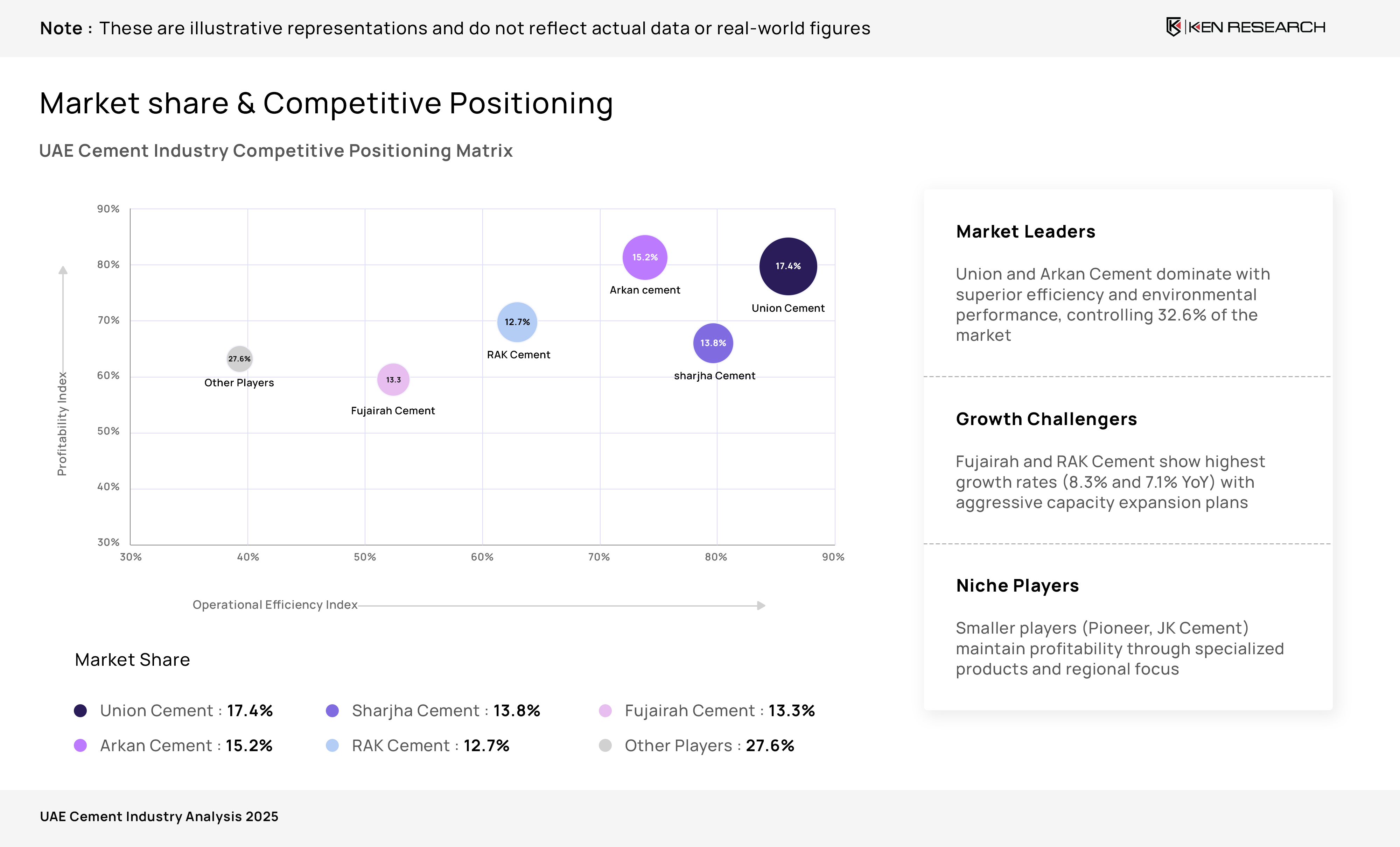
The Australia luxury car dealers market is characterized by a concentrated yet highly competitive structure, where large, multi-site dealer groups coexist alongside mid-sized regional players and specialized prestige retailers. Market leadership is largely defined by dealership footprint, OEM brand portfolios, and the ability to manage both new and high-value used vehicle inventory efficiently. While large dealer groups leverage scale to secure favorable allocations and operational leverage, smaller and mid-sized players differentiate through curated inventory, customer intimacy, and faster transaction cycles.
Global automotive brand standards play a significant role in shaping retail practices; however, localized adaptation remains a critical differentiator. Dealers tailor showroom formats, service offerings, and customer engagement models to suit Australian consumer preferences, geographic dispersion, and demand for premium ownership experiences. This balance between global brand consistency and local market responsiveness allows domestic dealer groups to compete effectively against internationally aligned retail models.
The distribution and aftersales ecosystem is central to competitive advantage in this market. Extensive service networks, workshop capacity, and parts availability directly influence customer retention and lifetime value, making aftersales performance a core strategic focus. Dealers with integrated finance, insurance, and service operations are better positioned to stabilize revenues and maintain margins amid fluctuations in vehicle sales volumes.
Strategically, competitive advantage increasingly stems from operational efficiency, digital lead management, and disciplined pricing execution rather than pure volume expansion. Investment in omnichannel retailing, inventory analytics, and service optimization continues to reshape how dealers compete and scale. Looking ahead, sustained leadership in the Australia luxury car dealers market will depend on the ability to align innovation with localization, strengthen aftersales monetization, and maintain strategic agility in a consolidating competitive landscape.
Ecosystem Matrix
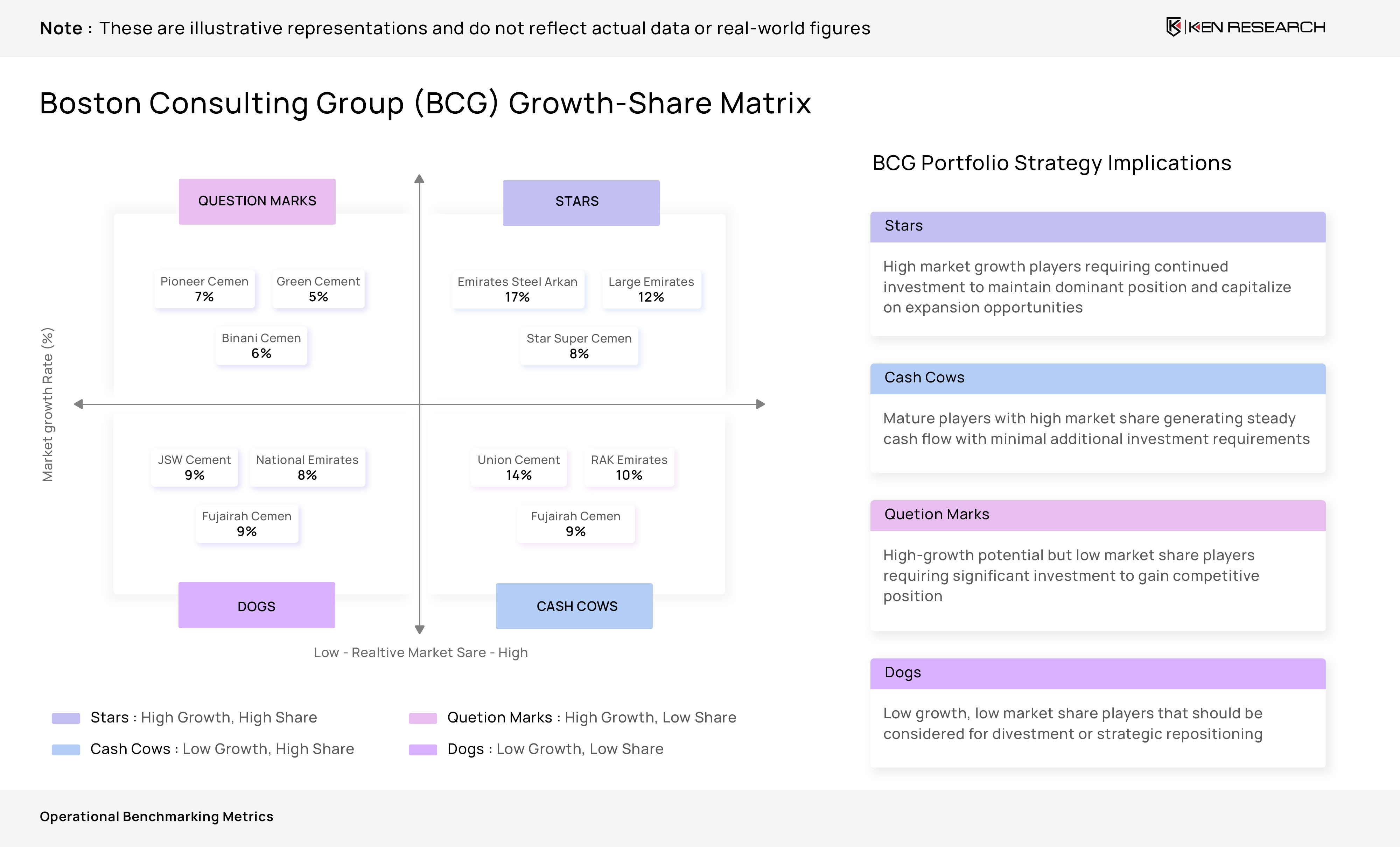
Australia’s luxury dealer ecosystem is consolidating around multi-site dealer groups with strong OEM relationships, finance and insurance attach, and service revenue depth. Scale leaders are better positioned to defend margin during discount cycles through inventory mix, sourcing, and turnaround speed.
Competitive advantage is increasingly defined by retail throughput and aftersales monetization: pricing discipline, high-value used sourcing, F&I penetration, and service retention. Players with omnichannel lead capture, fast appraisal-to-sale processes, and strong workshop capacity typically outperform on revenue per site.
Leading Player Profiles
Company Profile Overview
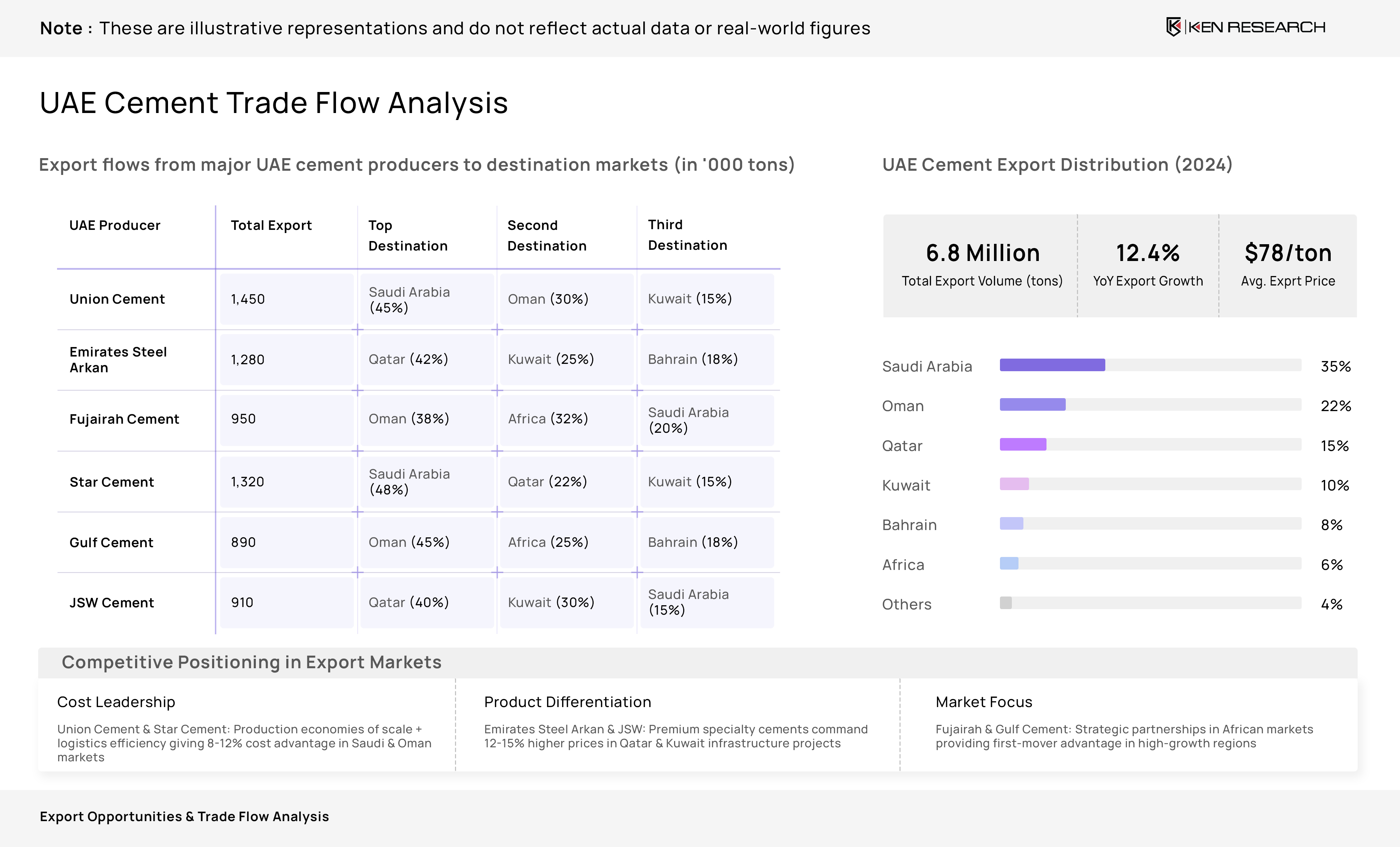
The leading set shows a clear split between scaled dealer groups (multi-site, multi-brand) and specialist prestige retailers (high-value used focus). Scale players typically win on procurement leverage, OEM allocations, and service absorption, while specialists compete on curated inventory and faster deal cycles.
Establishment timelines indicate mature incumbents dominate network scale, with newer formats emerging around premium used super-sites. Market competitiveness is therefore shaped by footprint density, brand portfolio strength, and the ability to monetize aftersales and F&I consistently across locations.
Key Operational Performance Metrics
Company Performance Overview
Unlock Market Insights
Dive deeper into production, distribution, and pricing intelligence.
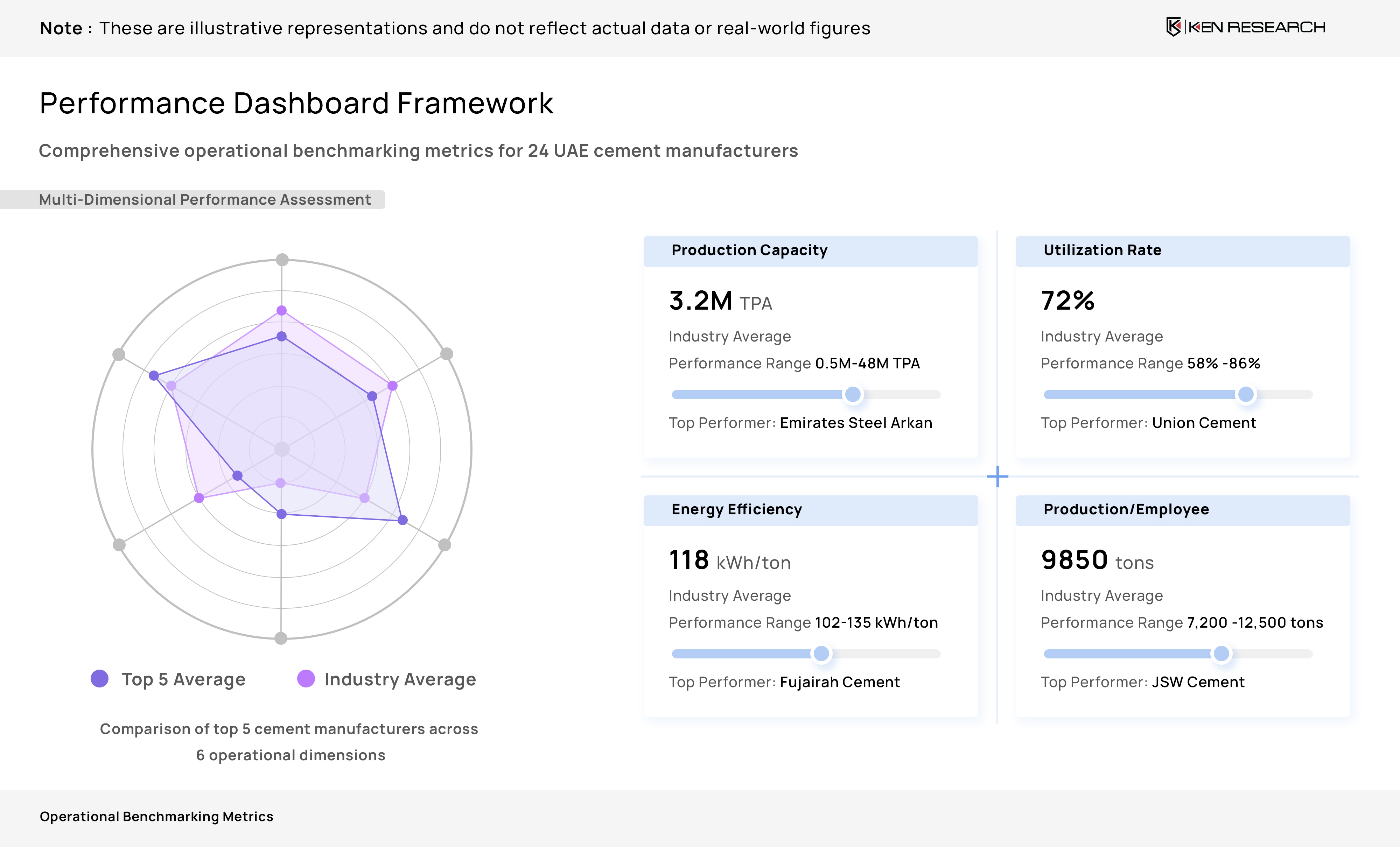
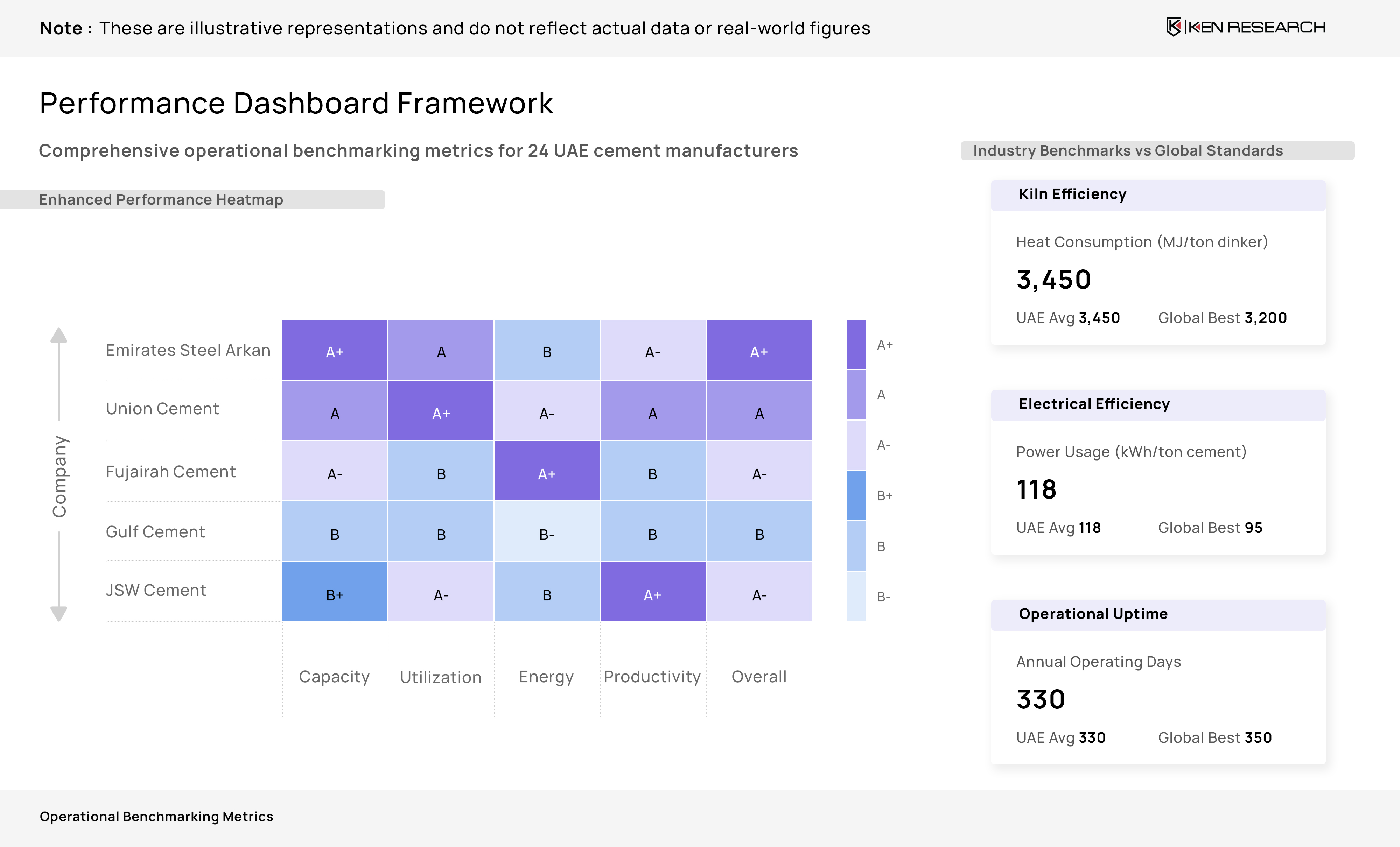
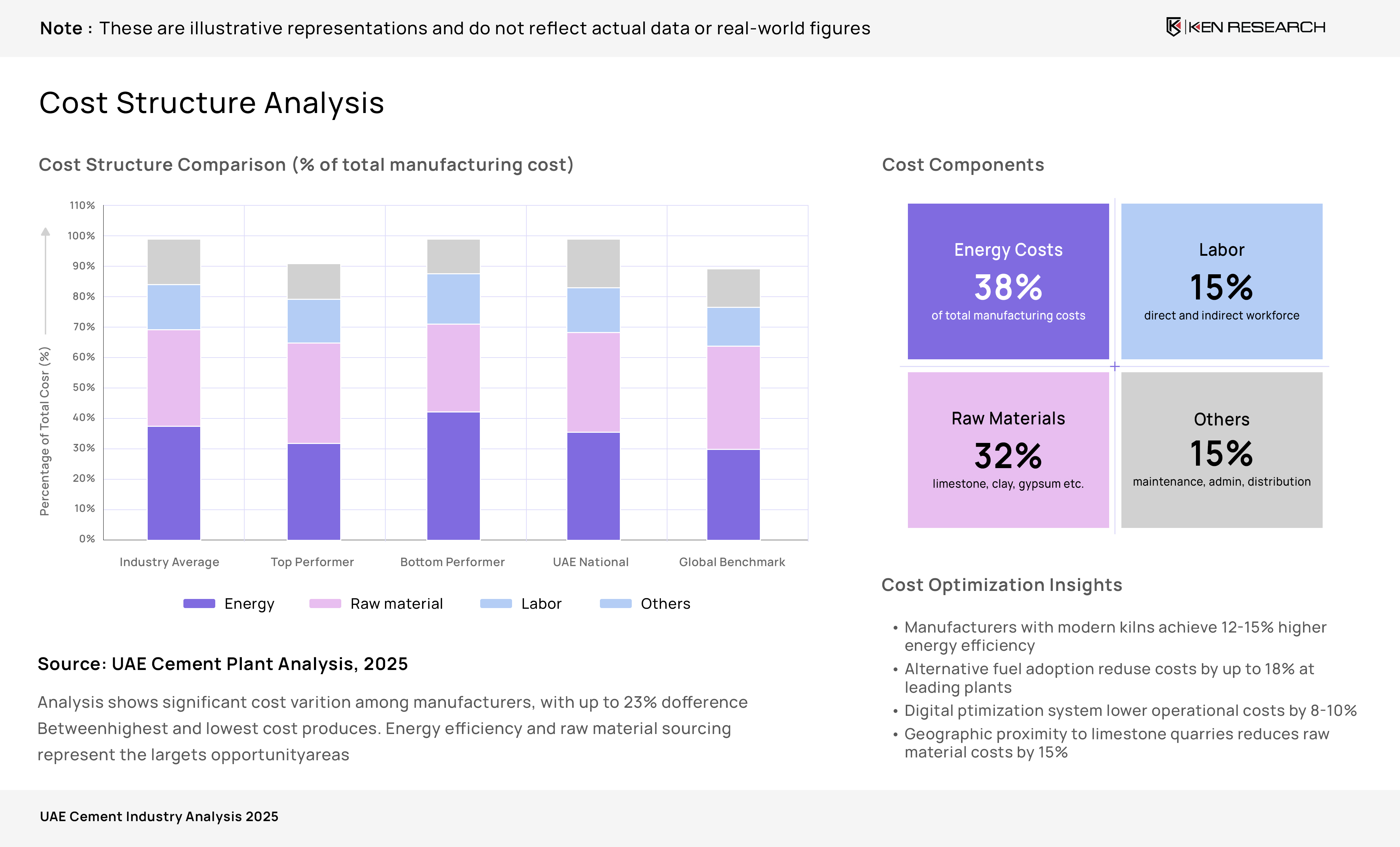
Get Customized ReportThese KPIs let you pinpoint where revenue is truly created in luxury retail: pricing power, product mix (new vs used), and gross profit capture. Dealers that sustain strong F&I income and aftersales revenue typically maintain healthier margins even when vehicle pricing faces pressure.
Operational benchmarking across these metrics highlights which players are built for resilience. Higher service, parts, and trade-in contribution reduces dependence on cyclical new-car volumes, while online sales revenue and fleet mix indicate how diversified and scalable each dealer’s demand engine is.
Core Financial Performance Metrics
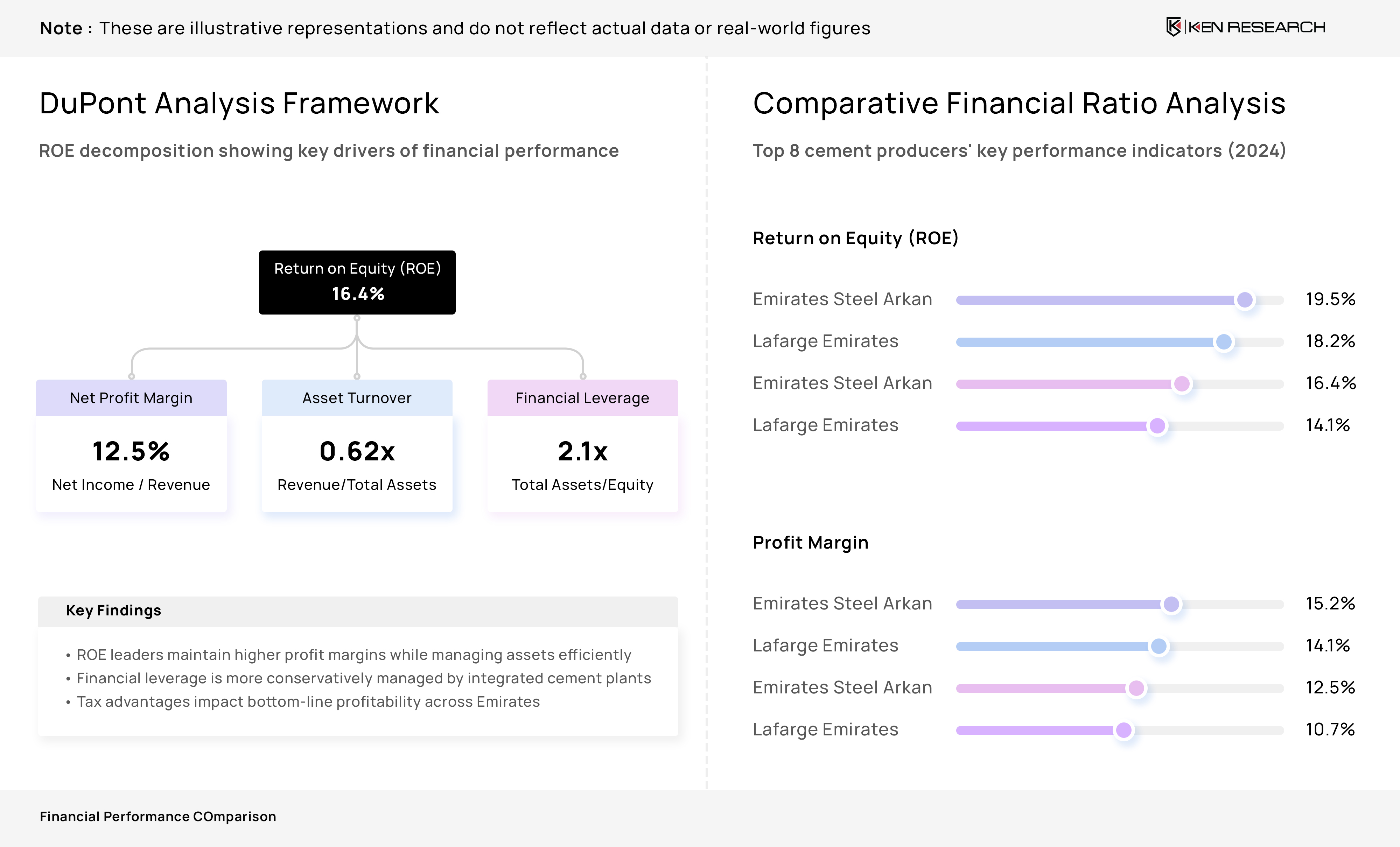
Financial benchmarking across revenue, cost base, and profit layers separates scale-driven leaders from margin-led specialists. Dealers with stronger EBITDA margins usually show superior aftersales absorption and F&I contribution, while high-growth players often reveal faster used-car scaling and better inventory productivity.
Comparing revenue growth versus COGS growth surfaces pricing discipline and mix shifts. Where COGS rises faster than revenue, margin compression risk increases. EBITDA and PAT margins then validate which business models convert operational scale into sustainable shareholder returns.
Table of Contents
1. Ecosystem Matrix
1.1 Large Players
1.1.1 Eagers Automotive
1.1.2 Autosports Group
1.1.3 Peter Warren Automotive Holdings
1.1.4 Dutton Automotive
1.1.5 Alto Group
1.1.6 Suttons Motors
1.1.7 WFM Motors (NGP Group)
1.1.8 von Bibra Auto Group
1.2 Medium Players
1.2.1 Jowett Motor Group
1.2.2 Jarvis Group
1.2.3 Tynan Motors
1.2.4 McCarroll’s Automotive Group
1.2.5 Phil Gilbert Motor Group
1.2.6 Stillwell Motor Group (Autosports Group)
1.2.7 Trivett Automotive Retail (Inchcape Australasia)
1.3 Small Players
1.3.1 Nick Theodossi Prestige Cars
1.3.2 Cavalo Prestige
1.3.3 Melbourne City Lexus
2. Leading Player Profiles
2.1 Parameters
2.1.1 Company Name
2.1.2 Group Name
2.1.3 Headquarters
2.1.4 Established Year
2.1.5 Core Services
2.1.6 Mode of Functioning
3. Key Operational Performance Metrics
3. Financial Performance Breakdown
3.1 Pricing (USD Mn)
3.2 New Vehicle Revenue (USD Mn)
3.3 Used Vehicle Revenue (USD Mn)
3.4 Vehicle Gross Profit (USD Mn)
3.5 Finance & Insurance Income (USD Mn)
3.6 Service Revenue (USD Mn)
3.7 Parts & Accessories Revenue (USD Mn)
3.8 Trade-in Margin (USD Mn)
3.9 Fleet/Corporate Sales Revenue (USD Mn)
3.10 Online Sales Revenue (USD Mn)
4. Core Financial Performance Metrics
4.1 Parameters
4.1.1 Revenue (USD Mn)
4.1.2 Revenue Growth (%)
4.1.3 COGS (USD Mn)
4.1.4 COGS Growth (%)
4.1.5 EBITDA (USD Mn)
4.1.6 EBITDA Growth (%)
4.1.7 EBITDA Margin (%)
4.1.8 PAT (USD Mn)
4.1.9 PAT Margin (%)
5. Methodology
5.1 Approach
5.1.1 Desk Sources
5.1.2 Primary Interviews
5.1.3 Sanity Checking & Validation
5.2 Benchmarking Process
5.2.1 Data Collection
5.2.2 Primary Validation
5.2.3 Proxy KPI Modelling
5.2.4 Normalization & Indexing
5.2.5 Gap Analysis
5.2.6 Peer Review
5.3 Sample Composition
5.3.1 Scope Items
5.3.2 Sample Size
5.3.3 Target Respondents
Methodology
Ken Research will deploy its proprietary, multi-layered research framework combining robust secondary research, targeted primary outreach, and rigorous data validation to deliver an authoritative competitive benchmarking assessment of the Australia Luxury Car Dealers Market.
Desk Sources
- Industry reports from proprietary databases and Ken Research internal archives to establish historical benchmarks and market baselines
- Company annual reports, investor presentations, and statutory filings to extract financial performance, dealership scale, and strategic priorities
- Government publications and trade-association releases to understand regulatory context, import policies, and automotive retail norms
- Trade magazines, journals, and e-articles to track competitive developments, dealer consolidation, pricing dynamics, and technology adoption
- Financial intelligence platforms such as Bloomberg and Capital IQ to standardize peer comparisons and profitability analysis
- Web traffic and digital analytics tools including SimilarWeb to assess online lead generation, omnichannel penetration, and demand signals
Primary Interviews
- CATI-based interviews and structured online discussions with category heads and senior management at luxury automotive dealer groups
- In-depth conversations with sales, aftersales, and operations leaders to validate pricing structures, revenue mix, and dealership economics
- Interviews with distributor partners and OEM-aligned channel stakeholders to confirm allocation dynamics, service penetration, and regional demand patterns
- Consultations with industry analysts and automotive retail consultants to validate competitive positioning and evolving business models
Sanity Checking and Validation
- Triangulation of estimates through cross-verification of secondary research, primary inputs, and proxy-based modeling outputs
- Proxy KPI synthesis using dealership footprint, service bay capacity, digital lead flow, and brand mix to approximate revenues and margins
- Outlier analysis to identify anomalies across pricing, margins, and growth indicators, followed by targeted revalidation discussions
- Structured assumption tracking to document modeling logic, data limitations, and proxy KPI sources
- Internal peer review of methodology, assumptions, and analytical outputs prior to final report closure
An Inside Look At Our Custom Insights
Take a look at ourcustomized insights, tailored to yourmarket and business needs. Our benchmarking reports deliver data-driven comparisons of key players, helping you uncover opportunities, assess performance, and make confident strategic decisions.