France Electric Vehicle Charging Infrastructure Providers Competition Benchmarking 2025: Charging Network, Site Footprint, Platform Capabilities & Growth Strategy
Published on: January 2026
Report Overview
France Electric Vehicle Charging Providers Market Overview
Market Highlights
The France Electric Vehicle Charging Providers Market showcases a diverse competitive structure, where multinational corporations, regional manufacturers, and local firms engage in a dynamic interplay. Multinationals leverage their extensive resources for efficiency, while regional players focus on tailored solutions that resonate with local market needs, and local firms capitalize on agility and niche expertise.
Innovation on a global scale is harmoniously blended with localized adaptations, as providers customize charging solutions to meet France's unique infrastructural and consumer demands. Collaborations between hardware suppliers and software developers facilitate the integration of advanced technologies, ensuring that offerings are both cutting-edge and contextually relevant.
The distribution and aftersales ecosystem is pivotal in enhancing user satisfaction and operational reliability. Strategic partnerships among manufacturers, utility companies, and real estate developers are broadening the accessibility of charging stations, while robust aftersales services, including maintenance and monitoring, are crucial for fostering customer loyalty in a competitive landscape.
Looking ahead, the market is poised for transformation driven by innovation, localization, and operational agility. Companies are increasingly adopting data-driven strategies and sustainable practices, positioning themselves to navigate the evolving landscape and meet the growing demand for electric vehicle infrastructure in France.
Ecosystem Matrix
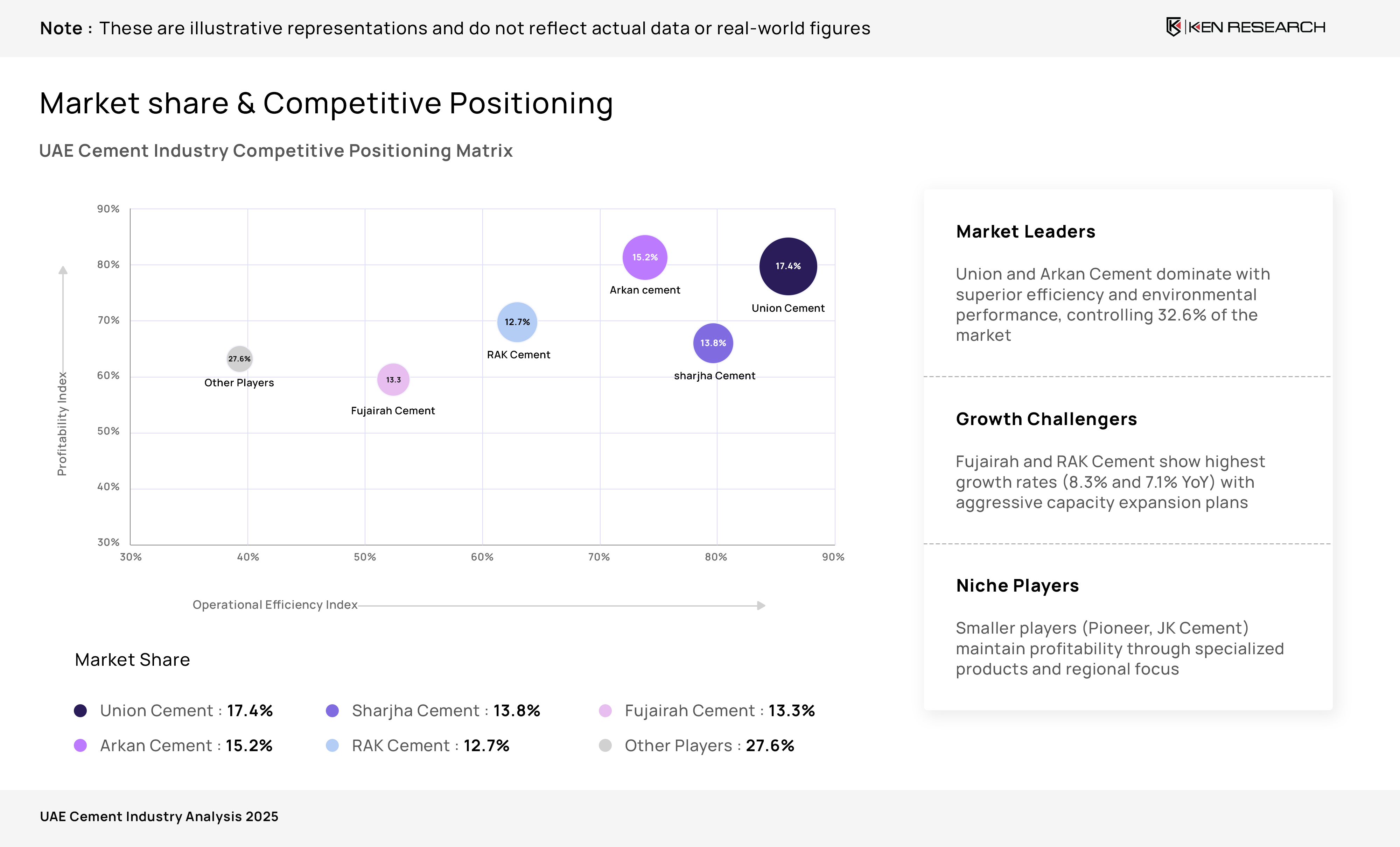
France’s EV charging market is increasingly scale-led, with energy incumbents and corridor HPC networks using superior site access, grid partnerships, and capex capacity to lock in high-traffic locations, while intensifying competition on reliability, utilisation, and monetisation per charger.
Competitive benchmarking should prioritise execution economics connection lead-times, uptime, pricing discipline, and energy-throughput growth because topline expansion is now driven less by “presence” and more by conversion of locations into high-yield charging hubs and recurring B2B contracts.
Leading Player Profiles
Company Profile Overview
The player set reflects two dominant operating archetypes: infrastructure-heavy CPOs competing on throughput and uptime, and platform-led models monetising via software, access, and partner-enabled networks. Comparing both requires normalising for business mix and revenue streams.
Market leadership is increasingly determined by the ability to industrialise deployment (permits + grid), maintain consistent charging availability, and build repeatable site partnerships—because these levers directly translate into higher energy sold, better pricing power, and stronger revenue per location.
Key Operational Performance Metrics
Company Performance Overview
Unlock Market Insights
Dive deeper into production, distribution, and pricing intelligence.
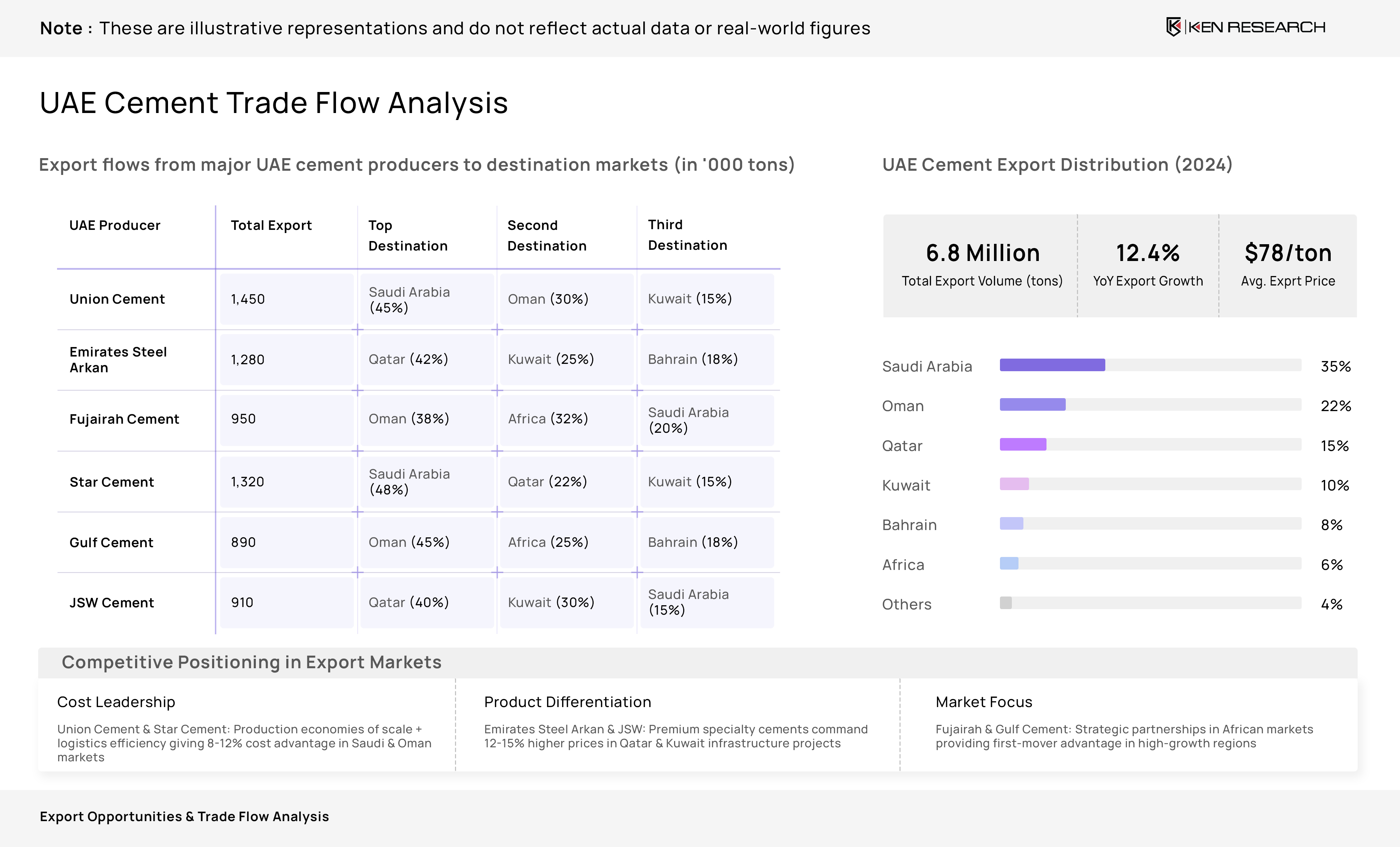
Get Customized ReportOperational benchmarking in France EV charging should be revenue-first: pricing per kWh, energy sold, and charging sessions are the core topline engines, while subscription and platform fees improve yield stability. The strongest operators convert footprint into higher utilisation and repeat transactions.
Comparing CPOs and platform-led players requires split-stream assessment: CPOs optimise throughput and uptime to scale public charging revenue, while EMSP/software operators monetise via roaming, transaction fees, and service contracts; both compete indirectly through customer access and pricing architecture.
Core Financial Performance Metrics
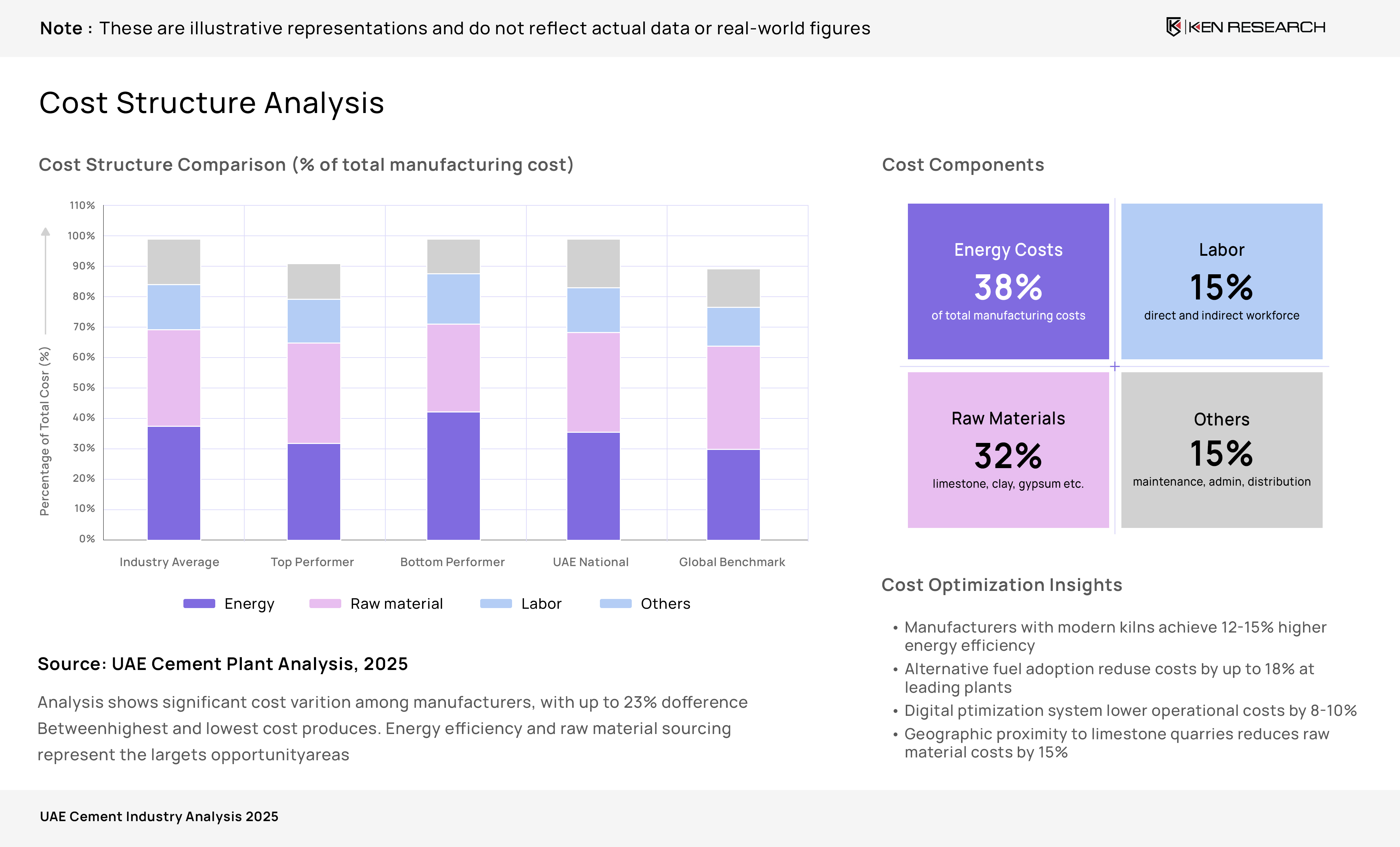
Financial benchmarking should separate mature-scale incumbents from growth-stage CPOs: revenue growth is often investment-led, while EBITDA margin is shaped by utilisation, energy procurement, and maintenance intensity. PAT outcomes further depend on depreciation and financing profiles from rapid rollout.
Cross-player comparability improves when isolating charging economics versus platform economics: CPO-heavy models typically carry higher COGS sensitivity to electricity prices and site opex, whereas platform-led players may show different margin structures driven by software and service revenue mix.
Table of Contents
1. Ecosystem Matrix
1.1 Large Players
1.1.1 TotalEnergies
1.1.2 ENGIE
1.1.3 EDF
1.1.4 Tesla
1.1.5 IONITY
1.1.6 Shell Recharge
1.2 Medium Players
1.2.1 Electra
1.2.2 DRIVECO
1.2.3 Powerdot
1.2.4 Fastned
1.2.5 Allego
1.2.6 Atlante
1.2.7 NW Groupe
1.2.8 ChargePoint
1.3 Small Players
1.3.1 Bump
1.3.2 Qovoltis
1.3.3 e-Totem
1.3.4 Freshmile
1.3.5 Chargemap
2. Leading Player Profiles
2.1 Parameters
2.1.1 Company Name
2.1.2 Group Name
2.1.3 Headquarters
2.1.4 Established Year
2.1.5 Core Services
2.1.6 Mode of Functioning
3.1 Key Operational Performance Metrics
3.1 Public Charging Revenue (USD Mn)
3.2 B2B Site Hosting & Operation Fees (USD Mn)
3.3 Roaming / EMSP Revenue (USD Mn)
3.4 Subscription / Membership Revenue (USD Mn)
3.5 Installation & Maintenance Revenue (USD Mn)
3.6 Platform / Transaction Fees (USD Mn)
3.7 Pricing (Average USD per kWh)
3.8 Charging Sessions (Orders)
3.9 Average Revenue per Session (USD)
3.10 Energy Sold (MWh)
4. Core Financial Performance Metrics
4.1 Parameters
4.1.1 Revenue (USD Mn)
4.1.2 Revenue Growth (%)
4.1.3 COGS (USD Mn)
4.1.4 COGS Growth (%)
4.1.5 EBITDA (USD Mn)
4.1.6 EBITDA Growth (%)
4.1.7 EBITDA Margin (%)
4.1.8 PAT (USD Mn)
4.1.9 PAT Margin (%)
5. Methodology
5.1 Approach
5.1.1 Desk Sources
5.1.2 Primary Interviews
5.1.3 Sanity Checking & Validation
5.2 Benchmarking Process
5.2.1 Data Collection
5.2.2 Primary Validation
5.2.3 Proxy KPI Modelling
5.2.4 Normalization & Indexing
5.2.5 Gap Analysis
5.2.6 Peer Review
5.3 Sample Composition
5.3.1 Scope Items
5.3.2 Sample Size
5.3.3 Target Respondents
Methodology
Ken Research will deploy its proprietary, multi-layered research framework combining robust secondary research, targeted primary outreach, and rigorous data validation to deliver an authoritative competitive benchmarking analysis of the France Electric Vehicle Charging Providers Market. The methodology is specifically calibrated to the EV charging ecosystem, ensuring all proxy KPIs are market-relevant, revenue-linked, and operator-appropriate.
Desk Sources
- Industry reports from Ken Research proprietary databases and internal archives to establish historical benchmarks, rollout trajectories, and market baselines for EV charging infrastructure in France
- Company annual reports, investor presentations, statutory filings, and sustainability disclosures to extract financials, network size, charger mix (AC/DC/HPC), capex intensity, and strategic priorities
- Government publications and trade-association releases (e.g., transport, energy, and mobility authorities) to assess regulatory frameworks, public funding schemes, charging mandates, and grid policies
- Trade magazines, journals, and e-articles to track competitive developments, pricing evolution, technology shifts (HPC, smart charging), and partnerships
- Financial intelligence platforms such as Bloomberg and Capital IQ for standardized financial ratios, peer comparisons, and group-level disclosures
- Web traffic, app-usage, and digital analytics dashboards (e.g., SimilarWeb, App Annie) to assess platform reach, customer engagement, booking intensity, and digital demand signals
Primary Interviews
- CATI interviews and structured online surveys with category managers, operations heads, and network deployment leaders of EV charging providers
- In-depth discussions with senior sales, commercial, and pricing leaders at leading CPOs and platform-led players
- Interviews with site hosts, distributors, installers, and channel partners to validate pricing per kWh, utilisation trends, site economics, and regional demand patterns
- Consultations with industry analysts, mobility consultants, grid specialists, and charging technology providers for expert-level validation of market dynamics
Sanity Checking and Validation
- Triangulation of estimates by cross-verifying secondary research, primary inputs, and proxy-based model outputs
- Proxy KPI synthesis using EV-charging-specific indicators such as number of chargers by type, charging sessions, energy sold (MWh), average pricing per kWh, utilisation rates, and site count to approximate revenues where direct disclosures are unavailable
- Outlier analysis to identify anomalous data points in pricing, utilisation, or margins and reconcile them through targeted follow-up discussions
- Assumption tracking via a structured log capturing all benchmarking assumptions, data gaps, limitations, and proxy KPI sources
- Internal peer review of methodology, analytical models, and key outputs prior to final report finalisation
An Inside Look At Our Custom Insights
Take a look at ourcustomized insights, tailored to yourmarket and business needs. Our benchmarking reports deliver data-driven comparisons of key players, helping you uncover opportunities, assess performance, and make confident strategic decisions.