Malaysia Automotive Aftermarket Services Competition Benchmarking 2025: Service Network, Product Portfolio, Pricing Models & Market Share
Published on: December 2025
Report Overview
Malaysia Automotive Aftermarket Overview
Market Highlights
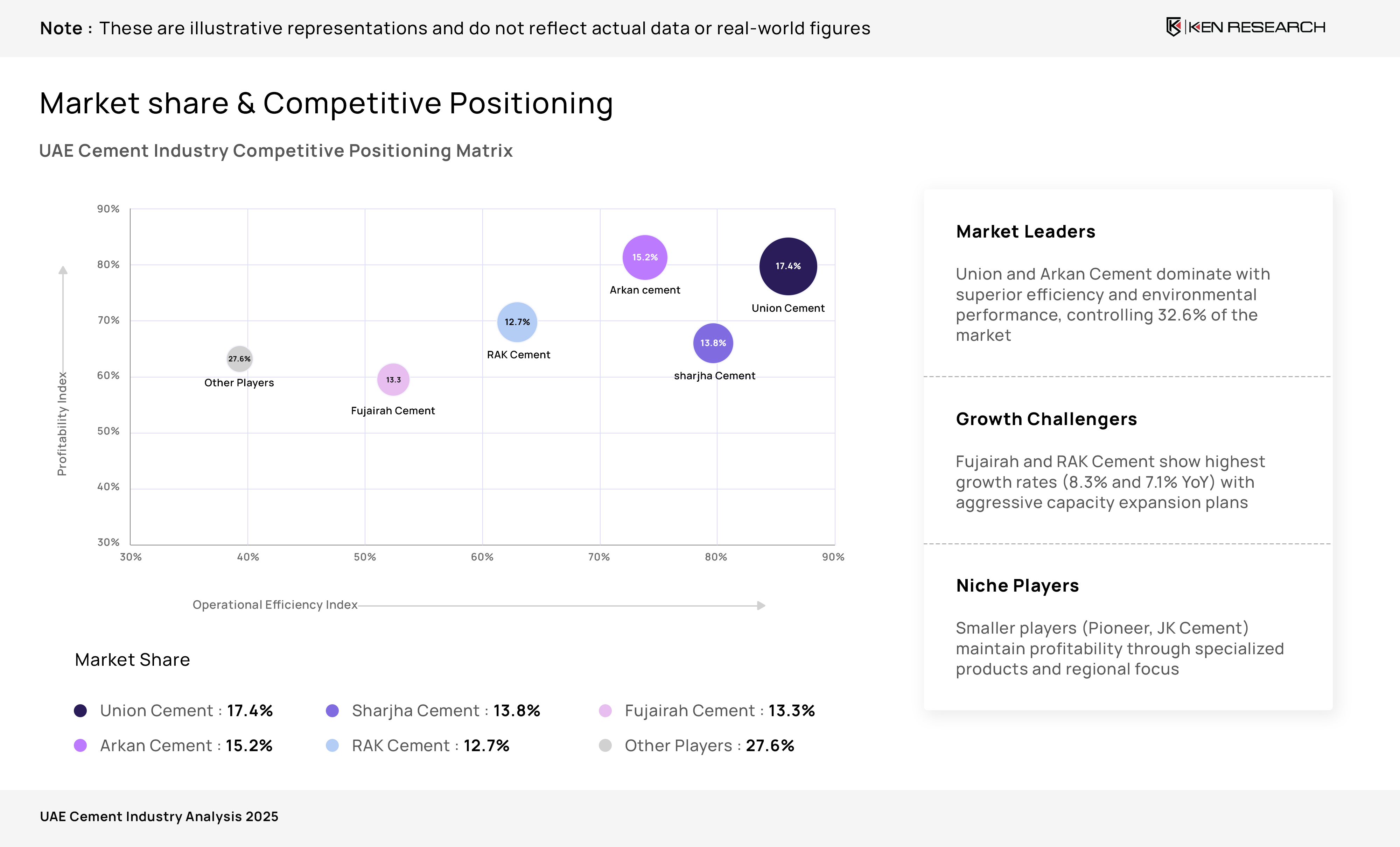
The Malaysia Automotive Aftermarket features a layered competitive landscape where vertically integrated multinationals coexist with established regional players and agile local entrants. Integrated majors focus on scale and supply chain optimization, while regional manufacturers emphasize customization and responsive delivery models aligned with local demand cycles. Smaller domestic firms leverage niche specialization, quick turnaround times, and flexible service agreements to compete effectively across targeted micro-segments.
Global innovation merges with strong domestic adaptation as companies localize EV charger designs, payment systems, and installation models to align with Malaysia’s power grid realities and consumer preferences. Hardware suppliers and software platform developers partner with public and private distributors to adapt solutions for varied climatic, infrastructural, and regulatory conditions. Localization extends into vendor partnerships, ensuring that imported technology integrates seamlessly with indigenous manufacturing and service protocols.
The distribution and aftersales ecosystem plays a decisive role in shaping user experience and network reliability. Strategic tie-ups between OEMs, utilities, and real-estate operators are expanding access to chargers in residential, commercial, and fleet domains. Aftersales excellence—spanning maintenance contracts, uptime assurance, and digital service monitoring—drives customer retention and operator credibility in a fragmented service environment.
Competitiveness increasingly relies on operational discipline and data-enabled planning. Leading operators employ predictive maintenance tools, integrated energy management systems, and real-time analytics to minimize downtime and optimize utilization rates. Sustainability commitments and modular product design are enhancing lifecycle efficiency, while collaborative ventures between energy majors and tech start-ups accelerate innovation across the hardware–software continuum.
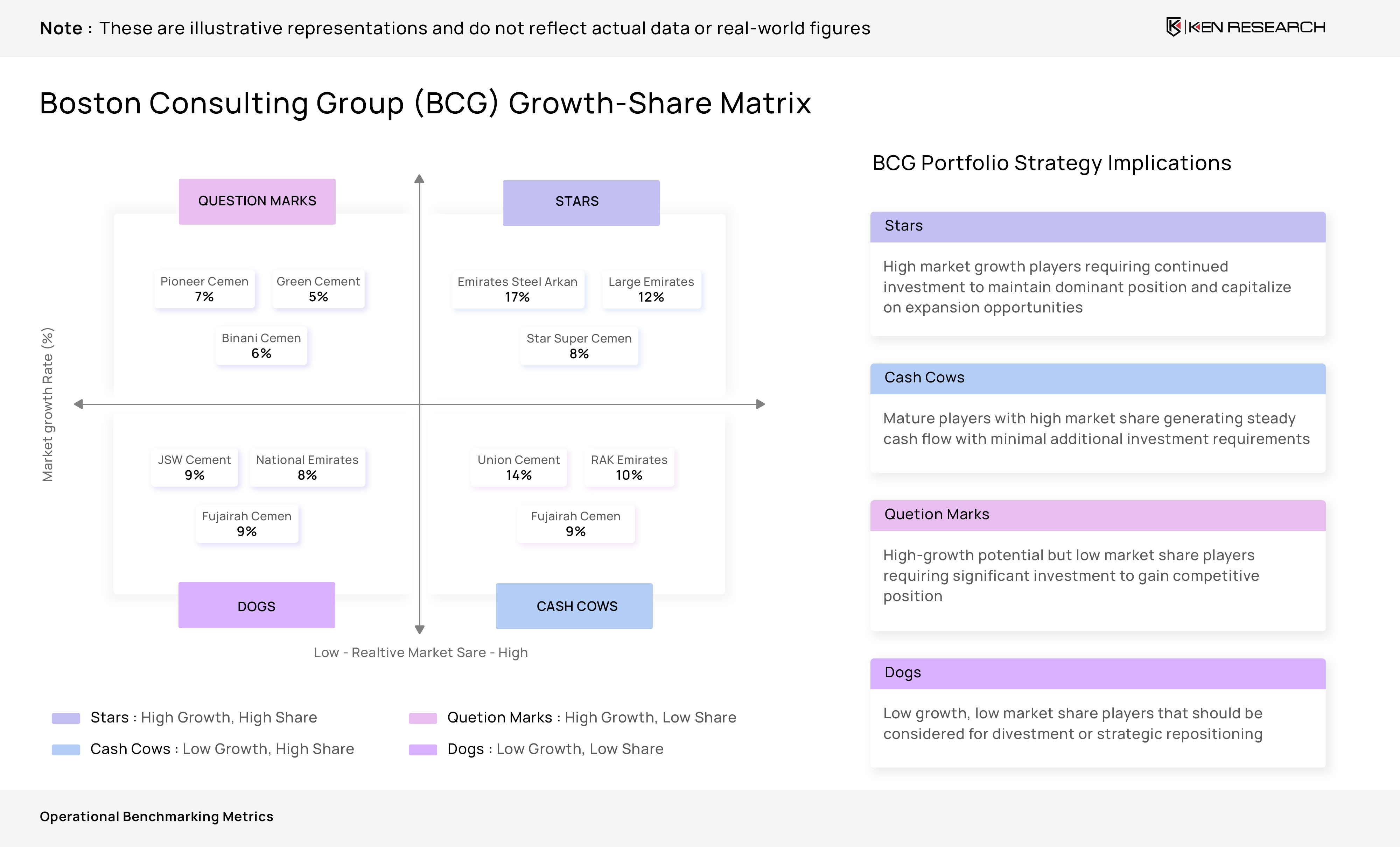
Ecosystem Matrix
Large incumbentsdominate through OEMbacked service networks, parts distribution and multiband workshops.
Medium playersleverage specialized technical partnerships and regional scale;small chainsfocus on local repair, tuning and quick service niches.
Leading Player Profiles
Company ProfilesOverview
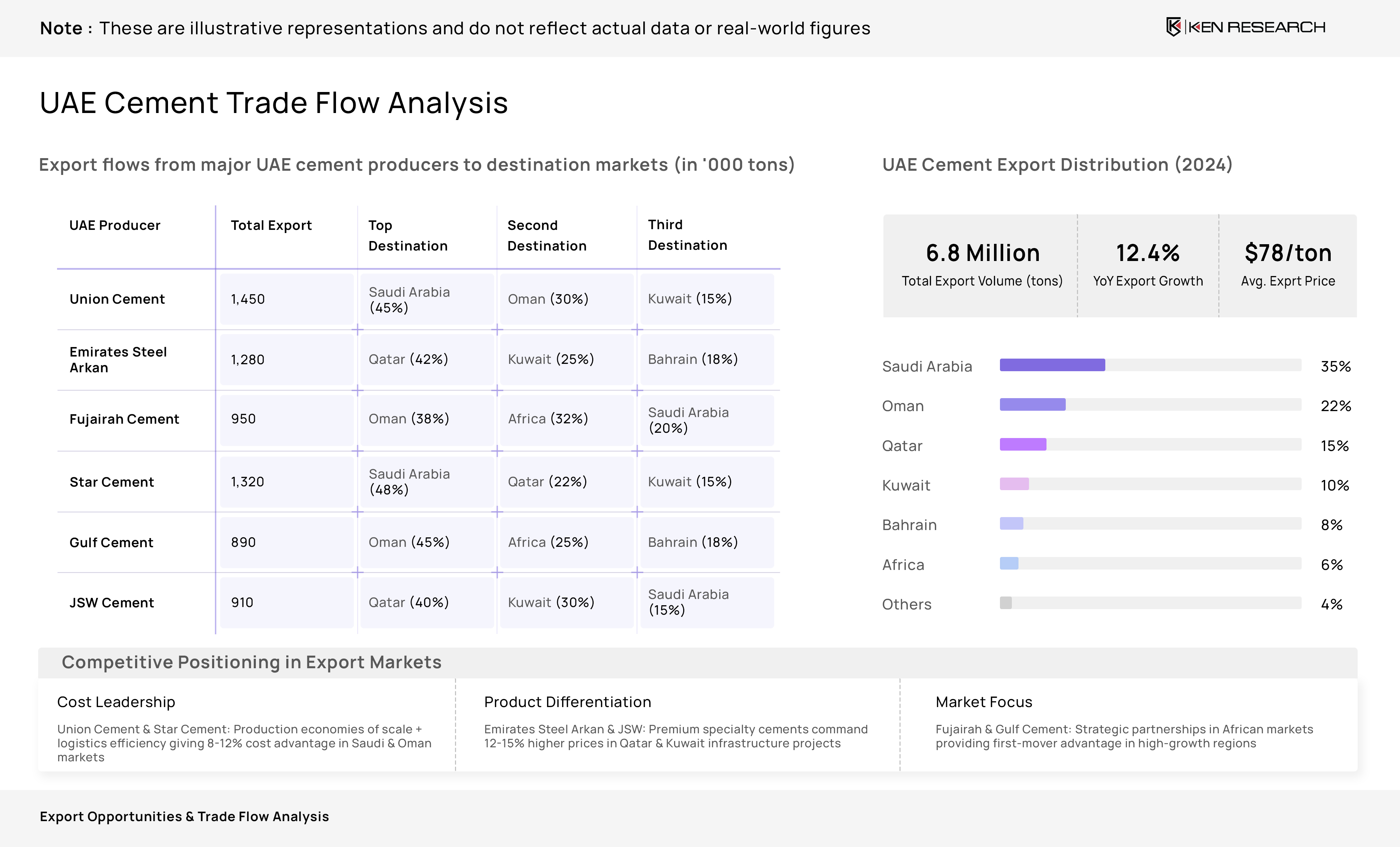
Profiles span OEM owned networks, global parts giants and homegrown independents.
Headquarters in Malaysia and key global centers reflect a mix of local market depth and international best practices.
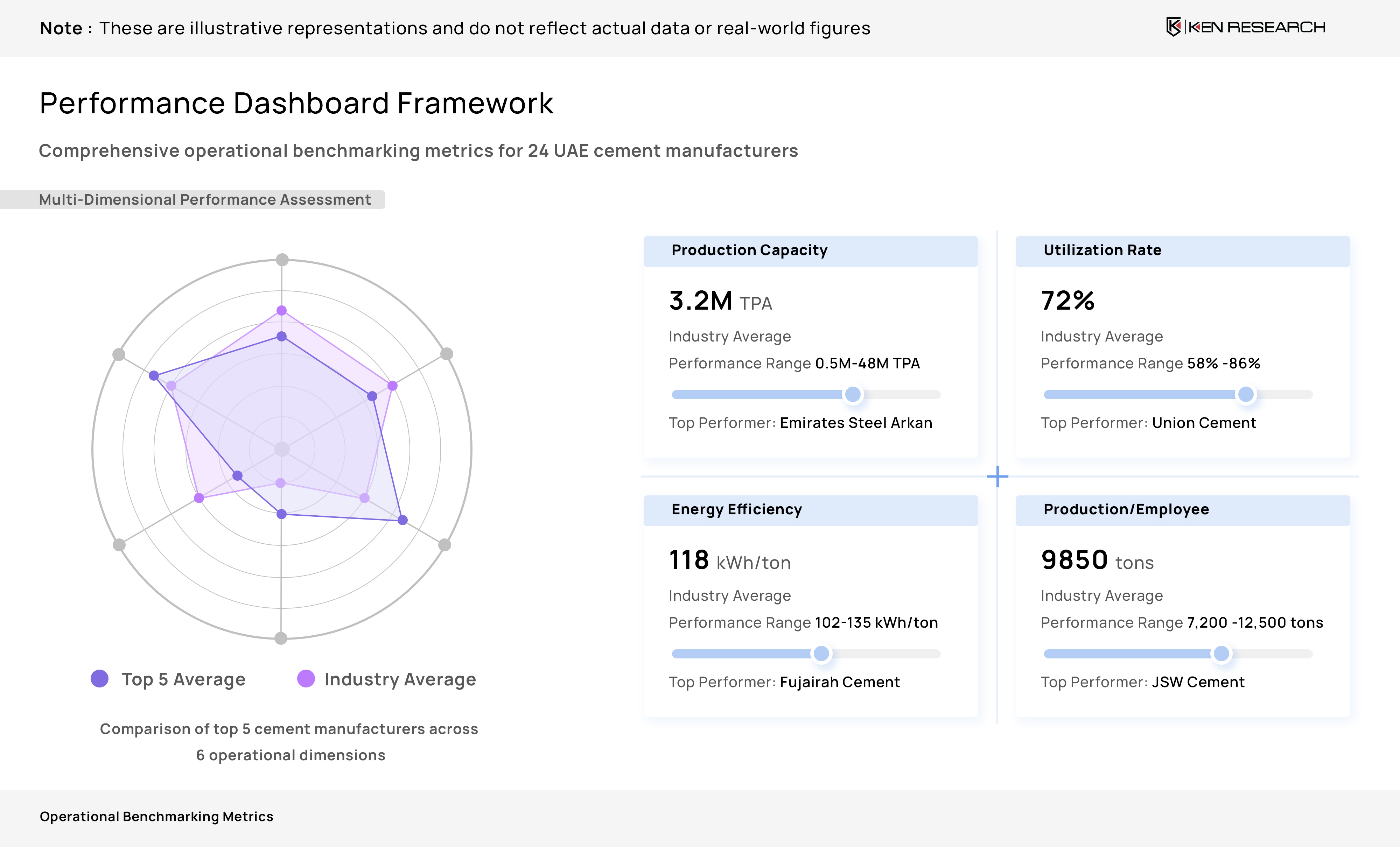
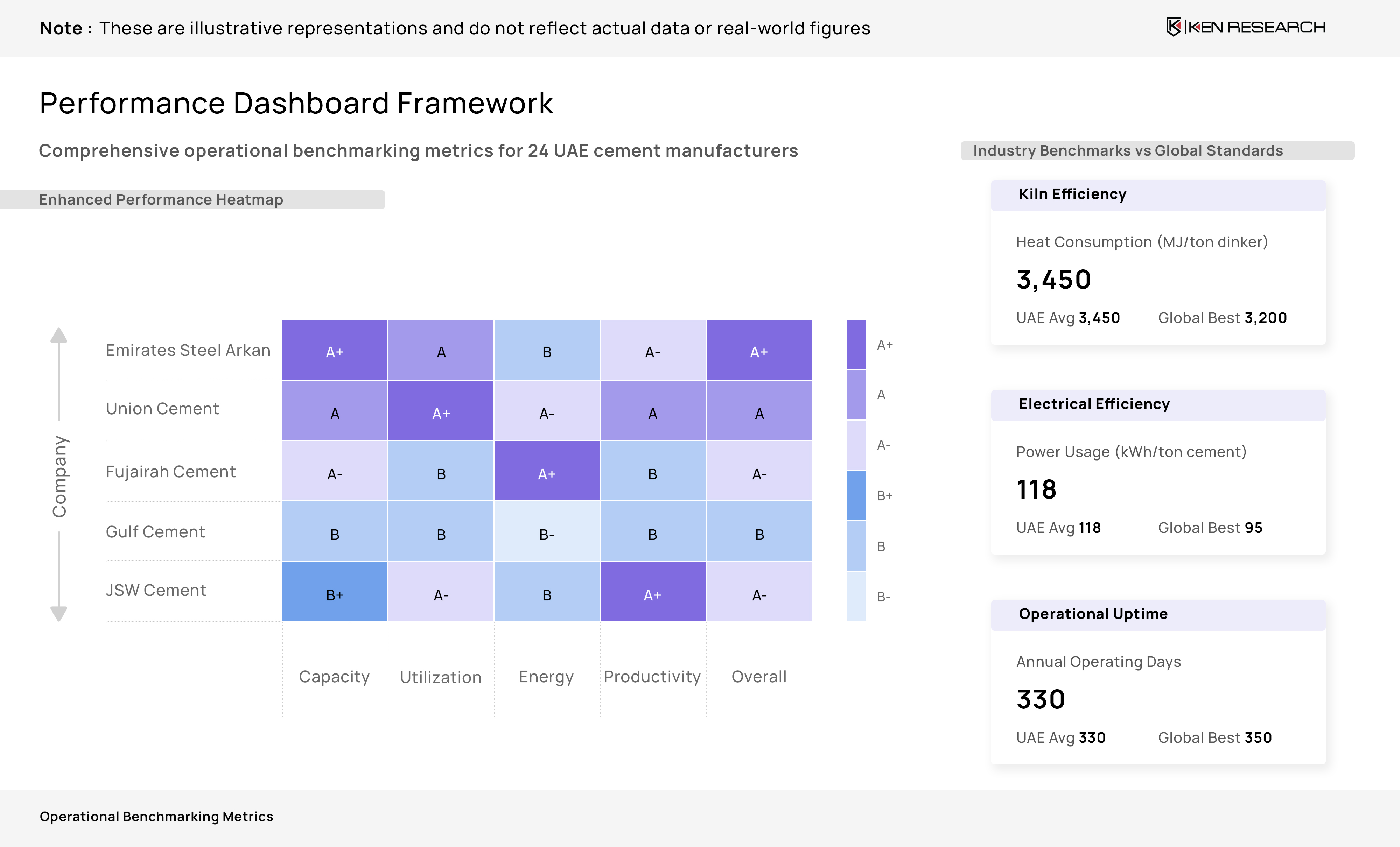
Key Operational Performance Metrics
Company Performance Overview
Unlock Market Insights
Dive deeper into production, distribution, and pricing intelligence.
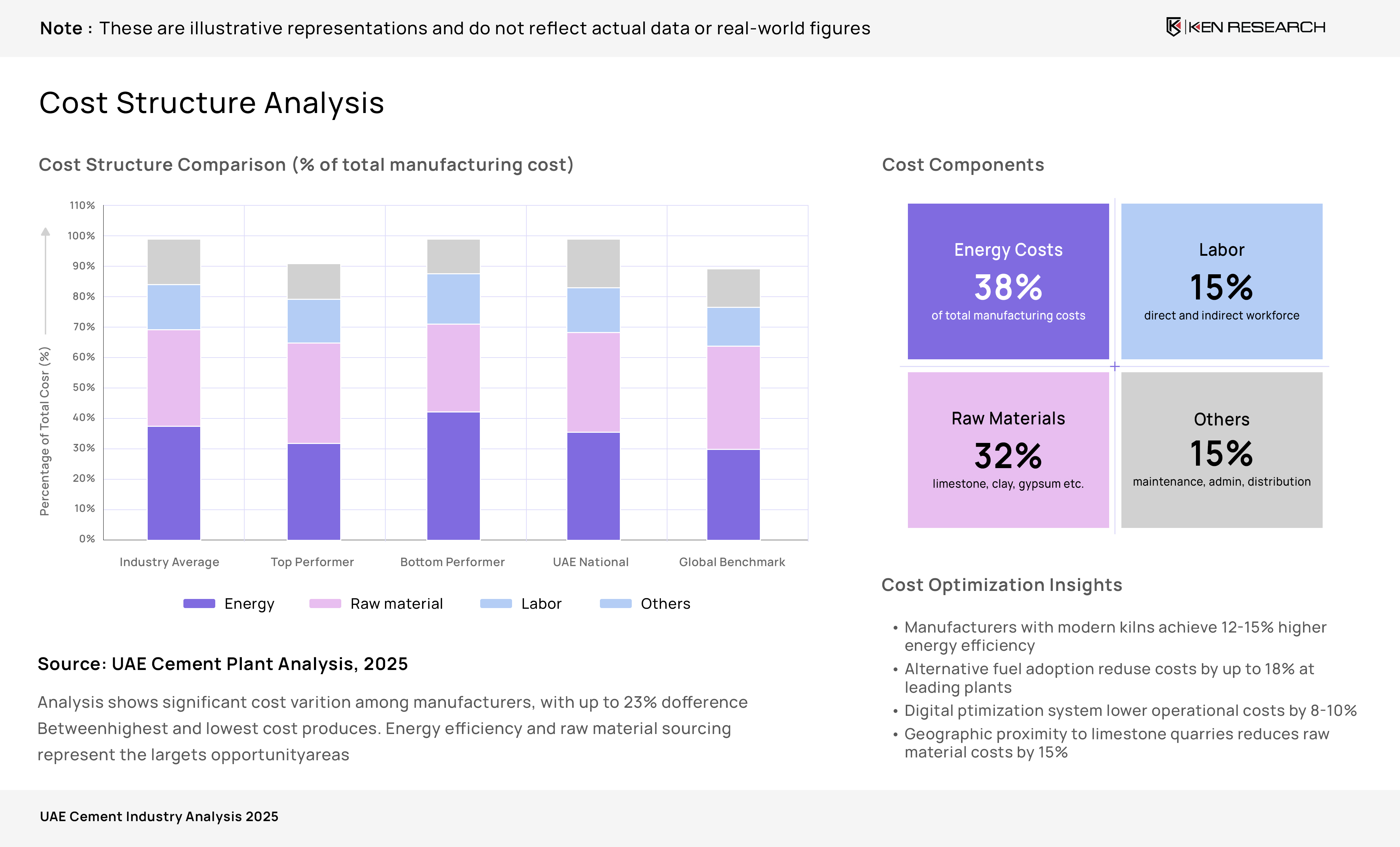
Get Customized ReportWorkshopandservice baysquantify network scale;jobsandavg valuecapture throughput and yield.
Parts SKUs,satisfaction,pricing tiersandwarranty claimshighlight breadth of offering, quality and risk management.
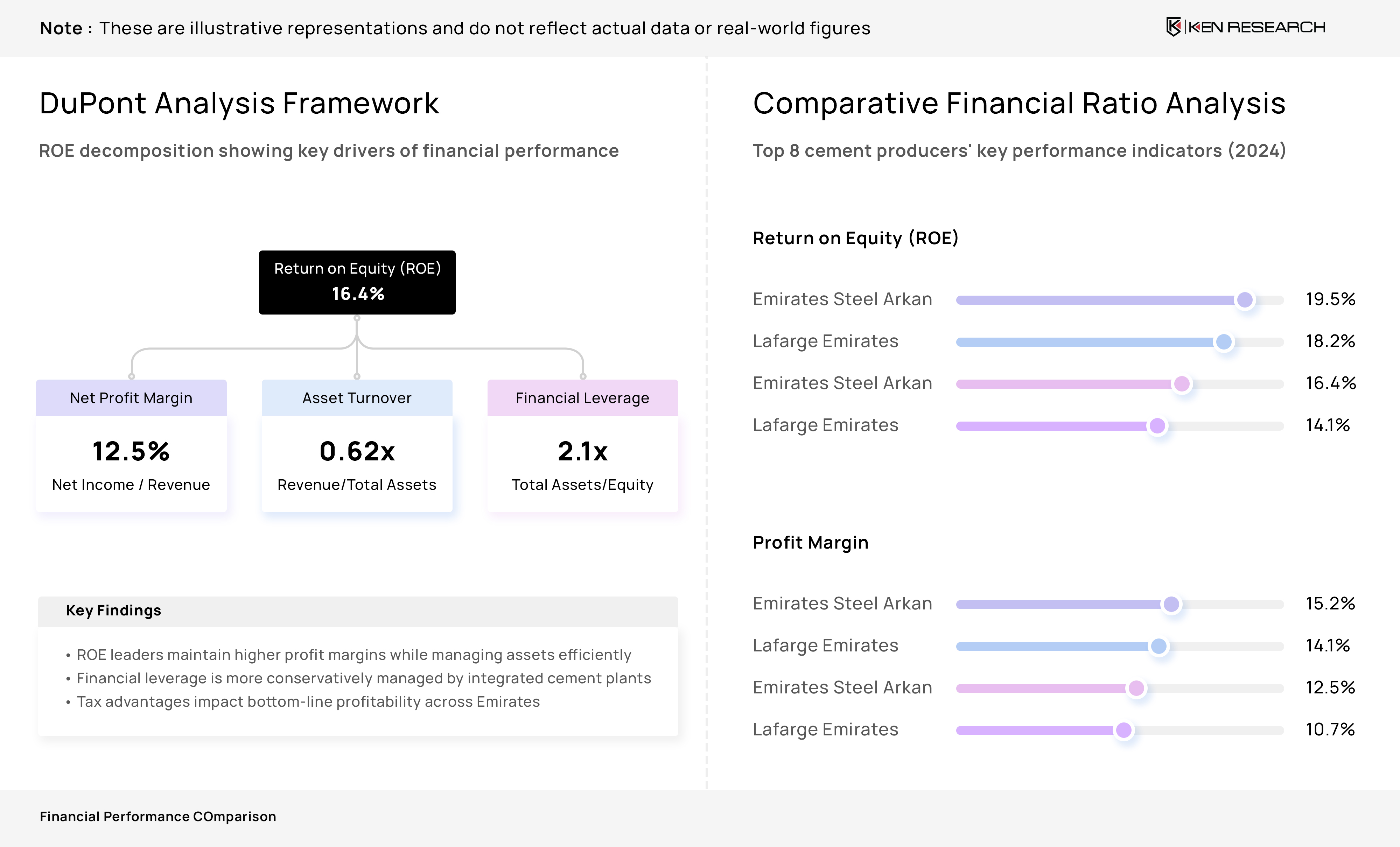
Core Financial Performance Metrics
Revenue growthvs.EBITDA marginshows profitability leverage from scale, premium positioning and cost control.
COGS % Rev,COGS growthandPAT margintrack parts costs, service overheads and bottom line performance.
Table of Contents
1. Ecosystem Matrix
1.1 Large Players
1.1.1 UMW Toyota
1.1.2 Tan Chong
1.1.3 Sime Darby
1.1.4 MBM
1.1.5 DRB HICOM
1.1.6 Bermaz
1.1.7 C&C Bintang
1.1.8 Wearnes
1.2 Medium Players
1.2.1 Bosch Car Service
1.2.2 Michelin
1.2.3 Bridgestone MBM
1.2.4 Continental
1.2.5 Castrol
1.2.6 Proton Service
1.2.7 Automech
1.2.8 Auto Bavaria
1.3 Small Players
1.3.1 Auto City
1.3.2 Carfix
1.3.3 Midtown Garage
1.3.4 QuickFit
1.3.5 KENCO Auto
1.3.6 Brothers Auto
1.3.7 Precision
1.3.8 Perfect Tune
2. Leading Player Profiles
2.1 Company & Group Name
2.2 Headquarters
2.3 Established Year
2.4 Core Services
3. Key Operational Performance Metrics
3.1 Number of Workshops
3.2 Number of Service Bays
3.3 Monthly Jobs (Thousands)
3.4 Parts SKUs (Thousands)
3.5 Average Job Value (USD)
3.6 Customer Satisfaction (%)
3.7 Average Spare Parts Pricing (USD per SKU)
3.8 Warranty Claims Rate (%)
4. Core Financial Performance Metrics
4.1 Parameters
4.1.1 Revenue (USD Mn)
4.1.2 Revenue Growth (%)
4.1.3 COGS (USD Mn)
4.1.4 COGS Growth (%)
4.1.5 EBITDA (USD Mn)
4.1.6 EBITDA Growth (%)
4.1.7 EBITDA Margin (%)
4.1.8 PAT (USD Mn)
4.1.9 PAT Margin (%)
5. Methodology
5.1 Approach
5.1.1 Desk Sources
5.1.2 Primary Interviews
5.1.3 Sanity Checking & Validation
5.2 Benchmarking Process
5.2.1 Data Collection
5.2.2 Primary Validation
5.2.3 Proxy KPI Modelling
5.2.4 Normalization & Indexing
5.2.5 Gap Analysis
5.2.6 Peer Review
5.3 Sample Composition
5.3.1 Scope Items
5.3.2 Sample Size
5.3.3 Target Respondents
Methodology
Ken Research will deploy its proprietary, multi‑layered research framework—combining robust secondary research, targeted primary outreach, and rigorous data validation—to deliver an authoritative competitive landscape analysis of the Malaysia Automotive Aftermarket. Proxy KPIs are tailored to service network scale, parts breadth, operational throughput and profitability.
Desk Sources
- Industry research reports and market studies from global consulting firms and local industry bodies
- Company annual reports, distributor disclosures, and public filings from automotive aftermarket participants
- Government publications and automotive association releases related to vehicle ownership and servicing
- Trade magazines and electronic journals covering automotive parts, servicing, and repair trends
- Financial and corporate intelligence platforms for company-level and sector insights
- Web analytics and demand-tracking tools to assess search interest and category traction
Primary Interviews
- Structured CATIs and surveys with workshop network heads and service directors
- Discussions with original equipment and aftermarket parts distributors
- Interviews with technical partners and automotive equipment vendors
- Inputs from loyalty program providers and ERP solution vendors
- Perspectives from industry analysts and consultants with aftermarket expertise
Validation & Sanity Checks
- Triangulation of secondary research, primary inputs, and proxy-based analytical models
- Use of capacity and utilization proxies to estimate job volumes and service throughput
- Identification and reconciliation of anomalous parts counts, pricing, or revenue data
- Systematic documentation of methodological assumptions and analytical limitations
- Internal peer review and senior analyst validation of approach and key findings
An Inside Look At Our Custom Insights
Take a look at ourcustomized insights, tailored to yourmarket and business needs. Our benchmarking reports deliver data-driven comparisons of key players, helping you uncover opportunities, assess performance, and make confident strategic decisions.