Malaysia Electric Vehicle Charging Infrastructure Providers Competition Benchmarking 2025: Charging Network, Site Footprint, Platform Capabilities & Growth Strategy
Published on: January 2026
Report Overview
Malaysia Electric Vehicle Charging Providers Market
Market Highlights
The Malaysia Electric Vehicle Charging Providers Market features a layered competitive landscape where multinational energy groups, regional infrastructure players, and agile local operators interact closely. Large players leverage scale and integrated energy ecosystems, while regional and local firms compete through focused deployments, faster execution, and tailored service propositions.
Global innovation strongly influences charging technology, digital platforms, and energy management standards across the market. Competitive differentiation, however, depends on localized adaptation, with providers customizing deployment models, site selection, and user interfaces to align with Malaysian driving behavior, property formats, and grid readiness.
Distribution and aftersales capabilities are critical in shaping adoption and brand strength. Partnerships with property developers, retail locations, and fleet operators enhance accessibility, while reliable maintenance, uptime management, and responsive customer support build trust and encourage repeat usage in a service-driven charging environment.
Looking forward, competition will be shaped by the balance between innovation, localization, and strategic agility. Providers combining disciplined capital allocation, technology integration, and sustainability-oriented strategies with strong ecosystem partnerships are best positioned to scale operations and sustain long-term leadership in the Malaysia Electric Vehicle Charging Providers Market.
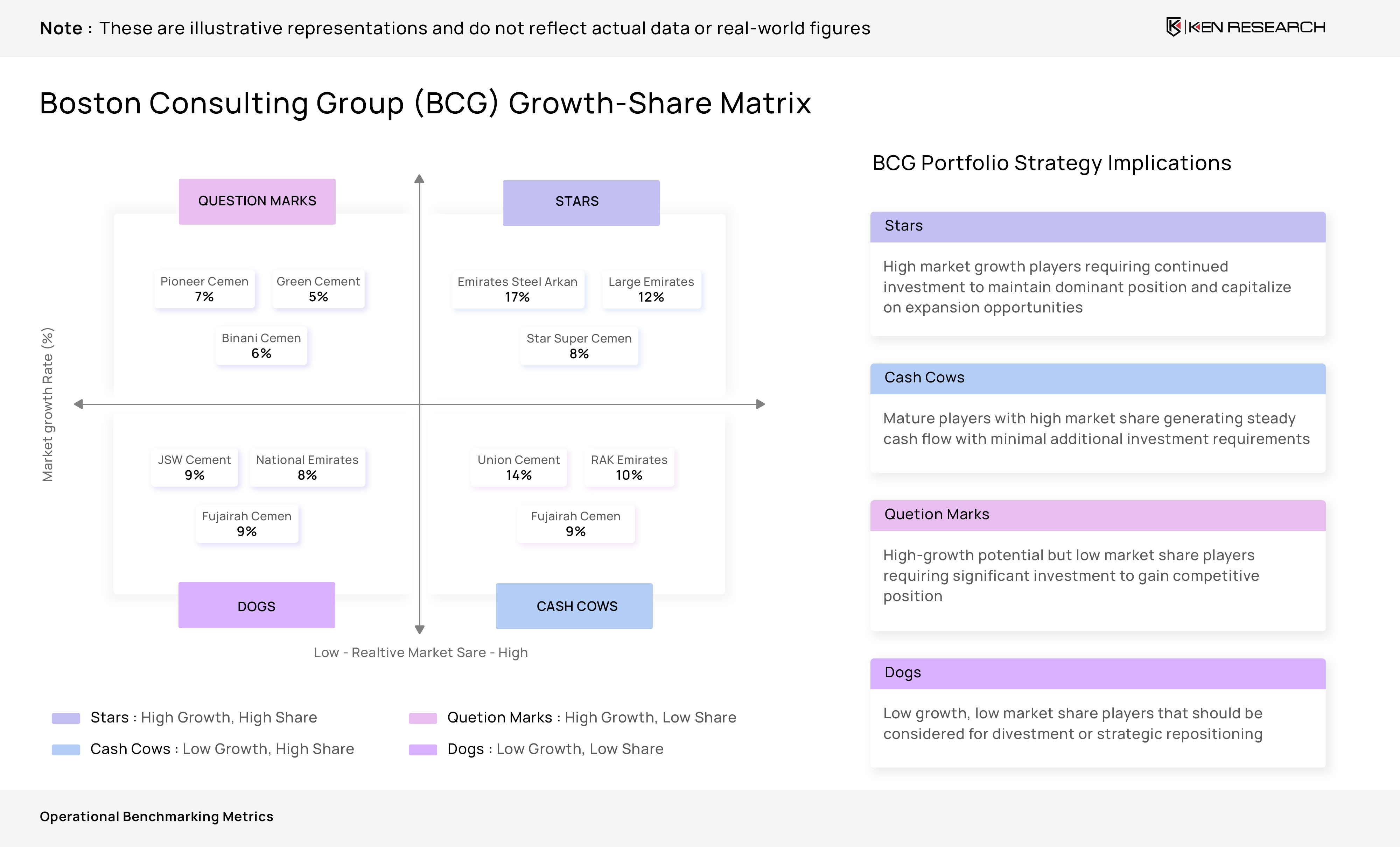
Ecosystem Matrix
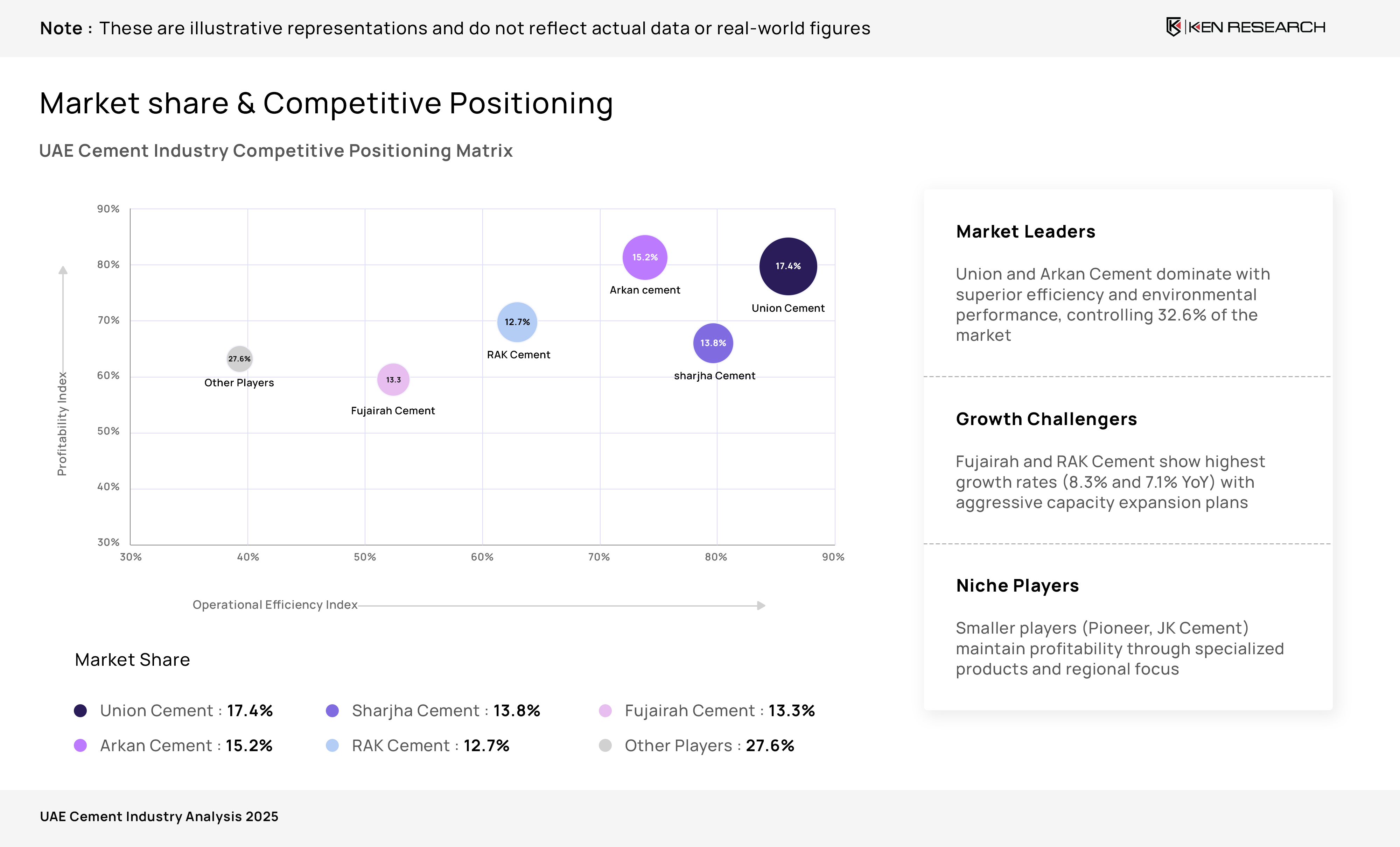
The ecosystem comprises utility-backed, energy-major and platform-led charging operators, reflecting a competitive landscape driven by infrastructure scale, site coverage, and interoperability initiatives rather than simple charger counts.
Operators are clustering by deployment depth, technology focus (DC fast charging vs AC), and service delivery (app-led bookings, roaming capabilities), shaping how competitive advantages translate into utilization-led monetization.
Leading Player Profiles
Company Profile Overview
The Malaysia EV charging provider landscape includes both local and global groups focusing on infrastructure scale, technology, and strategic partnerships to drive adoption, site experience, and revenue pathways.
Establishment years indicate a mix of legacy global groups and newer local entrants, with recent incorporations (2021-2024) underscoring rapid market expansion and transition into operational scaling phases.
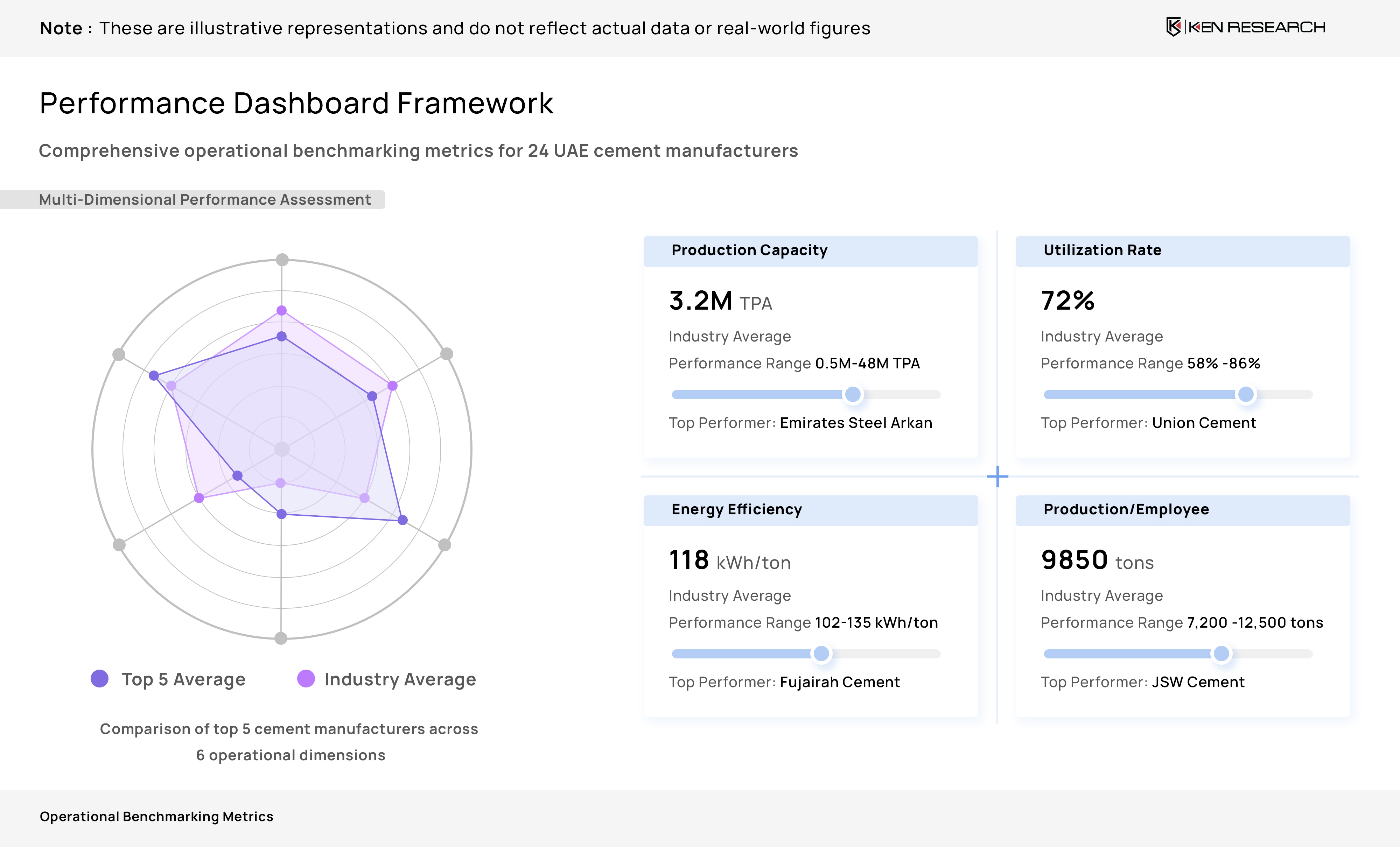
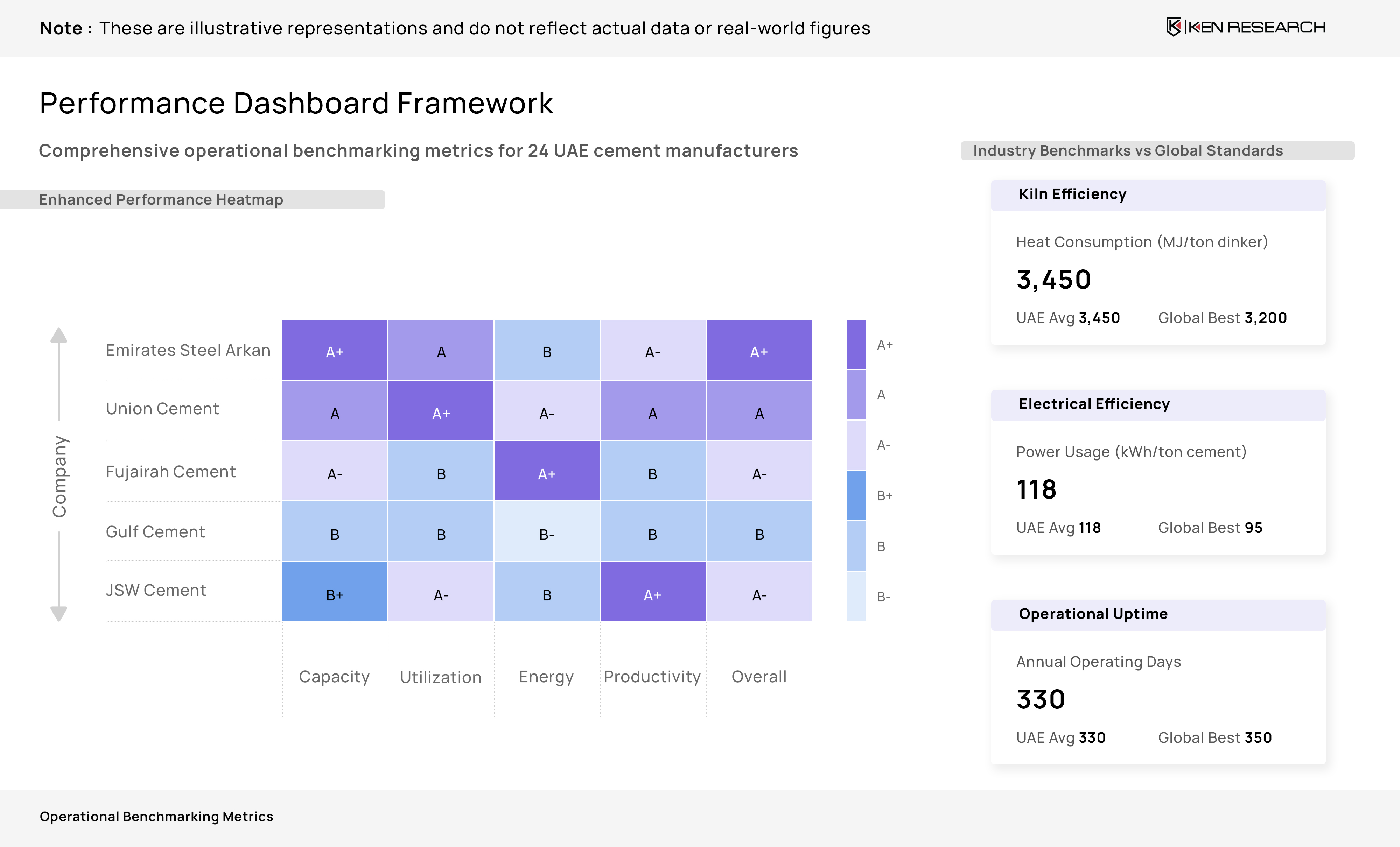
Key Operational Performance Metrics
Company Performance Overview
Unlock Market Insights
Dive deeper into production, distribution, and pricing intelligence.
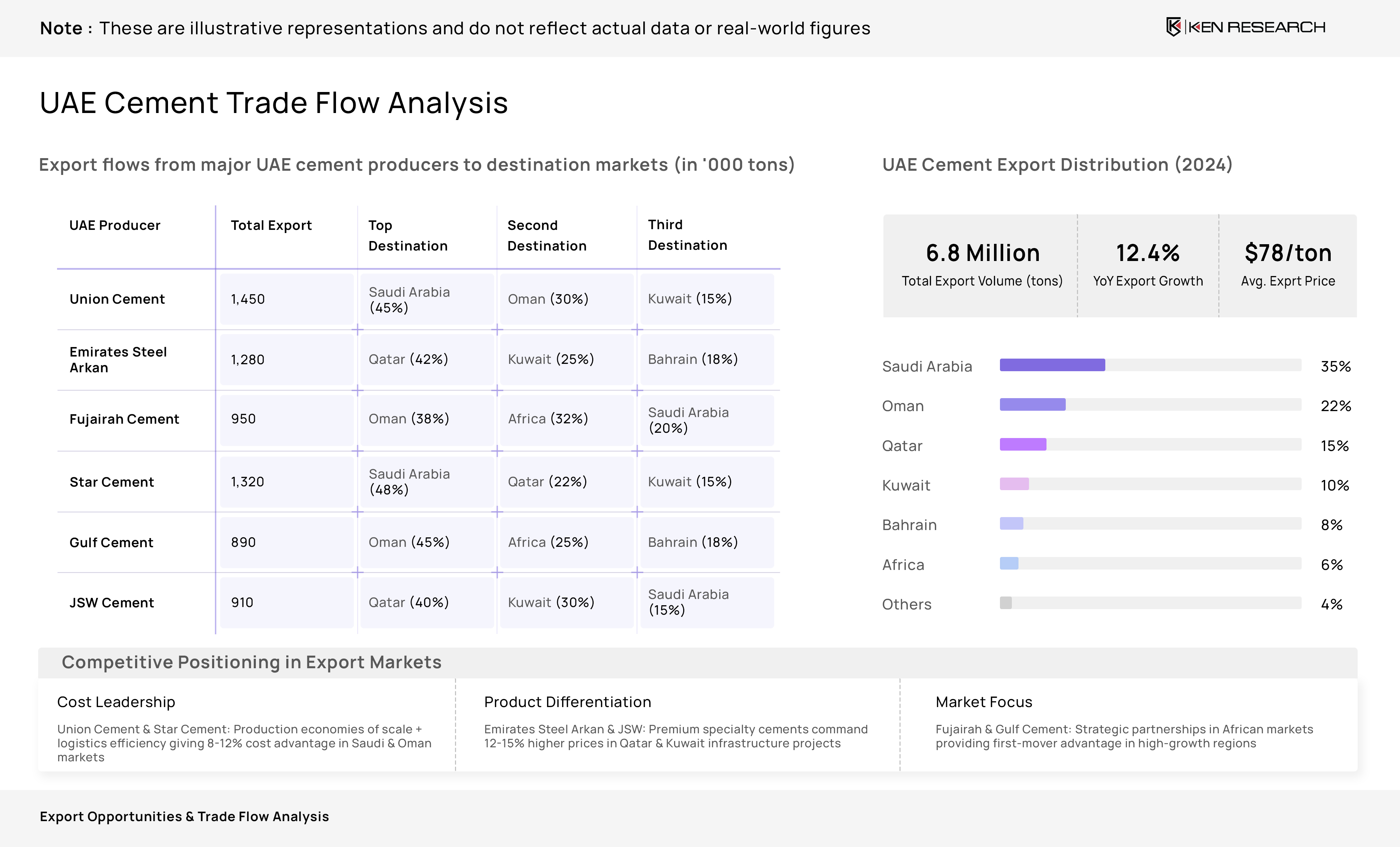
Get Customized ReportOperational KPIs prioritize throughput, pricing per session/kWh, and network utilization as high-impact drivers of revenue generation and comparative performance across charging providers.
The table order reflects the hierarchy of impact from revenue, DC penetration, pricing, energy throughput, session volumes, and uptime metrics that directly influence monetization and customer experience in the EV charging ecosystem.
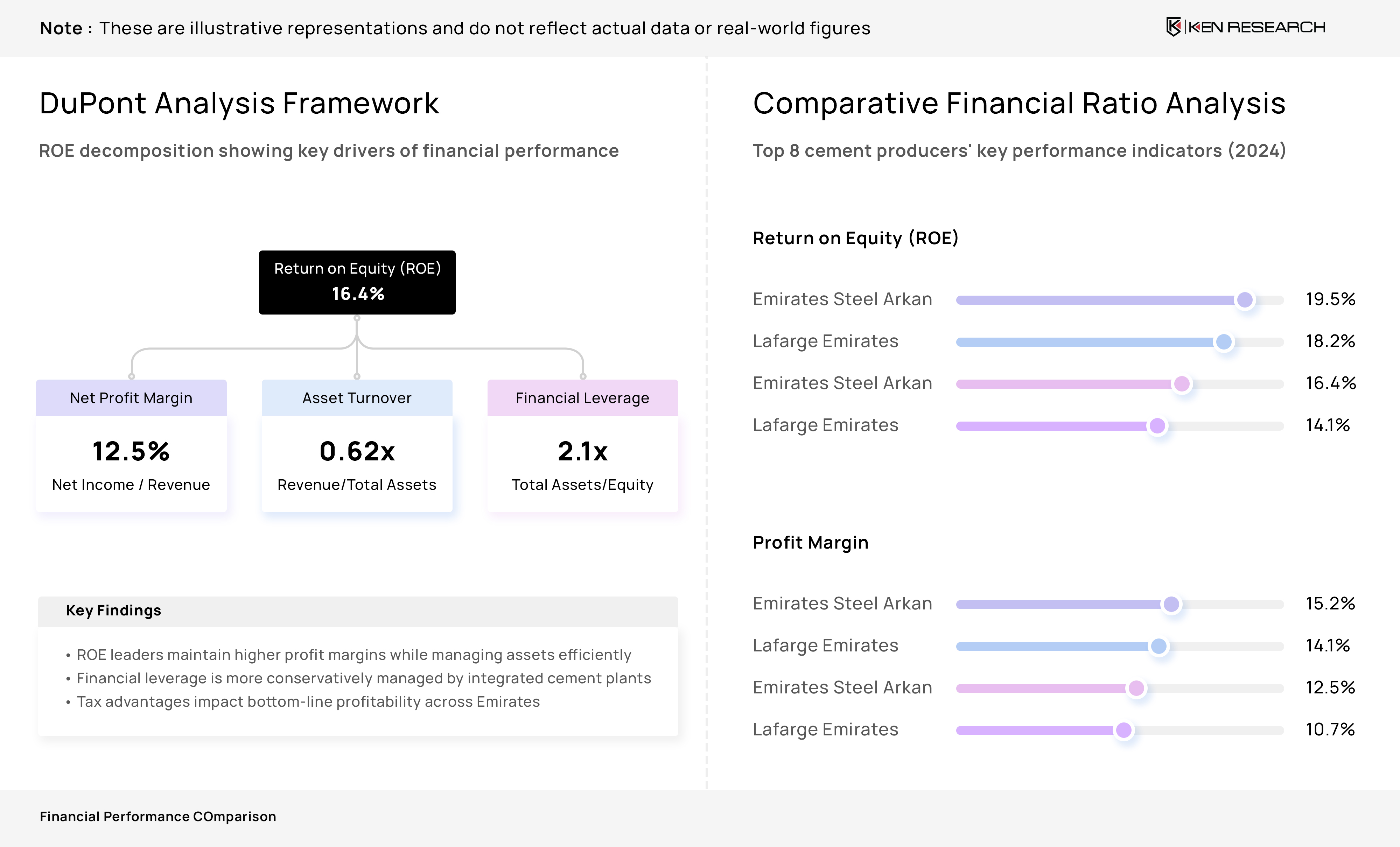
Core Financial Performance Metrics
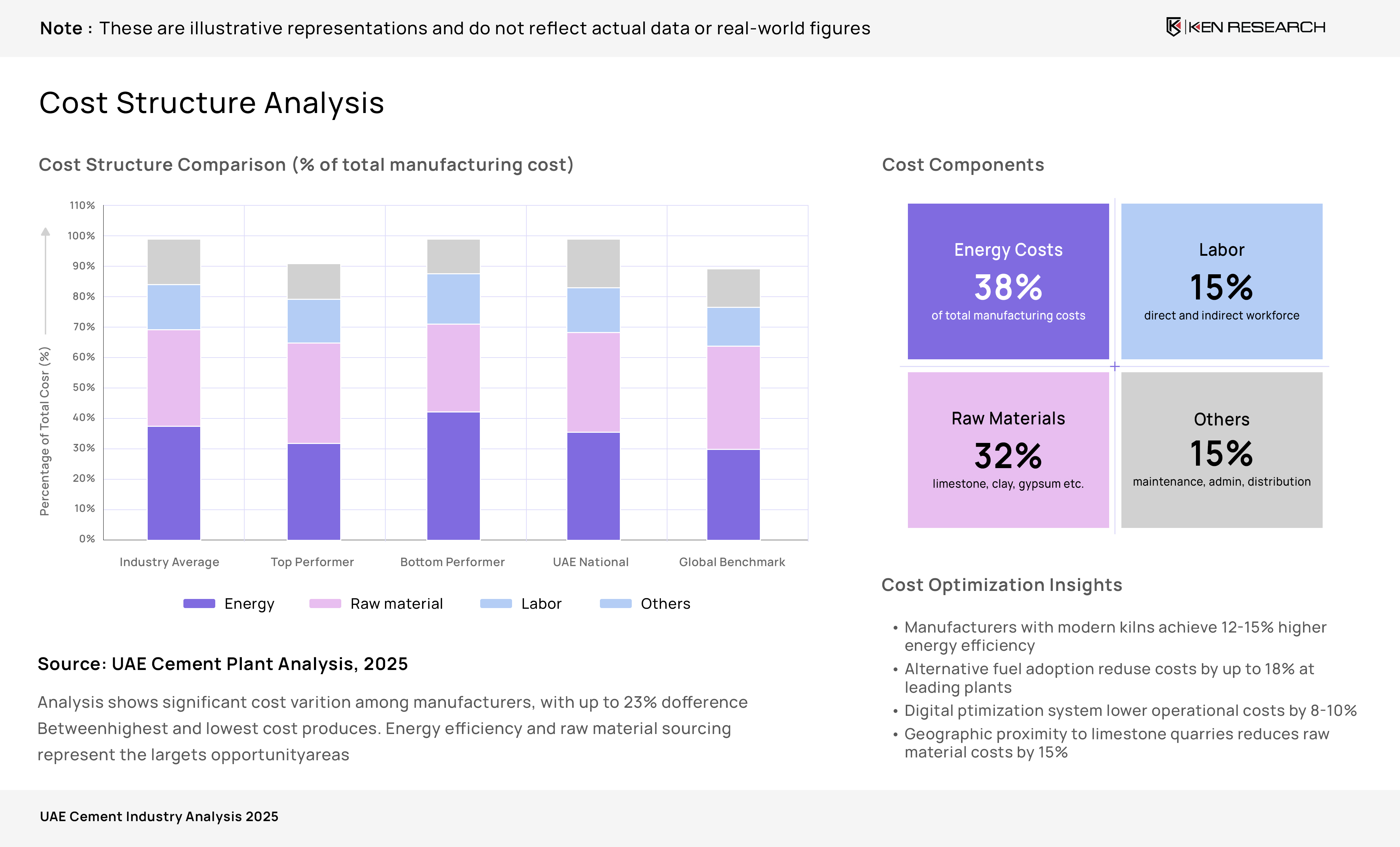
Financial performance metrics are aligned with revenue scale, growth trends, profitability, and margin efficiency, reflecting how operators convert network scale into financial returns.
Normalization of financial KPIs allows comparison across private and public entities while linking core drivers (revenue, cost, margins) to broader operational performance indicators.
Table of Contents
1. Ecosystem Matrix
1.1 Large Players
1.11
Gentari
1.12
chargEV
1.13
EV Connection (JomCharge)
1.14
ChargeSini
1.15
TNB Electron
1.16
Shell Recharge Malaysia
1.17
Tesla Supercharger Malaysia
1.2 Medium Players
1.21
Charge+ Malaysia
1.22
KINETA
1.23
CarputZAP Network
1.24
GO TO-U Malaysia
1.25
Powered by RISE
1.3 Small Players
1.31
JuiceUP EV Grid
1.32
Renergy Power
1.33
Porsche Destination Charging Malaysia
1.34
BMW Destination Charging Malaysia
2. Leading Player Profiles
2.1 Company Name
2.2 Group Name
2.3 Headquarters
2.4 Establishment Year
2.5 Core Services
2.6 Mode of Functioning
3. Key Operational Performance Metrics
3.1 Charging Revenue (USD Mn)
3.2 DC Fast-Charging Revenue (USD Mn)
3.3 AC Charging Revenue (USD Mn)
3.4 Pricing per kWh / Session (USD Mn)
3.5 Energy Dispensed (MWh)
3.6 Charging Sessions (Count)
3.7 Active Chargers (Ports)
3.8 Site Footprint (Locations)
3.9 Utilization (%)
3.10 Uptime (%)
4. Core Financial Performance Metrics
4.1 Parameters
4.1.1 Revenue (USD Mn)
4.1.2 Revenue Growth (%)
4.1.3 COGS (USD Mn)
4.1.4 COGS Growth (%)
4.1.5 EBITDA (USD Mn)
4.1.6 EBITDA Growth (%)
4.1.7 EBITDA Margin (%)
4.1.8 PAT (USD Mn)
4.1.9 PAT Margin (%)
5. Methodology
5.1 Approach
5.1.1 Desk Sources
5.1.2 Primary Interviews
5.1.3 Sanity Checking & Validation
5.2 Benchmarking Process
5.2.1 Data Collection
5.2.2 Primary Validation
5.2.3 Proxy KPI Modelling
5.2.4 Normalization & Indexing
5.2.5 Gap Analysis
5.2.6 Peer Review
5.3 Sample Composition
5.3.1 Scope Items
5.3.2 Sample Size
5.3.3 Target Respondents
Methodology
Ken Research will deploy its proprietary, multi-layered research framework combining robust secondary research, targeted primary outreach, and rigorous data validation to deliver an authoritative competitive landscape analysis of the Malaysia EV Charging Providers market.
Desk Sources
- Leverage industry reports and Ken Research internal archives for historical benchmarks, infrastructure build-out trajectories, and ecosystem baselines.
- Analyze annual reports, investor presentations, and statutory filings for disclosed financials, deployment scale, pricing strategy, and strategic investments.
- Extract policy, standard, grid integration, and incentive context from government and trade publications relevant to EV charging rollout.
- Scrutinize trade journals and digital articles for real-time developments, technology shifts, pricing experiments, and competitor announcements.
- Use financial intelligence platforms (e.g., Bloomberg, Capital IQ) for standardized peer ratios and group-level benchmarking.
- Incorporate web and app analytics to assess digital engagement, app adoption growth, and demand signals for charging network usage.
Primary Interviews
- Conduct CATI interviews and structured surveys with charging network category managers, operations heads, and R&D leadership.
- Engage senior sales, strategy, and business development leaders to understand nuanced revenue drivers and capacity expansion economics.
- Interview site partners, property owners, and channel partners to validate utilization, pricing realization, and local demand pull.
- Consult with industry analysts, energy transition specialists, and technology providers for independent expert validation.
Sanity Checking & Validation
- Triangulate all estimates by combining secondary data, primary insights, and proxy KPI models for robustness.
- Synthesize proxy KPIs (installed chargers, DC penetration, utilization, energy throughput, sessions) to approximate revenue and capacity metrics.
- Identify and investigate outliers through targeted follow-ups to ensure consistency and credibility.
- Log all assumptions, limitations, and proxy rationales in a structured assumptions register for transparency.
- Execute internal peer review of methodology, model calibration, and outputs prior to finalization.
An Inside Look At Our Custom Insights
Take a look at ourcustomized insights, tailored to yourmarket and business needs. Our benchmarking reports deliver data-driven comparisons of key players, helping you uncover opportunities, assess performance, and make confident strategic decisions.