Myanmar Automotive Aftermarket Parts Distribution Competition Benchmarking 2025: Distributor Network, Product Portfolio, Channel Coverage & Market Share
Published on: February 2026
Report Overview
Myanmar Automotive Aftermarket PartsMarket Overview
Market Highlights
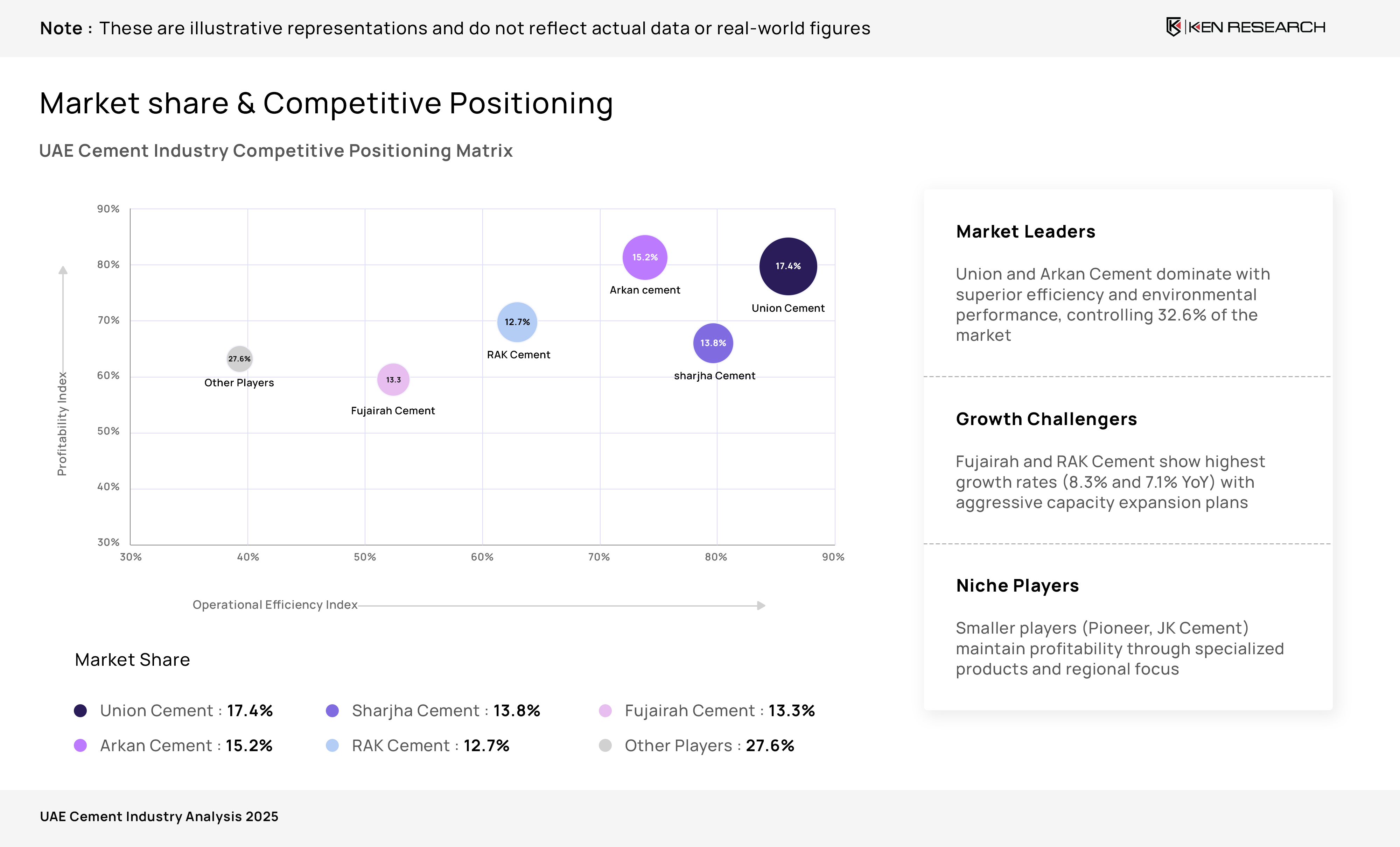
The Myanmar Automotive Aftermarket Parts Market is highly fragmented, featuring a mix of multinational corporations, regional manufacturers, and local players. Multinational companies dominate with broad product ranges, OEM-authorized parts, and strong distribution networks, while local players offer cost-effective, regionally adapted solutions tailored to Myanmar’s specific consumer needs.
Global companies introduce advanced technologies, precision-engineered parts, and intelligent diagnostics, whereas domestic manufacturers prioritize affordability and customer service. This blend of innovation and localization ensures that the market evolves to meet global trends while catering to the preferences of Myanmar’s local automotive market.
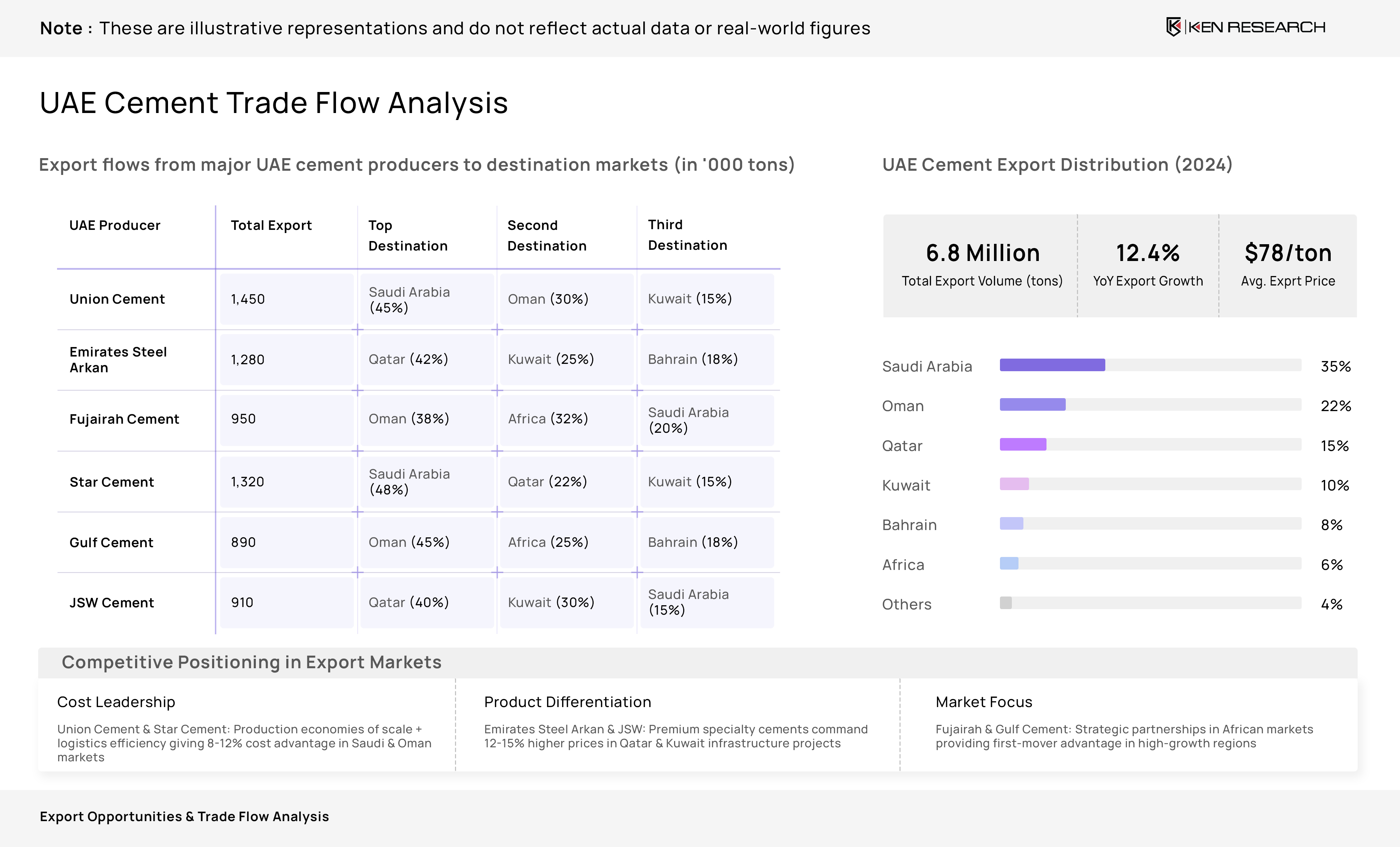
The distribution ecosystem is vital to market competitiveness, with dealer networks and service availability impacting product adoption and brand loyalty. Large players benefit from expansive service networks, while smaller firms often focus on niche markets, direct-to-consumer models, and providing specialized services tailored to local needs.
Moving forward, the market will see continued growth driven by the combination of innovation, local adaptation, and strategic agility. As technology penetration and demand for automotive services increase, both global players and local firms will compete by offering innovative, cost-effective, and tailored solutions, ensuring sustained market leadership.
Ecosystem Matrix
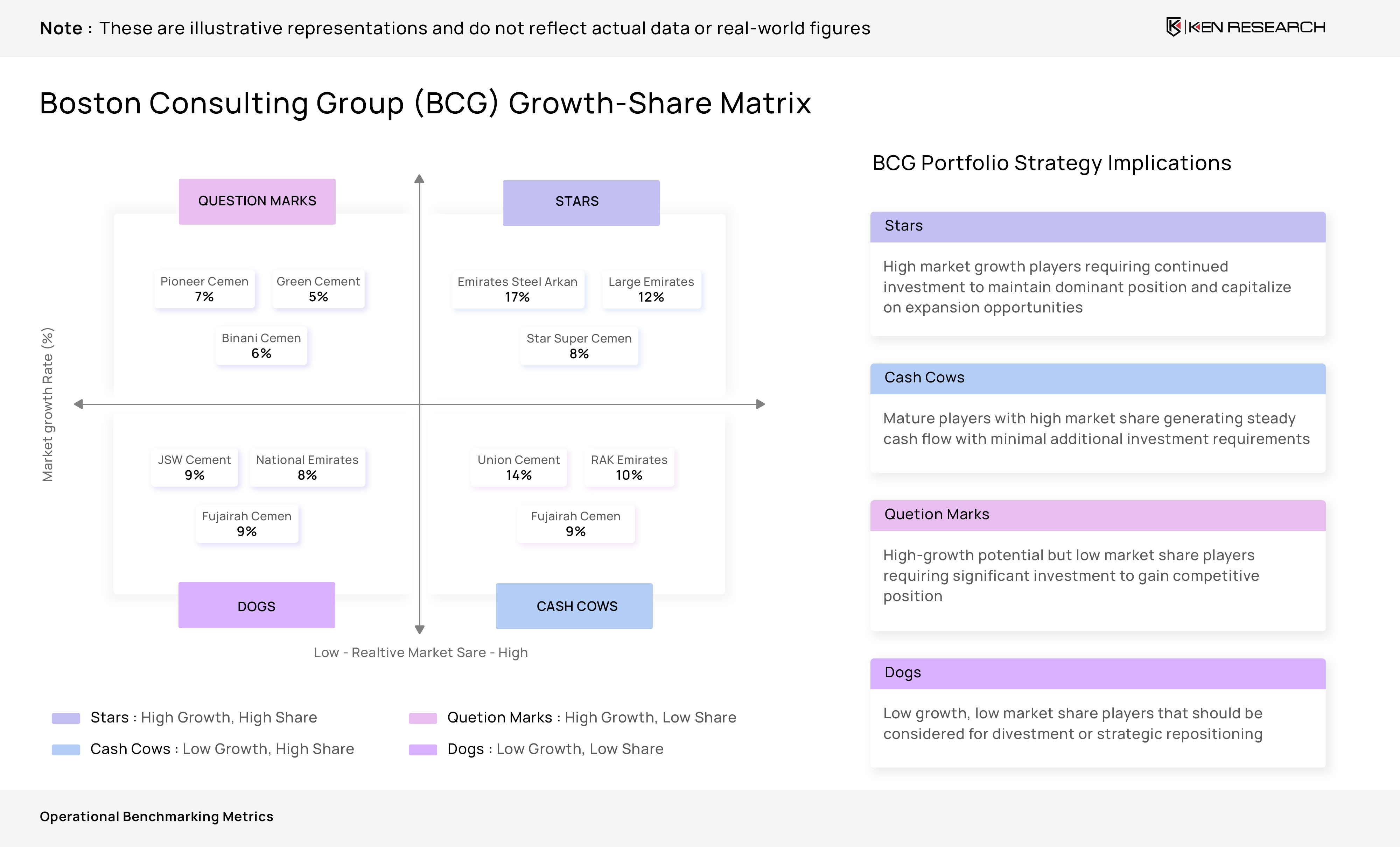
Revenue concentration typically sits with multi-outlet distributors, OEM-authorized parts channels, and battery/tyre networks, while mid-sized importers expand via category depth (filters, lubricants, braking) and faster replenishment cycles to win workshop share across Yangon–Mandalay corridors.
Competitive intensity is driven by pricing discipline, supply reliability, and availability of fast-moving SKUs; leaders tend to win through outlet footprint, workshop partnerships, and inventory breadth, while smaller traders compete on immediate fulfilment, used-part substitution, and localized demand signals.
Leading Player Profiles
Company Profile Overview
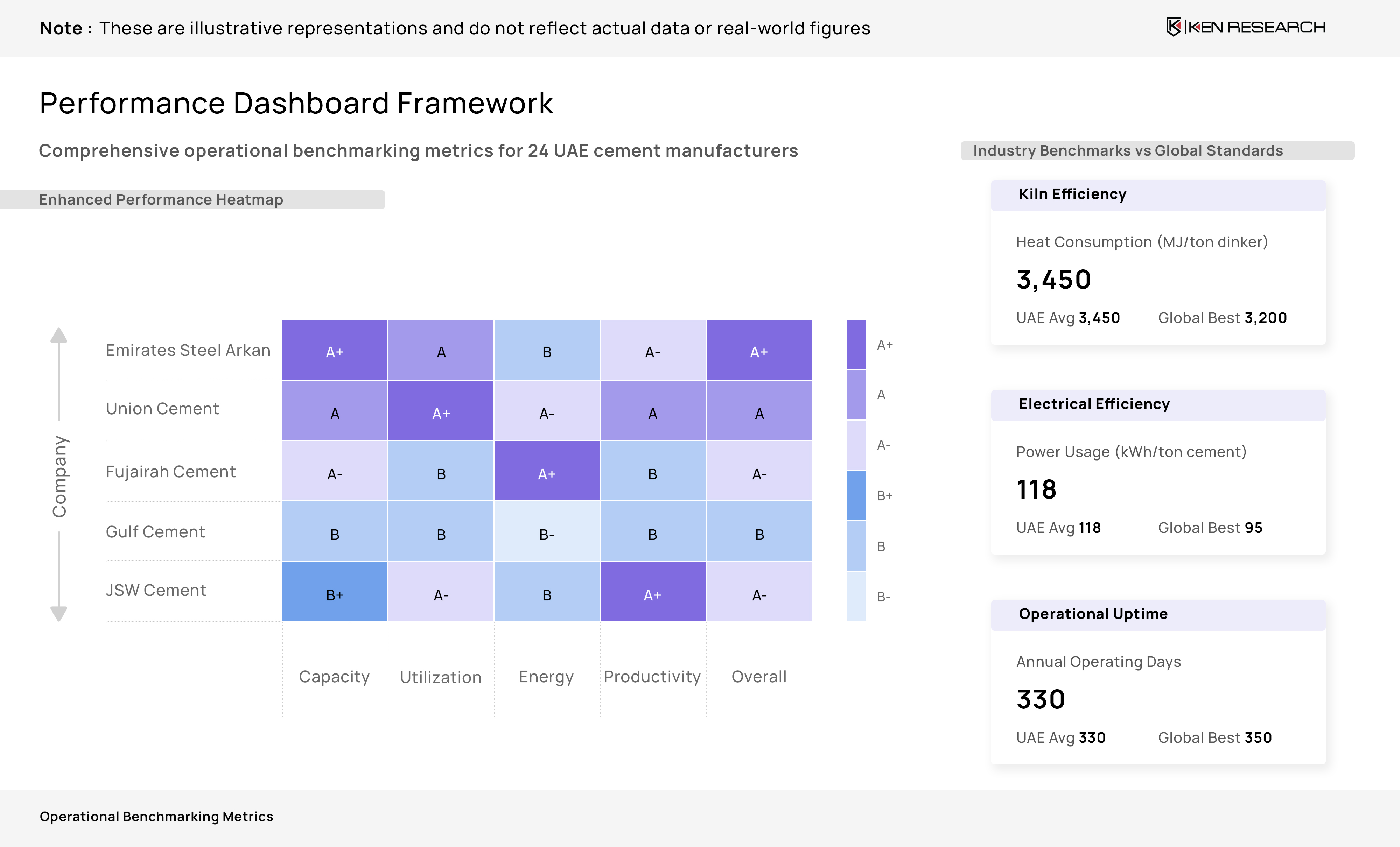
Leader differentiation is most visible in “route-to-market control”: OEM-authorized distributors and multi-outlet tyre/battery networks convert availability into repeat workshop demand, while specialist importers win by SKU depth in high-failure categories (filters, brakes, electrical).
Market maturity is shaped by working-capital strength and replenishment speed; players with stronger inventory planning, better supplier terms, and wider channel reach can defend pricing and reduce stockouts, which directly protects volumes and realization in volatile import conditions.
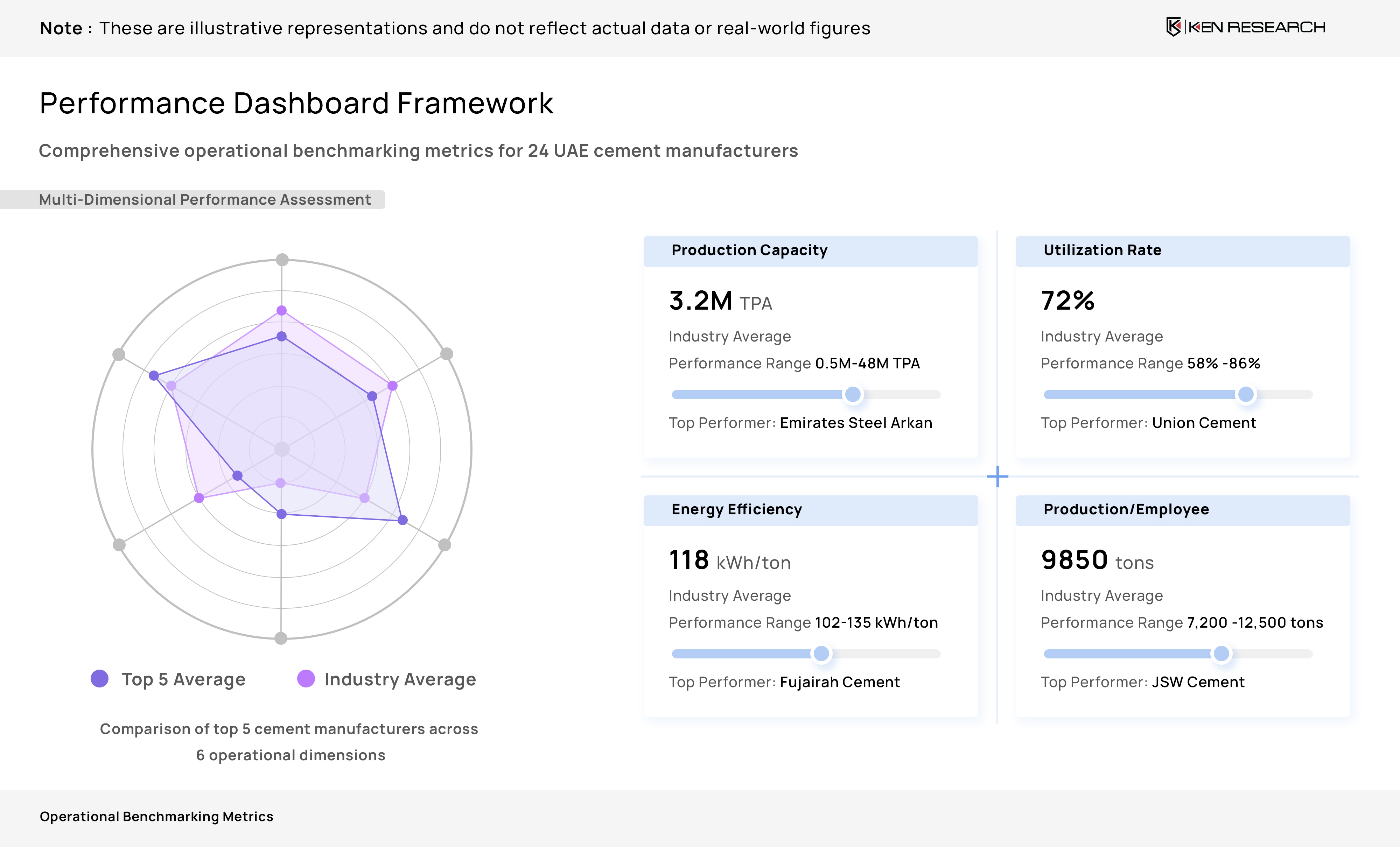
Key Operational Performance Metrics
Company Performance Overview
Unlock Market Insights
Dive deeper into production, distribution, and pricing intelligence.
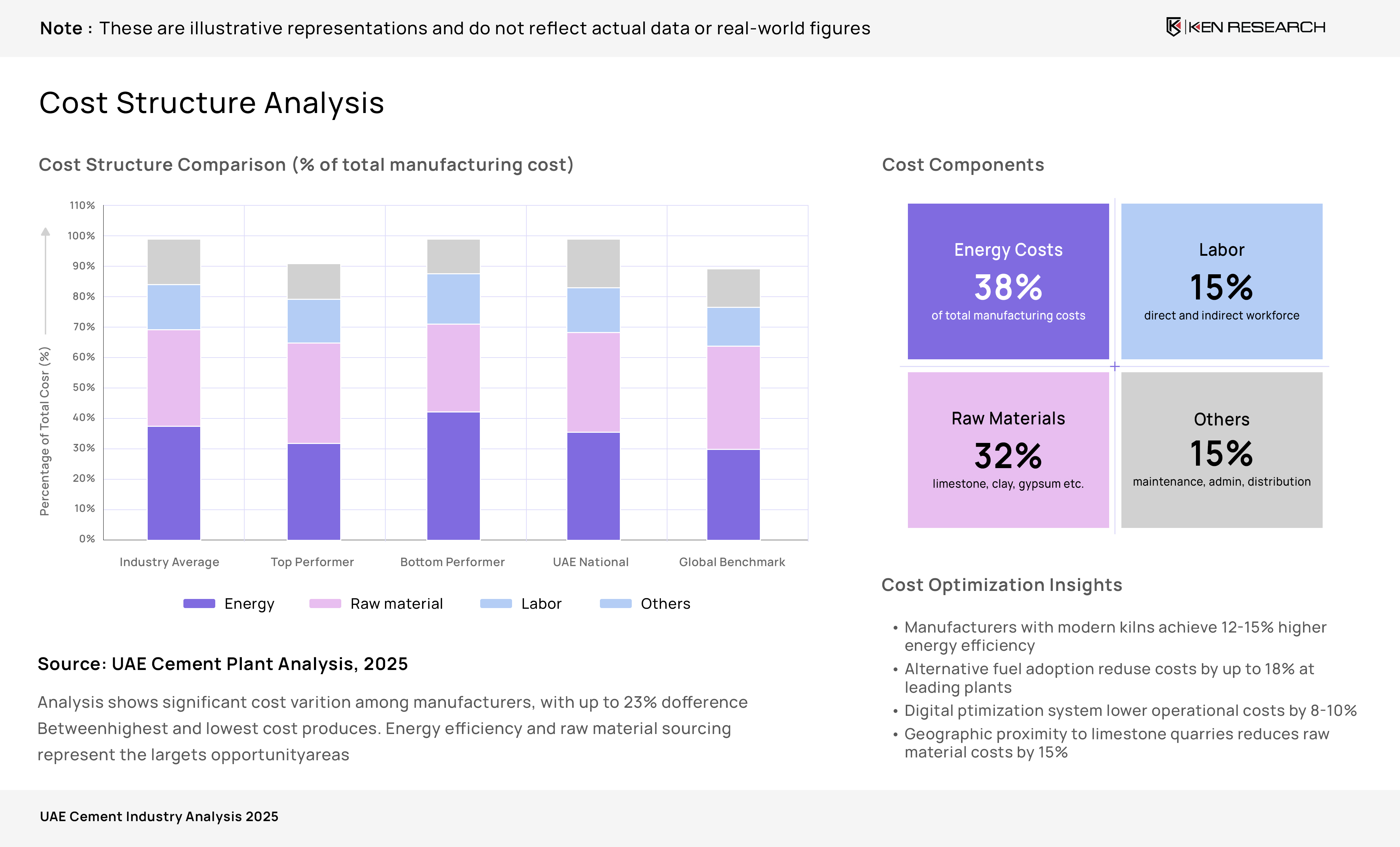
Get Customized ReportRevenue performance in aftermarket parts is most sensitive to pricing discipline and sell-out velocity; operators that tightly manage price ladders by SKU, protect margins, and sustain high order frequency typically outperform even with similar footprint or supplier access.
Operational advantage is built through fulfilment economics: higher fill rates, faster inventory turns, and optimized credit cycles improve availability and working-capital efficiency, allowing leaders to reinvest into assortment breadth and channel incentives that compound market share gains.
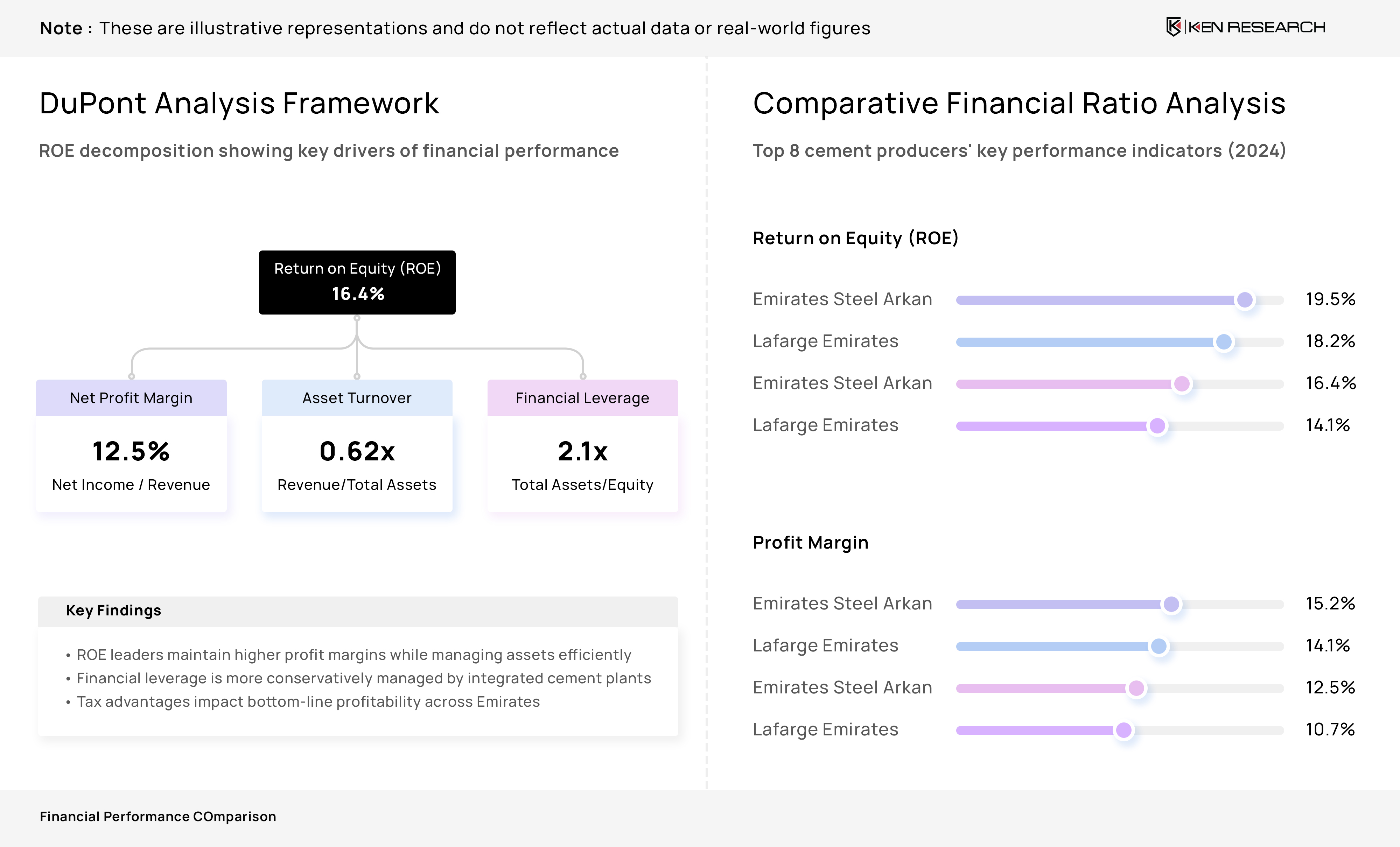
Core Financial Performance Metrics
Financial benchmarking typically separates scale-led distributors from traders by margin quality and earnings stability; operators with better supplier terms, stronger pricing governance, and faster working-capital cycles tend to sustain EBITDA resilience even when import costs and FX volatility compress gross margins.
Growth outperformance is usually correlated with category mix and channel leverage: higher exposure to recurring-replacement lines (filters, tyres, batteries, lubricants) and workshop-linked demand increases repeat purchase rates, supporting steadier topline expansion and improved cost absorption.
Table of Contents
1. Ecosystem Matrix
1.1 Large Players
1.1.1 Toyota Myanmar Sales (TTAS Co., Ltd.)
1.1.2 MM Cars Myanmar Ltd. (Mitsubishi Motors Myanmar)
1.1.3 Yoma German Motors Ltd.
1.1.4 Summit SPA Motors Ltd. (Hino Myanmar)
1.1.5 Lucky Man Co., Ltd.
1.1.6 Proven Technology Industry Co., Ltd. (TOYO Battery / PTIC)
1.1.7 Siam GS Battery Myanmar Limited
1.1.8 YonMing Auto (Myanmar) Co., Ltd.
1.2 Medium Players
1.2.1 Gone Shein Myanmar Co., Ltd.
1.2.2 NTR Myanmar Co., Ltd.
1.2.3 CMG Euro Spare (Myanmar)
1.2.4 One87 Auto Myanmar Company Limited
1.2.5 Aung Kaung San Co., Ltd.
1.2.6 Alltrade Enterprises (Myanmar)
1.3 Small Players
1.3.1 U Bajan Auto Genuine Spare Parts
1.3.2 Mg Ba & Sons Co. Ltd.
1.3.3 SKA Autoparts Supply
1.3.4 A One Top & Star Light Co., Ltd.
1.3.5 AA Marketing Co., Ltd.
2. Leading Player Profiles
2.1 Parameters
2.1.1 Company Name
2.1.2 Group Name
2.1.3 Headquarters
2.1.4 Established Year
2.1.5 Core Services
2.1.6 Mode of Functioning
3. Key Operational Performance Metrics
3.1 Pricing (Avg parts price; USD)
3.2 Parts Volume Sold (Units)
3.3 Service Labor Rate (USD/hour)
3.4 Labor Hours Billed (Hours)
3.5 Active B2B Accounts (No.)
3.6 Outlet / Branch Network (No.)
3.7 Workshop Partner Coverage (No.)
3.8 Inventory Fill Rate (%)
3.9 Inventory Turnover (x/year)
3.10 Credit Days to Channel (Days)
4. Core Financial Performance Metrics
4.1 Parameters
4.1.1 Revenue (USD Mn)
4.1.2 Revenue Growth (%)
4.1.3 COGS (USD Mn)
4.1.4 COGS Growth (%)
4.1.5 EBITDA (USD Mn)
4.1.6 EBITDA Growth (%)
4.1.7 EBITDA Margin (%)
4.1.8 PAT (USD Mn)
4.1.9 PAT Margin (%)
5. Methodology
5.1 Approach
5.1.1 Desk Sources
5.1.2 Primary Interviews
5.1.3 Sanity Checking & Validation
5.2 Benchmarking Process
5.2.1 Data Collection
5.2.2 Primary Validation
5.2.3 Proxy KPI Modelling
5.2.4 Normalization & Indexing
5.2.5 Gap Analysis
5.2.6 Peer Review
5.3 Sample Composition
5.3.1 Scope Items
5.3.2 Sample Size
5.3.3 Target Respondents
Methodology
Ken Research will deploy its proprietary, multi-layered research framework—combining robust secondary research, targeted primary outreach, and rigorous data validation—to deliver an authoritative competitive landscape analysis of the Myanmar Automotive Aftermarket Parts Market. The methodology will ensure the accurate synthesis of market data, considering both global insights and local nuances to generate a comprehensive understanding of the competitive dynamics.
Desk Sources
- Industry reports from proprietary databases and Ken Research internal archives, providing historical benchmarks and market baselines for Myanmar’s automotive aftermarket parts sector.
- Company annual reports, investor presentations, and statutory disclosures to extract financials, capacity data, and strategic priorities, with a focus on companies with a direct presence in Myanmar.
- Government publications and trade-association releases to track policy changes, trade flows, and regulatory context affecting aftermarket parts.
- Trade magazines, journals, and e-articles to track developments in the automotive aftermarket, technology shifts, and pricing dynamics in Myanmar.
- Financial intelligence platforms such as Bloomberg and Capital IQ to analyze standardized financial ratios and perform peer comparisons within the sector.
- Web traffic and app-usage dashboards (e.g., SimilarWeb, App Annie) to assess digital reach, demand signals, and channel performance for companies active in Myanmar’s aftermarket parts ecosystem.
Primary Interviews
- CATI (Computer-Assisted Telephone Interviewing) and structured online surveys with category managers and R&D heads of automotive aftermarket parts manufacturers, who are directly involved in product development and distribution.
- In-depth discussions with senior sales and marketing leaders at leading market participants to understand their strategic objectives, distribution networks, and growth trajectories.
- Interviews with distributors and channel partners to validate pricing strategies, volume estimates, and regional demand patterns in Myanmar.
- Consultations with industry analysts, consultants, and technology or service providers for expert-level validation of market dynamics, focusing on the adoption of new technologies and service models in the automotive aftermarket.
Sanity Checking and Validation
- Triangulation of estimates by cross-verifying secondary research, primary inputs, and proxy-based model outputs to ensure data reliability and consistency.
- Proxy KPI synthesis using indicators such as installed base, outlet counts, web traffic, and patent activity to approximate company revenues, capacities, and innovation indicators.
- Outlier analysis to identify anomalous data points and reconcile discrepancies through targeted follow-up discussions with key industry stakeholders.
- Assumption tracking through a structured log capturing all benchmarking assumptions, limitations, and proxy KPI sources to ensure transparency in model development.
- Internal peer review of methodology, analytical models, and key outputs prior to final report finalization, ensuring a thorough and unbiased evaluation.
An Inside Look At Our Custom Insights
Take a look at ourcustomized insights, tailored to yourmarket and business needs. Our benchmarking reports deliver data-driven comparisons of key players, helping you uncover opportunities, assess performance, and make confident strategic decisions.