United Kingdom Automotive Batteries Manufacturing & Distribution Competition Benchmarking 2025: Manufacturing Capacity, Distribution Network, Product Portfolio & Market Share
Published on: January 2026
Report Overview
UK Automotive Batteries Market Overview
Market Highlights
The UK Automotive Batteries Market reflects a structured competitive environment where global manufacturers, regional suppliers, and agile domestic distributors coexist. Multinational players leverage scale and OEM alignment, while regional firms specialize in compliant chemistries. Local players compete through aftermarket agility, fleet focus, and service-led differentiation.
Global battery innovation sets performance benchmarks across the market, but competitive advantage increasingly depends on localization. Manufacturers and distributors adapt product specifications, durability profiles, and warranty models to suit local driving conditions, regulatory expectations, and customer behavior across replacement and fleet-oriented demand segments.
Distribution strength and aftersales capability are central to competitiveness in the UK. Nationwide dealer networks, installer partnerships, and efficient logistics improve accessibility, while responsive warranty support, diagnostics, and replacement services strengthen customer confidence, loyalty, and brand positioning in a reliability-driven purchasing environment.
Looking ahead, competition will be shaped by the balance between innovation, localization, and strategic agility. Players integrating operational efficiency, technology adoption, and sustainability-aligned practices with strong channel execution are best positioned to sustain leadership as vehicle technologies and market expectations continue to evolve.
Ecosystem Matrix
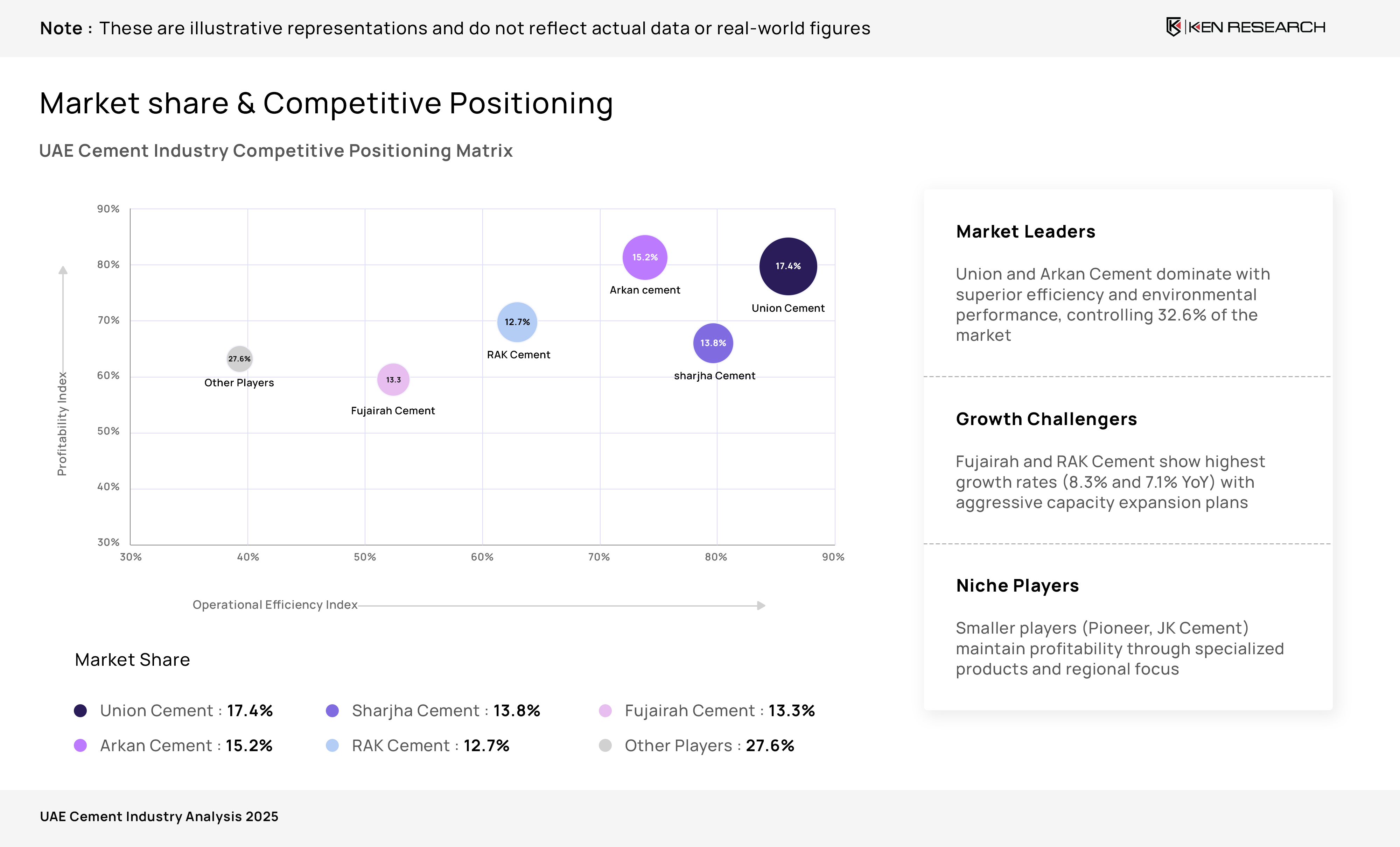
The UK automotive batteries ecosystem is dominated by large OEM-aligned manufacturers and national aftermarket distributors with strong logistics and workshop penetration. Competitive positioning is primarily defined by channel reach, premium battery availability, and service-enabled revenue capture.
Market consolidation is progressing steadily, with mid-sized and smaller players competing through digital-first sales, rapid fulfilment, and niche aftermarket focus, while regulatory pressure on recycling and sustainability reinforces scale advantages.
Leading Player Profiles
Company Profile Overview
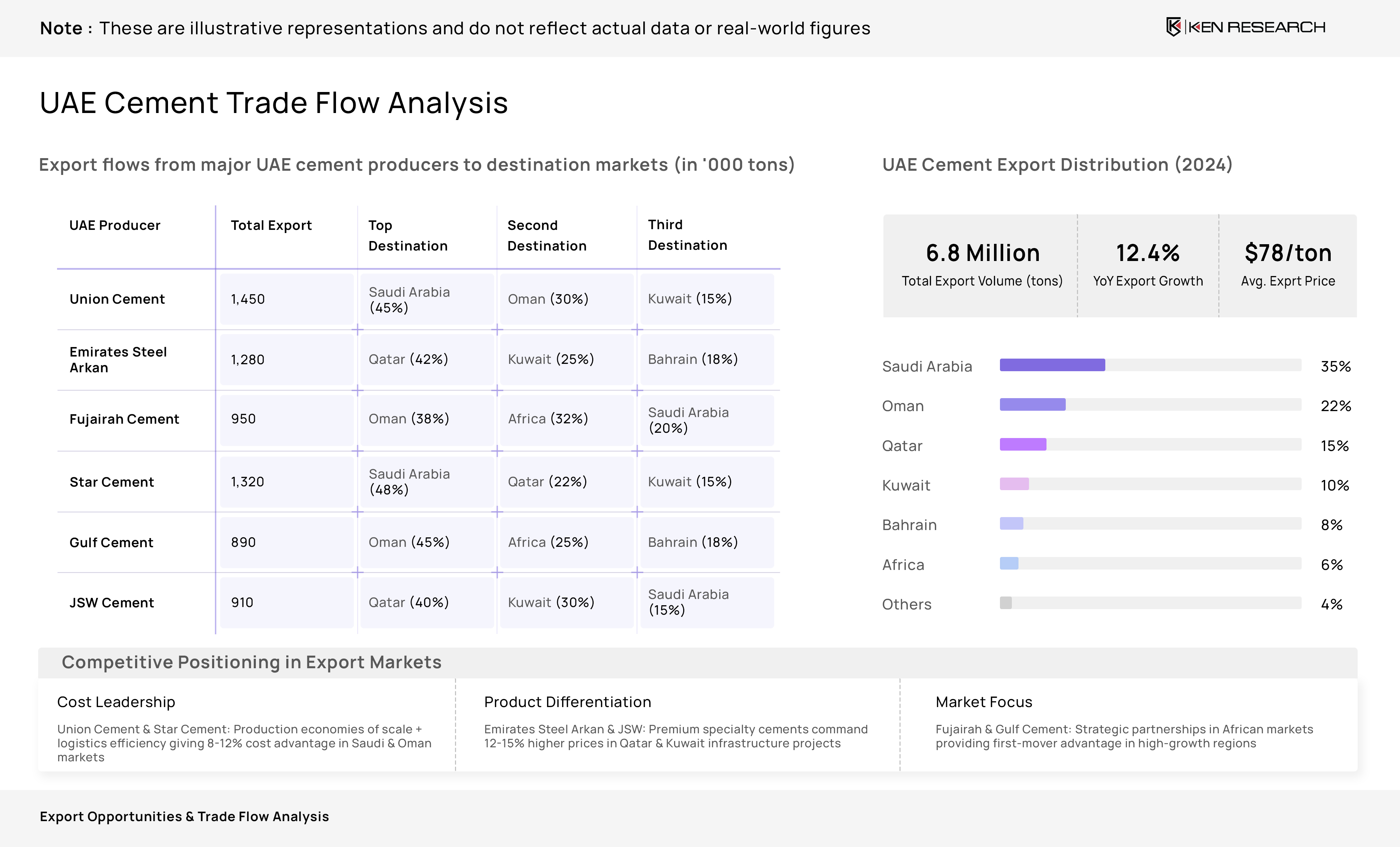
Competitive leadership is driven by players combining premium battery chemistries with high trade penetration and service capability, enabling superior pricing realisation.
Service-led and distributor-led models are diverging structurally, creating differentiated margin and growth trajectories across the competitive landscape.
Key Operational Performance Metrics
Company Performance Overview
Unlock Market Insights
Dive deeper into production, distribution, and pricing intelligence.
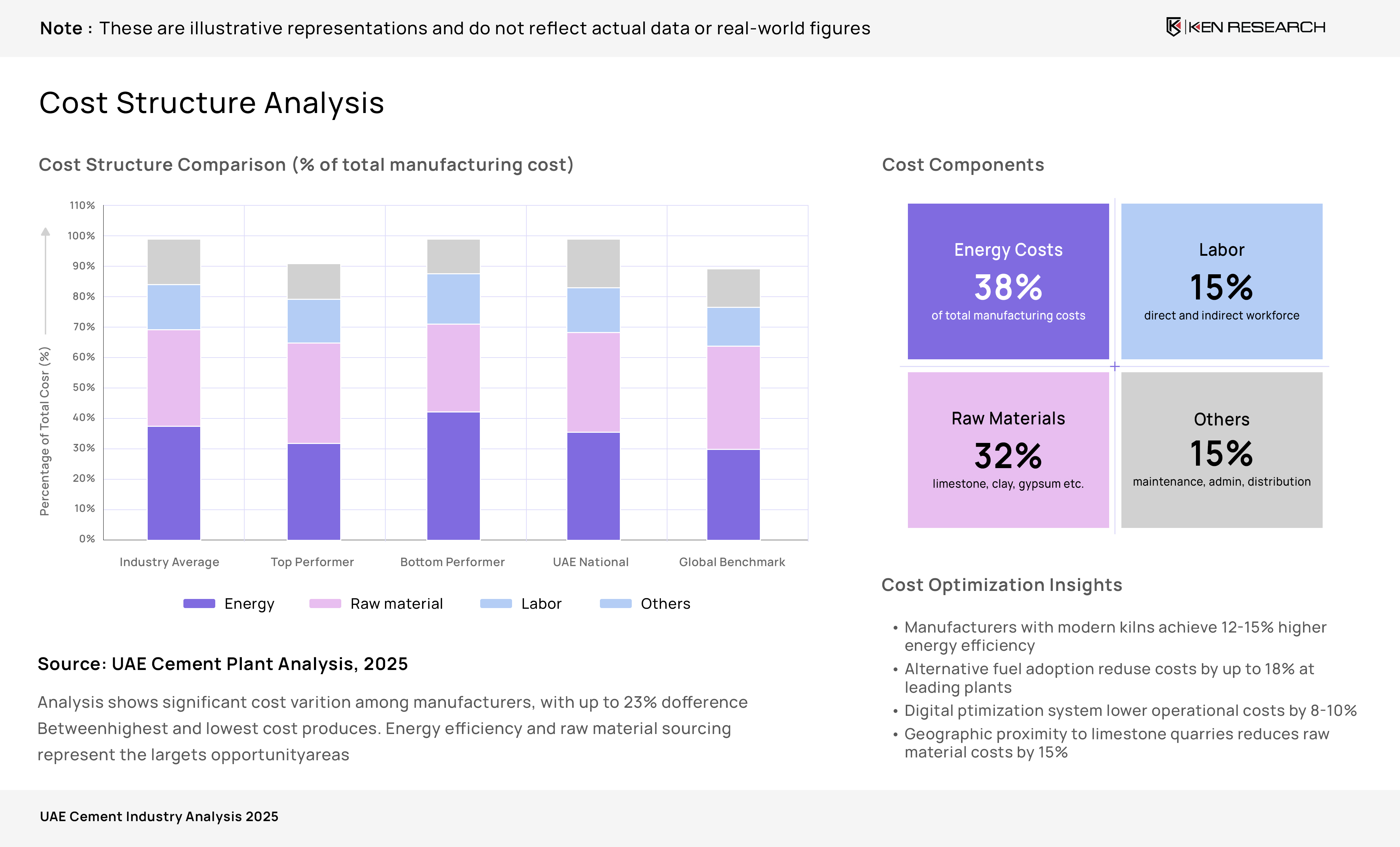
Get Customized ReportRevenue formation in the UK automotive batteries market is primarily driven by volume, pricing mix, and channel integration, with AGM/EFB batteries delivering higher revenue density.
Players combining installation services, recycling trade-ins, and fleet contracts demonstrate stronger revenue stability and higher average transaction values.
Core Financial Performance Metrics
Financial benchmarking highlights margin discipline as the key differentiator, with EBITDA and PAT margins reflecting procurement scale, logistics efficiency, and premium product penetration.
Companies integrating recycling economics and service-led revenues typically demonstrate lower earnings volatility and more resilient profitability across demand cycles.
Table of Contents
1. Ecosystem Matrix
1.1. Large Players
1.1.1 Clarios UK Limited
1.1.2 Exide Technologies (Transportation) Limited
1.1.3 GS Yuasa Battery Sales UK Limited
1.1.4 Robert Bosch Limited
1.1.5 Banner Batteries (UK)
1.1.6 VARTA Automotive (UK)
1.2 Medium Players
1.2.1 Ecobat Technologies Limited
1.2.2 LKQ Euro Car Parts
1.2.3 Halfords Limited
1.2.4 Kwik-Fit (GB) Ltd.
1.2.5 FIAMM Energy Technology (UK)
1.3 Small Players
1.3.1 Tayna Batteries
1.3.2 GSF Car Parts Limited
1.3.3 Yuasa (UK Aftermarket Range)
2. Leading Player Profiles
2.1 Company Name
2.2 Group Name
2.3 Global Headquarters
2.4 Establishment Year
2.5 Core Service
2.6 Mode of Functioning
3. Key Operational Performance Metrics
3.1 Battery Sales Revenue
3.2 OEM / Dealer Supply Revenue
3.3 Fleet & Commercial Contract Revenue
3.4 Service & Installation Revenue
3.5 Units Sold
3.6 Average Pricing per Battery
3.7 Average Ticket Size
3.8 Active Dealer / Outlet Network
3.9 Online / On-Demand Orders
3.10 Recycling-Linked / Trade-In Revenue
4. Core Financial Performance Metrics
4.1 Parameters
4.1.1 Revenue (USD Mn)
4.1.2 Revenue Growth (%)
4.1.3 COGS (USD Mn)
4.1.4 COGS Growth (%)
4.1.5 EBITDA (USD Mn)
4.1.6 EBITDA Growth (%)
4.1.7 EBITDA Margin (%)
4.1.8 PAT (USD Mn)
4.1.9 PAT Margin (%)
5. Methodology
5.1 Approach
5.1.1 Desk Sources
5.1.2 Primary Interviews
5.1.3 Sanity Checking & Validation
5.2 Benchmarking Process
5.2.1 Data Collection
5.2.2 Primary Validation
5.2.3 Proxy KPI Modelling
5.2.4 Normalization & Indexing
5.2.5 Gap Analysis
5.2.6 Peer Review
5.3 Sample Composition
5.3.1 Scope Items
5.3.2 Sample Size
5.3.3 Target Respondents
Methodology
Ken Research will deploy its proprietary, multi-layered research framework combining robust secondary research, targeted primary outreach, and rigorous data validation to deliver an authoritative competitive benchmarking assessment of the UK Automotive Batteries Market. The methodology is designed to ensure consistency, comparability, and reliability across all players, proxy KPIs, operational metrics, and financial indicators used in the report.
Desk Sources
- Proprietary databases and Ken Research internal archives
- Company annual reports, investor presentations, statutory disclosures
- Government and trade-association publications
- Trade magazines, journals, and industry e-articles
- Financial intelligence platforms (Bloomberg, Capital IQ)
- Digital analytics platforms (SimilarWeb, App Annie)
Primary Interviews
- CATI interviews and structured surveys with category managers and R&D heads
- In-depth discussions with senior sales and marketing leaders
- Interviews with distributors and workshop partners
- Consultations with industry analysts and consultants
Sanity Checking & Validation
- Triangulation across secondary, primary, and proxy-based models
- Proxy KPI synthesis using vehicle parc, pricing, outlet counts, and digital traffic
- Outlier analysis and assumption tracking
- Internal peer review prior to finalisation
An Inside Look At Our Custom Insights
Take a look at ourcustomized insights, tailored to yourmarket and business needs. Our benchmarking reports deliver data-driven comparisons of key players, helping you uncover opportunities, assess performance, and make confident strategic decisions.