Malaysia’s LED Bulb Market Evolution: Smart LEDs, Local Self-Sufficiency, and Policy Support Set to Drive USD 58 Million Growth by 2030
Ken Research
January 29, 2026 - 14 min read

January 29, 2026
by Unnati MiglaniMalaysia’s LED bulb market, projected to reach USD 58.5 million by 2030, is set to benefit from an evolutionary tailwind. Growing at a 6.7% CAGR, the market is being driven by rising focus on energy-efficient lighting, an expanding urban population, infrastructure development, and a policy push to create a clean energy ecosystem.
As demand for energy-efficient solutions grows, innovations such as smart LEDs, Lighting-as-a-Service (LaaS) models, and a diverse product portfolio are expected to drive the market forward, particularly in residential, industrial, and automotive sectors. Malaysia’s efforts to strengthen domestic manufacturing and reduce import dependency, alongside the global shift toward China+1 sourcing strategies, position the country for long-term growth and global competitiveness.
What’s Powering LEDs in Malaysia?
Residential Expansion - Becoming the Volume Anchor for Malaysia’s LED Demand
The growth of Malaysia LED bulb market is closely linked to the expansion of its residential sector. Following the ban on incandescent lamps in 2014, Malaysians were quick to recognise the low cost and energy-efficient nature of LEDs. With the country experiencing increasing urbanisation and household growth, LED consumption is expected to rise.
100% of Malaysia’s population had access to electricity in both 2022 and 2023; as a result, virtually all households are connected to the national grid. The residential sector is expected to account for over 50% of the overall LED bulb market in Malaysia in the coming years.
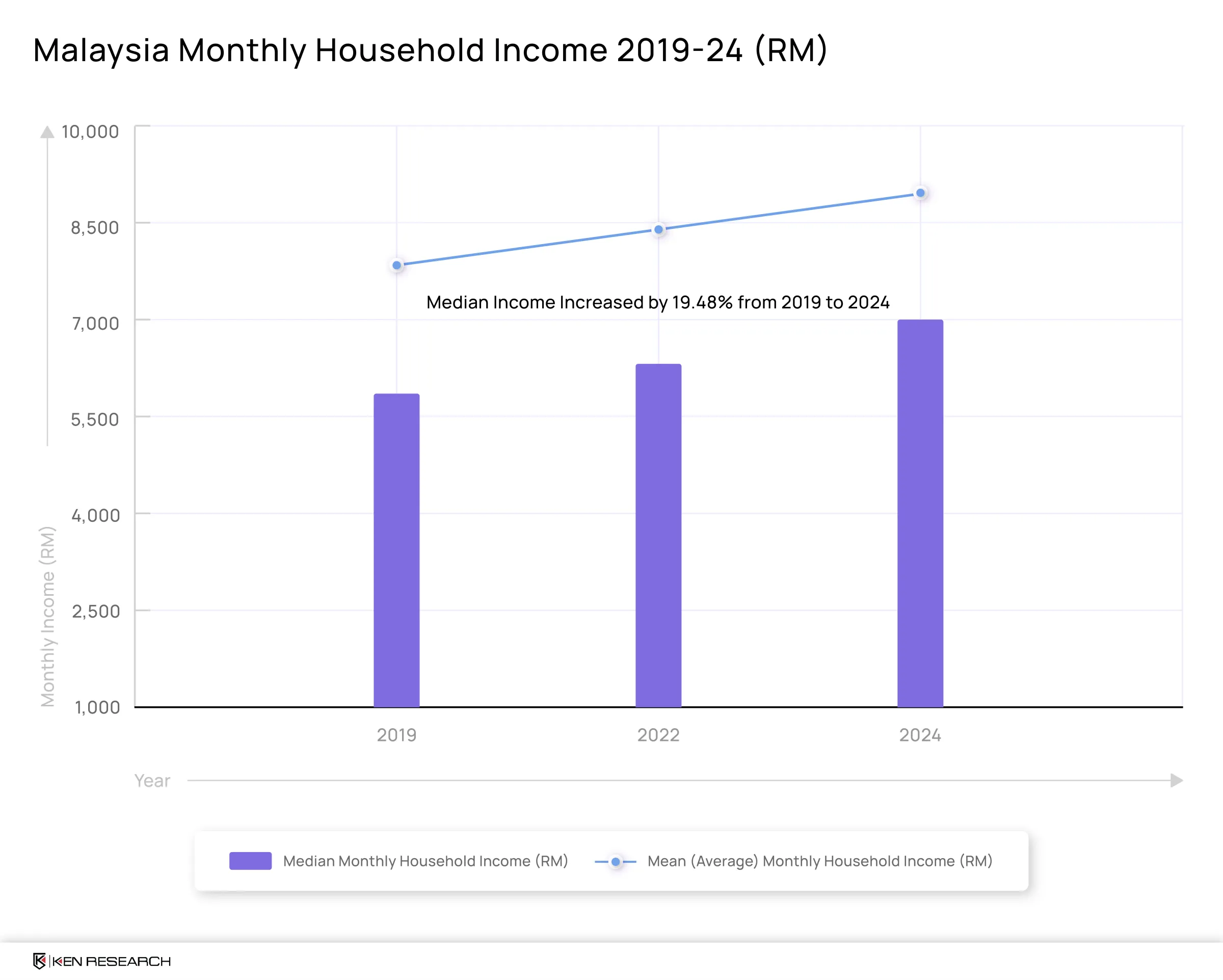
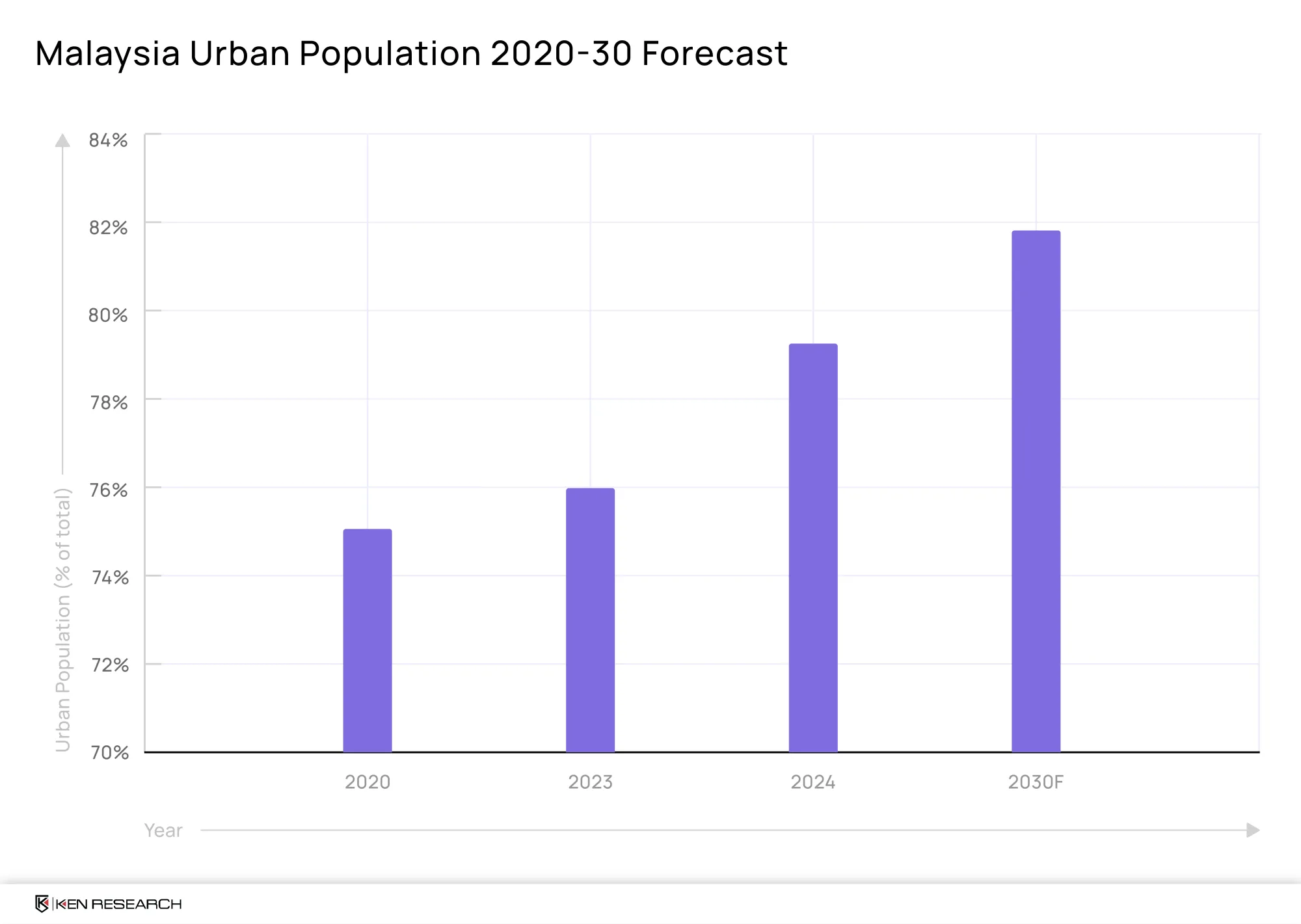
Furthermore, the ongoing expansion and infrastructural development in Malaysia have significantly boosted the demand for LEDs. As of now, it is estimated that over 40% of Malaysian households use LEDs. With urbanisation touching almost 80%, the sector stands to benefit from increased demand. The national targets for smart city development will further drive LED adoption.
Explore the broader trends shaping Malaysia’s lighting market and how they’re driving the growth of LEDs – download the free sample report from Ken Research.
Policy and Regulation Rewiring Malaysia’s LED Adoption Curve
Historically reliant on imports, particularly from China, Malaysia is increasingly strengthening its domestic LED market through energy-efficiency regulations and industrial development initiatives. The Sustainable Energy Development Authority (SEDA) plays a central role in enforcing the use of energy-efficient lighting under Malaysia’s broader energy efficiency framework, including the implementation of Minimum Energy Performance Standards (MEPS) for lighting products. As of 2023, more than 160 LED product SKUs had been registered under SEDA’s MEPS requirements, reflecting Malaysia’s growing commitment to sustainable lighting adoption and the gradual shift toward higher local value addition in the LED ecosystem.
The government in the past allocated almost USD 55.1 million for the development of sustainable infrastructure as part of the 11th Malaysian Plan, further reinforcing and incentivising the shift to LED lighting. With LEDs consuming almost 80% less energy and lasting up to 40,000 hours, they offer a practical solution to reduce electricity consumption in both new developments and existing systems.
The Penang initiative, which completed the installation of over 33,000 streetlights, along with the growing real estate, hospitality, and data centre sectors, continues to fuel demand for high-efficiency LEDs. Malaysia’s national investment policies continue to focus on reducing dependence on imports by strengthening domestic manufacturing capabilities across the electrical and electronics sector, supporting the expansion of local LED production and enhancing export competitiveness.
Additionally, the Petaling Jaya city government has actively promoted the use of LED-based lighting in new developments as part of its broader sustainability and energy-efficiency initiatives, reinforcing the shift toward more sustainable urban infrastructure. National frameworks such as the Green Building Index (GBI) and the National Energy Policy 2022–2040 continue to support LED adoption by prioritising sustainable energy and low-carbon development.
These regional developments, aligned with broader national initiatives, reflect the increasing policy emphasis and governmental support for the widespread adoption of LED technology across Malaysia.
Domestic Manufacturing: Reducing Import Risk and Reshaping Cost Economics
The continued push for domestic manufacturing of LEDs, along with the encouragement of international players to establish production facilities in Malaysia, is helping reduce the country’s long-term dependency on LED imports. Government initiatives such as the Green Investment Tax Allowance (GITA) and the Green Technology Financing Scheme (GTFS) continue to incentivise businesses to invest in energy-efficient technologies, including LED lighting systems. Moreover, the New Industrial Master Plan 2030 (NIMP 2030) supports the growth of local manufacturing by encouraging investment in high-value industries, including the electrical and electronics sector, where LED production plays a significant role. Key players like OSRAM Opto Semiconductors and D&O Green Technologies are driving growth in Malaysia’s LED market through strategic investments in local manufacturing, further strengthening the country’s position in the global LED supply chain.
OSRAM’s Penang facility continues to serve as a key hub for LED chip production, supporting both regional demand and global exports, reinforcing Malaysia’s role as a leader in the high-volume LED components supply chain. Similarly, D&O Green Technologies’ Melaka plant, focusing on automotive LED manufacturing, caters to major global OEMs, positioning Malaysia as a competitive player in the automotive lighting sector. Such local manufacturing initiatives are enhancing production capabilities, driving innovation, and expanding export opportunities, establishing Malaysia as a critical player in the global LED value chain and supporting the sustainable growth of the market.
Unlock in-depth insights into Malaysia’s LED market – download Ken Research’s free sample report.
Smart Cities and Infrastructure Spend Creating Long-Cycle LED Demand Pools
The continued expansion of Malaysia’s real estate and infrastructure development is a key driver for the LED bulb market. The Malaysian real estate market, valued at approximately USD 40 billion in 2025, is expected to grow at a CAGR of over 5.5% in the coming years, creating significant demand for energy-efficient LED lighting in commercial, hospitality, and government sectors. As part of ongoing urbanisation efforts, over 1,000 commercial and real estate projects have been approved, further driving the demand for LEDs in areas like lobbies, meeting rooms, and guest floors.
The tourism sector, which generated RM 291.9 billion in 2024 and accounted for 15.1% of Malaysia's GDP, also contributes to the growing adoption of LED lighting, particularly in the hospitality industry. At the same time, the development of industrial parks, increased industrial investment approvals, and the expansion of street lighting infrastructure are supporting higher demand for LED lighting across industrial and public applications. In parallel, Malaysia’s New Industrial Master Plan (NIMP 2030) targets the transformation of 3,000 factories into smart factories by 2030, driving demand for modern, energy-efficient lighting solutions, with LEDs playing a central role.
In parallel, the Malaysian government’s smart city initiatives are catalysing the adoption of LEDs. Cities like Putrajaya, Penang, Melaka, and Johor Bahru are implementing smart mobility systems, intelligent traffic management, and digital public services, with LED lighting playing a critical role in these technologies. The Kuala Lumpur Smart City Blueprint focuses on advancing digitalisation and AI-driven services to enhance urban living. Meanwhile, Iskandar Malaysia and Cyberjaya stand as leading examples of sustainable smart urban development, showcasing the country’s commitment to building sustainable, tech-enabled cities. Together, these initiatives are positioning Malaysia as a frontrunner in adopting LED technologies for urban and infrastructure development, paving the way for sustained long-term market growth
Advancing Competitive Advantage in Malaysia’s LED Market – Strategic Insights from Ken Research
Sector-Specific, High-Efficiency LEDs Are Emerging as the Primary Differentiator
As demand for LEDs in Malaysia grows, driven by government policies, smart city projects, and increasing urbanisation, focusing on high-quality, energy-efficient LEDs equipped with advanced semiconductor and phosphor materials offers a real opportunity for competitive advantage. These LEDs can deliver high performance, long durability, low heat output, and offer extended lifespans, giving companies a lasting edge. A diverse range of LED products tailored to different sectors can strengthen a company’s position in the market.
Discover the LED Product Categories Set for Rapid Growth – Talk to our experts
Sector-specific demand across healthcare, warehousing, automotive, consumer electronics, and data centres is powering the market’s growth. The medical devices market, valued at USD 2.5 billion as of 2024, is increasingly adopting LEDs for applications in core market segments like diagnostic imaging and patient monitoring devices, driven by growing healthcare expenditure, advancements in medical technologies and rising chronic disease cases.
In parallel, the warehousing market, forecasted to reach USD 700 million by 2028, is expanding, fueled by the rise in e-commerce and infrastructure projects such as the East Coast Rail Link, which drives demand for LED lighting in logistics spaces.
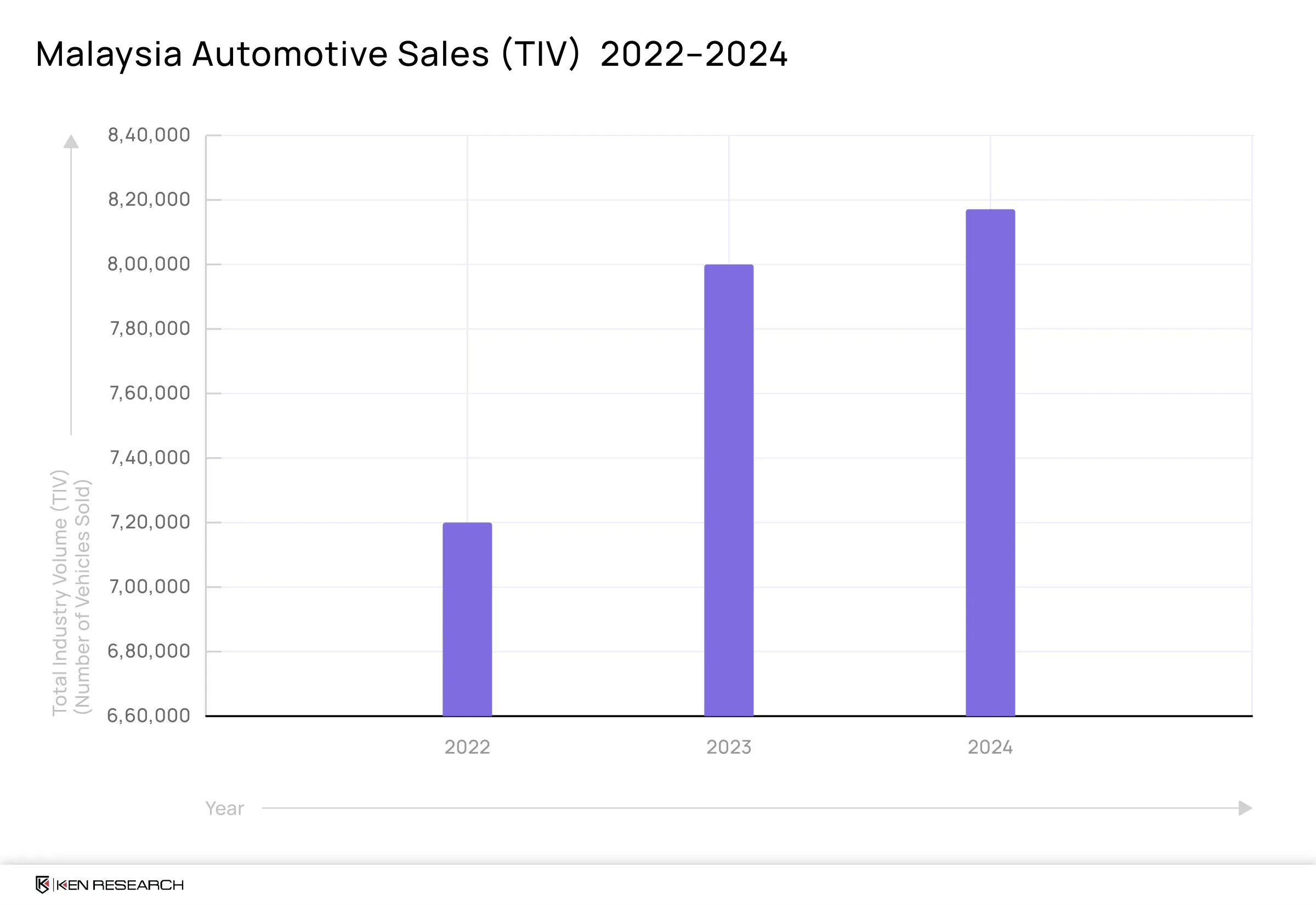
As urbanisation and increased incomes fuel the growth of Malaysia's automotive sector, the demand for LED lighting in vehicles, particularly for headlights, taillights, and interior lighting, is set to increase, aligning with global trends for energy-efficient vehicles.
The consumer electronics sector is another significant growth driver, particularly with the increasing adoption of mini-LED technology, as consumer electronics gain penetration - Malaysia’s high mobile penetration, with cellular subscriptions exceeding the total population (over 120%), indicates near-universal mobile connectivity.
Samsung is strategically investing in Mini-LED technology to tap into multiple sectors beyond traditional consumer electronics. By enhancing the performance of its Neo QLED TVs and advancing Mini-LEDs for displays, Samsung is positioning itself at the forefront of LED innovation for applications in automotive lighting, smart home systems, advertising displays, and public infrastructure.
Meanwhile, Malaysia data centre market, with over 600 data centres consuming 750 MW of power in 2023, is expanding due to the country’s digitalisation efforts, creating a substantial need for LED lighting solutions to reduce energy consumption amid ongoing plans for server room expansion. As Malaysia continues to develop its smart city initiatives and infrastructure, LED adoption across sectors like these will remain a key driver of sustainable market growth, and the utility of LEDs in modern technologies will only strengthen in the near future.
Leveraging Smart LEDs to Drive Efficiency, Connectivity, and Market Expansion
The global smart LED market is growing rapidly at a CAGR of over 15%, with the Asia Pacific as the fastest-growing region. Smart LEDs offer compelling benefits, including cost savings, sustainability, and extended lifespans. Their low carbon emissions and seamless integration into smart home systems position them perfectly to meet the increasing demand for automation, personalisation, and convenience, which are key consumer priorities. Malaysia’s smart home devices market, projected to reach USD 1.5 billion by 2034, is driven by the growing demand for energy-efficient solutions and strong government support for smart city initiatives.
This growth is strongly supported by national frameworks like the Smart City Framework (2019–2025), MYDIGITAL, Industry4WRD, and the National 4IR Policy. The Smart City Framework promotes the development of sustainable, digitally enabled cities, encouraging the adoption of LED-powered intelligent lighting systems across urban infrastructure as LEDs align with the framework's focus on sustainability and energy efficiency. MYDIGITAL continues to propel Malaysia’s digital transformation by integrating smart technologies into urban infrastructure. A key element of this shift is the adoption of LED streetlights, which are essential for advancing smart mobility solutions and enhancing public service management through sustainable, connected lighting systems.
Additionally, Industry4WRD modernises the industrial sector through IoT, AI, and smart technologies, increasing demand for LEDs in factories, warehouses, and commercial buildings, while the National 4IR Policy accelerates the adoption of Fourth Industrial Revolution technologies, strengthening the role of LED lighting in smart city projects and public infrastructure automation.
Collectively, these frameworks position LEDs at the heart of Malaysia’s smart city ecosystem. As urbanisation and digitalisation continue to accelerate, demand for smart LED solutions will grow. Aligning with national strategies focused on LED solutions for smart homes and cities can offer sustained growth opportunities, allowing players to capitalise on government incentives and secure a strong share of Malaysia's expanding LED market.
Lighting-as-a-Service Is Unlocking Predictable, Recurring Revenue Models
Lighting‑as‑a‑Service (LaaS) offers consumers cost efficiency through subscription‑based payments, eliminating large upfront investments. The use of LEDs under LaaS delivers energy savings while providing seamless maintenance and upgrades as part of the service model. Globally, the LaaS market was estimated at approximately USD 2.5 billion in 2024 and is projected to grow rapidly at a 35% CAGR through 2033, driven by the shift toward energy‑efficient lighting solutions and operational expenditure‑based models.
LaaS aligns with Malaysia’s green initiatives, including frameworks led by the Malaysian Green Technology and Climate Change Council (MGTC) and incentive schemes such as the Green Investment Tax Allowance (GITA) and the Green Technology Financing Scheme (GTFS), which prioritise energy optimisation and sustainability across lighting and other green technologies.
The LaaS model offers companies the opportunity to expand their market presence by providing businesses that prefer OPEX over CAPEX with a more accessible lighting solution, especially for those with capital limitations. By offering smart, energy-efficient lighting systems, companies can strengthen their position as sustainability leaders, distinguishing themselves from competitors. LaaS fosters growth, innovation, and leadership in the market, with major players like Signify actively exploring its potential.
Signify has adopted the Light-as-a-Service (LaaS) model and is benefitting from recurring revenue through subscription-based contracts, ensuring a stable and predictable income stream. In 2024, Signify reported USD approximately 6.65 billion in sales, with 93% coming from LED-based products, underscoring its dominance in energy-efficient lighting. The company’s focus on connected lighting is reflected in its 144 million connected light points globally, supporting the growing demand for smart cities and sustainable solutions.
Profitability remained strong for Signify, with almost USD 364.06 million in net income, a 9.9% EBITA margin, and 477.42 million in free cash flow, reinforcing its operational efficiency. As Light as a Service continues to expand, Signify is capitalising on recurring revenue from smart home, commercial, and municipal applications. With national initiatives like MYDIGITAL and the Smart City Framework driving digital infrastructure and resource-efficient lighting solutions, Signify is well-positioned to lead the LED market in the transition to smart lighting solutions.
Tier-2 Cities and Emerging Regions: The Next Demand Frontier
The demand for LEDs in Malaysia has been primarily concentrated in the central and northern regions, driven by high population density, rapid urbanisation, and economic diversification. These regions have greatly benefited from government initiatives promoting the use of energy-efficient lighting solutions, positioning LEDs as a primary choice for both residential and commercial applications. Meanwhile, emerging regions, including Johor, Melaka, Negeri Sembilan, and Sarawak, are witnessing significant development. Notable projects, such as the Melaka Road Lighting Project, which plans to install more than 100,000 LED streetlights, the expansion of logistics hubs in Johor, and the Melaka Gateway development, signal rapid urbanisation in these areas, which will drive future demand for LED-based lighting solutions.
For new entrants and those willing to expand, focusing on these regions presents a prime opportunity to establish an early consumer base in high-growth areas poised for significant urbanisation in the next decade. While some of these nascent markets remain price-sensitive, adapting pricing strategies to regional demands will be crucial for successful market penetration. By tapping into these high-potential geographies, businesses can position themselves for sustainable growth as these areas continue to evolve into urban hubs. Unlock Malaysia’s top LED markets – Connect with our experts now
Infrastructure-Led Execution: Deciding the Long-Term Market Share Winners
Government initiatives, such as the National Energy Efficiency Action Plan (NEEAP), are driving major infrastructural developments across Malaysia, creating significant demand for LED lighting. The ongoing development of LRT and metro systems in Penang and Johor will require advanced lighting solutions for stations and infrastructure. Similarly, the Singapore-Johor RTS and the West Coast Expressway (WCE), aimed at enhancing regional connectivity, will also generate demand for LED streetlights and lighting infrastructure.
The Malaysian government has allocated over MYR 400 million under the National Sports Vision 2030 to upgrade and redevelop stadiums and sports complexes, driving demand for LED-based lighting solutions and modern infrastructure. This public-sector investment reflects broader infrastructure spending, boosting the need for advanced lighting solutions. As Malaysia’s warehousing market expands, with significant space earmarked for development, LED demand in logistics hubs and industrial estates is set to rise. Furthermore, with over 600 industrial estates already established, ongoing infrastructure enhancements will present continued opportunities for LED providers.
Conclusion
To successfully enter or expand in Malaysia’s LED market, companies must focus on compliance with government standards, particularly in public infrastructure and government-backed projects. Tailoring products to meet energy efficiency mandates and positioning LED lighting as a key enabler of Malaysia’s sustainable urbanisation can be promising. Companies that align with smart city initiatives, infrastructure growth, and the expanding demand for energy-efficient lighting will secure long-term opportunities in this market. Additionally, leveraging Lighting-as-a-Service (LaaS) models, targeting high-growth geographies, and maintaining a diverse SKU portfolio will ensure a competitive edge in this rapidly evolving market. By strategically engaging in these areas, businesses can capitalise on Malaysia's dynamic growth and establish themselves as leaders in the LED sector. Get customised insights for your business – Book a call with Ken Research today!
Related tags
Consumer Electronics
Consumer Products and Retail
Get started
We've helped companies around the world future-proof
their businesses - and we can do the same for you.