After the USD 6 Trillion Reset: How AI, Energy Transition, and Geopolitics Are Reshaping the Global Materials Industry
Ken Research
January 2, 2026 - 9 min read
January 2, 2026
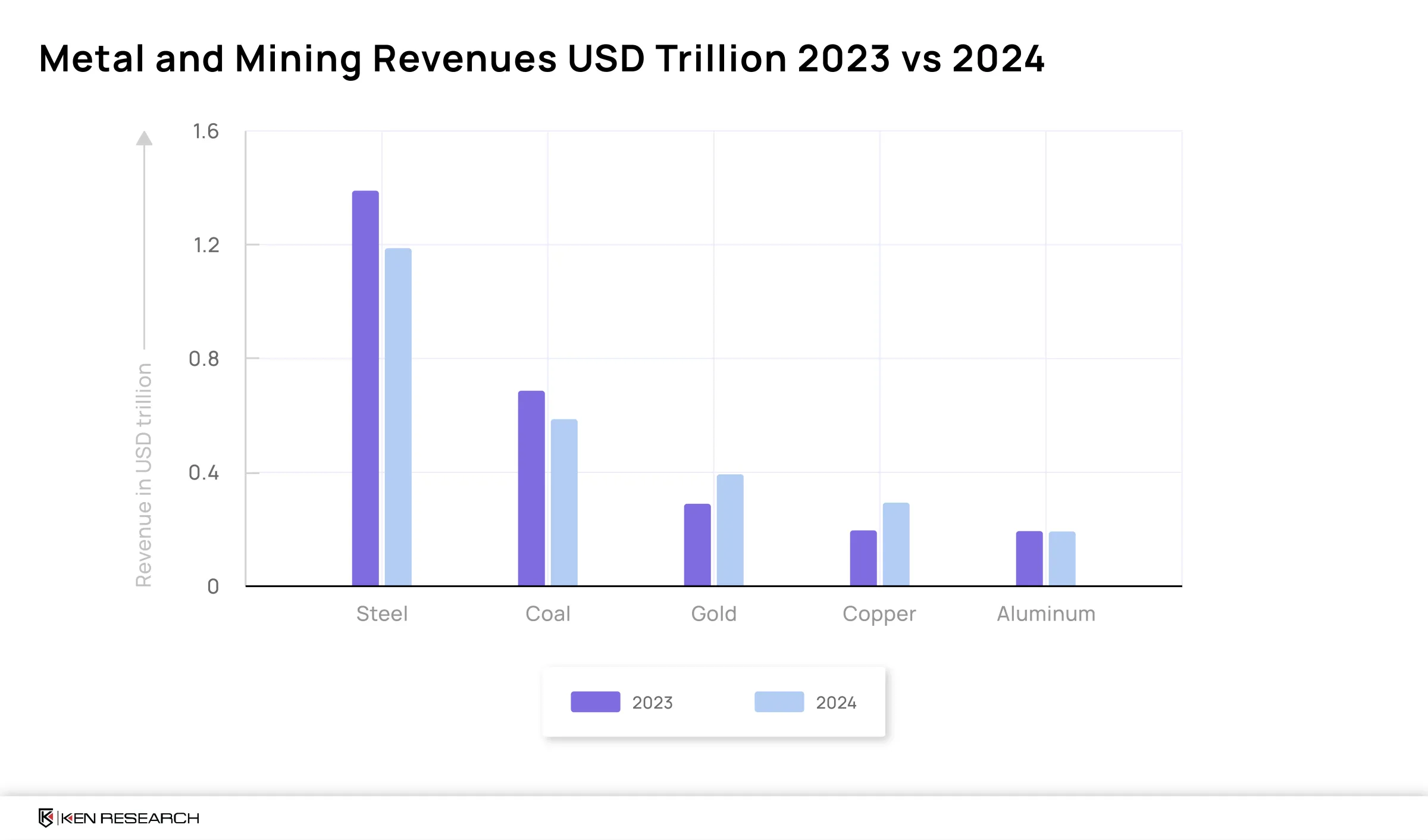
by Ken ResearchFollowing a 5.9% decline in metal and mining revenues in 2024, the global materials industry is facing significant shifts in demand, supply, and regulations.
The demand for the type of materials and their usability is evolving – a shift towards transition critical and technology-linked materials. This is fueled by the changing geopolitical conditions, rising dominance of Chinese players and retarding decarbonization efforts.
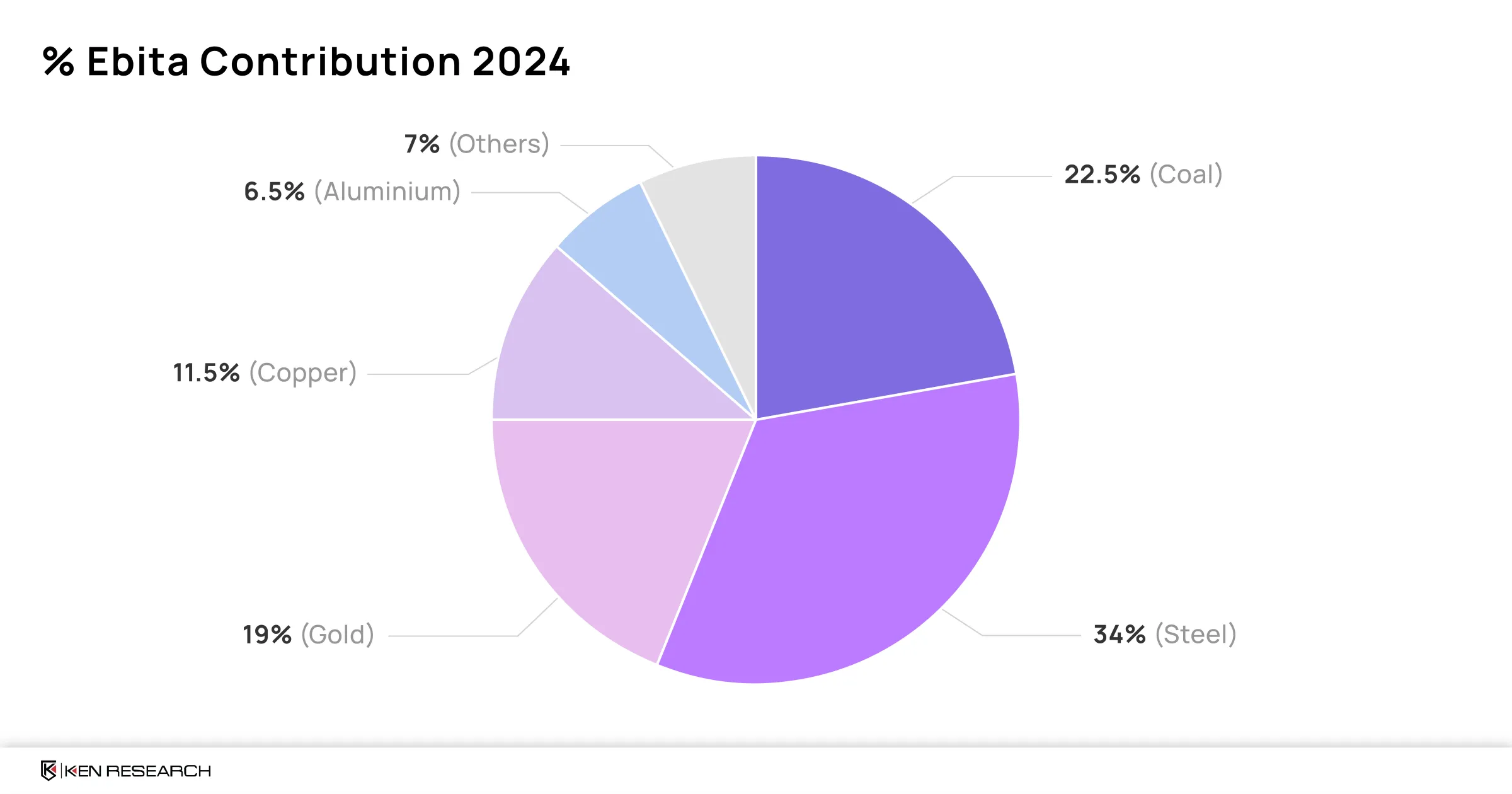
The overall materials industry revenues declined to almost USD 6.67 trillion in 2024, but the industry managed to clock a profit of more than USD 1.31 trillion, out of which the metal and mining industry alone made over USD 700 billion in profits. The rising market share of China and North America in the metal and mining industry, along with Latin America’s resilience due to cost-efficient practices, contrasts with others still suffering from challenges such as low productivity, labor shortages, and growing environmental concerns associated with mining.
What is the Industry Witnessing?
Tariffs, Trade Barriers and Transitions
Barriers to the import and export of materials have made end markets inaccessible. This, coupled with the increasing price volatility for minor metals, is pushing resource nationalism, causing supply to concentrate.
Chinese export barriers have led to Rare Earth Element (REE) shortages across the globe, and price hikes have followed. Value addition and local downstream processing are being incentivized to cope with increasing tariffs.
Supply chains are facing disruptions and have reinforced the need for local supply chain integration. The U.S and Europe are aiming for self-sufficiency, but a lack of competitive pricing is a major obstacle.
Declining Decarbonization - Were EVs Just a FAD?
A constant slowdown in decarbonization practices is being witnessed. While EV sales continue to grow globally, their demand has softened in key markets - Europe and the U.S are facing low EV deployment due to withdrawal of generous tax incentives, financing costs and lack of policy compliance.
High costs, unwillingness to pay the “green premium”, and raw material inaccessibility are causing declining investments in low-carbon technologies.
The European steel industry is facing a similar slowdown – several decarbonization projects are being cancelled or delayed, causing the industry to contract. Companies are prioritizing short-term survival over long-term green transitions. Major producers like ArcelorMittal have cancelled initiatives such as the EAF-DRI project in Bremen and Eisenhüttenstadt in June 2025 due to unstable market conditions and flaws in the Carbon Border Adjustment Mechanism (CBAM) and similar technologies.
Rapid AI Expansion
The rapid development of AI data centers is driving the demand for materials, especially copper. AI integration will enhance supply chain resilience, improve operational efficiency, and reduce labor dependency. AI data centres will expand more than 2 times in the next 5 years, driving close to 3% of the global copper demand.
Close to 50% of global materials demand growth through 2035 is expected to come from Asia, with China at the centre, as electrification, AI infrastructure, defence priorities, and industrial expansion continue to accelerate.
Defense Driving the Demand
There is rising competition between green transition and strategic supply security, given the geopolitical volatility and rising green costs. By 2030, NATO Europe alone will account for more than 1.8% aluminum, 3.9% Steel and 8.1% of the global Copper demand, fueling the production of drones, radar systems, submarines, lightweight aircraft and stealth fighters. Find out more about the European Defense Market.
Geopolitical tensions and the desire to adopt technologically advanced defense systems are driving the rapid growth in demand. Countries are moving towards modernization of their defense abilities while integrating AI and Quantum Computing to strengthen existing defense systems.
The demand for materials and their applicability in the defense sector is set to diversify, reflecting higher defense spending, especially in Europe and North America. Demand from the defense sector can add more than 1-2% growth to materials like steel, aluminum, copper, specialty alloys etc., leading to the creation of niche markets and immense opportunities for new entrants and those wishing to expand.
The Narrowing Demand and Supply Gap
Although the demand and supply gap in the materials industry is expected to narrow, reports suggest, it would require at least 3.6 lakh jobs, more than 250 GW of new power generation capacity and a capital of approximately USD 4.5 trillion to completely seal this gap in the coming decade.
Globally, this gap is shrinking due to a significant drop in prices and slower energy transitions. Population increase and the rapid development of the middle class, combined with the growth in the AI and defense sectors, are key drivers for The population increase and the rapid development of the middle class, combined with the growth in the AI and defense sectors, are key drivers of growth. Energy transition materials are expected to grow at a CAGR of 4.6% in the next 10 years and can potentially lead to a 50% growth in demand for transition-critical materials. The supply of energy transition materials like nickel and lithium has surpassed initial projections due to the rapid development of mining and refining capacities and a fading EV havoc, causing a temporary market oversupply.
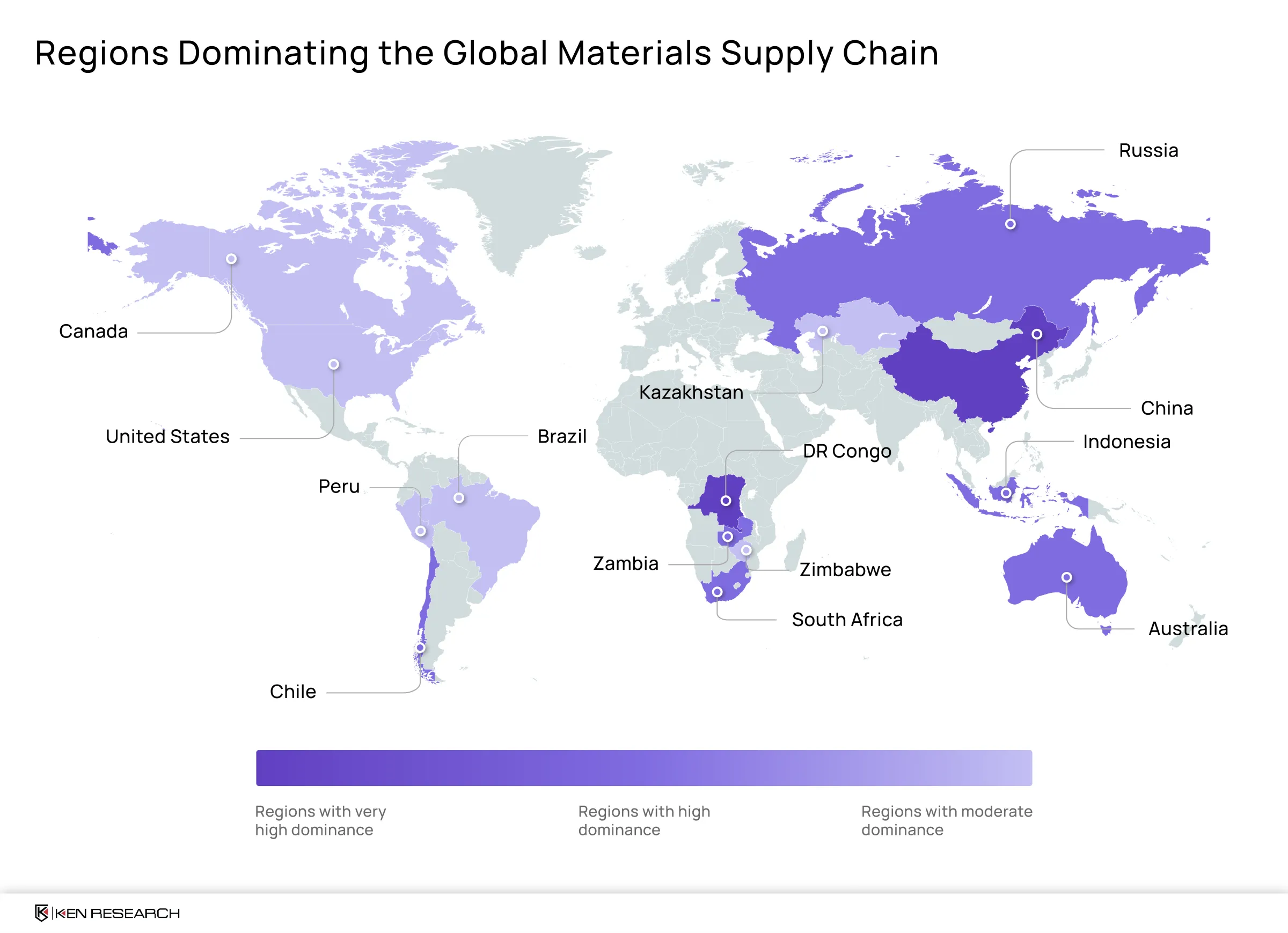
Mining supply continues to be concentrated in China, Asia and Sub-Saharan Africa. Chinese companies comprise more than 36% of the mining and refining assets purchased and are diversifying their focus in Asia and Sub-Saharan Africa to secure supply chains in regions with rich reserves of critical materials in response to the growing demand for energy transition.
The Shaking Promise of Sustainability
A trend in decreased willingness to pay a premium for sustainable products has been prevalent in the materials market. It’s hard to expect sustainability given the volatility in prices, unstable demand and the limited green technologies. The Materials industry alone contributes to more than 20% of the global greenhouse gas emissions, only through the production of materials. Slowdown in decarbonization initiatives, as seen in the European steel market, shift in priorities to AI and defense make green promises unsustainable.
Metal and mining emissions are expected to decrease by 6.1% but will be outweighed by the harm caused by the addition of hundreds of millions of metric tons of greenhouse gas emissions produced as a result of the growing demand for battery and transition materials. Recycling of materials can cause significant improvements in the situation, but currently remains inconsistent and limited to only specific materials like zinc and batteries in most markets.
While China is adopting cleaner measures, India plans to adopt coal-based capacity plans to secure affordability, and Europe remains burdened with overcapacity and high regulatory expenses.
New Growth Levers that Shouldn’t Be Ignored
Structural shifts across technology, security, and sustainability are opening up new growth avenues that extend well beyond traditional materials cycles. According to Ken Research, early movers that act quickly and capitalize on these opportunities can build a long-term competitive advantage.
Portfolio Repositioning
Growth in the materials industry will no longer come from cyclical rebounds but from clear structural shifts in demand. More than 50% of incremental materials demand by 2035 is expected to be driven by electrification, battery value chains, AI infrastructure, and defence, while traditional bulk materials are moving into a low-growth phase. To stay relevant, companies need to actively rebalance their portfolios toward transition-critical and specification-led materials such as copper, lithium, nickel, Rare Earth Elements, aluminium alloys, and speciality steels. Identifying and investing in such categories can provide a disproportionate upside to businesses - Find out the top 10 high-growth materials to invest in.
Supply Control
Strategic geographical expansion can flip the game. Businesses should be on the lookout for government incentives, subsidies, and geographies with lower resistance from competitors. Supply remains concentrated in Asia and Sub-Saharan Africa, while demand growth is accelerating in North America and Europe, raising both geopolitical and sourcing risks. Companies that lock in upstream access through partnerships, and build downstream capabilities closer to customers, will end up protecting their margins. Discover the most promising, low-risk geographies for your next expansion.
At the same time, scaling efficient recycling, especially for aluminium, batteries, and select base metals, offers a practical way to cut dependence on primary raw materials, stabilize costs, and strengthen long-term supply security.
AI Put to the Right Use
The biggest gains come from using AI where day-to-day decisions matter most - optimising production processes, anticipating equipment failures, and planning output more accurately. Prioritising real-time optimisation of energy use and material flow can significantly improve plant efficiency and lower operating costs.
Applying AI to sourcing and logistics can also help businesses respond faster to demand changes and reduce supply disruptions. In specialised material production, AI-led quality and yield controls can boost margins with minimal additional capital. As a result, AI can effectively help reduce reliance on manual intervention, speed up operations, and make supply chains more resilient if integrated seamlessly across the value chain.
BHP, one of the largest mining companies in the world with a valuation of over USD 140 billion, has been actively integrating Artificial Intelligence across its operations, applying AI technologies to improve productivity, safety, and efficiency across the value chain. AI spans the company's entire mining lifecycle, with AI systems being used from exploration and extraction to processing and logistics, thereby helping reduce downtime and improving resource recovery.
Conclusion
The accelerating shift toward AI and defence is creating strong and durable demand across the materials industry. This shift is rapidly unlocking opportunities for advanced technologies and next-generation materials that are decarbonization-ready, cost-efficient, recyclable, and geopolitically resilient. This transition marks not a new growth phase for the sector. By pursuing industrial, geographical, and technological diversification, businesses can strengthen resilience, stay ahead of structural change, and position themselves to capture long-term value in a rapidly evolving global materials landscape.
Get started
We've helped companies around the world future-proof
their businesses - and we can do the same for you.