Region:Middle East
Author(s):Geetanshi
Product Code:KRAC9344
Pages:80
Published On:November 2025

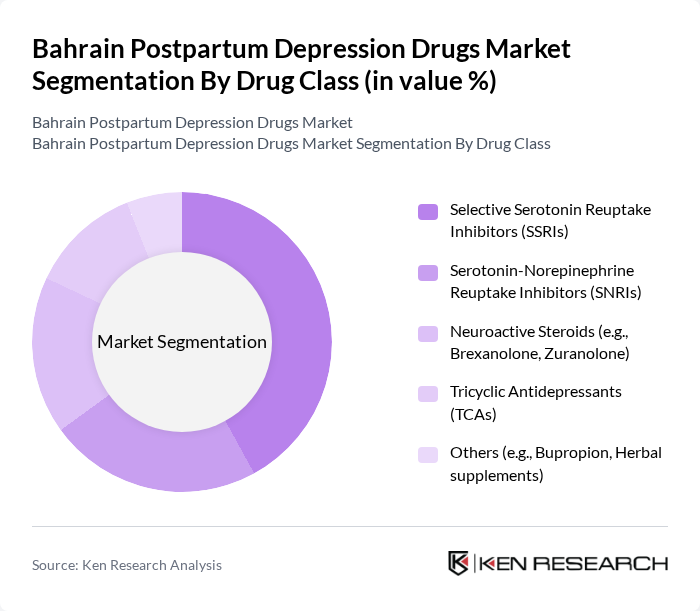
By Drug Class:The market is segmented into various drug classes that are commonly used to treat postpartum depression. The primary classes include Selective Serotonin Reuptake Inhibitors (SSRIs), Serotonin-Norepinephrine Reuptake Inhibitors (SNRIs), Neuroactive Steroids, Tricyclic Antidepressants (TCAs), and other alternatives such as Bupropion and herbal supplements. Among these, SSRIs are the most widely prescribed due to their efficacy and safety profile. The introduction of neuroactive steroids, such as brexanolone, has expanded the therapeutic landscape, but SSRIs remain the mainstay of pharmacological treatment .
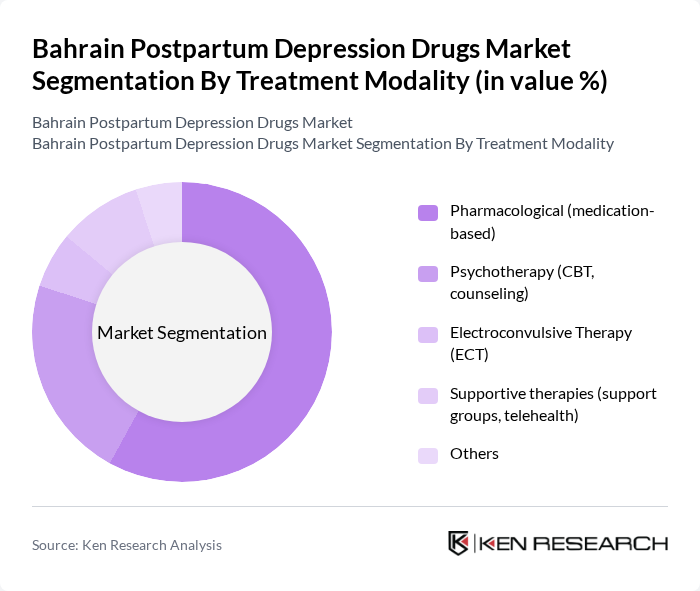
By Treatment Modality:The treatment modalities for postpartum depression include pharmacological approaches, psychotherapy, electroconvulsive therapy (ECT), supportive therapies, and other methods. Pharmacological treatments, particularly SSRIs and SNRIs, dominate the market due to their widespread acceptance and effectiveness in managing symptoms of postpartum depression. Psychotherapy, especially cognitive-behavioral therapy (CBT), is increasingly integrated into maternal care, while telehealth and support groups are gaining traction as adjunctive modalities .
The Bahrain Postpartum Depression Drugs Market is characterized by a dynamic mix of regional and international players. Leading participants such as Pfizer Inc., Sage Therapeutics, Inc., Biogen Inc., Eli Lilly and Company, GlaxoSmithKline plc, Johnson & Johnson (Janssen Pharmaceuticals), Novartis AG, Sanofi S.A., AbbVie Inc., Hikma Pharmaceuticals plc, Teva Pharmaceutical Industries Ltd., and Aurobindo Pharma Limited contribute to innovation, geographic expansion, and service delivery in this space.
The future of the postpartum depression drugs market in Bahrain appears promising, driven by increasing awareness and government support for mental health initiatives. As healthcare expenditure rises, more resources will be allocated to mental health services, enhancing treatment accessibility. Additionally, the integration of technology in healthcare delivery is expected to facilitate better patient engagement and monitoring. These trends indicate a positive trajectory for the market, with potential for innovative treatment options and improved patient outcomes in future.
| Segment | Sub-Segments |
|---|---|
| By Drug Class | Selective Serotonin Reuptake Inhibitors (SSRIs) Serotonin-Norepinephrine Reuptake Inhibitors (SNRIs) Neuroactive Steroids (e.g., Brexanolone, Zuranolone) Tricyclic Antidepressants (TCAs) Others (e.g., Bupropion, Herbal supplements) |
| By Treatment Modality | Pharmacological (medication-based) Psychotherapy (CBT, counseling) Electroconvulsive Therapy (ECT) Supportive therapies (support groups, telehealth) Others |
| By End-User | Hospitals Specialty clinics Home care settings Community health organizations Others |
| By Distribution Channel | Hospital pharmacies Retail pharmacies Online pharmacies Direct sales Others |
| By Patient Demographics | Age group (18-25, 26-35, 36-45) Socioeconomic status (Low, Middle, High) Geographic location (Urban, Rural) Others |
| By Insurance Coverage | Public insurance Private insurance Out-of-pocket payments Others |
| Scope Item/Segment | Sample Size | Target Respondent Profiles |
|---|---|---|
| Healthcare Professionals | 45 | Psychiatrists, Obstetricians, General Practitioners |
| Pharmacists | 35 | Community Pharmacists, Hospital Pharmacists |
| New Mothers | 50 | Women who have given birth in the last 12 months |
| Mental Health Advocates | 20 | Non-profit Organization Representatives, Counselors |
| Policy Makers | 15 | Government Health Officials, Mental Health Policy Advisors |
The Bahrain Postpartum Depression Drugs Market is valued at approximately USD 13 million, reflecting a significant increase in awareness and treatment options for postpartum depression among new mothers in the region.

What makes us stand out is that our consultants follow Robust, Refine and Result (RRR) methodology. Robust for clear definitions, approaches and sanity checking, Refine for differentiating respondents' facts and opinions, and Result for presenting data with story.

We have set a benchmark in the industry by offering our clients with syndicated and customized market research reports featuring coverage of entire market as well as meticulous research and analyst insights.

While we don't replace traditional research, we flip the method upside down. Our dual approach of Top Bottom & Bottom Top ensures quality deliverable by not just verifying company fundamentals but also looking at the sector and macroeconomic factors.

With one step in the future, our research team constantly tries to show you the bigger picture. We help with some of the tough questions you may encounter along the way: How is the industry positioned? Best marketing channel? KPI's of competitors? By aligning every element, we help maximize success.

Our report gives you instant access to the answers and sources that other companies might choose to hide. We elaborate each steps of research methodology we have used and showcase you the sample size to earn your trust.

If you need any support, we are here! We pride ourselves on universe strength, data quality, and quick, friendly, and professional service.













