Australia Automotive Batteries Market
Published on: January 2026
Report Overview
Australia Automotive Batteries Market Overview
Market Highlights
The Australia Automotive Batteries Market showcases a diverse competitive structure, where multinational corporations, regional manufacturers, and local firms engage in a dynamic interplay. Multinationals leverage economies of scale and advanced supply chain efficiencies, while regional players focus on tailored solutions that resonate with local market needs, and local firms capitalize on agility and niche expertise to carve out competitive advantages.
Innovation from global leaders is seamlessly integrated with localized adaptations, as companies customize battery technologies and charging solutions to meet Australia's unique environmental and consumer demands. Collaborations between hardware suppliers and local distributors ensure that cutting-edge technologies are effectively tailored to the specificities of the Australian market, enhancing user experience and operational efficiency.
The distribution and aftersales ecosystem is pivotal in enhancing customer satisfaction and ensuring reliability. Strategic partnerships among automotive manufacturers, energy providers, and infrastructure developers are expanding the accessibility of charging stations, while robust aftersales services, including maintenance and support, are critical for fostering long-term customer loyalty in a competitive landscape.
Future competitiveness hinges on a blend of innovation, operational efficiency, and sustainability. Industry leaders are increasingly adopting advanced technologies such as predictive analytics and energy management systems to enhance performance and reduce costs. The focus on sustainable practices and collaborative innovation is reshaping the market, driving agility and responsiveness to evolving consumer preferences and regulatory frameworks.
Ecosystem Matrix
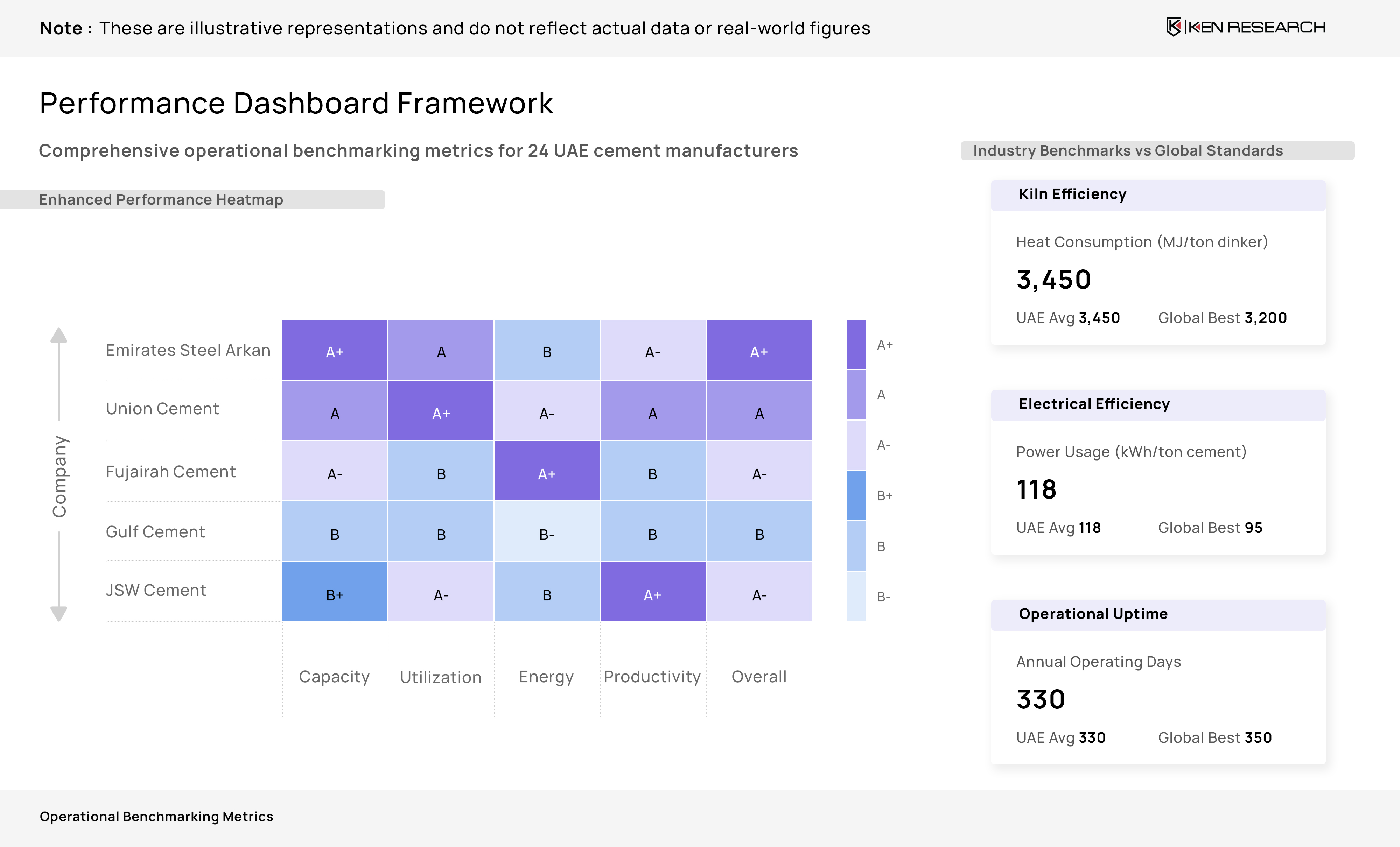
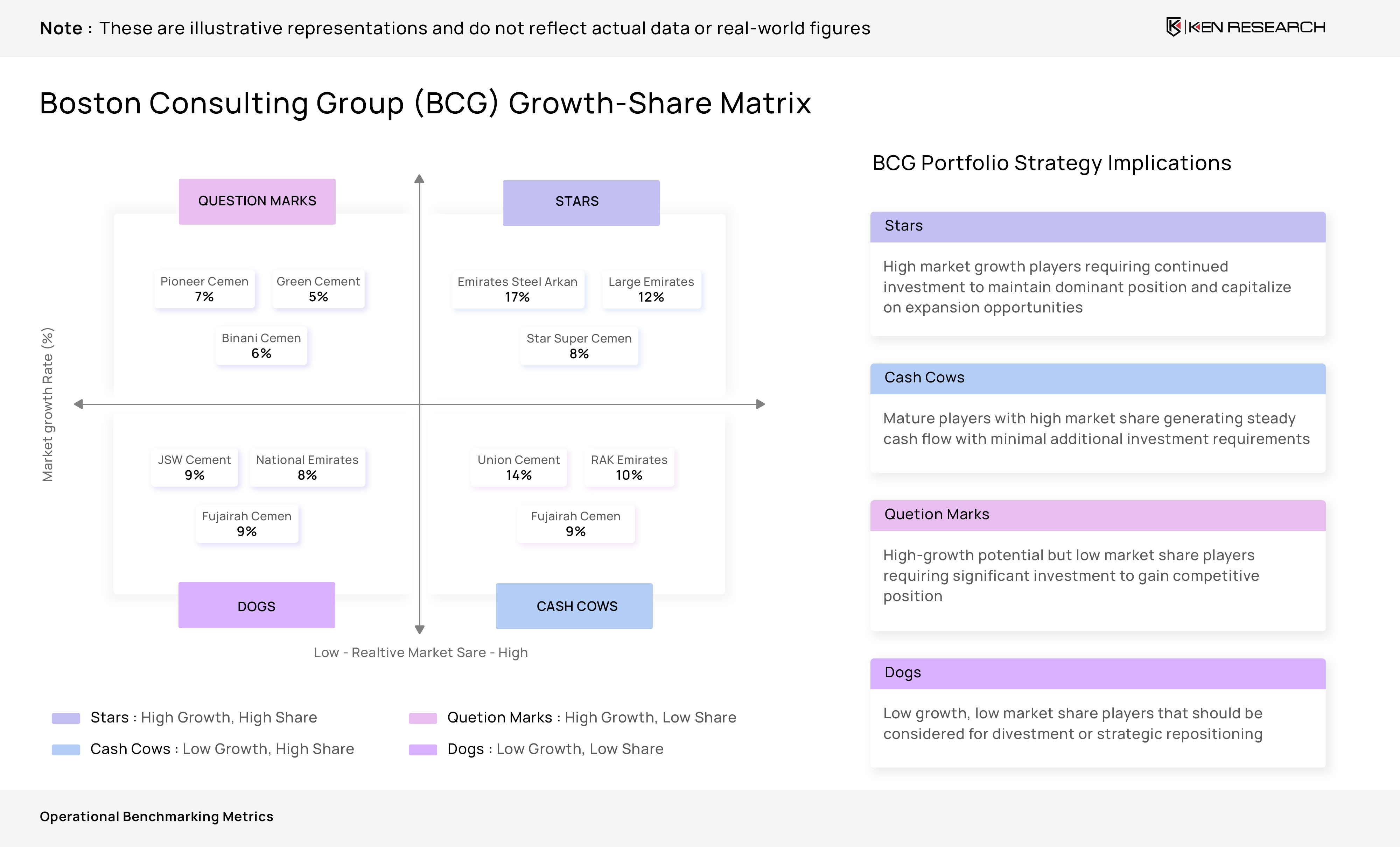
Australia’s automotive battery landscape is dominated by players with strong distribution networks and multi-channel aftermarket strategies, while mid-tier specialists focus on lithium adoption and integrated power solutions.
Competitive differentiation centers on channel reach, portfolio diversity (lead-acid to lithium), pricing power, and service integration, which shape replacement demand and long-term growth potential.
Leading Player Profiles
Company Profile Overview
The competitive set features scale distributors, import-oriented operators, and specialized system providers, offering breadth in portfolio and reach across channels.
Leadership correlates with channel penetration, portfolio diversification (including lithium solutions), and operational discipline in warranty, inventory, and pricing execution.
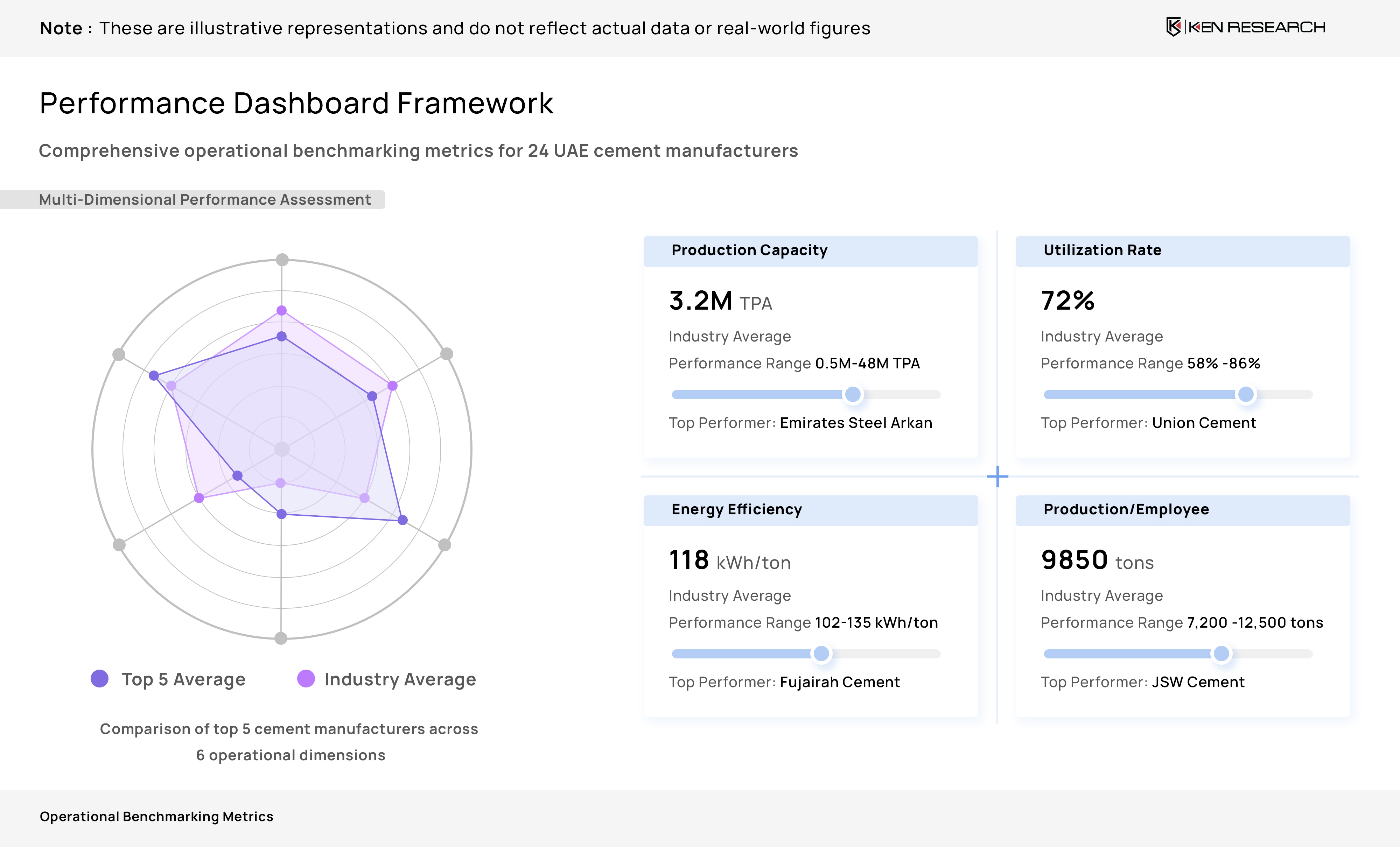
Key Operational Performance Metrics
Company Performance Overview
Unlock Market Insights
Dive deeper into production, distribution, and pricing intelligence.
Get Customized ReportOperational value is predominantly driven by replacement revenue and pricing realization, with emerging contribution from EV & advanced battery segments as adoption increases.
Metrics such as distribution footprint, inventory carrying cost, and warranty performance reveal operational efficiency and channel strength essential to competitive positioning.
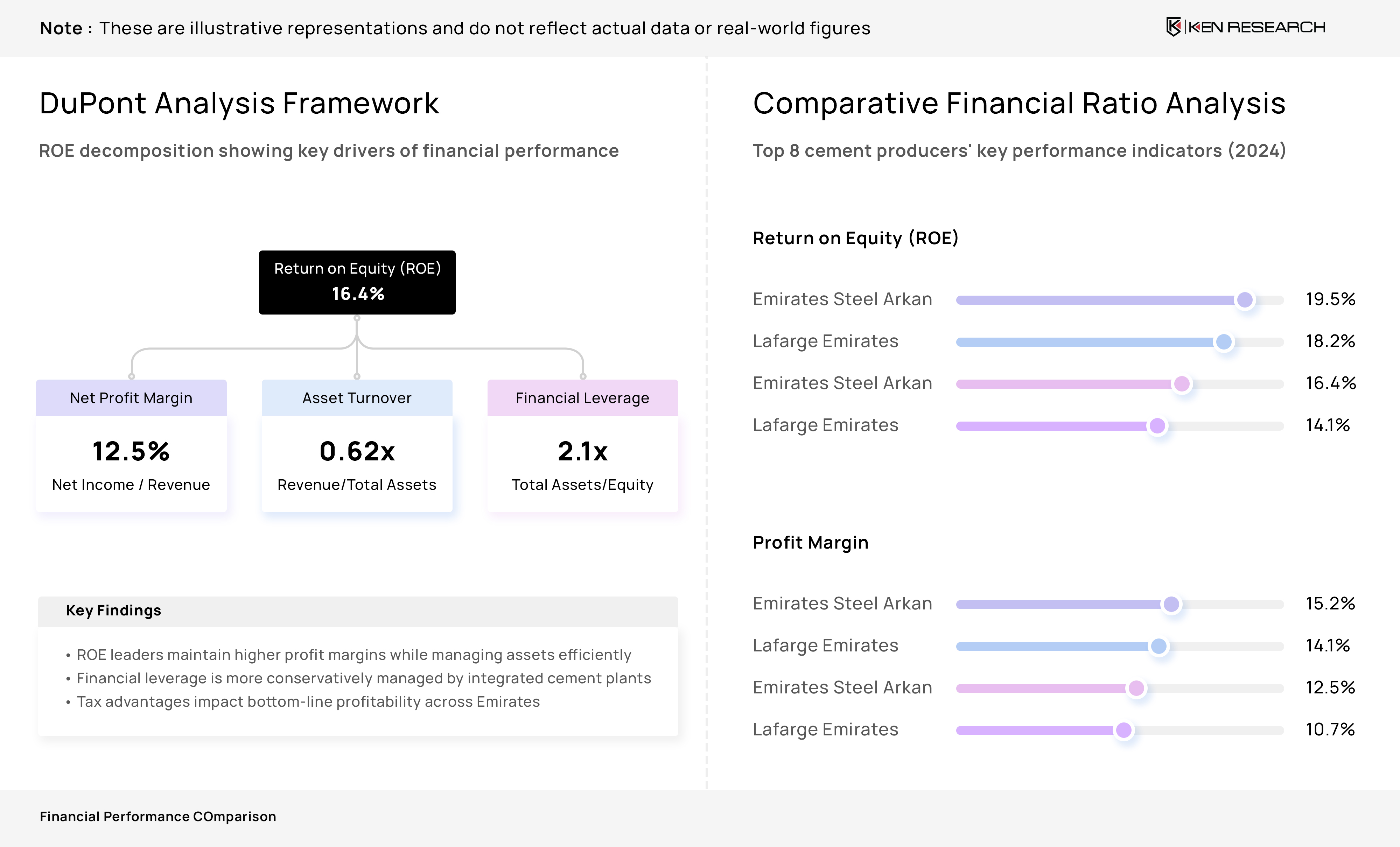
Core Financial Performance Metrics
Financial performance emphasizes the balance between revenue growth and cost management, with EBITDA margin serving as a key gauge of competitive efficiency.
Players integrating premium products and advanced chemistries typically demonstrate stronger growth resilience and margin stability.
Table of Contents
1. Ecosystem Matrix
1.1 Large Players
1.1.1 Century Yuasa Batteries
1.1.2 Exide Batteries Australia & New Zealand
1.1.3 Clarios Australia
1.1.4 SuperCharge Batteries
1.1.5 R&J Batteries
1.1.6 Marshall Batteries
1.2 Medium Players
1.2.1 Bosch Australia
1.2.2 Panasonic Australia
1.2.3 REDARC Electronics
1.2.4 Dometic Mobile Power Solutions APAC (Enerdrive)
1.2.5 Bainbridge Technologies (Baintech)
1.2.6 Sealed Performance Batteries (SPB)
1.3 Small Players
1.3.1 Battery Specialties Australia (BSA)
1.3.2 Brown & Watson International (Projecta)
1.3.3 Power-Sonic (Australia operations)
1.3.4 Invicta Lithium (brand by SPB)
2. Leading Player Profiles
2.1 Company Name
2.2 Group Name
2.3 Headquarters
2.4 Establishment Year
2.5 Core Services
2.6 Mode of Functioning
3. Key Operational Performance Metrics
3.1 OEM Supply Revenue (
USD Mn
)
3.2 Aftermarket Replacement Revenue (
USD Mn
)
3.3 EV & Advanced Battery Revenue (
USD Mn
)
3.4 Average Pricing (
USD per unit
)
3.5 Distribution Footprint (
Number of active distributors / outlets
)
3.6 Warranty Cost (
USD Mn / % of revenue
)
3.7 Trade Incentives (
USD Mn / % of sales
)
3.8 Inventory Holding (
Days
)
3.9 Logistics Cost (
USD Mn / % of revenue
)
4. Core Financial Performance Metrics
4.1 Parameters
4.1.1 Revenue (USD Mn)
4.1.2 Revenue Growth (%)
4.1.3 COGS (USD Mn)
4.1.4 COGS Growth (%)
4.1.5 EBITDA (USD Mn)
4.1.6 EBITDA Growth (%)
4.1.7 EBITDA Margin (%)
4.1.8 PAT (USD Mn)
4.1.9 PAT Margin (%)
5. Methodology
5.1 Approach
5.1.1 Desk Sources
5.1.2 Primary Interviews
5.1.3 Sanity Checking & Validation
5.2 Benchmarking Process
5.2.1 Data Collection
5.2.2 Primary Validation
5.2.3 Proxy KPI Modelling
5.2.4 Normalization & Indexing
5.2.5 Gap Analysis
5.2.6 Peer Review
5.3 Sample Composition
5.3.1 Scope Items
5.3.2 Sample Size
5.3.3 Target Respondents
Methodology
Ken Research will deploy its proprietary, multi-layered research framework combining robust secondary research, targeted primary outreach, and rigorous data validation to deliver an authoritative competitive landscape analysis of the Australia Automotive Batteries Market.
Desk Sources
- Industry reports from proprietary databases and Ken Research internal archives for historical benchmarks, market sizing, chemical adoption trends, and competitive positioning
- Company annual reports, investor presentations, and statutory disclosures to extract financials, capacity data, product portfolios, and strategic focus areas
- Government publications and trade association releases for regulatory context, trade balances, import quotas, and EV policy influence on battery demand
- Trade magazines, journals, and e-articles to track technology shifts (e.g., lithium vs lead-acid), pricing dynamics, and competitor initiatives
- Financial intelligence platforms such as Bloomberg and Capital IQ for standardized financial ratios, peer comparisons, and trend analysis
- Web traffic and app-usage dashboards (e.g., SimilarWeb, App Annie) to assess digital demand signals, brand visibility, and channel performance.
Primary Interview
- CATI interviews and structured online surveys with category managers and R&D heads of battery manufacturers and system integrators
- In-depth discussions with senior sales and marketing leaders at leading market participants to validate pricing, volumes, product mix, and service differentiation
- Interviews with distributors and channel partners to validate pricing structures, regional demand patterns, and replacement cycles
- Consultations with industry analysts, consultants, and service providers for expert-level validation of market dynamics and competitive trends
Sanity Checking and Validation
- Triangulation of estimates by cross-verifying secondary research, primary inputs, and proxy-based model outputs
- Proxy KPI synthesis using indicators such as installed vehicle base, outlet counts, distribution reach, digital demand metrics, and product SKU adoption to approximate revenues and capacities
- Outlier analysis to identify anomalous data points and reconcile them through targeted follow-up discussions
- Assumption tracking through a structured log capturing all benchmarking assumptions, limitations, and KPI sources
- Internal peer review of methodology, analytical models, and key outputs prior to final report approval
An Inside Look At Our Custom Insights
Take a look at ourcustomized insights, tailored to yourmarket and business needs. Our benchmarking reports deliver data-driven comparisons of key players, helping you uncover opportunities, assess performance, and make confident strategic decisions.