Australia CEP Market
Published on: November 2025
Report Overview
Australia CEP Market
Market Highlights
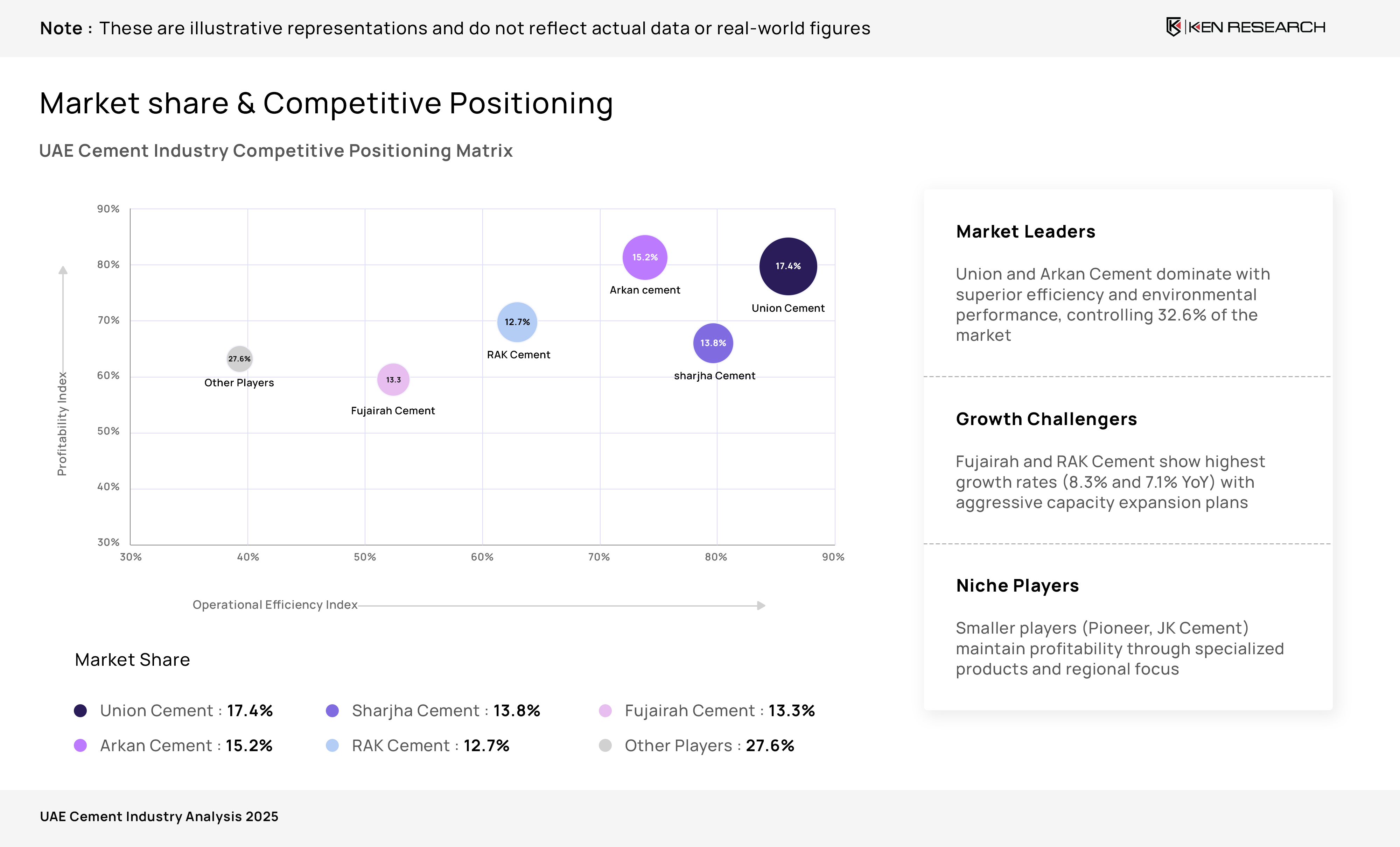
The Australia CEP market features a competitive landscape dominated by global integrators, national postal operators, and strong domestic parcel delivery companies. Large players benefit from extensive networks, advanced sorting capabilities, and brand reliability, while emerging operators compete through regional specialization, flexible pricing, and tailored last-mile solutions for diverse customer segments.
Competitiveness is shaped by the integration of advanced logistics technologies with Australia’s unique geographic and demographic landscape. Operators adopt automated hubs, route-optimization tools, digital track-and-trace systems, and contactless delivery models while customizing service speed, delivery windows, and parcel handling to meet rising consumer expectations driven by e-commerce expansion and omni-channel retail adoption.
Distribution networks rely on multimodal integration across air, road, and regional courier routes, ensuring connectivity across metropolitan cities, regional towns, and remote areas. Companies with reliable last-mile capacity, efficient cross-border operations, and strong partnerships with retailers and online marketplaces maintain higher customer satisfaction and stronger market retention.
Strategic priorities across the sector focus on operational efficiency, sustainability, and technology-driven enhancement. Leading players invest in electric delivery fleets, automated sorting, micro-fulfillment centers, and data-driven planning while expanding value-added services such as returns management and subscription-based deliveries. These initiatives reinforce competitive positioning in a rapidly evolving, e-commerce-led CEP environment.
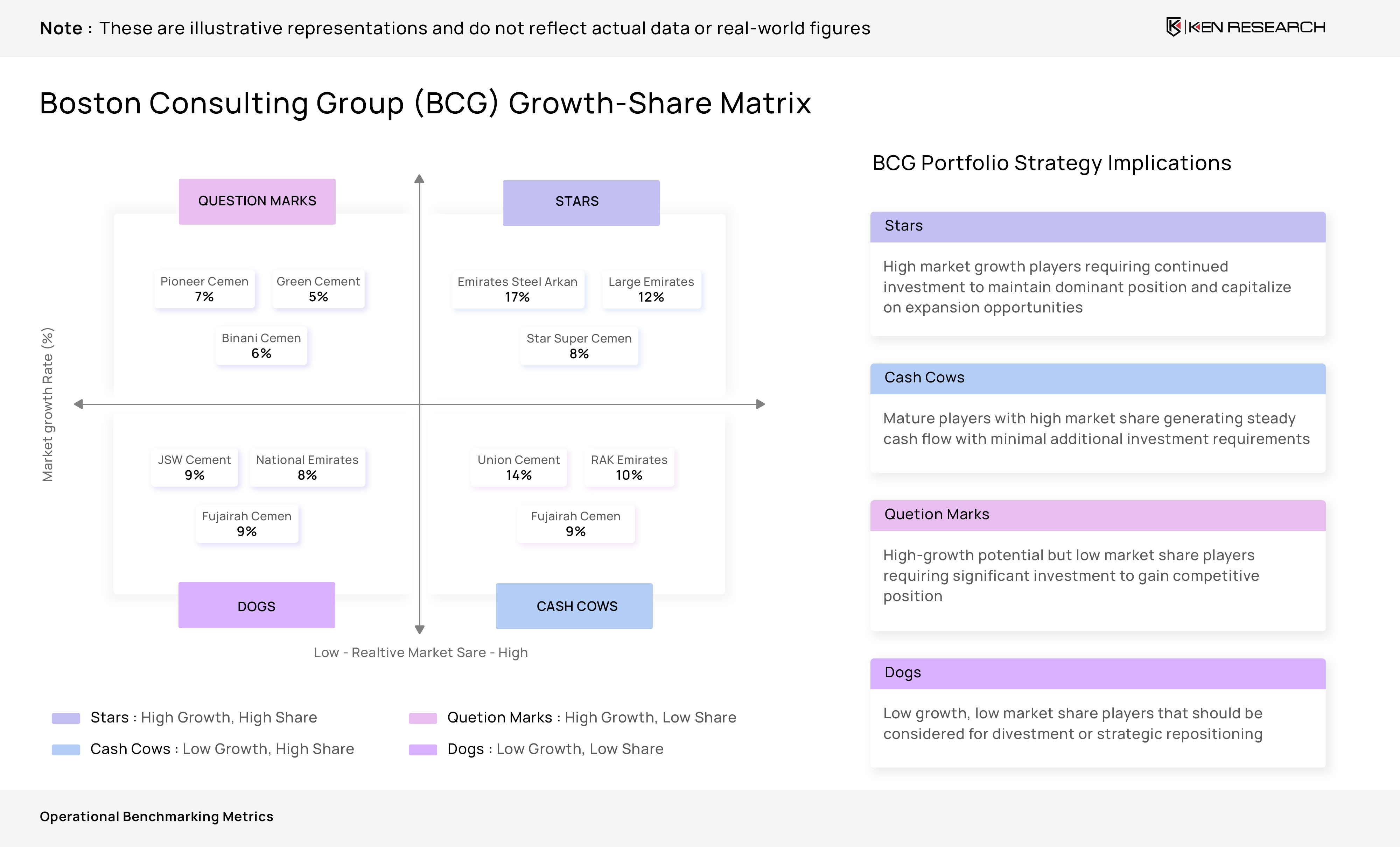
Ecosystem Matrix
The large-scale players such as Australia Post, DHL Express Australia, and Toll Group dominate the CEP market by leveraging nationwide networks, international linkages, and high-volume handling capabilities, ensuring leadership in express delivery and logistics.
Medium and small players are increasingly capturing market share through niche services such as regional connectivity, SME-focused solutions, and last-mile delivery innovations, reflecting the market’s fragmented yet competitive landscape.
Leading Player Profile
Company Profile Overview
Market leaders like Australia Post and Toll Group dominate through extensive legacy networks and government-backed infrastructure, setting industry benchmarks in reliability and coverage.
Emerging tech-driven players such as Zoom2u and Pack & Send are reshaping the ecosystem by targeting eCommerce-driven demand with agile last-mile and on-demand services.
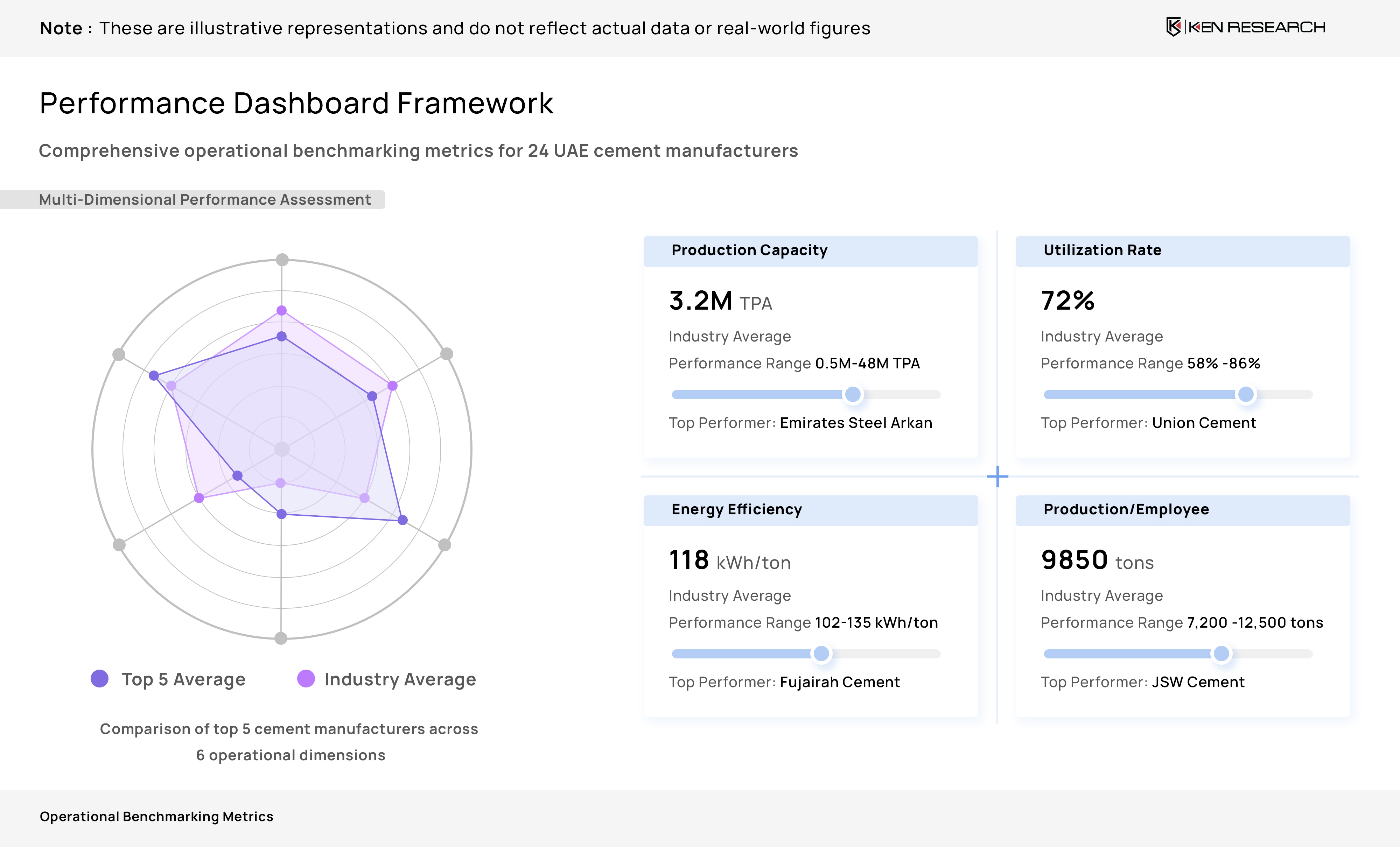
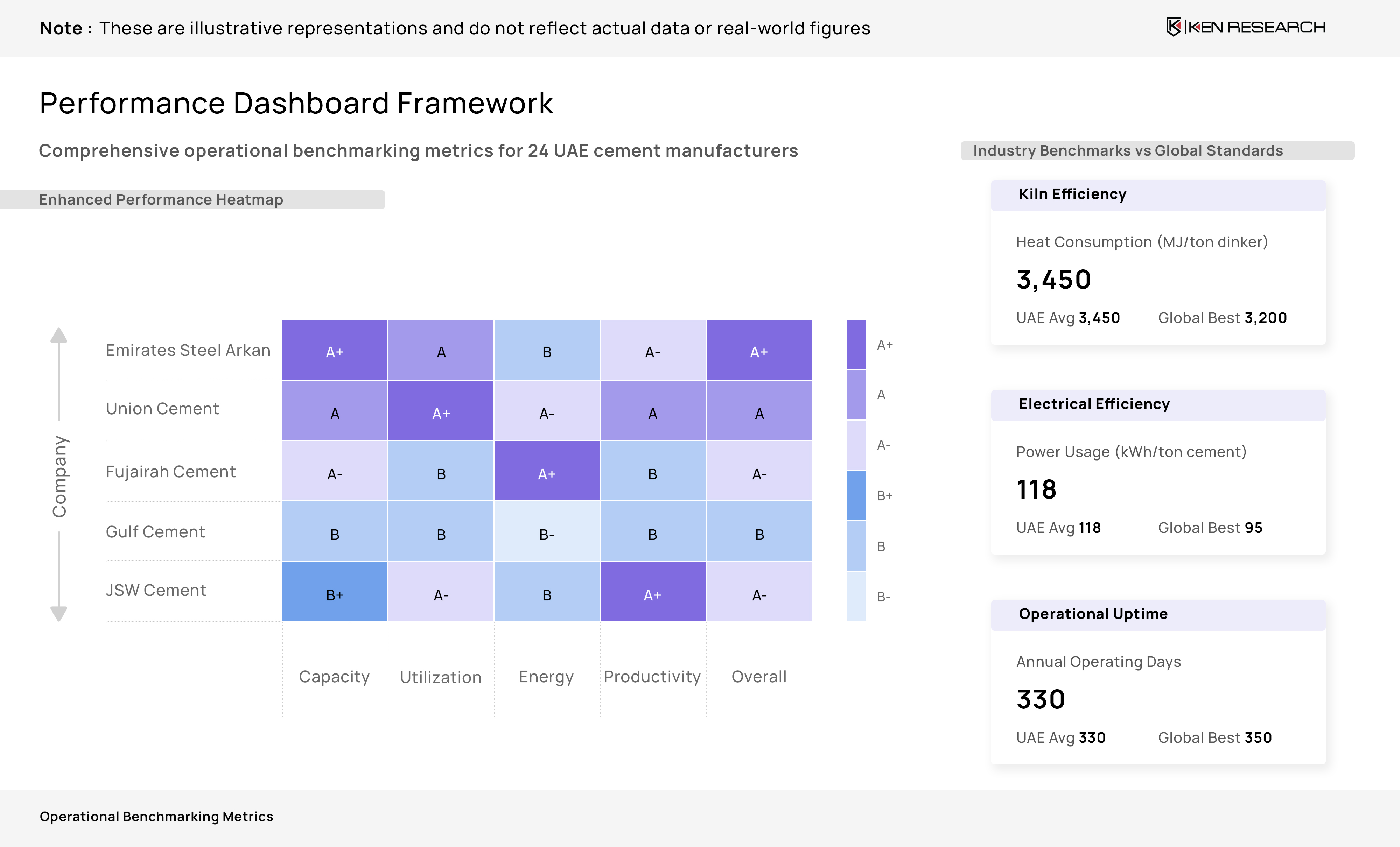
Key Operational Performance Metrics
Company Performance Overview
Unlock Market Insights
Dive deeper into production, distribution, and pricing intelligence.
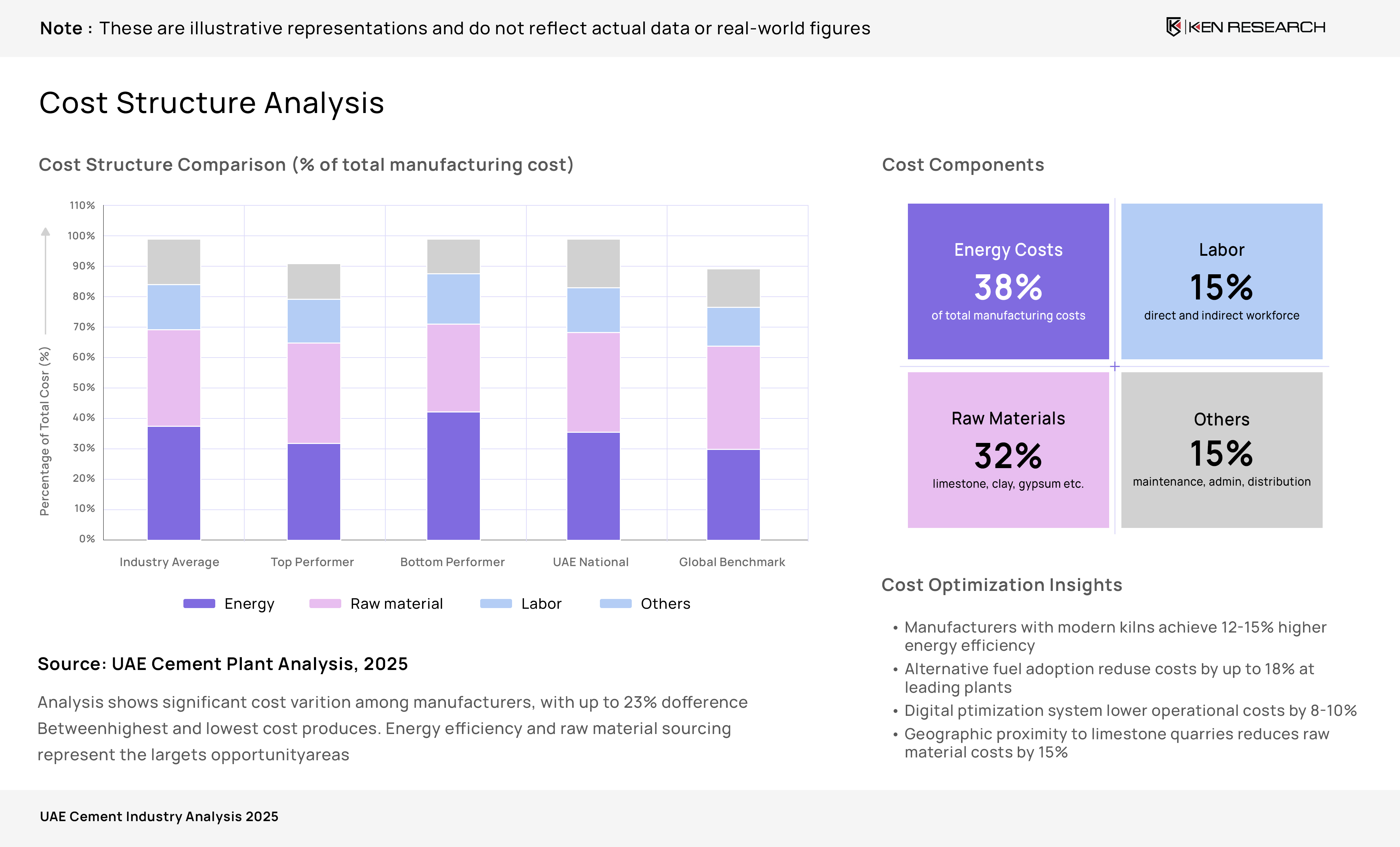
Get Customized ReportOperational performance is defined by network scale, technology adoption, and pricing efficiency, with leaders like Australia Post and DHL leveraging digital solutions to streamline delivery operations.
Small and medium players differentiate by offering customer-centric pricing and faster response times, making them competitive in high-density urban zones.
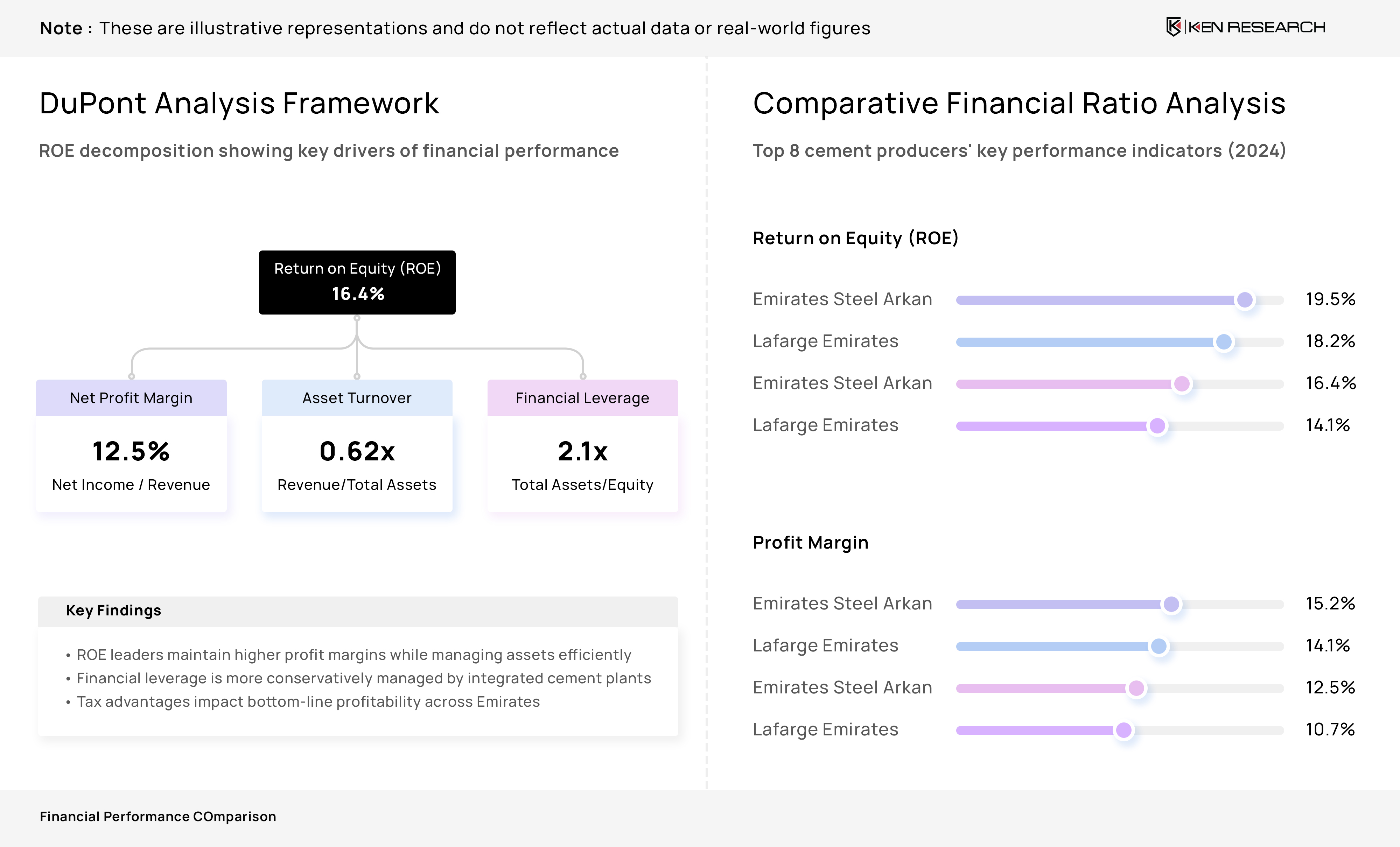
Core Financial Performance Metrics
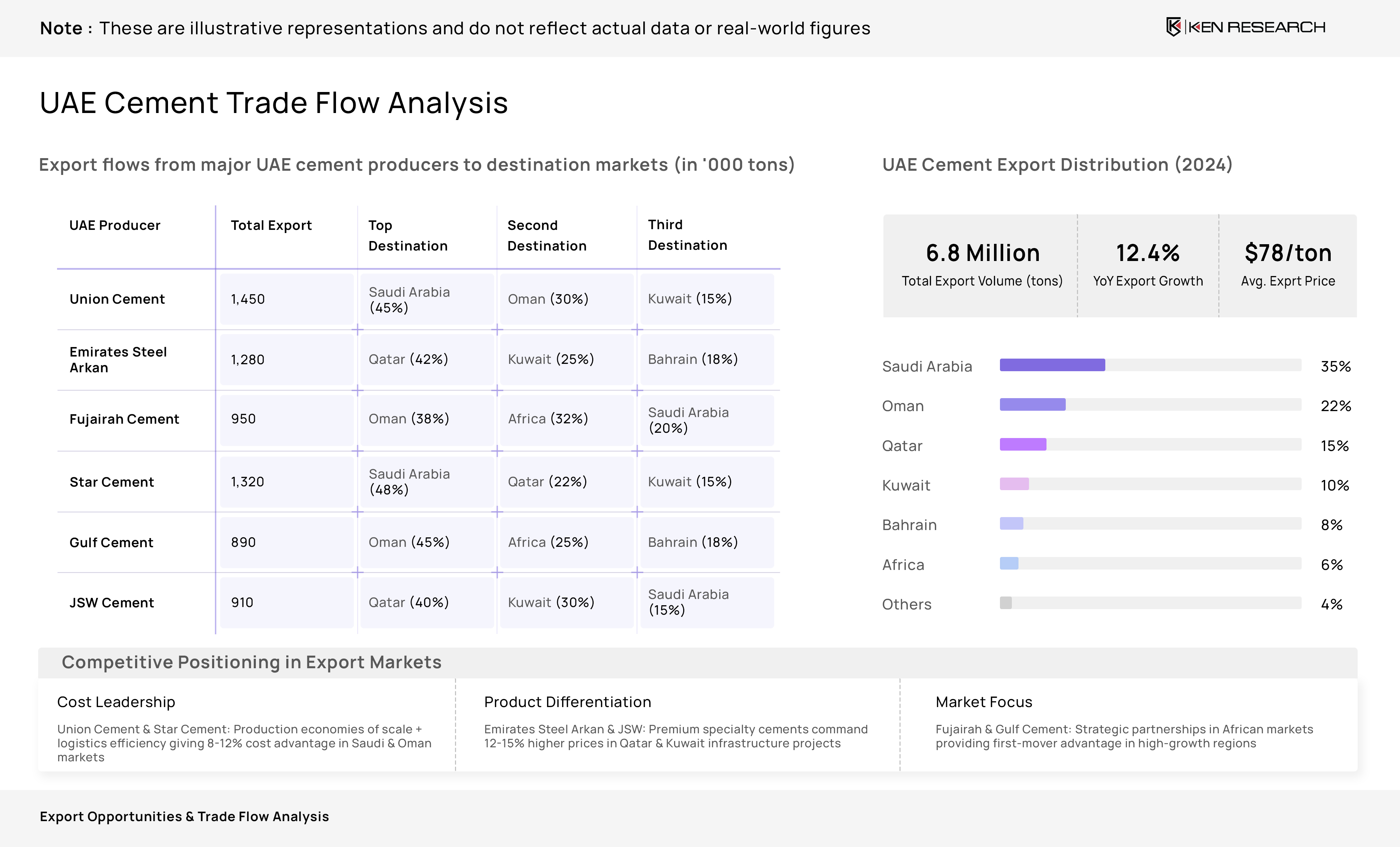
Financial strength is highly skewed toward large incumbents like Australia Post and Toll Group, which benefit from economies of scale and consistent government or corporate backing.
Emerging tech-enabled firms have leaner operations but face challenges in scaling EBITDA margins, highlighting cost efficiency as a critical growth factor.
Table of Contents
1. Ecosystem Matrix
1.1 Large Players
1.1.1 Australia Post
1.1.2 Toll Group
1.1.3 StarTrack
1.1.4 DHL Express Australia
1.1.5 FedEx Australia
1.1.6 TNT Express Australia
1.1.7 Aramex Australia
1.2 Medium Players
1.2.1 CouriersPlease
1.2.2 Allied Express
1.2.3 Direct Freight Express
1.2.4 Northline
1.2.5 Border Express
1.2.6 Hunter Express
1.3 Small Players
1.3.1 Capital Transport
1.3.2 ANC Delivers
1.3.3 Hi-Trans Express
1.3.4 Pack & Send
1.3.5 Zoom2u
2. Leading Player Profiles
2.1 Company Parameters
2.1.1 Company Name & Group Name
2.1.2 Headquarters
2.1.3 Established Year
2.1.4 Core Services
2.1.5 Mode of Functioning
3. Key Operational Performance Metrics
3.1 Parameters
3.1.1 Company Name
3.1.2 Group Name
3.1.3 No. of Orders (Million/Year)
3.1.4 Avg Revenue per Order (USD Mn)
3.1.5 Delivery Network Coverage (% of Regions Covered)
3.1.6 Last-Mile Fleet Size (No. of Vehicles)
3.1.7 Churn Rate (% of Customers/Year)
3.1.8 Return Rate (% of Orders)
3.1.9 Technology Adoption (Score out of 10)
3.1.10 Pricing (USD Mn)
3.1.11 Customer Satisfaction Index (Score out of 100)
4. Core Financial Performance Metrics
4.1 Parameters
4.1.1 Revenue (USD Mn)
4.1.2 Revenue Growth (%)
4.1.3 COGS (USD Mn)
4.1.4 COGS Growth (%)
4.1.5 EBITDA (USD Mn)
4.1.6 EBITDA Growth (%)
4.1.7 EBITDA Margin (%)
4.1.8 PAT (USD Mn)
4.1.9 PAT Margin (%)
5. Methodology
5.1 Approach
5.1.1 Desk Sources
5.1.2 Primary Interviews
5.1.3 Sanity Checking & Validation
5.2 Benchmarking Process
5.2.1 Data Collection
5.2.2 Primary Validation
5.2.3 Proxy KPI Modelling
5.2.4 Normalization & Indexing
5.2.5 Gap Analysis
5.2.6 Peer Review
5.3 Sample Composition
5.3.1 Scope Items
5.3.2 Sample Size
5.3.3 Target Respondents
Methodology
Ken Research will deploy its proprietary, multi layered research framework—combining robust secondary research, targeted primary outreach, and rigorous data validation—to deliver an authoritative competitive landscape analysis of the Australia CEP market. Ensure that all the proxy KPIs are as per the market chosen.
Desk Sources
- Industry reports from proprietary databases and Ken Research archives
- Company annual reports, investor presentations, and corporate disclosures
- Government and trade association publications relevant to Australia’s CEP and logistics sector
- Trade magazines, logistics journals, and credible e-commerce/parcel delivery articles
- Financial databases such as Bloomberg and Capital IQ
- Web traffic and app usage dashboards (SimilarWeb, App Annie)
Primary Interviews
- CATIs and online surveys with key stakeholders in the CEP ecosystem
- Category managers and R&D heads of CEP companies
- Senior sales and marketing executives at leading national and multinational CEP players
- Distributors, channel partners, and regional parcel-handling operators
- Industry analysts and consultants tracking Australia’s postal, express, and e-commerce logistics sector
- Technology and service providers offering digital metrics and performance analytics
Sanity Checking and Validation
- Triangulation: Cross-verify estimates using secondary sources, primary interviews, and proxy model outputs
- Proxy KPI Synthesis: Use KPIs such as installed base, outlet counts, web traffic, and parcel volumes to approximate revenues or operational capacity
- Outlier Analysis: Identify data anomalies and reconcile them through targeted follow-up discussions
- Assumption Tracking: Maintain a structured log of assumptions with notes on limitations and proxy KPI sources
- Peer Review: Conduct internal expert review of methodologies, benchmarking models, and analytical outputs before finalization
An Inside Look At Our Custom Insights
Take a look at ourcustomized insights, tailored to yourmarket and business needs. Our benchmarking reports deliver data-driven comparisons of key players, helping you uncover opportunities, assess performance, and make confident strategic decisions.