Australia Fertilizer Distribution Market
Published on: January 2026
Report Overview
Australia Fertilizer Distribution Market Overview
Market Highlights
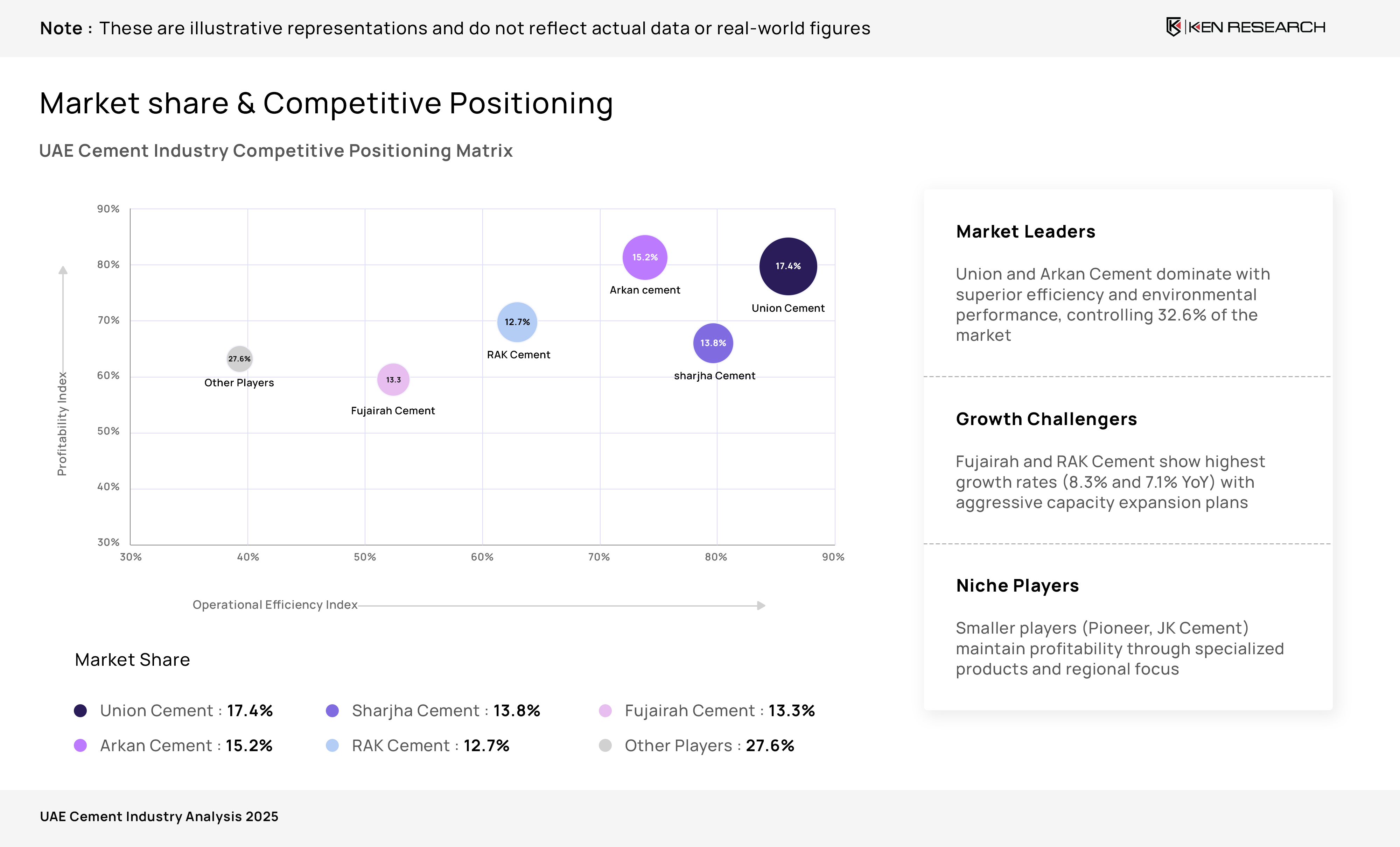
The Australia Fertilizer Distribution Market showcases a diverse competitive framework, where multinational corporations, regional manufacturers, and local firms engage in a dynamic interplay. Multinationals leverage their extensive resources for efficiency, while regional players focus on tailored solutions that resonate with local agricultural practices, and local firms capitalize on agility and niche expertise to carve out market share.
Innovation from global leaders is harmoniously integrated with localized strategies, as companies adapt their offerings to meet the unique demands of Australian agriculture. This includes the customization of fertilizer formulations and distribution methods that align with regional soil conditions and crop requirements, ensuring relevance and effectiveness in the market.
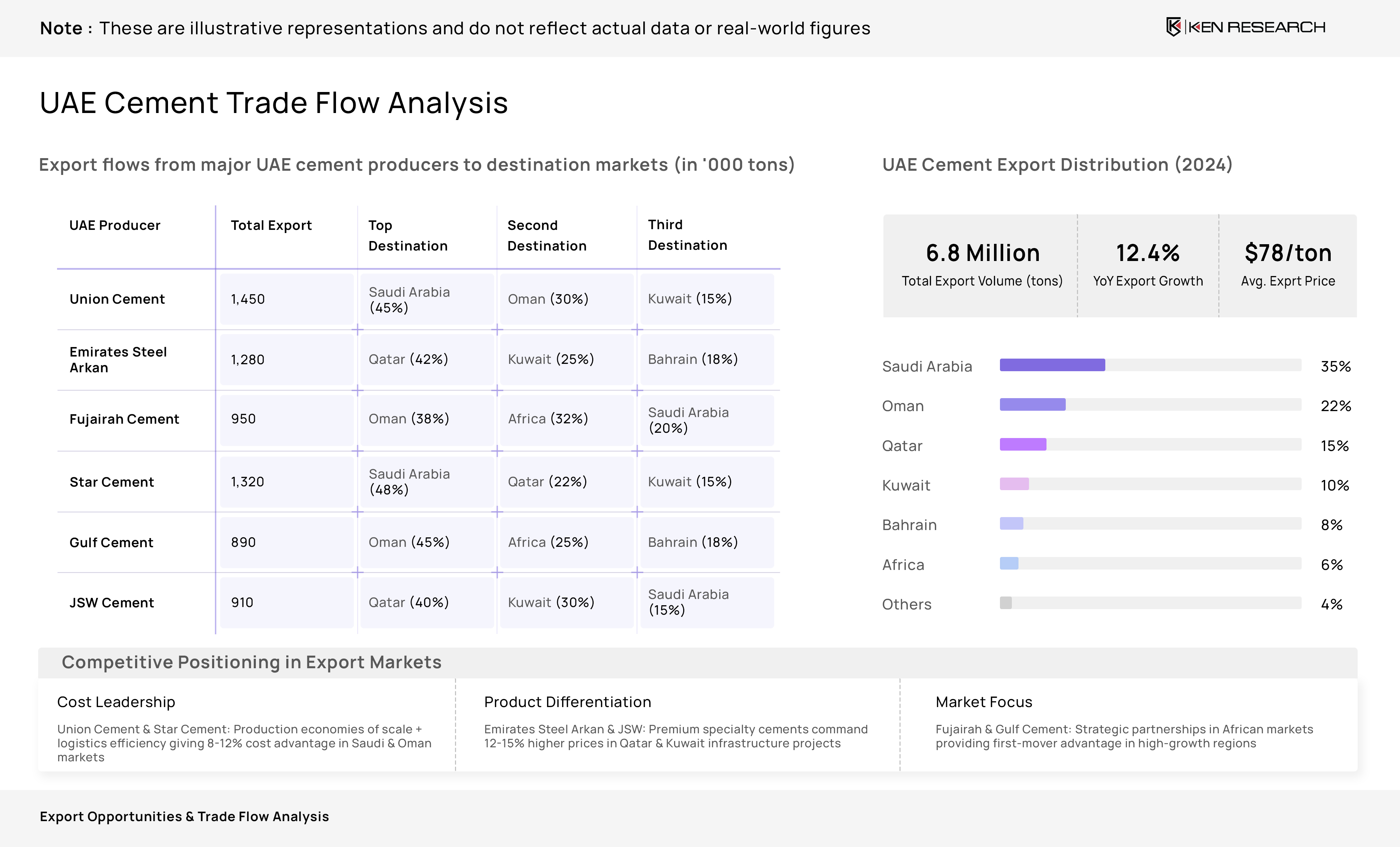
The distribution and aftersales ecosystem is pivotal in enhancing customer satisfaction and operational reliability. Strategic collaborations among manufacturers, distributors, and agronomists facilitate a seamless flow of products and services, while robust aftersales support, including technical assistance and product education, fosters long-term relationships and loyalty among end-users.
Looking ahead, the competitive landscape is increasingly shaped by a focus on sustainability, technological integration, and operational agility. Companies are prioritizing eco-friendly practices and innovative solutions that not only meet regulatory standards but also resonate with environmentally conscious consumers, positioning themselves as leaders in a rapidly evolving market.
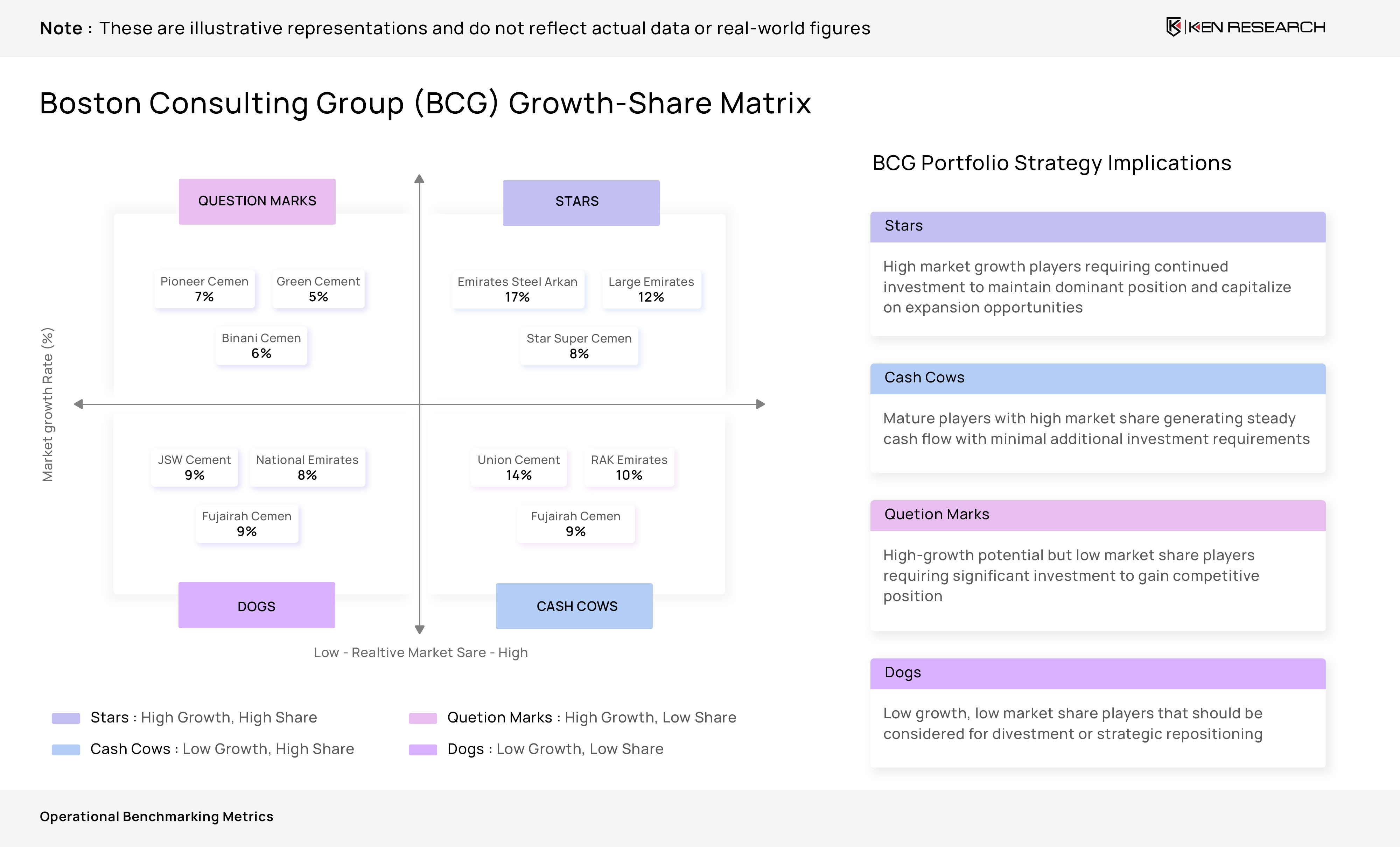
Ecosystem Matrix
Australia’s fertiliser distribution ecosystem is structurally led by integrated national platforms with dense depot footprints, bulk logistics, and strong farmgate reach, while mid-tier and regional specialists compete through local agronomy linkages, customised blends, and faster seasonal fulfilment.
Competitive intensity is highest where distributors combine scale procurement with last-mile efficiency and value-added services (blending, soil nutrition advisory, on-farm delivery), creating defensible share in broadacre and horticulture belts despite cyclical demand and input-price volatility.
Leading Player Profiles
Company Profile Overview
The landscape splits into integrated majors (procurement leverage, depot density, bulk handling) and service-led regionals that win through agronomy relationships, customised nutrition programs, and local responsiveness—especially during peak application windows.
Operational differentiation is primarily determined by bulk logistics capability, depot reach, blending capacity, and farmgate service quality, while competitive positioning tightens when pricing volatility compresses margins and pushes customers toward reliability and agronomic outcomes.
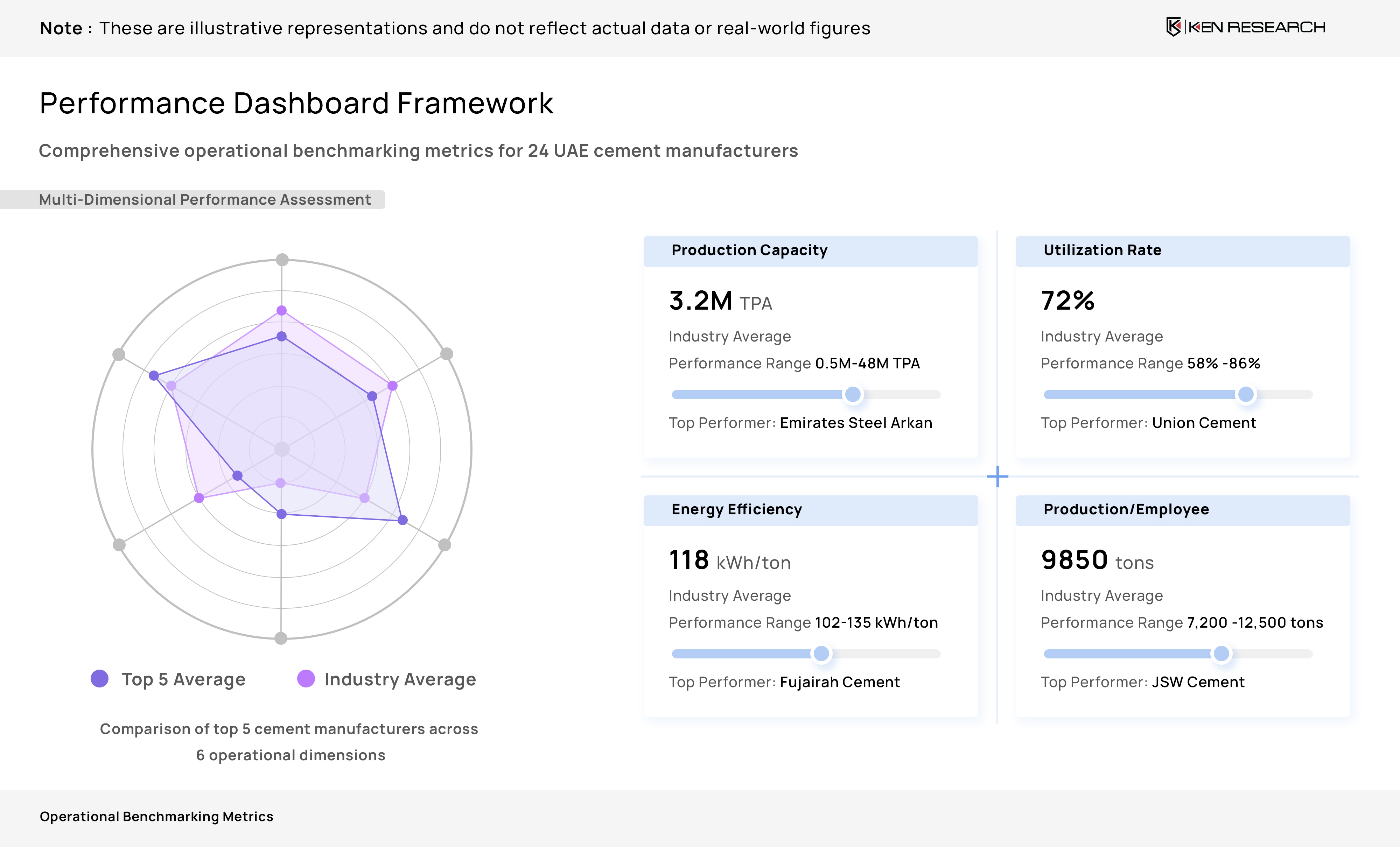
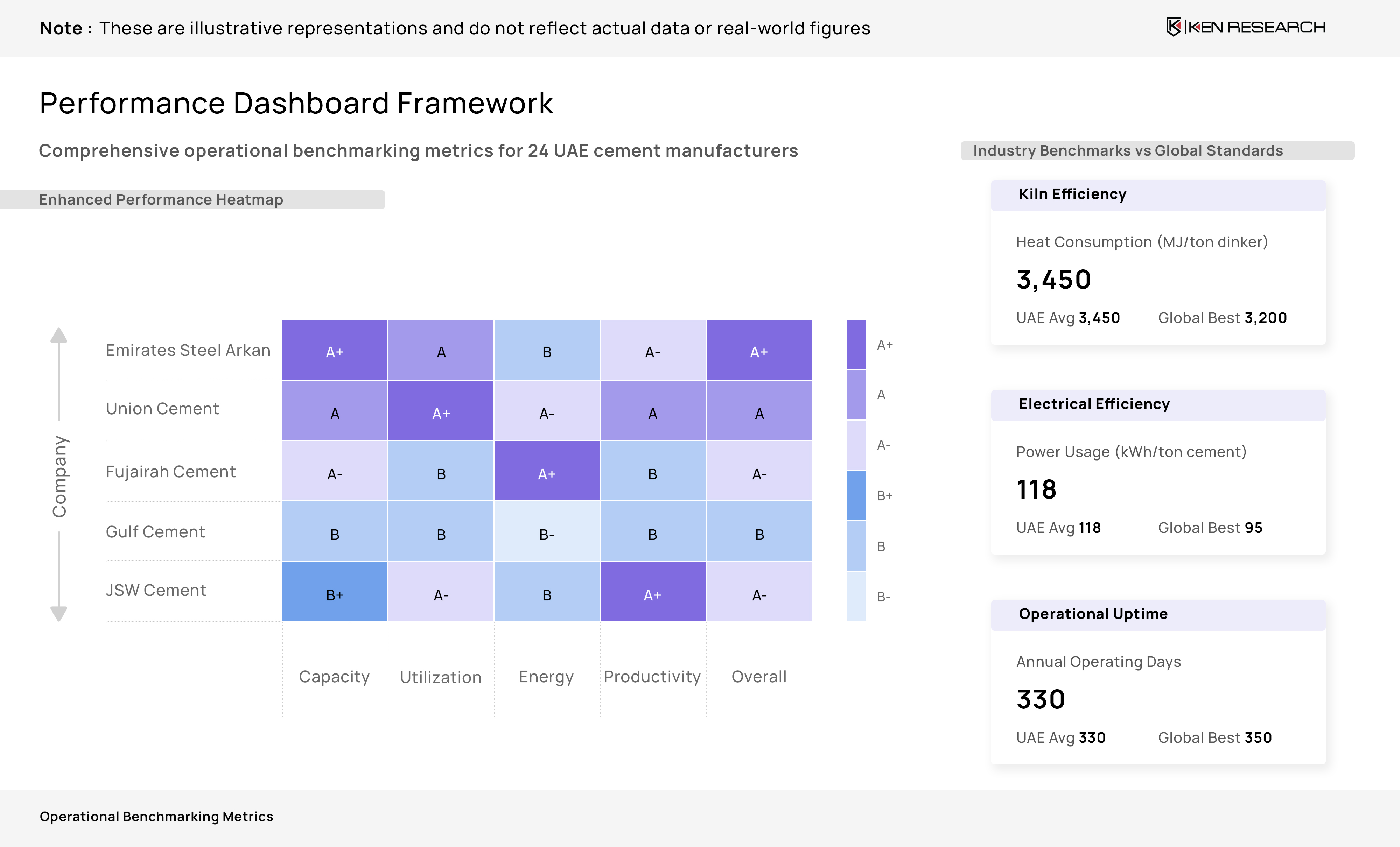
Key Operational Performance Metrics
Company Performance Overview
Unlock Market Insights
Dive deeper into production, distribution, and pricing intelligence.
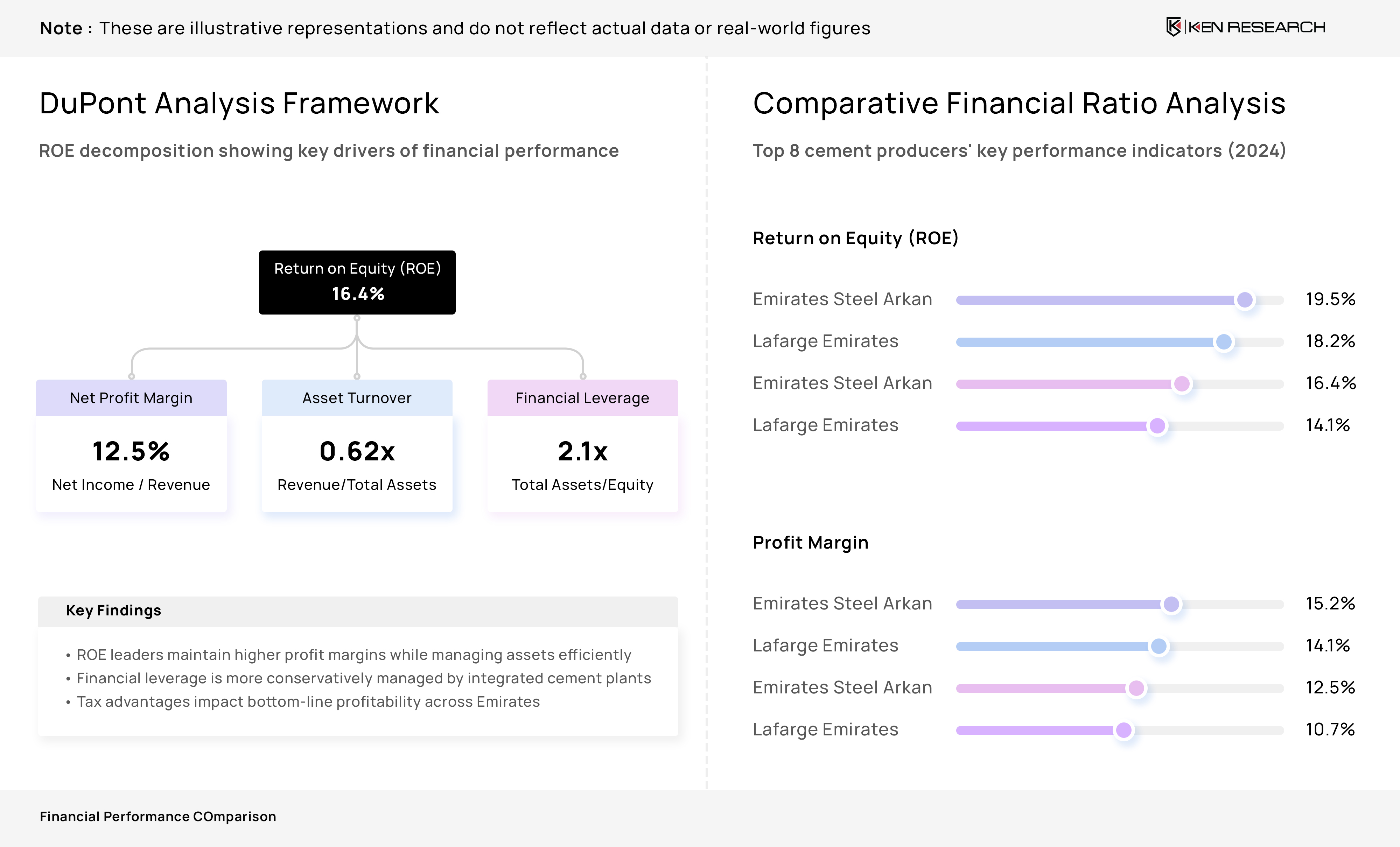
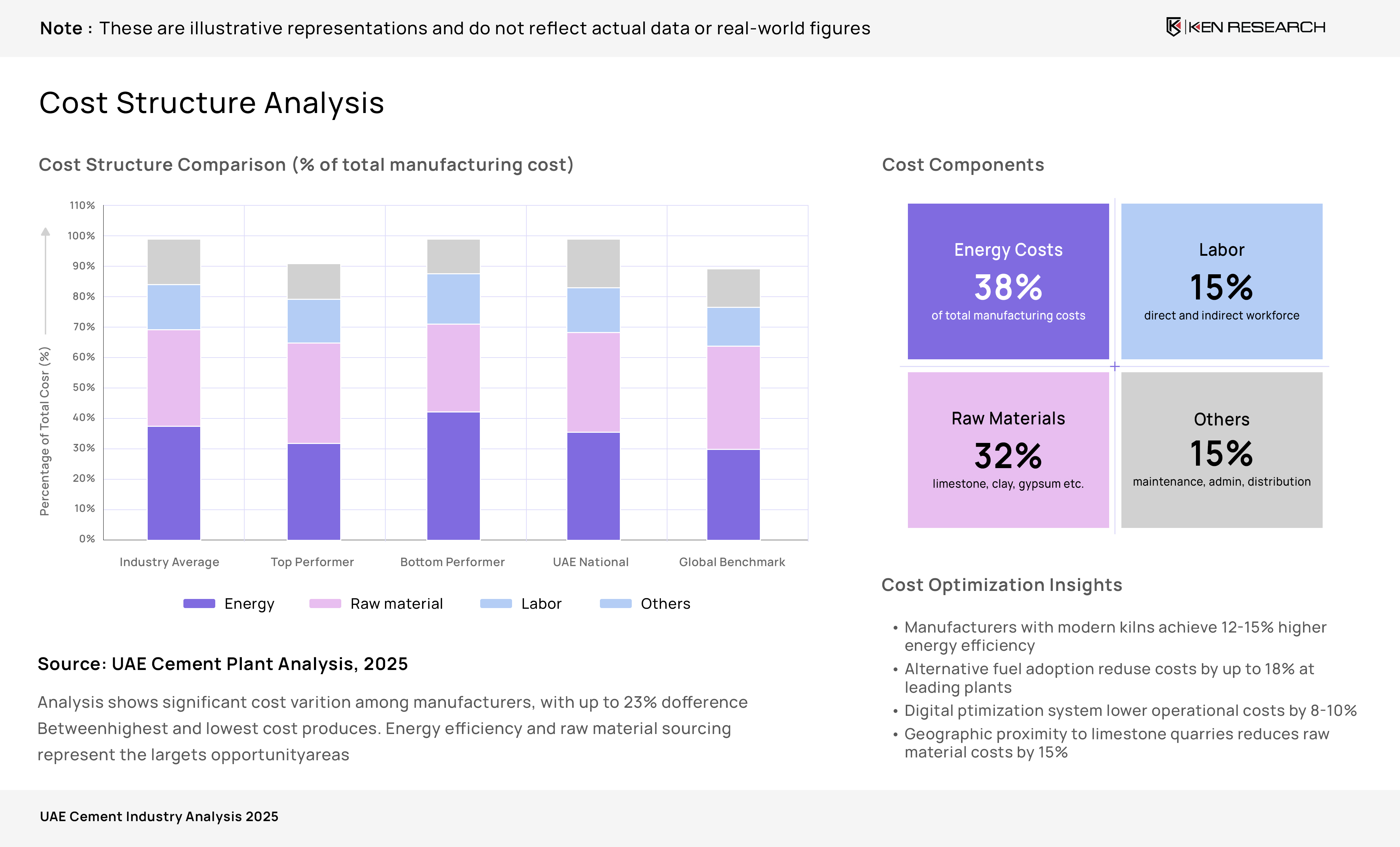
Get Customized ReportRevenue performance in fertiliser distribution is most directly shaped bytonnage movedandrealised pricing, then sustained by depot coverage, bulk handling capacity, and delivery reliability—because seasonal demand spikes penalise late fulfilment and inventory shortfalls.
Players with stronger blending penetration and higher service attach rates typically defend margin during pricing swings, as advisory-led demand planning and custom mixes reduce churn while improving wallet share across fertiliser and adjacent rural inputs.
Core Financial Performance Metrics
Revenue performance in fertiliser distribution is most directly shaped bytonnage movedandrealised pricing, then sustained by depot coverage, bulk handling capacity, and delivery reliability—because seasonal demand spikes penalise late fulfilment and inventory shortfalls.
Players with stronger blending penetration and higher service attach rates typically defend margin during pricing swings, as advisory-led demand planning and custom mixes reduce churn while improving wallet share across fertiliser and adjacent rural inputs.
Table of Contents
1. Ecosystem Matrix
1.1 Large Players
1.1.1 Incitec Pivot Fertilisers (IPL)
1.1.2 Nutrien Ag Solutions Australia (Landmark)
1.1.3 Elders Rural Services
1.1.4 CSBP Fertilisers
1.1.5 Yara Australia
1.1.6 Delta Agribusiness
1.2 Medium Players
1.2.1 Hi-Fert
1.2.2 Summit Fertilisers
1.2.3 Impact Fertilisers Australia
1.2.4 Agnvet Services
1.2.5 CRT (Combined Rural Traders)
1.2.6 Riverina (The Agribusiness)
1.3 Small Players
1.3.1 Planfarm (Ag Supply)
1.3.2 WAFarmers Rural Business
1.3.3 Westfarmers Rural (Regional)
2. Leading Player Profiles
2.1 Company Name
2.2 Group Name
2.3 Headquarters
2.4 Establishment Year
2.5 Core Service
2.6 Mode of Functioning
3. Key Operational Performance Metrics
3.1 Sales Volume (Tonnes)
3.2 Pricing (USD/Tonne)
3.3 Depot / Outlet Network (Count)
3.4 Storage Capacity (Tonnes)
3.5 Delivery Fleet (Trucks)
3.6 On-time Delivery (%)
3.7 Inventory Turns (x/year)
3.8 Blend / Custom Mix Share (%)
3.9 Value-added Services Attach Rate (%)
4. Core Financial Performance Metrics
4.1 Parameters
4.1.1 Revenue (USD Mn)
4.1.2 Revenue Growth (%)
4.1.3 COGS (USD Mn)
4.1.4 COGS Growth (%)
4.1.5 EBITDA (USD Mn)
4.1.6 EBITDA Growth (%)
4.1.7 EBITDA Margin (%)
4.1.8 PAT (USD Mn)
4.1.9 PAT Margin (%)
5. Methodology
5.1 Approach
5.1.1 Desk Sources
5.1.2 Primary Interviews
5.1.3 Sanity Checking & Validation
5.2 Benchmarking Process
5.2.1 Data Collection
5.2.2 Primary Validation
5.2.3 Proxy KPI Modelling
5.2.4 Normalization & Indexing
5.2.5 Gap Analysis
5.2.6 Peer Review
5.3 Sample Composition
5.3.1 Scope Items
5.3.2 Sample Size
5.3.3 Target Respondents
Methodology
Ken Research will deploy its proprietary, multi-layered research framework combining robust secondary research, targeted primary outreach, and rigorous data validation to deliver an authoritative competitive landscape analysis of the Australia Fertilizer Distribution Market. The methodology is designed to ensure audit-ready benchmarking, consistency across players, and high confidence in proxy-based estimates where direct disclosures are unavailable.
Desk Sources
- Industry reports from Ken Research proprietary databases and archives
- Company annual reports and investor presentations
- Government and trade association publications (DAFF, ABARES, Fertilizer Australia)
- Trade magazines, journals, and industry e-articles
- Financial databases including Bloomberg, Capital IQ, and FactSet
- Digital intelligence tools such as SimilarWeb and digital footprint analysis
Primary Interviews
- CATIs and structured online surveys with key stakeholders
- Category managers and R&D heads of fertilizer manufacturers and distributors
- Senior sales and marketing heads at leading distributors
- Regional distributors and channel partners
- Agronomy service providers and logistics partners
- Technology and service providers supporting digital distribution platforms
Sanity Checking and Validation
- Triangulation through cross-verification of secondary data, primary insights, and proxy KPI outputs
- Proxy KPI synthesis using indicators such as distribution depots, storage capacity, sales volumes, logistics fleet size, and pricing bands
- Outlier analysis with follow-up interviews to resolve anomalous metrics
- Assumption tracking through a structured log of assumptions, limitations, and proxy sources
- Peer review by senior Ken Research analysts prior to finalization
An Inside Look At Our Custom Insights
Take a look at ourcustomized insights, tailored to yourmarket and business needs. Our benchmarking reports deliver data-driven comparisons of key players, helping you uncover opportunities, assess performance, and make confident strategic decisions.