Australia Poultry Producers Market
Published on: November 2025
Report Overview
Australia Poultry Producers Market Overview
Market Highlights
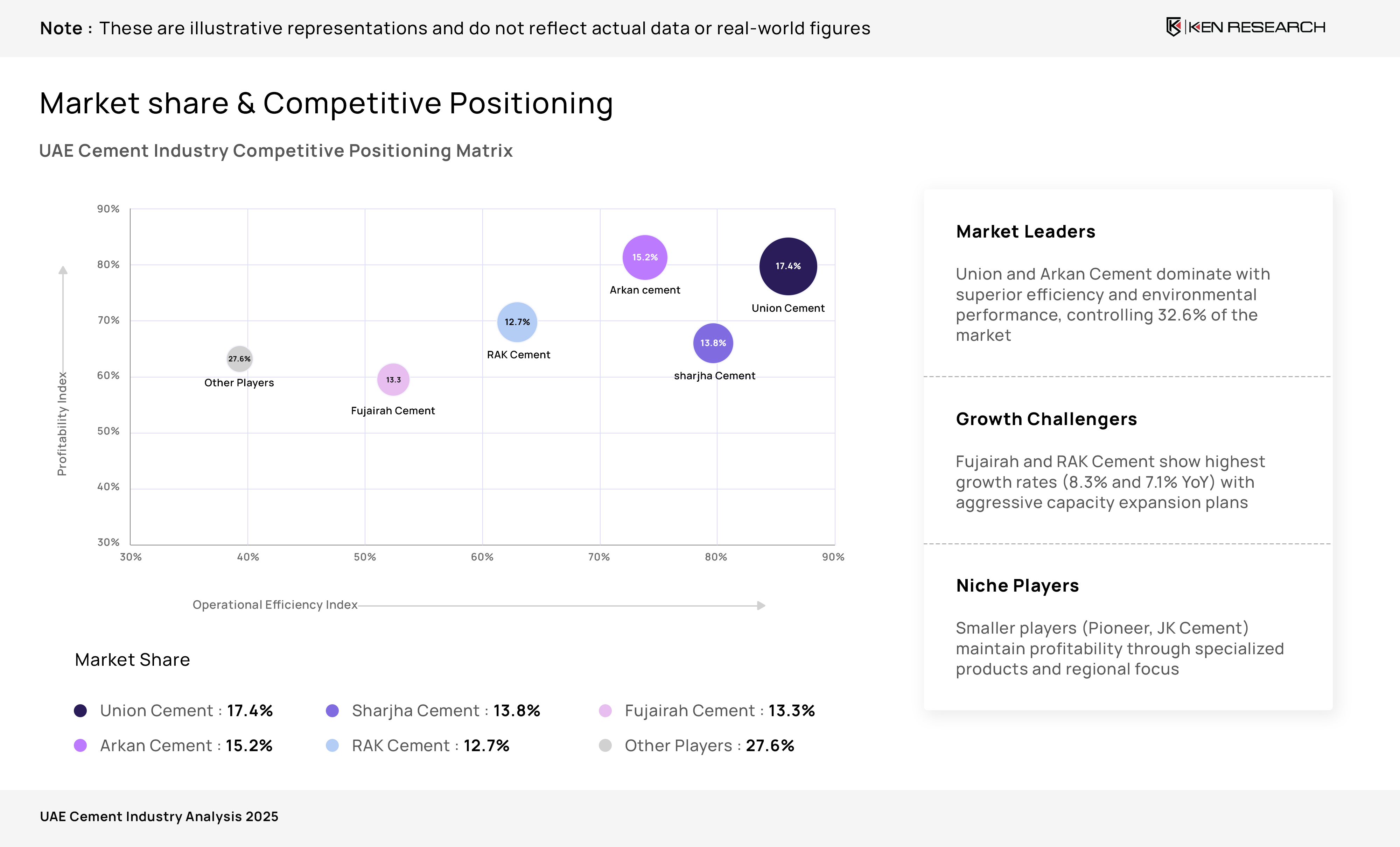
The Australia poultry producers market features a competitive landscape dominated by large vertically integrated agribusinesses supported by mid-sized regional processors and specialized free-range or organic producers. Major players benefit from strong retail partnerships, advanced production systems, and brand trust, while smaller operators compete through niche positioning and region-focused supply capabilities.
Competitiveness is shaped by the integration of advanced production technologies with Australia’s evolving consumer preferences. Producers adopt automated hatchery systems, precision feeding, and stringent biosecurity while tailoring product offerings—including free-range, organic, and RSPCA-approved variants—to meet growing demand for welfare-compliant, high-quality, and sustainably sourced poultry products across household and foodservice channels.
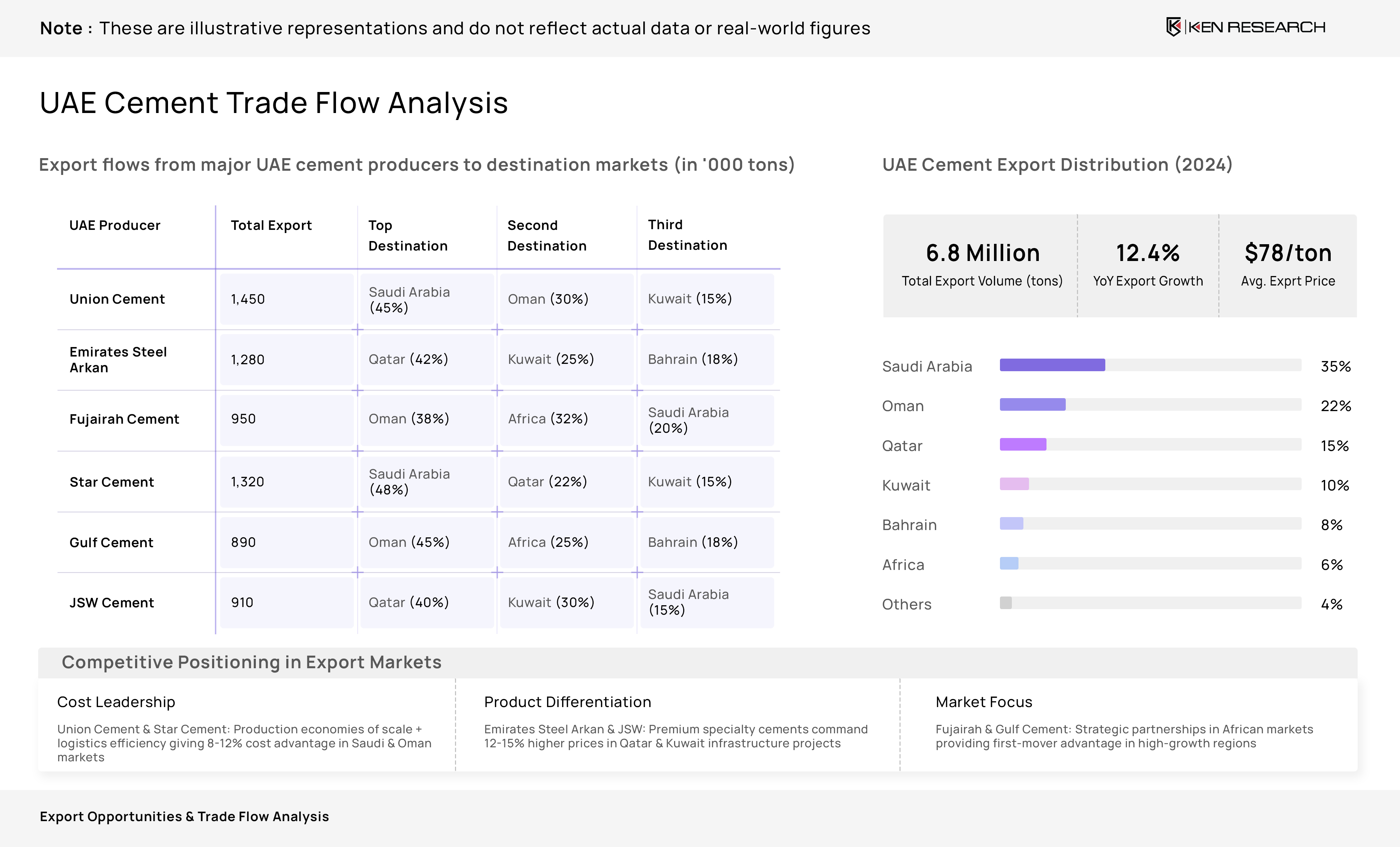
Distribution networks rely on strong linkages with supermarkets, butchers, wholesalers, QSR chains, and export markets. Producers with reliable cold-chain infrastructure, consistent supply performance, and responsive customer engagement achieve stronger buyer retention, enabling them to serve both domestic demand clusters and expanding opportunities in Asian export destinations.
Strategic priorities across the sector emphasize sustainability, operational efficiency, and innovation-led product diversification. Companies invest in energy-efficient processing plants, carbon-reduction initiatives, improved welfare practices, and digital monitoring technologies while expanding value-added offerings such as marinated, ready-to-cook, and specialty poultry lines. These initiatives strengthen competitive resilience in a market shaped by rising consumer expectations and regulatory scrutiny.
Ecosystem Matrix
The Australian poultry industry is dominated by vertically integrated giants such as Inghams, Baiada, and Turosi, supported by regional players like Hazeldene’s and Cordina, ensuring strong supply consistency across production, processing, and distribution networks.
Niche and specialty producers, including Pepe’s Ducks and Lilydale Free Range, cater to rising consumer demand for premium, organic, and free-range poultry, reflecting the market’s segmentation between mass supply and differentiated high-value offerings.
Leading Player Profiles
Company Profiles Overview
Leading producers such as Inghams, Baiada, and Turosi combine scale, integration, and national distribution, setting high competitive barriers for new entrants in Australia’s poultry sector.
Specialty brands like Lilydale and Pepe’s Ducks leverage unique positioning in organic and niche poultry, enabling premium pricing and brand differentiation despite the market dominance of large integrated players.
Key Operational Performance Metrics
Company Performance Overview
Unlock Market Insights
Dive deeper into production, distribution, and pricing intelligence.
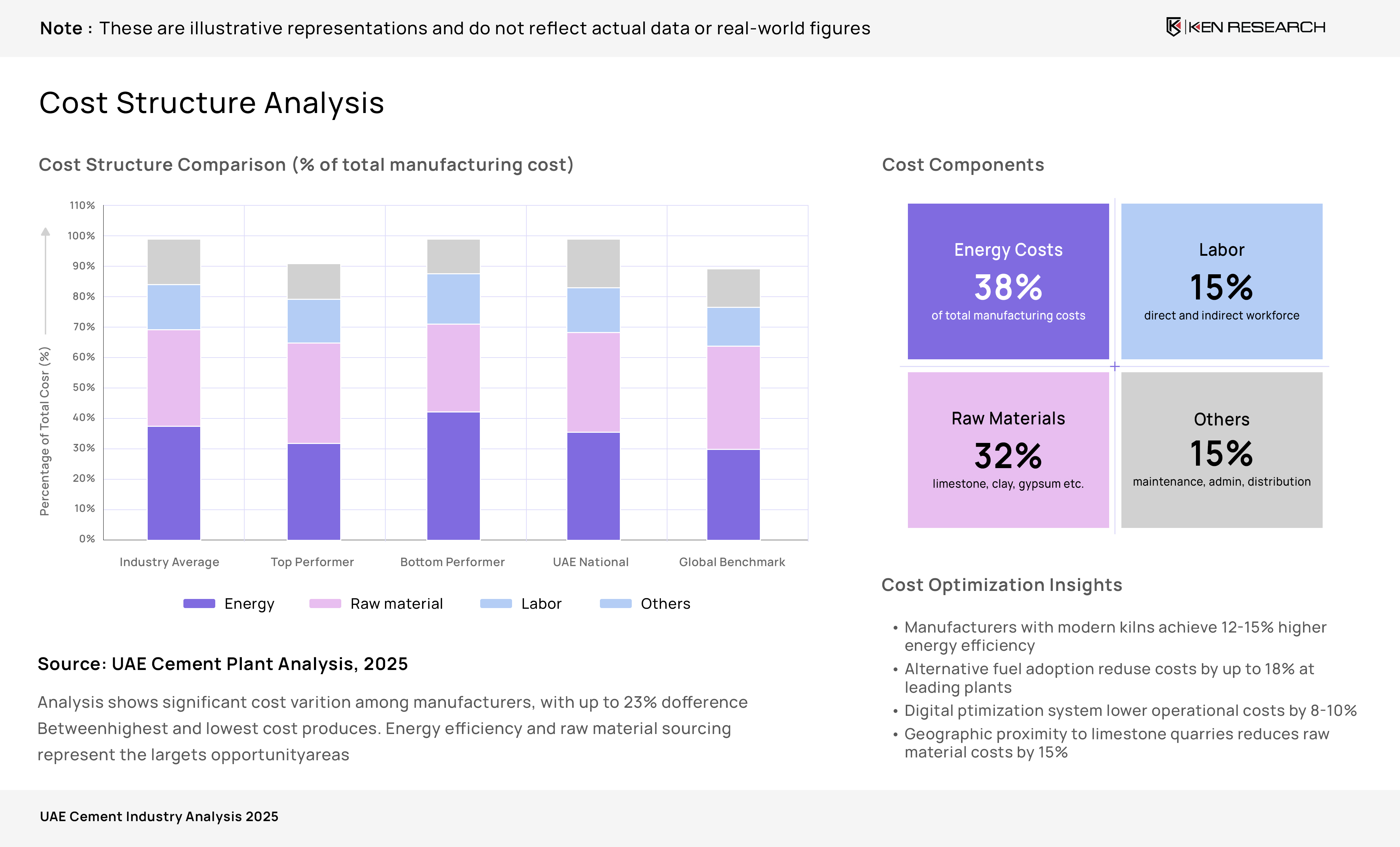
Get Customized ReportKey operational levers such as processing capacity, pricing strategies, and feedmill integration are critical to revenue generation, where larger groups maintain economies of scale while niche producers compete on product quality and differentiated positioning.
National distribution coverage by Inghams, Baiada, and Turosi provides market dominance, while regional suppliers like Golden Cockerel and Mt Cotton Broilers maintain competitive footholds through proximity to local demand hubs.
Core Financial Performance Metrics
Financial performance in Australia’s poultry sector is shaped by operational efficiency, input cost management, and pricing strategies, where Inghams and Baiada maintain stable EBITDA margins, while smaller players face pressures from cost volatility.
Profitability segmentation is evident, with vertically integrated groups sustaining stronger PAT margins, while niche and specialty players achieve limited scale but can capture higher per-unit margins through premium pricing strategies.
Table of Contents
1. Ecosystem Matrix
1.1 Large Players
1.1.1 Inghams Group
1.1.2 Baiada Poultry
1.1.3 Turosi
1.1.4 Hazeldene’s Chicken Farm
1.1.5 Cordina Chicken Farms
1.1.6 Red Lea Chickens
1.2 Medium Players
1.2.1 Mt Cotton Broilers
1.2.2 Golden Cockerel
1.2.3 Game Farm
1.2.4 La Ionica Poultry
1.2.5 Steggles Foods
1.2.6 B&E Foods
1.3 Small Players
1.3.1 Country Fresh Chicken
1.3.2 Pepe’s Ducks
1.3.3 Barter & Sons
1.3.4 M&J Chickens
1.3.5 Supreme Poultry
1.3.6 Lilydale Free Range
2. Leading Player Profiles
2.1 Parameters
2.1.1 Company Name
2.1.2 Group Name
2.1.3 Headquarters
2.1.4 Established Year
2.1.5 Core Business
2.1.6 Mode of Functioning
2.2 Players
2.2.1 Inghams Group
2.2.2 Baiada Poultry
2.2.3 Turosi
2.2.4 Hazeldene’s Chicken Farm
2.2.5 Cordina Chicken Farms
2.2.6 Red Lea Chickens
2.2.7 Mt Cotton Broilers
2.2.8 Golden Cockerel
2.2.9 Game Farm
2.2.10 La Ionica Poultry
2.2.11 Steggles Foods
2.2.12 B&E Foods
2.2.13 Country Fresh Chicken
2.2.14 Pepe’s Ducks
2.2.15 Barter & Sons
2.2.16 M&J Chickens
2.2.17 Supreme Poultry
2.2.18 Lilydale Free Range
3. Key Operational Performance Metrics
3.1 Parameters
3.1.1 No. of Farms
3.1.2 Processing Plants
3.1.3 Feedmill Capacity
3.1.4 Distribution Coverage
3.1.5 Product Range
3.1.6 Pricing
3.1.7 Export Share
3.1.8 Production Capacity (MT)
4. Core Financial Performance Metrics
4.1 Parameters
4.1.1 Revenue
4.1.2 Revenue Growth %
4.1.3 COGS
4.1.4 COGS Growth %
4.1.5 EBITDA
4.1.6 EBITDA Growth %
4.1.7 EBITDA Margin %
4.1.8 PAT
4.1.9 PAT Margin %
5. Methodology
5.1 Approach
5.1.1 Desk Sources
5.1.2 Primary Interviews
5.1.3 Sanity Checking & Validation
5.2 Benchmarking Process
5.2.1 Data Collection
5.2.2 Primary Validation
5.2.3 Proxy KPI Modelling
5.2.4 Normalization & Indexing
5.2.5 Gap Analysis
5.2.6 Peer Review
5.3 Sample Composition
5.3.1 Scope Items
5.3.2 Sample Size
5.3.3 Target Respondents
Methodology
Ken Research will deploy its proprietary, multi-layered research framework—combining robust secondary research, targeted primary outreach, and rigorous data validation—to deliver an authoritative competitive landscape analysis of the Australia poultry producers market.
Desk Sources
- Industry reports (Proprietary databases, Ken Research archives, ABARES, IBISWorld)
- Company annual reports & investor presentations of large players (Inghams, Baiada Poultry, Turosi)
- Government & trade association publications (Australian Chicken Meat Federation, Department of Agriculture)
- Trade magazines, journals, and news portals (Poultry World, The Land, Australian Poultry Science Symposium papers)
- Financial databases (Bloomberg, Capital IQ, IBIS)
- Web traffic & app usage dashboards (SimilarWeb, App Annie) for e-commerce poultry brands
Primary Interviews
- Category Managers / R&D Heads of poultry processors
- Senior Sales/Marketing Leads at poultry integrators
- Distributors & modern trade buyers (Woolworths, Coles, Aldi supply chain leads)
- Contract farmers & grower associations
- Industry analysts and consultants
Sanity Checking and Validation
- Triangulation: Cross-verify estimates from secondary data, primary inputs, and proxy model outputs
- Proxy KPI synthesis: Use related KPIs—like broiler processing capacity, live bird volumes, feedmill tonnage, retail outlet coverage, web traffic—to approximate revenues or volumes
- Outlier analysis: Identify and reconcile anomalous data points via follow-up discussions
- Assumption tracking: Maintain a log of all benchmarking assumptions, with clear notes on limitations and proxy KPI sources
- Peer review: Internal expert review of methodology, models, and key outputs before finalization
An Inside Look At Our Custom Insights
Take a look at ourcustomized insights, tailored to yourmarket and business needs. Our benchmarking reports deliver data-driven comparisons of key players, helping you uncover opportunities, assess performance, and make confident strategic decisions.