Bahrain Insurance Broking Market
Published on: March 2026
Report Overview
Bahrain Insurance Broking Market Overview
Market Highlights
The Bahrain Insurance Broking Market presents a layered competitive structure characterized by the presence of multinational brokerage groups operating alongside established regional networks and agile domestic firms. Global players bring structured risk advisory frameworks, multinational placement capabilities, and access to sophisticated reinsurance markets, positioning themselves as preferred partners for large corporates and cross-border enterprises. Regional and local brokers, meanwhile, leverage entrenched insurer relationships, cultural familiarity, and faster servicing cycles to capture SME and retail portfolios. This interplay creates a balanced ecosystem where advisory depth and localized responsiveness coexist.
The market reflects a blending of global governance standards with regional adaptation. International brokers apply standardized risk modeling, compliance protocols, and enterprise servicing methodologies, while domestic firms tailor pricing structures, renewal strategies, and claims handling approaches to suit Bahrain’s business culture and regulatory expectations. This localized alignment enhances client retention, particularly in segments such as medical and motor insurance where service responsiveness strongly influences renewal decisions.
Distribution strength remains central to competitiveness. Broker networks rely on direct corporate engagement, long-term client relationship management, and coordinated insurer negotiations to maintain portfolio stability. Claims advocacy, turnaround efficiency, and structured policy management serve as key differentiators, often determining client loyalty more decisively than headline pricing. Technology integration, including digital quote comparison and centralized servicing platforms, is increasingly shaping competitive positioning, particularly among newer entrants.
Looking ahead, the Bahrain Insurance Broking Market is expected to continue evolving through a combination of advisory sophistication, digital enablement, and strategic consolidation. Players that successfully integrate global best practices with locally attuned service models, while maintaining operational discipline and pricing transparency, are likely to strengthen long-term leadership in this competitive landscape.
Ecosystem Matrix
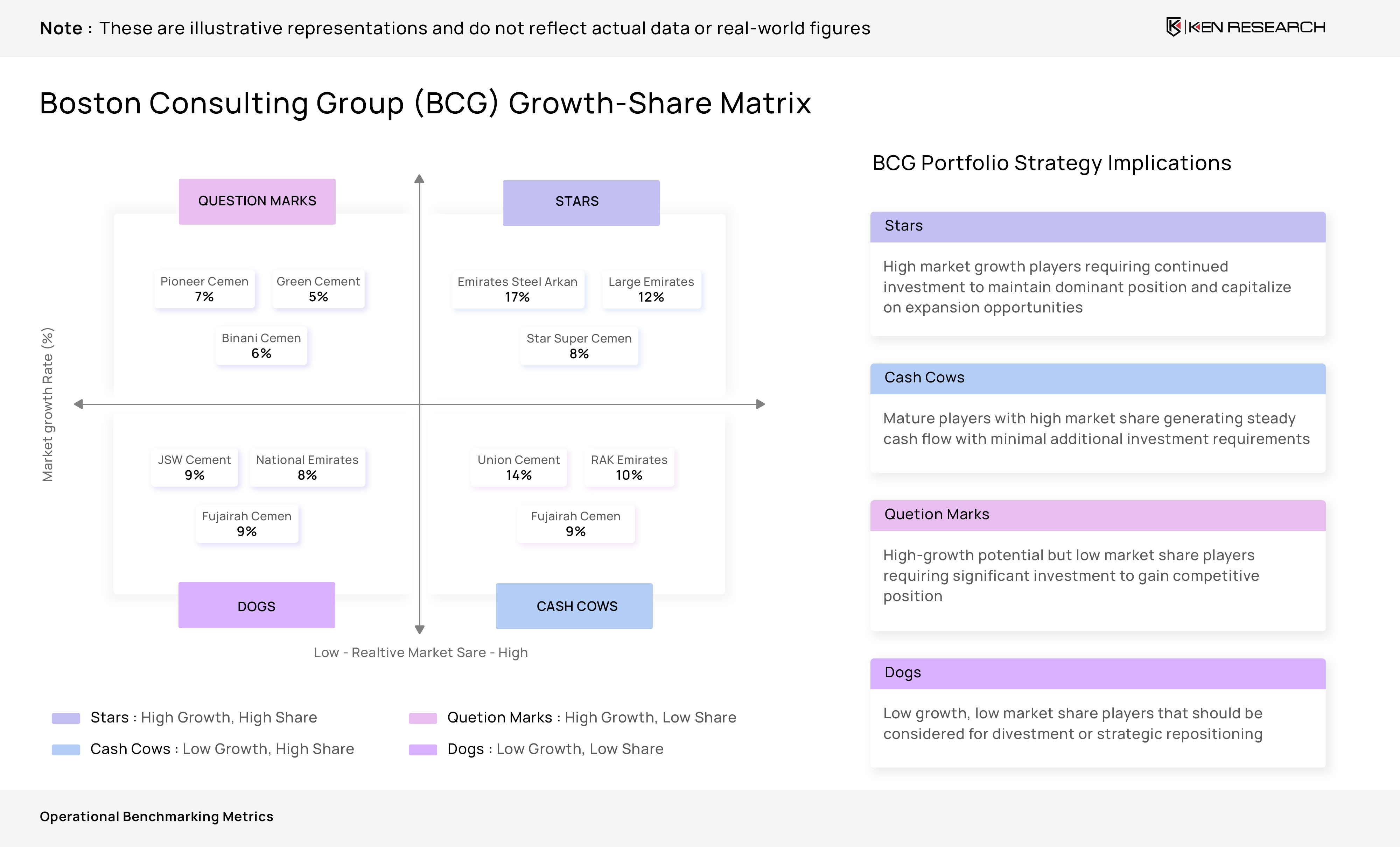
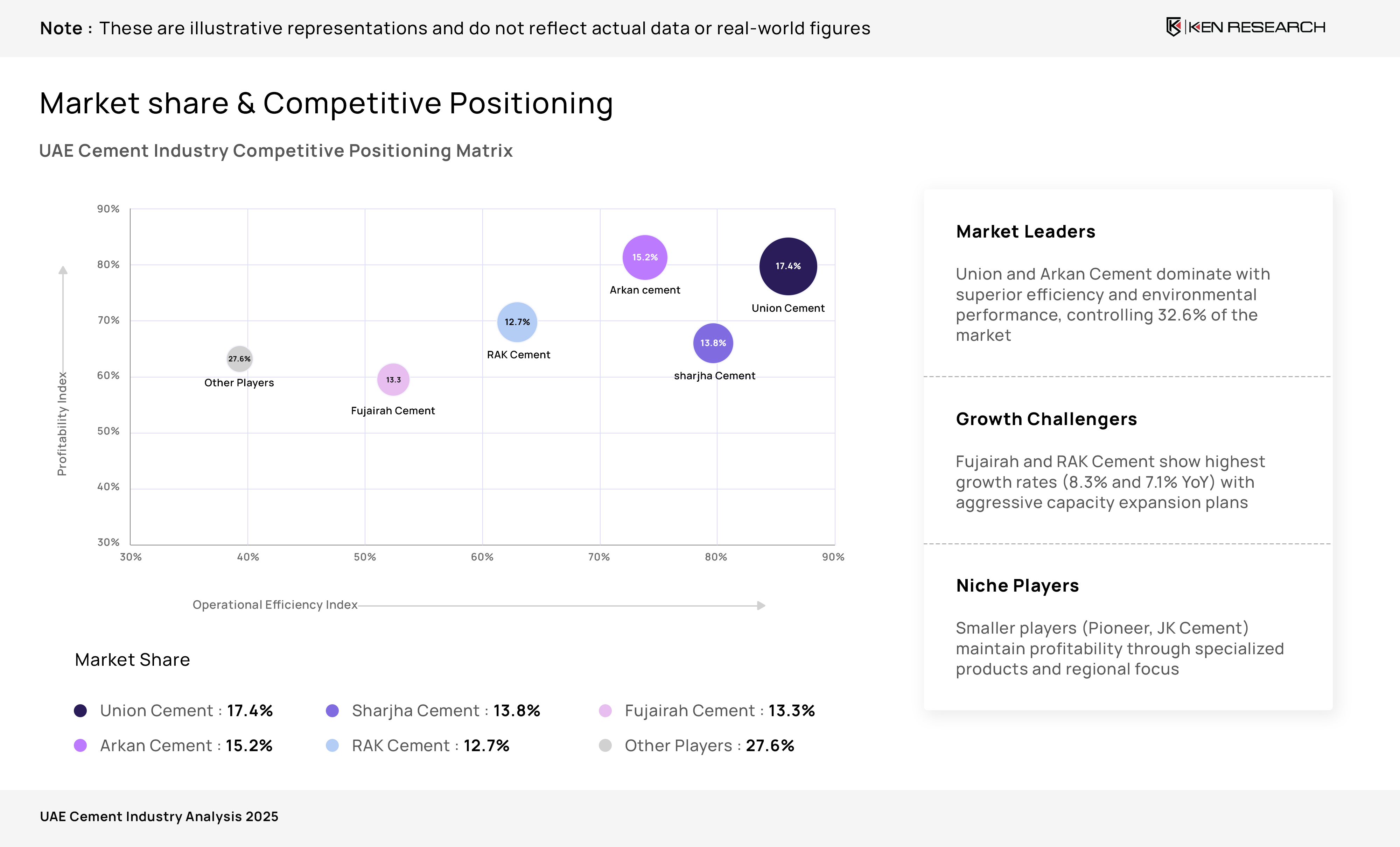
Bahrain’s broker ecosystem is led by global groups and a few scaled local champions, which typically dominate complex corporate placements, multinational programs, and large tender-led accounts, while mid-tier independents compete on service speed and sector focus.
The long tail remains active due to relationship-driven selling, SME renewals, and niche advisory needs, but differentiation is increasingly tied to claims support strength, turnaround time, and the ability to package risk across motor, medical, property, and specialty lines.
Leading Player Profiles
Company Profile Overview
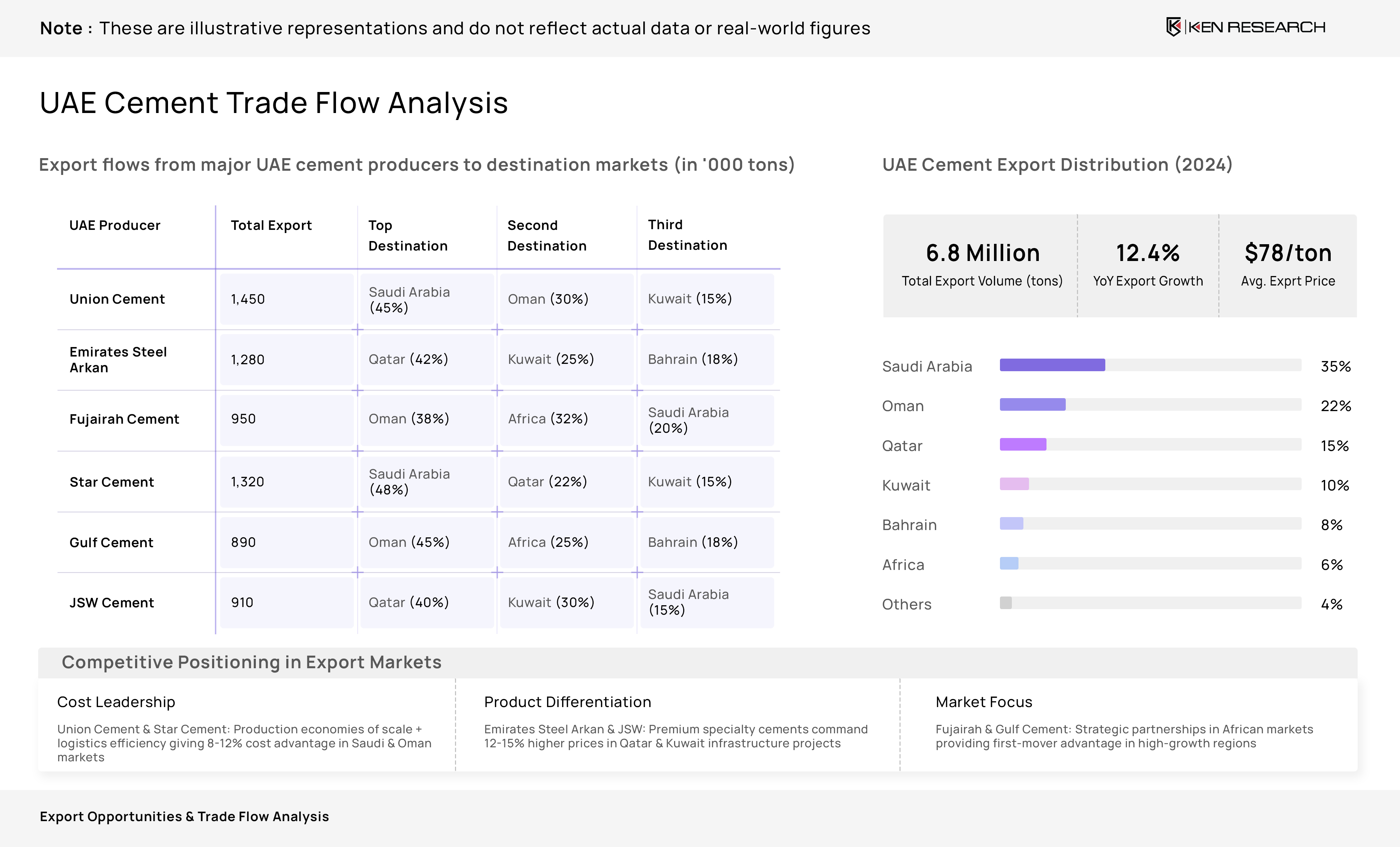
The leading set shows two clear operating styles: global brokers win complex corporate risks through structured advisory, benchmarking, and multinational placement power, while scaled local brokers win on faster renewal execution, insurer relationships, and tighter on-ground claims coordination.
Establishment spread suggests maturity advantage for incumbents in relationship-heavy accounts, but newer entrants are using digital distribution and service transparency to compete, especially where speed, convenience, and price presentation influence conversion.
Key Operational Performance Metrics
Company Performance Overview
Unlock Market Insights
Dive deeper into production, distribution, and pricing intelligence.
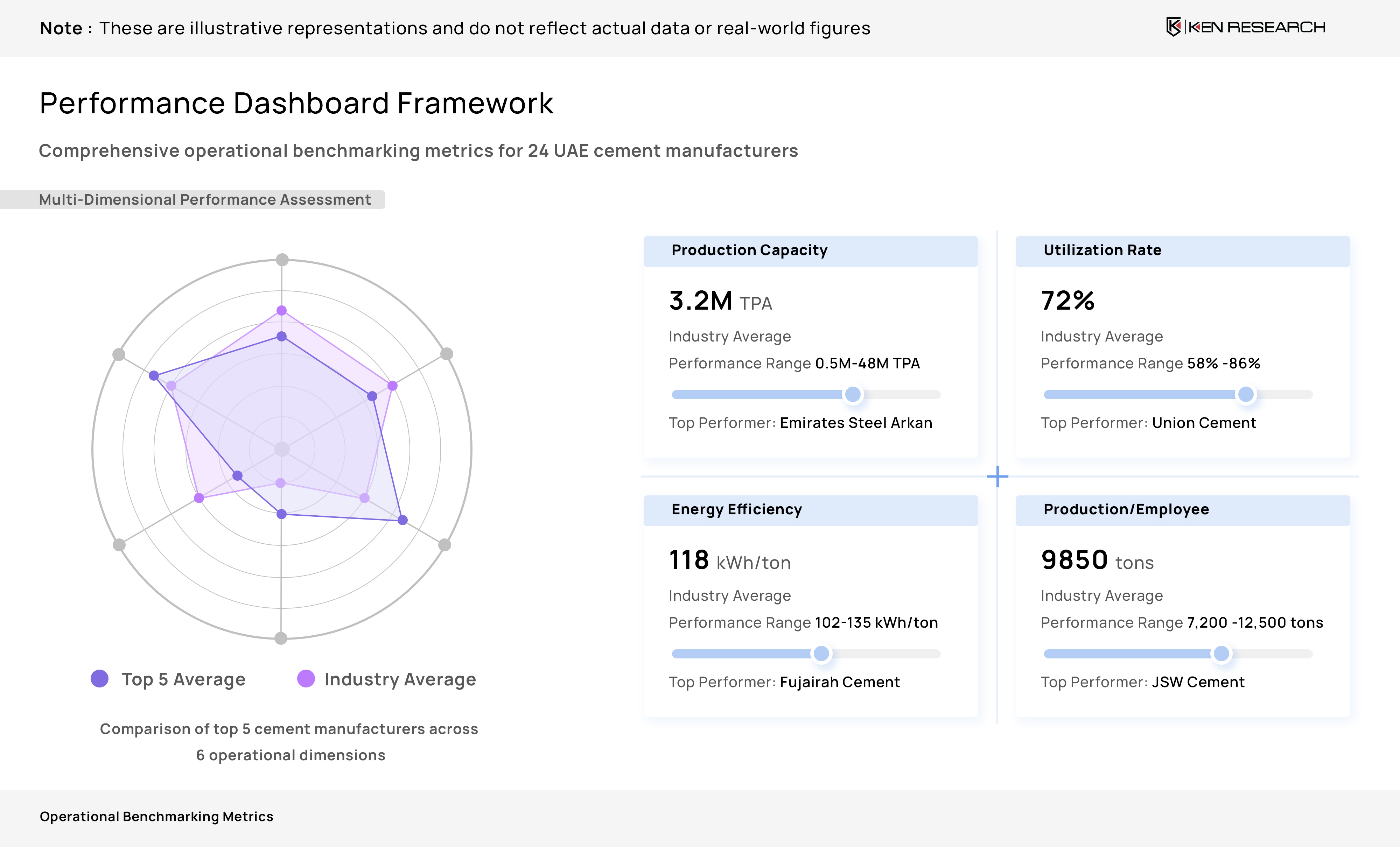
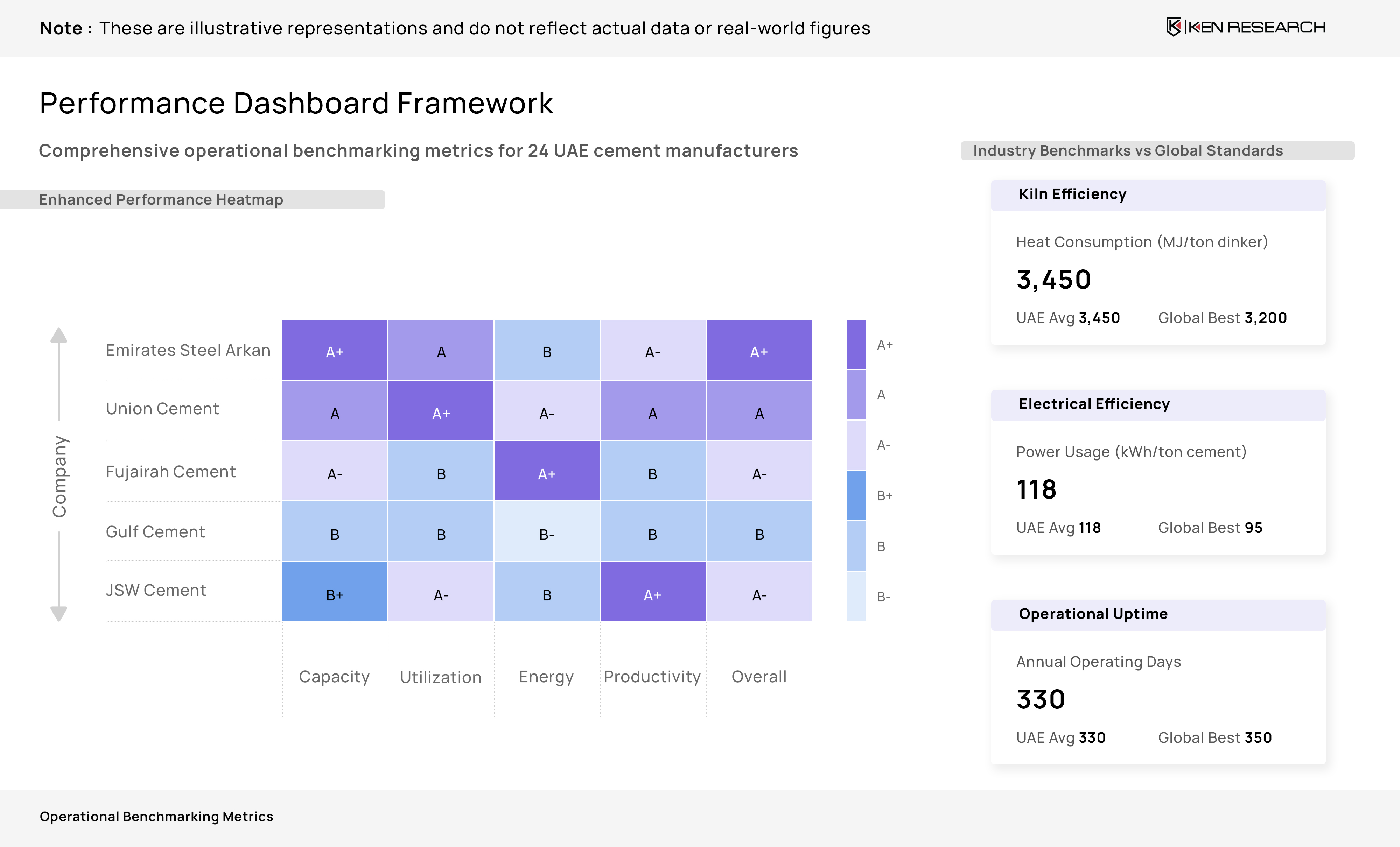
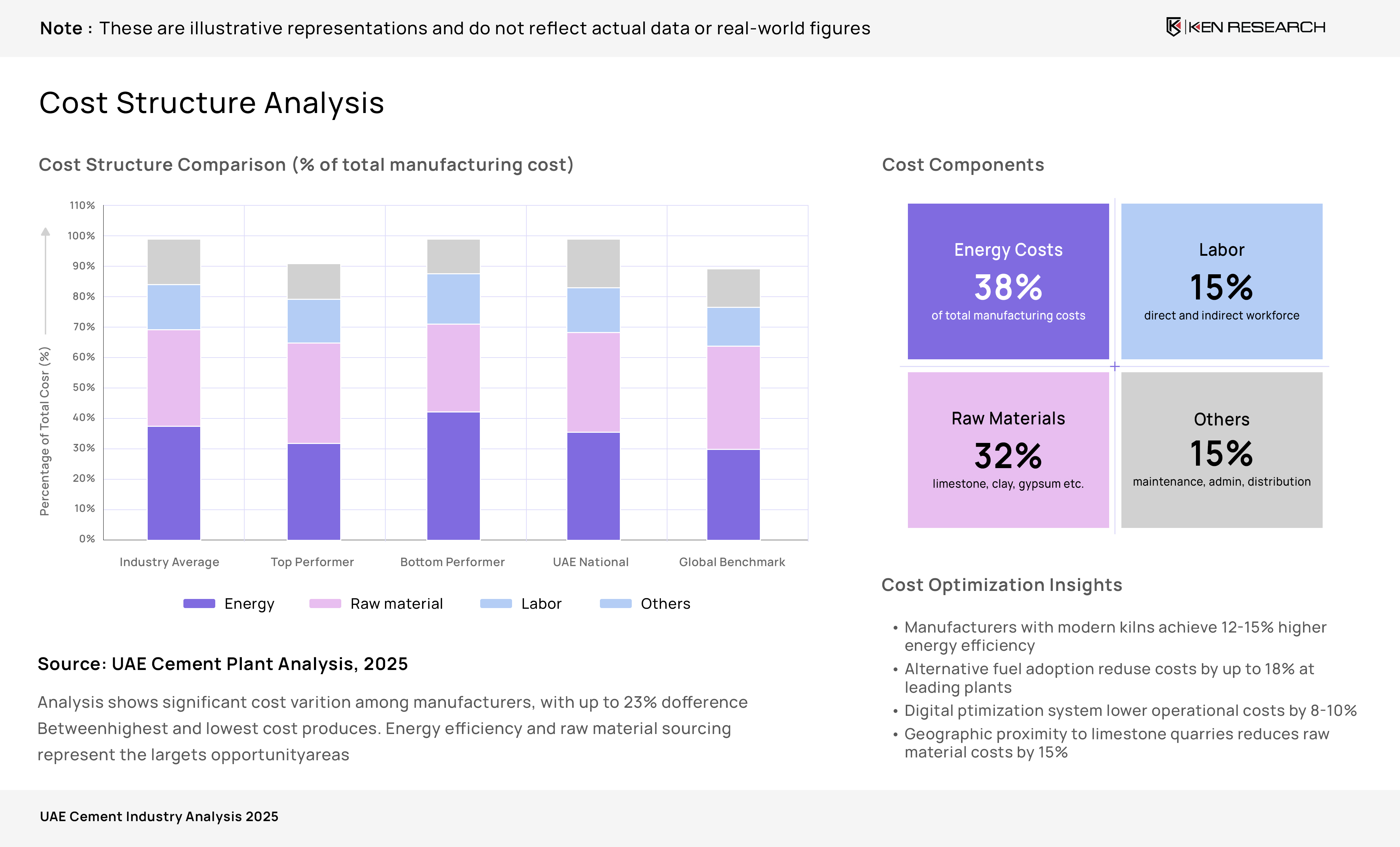
Get Customized ReportIn broking, revenue concentration is typically explained by premium placed, commission rate, and fee capture, while retention and claims turnaround protect the renewal engine that compounds revenue over time, especially in medical and motor portfolios with frequent service needs.
Pricing power is rarely uniform: larger brokers defend pricing through advisory depth and complex placements, while mid and small brokers often compete via speed, packaging, and service intensity, which can lift retention even when headline pricing is tighter.
Core Financial Performance Metrics
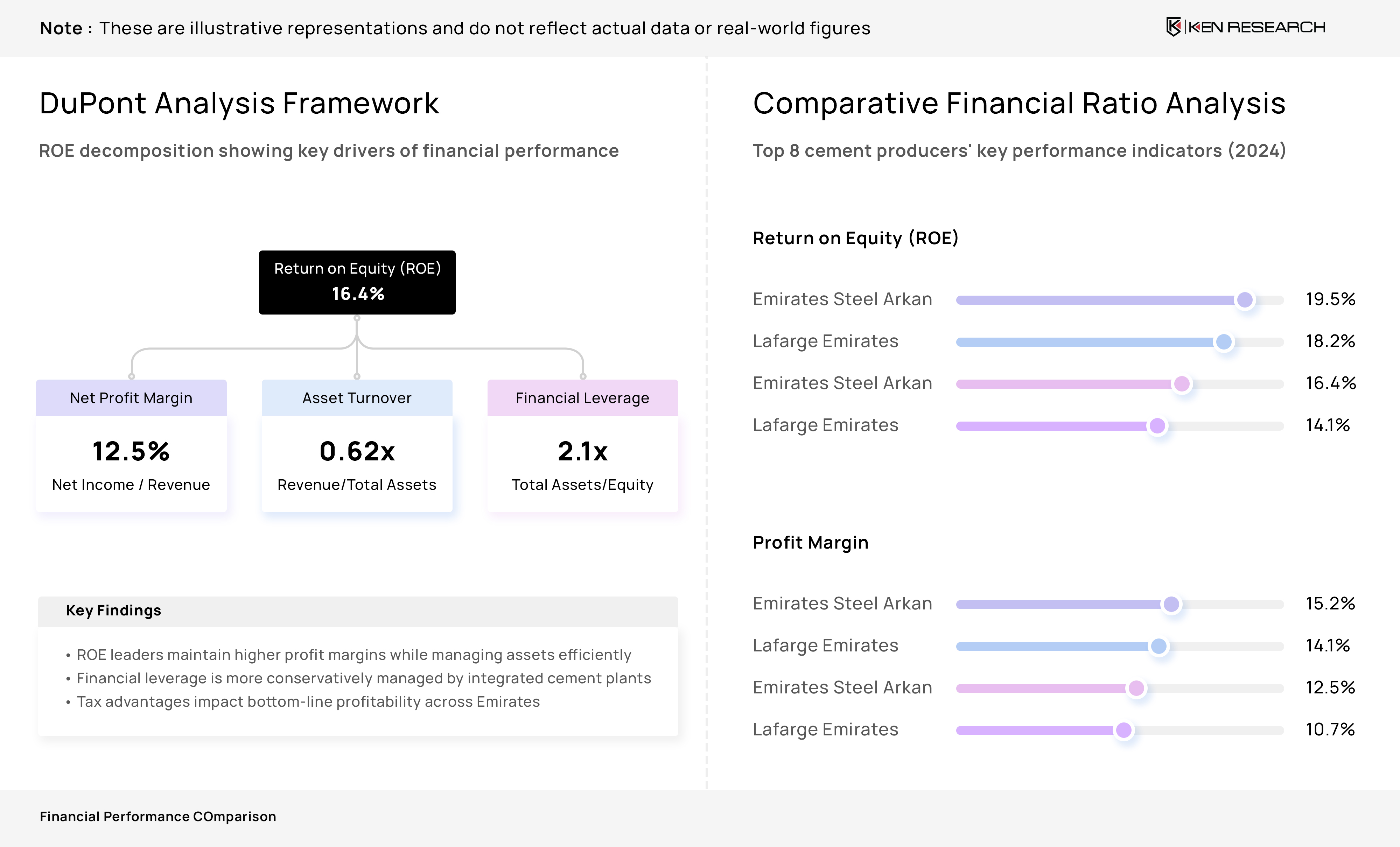
Financial benchmarking in broking usually separates scaled, diversified players (higher revenue stability, stronger margins via advisory fees) from volume-led players that depend more on renewal cycles and motor-medical mix, where margin protection relies on operating efficiency.
Margin and PAT visibility often tracks client quality and servicing cost discipline: brokers with stronger corporate portfolios, better retention, and faster claims resolution typically show healthier EBITDA margins versus brokers competing primarily on price.
Table of Contents
1. Ecosystem Matrix
1.1 Large Players
1.1.1 Marsh (Bahrain)
1.1.2 Aon Bahrain
1.1.3 Howden Insurance Brokers W.L.L
1.1.4 AF Willis Bahrain W.L.L
1.1.5 Nasco Bahrain Insurance Brokers W.L.L
1.1.6 Protection Insurance Services W.L.L (PIS)
1.1.7 Fakhro Insurance Services W.L.L
1.2 Medium Players
1.2.1 Insure Direct (Brokers) Bahrain
1.2.2 Bridge Insurance & Reinsurance Brokers
1.2.3 Armour Insurance Services W.L.L
1.2.4 Braxtone Insurance & Reinsurance Brokers Co. W.L.L
1.2.5 Bahrain Insurance Brokers (BIB)
1.3 Small Players
1.3.1 Inter Gulf Insurance Broker W.L.L
1.3.2 Al Majd Insurance Brokerage Co. W.L.L
1.3.3 Shield Insurtech Brokers W.L.L (Amen)
1.3.4 United Gulf Insurance Brokers (UGIB)
2. Leading Player Profiles
2.1 Parameters
2.1.1 Company Name
2.1.2 Group Name
2.1.3 Headquarters
2.1.4 Established Year
2.1.5 Core Services
2.1.6 Mode of Functioning
3. Key Operational Performance Metrics
3.1 Gross Premium Placed (USD Mn)
3.2 Commission Income (USD Mn)
3.3 Fee Income (USD Mn)
3.4 Pricing (Avg brokerage fee or commission %)
3.5 Corporate Clients (count)
3.6 Policies/Contracts Managed (count)
3.7 Renewal Retention (%)
3.8 Claims TAT (days)
3.9 Sales & Servicing Staff (count)
4. Core Financial Performance Metrics
4.1 Parameters
4.1.1 Revenue (USD Mn)
4.1.2 Revenue Growth (%)
4.1.3 COGS (USD Mn)
4.1.4 COGS Growth (%)
4.1.5 EBITDA (USD Mn)
4.1.6 EBITDA Growth (%)
4.1.7 EBITDA Margin (%)
4.1.8 PAT (USD Mn)
4.1.9 PAT Margin (%)
5. Methodology
5.1 Approach
5.1.1 Desk Sources
5.1.2 Primary Interviews
5.1.3 Sanity Checking & Validation
5.2 Benchmarking Process
5.2.1 Data Collection
5.2.2 Primary Validation
5.2.3 Proxy KPI Modelling
5.2.4 Normalization & Indexing
5.2.5 Gap Analysis
5.2.6 Peer Review
5.3 Sample Composition
5.3.1 Scope Items
5.3.2 Sample Size
5.3.3 Target Respondents
Methodology
Ken Research will deploy its proprietary, multi layered research framework—combining robust secondary research, targeted primary outreach, and rigorous data validation—to deliver an authoritative competitive landscape analysis of the Bahrain Insurance Broking Market. All proxy KPIs are aligned specifically with insurance broking revenue drivers and operational economics.
Desk Sources
- Industry reports from proprietary databases and Ken Research internal archives for historical benchmarks and market baselines
- Company annual reports, investor presentations, and statutory disclosures to extract brokerage income, commission structures, and strategic priorities
- Central Bank of Bahrain publications and insurance regulator releases for licensing data, policy frameworks, and compliance requirements
- Trade magazines, insurance journals, and regional business publications to track competitive movements and placement trends
- Financial intelligence platforms such as Bloomberg and Capital IQ for peer benchmarking and financial standardization
- Web traffic dashboards and digital analytics tools to assess online quote activity, aggregator engagement, and demand signals
Primary Interview
- CATI interviews and structured surveys with broking executives, risk managers, and underwriting heads
- In-depth discussions with senior sales leaders across corporate and retail broking divisions
- Interviews with insurers and reinsurance partners to validate premium placement patterns and commission benchmarks
- Consultations with regional insurance analysts and advisory professionals for expert validation
Sanity Checking and Validation
- Triangulation across desk research, primary inputs, and proxy KPI modeling
- Proxy KPI synthesis using premium placed, commission rates, corporate account counts, staff strength, and digital quote volumes
- Outlier reconciliation through targeted follow-up interactions
- Structured assumption logs documenting benchmark multipliers and data limitations
- Internal peer review prior to finalization
An Inside Look At Our Custom Insights
Take a look at ourcustomized insights, tailored to yourmarket and business needs. Our benchmarking reports deliver data-driven comparisons of key players, helping you uncover opportunities, assess performance, and make confident strategic decisions.