Bahrain NPK Fertilizer Market
Published on: November 2025
Report Overview
Bahrain NPK Fertilizer Market
Market Highlights
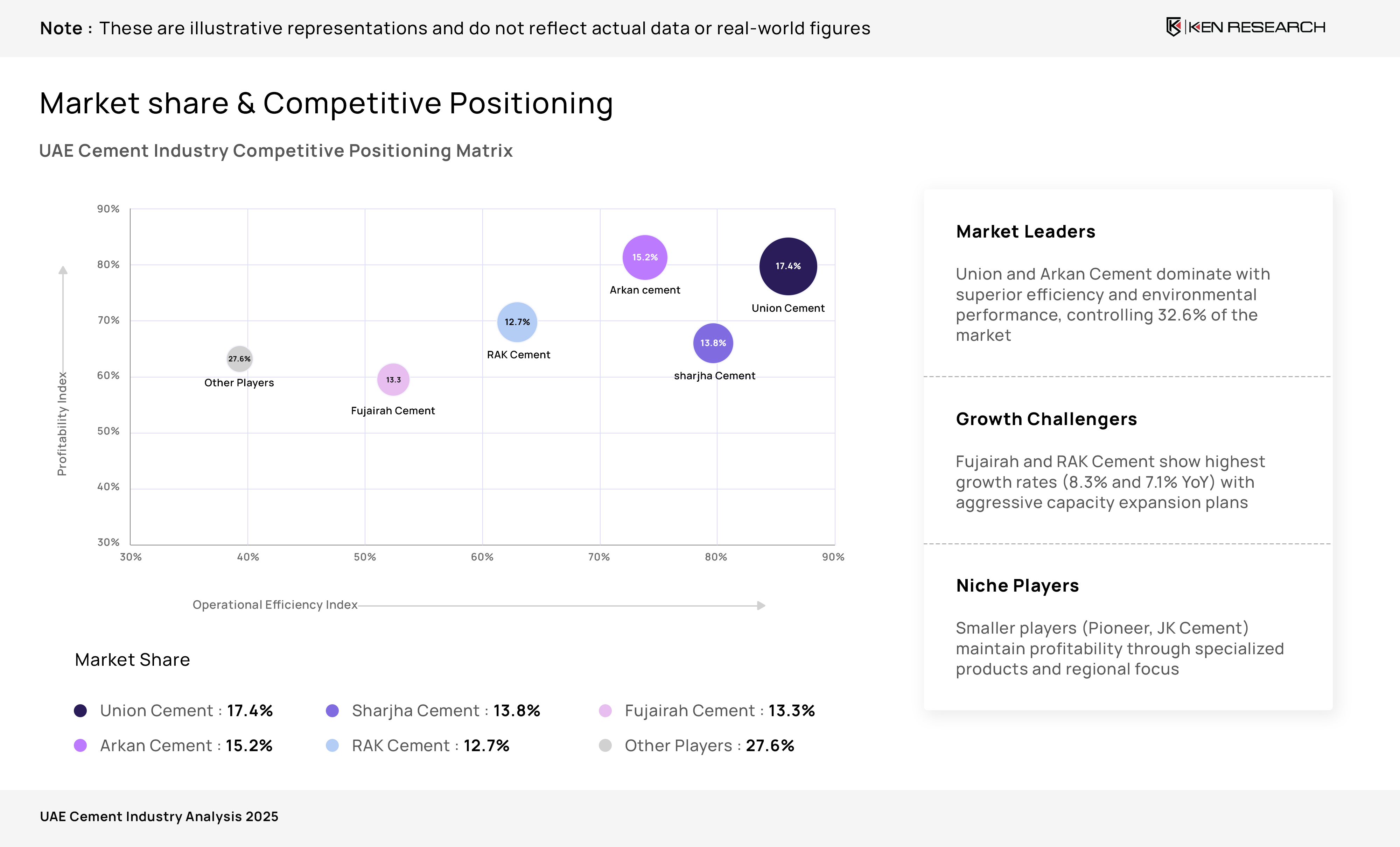
The Bahrain NPK fertilizer market is shaped by a concentrated mix of global agrochemical companies, regional distributors, and specialized local suppliers. Large multinational brands dominate through product reliability and distribution strength, while local providers compete through targeted agronomy support, price flexibility, and tailored formulations suited to Bahrain’s climatic and soil conditions.
Competitiveness in the market is driven by the integration of advanced nutrient technologies with strong adaptation to local agricultural requirements. Producers and distributors align global-grade NPK blends with Bahrain’s crop cycles, water constraints, and salinity challenges, offering customized nutrient ratios that enhance productivity across fruits, vegetables, field crops, and controlled-environment farming segments.
Distribution networks rely on partnerships with agricultural cooperatives, dealer networks, horticulture suppliers, and commercial farms. Companies with consistent import planning, reliable warehousing, and strong technical advisory services maintain higher customer loyalty, ensuring timely availability of fertilizers despite Bahrain’s import dependence and seasonal fluctuations in farming demand.
Strategic priorities across the sector emphasize cost efficiency, soil health improvement, and sustainability-led product development. Market players focus on balanced nutrient formulations, precision-application guidance, and environmentally aligned fertilizer solutions to support productivity under water-scarce conditions. These initiatives strengthen market positioning as Bahrain advances its agricultural modernization and food-security objectives.
Ecosystem Matrix
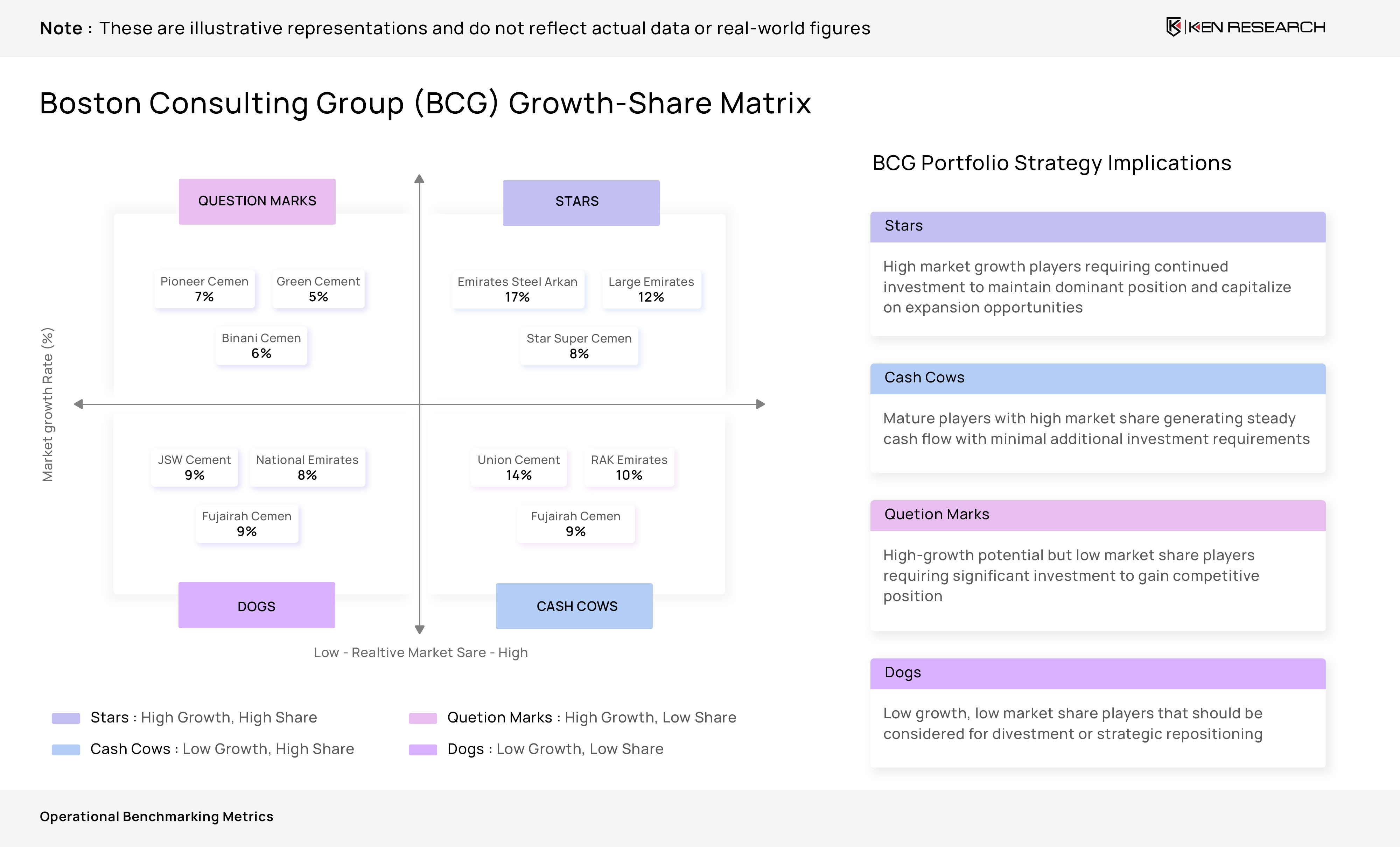
The Bahrain NPK Fertilizer ecosystem is anchored by GPIC and BAFCO, which dominate through large-scale integrated production capacities, strong distribution networks, and regional export ties.
Medium and small enterprises complement the ecosystem, primarily serving localized agricultural demand and niche formulations. Their role ensures product availability, flexibility in pricing, and tailored solutions for Bahraini farmers.
Leading Player Profiles
Company Profile Overview
GPIC, BAFCO, and BANAGAS provide the backbone of Bahrain’s fertilizer infrastructure, benefiting from economies of scale and export capabilities.
Small and mid-sized players fill gaps by catering to specific segments like organic fertilizers, retail distribution, and niche product blends, enhancing ecosystem resilience.
Key Operational Performance Metrics
Company Performance Overview
Unlock Market Insights
Dive deeper into production, distribution, and pricing intelligence.
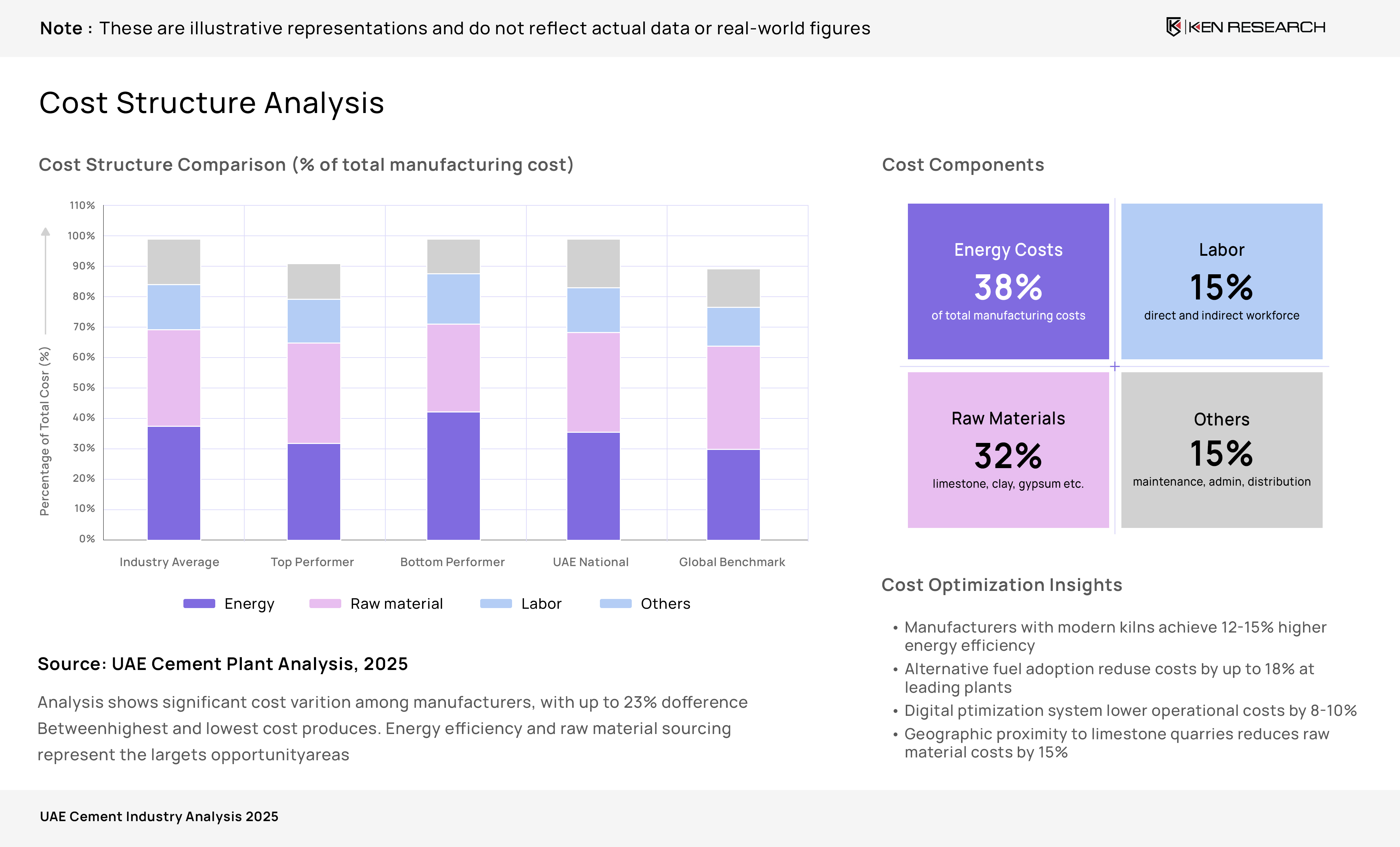
Get Customized ReportPricing and capacity are the strongest revenue drivers, with GPIC and BAFCO leading on economies of scale, while SMEs differentiate through flexible pricing and tailored services.
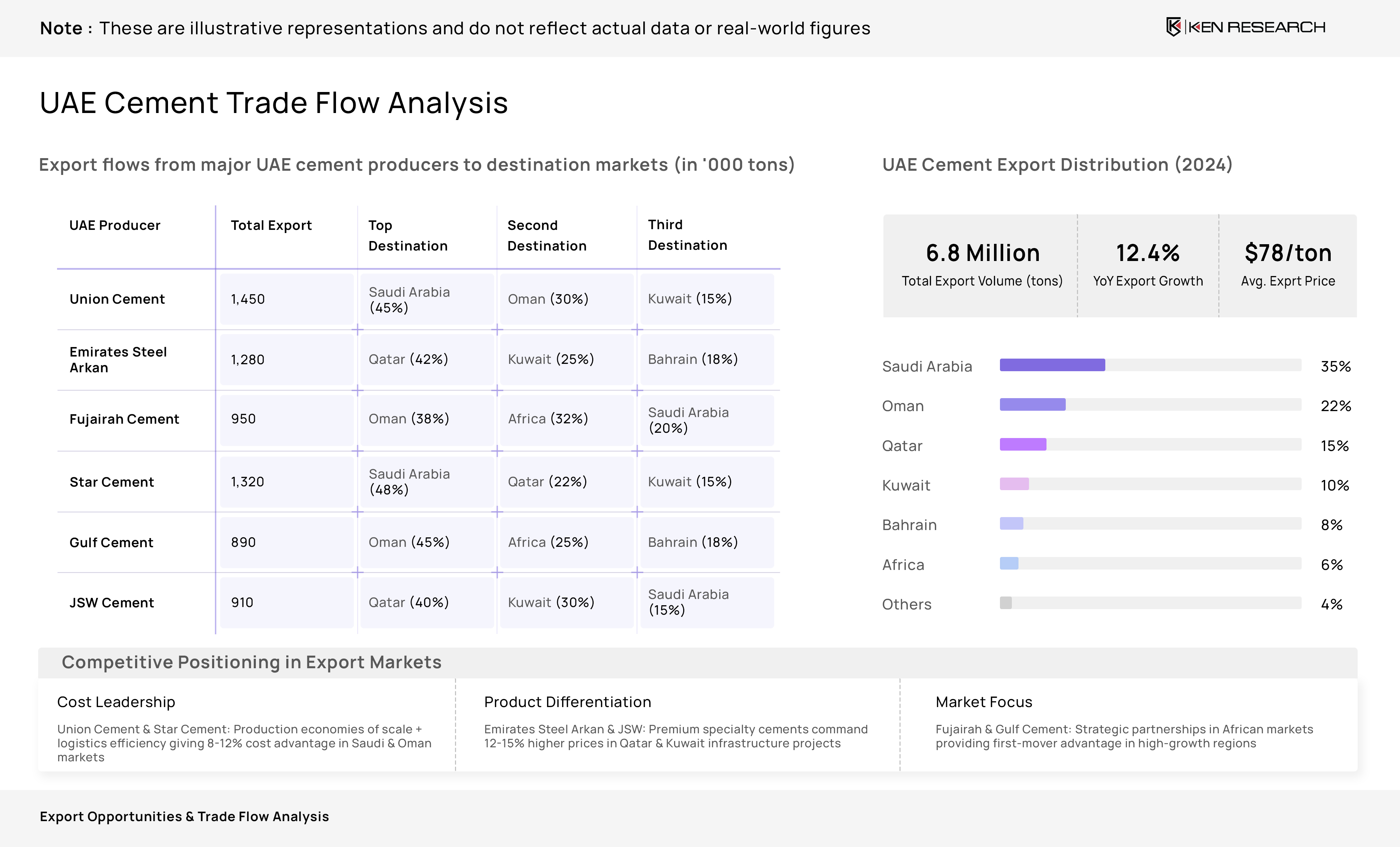
Export share highlights the strategic significance of Bahrain as a fertilizer re-export hub to GCC and wider MENA markets.
Core Financial Performance Metrics
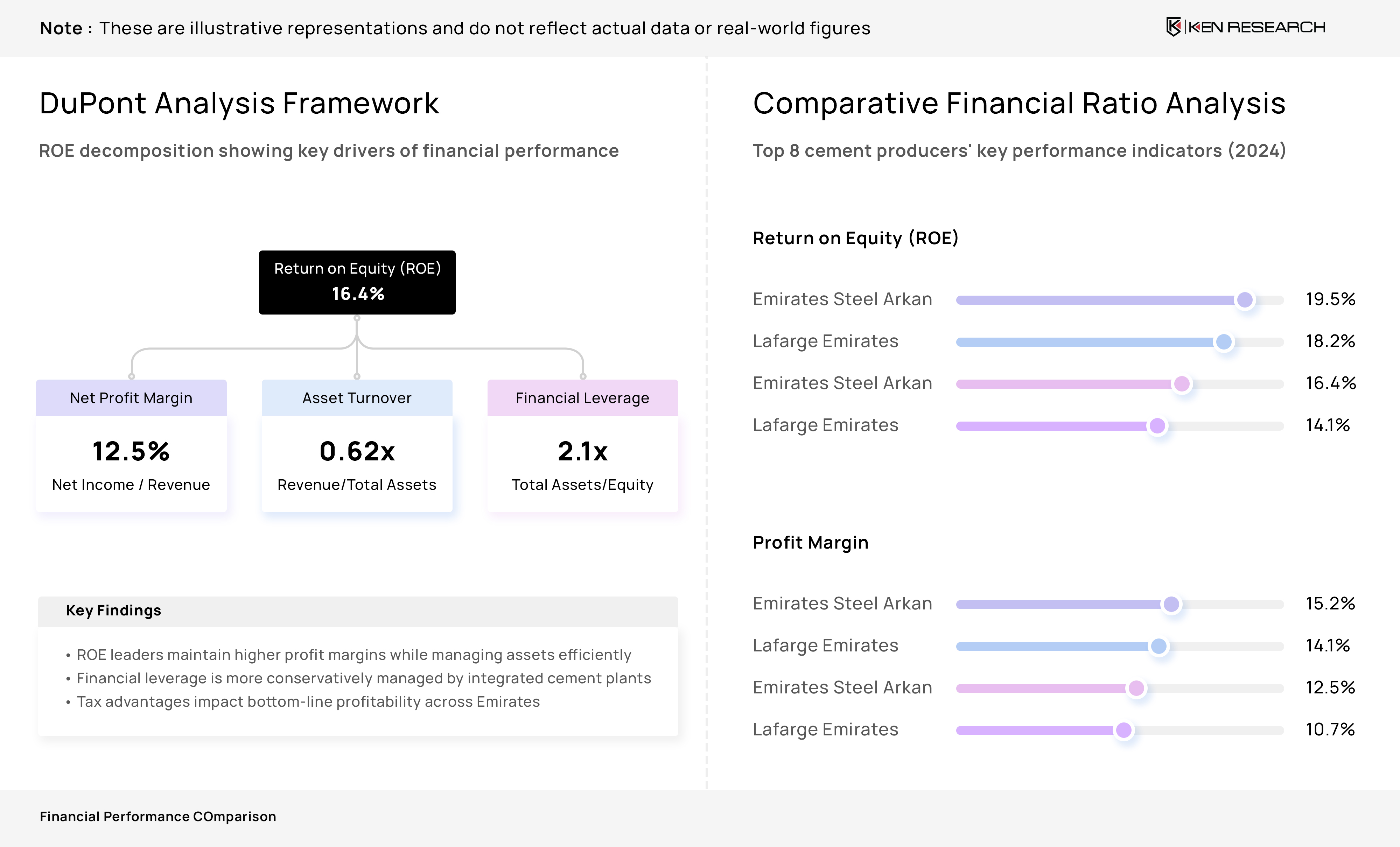
Large-scale producers showcase higher EBITDA margins due to integration and export leverage, while small players often face tighter margins due to import costs and retail dependence.
Growth trends suggest regional demand and diversification into value-added blends as a key profitability driver for Bahrain-based players.
Table of Contents
1. Ecosystem Matrix
1.1 Large Players
1.1.1 GPIC
1.1.2 BAFCO
1.1.3 BANAGAS
1.1.4 Awal Fertilizers
1.2 Medium Players
1.2.1 Al Jazeera
1.2.2 Al Salam
1.2.3 Bahrain AgriChem
1.2.4 MEFT
1.2.5 Al Noor
1.3 Small Players
1.3.1 Al Manar
1.3.2 GreenGrow
1.3.3 Al Khaleej
1.3.4 AgriHub
1.3.5 Fertitrade
1.3.6 AgroLife
2. Leading Player Profiles
2.1 Players
2.1.1 GPIC
2.1.2 BAFCO
2.1.3 BANAGAS
2.1.4 Awal Fertilizers
2.1.5 Al Jazeera
2.1.6 Al Salam
2.1.7 Bahrain AgriChem
2.1.8 MEFT
2.1.9 Al Noor
2.1.10 Al Manar
2.1.11 GreenGrow
2.1.12 Al Khaleej
2.1.13 AgriHub
2.1.14 Fertitrade
2.1.15 AgroLife
2.2 Profile Parameters
2.2.1 Company Name
2.2.2 Group Name
2.2.3 Headquarters
2.2.4 Established Year
2.2.5 Core Products
2.2.6 Mode of Functioning
3. Key Operational Performance Metrics
3.1 Parameters
3.1.1 Production Capacity (MT/Year)
3.1.2 Pricing (USD per MT)
3.1.3 Distribution Coverage (%)
3.1.4 Export Share (%)
3.1.5 Product Range (No. of SKUs)
3.1.6 Dealer Network (No. of Dealers)
3.1.7 Technology Integration (Score out of 10)
4. Core Financial Performance Metrics
4.1 Parameters
4.1.1 Revenue (USD Mn)
4.1.2 Revenue Growth (%)
4.1.3 COGS (USD Mn)
4.1.4 COGS Growth (%)
4.1.5 EBITDA (USD Mn)
4.1.6 EBITDA Growth (%)
4.1.7 EBITDA Margin (%)
4.1.8 PAT (USD Mn)
4.1.9 PAT Margin (%)
5. Methodology
5.1 Approach
5.1.1 Desk Sources
5.1.2 Primary Interviews
5.1.3 Sanity Checking & Validation
5.2 Benchmarking Process
5.2.1 Data Collection
5.2.2 Primary Validation
5.2.3 Proxy KPI Modelling
5.2.4 Normalization & Indexing
5.2.5 Gap Analysis
5.2.6 Peer Review
5.3 Sample Composition
5.3.1 Scope Items
5.3.2 Sample Size
5.3.3 Target Respondents
Methodology
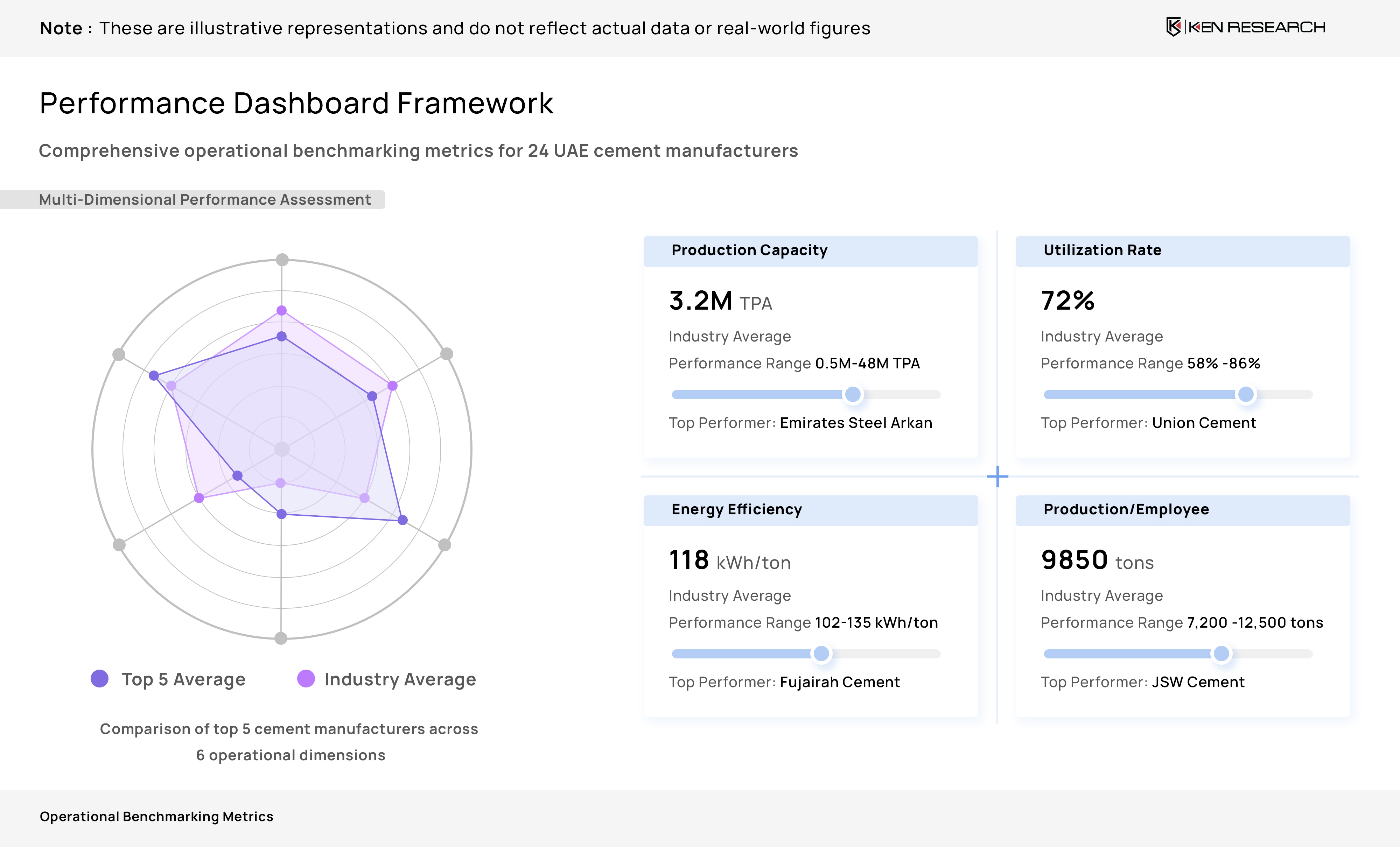
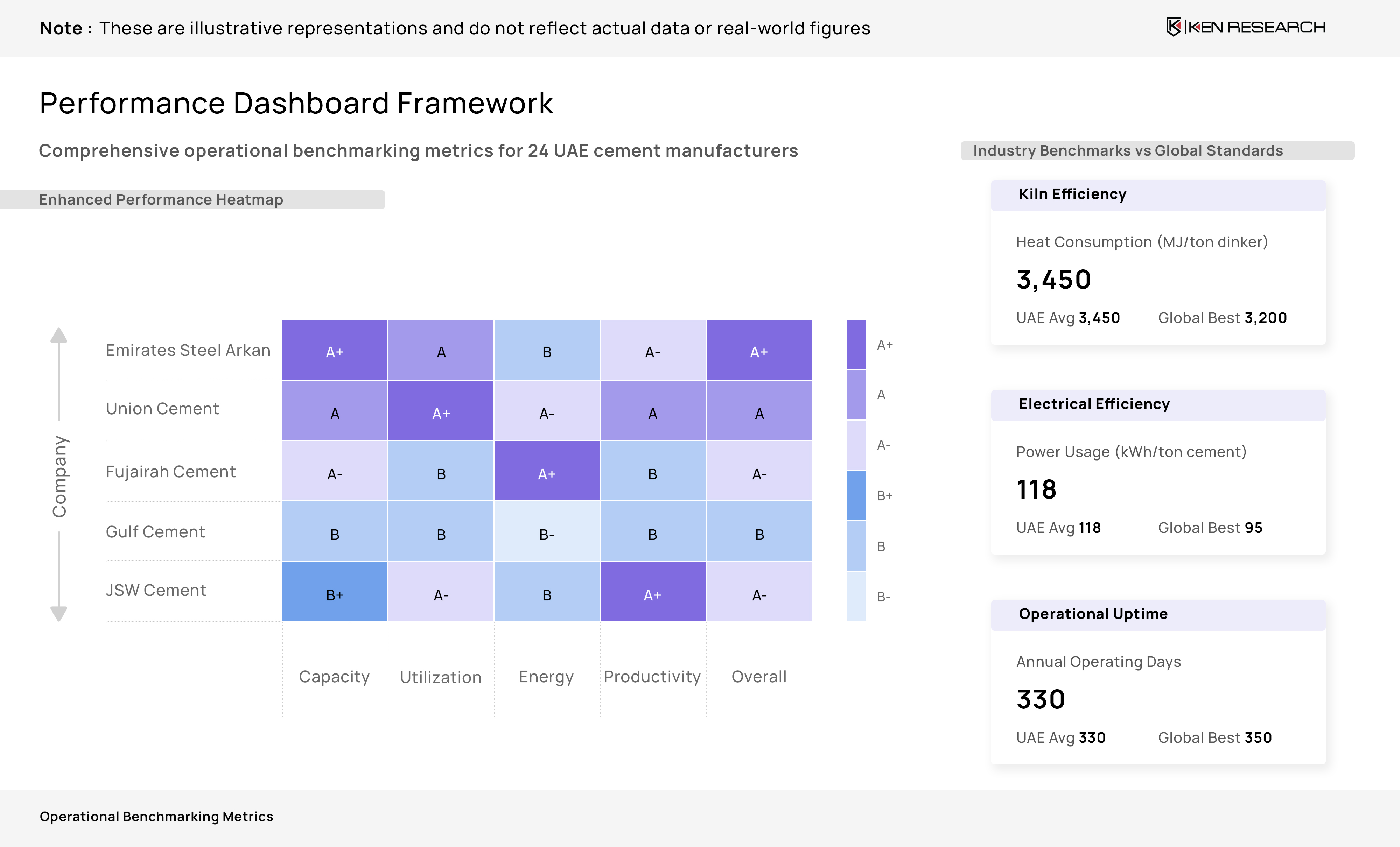
Ken Research will deploy its proprietary, multi-layered research framework—combining robust secondary research, targeted primary outreach, and rigorous data validation—to deliver an authoritative competitive landscape analysis of the Bahrain NPK Fertilizer market. All proxy KPIs have been carefully aligned to the sector’s dynamics, including production, distribution, sales channels, and digital presence.
Desk Sources
- Industry reports from Ken Research archives and proprietary databases
- Company annual reports and investor presentations of local fertilizer producers and distributors
- Government and trade association publications (Ministry of Works, Municipalities Affairs & Urban Planning; Bahrain Chamber of Commerce; Gulf Fertilizer Producers Union)
- Trade magazines, agricultural journals, and e-articles covering fertilizer demand trends
- Financial databases such as Bloomberg, Capital IQ, and Zawya
- Customs and trade data, along with web traffic dashboards (UN Comtrade, SimilarWeb)
Primary Interviews
- CATIs and in-depth interviews with key stakeholders
- Category Managers and R&D Heads of NPK fertilizer manufacturers
- Senior sales and marketing leads of leading fertilizer firms
- Regional distributors and agri-input dealers
- Industry analysts and consultants with regional expertise
- Agricultural cooperatives and technology providers supporting precision farming inputs
Sanity Checking and Validation
- Triangulation: Cross-verify desk research estimates with primary insights and proxy model outputs
- Proxy KPI Synthesis: Use production capacity, import/export tonnage, dealer networks, retail presence, and distribution outlets to approximate revenues and operational scale
- Outlier Analysis: Identify and reconcile discrepancies in reported capacity or utilization through targeted follow-up interviews
- Assumption Tracking: Maintain a clear log of all modeling assumptions such as dealer throughput multipliers and import reliance ratios
- Peer Review: Conduct internal expert review of methodology, proxy KPIs, and final findings
An Inside Look At Our Custom Insights
Take a look at ourcustomized insights, tailored to yourmarket and business needs. Our benchmarking reports deliver data-driven comparisons of key players, helping you uncover opportunities, assess performance, and make confident strategic decisions.