Bahrain Payment Gateway Providers Market
Published on: March 2026
Report Overview
Bahrain Payment Gateway ProvidersMarket Overview
Market Highlights
The Bahrain Payment Gateway Providers Market reflects a layered competitive structure led by domestic payments infrastructure institutions, bank-affiliated acquiring platforms, and regional fintech gateway specialists that increasingly compete across merchant onboarding, payment acceptance breadth, and digital commerce enablement. Large domestic players benefit from entrenched market connectivity, stronger institutional relationships, and deeper integration with local payment rails, while regional gateway operators differentiate through agile APIs, simplified setup processes, modular checkout tools, and broader cross-border commerce capabilities. This creates a market in which leadership is not defined purely by company size, but by a provider’s ability to combine merchant trust, local compliance, processing stability, and digital usability into a cohesive acceptance proposition.
A defining characteristic of this market is the way global payment innovation is being adapted to fit Bahrain’s local payments behavior and merchant requirements. Regional and international gateway providers have increasingly localized their offerings around domestic acceptance methods, Arabic-enabled merchant interfaces, localized settlement expectations, and SME-friendly billing models, while Bahraini institutions continue to modernize legacy strengths through omnichannel acceptance, wallet integration, and more seamless merchant servicing. As a result, competition is evolving around how effectively players blend international-grade technology with local market fluency, rather than relying solely on scale or brand presence.
The distribution and aftersales ecosystem remains central to competitive advantage, particularly in a market where merchant confidence depends heavily on implementation support, responsiveness, settlement transparency, and ongoing service continuity. Bank-linked providers and infrastructure-led players often benefit from stronger relationship networks and institutional servicing credibility, while newer gateway specialists compete by reducing integration friction, shortening activation timelines, and improving merchant self-service capabilities. Aftersales support, dispute handling, onboarding guidance, and availability of technical assistance all materially influence merchant retention and wallet share, especially among SMEs and digitally native businesses that prioritize operational simplicity alongside payment reliability.
Operational strategy across the competitive set is increasingly shaped by efficiency, pricing discipline, value-added monetization, and technology integration. Some players focus on building defensible scale through broad merchant coverage and local acceptance depth, while others emphasize niche strategies such as social commerce enablement, recurring payments, embedded checkout, or stronger conversion performance. Cost management, fraud controls, transaction optimization, and selective expansion into higher-value merchant segments are becoming more important as providers balance growth ambitions with sustainable earnings quality. Over time, the interaction between infrastructure strength, localization capability, product innovation, and strategic agility is likely to remain the core force shaping competitive outcomes, accelerating payment digitization and reinforcing long-term market leadership across Bahrain’s gateway ecosystem.
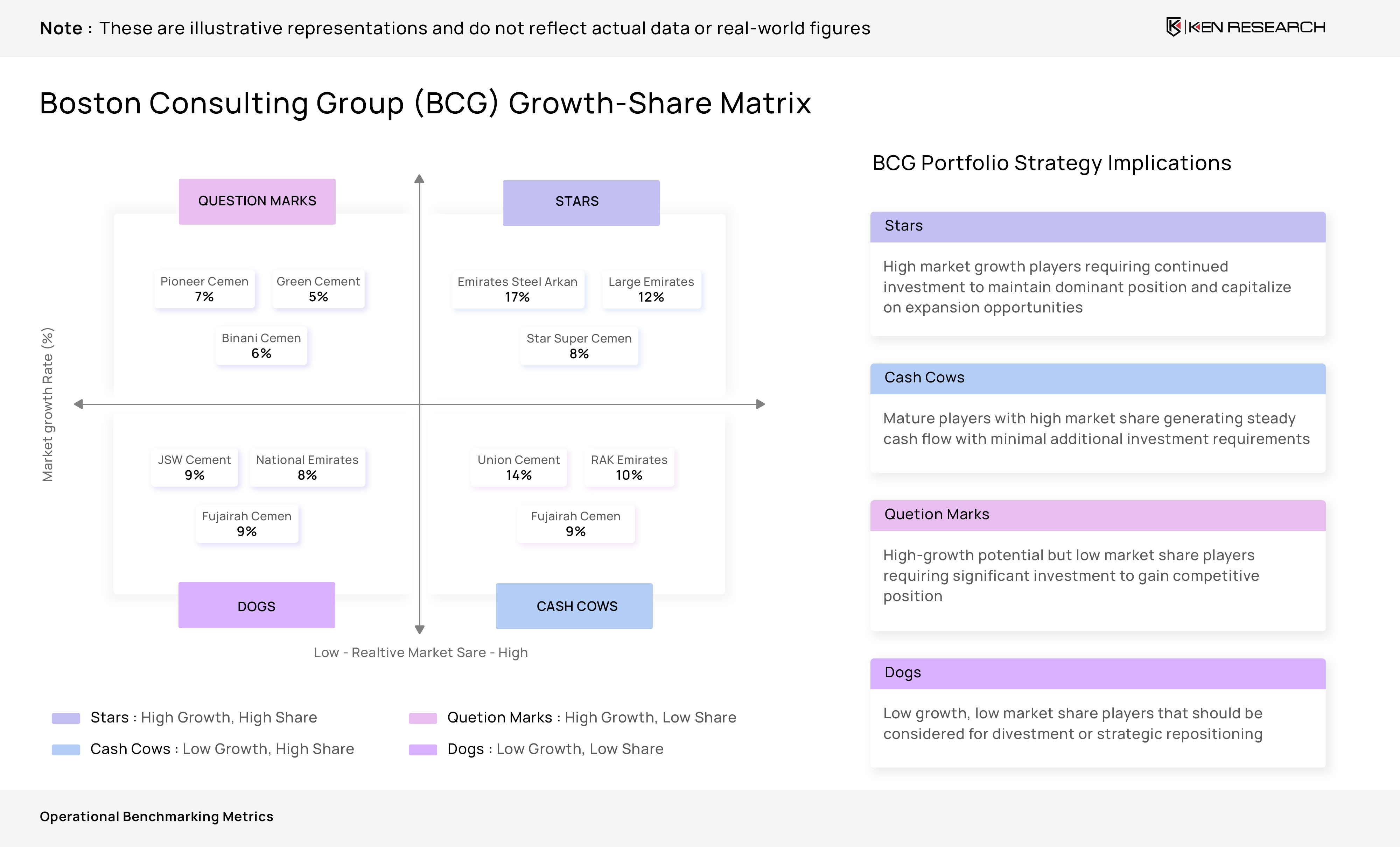
Ecosystem Matrix
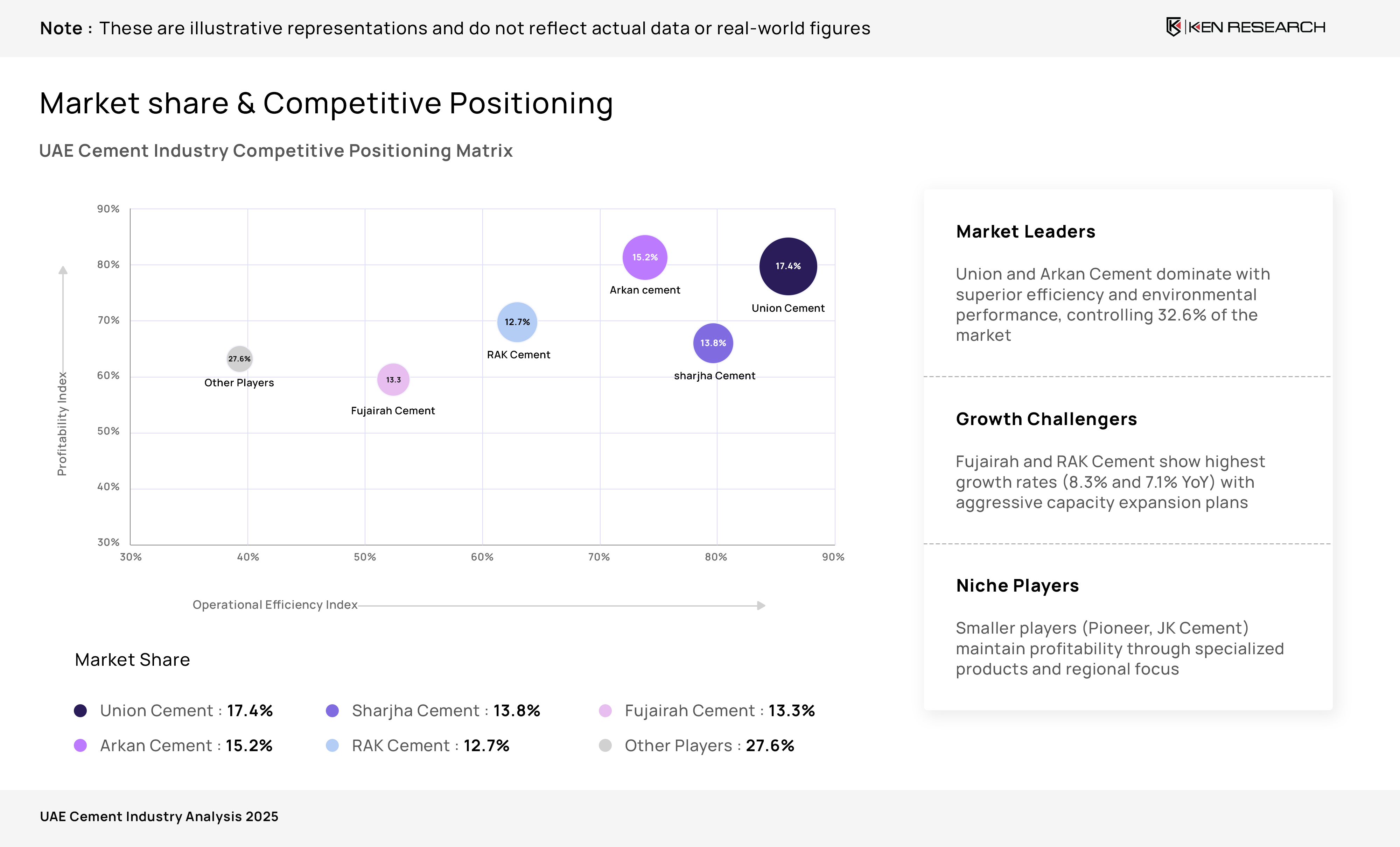
Bahrain’s gateway landscape is relatively concentrated at the top, with domestic infrastructure-led players and scaled regional PSPs controlling the strongest merchant access points through bank relationships, local method acceptance, and acquiring capabilities, while specialist challengers compete through onboarding speed and flexible integrations.
Market structure suggests that revenue share is most influenced by local debit acceptance, acquiring depth, enterprise merchant relationships, and multi-channel payment coverage; smaller firms remain relevant by targeting SMEs, social commerce, and plug-and-play integrations rather than broad domestic processing infrastructure.
Leading Player Profiles
Company Profile Overview
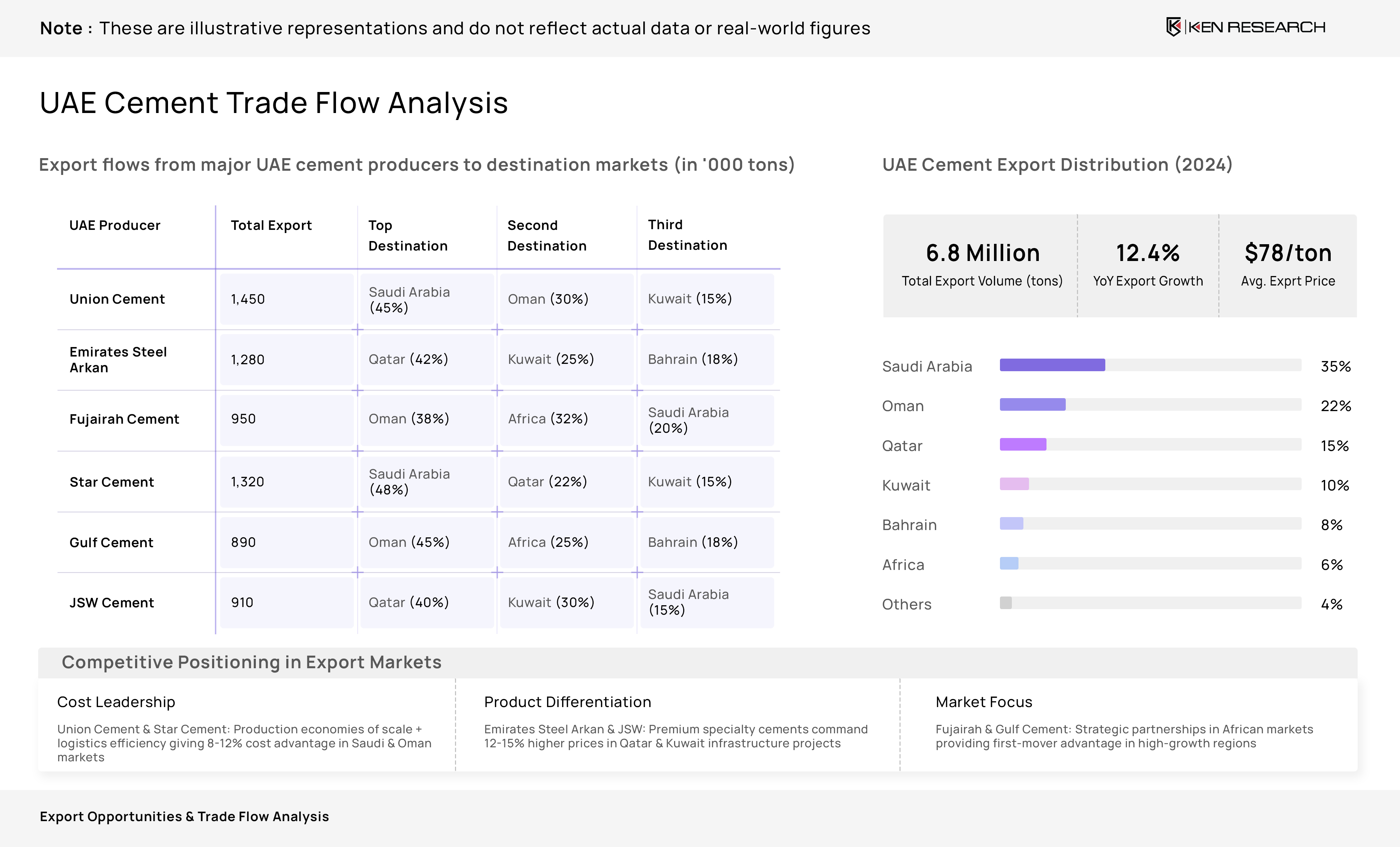
The benchmark universe shows Bahrain combining local infrastructure incumbents with GCC-scale PSPs, creating a market where leadership is not driven by company count alone but by acquiring licenses, domestic debit connectivity, enterprise merchant access, and product breadth across online and omnichannel acceptance.
Establishment patterns indicate mature domestic anchors coexisting with younger fintech-led challengers; older players generally hold stronger institutional distribution and settlement depth, while post-2014 entrants compete through orchestration, faster integration, and SME-focused digital onboarding models across Bahrain and the wider GCC.
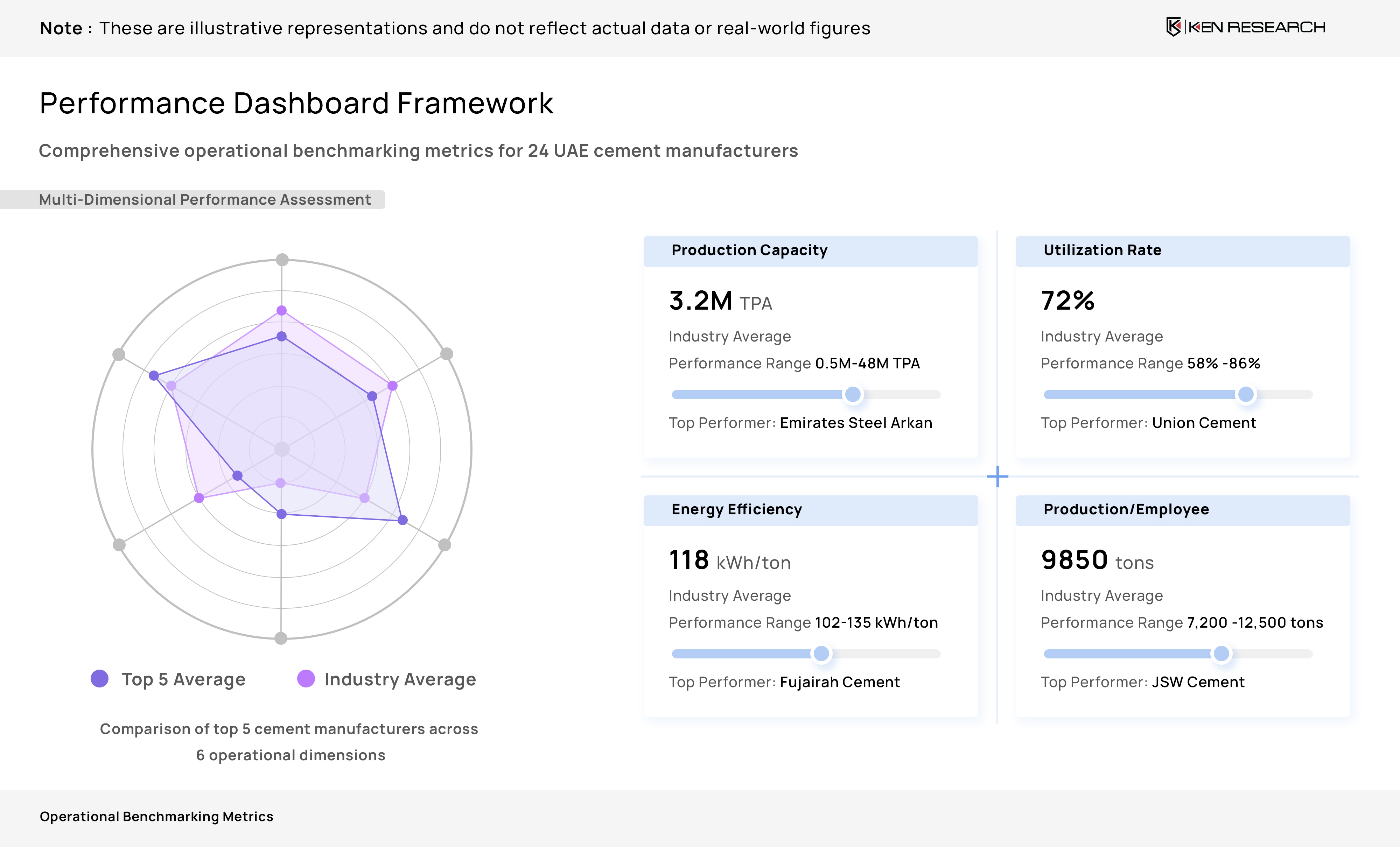
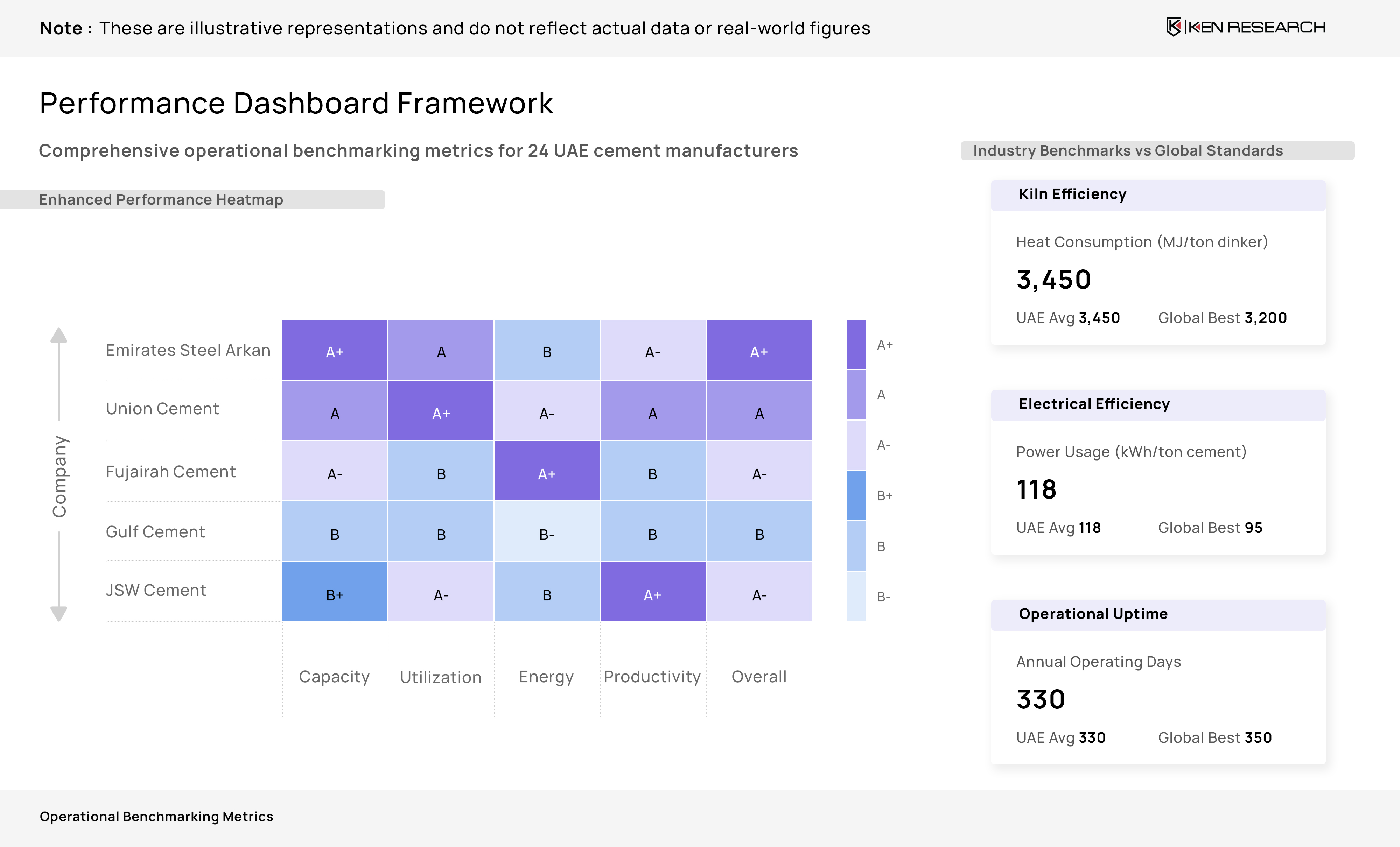
Key Operational Performance Metrics
Company Performance Overview
Unlock Market Insights
Dive deeper into production, distribution, and pricing intelligence.
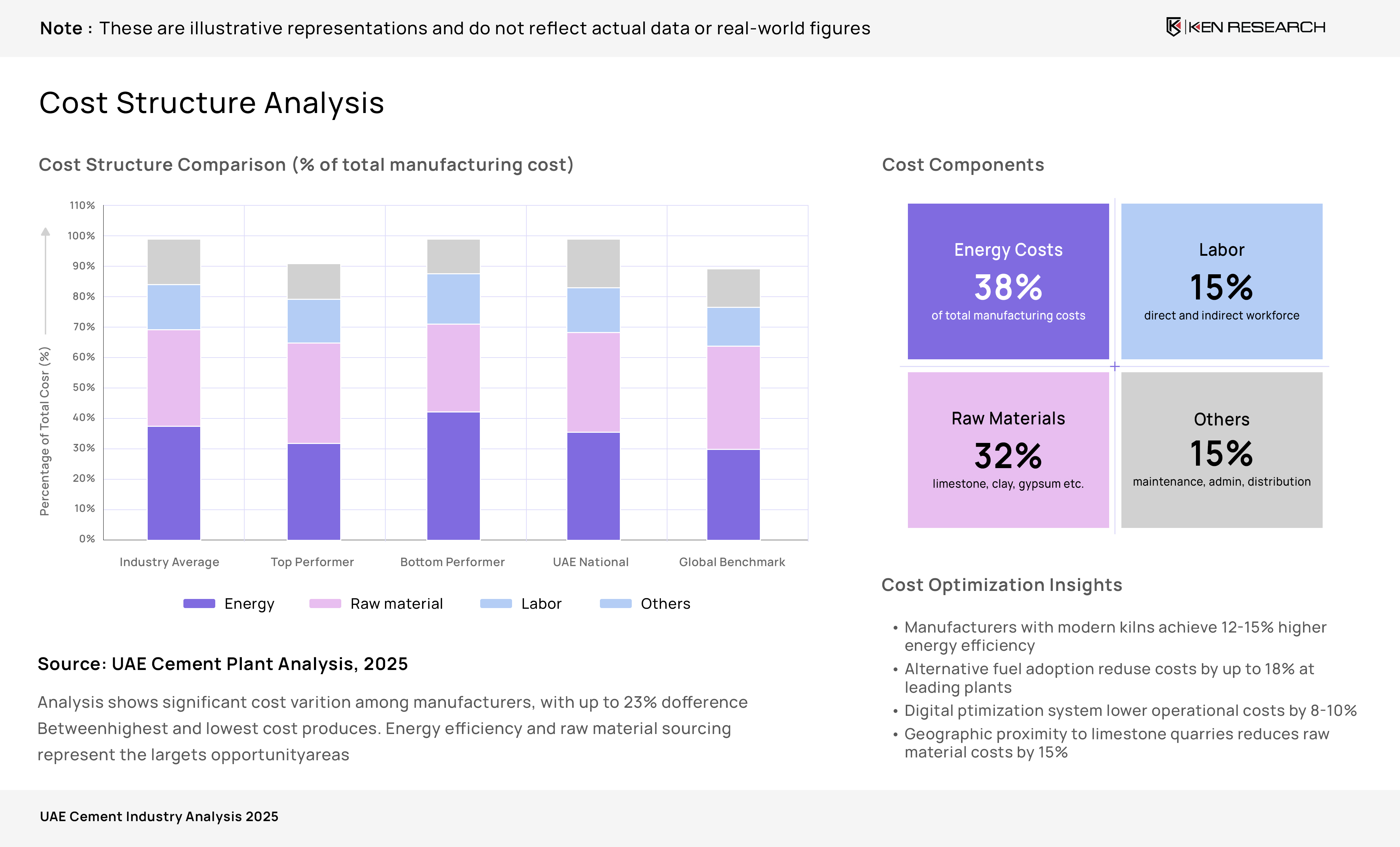
Get Customized ReportIn Bahrain, competitive advantage is likely to track payment volume concentration, merchant count quality, pricing discipline, and approval efficiency more than raw provider count, because these variables directly shape fee pools, retention economics, and wallet share across enterprise and SME merchant segments.
Providers with stronger recurring-payment penetration, higher conversion performance, and better cross-border mix are structurally better positioned to scale revenue without proportionate cost inflation, especially where payment links, tokenization, and value-added merchant tools deepen usage across Bahrain’s digital commerce base.
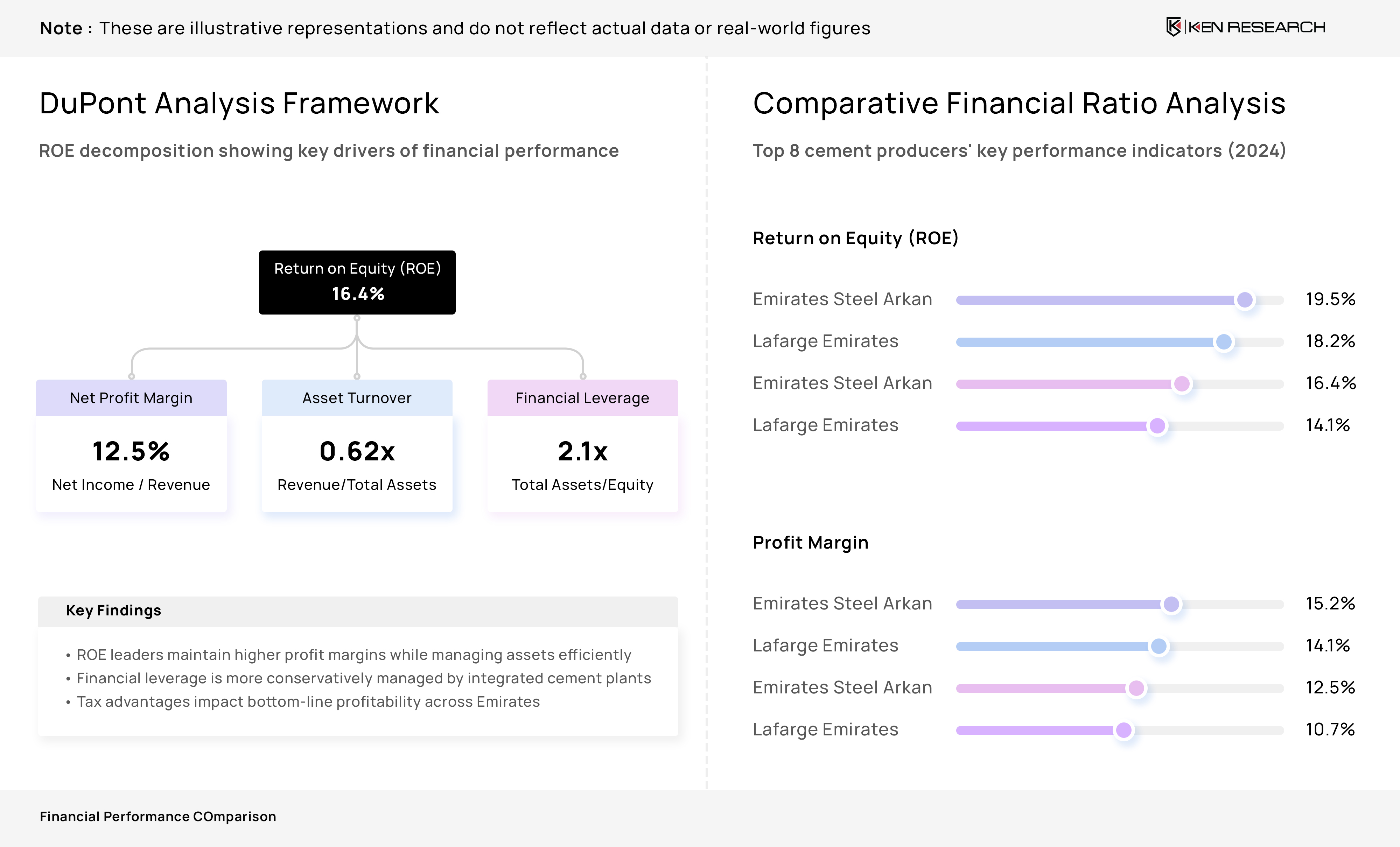
Core Financial Performance Metrics
Financial benchmarking in this market should focus on how effectively providers convert payment scale into margin, because processing-heavy models can grow revenue quickly yet still diverge materially on COGS absorption, EBITDA conversion, and bottom-line resilience.
Margin dispersion is expected to be widest between infrastructure-led domestic players, bank-linked acquirers, and fintech aggregators, as settlement architecture, fraud costs, merchant mix, and pricing power materially influence revenue growth quality rather than topline expansion alone.
Table of Contents
1. Ecosystem Matrix
1.1 Large Players
1.1.1 BENEFIT Company
1.1.2 Arab Financial Services (AFS)
1.1.3 CrediMax
1.1.4 National Bank of Bahrain (NBB)
1.1.5 PayTabs Group
1.1.6 Network International (benefit.bh)
1.2 Medium Players
1.2.1 Bahrain Islamic Bank (BisB)
1.2.2 Bank ABC
1.2.3 Tap Payments
1.2.4 Telr
1.2.5 HyperPay (BisB)
1.3 Small Players
1.3.1 eazy Financial Services (eazyPay)
1.3.2 Global Payment Services (GPS)
1.3.3 MyFatoorah
1.3.4 Checkout.com
2. Leading Player Profiles
2.1 Parameters
2.1.1 Company Name
2.1.2 Group Name
2.1.3 Headquarters
2.1.4 Established Year
2.1.5 Core Services
2.1.6 Mode of Functioning
2.2. Players
2.2.1 Wave Money
2.2.2 TrueMoney Myanmar
2.2.3 Ooredoo Money
2.2.4 MegaPay
2.2.5 MytelPay
2.2.6 OK Dollar
2.2.7 M-Pitesan
2.2.8 KBZPay
2.2.9 AYA Pay
2.2.10 ShwePay
2.2.11
2.2.20 ZPay
3. Key Operational Performance Metrics
3.1 Parameters
3.1.1 Gross Payment Volume (USD Mn)
3.1.2 Active Merchants (#)
3.1.3 Pricing / Take Rate (%)
3.1.4 Monthly Transactions (Mn)
3.1.5 Average Ticket Size (USD)
3.1.6 Payment Approval Rate (%)
3.1.7 Checkout Conversion Rate (%)
3.1.8 Recurring / Repeat Payment Mix (%)
3.1.9 Value-Added Services Penetration (%)
3.1.10 Cross-Border Payment Mix (% TPV)
4. Core Financial Performance Metrics
4.1 Parameters
4.1.1 Revenue (USD Mn)
4.1.2 Revenue Growth (%)
4.1.3 COGS (USD Mn)
4.1.4 COGS Growth (%)
4.1.5 EBITDA (USD Mn)
4.1.6 EBITDA Growth (%)
4.1.7 EBITDA Margin (%)
4.1.8 PAT (USD Mn)
4.1.9 PAT Margin (%)
5. Methodology
5.1 Approach
5.1.1 Desk Sources
5.1.2 Primary Interviews
5.1.3 Sanity Checking & Validation
5.2 Benchmarking Process
5.2.1 Data Collection
5.2.2 Primary Validation
5.2.3 Proxy KPI Modelling
5.2.4 Normalization & Indexing
5.2.5 Gap Analysis
5.2.6 Peer Review
5.3 Sample Composition
5.3.1 Scope Items
5.3.2 Sample Size
5.3.3 Target Respondents
Methodology
Ken Research will deploy its proprietary, multi layered research framework—combining robust secondary research, targeted primary outreach, and rigorous data validation—to deliver an authoritative competitive landscape analysis of the Bahrain Payment Gateway Providers Market. Proxy KPI construction will be tailored specifically to payment gateway economics, with emphasis on transaction-led and merchant-led revenue drivers such as gross payment volume, active merchant base, payment approval rates, recurring payment mix, cross-border mix, and take rate structures.
Desk Sources
- Industry reports, proprietary databases, and Ken Research archives covering fintech, merchant acquiring, digital payments, and transaction banking
- Company annual reports, investor presentations, corporate profiles, and merchant-services pages
- Government, regulator, and trade association publications, including central-bank and financial-sector sources
- Trade magazines, fintech journals, sector articles, and payments ecosystem commentary
- Financial databases and public corporate intelligence sources
- Web traffic, app usage, and digital engagement tools to validate merchant traction and product adoption
Primary Interviews
- CATIs and online surveys with payment gateway executives, merchant acquiring teams, and product leaders across gateway providers
- Discussions with category heads, business banking heads, payments product managers, and transaction banking leaders
- Interviews with senior sales and partnership leads at gateway providers, acquirers, and PSPs
- Inputs from ecommerce merchants, digital-first sellers, enterprise payment users, and aggregator merchants
- Perspectives from channel partners, implementation partners, API integrators, and payment technology vendors
- Inputs from industry analysts, consultants, and payments ecosystem specialists
Sanity Checking and Validation
- Triangulation of estimates using secondary disclosures, primary responses, proxy KPI outputs, and peer benchmarks
- Proxy KPI synthesis using merchant count, transaction throughput, digital traffic, approval rates, and payment-method breadth to estimate operating scale
- Outlier analysis to identify inconsistencies in revenue logic, merchant reach, or payment volume assumptions and reconcile through follow-up validation
- Assumption tracking through a structured log covering all estimation logic, proxy choices, and coverage limitations
- Internal peer review of methodology, proxy models, and benchmarking outputs before finalization
- Consistency checks across operating model type, merchant segment focus, and financial-output plausibility
An Inside Look At Our Custom Insights
Take a look at ourcustomized insights, tailored to yourmarket and business needs. Our benchmarking reports deliver data-driven comparisons of key players, helping you uncover opportunities, assess performance, and make confident strategic decisions.