Egypt Agricultural Equipment Market
Published on: December 2025
Report Overview
Egypt Agricultural Equipment Market Overview
Market Highlights
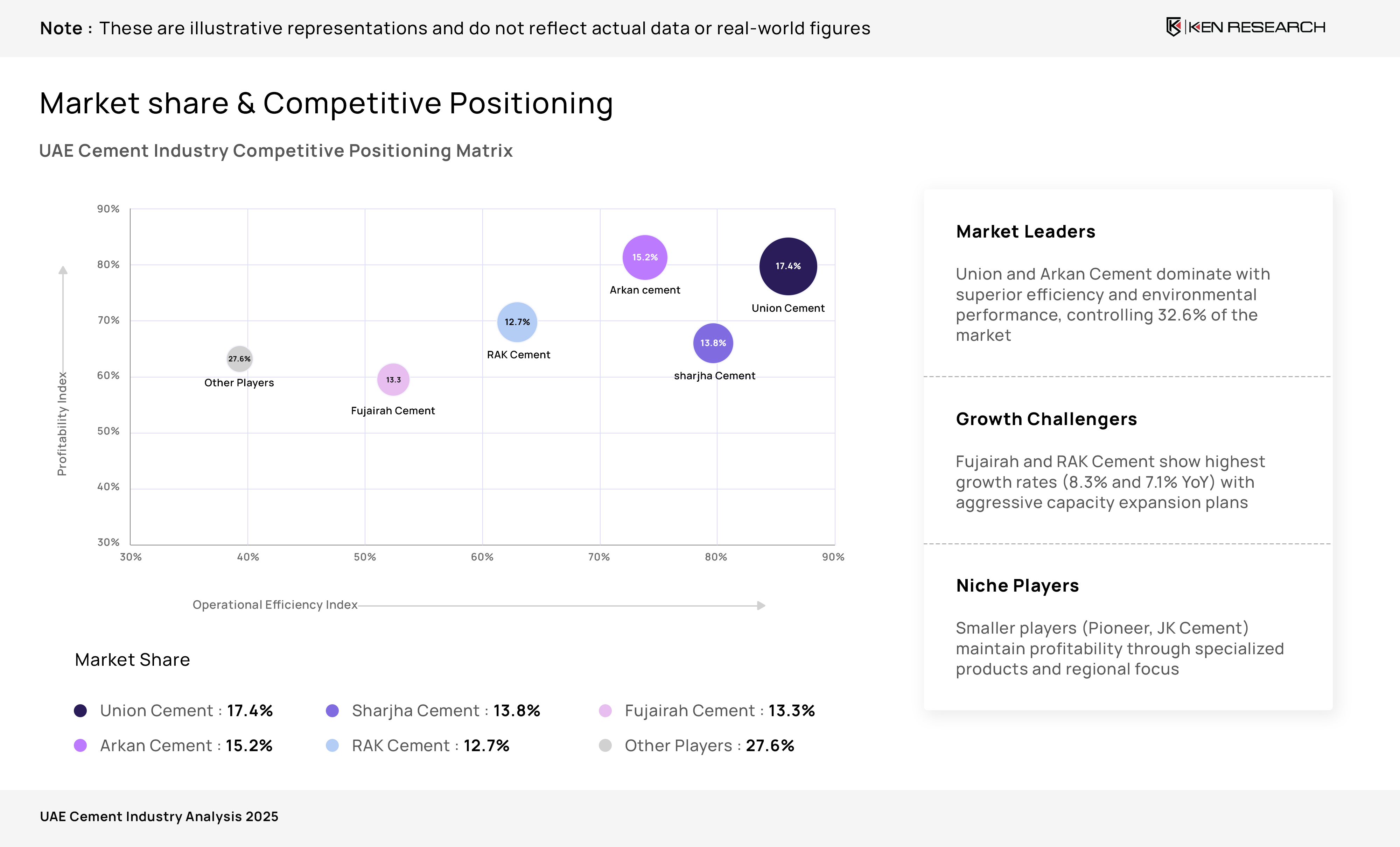
The Egypt Agricultural Equipment Market showcases a diverse competitive structure, where multinational corporations, regional manufacturers, and local firms engage in a dynamic interplay. Multinationals leverage their global expertise and resources, while regional players focus on tailored solutions that resonate with local agricultural practices, and local firms capitalize on agility and niche offerings to carve out market share.
Innovation from global leaders is increasingly blended with localized adaptations, as companies tailor their agricultural technologies to meet the specific needs of Egyptian farmers. This includes the integration of advanced machinery with local farming techniques, ensuring that solutions are both cutting-edge and contextually relevant, thereby enhancing productivity and sustainability.
The distribution and aftersales ecosystem is critical in fostering customer loyalty and operational efficiency. Strategic partnerships among manufacturers, distributors, and service providers enhance the accessibility of agricultural equipment, while robust aftersales support, including maintenance and training, ensures that users can maximize the value of their investments in equipment.
Business strategies within the market are evolving, with a strong emphasis on efficiency, cost management, and technology integration. Companies are increasingly adopting sustainable practices and innovative approaches to remain competitive, focusing on agility and responsiveness to market changes, which are essential for navigating the complexities of the agricultural landscape in Egypt.
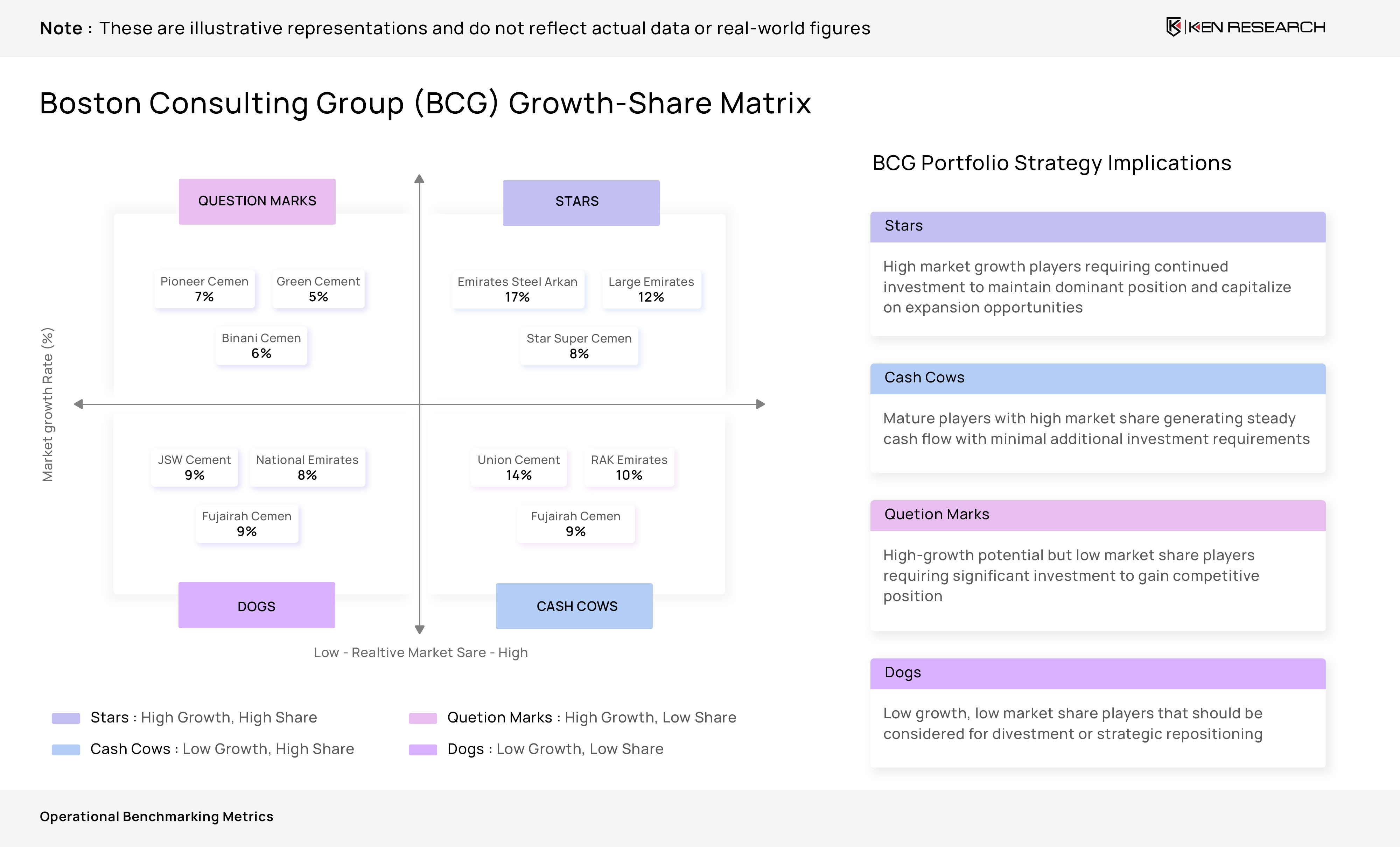
Ecosystem Matrix
Egypt’s agricultural equipment ecosystem is characterized by a few dominant large companies with nationwide coverage, supported by medium-sized firms focusing on regional demand and niche equipment, while small players mostly operate locally with limited product range and distribution reach.
Large enterprises dominate the market in terms of capacity, after-sales service, and dealership network, while medium and small firms drive innovation in affordable mechanization, customized implements, and serve as critical last-mile suppliers in rural regions.
Leading Player Profiles
Company ProfileOverview
The large and established groups dominate distribution and nationwide service, while newer medium and small enterprises increasingly compete on specialized implements and affordable mechanization.
Most companies operate in distribution with limited manufacturing capacities, showcasing Egypt’s dependency on imports for advanced tractors and harvesters but rising domestic production in small to mid-sized equipment.
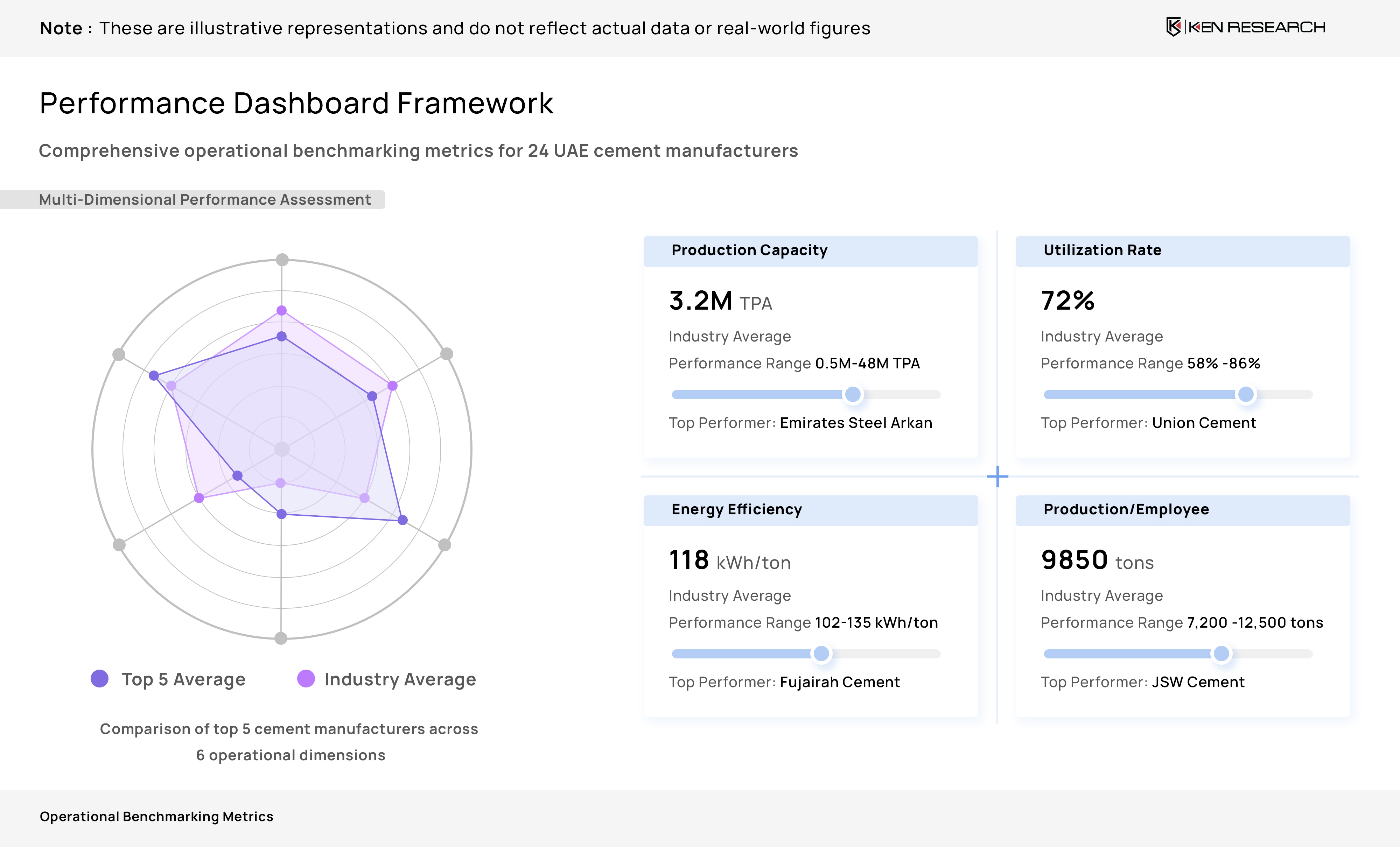
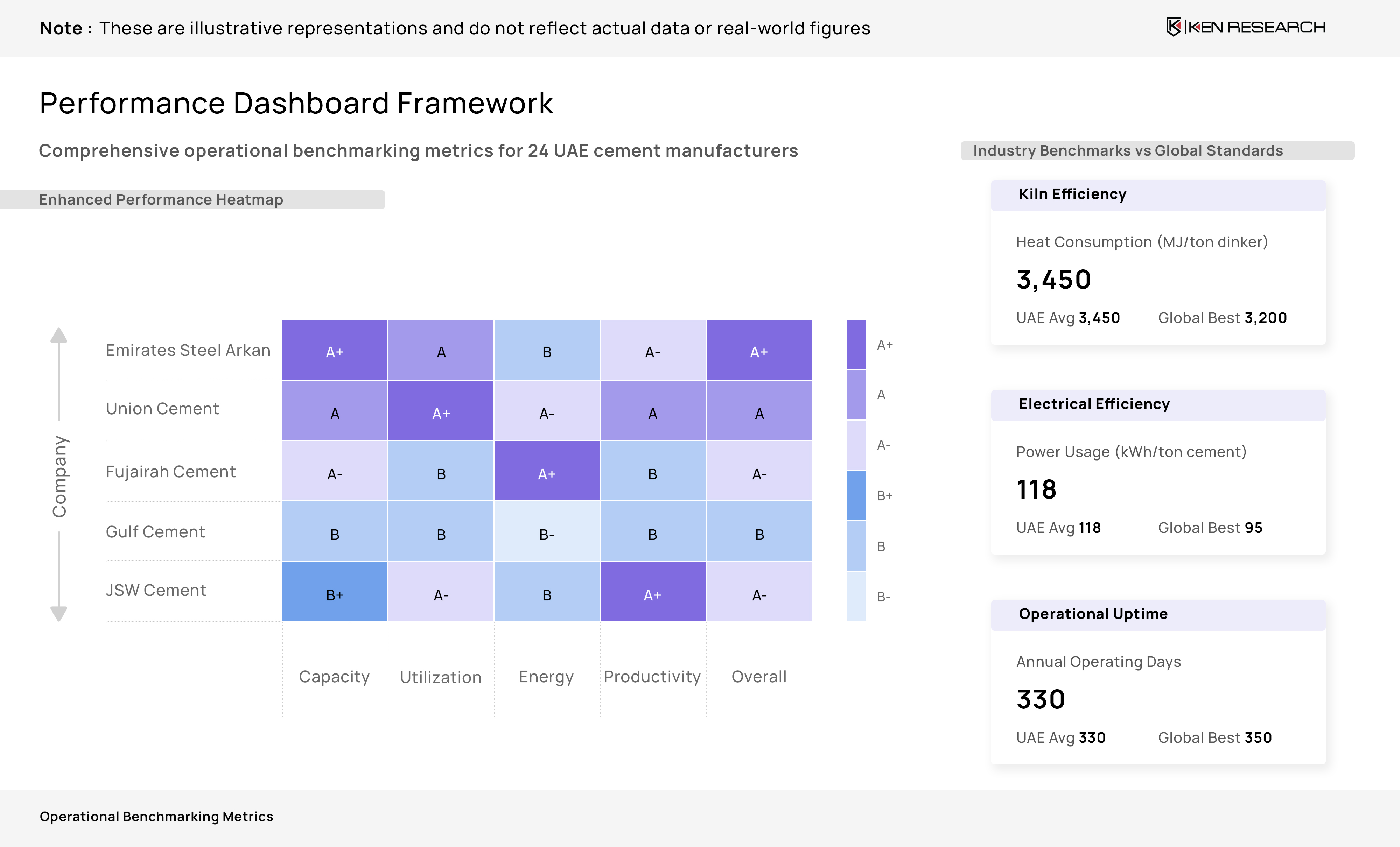
Key Operational Performance Metrics
Company Performance Overview
Unlock Market Insights
Dive deeper into production, distribution, and pricing intelligence.
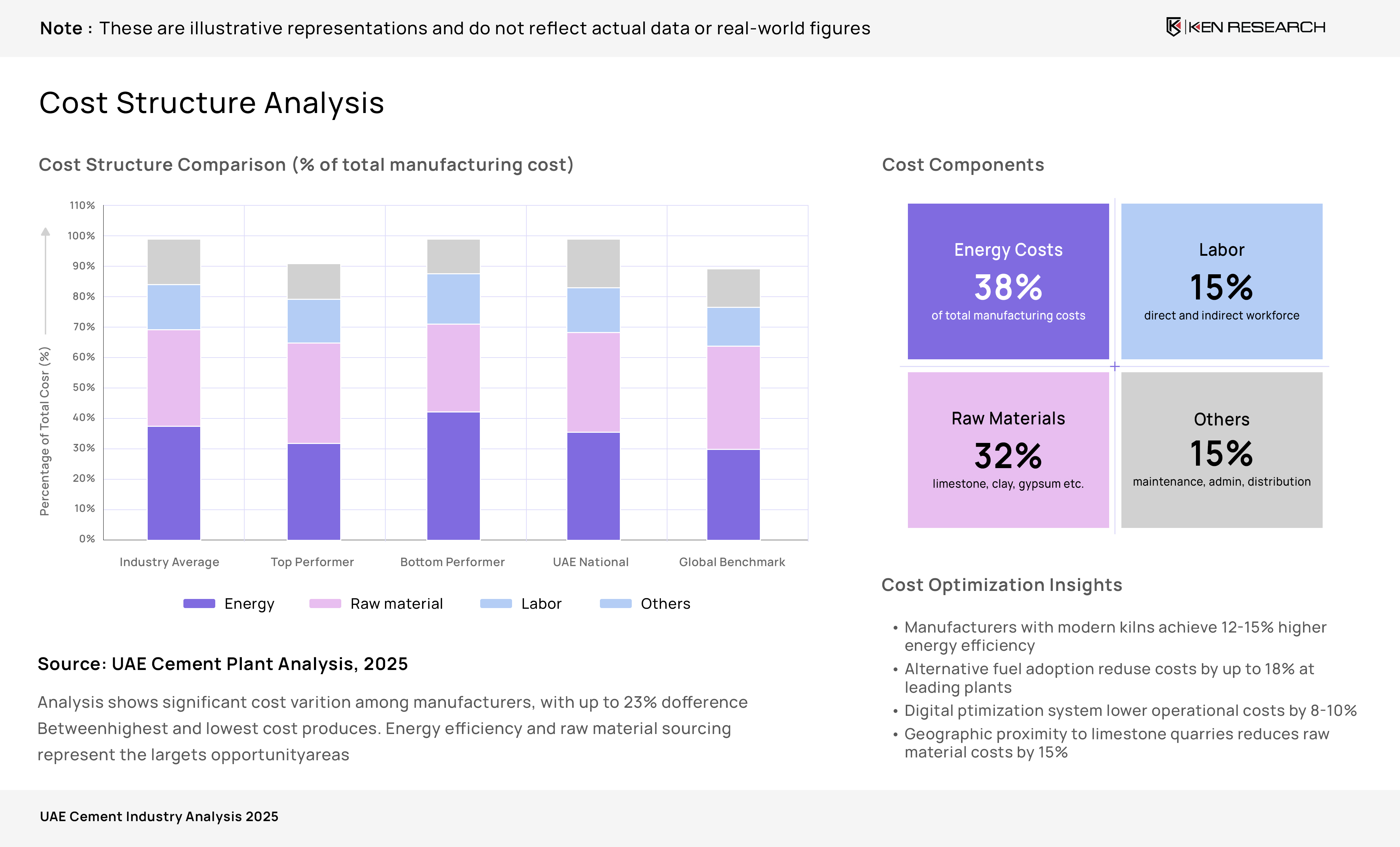
Get Customized ReportOperational benchmarking highlights capacity and distribution gaps between large nationwide players and small local firms. Pricing, dealer network, and after-sales service remain primary revenue drivers in Egypt’s fragmented agricultural equipment sector.
Companies with stronger local manufacturing presence and broader service coverage are more resilient to import cost fluctuations and better positioned to scale within rural mechanization demand growth.
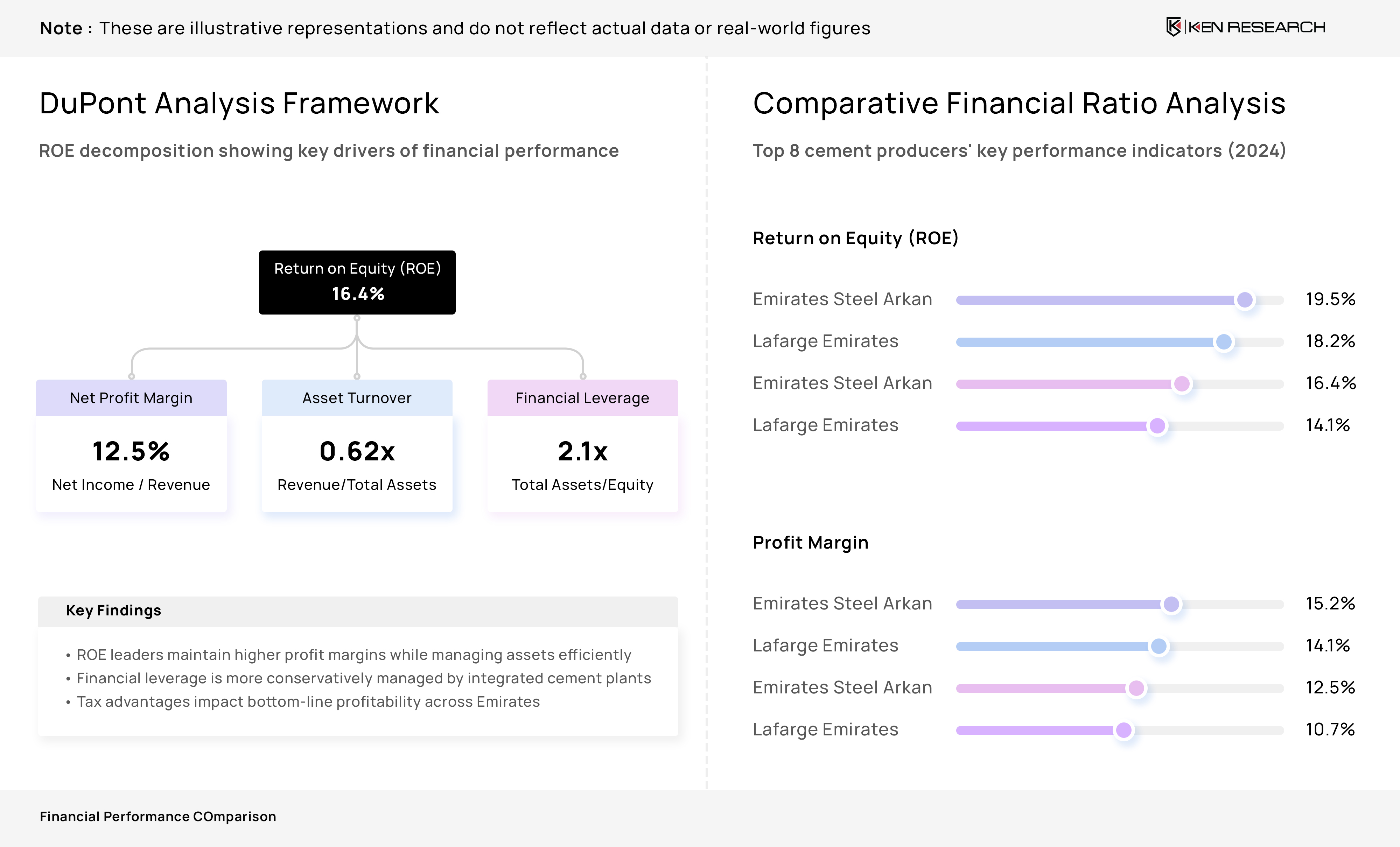
Core Financial Performance Metrics
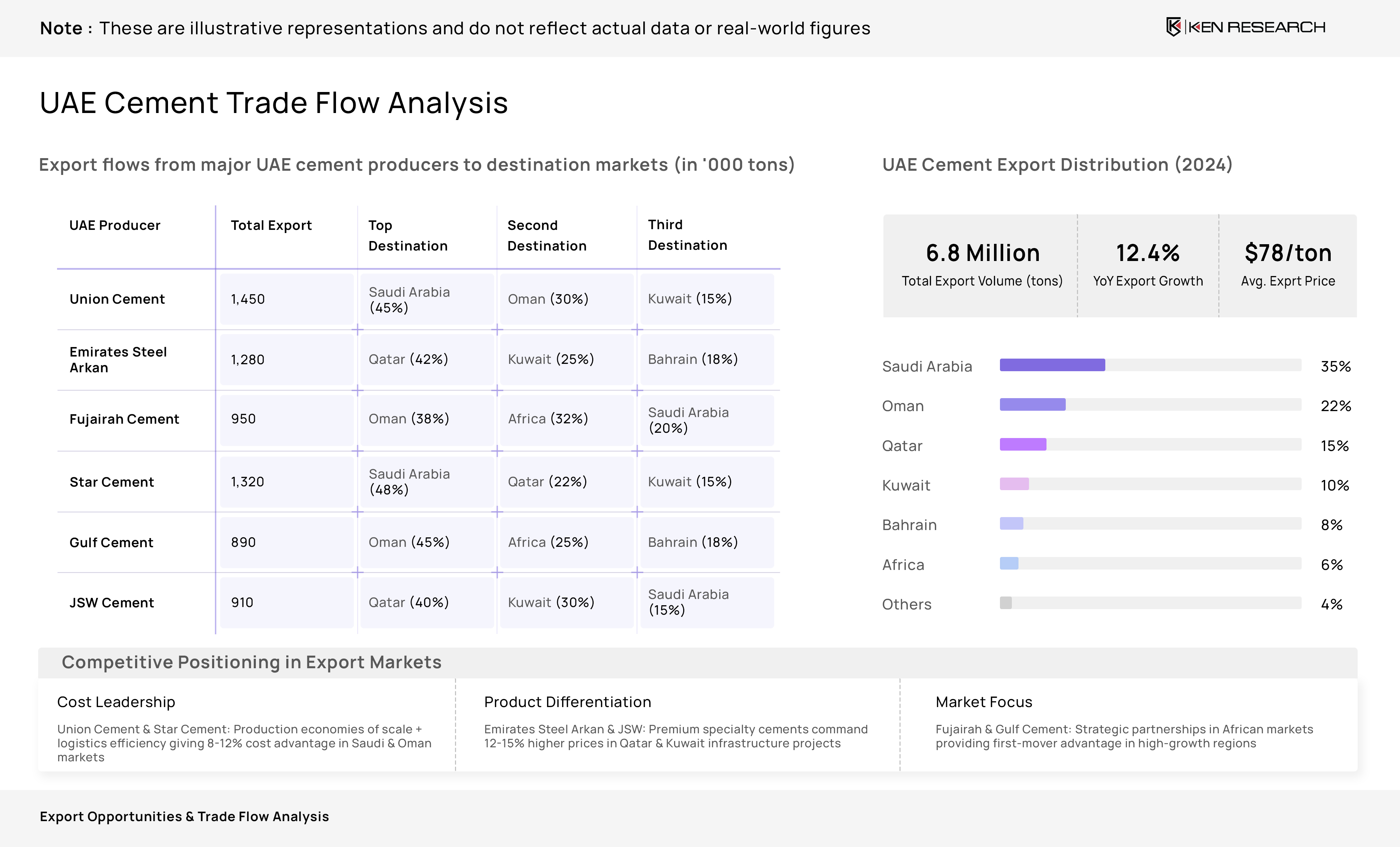
Financial benchmarking highlights revenue dependency on imports and currency exposure. Large players sustain margins through scale and distribution efficiencies, while small players face thinner margins due to higher input costs and weaker brand positioning.
EBITDA and PAT margins reflect operational scalability, with domestic manufacturers gaining advantage in cost structures versus import-dependent distributors.
Table of Contents
1. Ecosystem Matrix
1.1 Large Players
1.1.1
Al Fath for Agricultural Equipment
1.1.2
El Banha Company for Agricultural Engineering
1.1.3
Misr Tractor & Equipment Co. (MT&E)
1.1.4
United Co. for Agricultural Equipment
1.1.5
Al Gomhoria Company for Agricultural Services
1.1.6
El Shark Company for Equipment
1.1.7
Cairo Engineering Industries
1.2 Medium Players
1.2.1
Al Rowad for Agricultural Equipment
1.2.2
Middle East Tractors
1.2.3
Nile Agricultural Equipment
1.2.4
Agro Egypt Engineering
1.2.5
Delta Agriculture Equipment
1.2.6
Al Nour Agricultural Machinery
1.3 Small Players
1.3.1
El Watania Equipment
1.3.2
Green Land Agricultural Machinery
1.3.3
Modern Tech Agro
1.3.4
El Salam Machinery
1.3.5
Future Agro Equipment
2. Leading Player Profiles
2.1 Company Name
2.2 Group Name
2.3 Headquarters
2.4 Established Year
2.5 Core Product Focus
2.6 Mode of Functioning
3. Key Operational Performance Metrics
3.1 Production Capacity (Units/Year)
3.2 Number of Dealers
3.3 Number of Service Centers
3.4 Import Share (%)
3.5 Local Manufacturing Share (%)
3.6 Distribution Coverage
3.7 Export Share (%)
3.8 Pricing (USD Mn)
4. Core Financial Performance Metrics
4.1 Parameters
4.1.1 Revenue (USD Mn)
4.1.2 Revenue Growth (%)
4.1.3 COGS (USD Mn)
4.1.4 COGS Growth (%)
4.1.5 EBITDA (USD Mn)
4.1.6 EBITDA Growth (%)
4.1.7 EBITDA Margin (%)
4.1.8 PAT (USD Mn)
4.1.9 PAT Margin (%)
5. Methodology
5.1 Approach
5.1.1 Desk Sources
5.1.2 Primary Interviews
5.1.3 Sanity Checking & Validation
5.2 Benchmarking Process
5.2.1 Data Collection
5.2.2 Primary Validation
5.2.3 Proxy KPI Modelling
5.2.4 Normalization & Indexing
5.2.5 Gap Analysis
5.2.6 Peer Review
5.3 Sample Composition
5.3.1 Scope Items
5.3.2 Sample Size
5.3.3 Target Respondents
Methodology
Ken Research will deploy its proprietary, multi-layered research framework—combining robust secondary research, targeted primary outreach, and rigorous data validation—to deliver an authoritative competitive landscape analysis of the Egypt Agricultural Equipment Market. The methodology integrates operational parameters, proxy KPIs, and financial benchmarking to evaluate leading players and market positioning.
Desk Sources
- Industry reports from proprietary databases and Ken Research archives
- Company annual reports and investor presentations
- Government and trade association publications, including Ministry of Agriculture, CAPMAS, and agricultural cooperatives
- Trade magazines, journals, and sector-specific online portals
- Financial databases such as Bloomberg, Capital IQ, and Orbis
- Web traffic and digital dashboards including SimilarWeb and App Annie
Primary Interviews
- CATIs and online surveys with key stakeholders
- Category managers and R&D heads of agricultural equipment manufacturers
- Senior sales and marketing leaders at leading local players
- Distributors and dealer networks
- Agricultural service providers, machinery importers, independent industry consultants, and policy experts
Sanity Checking & Validation
- Triangulation to cross-verify secondary data, primary inputs, and proxy model outputs
- Proxy KPI synthesis using installed base, dealer count, service coverage, and import share to estimate revenues or capacities
- Outlier analysis to identify and reconcile anomalous datapoints through follow-up discussions
- Assumption tracking with documented limitations and proxy KPI sources
- Internal peer review of methodology, analytical models, and key outputs before finalization
An Inside Look At Our Custom Insights
Take a look at ourcustomized insights, tailored to yourmarket and business needs. Our benchmarking reports deliver data-driven comparisons of key players, helping you uncover opportunities, assess performance, and make confident strategic decisions.