Egypt CEP Market
Published on: November 2025
Report Overview
Egypt CEP Market Overview
Market Highlights
The Egypt CEP Market showcases a diverse competitive structure, where multinational corporations, regional manufacturers, and local firms engage in a dynamic interplay. Multinationals leverage their global expertise and resources, while regional players focus on tailored solutions that resonate with local market needs, and local firms capitalize on agility and niche offerings to carve out their market share.
Innovation from global players is seamlessly integrated with localized adaptations, as companies customize their products and services to meet the unique demands of the Egyptian market. This includes the development of region-specific technologies and partnerships that enhance the relevance and effectiveness of their offerings in local contexts.
The distribution and aftersales ecosystem is critical in ensuring customer satisfaction and operational efficiency. Collaborations among manufacturers, distributors, and service providers are essential for creating a robust network that supports timely delivery and comprehensive aftersales support, thereby enhancing overall user experience and trust in the market.
Strategic business approaches emphasize efficiency, cost management, and technology integration, with a growing focus on sustainability. Companies are increasingly adopting innovative practices and agile methodologies to stay competitive, ensuring that they not only meet current market demands but also anticipate future trends and challenges in the evolving landscape of the Egypt CEP Market.
Ecosystem Matrix
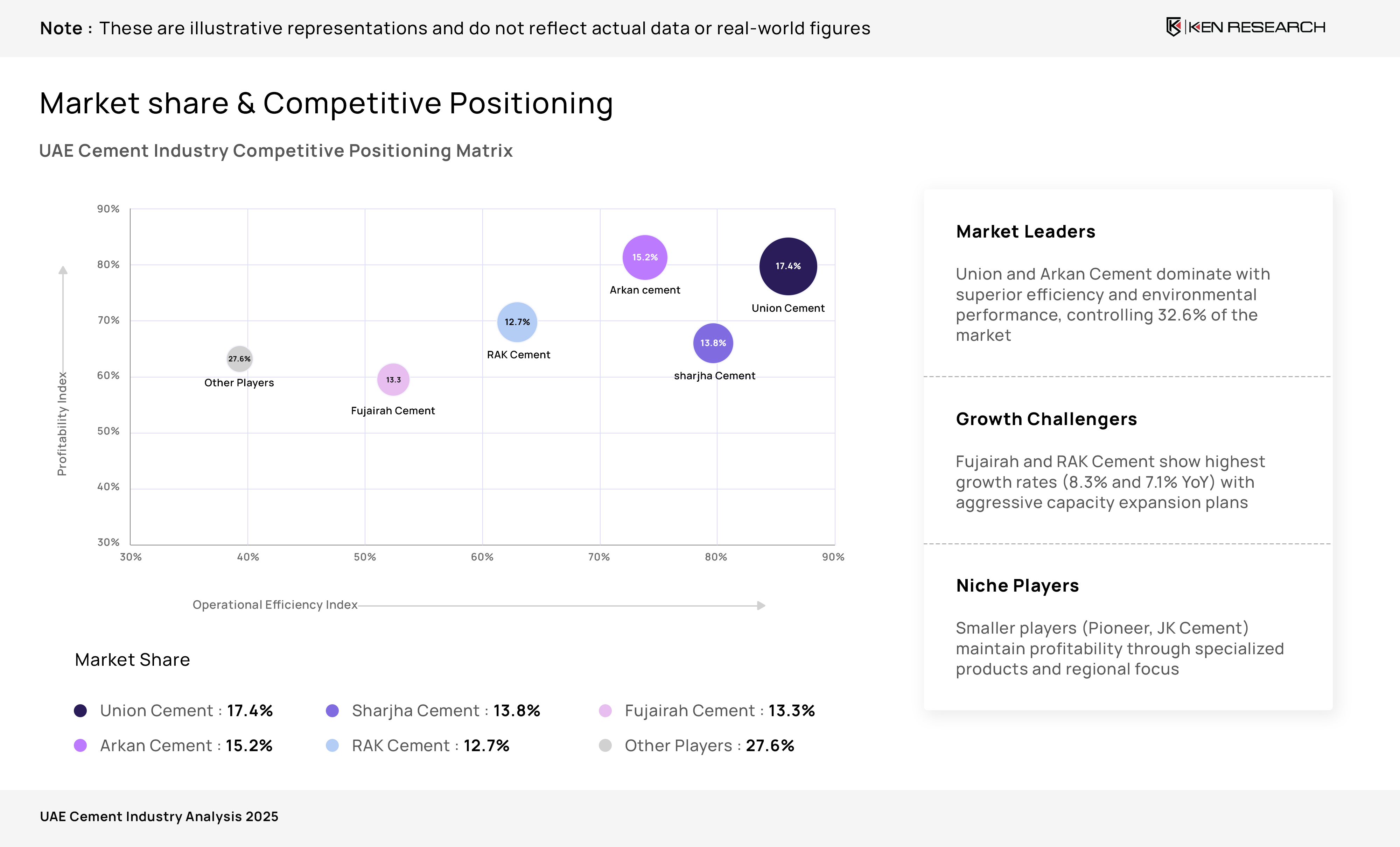
The ecosystem is anchored by global integrators and the national postal operator, offering comprehensive networks, premium service tiers, and extensive branch footprints.
Midtier and local tech driven entrants focus on ecommerce integrations, same day options, and API based platforms, while smaller couriers specialize in niche last mile and on demand deliveries.
Leading Player Profiles
Company Profiles Overview
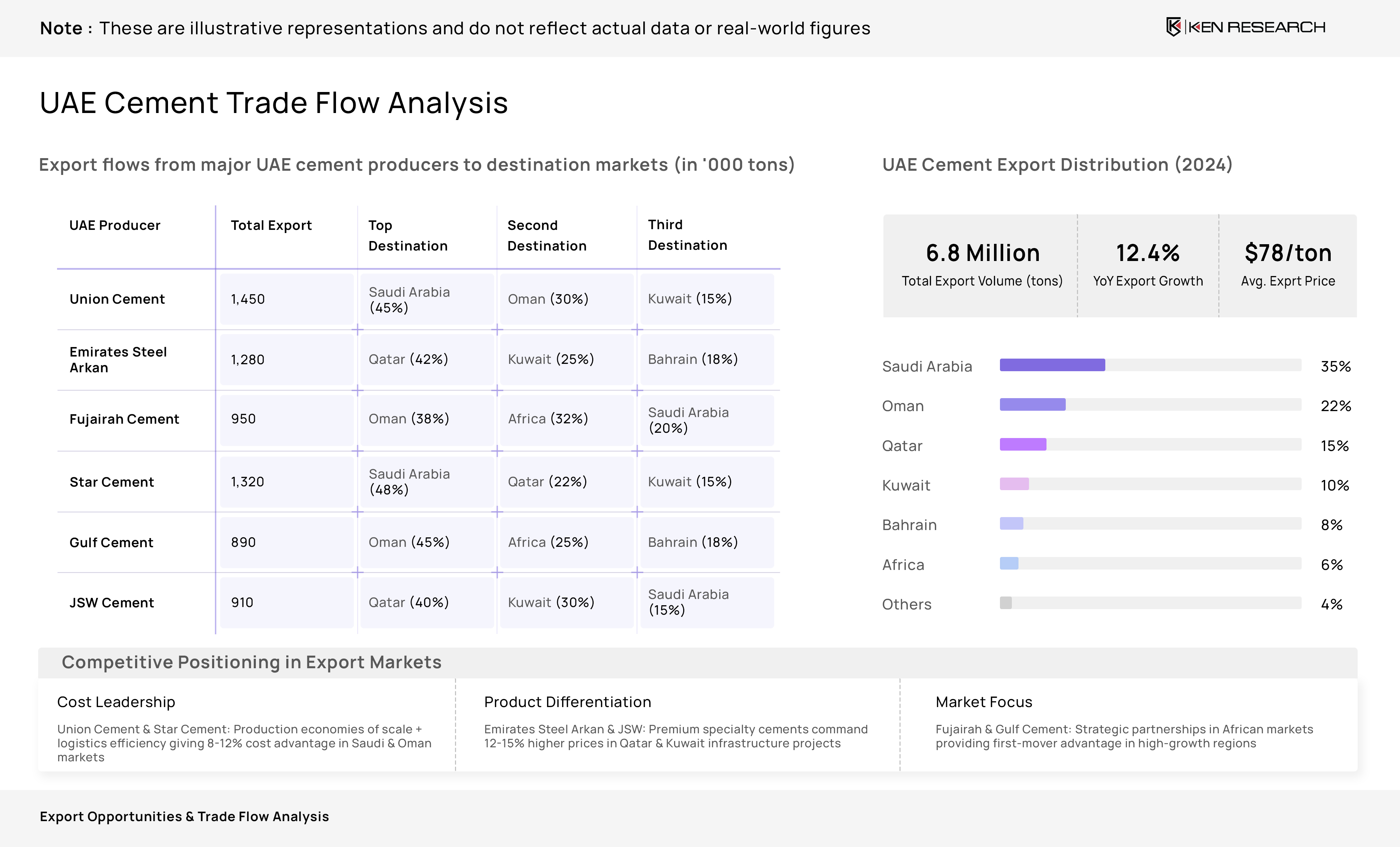
Profiles span century old postal services (Egypt Post) and heritage integrators (UPS, FedEx) to digital native disruptors (<2018) specializing in on demand and ecommerce.
Headquarters centralized in Cairo reflect Egypt’s logistics hub, with service portfolios covering everything from medical couriers to cross border ecommerce.
Key Operational Performance Metrics
Company Performance Overview
Unlock Market Insights
Dive deeper into production, distribution, and pricing intelligence.
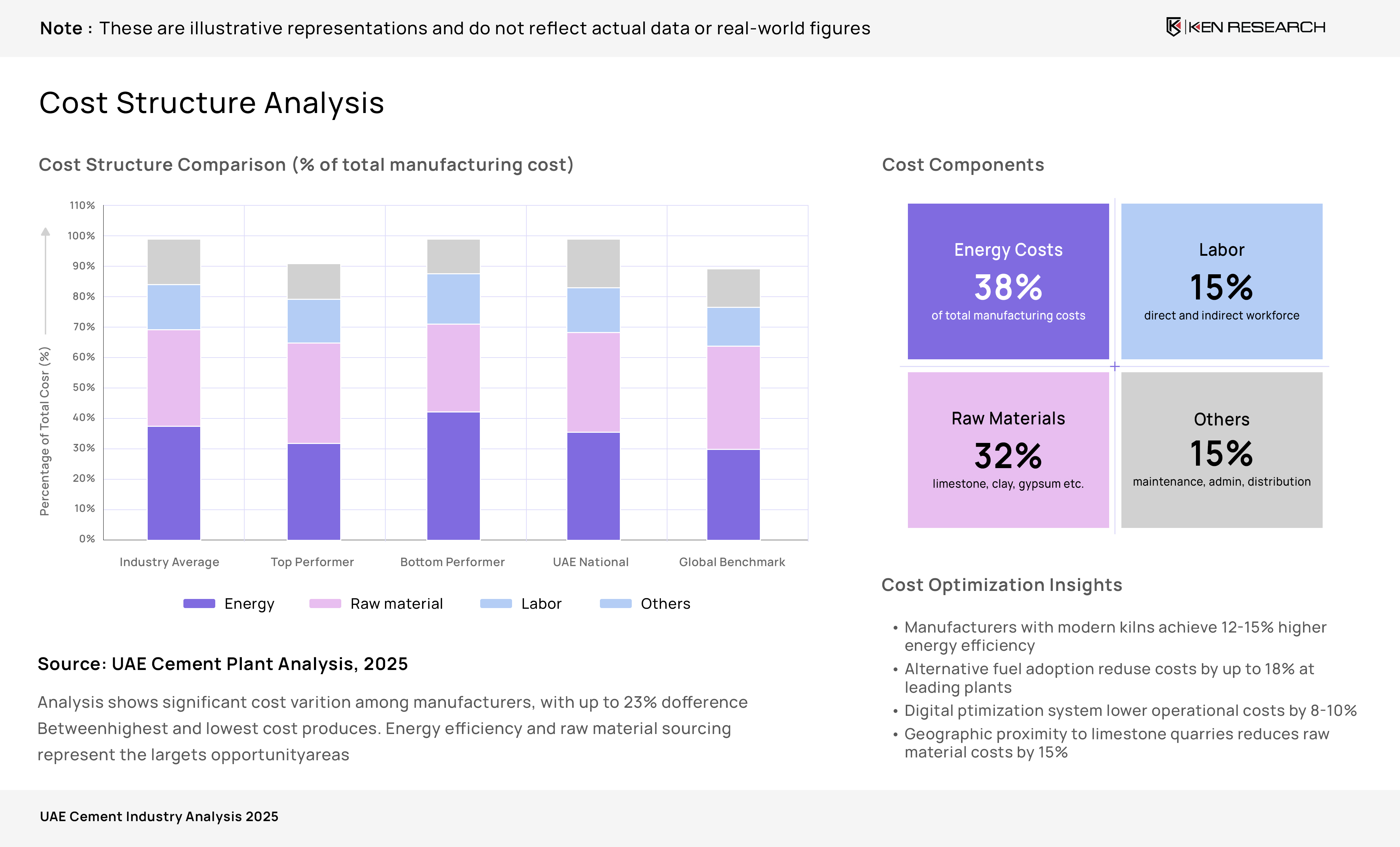
Get Customized ReportNetwork density and fleet scale are core drivers of coverage and speed; on‑time rates reflect operational excellence across urban and intercity routes.
High COD adoption underscores cash preference, while digital booking share reveals the pace of customer channel migration toward online platforms.
Core Financial Performance Metrics
Revenue growth versus EBITDA growth delineates which players invest heavily in expansion versus those optimizing for margin.
COGS ratios highlight cost pressures—fuel, labor, digital infrastructure—and their impact on overall profitability.
Table of Contents
1. Ecosystem Matrix
1.1 Large Players
1.1.1 Aramex Egypt
1.1.2 DHL Egypt
1.1.3 FedEx Egypt
1.1.4 UPS Egypt
1.1.5 Egypt Post
1.1.6 TNT Egypt
1.1.7 SkyNet Egypt
1.1.8 OTL Express
1.2 Medium Players
1.2.1 Bosta
1.2.2 Fetchr Egypt
1.2.3 Mylerz
1.2.4 Wasalny
1.2.5 DHL eCommerce Egypt
1.2.6 Spinnaker Express
1.3 Small Players
1.3.1 RoadRunner Egypt
1.3.2 Medeor Courier
1.3.3 Delta Courier
1.3.4 E Fast Courier
1.3.5 Click2Ship
1.3.6 FastEgypt
2. Leading Player Profiles
2.1 Company Name
2.2 Group Name
2.3 Headquarters
2.4 Established Year
2.5 Core Services
3. Key Operational Performance Metrics
3.1 Average Delivery Price (USD per Parcel)
3.2 Branch Network Coverage (Cities)
3.3 Fleet Size (Vehicles)
3.4 Average Transit Time (Days)
3.5 On-Time Delivery Rate (%)
3.6 Cash-on-Delivery Rate (%)
3.7 Digital Booking Share (%)
3.8 Warehouse Footprint (Square Meters)
4. Core Financial Performance Metrics
4.1 Parameters
4.1.1 Revenue (USD Mn)
4.1.2 Revenue Growth (%)
4.1.3 COGS (USD Mn)
4.1.4 COGS Growth (%)
4.1.5 EBITDA (USD Mn)
4.1.6 EBITDA Growth (%)
4.1.7 EBITDA Margin (%)
4.1.8 PAT (USD Mn)
4.1.9 PAT Margin (%)
5. Methodology
5.1 Approach
5.1.1 Desk Sources
5.1.2 Primary Interviews
5.1.3 Sanity Checking & Validation
5.2 Benchmarking Process
5.2.1 Data Collection
5.2.2 Primary Validation
5.2.3 Proxy KPI Modelling
5.2.4 Normalization & Indexing
5.2.5 Gap Analysis
5.2.6 Peer Review
5.3 Sample Composition
5.3.1 Scope Items
5.3.2 Sample Size
5.3.3 Target Respondents
Methodology
Ken Research will deploy its proprietary, multi‑layered research framework—combining robust secondary research, targeted primary outreach, and rigorous data validation—to deliver an authoritative competitive landscape analysis of the Egypt CEP market. All proxy KPIs are tailored to delivery network scale, service reliability, and digital maturity.
Desk Sources
- Industry research reports and proprietary insights from Ken Research archives and global advisory firms
- Company annual reports, investor presentations, and public disclosures from leading CEP operators
- Government and trade association publications related to logistics, digital trade, and postal services
- Trade journals and sector-specific logistics blogs covering CEP and last-mile delivery developments
- Financial and corporate intelligence databases for company-level and industry analysis
Primary Interviews
- Structured CATIs and online surveys with operations and network managers at major CEP providers
- Discussions with e-commerce and retail logistics heads managing high-volume delivery flows
- Interviews with fintech and payment platform leaders focused on cash-on-delivery integrations
- Inputs from last-mile supervisors and fleet coordinators overseeing delivery execution
Sanity Checking & Validation
- Triangulation of secondary research, primary inputs, and proxy-based analytical models
- Use of operational proxies such as branch networks, fleet deployment, and transit efficiency to synthesize capacity and revenue indicators
- Identification and reconciliation of outliers through targeted follow-up discussions
- Systematic documentation of assumptions, methodologies, and limitations
- Internal peer review and expert validation of analytical approach, models, and final outputs
An Inside Look At Our Custom Insights
Take a look at ourcustomized insights, tailored to yourmarket and business needs. Our benchmarking reports deliver data-driven comparisons of key players, helping you uncover opportunities, assess performance, and make confident strategic decisions.