Egypt Edible Oil Market
Published on: December 2025
Report Overview
Egypt Edible Oil Market Overview
Market Highlights
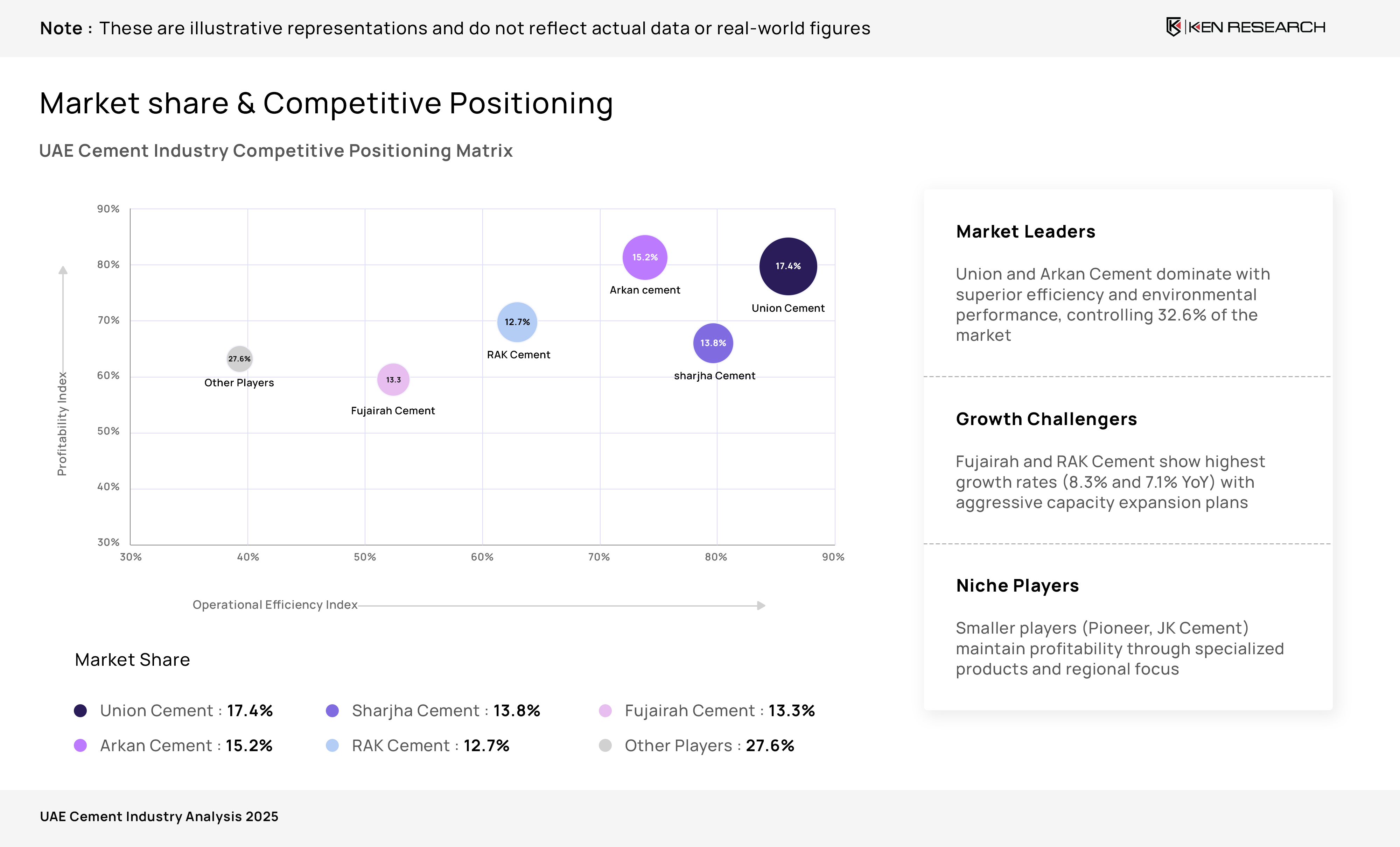
The Egypt Edible Oil Market showcases a diverse competitive structure, where multinational corporations, regional manufacturers, and local firms engage in a dynamic interplay. Multinationals leverage their extensive resources for efficiency, while regional players focus on tailored offerings that resonate with local consumer preferences, and local firms capitalize on agility and niche markets.
Innovation from global players is seamlessly integrated with localized strategies, as companies adapt their product offerings to meet the unique tastes and dietary habits of Egyptian consumers. This synergy fosters a robust ecosystem where technology and tradition coalesce, enhancing product relevance and market penetration.
The distribution and aftersales landscape is critical, with strategic partnerships enhancing accessibility and service reliability. A collaborative approach among manufacturers, distributors, and retailers ensures that products reach consumers efficiently, while aftersales support strengthens brand loyalty and customer satisfaction in a competitive environment.
Forward-looking strategies emphasize operational excellence, cost management, and sustainability, with firms increasingly adopting advanced technologies to streamline processes. The focus on innovation and localization, coupled with an agile response to market shifts, positions players to navigate the evolving landscape of the Egypt Edible Oil Market effectively.
Ecosystem Matrix
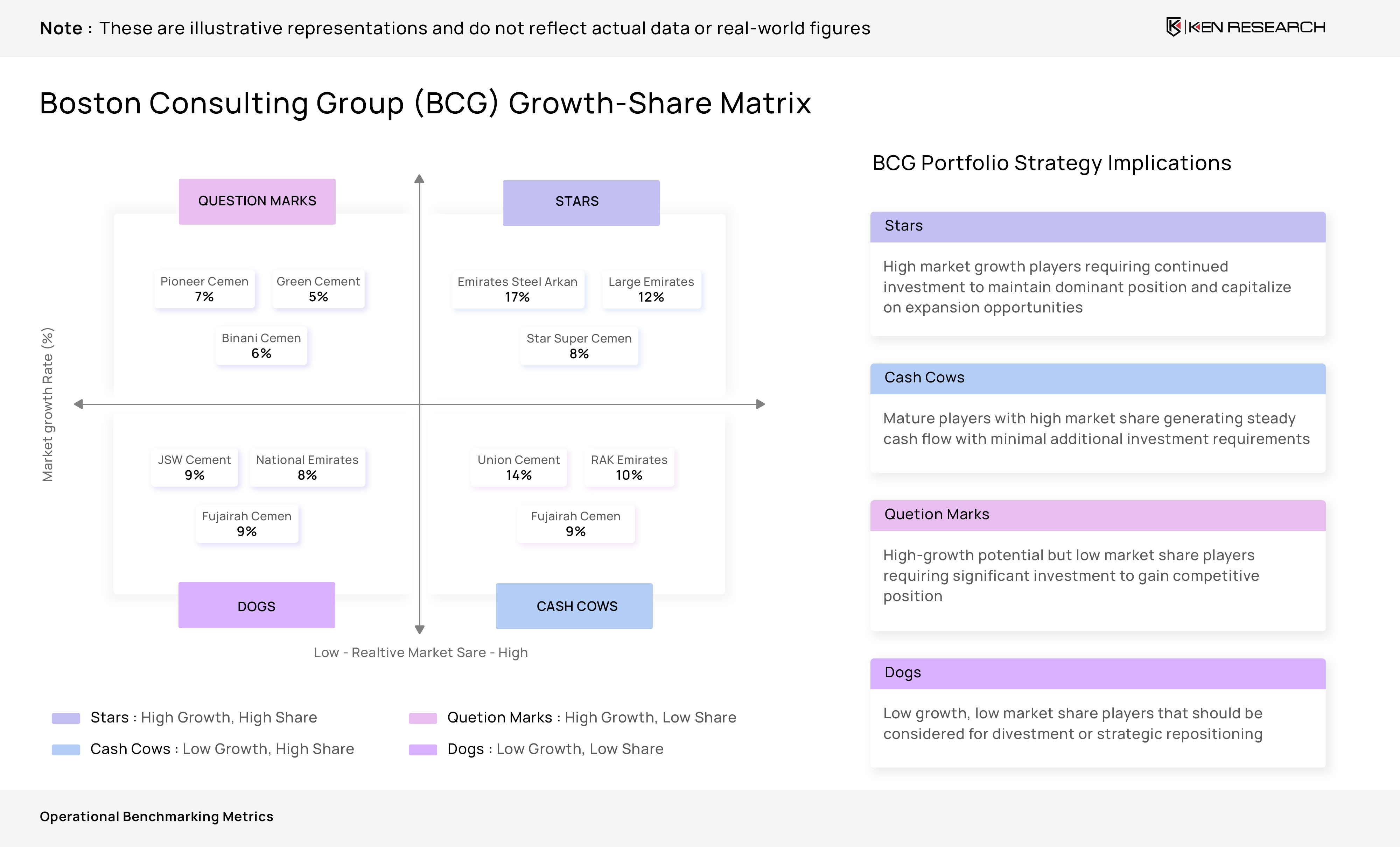
The Egyptian edible oil sector is led by diversified conglomerates such as Savola Foods and Arma Oils, which dominate refining and distribution networks, driving large-scale efficiencies. Their integrated operations anchor Egypt’s oil supply stability and competitive pricing.
Medium and small-scale firms are largely specialized in sunflower, olive, and blended oils. These companies contribute niche offerings but face scale disadvantages in procurement, branding, and exports compared to integrated players dominating market share.
Leading Player Profiles
Company Profile Overview
Large integrated groups maintain vertically aligned structures (from refining to distribution), positioning them for economies of scale and broad market coverage. Their legacy presence in Egypt enhances credibility with retailers and institutional buyers.
Medium and smaller firms are primarily family-owned or private entities targeting local/regional markets. They differentiate through niche oils or private-label partnerships, but often lack export readiness and financial depth.
Key Operational Performance Metrics
Company Performance Overview
Unlock Market Insights
Dive deeper into production, distribution, and pricing intelligence.
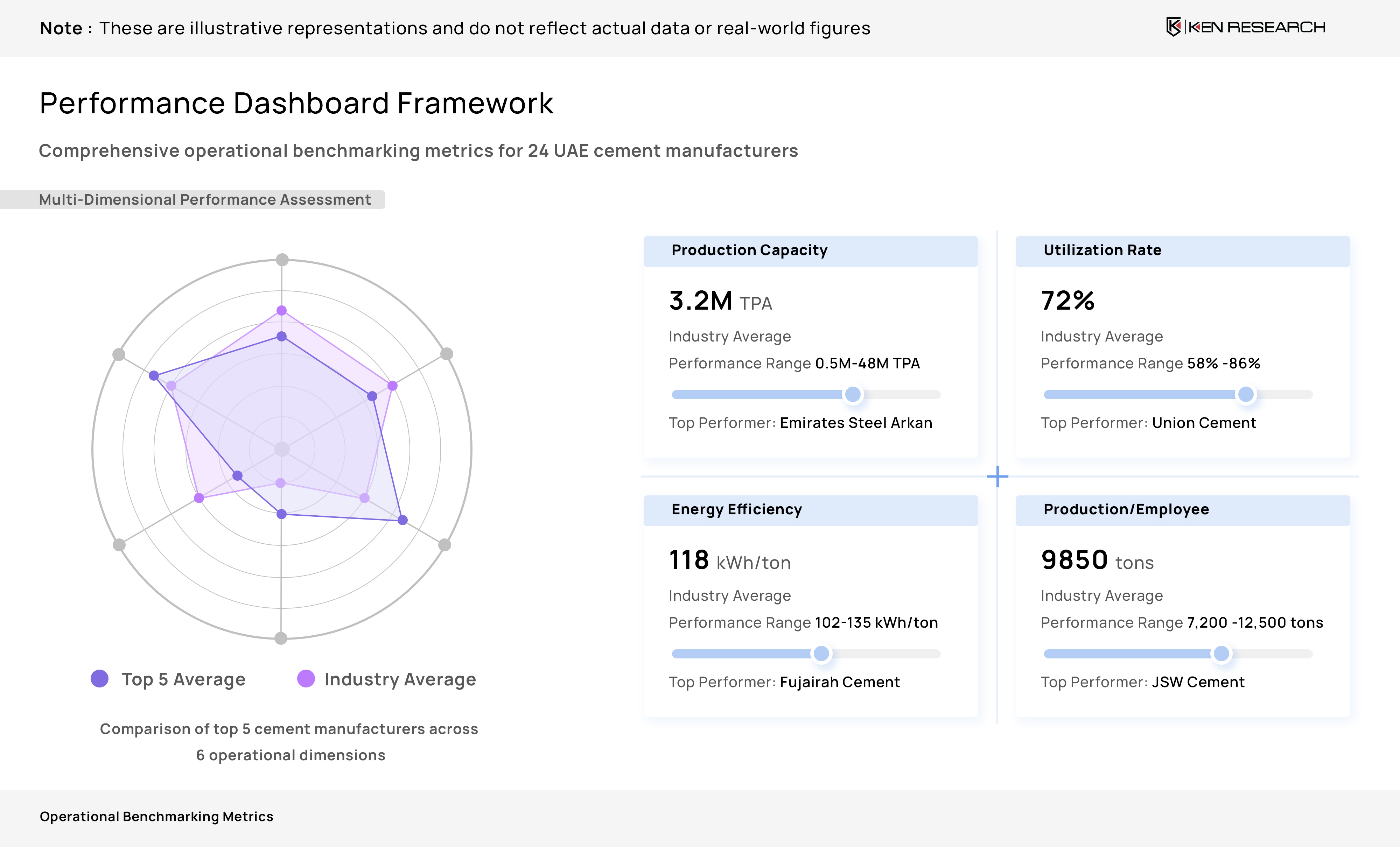
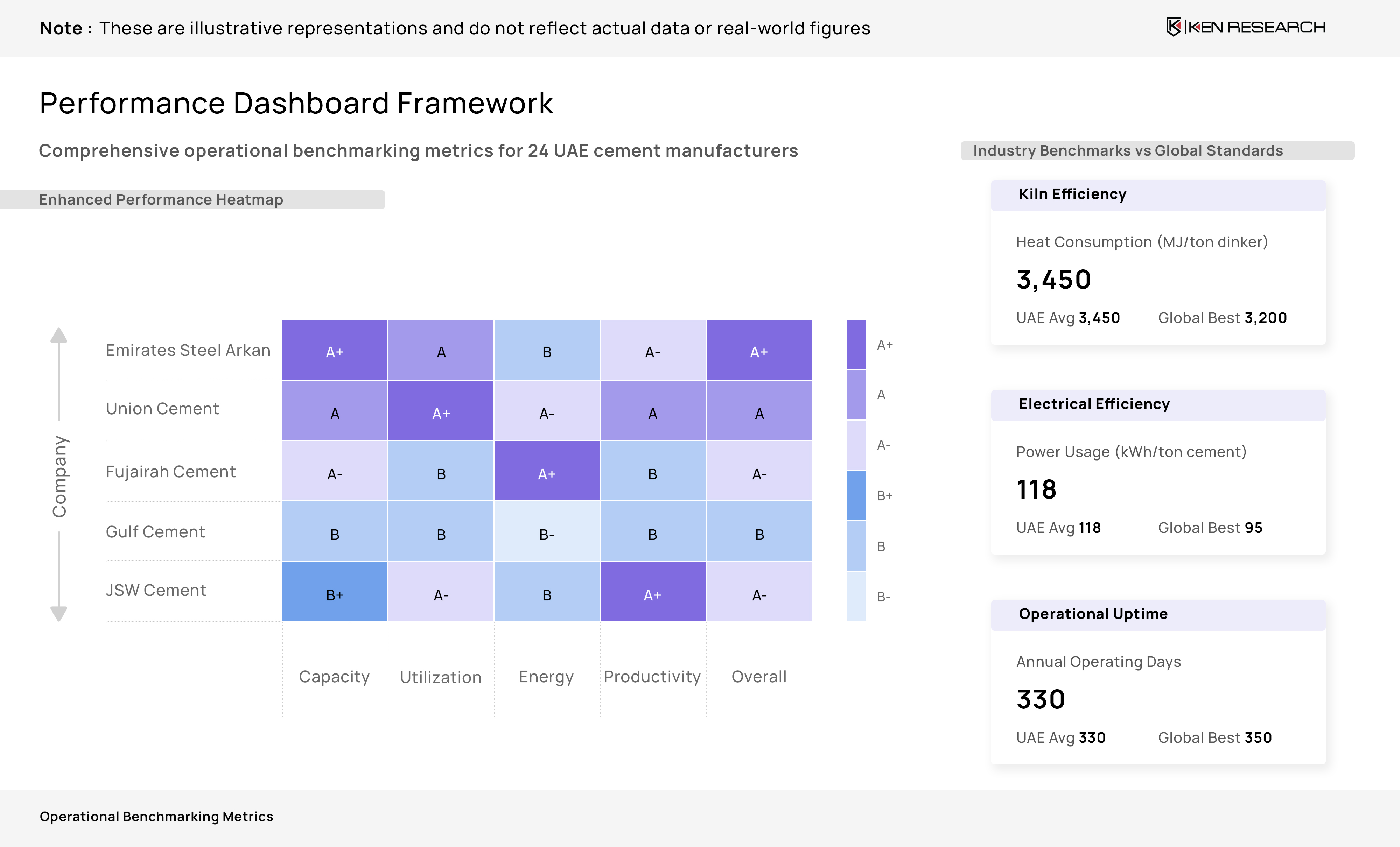
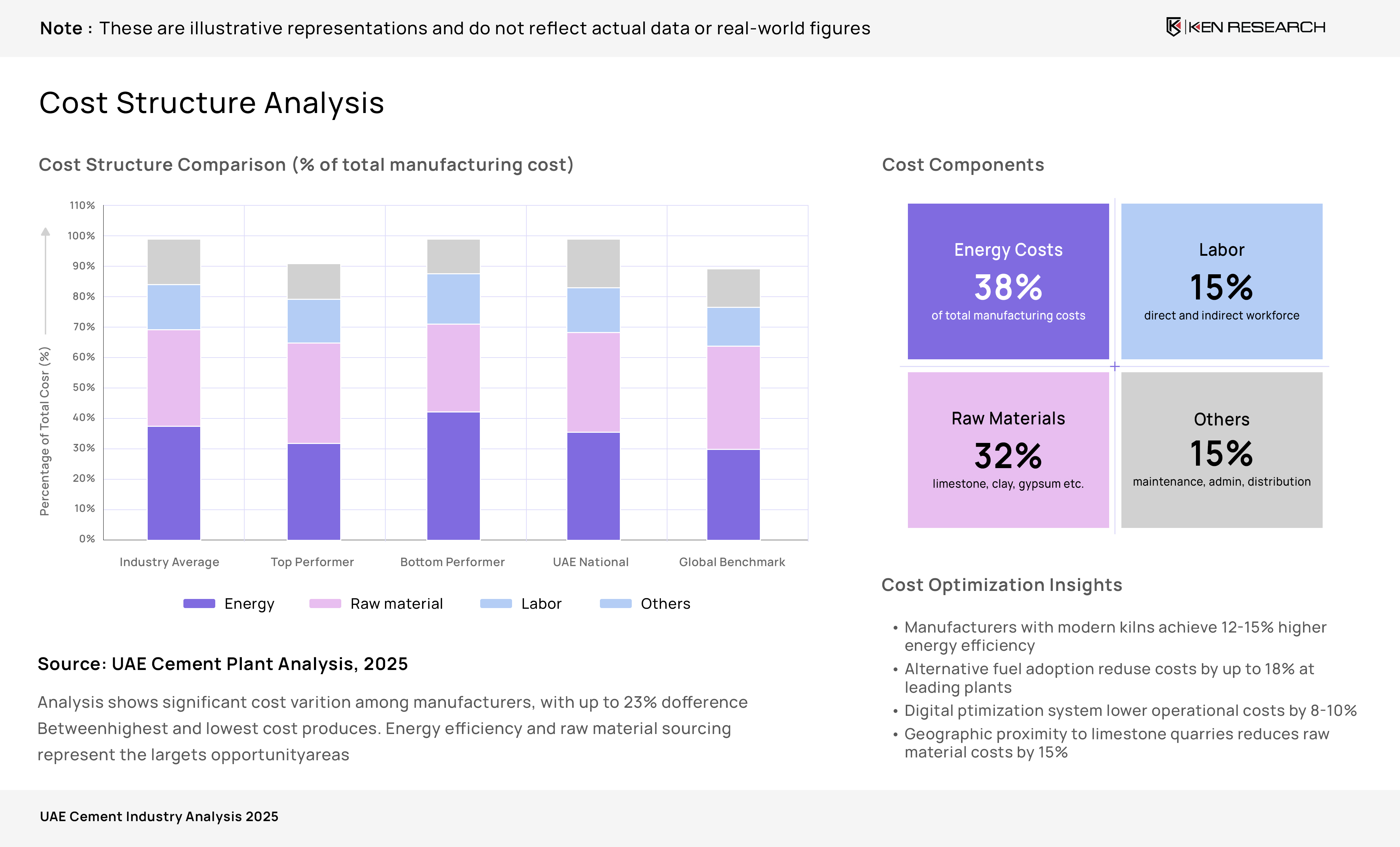
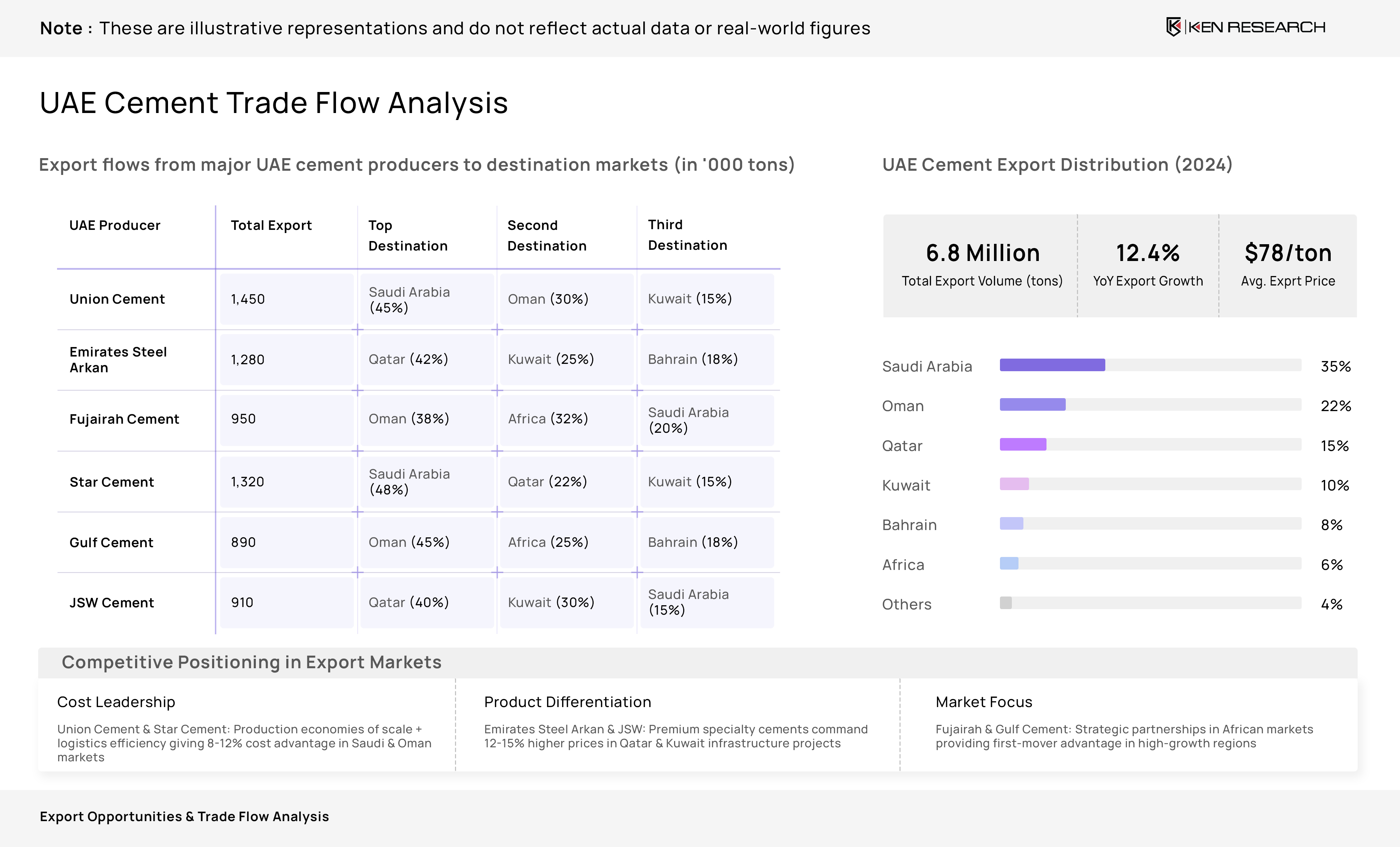
Get Customized ReportCore operational parameters such as refining capacity, pricing, and export share remain critical competitive levers. Large players’ integrated operations allow competitive pricing and high output, whereas smaller firms operate on narrower margins and limited coverage.
Distribution coverage (%) and SKU variety strongly influence brand visibility. National leaders sustain wide modern trade penetration, while SMEs remain restricted to local and regional sales networks.
Core Financial Performance Metrics
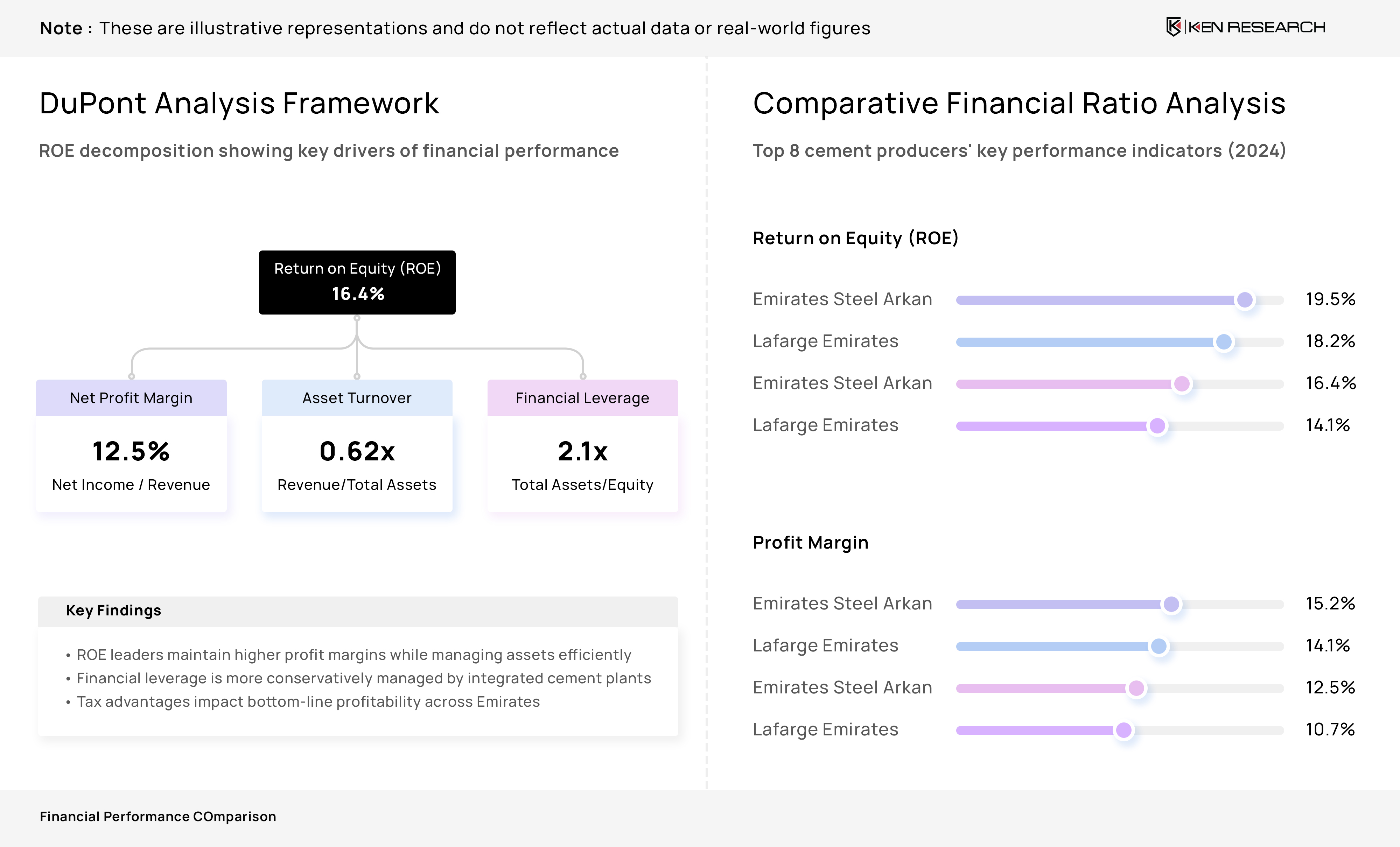
Financial benchmarks such as EBITDA margins and PAT margins differentiate integrated players with established efficiencies from small firms struggling under volatile input costs. Profitability gaps highlight operational scale as the main driver of financial resilience.
Revenue growth trends suggest stable demand for edible oils, but margins are pressured by global price fluctuations. National leaders absorb shocks better through hedging and diversified product portfolios.
Table of Contents
1. Ecosystem Matrix
1.1 Large Players
1.1.1 Savola Foods Egypt
1.1.2 Arma Oils
1.1.3 Alexandria Oils & Soap Company
1.1.4 El Maleka Oils
1.1.5 Wadi Group Oils
1.1.6 United Oils & Soap Manufacturing
1.1.7 Nile Oils & Detergents
1.2 Medium Players
1.2.1 El Baraka Edible Oils
1.2.2 Delta Oils
1.2.3 El Rashidi El Mizan Oils
1.2.4 Cairo Oils & Soap
1.2.5 Middle East Oils & Grains
1.2.6 Pure Oil Company
1.3 Small Players
1.3.1 El Tahrir Oils
1.3.2 Misr Edible Oils
1.3.3 El Farasha Oils
1.3.4 Local SME Sunflower Oil Extractors
1.3.5 Regional Olive Oil Producers
2. Leading Player Profiles
2.1 Parameters
2.1.1 Company Name
2.1.2 Group Name
2.1.3 Headquarters
2.1.4 Established Year
2.1.5 Core Segment
2.1.6 Mode of Functioning
3. Key Operational Performance Metrics
3.1 Parameters
3.1.1 Production Capacity (MT/Year)
3.1.2 Refining Capacity (MT/Year)
3.1.3 Distribution Coverage (%)
3.1.4 Export Share (%)
3.1.5 Product Range (SKUs)
3.1.6 Pricing (USD/Kg)
3.1.7 Number of Plants
3.1.8 Number of Farms
4. Core Financial Performance Metrics
4.1 Parameters
4.1.1 Revenue (USD Mn)
4.1.2 Revenue Growth (%)
4.1.3 COGS (USD Mn)
4.1.4 COGS Growth (%)
4.1.5 EBITDA (USD Mn)
4.1.6 EBITDA Growth (%)
4.1.7 EBITDA Margin (%)
4.1.8 PAT (USD Mn)
4.1.9 PAT Margin (%)
5. Methodology
5.1 Approach
5.1.1 Desk Sources
5.1.2 Primary Interviews
5.1.3 Sanity Checking & Validation
5.2 Benchmarking Process
5.2.1 Data Collection
5.2.2 Primary Validation
5.2.3 Proxy KPI Modelling
5.2.4 Normalization & Indexing
5.2.5 Gap Analysis
5.2.6 Peer Review
5.3 Sample Composition
5.3.1 Scope Items
5.3.2 Sample Size
5.3.3 Target Respondents
Methodology
Ken Research will deploy its proprietary, multi-layered research framework—combining robust secondary research, targeted primary outreach, and rigorous data validation—to deliver an authoritative competitive landscape analysis of the Egypt Edible Oil Market.
Desk Sources
- Industry reports from
- Company annual reports and investor presentations
- Government and trade association publications
- Trade magazines, journals, and industry e-articles
- Financial databases including
- Import–export databases such as
Primary Interviews
- CATIs and online surveys with key stakeholders
- Category Managers and R&D Heads of manufacturers
- Senior Sales and Marketing Leads at leading players
- Distributors and channel partners
- Industry analysts and consultants
Sanity Checking and Validation
- Data triangulation through cross-verification of secondary research, primary inputs, and proxy model outputs
- Proxy KPI synthesis using refining capacity, SKU count, export share, and distribution coverage to estimate revenues or capacities
- Outlier analysis to identify and reconcile anomalous data points via follow-up discussions
- Assumption tracking with a documented log of limitations and proxy KPI sources
- Internal peer review of methodology, analytical models, and key outputs prior to finalization
An Inside Look At Our Custom Insights
Take a look at ourcustomized insights, tailored to yourmarket and business needs. Our benchmarking reports deliver data-driven comparisons of key players, helping you uncover opportunities, assess performance, and make confident strategic decisions.