Egypt Fertilizer Distribution Market
Published on: January 2026
Report Overview
Egypt Fertilizer Distribution Market Overview
Market Highlights
The Egypt Fertilizer Distribution Market showcases a diverse competitive structure, where multinational corporations, regional manufacturers, and local firms engage in a dynamic interplay. Multinationals leverage their extensive resources for efficiency, while regional players focus on tailored solutions that resonate with local agricultural practices, and local firms capitalize on agility and niche expertise to carve out market share.
Innovation from global players is increasingly harmonized with localized strategies, as companies adapt their product offerings to meet the specific needs of Egyptian farmers. This includes the integration of advanced technologies and sustainable practices that align with local agricultural conditions, ensuring that solutions are both effective and relevant.
The distribution and aftersales ecosystem is critical in enhancing customer satisfaction and operational reliability. Strategic collaborations among manufacturers, distributors, and agricultural cooperatives facilitate efficient supply chains, while robust aftersales support, including training and maintenance services, fosters long-term relationships and trust within the market.
Looking ahead, the competitive landscape is being shaped by a focus on innovation, localization, and operational agility. Companies are increasingly adopting data-driven strategies and sustainable practices, positioning themselves to respond swiftly to market changes and consumer demands, thereby ensuring resilience and growth in a rapidly evolving environment.
Ecosystem Matrix
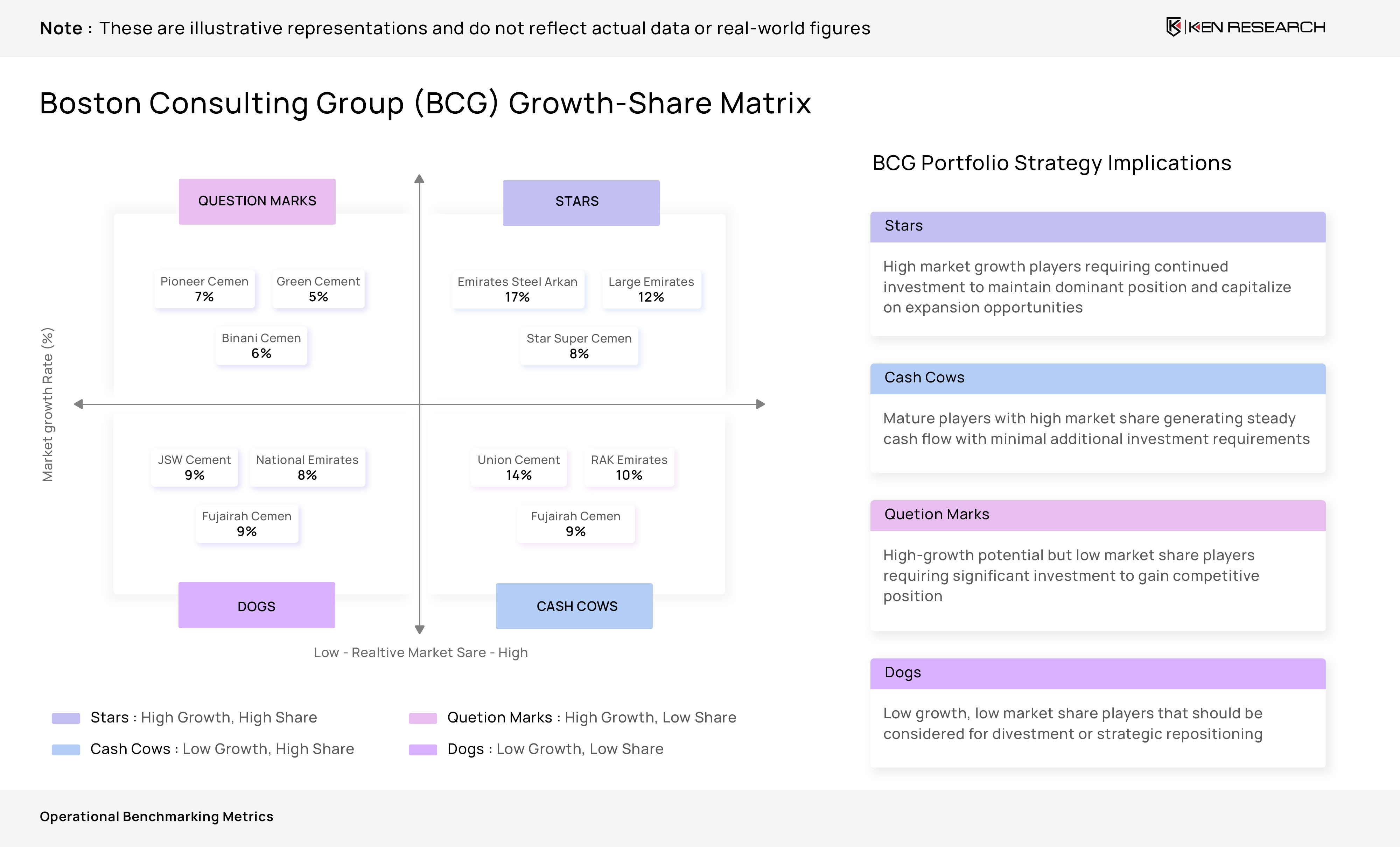
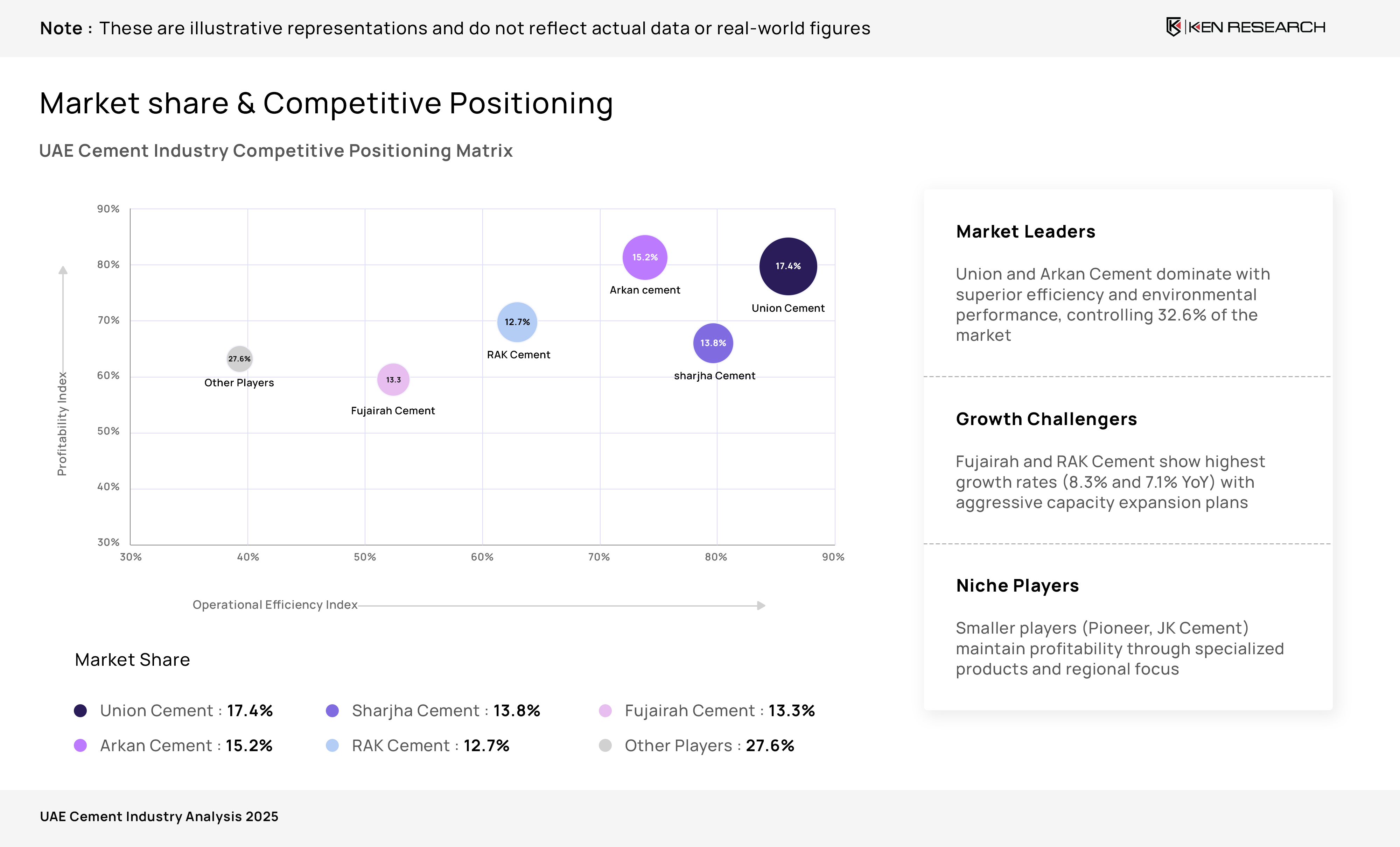
Egypt’s fertilizer distribution ecosystem isproducer-led, with large manufacturers and integrated groups shaping availability and channel control, whilemid-sized importers/distributorscompete on portfolio breadth, regional coverage, and fulfillment reliability across the Delta and Upper Egypt.
Competitive intensity is driven bypricing per ton, credit terms, and last-mile reach; players with stronger warehousing, dealer networks, and procurement access tend to defend share better during supply tightness and seasonal demand spikes.
Leading Player Profiles
Company Profile Overview
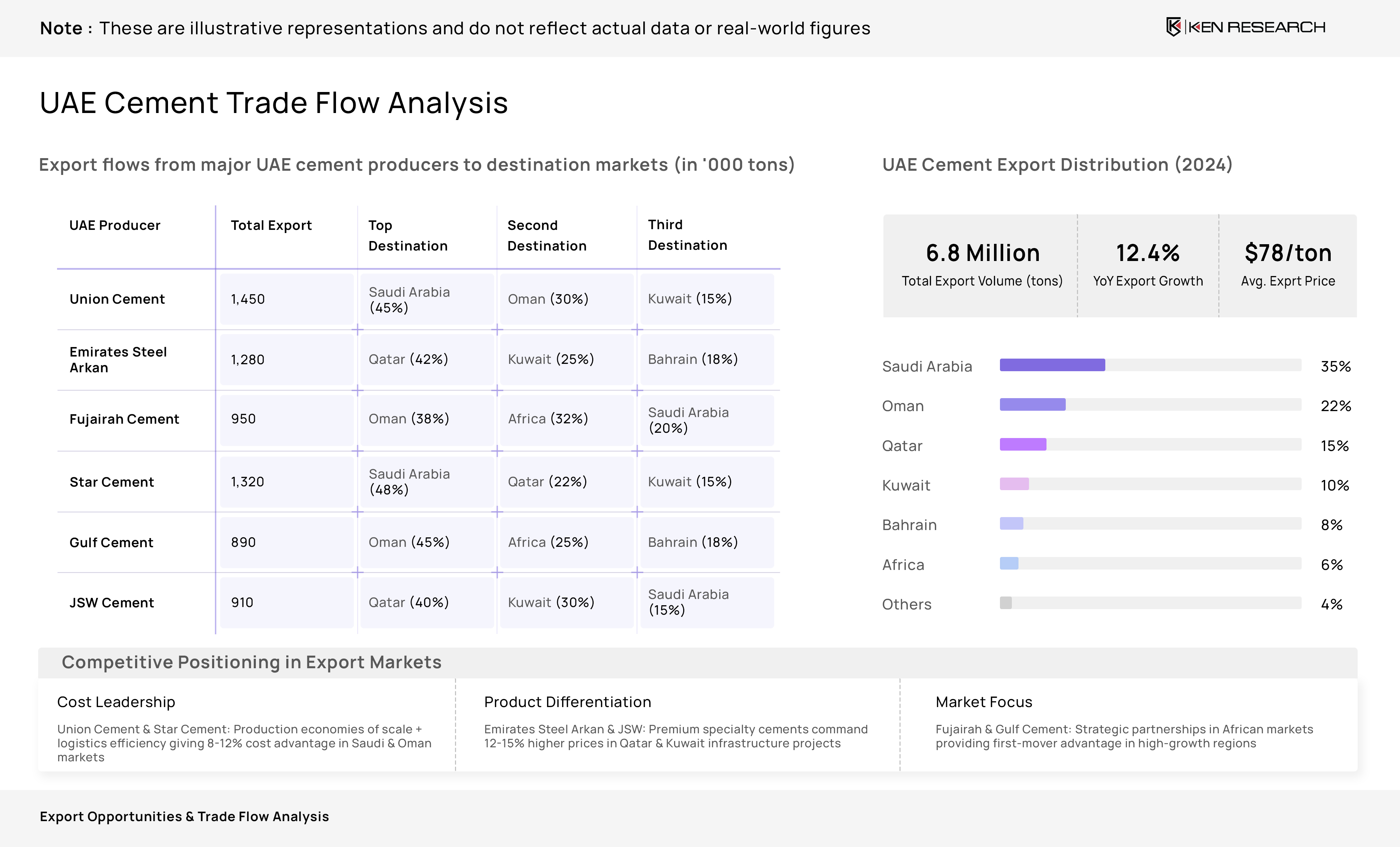
Competitive positioning splits betweenintegrated producers(scale, supply security, institutional routes) andimporter-distributors(portfolio flexibility, faster switching of SKUs, regional service). The winners typically combine procurement strength with dealer coverage and reliable delivery economics.
Establishment-year dispersion indicates a mix of legacy infrastructure and newer channel-builders; newer entrants often compete throughspecialized portfoliosand partner-led models, while older groups lean onreach, relationships, and distribution continuity.
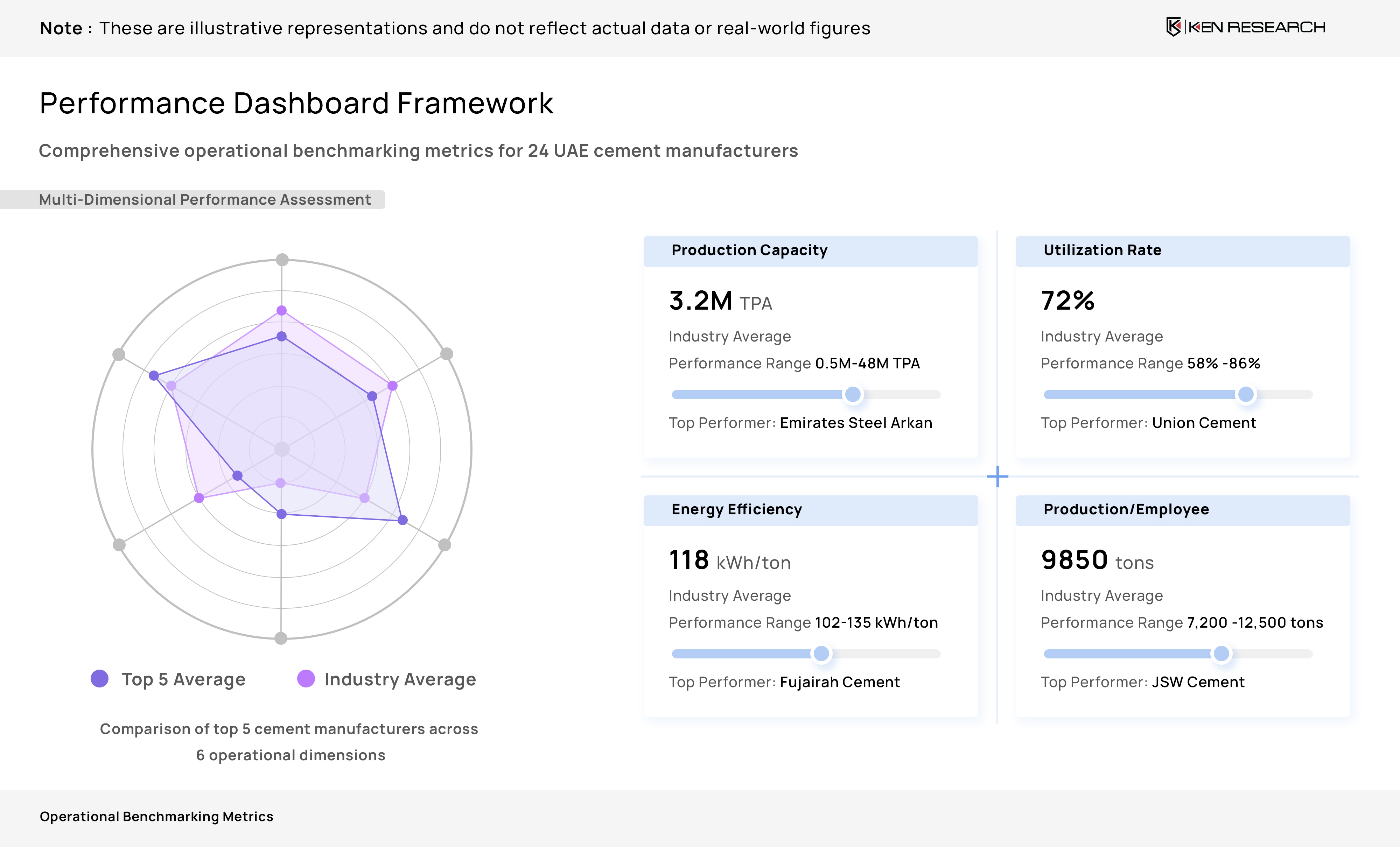
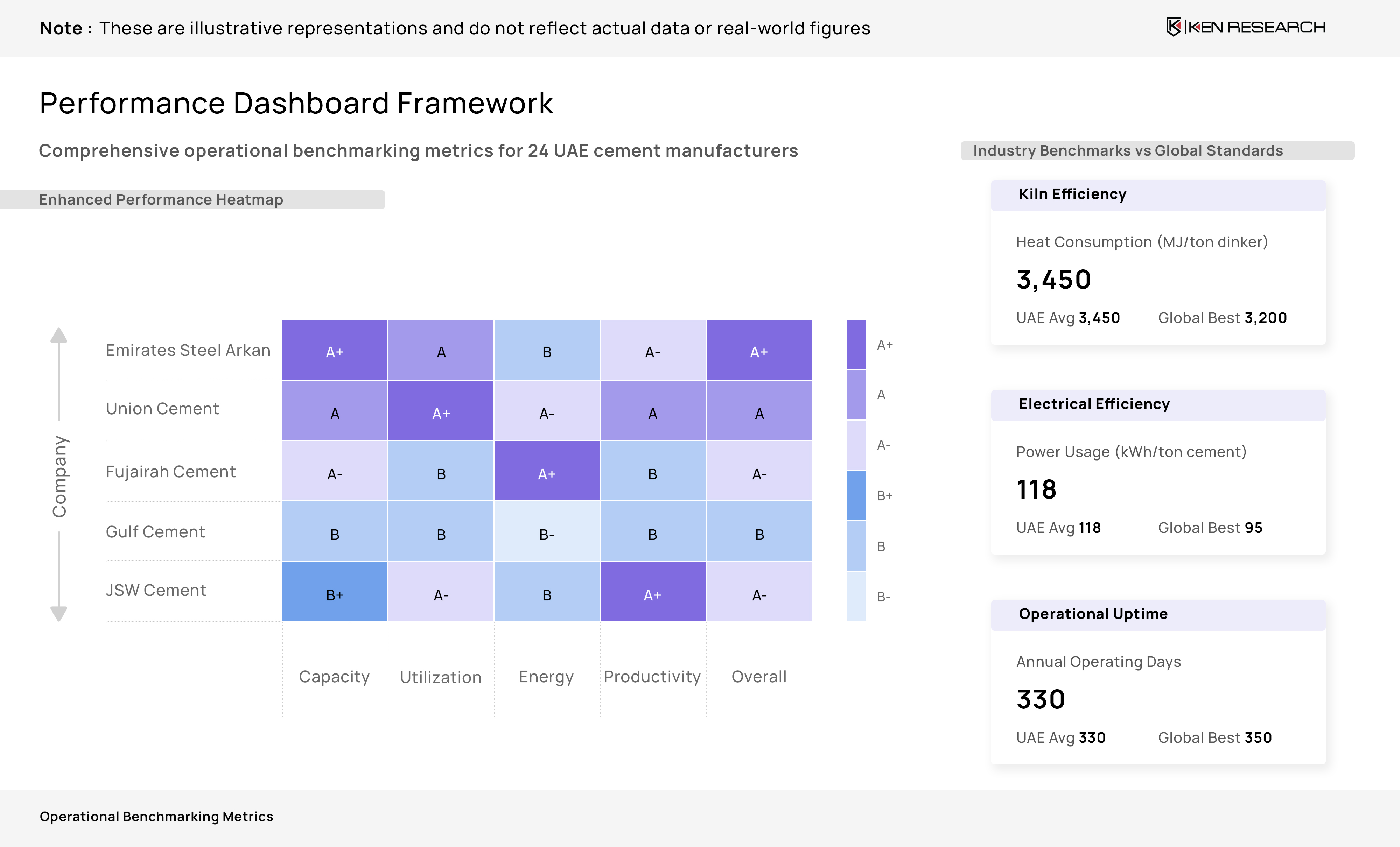
Key Operational Performance Metrics
Company Performance Overview
Unlock Market Insights
Dive deeper into production, distribution, and pricing intelligence.
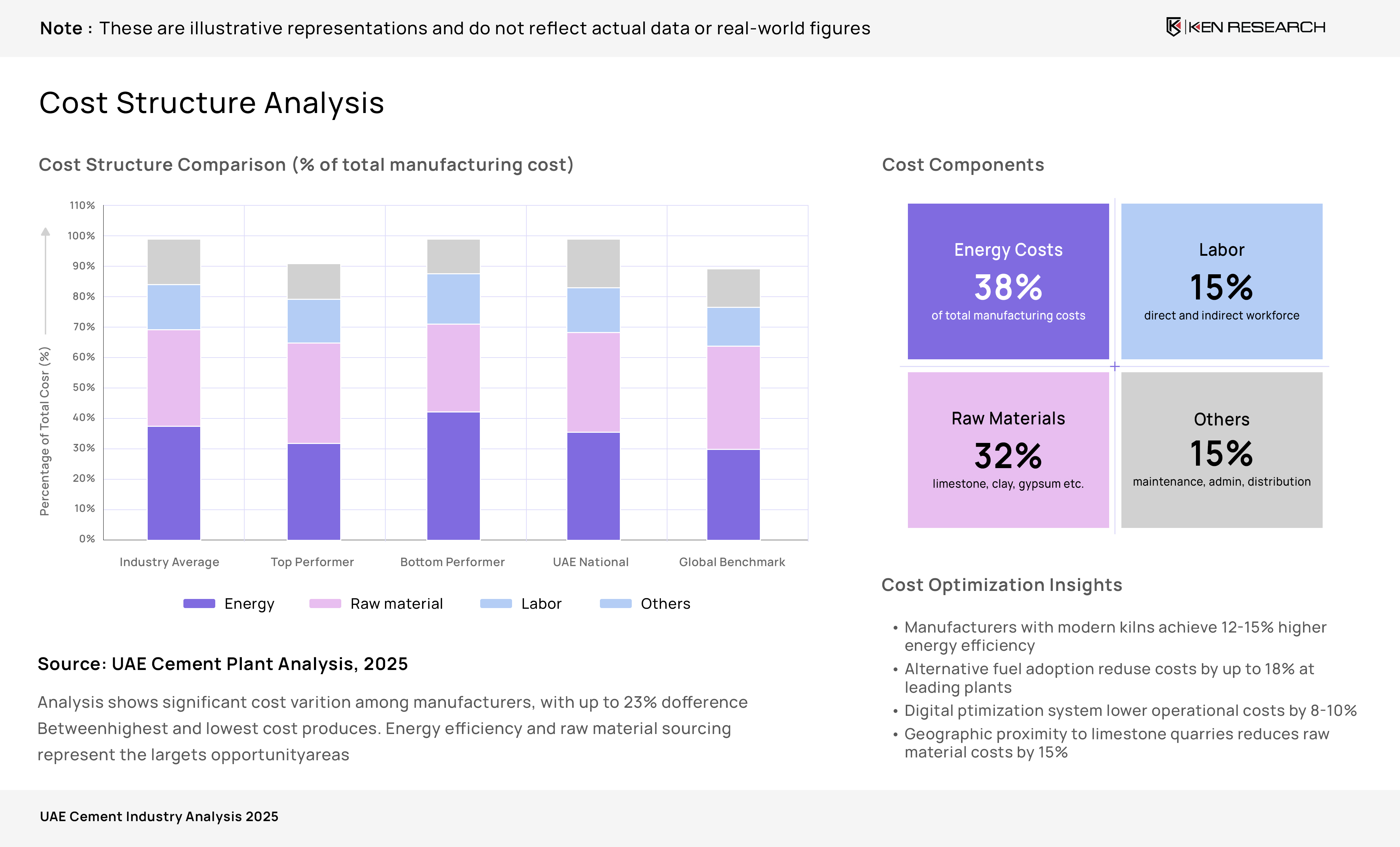
Get Customized ReportRevenue in fertilizer distribution is primarily explained by(Volume × Price), then amplified by channel depth (dealer count), storage throughput (capacity/sites), and delivery execution (fleet + lead time). Players optimizing these KPIs generally sustain higher share during peak seasons.
Credit and collections materially affect realized revenue quality: longer credit terms can lift volumes but raise working-capital strain; stronger collection efficiency supports reinvestment into inventory positioning, enabling better pricing discipline and higher service levels.
Core Financial Performance Metrics
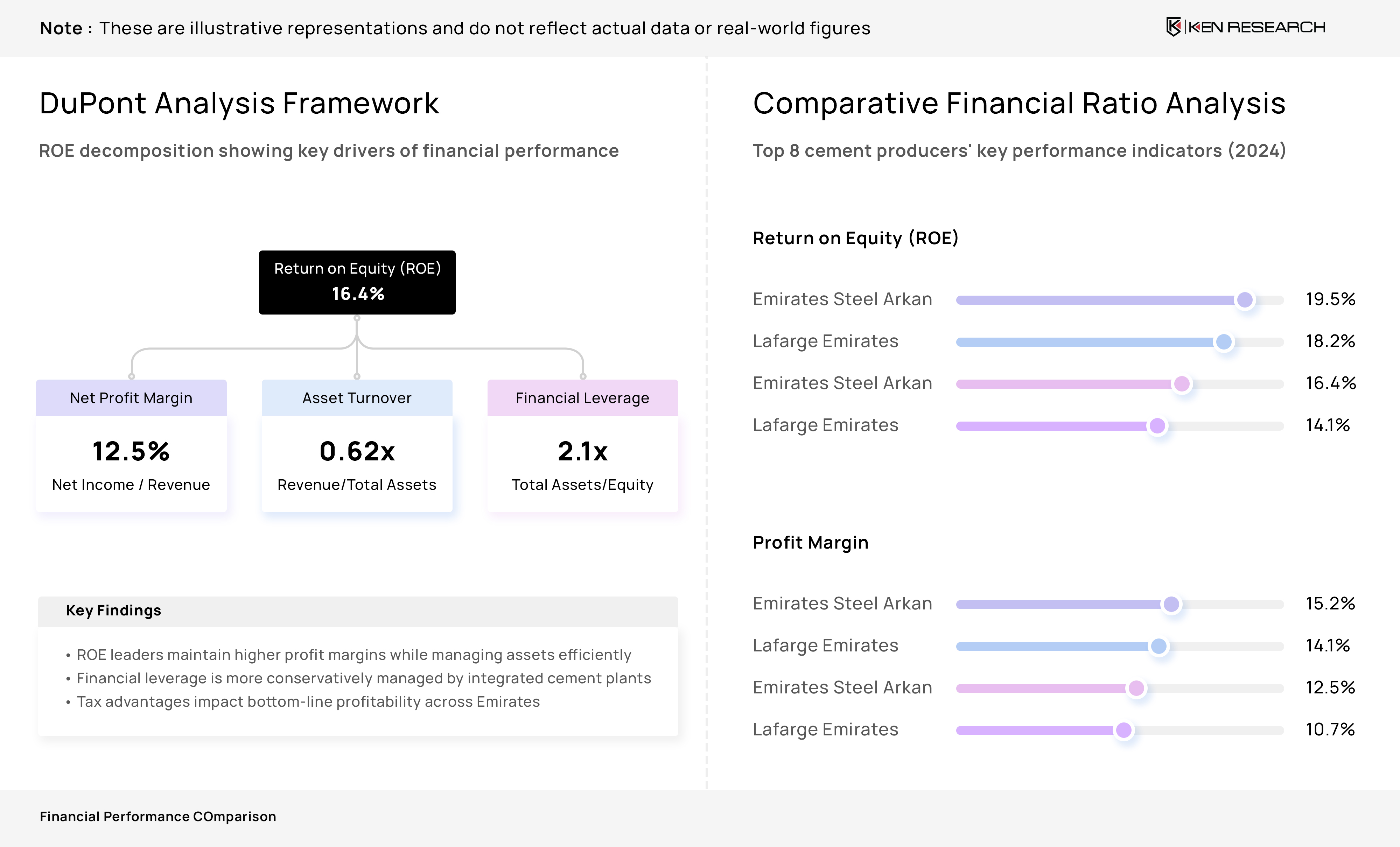
Financial benchmarking in this market typically separatesmargin structurefromgrowth quality. Players with stronger logistics economics and disciplined credit usually show better EBITDA resilience.
USD mn standardization enables cross-player comparability even when reporting practices differ; the most diagnostic read is the interaction of revenue growth with EBITDA margin, which reveals whether scale is being purchased through discounting or earned via execution efficiency.
Table of Contents
1. Ecosystem Matrix
1.1 Large Players
1.1.1 Abu Qir Fertilizers & Chemical Industries (AFC)
1.1.2 Misr Fertilizers Production Company (MOPCO)
1.1.3 AlexFert
1.1.4 Egyptian Chemical Industries (KIMA)
1.1.5 Egyptian Fertilizers Co. (EFC)
1.1.6 Egypt Basic Industries Corporation (EBIC)
1.1.7 Agricultural Bank of Egypt (ABE)
1.1.8 El-Nasr Co. for Intermediate Chemicals (NCIC)
1.2 Medium Players
1.2.1 Al Ashkar Trading & Agencies
1.2.2 El Saied for Trading & Distribution
1.2.3 KAYAN for International Trade
1.2.4 AgriLife for Industry & Trading
1.2.5 Green Magic
1.2.6 Hagrpota for Trading & Distribution
1.2.7 MKG
1.2.8 Kafr El Zayat for Pesticides & Chemicals (KZ)
1.3 Small Players
1.3.1 El-Sayad Group
1.3.2 Abu Zaabal Fertilizers & Chemicals (AZFC – Polyserve Group)
2. Leading Player Profiles
2.1 Company Name
2.2 Group Name
2.3 Headquarters
2.4 Establishment Year
2.5 Core Services / Offerings
2.6 Mode of Functioning
3. Key Operational Performance Metrics
3.1 Annual Distribution Volume (tons/year)
3.2 Average Selling Price (USD/ton)
3.3 Active Dealer / Retail Network (count)
3.4 Warehouse Capacity (tons)
3.5 Warehousing Sites (count)
3.6 Delivery Fleet Size (trucks)
3.7 Average Delivery Lead Time (days)
3.8 Credit Terms to Channel (days)
3.9 Collection Efficiency (%)
4. Core Financial Performance Metrics
4.1 Parameters
4.1.1 Revenue (USD Mn)
4.1.2 Revenue Growth (%)
4.1.3 COGS (USD Mn)
4.1.4 COGS Growth (%)
4.1.5 EBITDA (USD Mn)
4.1.6 EBITDA Growth (%)
4.1.7 EBITDA Margin (%)
4.1.8 PAT (USD Mn)
4.1.9 PAT Margin (%)
5. Methodology
5.1 Approach
5.1.1 Desk Sources
5.1.2 Primary Interviews
5.1.3 Sanity Checking & Validation
5.2 Benchmarking Process
5.2.1 Data Collection
5.2.2 Primary Validation
5.2.3 Proxy KPI Modelling
5.2.4 Normalization & Indexing
5.2.5 Gap Analysis
5.2.6 Peer Review
5.3 Sample Composition
5.3.1 Scope Items
5.3.2 Sample Size
5.3.3 Target Respondents
Methodology
Ken Research will deploy its proprietary, multi-layered research framework integrating rigorous secondary research, targeted primary outreach, and structured data validation to deliver an objective, audit-ready competitive benchmarking assessment of the Egypt Fertilizer Distribution Market.
Desk Sources
- Ken Research proprietary industry databases and internal fertilizer sector archives
- Company annual reports, statutory disclosures, and investor presentations
- Government publications, including Ministry of Agriculture & Land Reclamation releases, CAPMAS data, and customs trade statistics
- Trade journals, fertilizer and agri-input magazines, and sector-specific articles
- Financial intelligence platforms such as Bloomberg and Capital IQ
- Web and digital intelligence tools, including SimilarWeb, to assess distributor visibility and logistics activity
Primary Research Interviews
- CATIs and structured online interviews with fertilizer industry stakeholders
- Senior sales, marketing, and channel heads at fertilizer producers and distributors
- Regional distributors, wholesalers, and agri-input dealers across key demand centers
- Large institutional buyers and cooperative procurement managers
- Independent industry experts and sector consultants
Sanity Checking & Validation Framework
- Triangulation of estimates through cross-verification of secondary data, primary inputs, and proxy KPI outputs
- Proxy KPI synthesis using indicators such as distribution volume, dealer reach, storage capacity, and average pricing to approximate revenues
- Outlier analysis to identify anomalies, followed by reconciliation through targeted follow-up interviews
- Assumption tracking with explicit documentation of sources, rationale, and known limitations
- Internal peer review and validation by senior Ken Research analysts prior to report finalization
An Inside Look At Our Custom Insights
Take a look at ourcustomized insights, tailored to yourmarket and business needs. Our benchmarking reports deliver data-driven comparisons of key players, helping you uncover opportunities, assess performance, and make confident strategic decisions.