Egypt Mobile Financial Services Market
Published on: March 2026
Report Overview
Egypt Mobile Financial Services Market Overview
Market Highlights
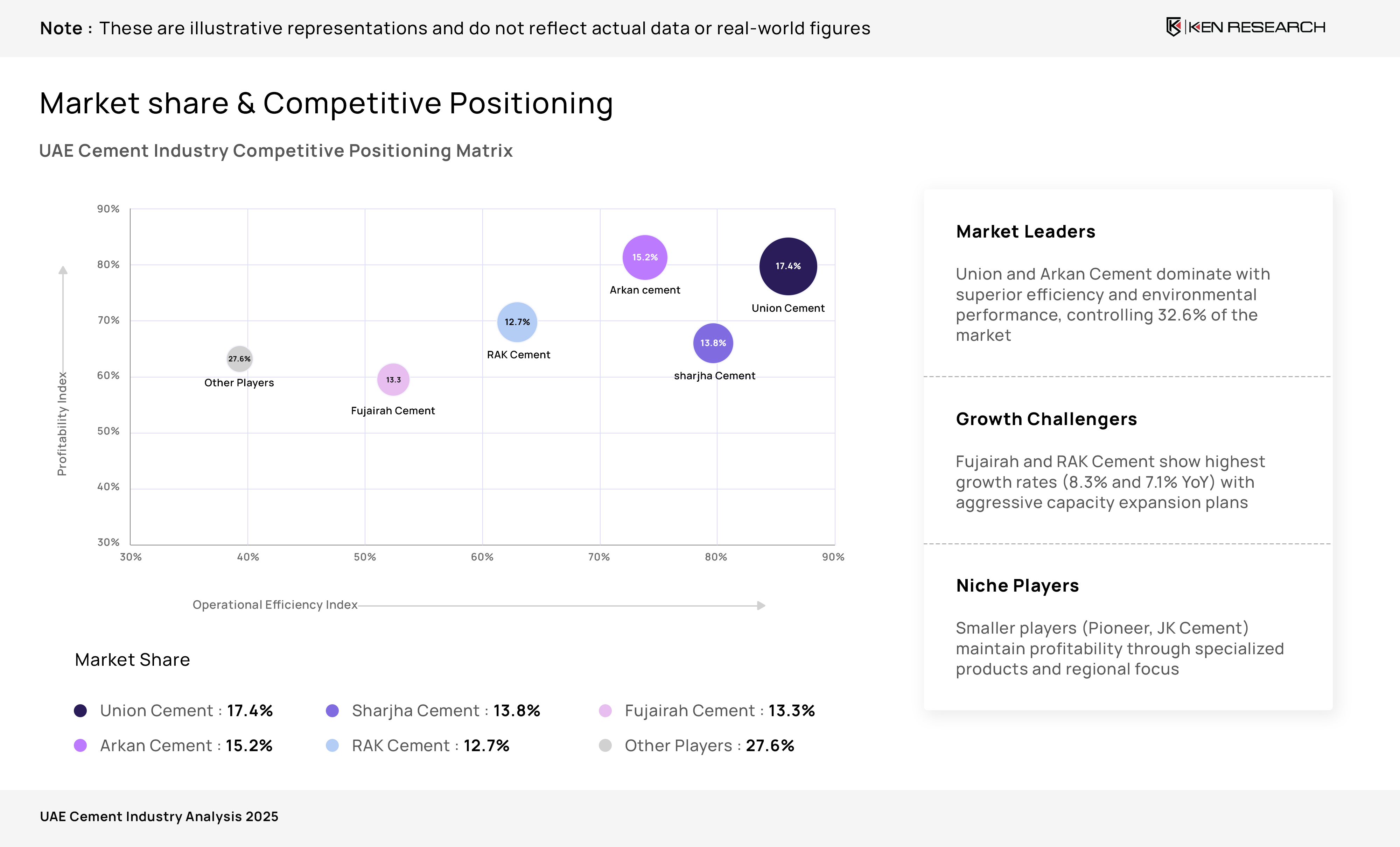
The Egypt Mobile Financial Services Market demonstrates a highly dynamic competitive composition shaped by the coexistence of large telecom-backed operators, established payments infrastructure companies, regional financial service providers, and a growing base of agile digital-native fintech firms. The larger players benefit from wide customer reach, stronger brand familiarity, and embedded payments access through telecom and transaction ecosystems, while regional and local fintech companies increasingly compete through specialized propositions spanning consumer finance, digital payments, merchant enablement, savings models, and embedded app-based financial services. Competition is therefore not defined by scale alone, but by how effectively players combine trust, convenience, acceptance reach, and day-to-day usage relevance within a rapidly evolving digital financial environment.
A defining feature of the market is the way global payment innovation is adapted to local consumer behavior, cash usage realities, merchant structures, and mobile-first engagement patterns. While larger operators bring structured digital infrastructure, broader service stacks, and operational maturity, domestic players are often better positioned to localize onboarding experiences, simplify interfaces, build culturally relevant payment journeys, and tailor financial products to underserved or informally transacting customer segments. This blend of global operating discipline with local execution agility has helped create a competitive field where innovation is increasingly measured not just by technology deployment, but by usability, accessibility, and ecosystem fit.
The distribution and aftersales ecosystem plays a major role in shaping adoption, trust, and long-term competitive strength in the market. Merchant acceptance networks, agent and cash-in cash-out points, app support quality, issue resolution capability, and customer education all materially influence how deeply consumers and merchants engage with a platform. In mobile financial services, ongoing support is not limited to technical servicing but extends into transaction reliability, onboarding guidance, dispute resolution, settlement clarity, and merchant enablement, all of which affect customer stickiness and brand credibility. As a result, companies with stronger ground-level network support and better digital assistance capabilities are often more successful in converting trial into habitual usage.
Competitive advantage across player tiers is increasingly shaped by operational efficiency, cost control, technology integration, and the ability to build scalable yet adaptable service models. Larger players tend to leverage infrastructure depth, cross-service integration, and network efficiency, while mid-sized and smaller firms often rely on sharper product focus, faster rollout cycles, and targeted category expansion. Sustainability in this market is expressed less through environmental positioning and more through durable platform economics, efficient customer acquisition, scalable digital servicing, and the ability to retain relevance as payment behavior and financial expectations continue to evolve. Looking ahead, the interaction between innovation, localization, and strategic agility will remain central to shaping market leadership, technology penetration, and long-term competitive resilience in the Egypt Mobile Financial Services Market.
Ecosystem Matrix
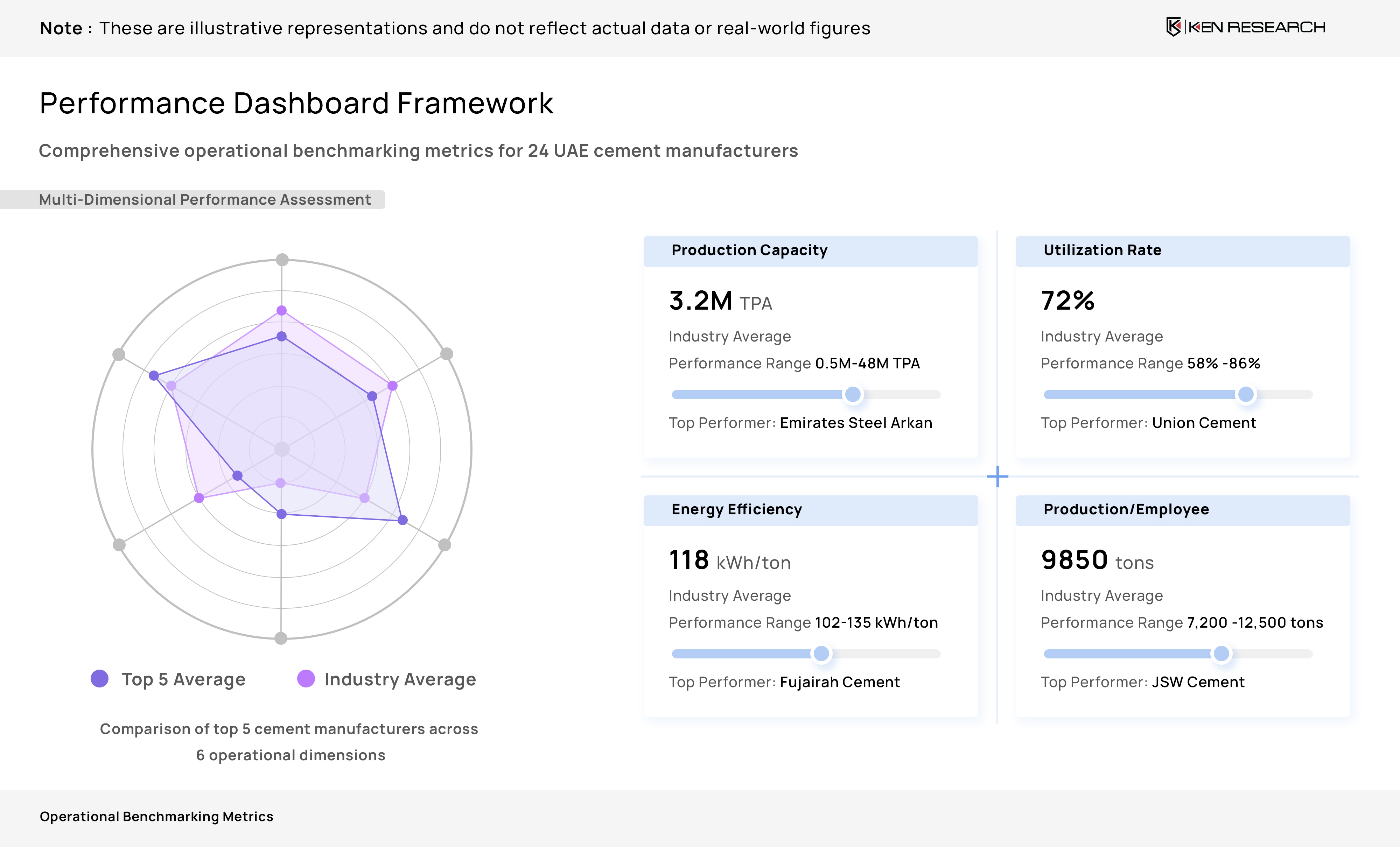
Egypt’s mobile financial services market is led by telecom-backed wallets and scaled payment infrastructure players, while diversified fintech platforms are widening use cases across bill payments, merchant acceptance, transfers, instalments, and app-led everyday financial access.
Market structure shows a clear scale advantage for players with dense distribution, strong brand trust, and embedded payment rails, while mid-sized fintechs are competing through specialization, faster onboarding, and digital-first merchant and consumer propositions.
Leading Player Profiles
Company Profile Overview
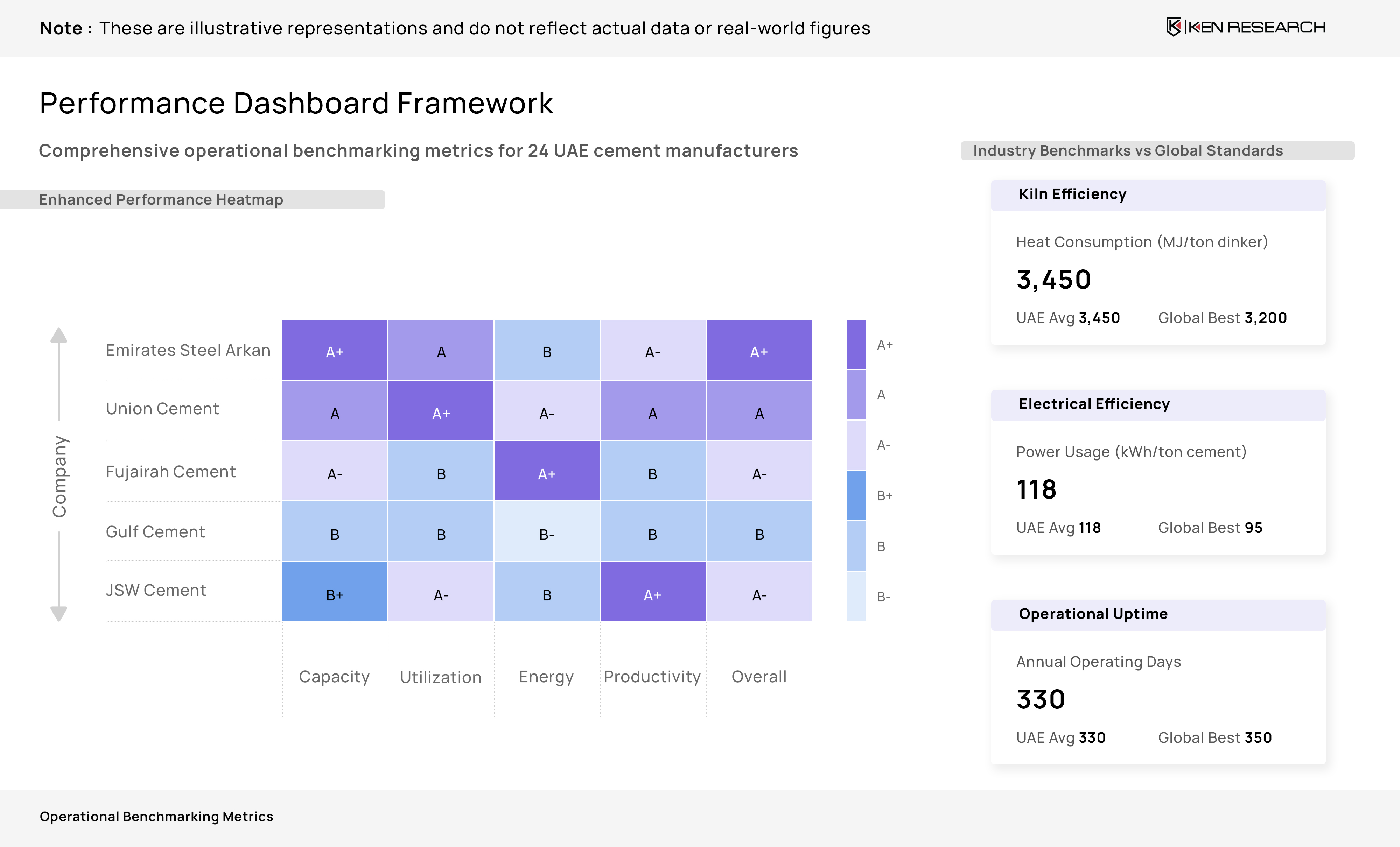
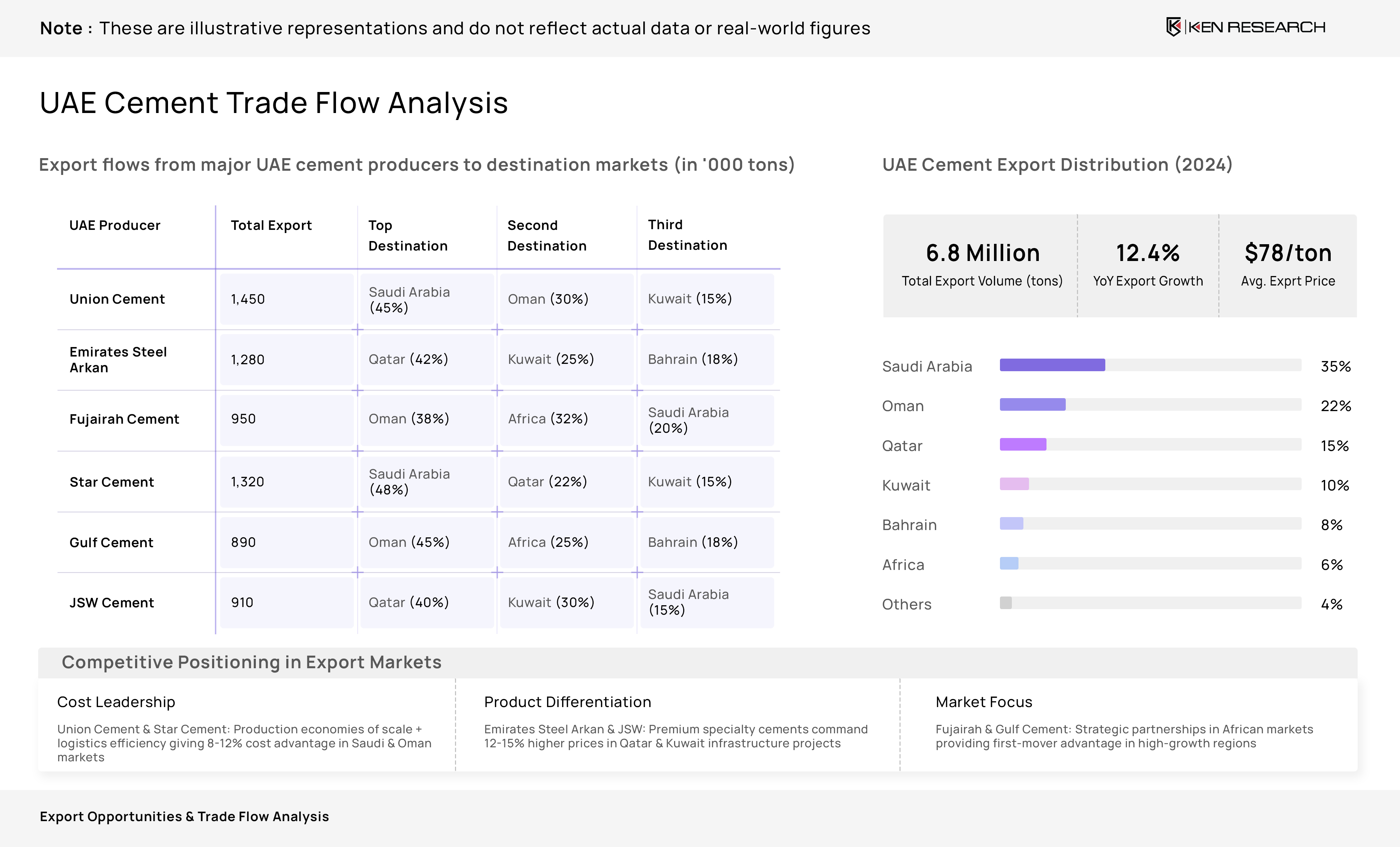
The leading cohort combines telco-backed scale, payment aggregators, and app-native fintechs, indicating that Egypt’s market rewards both infrastructure depth and strong digital engagement layers rather than a single operating model.
Player profiles show the market is evolving from wallet-led utility payments toward broader ecosystems spanning merchant acceptance, consumer finance, instalments, savings, and real-time app-based transfers, which strengthens monetization optionality across user segments.
Key Operational Performance Metrics
Company Performance Overview
Unlock Market Insights
Dive deeper into production, distribution, and pricing intelligence.
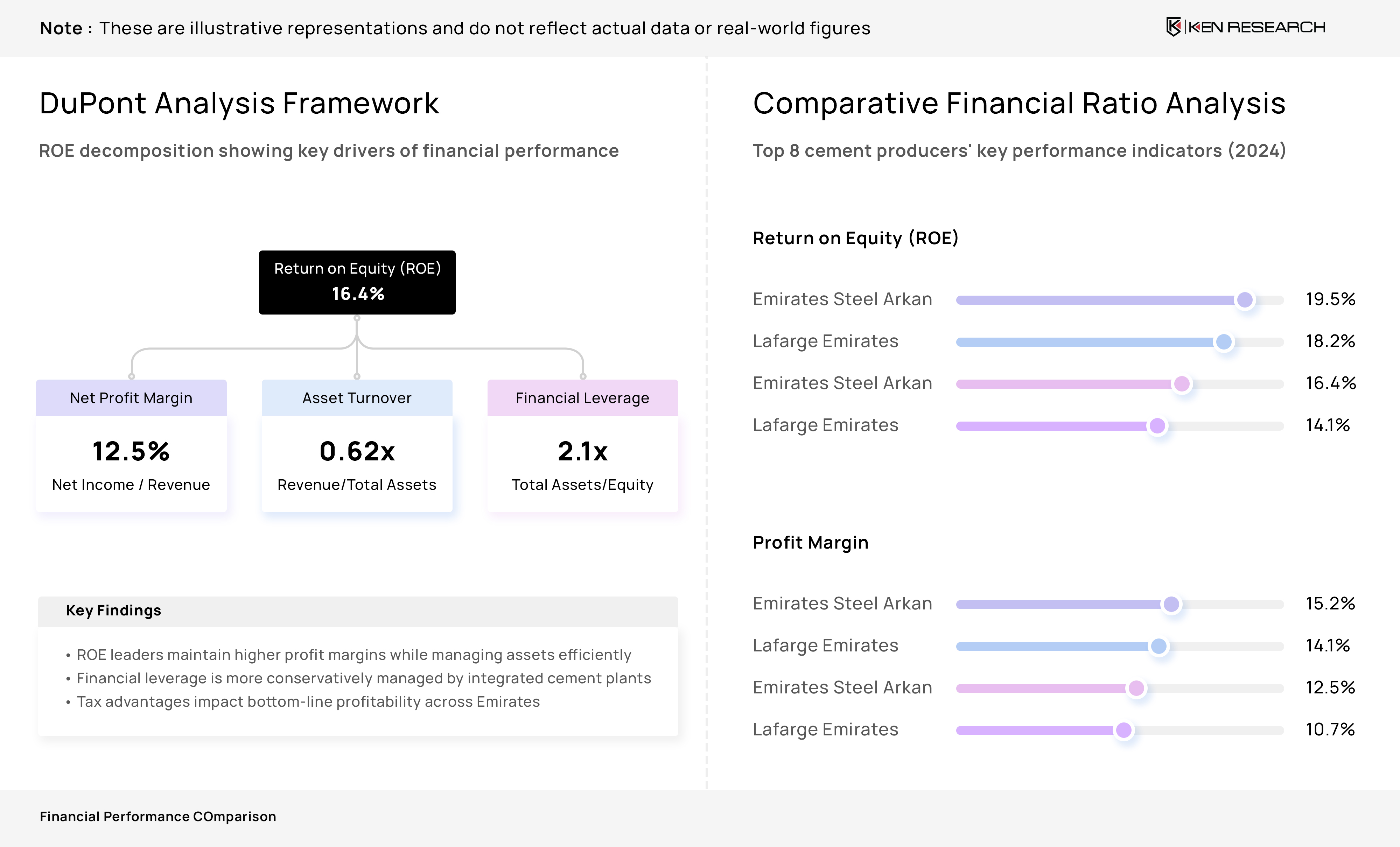
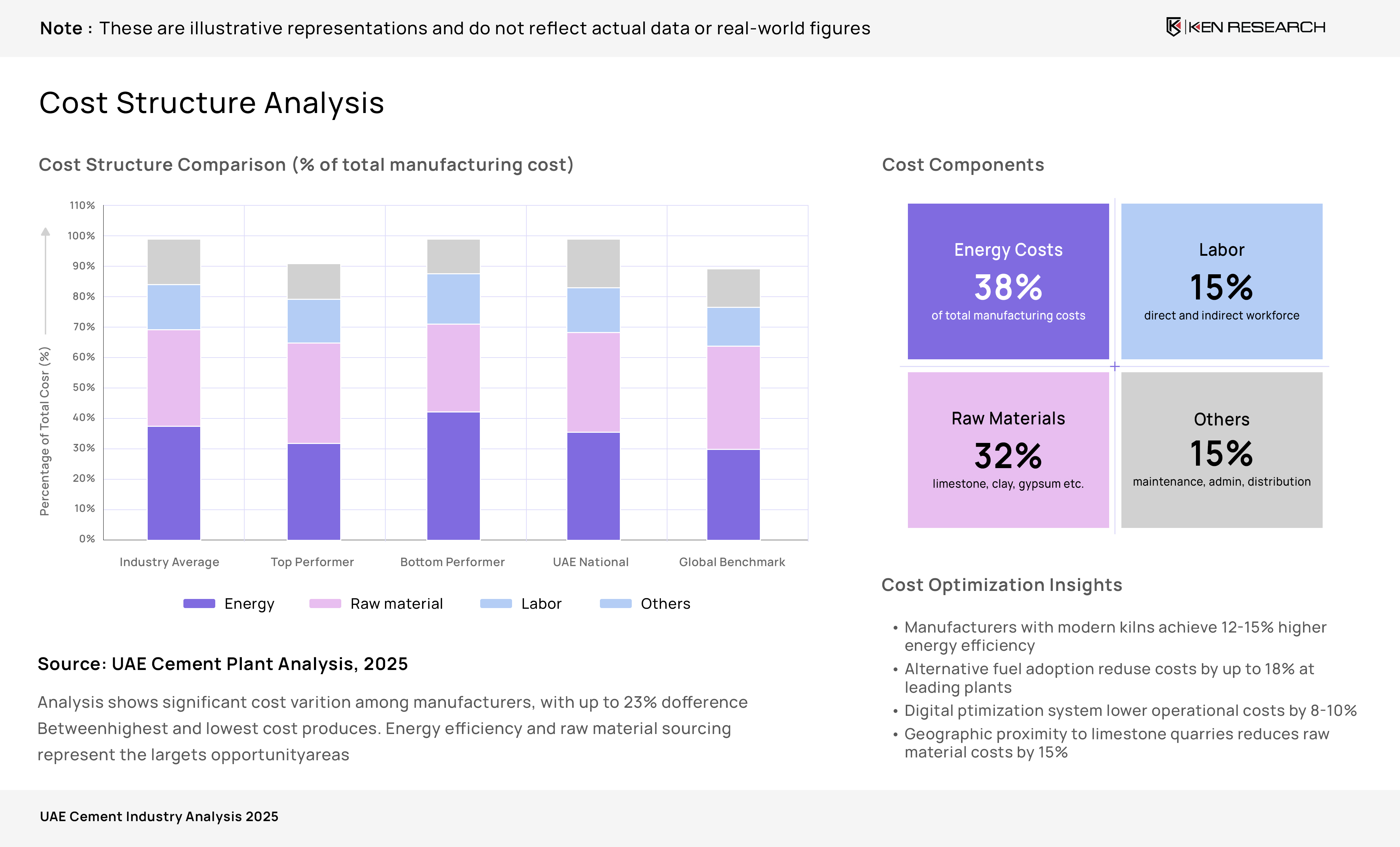
Get Customized ReportRevenue formation in Egypt’s mobile financial services market is most sensitive to pricing discipline, active user scale, transaction throughput, and acceptance density, with monetization increasingly depending on repeat usage and successful conversion across everyday payment journeys.
Operators with stronger merchant coverage, higher transaction frequency, and better payment completion tend to hold a structural advantage, because these factors improve fee capture, customer stickiness, and cross-sell potential across wallets, collections, and embedded finance services.
Core Financial Performance Metrics
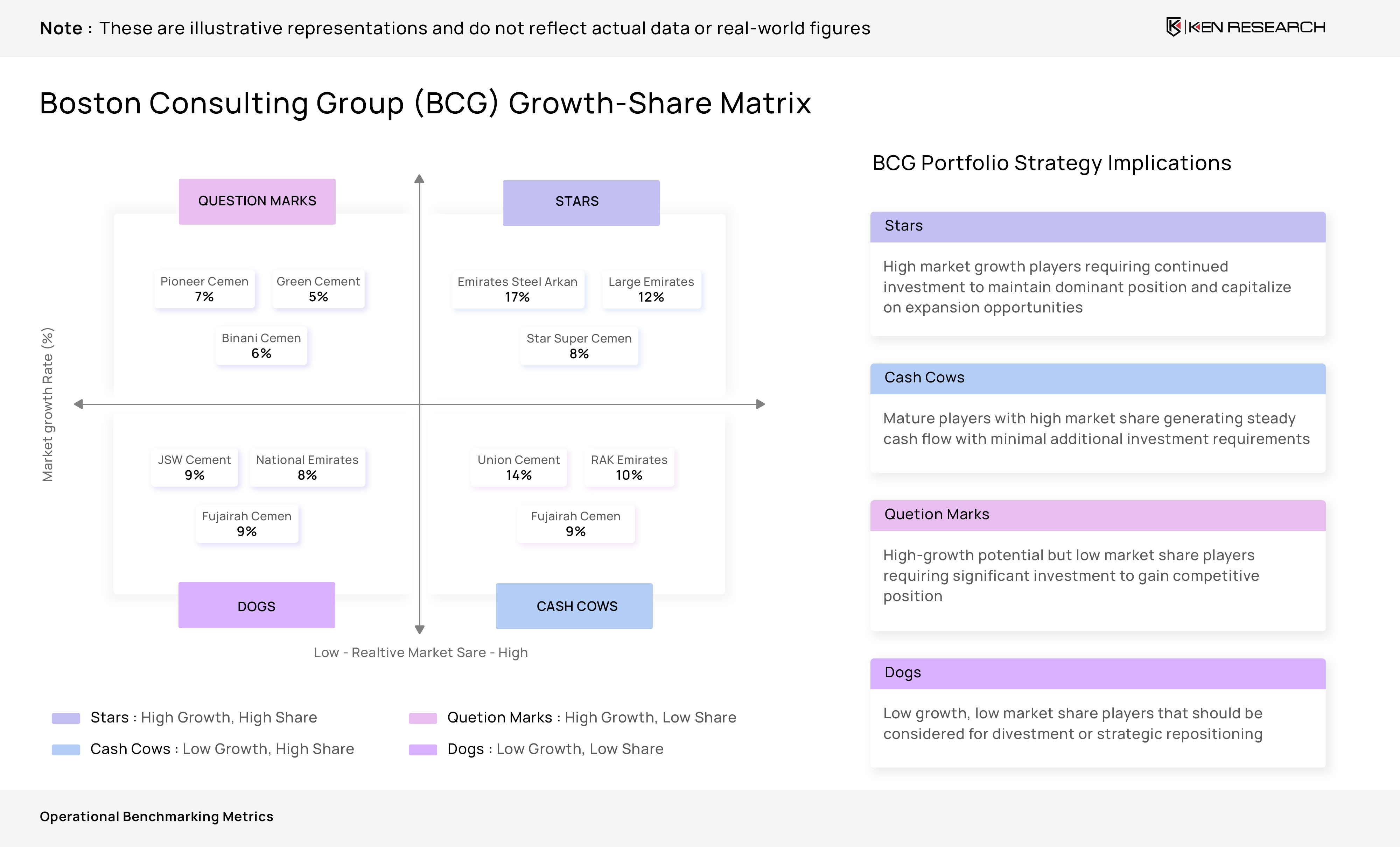
Financial benchmarking in this market should focus on revenue conversion efficiency, margin resilience, and cost absorption, because mobile financial services players often scale fast but monetize differently depending on mix, channel economics, and customer acquisition intensity.
EBITDA and PAT outcomes in Egypt’s fintech and wallet landscape are likely to diverge sharply by business model, with infrastructure-led processors generally benefiting from transaction scale while app-led finance players face heavier customer growth and risk costs.
Table of Contents
1. Ecosystem Matrix
1.1 Large Players
1.1.1 Vodafone Egypt Telecommunications S.A.E.
1.1.2 Orange Egypt for Telecommunications S.A.E.
1.1.3 e& Egypt
1.1.4 Telecom Egypt S.A.E.
1.1.5 Fawry for Banking Technology and Electronic Payments S.A.E.
1.1.6 AMAN Holding
1.1.7 Paymob
1.2 Medium Players
1.2.1 Masary
1.2.2 Bee Smart Payment Solutions
1.2.3 valU
1.2.4 MNT-Halan
1.2.5 Paysky
1.2.6 Kashier
1.3 Small Players
1.3.1 Khazna
1.3.2 Money Fellows
1.3.3 Telda
2. Leading Player Profiles
2.1 Parameters
2.1.1 Company Name
2.1.2 Group Name
2.1.3 Headquarters
2.1.4 Established Year
2.1.5 Core Services
2.1.6 Mode of Functioning
3. Key Operational Performance Metrics
3.1 Parameters
3.1.1 Pricing (%)
3.1.2 Active Users ('000)
3.1.3 Transaction Value Processed (USD Mn)
3.1.4 Number of Transactions ('000)
3.1.5 Active Merchants / Agents (count)
3.1.6 Average Revenue per Active User (USD)
3.1.7 Average Transactions per Active User (txn/month)
3.1.8 Payment Success Rate (%)
3.1.9 Retention Rate (%)
4. Core Financial Performance Metrics
4.1 Parameters
4.1.1 Revenue (USD Mn)
4.1.2 Revenue Growth (%)
4.1.3 COGS (USD Mn)
4.1.4 COGS Growth (%)
4.1.5 EBITDA (USD Mn)
4.1.6 EBITDA Growth (%)
4.1.7 EBITDA Margin (%)
4.1.8 PAT (USD Mn)
4.1.9 PAT Margin (%)
5. Methodology
5.1 Approach
5.1.1 Desk Sources
5.1.2 Primary Interviews
5.1.3 Sanity Checking & Validation
5.2 Benchmarking Process
5.2.1 Data Collection
5.2.2 Primary Validation
5.2.3 Proxy KPI Modelling
5.2.4 Normalization & Indexing
5.2.5 Gap Analysis
5.2.6 Peer Review
5.3 Sample Composition
5.3.1 Scope Items
5.3.2 Sample Size
5.3.3 Target Respondents
Methodology
Ken Research will deploy its proprietary, multi layered research framework, combining robust secondary research, targeted primary outreach, and rigorous data validation, to deliver an authoritative competitive landscape analysis of the Egypt Mobile Financial Services Market.
Desk Sources
- Industry reports from proprietary databases and Ken Research archives
- Company annual reports and investor presentations
- Government and trade association publications
- Trade magazines, journals, and e-articles
- Financial databases such as Bloomberg and Capital IQ
- Web traffic and app usage dashboards such as SimilarWeb and App Annie
Primary Interviews
- CATIs and online surveys with key stakeholders
- Senior sales and business heads at leading payment and wallet operators
- Category and strategy teams at fintech and merchant acquiring platforms
- Distributors, agents, and channel partners
- Industry analysts and consultants
- Technology and service providers for digital metrics
Sanity Checking and Validation
An Inside Look At Our Custom Insights
Take a look at ourcustomized insights, tailored to yourmarket and business needs. Our benchmarking reports deliver data-driven comparisons of key players, helping you uncover opportunities, assess performance, and make confident strategic decisions.