Egypt Poultry Producers Market
Published on: November 2025
Report Overview
Egypt Poultry Producers Market
Maarket Highlights
The Egypt poultry producers market is characterized by a mix of large integrated companies, structured regional producers, and numerous small-scale farms operating under fragmented supply conditions. Major players benefit from scale efficiencies and controlled production environments, while smaller operators rely on regional distribution strength and price-led competitiveness within domestic consumption clusters.
Competitive positioning in Egypt is shaped by producers’ ability to balance modern production technologies with adaptations to local operating realities. Companies integrate improved hatchery systems, feed-milling capabilities, and biosecurity measures while tailoring product varieties, packaging formats, and pricing strategies to match consumer sensitivities around affordability, freshness, and everyday household consumption.
Distribution networks are influenced by strong linkages with wholesalers, wet markets, supermarkets, and foodservice buyers. Producers with reliable cold-chain reach, consistent supply schedules, and responsive customer engagement sustain higher brand preference. This distribution resilience becomes critical in navigating seasonal demand volatility and addressing infrastructure variations across urban and semi-urban regions.
Strategic imperatives across the sector revolve around cost efficiency, disease management, and sustainability-aligned operations. Producers prioritize feed optimization, waste reduction, and digital monitoring to enhance productivity while strengthening biosecurity to manage periodic supply disruptions. These initiatives support improved operational performance and competitive differentiation in a market shaped by evolving consumer needs and rising production challenges.
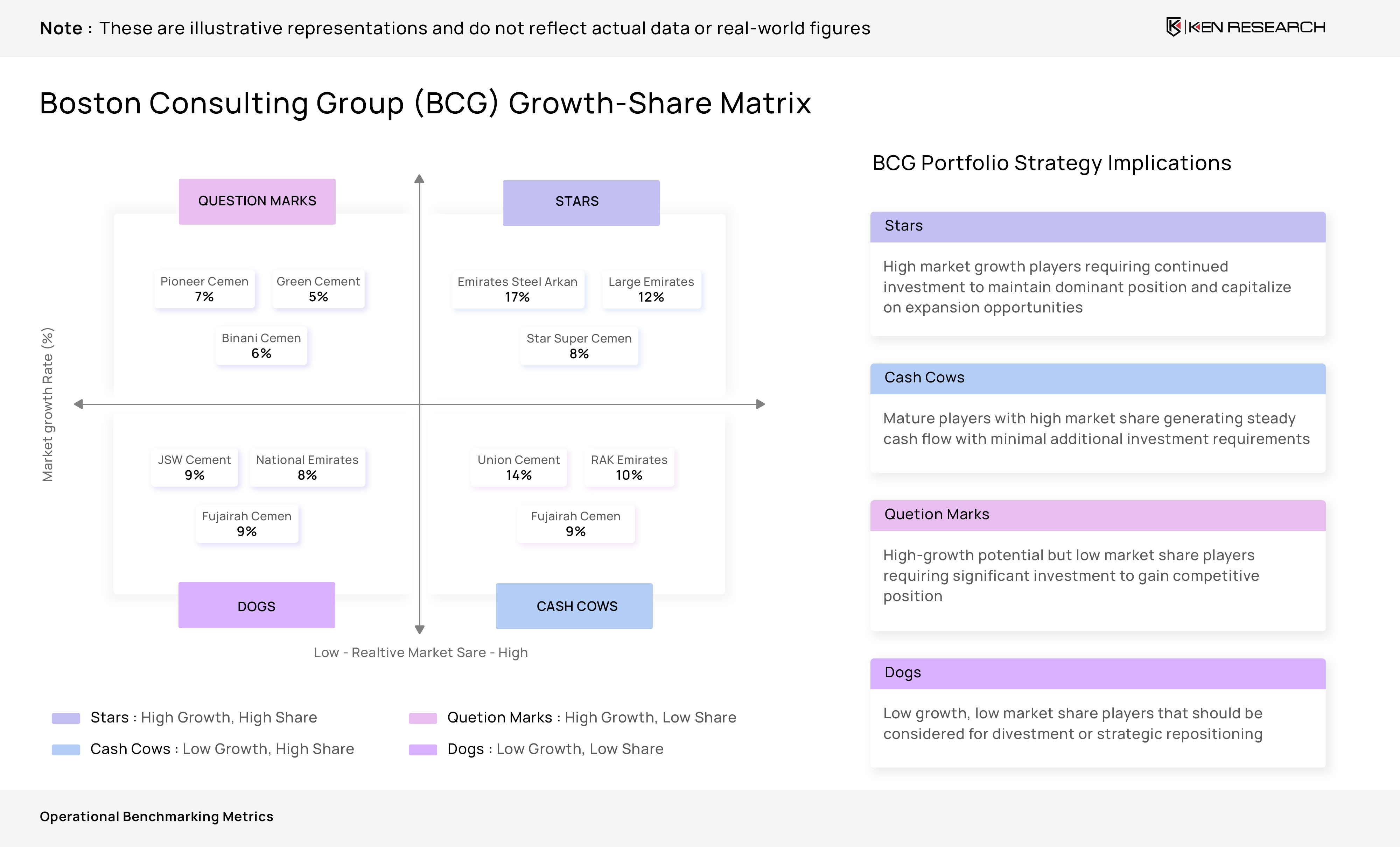
Ecosystem Matrix
The Egyptian poultry ecosystem is anchored by a handful of large, vertically integrated players such as Wadi Group and Cairo Poultry Company, which dominate through economies of scale, distribution strength, and integrated feed-to-farm operations.
Medium and small players are numerous, ensuring fragmented competition with regional footprints. This segmentation highlights the market’s structural duality: strong corporate entities driving industrial growth, alongside smaller players sustaining local demand.
Leading Player Profiles
Company Profile Overview
Larger groups such as Wadi Holdings and Americana’s Cairo Poultry provide stability to the ecosystem with international backing and cross-sector synergies.
Smaller entities like Al Rahma and Al Rowad reflect Egypt’s strong tradition of local family-run poultry businesses, sustaining regional supply chains and addressing fragmented consumption patterns.
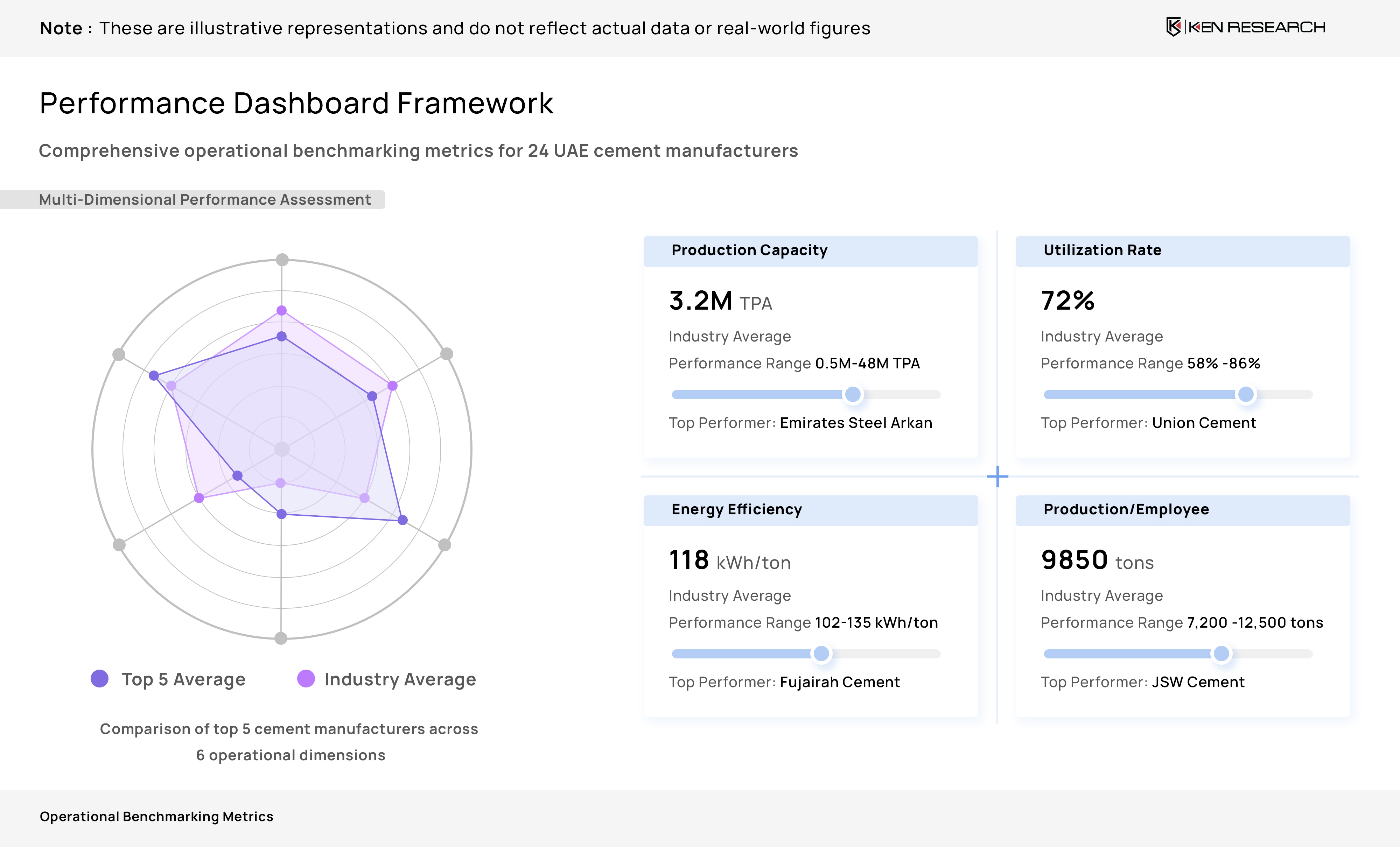
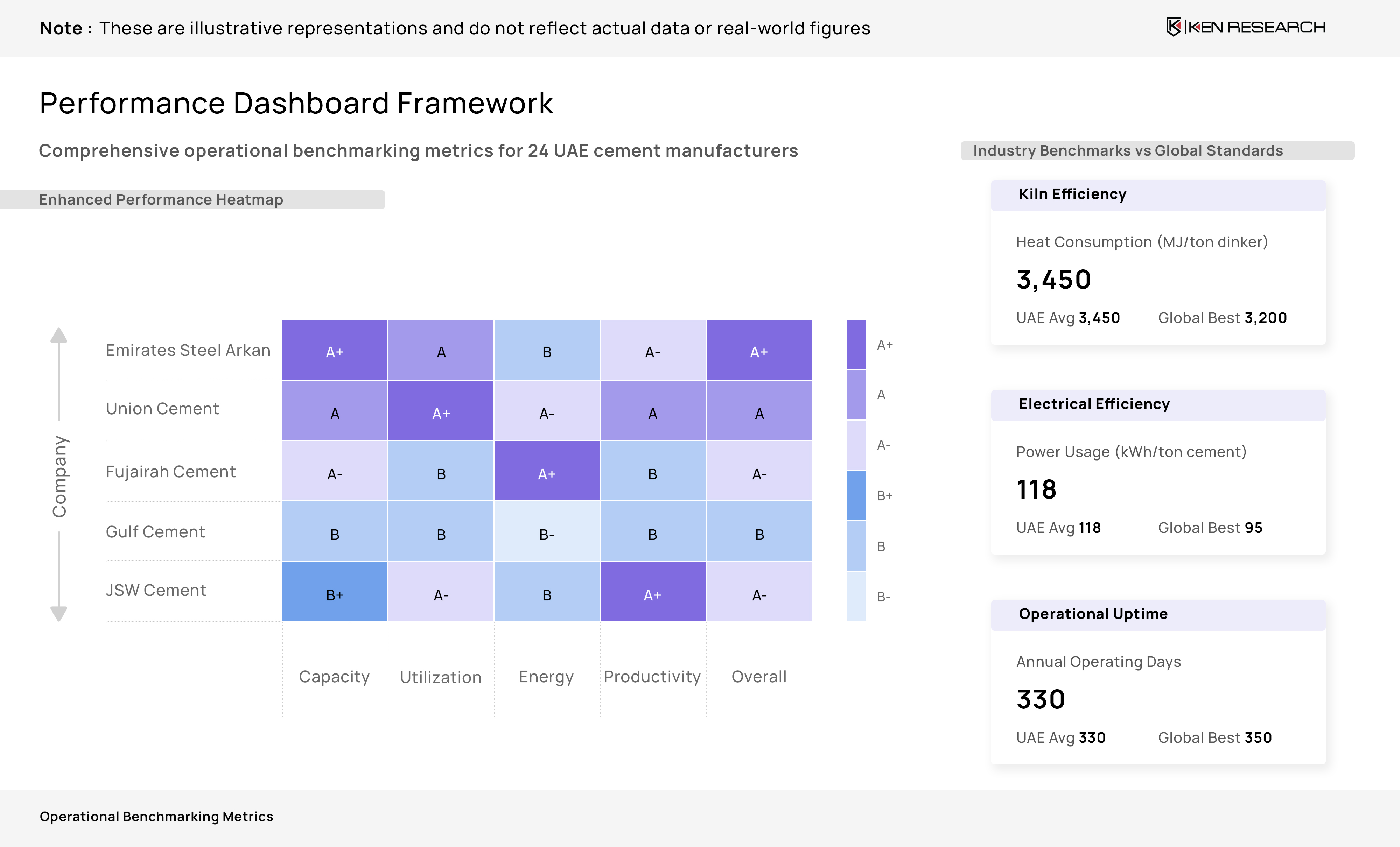
Key Operational Performance Metrics
Company Performance Overview
Unlock Market Insights
Dive deeper into production, distribution, and pricing intelligence.
Get Customized ReportRevenue generation in Egypt’s poultry industry is primarily driven by production capacity, feed integration, and processing facilities, with pricing emerging as the most sensitive parameter given the inflationary pressures in the domestic market.
Exports remain limited but strategically important for large integrated players, while local players focus primarily on cost-efficient supply chains and competitive pricing to sustain profitability.
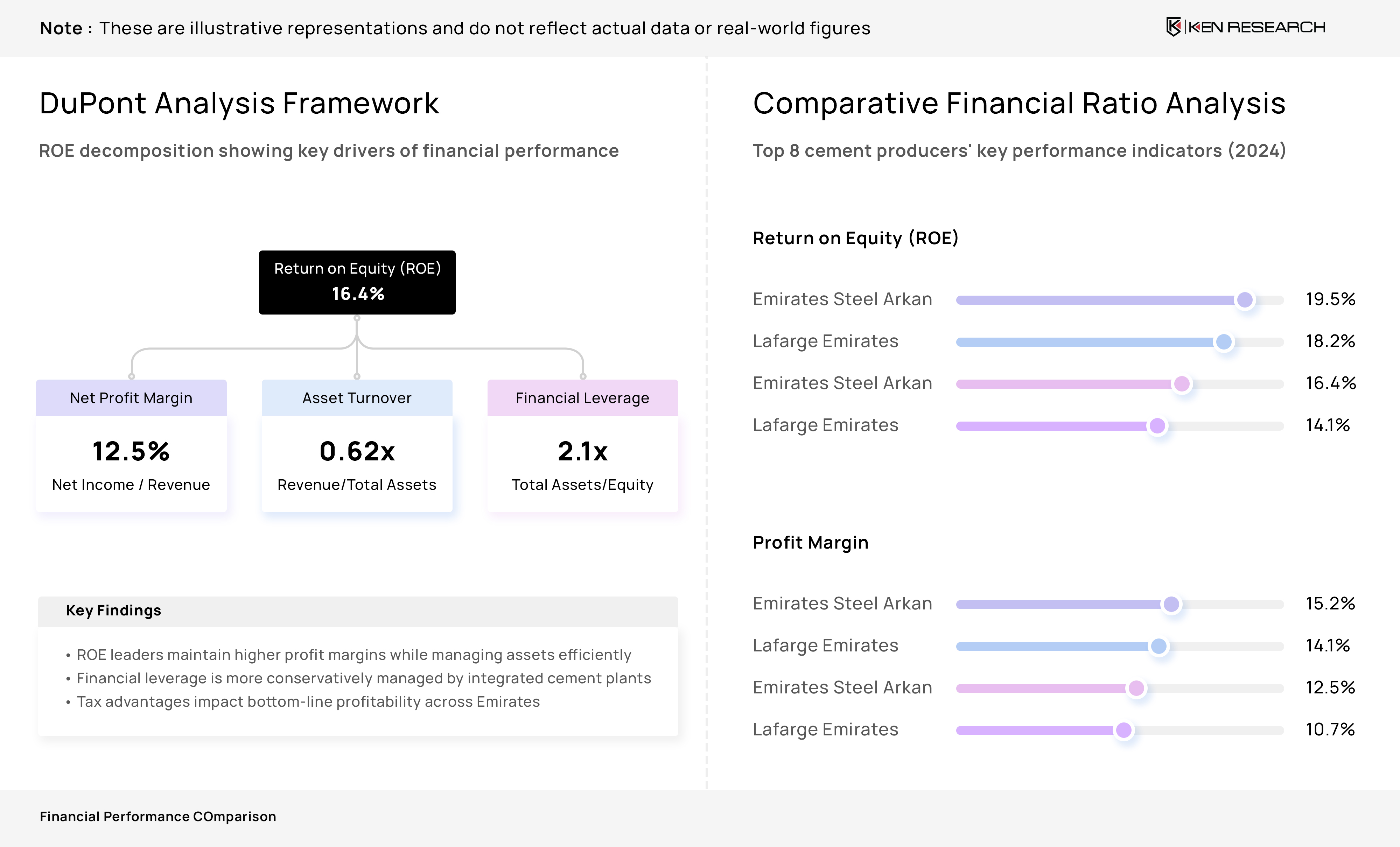
Core Financial Performance Metrics
Larger players such as Wadi Group and Cairo Poultry exhibit stronger financial resilience with diversified operations, whereas smaller players struggle with margin pressures due to volatile feed costs and higher operational overheads.
Industry profitability hinges heavily on pricing dynamics, input cost management, and scale of integration, making large groups better positioned to navigate Egypt’s inflationary environment compared to smaller standalone farms.
Table of Contents
1. Ecosystem Matrix
1.1 Large Players
1.1.1 Wadi Group
1.1.2 Cairo Poultry Company
1.1.3 Ismailia Misr Poultry
1.1.4 Al Watania Poultry Egypt
1.1.5 El Salam Poultry
1.1.6 Ahram Poultry
1.1.7 Misr Poultry Group
1.2 Medium Players
1.2.1 Al Bayade Poultry
1.2.2 El Kahira Poultry
1.2.3 Arab Poultry Breeders
1.2.4 Dakahlia Poultry
1.2.5 Al Monairy Poultry
1.2.6 El Fagr Poultry
1.2.7 Al-Amal Poultry
1.3 Small Players
1.3.1 Al Nour Poultry
1.3.2 Al Safa Poultry
1.3.3 Delta Poultry
1.3.4 El Shorouk Poultry
1.3.5 Al Rahma Poultry
1.3.6 Al Rowad Poultry
1.3.7 Al Shams Poultry
2. Leading Player Profiles
2.1 Company Name
2.2 Group Name
2.3 Headquarters
2.4 Established Year
2.5 Core Business Segment
2.6 Mode of Functioning
3. Key Operational Performance Metrics
3.1 Production Capacity (MT/Year)
3.2 Number of Farms (Units)
3.3 Hatcheries (Units)
3.4 Processing Plants (Units)
3.5 Feedmill Capacity (MT/Year)
3.6 Distribution Coverage (% of Domestic Market Reach)
3.7 Export Share (% of Total Production)
3.8 Product Range (No. of SKUs / Product Categories)
3.9 Pricing (EGP/Kg)
4. Core Financial Performance Metrics
4.1 Revenue
4.2 Revenue Growth %
4.3 COGS
4.4 COGS Growth %
4.5 EBITDA
4.6 EBITDA Growth %
4.7 EBITDA Margin %
4.8 PAT
4.9 PAT Margin %
5. Methodology
5.1 Approach
5.1.1 Desk Sources
5.1.2 Primary Interviews
5.1.3 Sanity Checking & Validation
5.2 Benchmarking Process
5.2.1 Data Collection
5.2.2 Primary Validation
5.2.3 Proxy KPI Modelling
5.2.4 Normalization & Indexing
5.2.5 Gap Analysis
5.2.6 Peer Review
5.3 Sample Composition
5.3.1 Scope Items
5.3.2 Sample Size
5.3.3 Target Respondents
METHODOLOGY
Ken Research will deploy its proprietary, multi-layered research framework—combining robust secondary research, targeted primary outreach, and rigorous data validation—to deliver an authoritative competitive landscape analysis of the Egypt Poultry Producers Market. The methodology ensures that performance metrics are comparable across players, and that proxy KPIs are tailored specifically to the poultry ecosystem in Egypt.
Desk Sources
- Industry reports (Ken Research proprietary databases, market archives)
- Company annual reports and investor presentations (public & private producers)
- Government and trade association publications (Ministry of Agriculture, Egyptian Poultry Association)
- Trade magazines, journals, and e-articles (local poultry trade press)
- Financial databases (Bloomberg, Capital IQ for listed players)
- Web traffic and app usage dashboards (SimilarWeb, mobile ordering platforms for poultry)
Primary Interviews
- CATIs and online surveys with key stakeholders
- Category managers and R&D heads of poultry producers
- Senior sales and marketing leads at leading producers
- Distributors and channel partners supplying retail, modern trade, and HoReCa
- Industry analysts and consultants specializing in livestock and feed markets
- Technology and service providers supporting digital retail of poultry products
Sanity Checking & Validation
- Triangulation: Cross-verify estimates from secondary data, primary inputs, and proxy model outputs
- Proxy KPI synthesis: Use bird population, hatchery throughput, farm counts, slaughterhouse volumes, and feedmill capacity to approximate revenues or capacities
- Outlier analysis: Reconcile anomalous datapoints through follow-up discussions
- Assumption tracking: Maintain a detailed log of assumptions such as mortality rates, yield per bird, and feed conversion ratios
- Peer review: Internal review of methodology, models, and outputs before client delivery
An Inside Look At Our Custom Insights
Take a look at ourcustomized insights, tailored to yourmarket and business needs. Our benchmarking reports deliver data-driven comparisons of key players, helping you uncover opportunities, assess performance, and make confident strategic decisions.