Egypt Warehousing Market
Published on: November 2025
Report Overview
Egypt Warehousing Market
Market Highlights
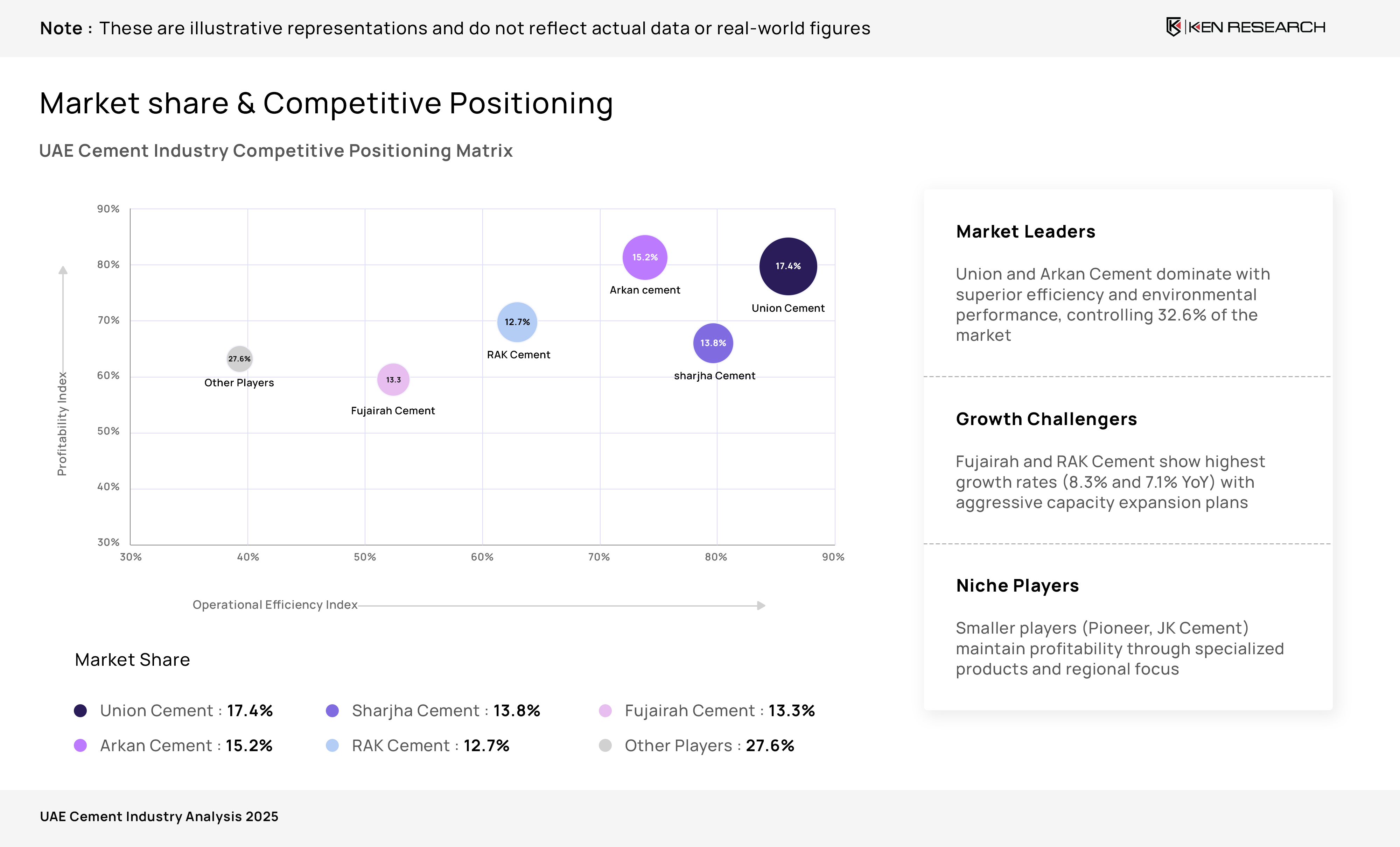
The Egypt warehousing market features a competitive mix of established logistics conglomerates, regional 3PL providers, and emerging domestic players expanding capacity to serve retail, FMCG, e-commerce, and industrial clients. Large operators leverage multi-city networks and modern facilities, while smaller providers compete through pricing flexibility and location-specific service capabilities.
Market competitiveness is influenced by the integration of upgraded warehousing infrastructure with strong adaptation to local operating realities. Companies increasingly adopt digital inventory solutions, racking systems, and temperature-controlled technologies while tailoring service models, storage configurations, and pricing for diverse customer requirements shaped by rising consumption and the rapid growth of online retail.
The distribution ecosystem is underpinned by strategic linkages to ports, industrial zones, transport corridors, and last-mile delivery networks. Warehousing operators with reliable connectivity, faster fulfillment cycles, and scalable storage solutions secure stronger client retention, enabling them to serve expanding demand across Cairo, Alexandria, and emerging logistics hubs along key trade routes.
Strategic priorities across the market center on capacity expansion, operational efficiency, and technology-driven service enhancement. Providers invest in Grade-A facilities, automation tools, safety compliance, and energy-efficient designs while strengthening contract logistics, value-added services, and digital visibility platforms. These initiatives support competitive differentiation in a logistics landscape shaped by rising trade activity and modernization efforts.
Ecosystem Matrix
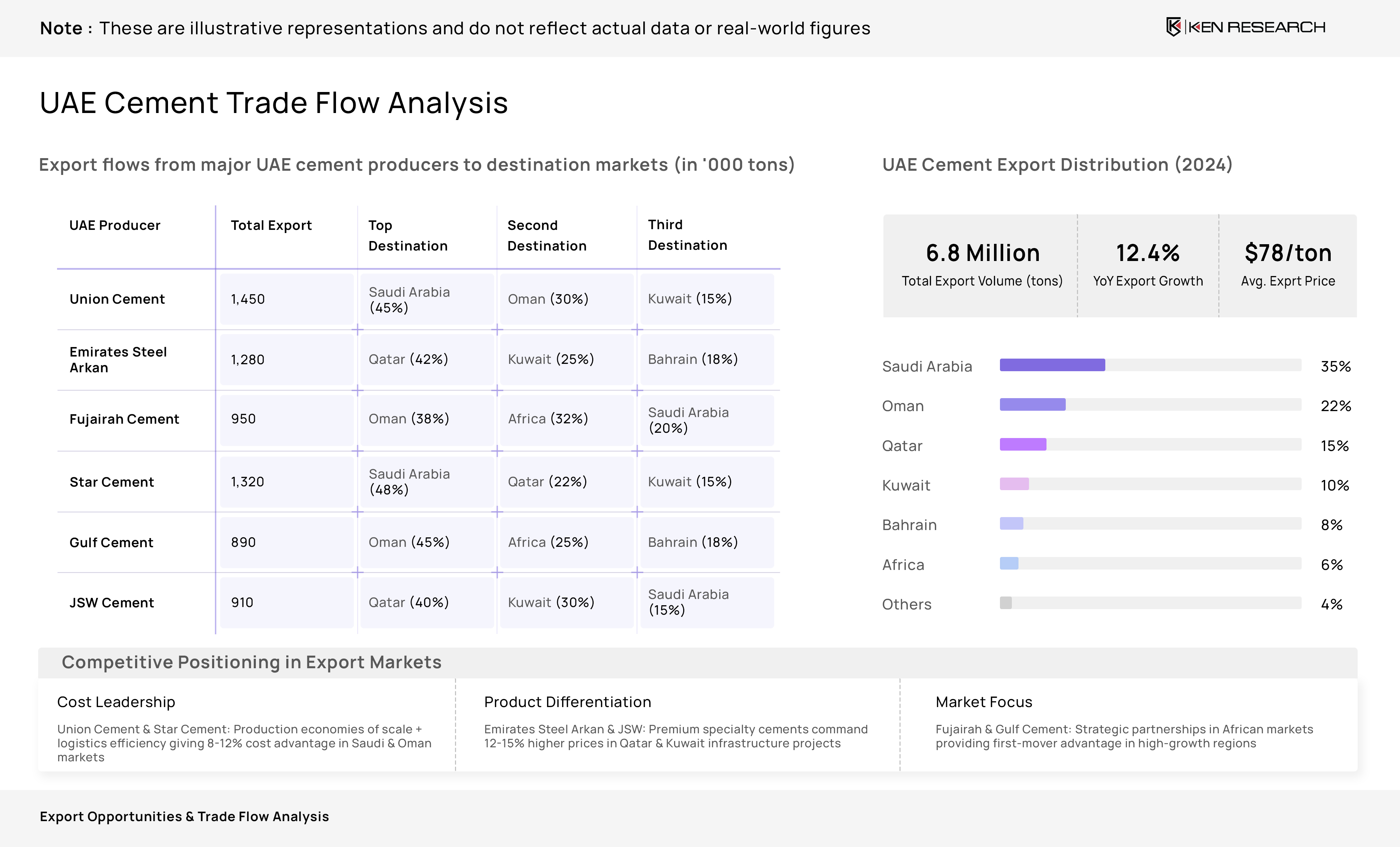
The Egyptian warehousing market demonstrates strong dominance of large multinational-affiliated logistics firms such as DHL Supply Chain Egypt, Aramex Egypt, and Maersk Logistics Egypt, which set benchmarks in automation, network scale, and service quality.
Medium and small domestic operators—such as Egytrans and Tri Star Logistics—play a critical role in filling regional demand gaps, supporting SMEs, and offering customized solutions, reflecting the market’s hybrid consolidation-fragmentation.
Leading Players Profile
Company Profile Overview
Large firms such as Agility, DHL, and DB Schenker dominate due to global integration, resource advantages, and technology-led solutions, positioning them as benchmarks for operational excellence.
Domestic players like Egytrans, Misr Logistics, and El Sewedy Logistics remain vital for cost-efficient, locally tailored warehousing and transportation services, balancing global competition with regional adaptability.
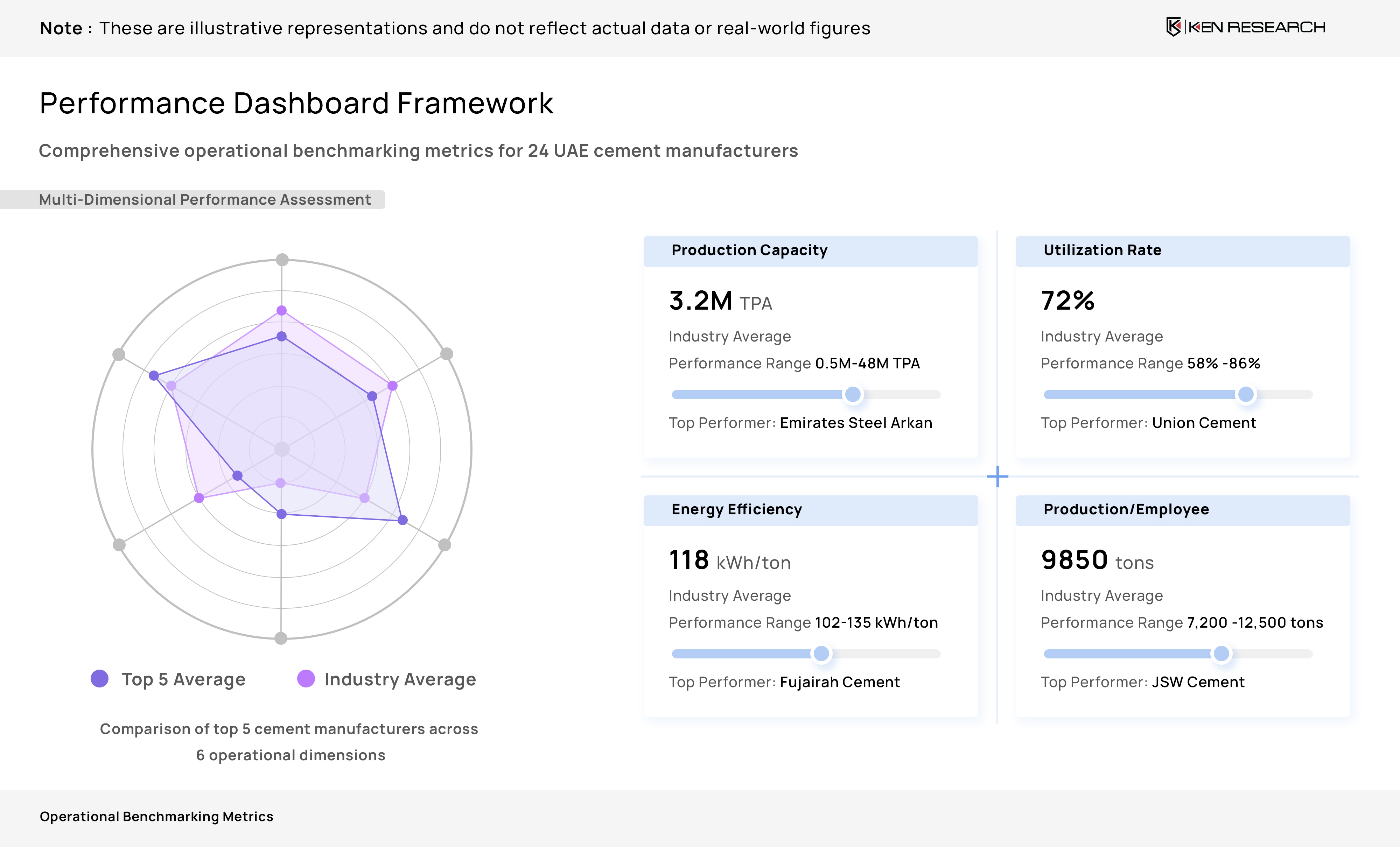
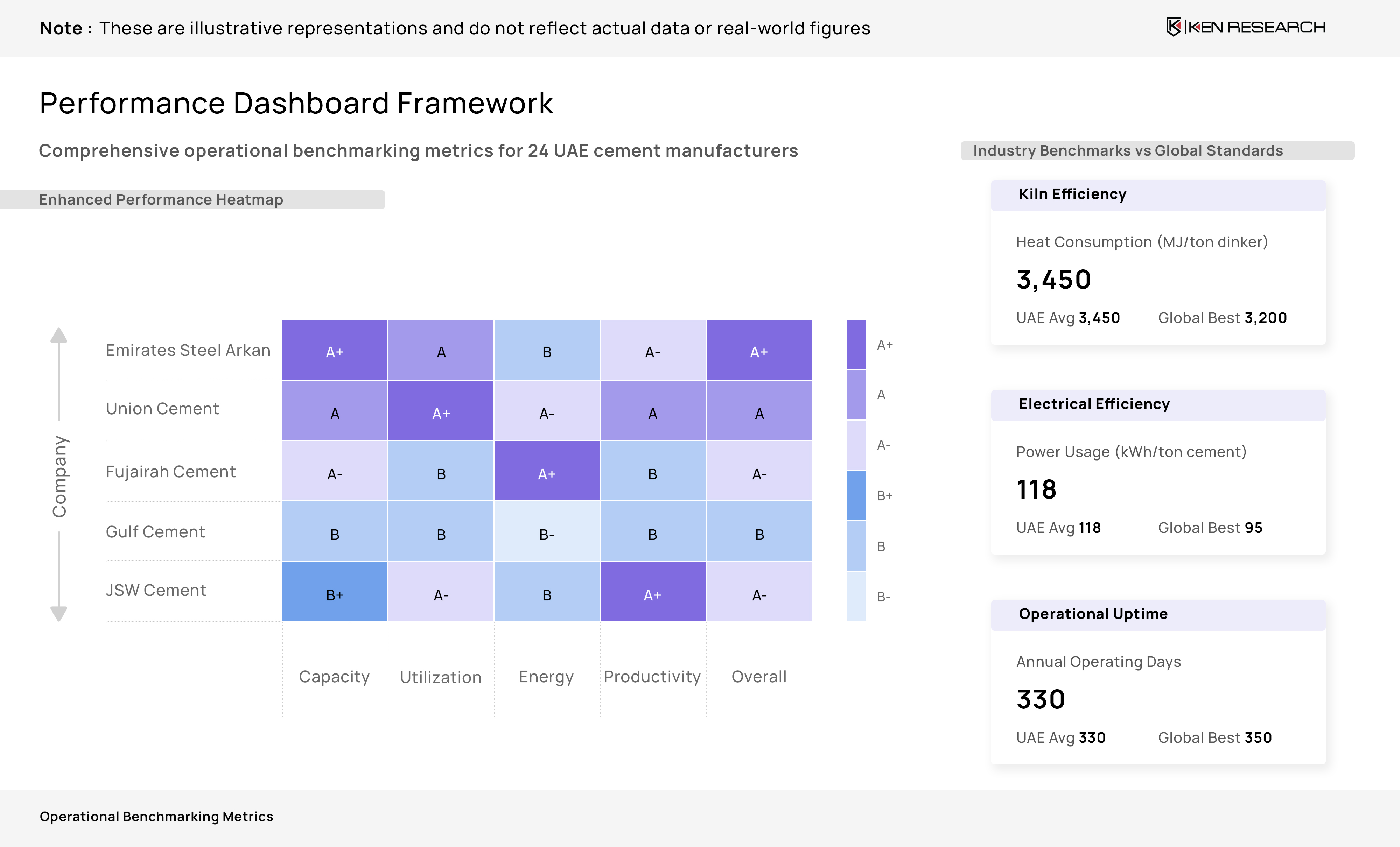
Key Operational Performance Metrics
Company Performance Overview
Unlock Market Insights
Dive deeper into production, distribution, and pricing intelligence.
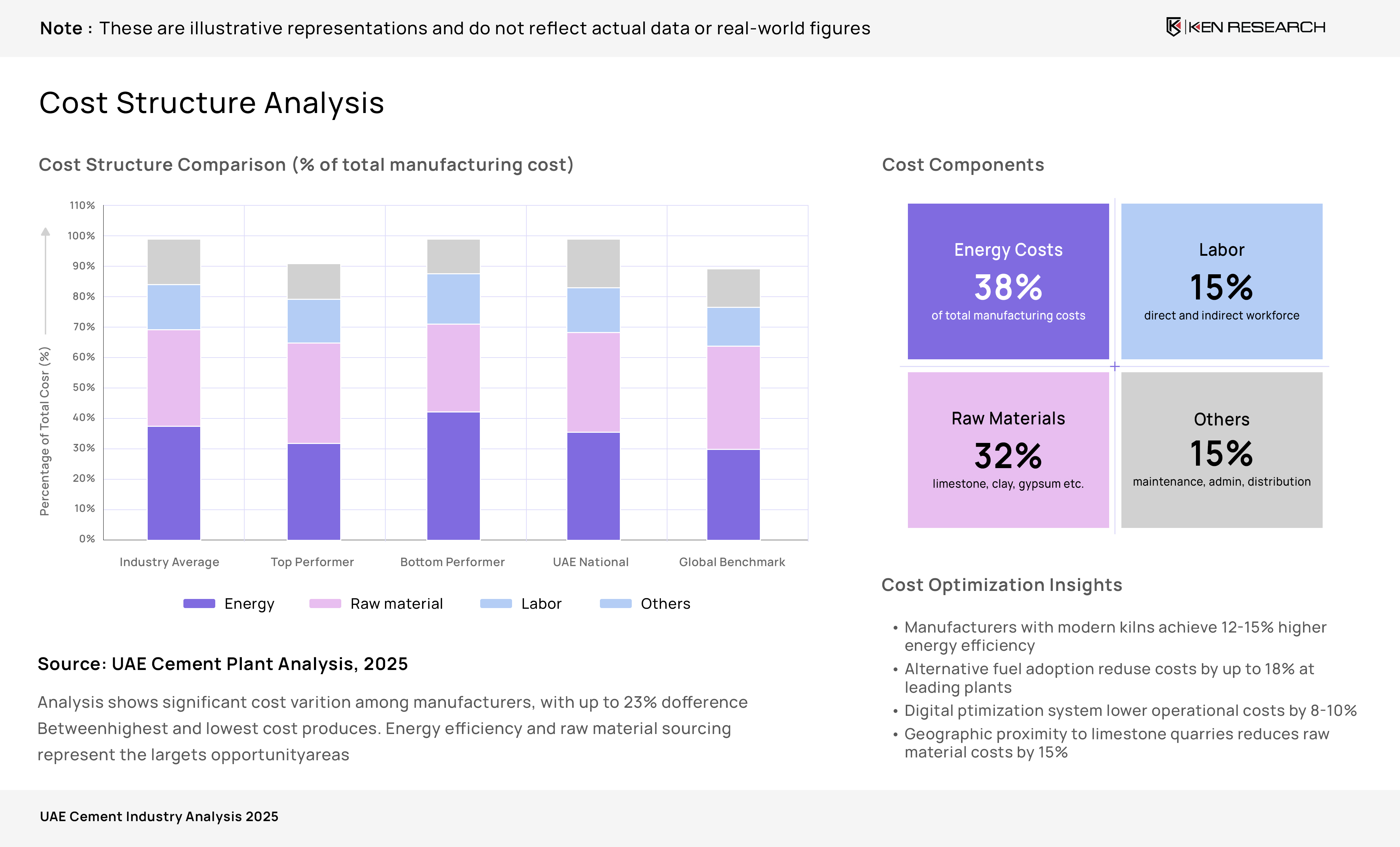
Get Customized ReportPricing, utilization rates, and delivery accuracy remain the strongest differentiators for competitive advantage in Egypt’s warehousing market. Larger players leverage advanced technology and economies of scale, while domestic firms prioritize flexibility and cost efficiency.
Warehousing capacity expansion and throughput performance indicate the sector’s readiness for high trade volumes driven by Egypt’s role as a regional logistics hub.
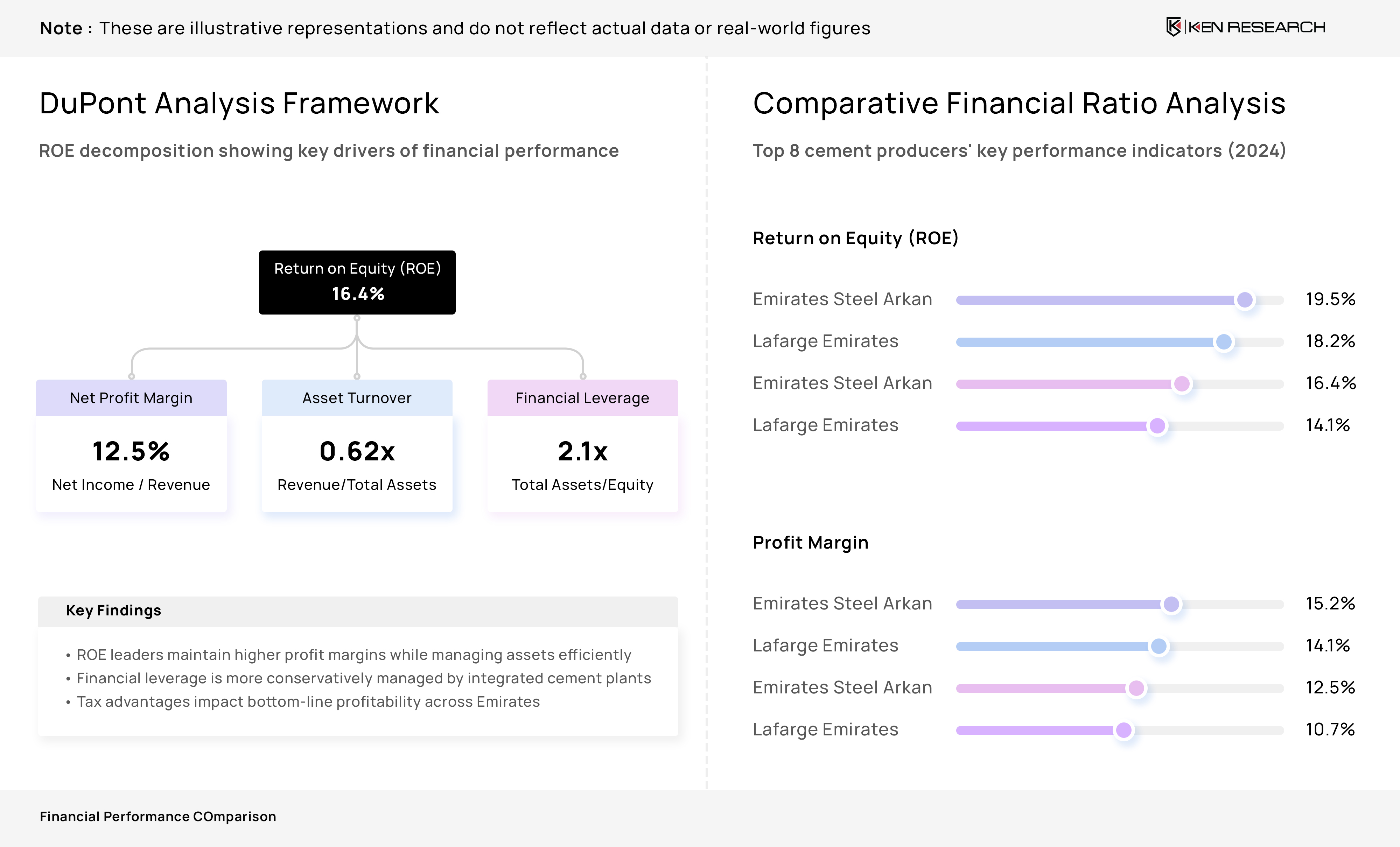
Core Financial Performance Metrics
Revenue growth and EBITDA margins are driven by economies of scale for global players such as DHL and DB Schenker, while domestic companies focus on maintaining lean operations to sustain competitive pricing.
High capital expenditure in automation and infrastructure indicates a widening financial gap between multinational and regional operators, though Egypt’s growing trade volumes provide opportunities for both tiers.
Table of Contents
1. Ecosystem Matrix
1.1 Large Players
1.1.1 Agility Logistics
1.1.2 DB Schenker Egypt
1.1.3 DHL Supply Chain Egypt
1.1.4 Kuehne + Nagel Egypt
1.1.5 CEVA Logistics Egypt
1.1.6 Aramex Egypt
1.1.7 Maersk Logistics Egypt
1.2 Medium Players
1.2.1 Misr Logistics
1.2.2 Egytrans
1.2.3 Raya Logistics
1.2.4 Panalpina Egypt
1.2.5 YBA Kanoo Logistics Egypt
1.2.6 Namma Cargo Egypt
1.3 Small Players
1.3.1 Tri Star Logistics
1.3.2 Global Freight Group
1.3.3 Freight Systems Egypt
1.3.4 El Sewedy Logistics
1.3.5 Logistica Egypt
1.3.6 United Logistics Egypt
2. Leading Player Profiles
2.1 Parameters
2.1.1 Company Name
2.1.2 Group Name
2.1.3 Headquarters
2.1.4 Established Year
2.1.5 Core Services
2.1.6 Mode of Functioning
3. Key Operational Performance Metrics
3.1 Parameters
3.1.1 No[. of Warehouses (Units)
3.1.2 Avg Storage Capacity (m²)
3.1.3 Throughput Volume (TEUs / MT / Year)
3.1.4 Pricing (USD Mn)
3.1.5 Utilization Rate (%)
3.1.6 Delivery Accuracy (%)
3.1.7 Technology Adoption
3.1.8 Regional Coverage
4. Core Financial Performance Metrics
4.1 Parameters
4.1.1 Revenue (USD Mn)
4.1.2 Revenue Growth (%)
4.1.3 COGS (USD Mn)
4.1.4 COGS Growth (%)
4.1.5 EBITDA (USD Mn)
4.1.6 EBITDA Growth (%)
4.1.7 EBITDA Margin (%)
4.1.8 PAT (USD Mn)
4.1.9 PAT Margin (%)
5. Methodology
5.1 Approach
5.1.1 Desk Sources
5.1.2 Primary Interviews
5.1.3 Sanity Checking & Validation
5.2 Benchmarking Process
5.2.1 Data Collection
5.2.2 Primary Validation
5.2.3 Proxy KPI Modelling
5.2.4 Normalization & Indexing
5.2.5 Gap Analysis
5.2.6 Peer Review
5.3 Sample Composition
5.3.1 Scope Items
5.3.2 Sample Size
5.3.3 Target Respondents
Methodology
Ken Research will deploy its proprietary, multi-layered research framework—combining robust secondary research, targeted primary outreach, and rigorous data validation—to deliver an authoritative competitive landscape analysis of the Egypt Warehousing Market. The methodology ensures accurate benchmarking of players through operational, financial, and strategic KPIs, while using proxy indicators when direct financial disclosures are limited.
Desk Sources
- Industry reports from proprietary databases and Ken Research archives
- Company annual reports, investor presentations, and corporate disclosures
- Government and trade association publications (Egyptian Customs Authority, Ministry of Transport, EIFFA)
- Trade magazines, logistics journals, and digital supply chain publications
- Financial databases such as Bloomberg, Capital IQ, and Orbis
- Web traffic and app-usage dashboards (SimilarWeb, App Annie, LinkedIn company analytics)
Primary Interviews
- CATIs and online surveys with key stakeholders across the warehousing ecosystem
- Category managers and R&D heads of major warehousing operators
- Senior sales and marketing leaders at leading logistics and warehousing companies
- Distributors and channel partners operating within Egypt’s warehousing network
- Technology and service providers offering WMS, automation, and digital warehousing solutions
- Industry analysts and consultants familiar with Egypt’s logistics and storage sectors
Sanity Checking and Validation
- Triangulation: Cross-verify estimates using secondary research, primary inputs, and proxy model outputs
- Proxy KPI Synthesis: Use KPIs such as number of warehouses, installed capacity, throughput volumes, utilization rates, technology adoption, rental pricing, and regional coverage to approximate revenues or capacity figures
- Outlier Analysis: Identify anomalous trends and validate them through targeted follow-up discussions
- Assumption Tracking: Maintain a log of all benchmarking assumptions with clear notes on limitations and proxy KPI sources
- Peer Review: Conduct internal expert assessment of methodologies, benchmarking models, and key outputs before finalization
An Inside Look At Our Custom Insights
Take a look at ourcustomized insights, tailored to yourmarket and business needs. Our benchmarking reports deliver data-driven comparisons of key players, helping you uncover opportunities, assess performance, and make confident strategic decisions.