France Fertilizer Distribution Market
Published on: January 2026
Report Overview
France Fertilizer Distribution Market Overview
Market Highlights
The France Fertilizer Distribution Market showcases a diverse competitive structure, where multinational corporations, regional manufacturers, and local firms engage in a dynamic interplay. Multinationals leverage their extensive resources for efficiency, while regional players focus on tailored solutions that resonate with local agricultural practices, and local firms capitalize on agility and niche expertise to carve out market segments.
Innovation from global leaders is harmoniously integrated with localized strategies, as companies adapt their product offerings to meet the specific needs of French farmers. This includes the development of fertilizers that align with regional soil conditions and crop requirements, ensuring that technological advancements are effectively translated into practical applications that enhance agricultural productivity.
The distribution and aftersales ecosystem is critical in fostering customer loyalty and ensuring product efficacy. Strategic collaborations among manufacturers, distributors, and agronomists enhance the accessibility of fertilizers, while robust aftersales support, including training and advisory services, strengthens the relationship between suppliers and end-users, ultimately driving satisfaction and repeat business.
Looking ahead, the competitive landscape is increasingly shaped by a focus on sustainability and technological integration. Companies are adopting innovative practices that prioritize environmental stewardship, while also investing in digital tools that enhance operational efficiency. This forward-thinking approach enables firms to remain agile and responsive to market changes, positioning them favorably in an evolving agricultural landscape.
Ecosystem Matrix
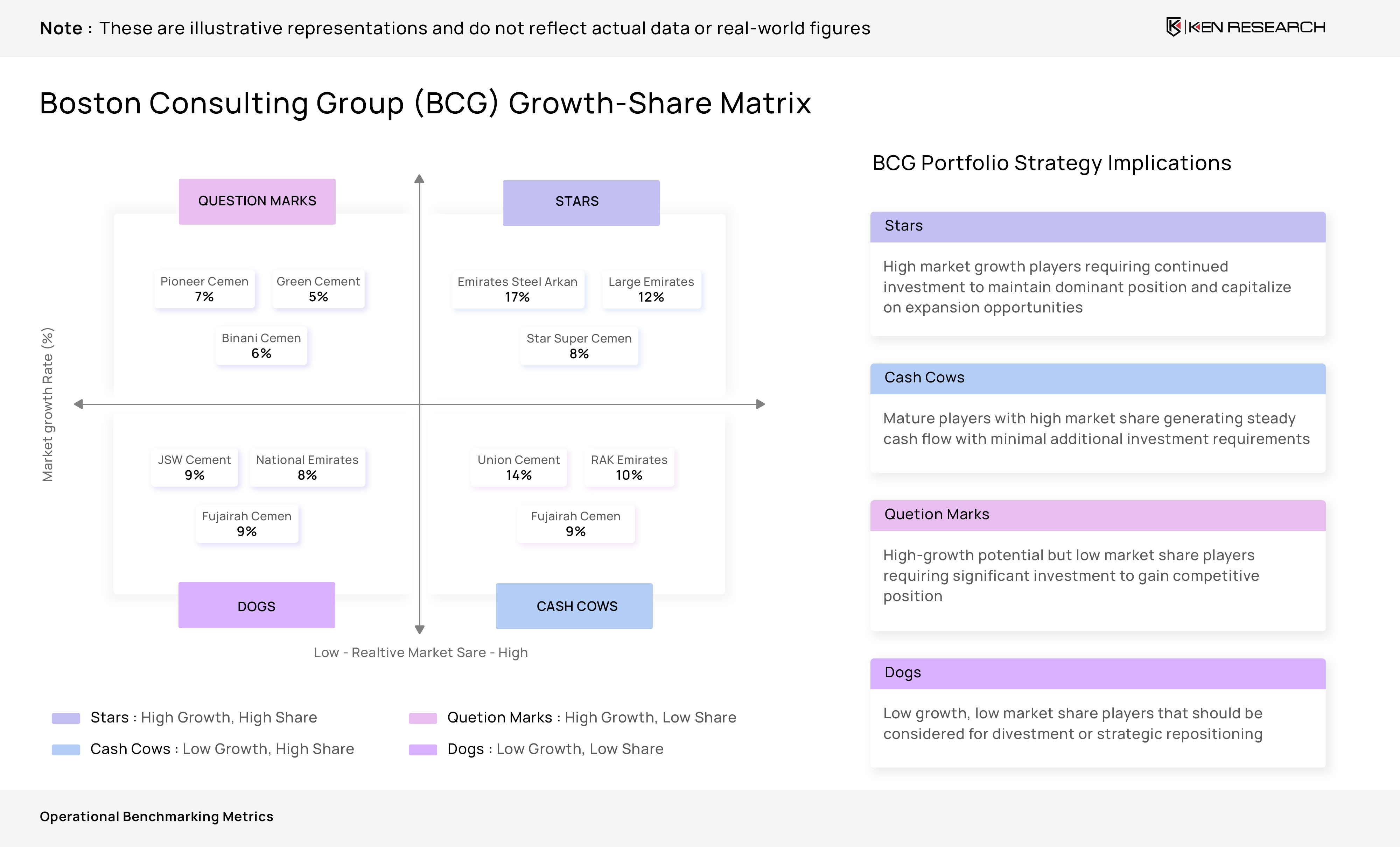
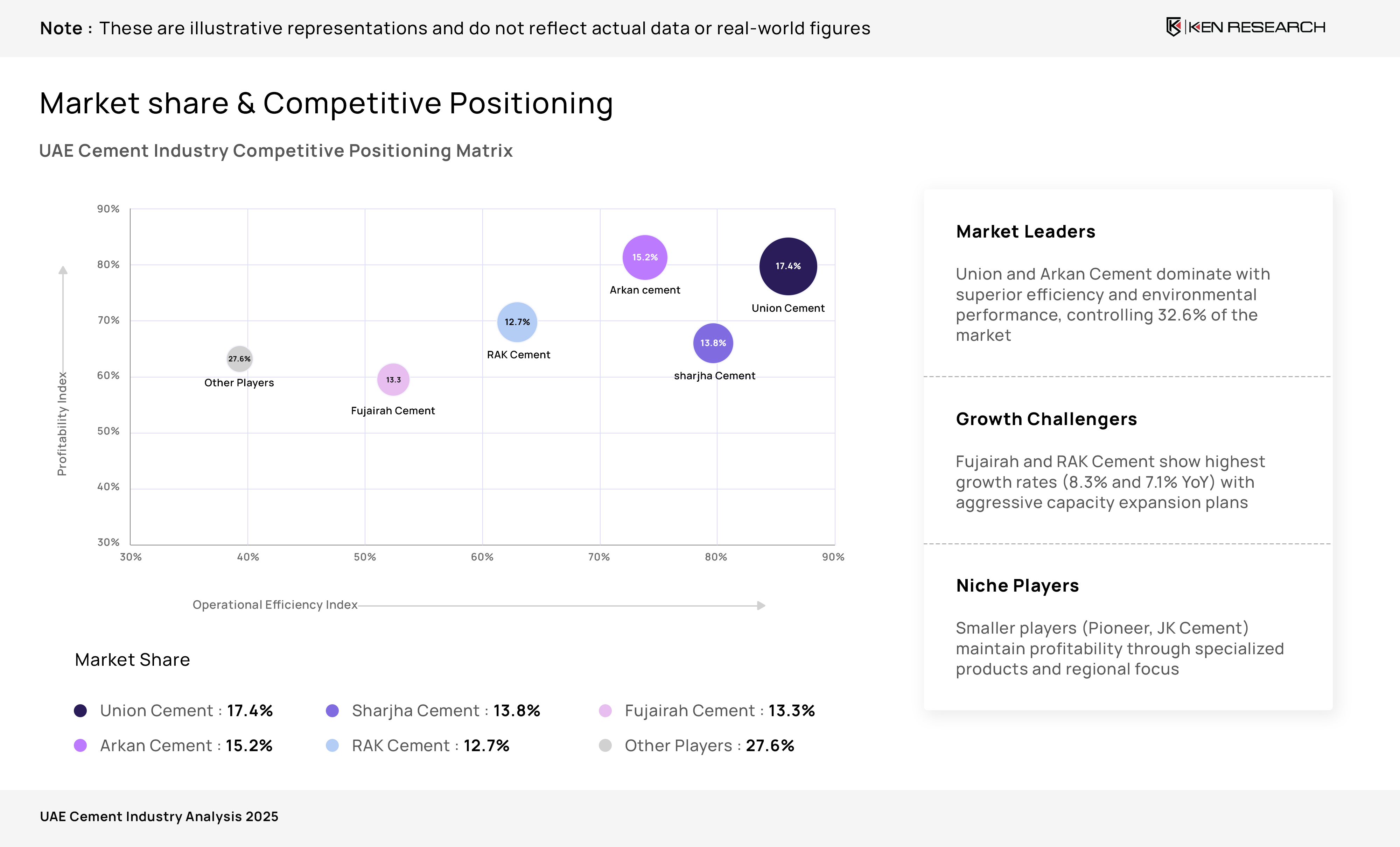
The ecosystem reflects aco-op led distribution structure, where national agricultural groups combine input retail networks, advisory, and logistics to drive reach and farmer loyalty, while global nutrient players compete through product differentiation and channel partnerships.
Competitive intensity is shaped byregional coverage depth, agronomy-led selling, and supply reliability, with scale players advantaged on procurement and storage, and specialists competing via premium formulations, crop programs, and targeted pricing architectures.
Leading Player Profiles
Company Profile Overview
Player differentiation is primarily anchored indistribution density, agronomy capability, and farmer service bundling—cooperatives typically win on relationship-led retention, while global suppliers win where product performance and program economics justify premium placement.
The competitive landscape indicates a market wherescale and logistics resilience matter, but growth capture depends on micro-regional execution (retail counters, last-mile delivery, field advisory) and the ability to structure pricing by crop, seasonality, and loyalty tiers.
Key Operational Performance Metrics
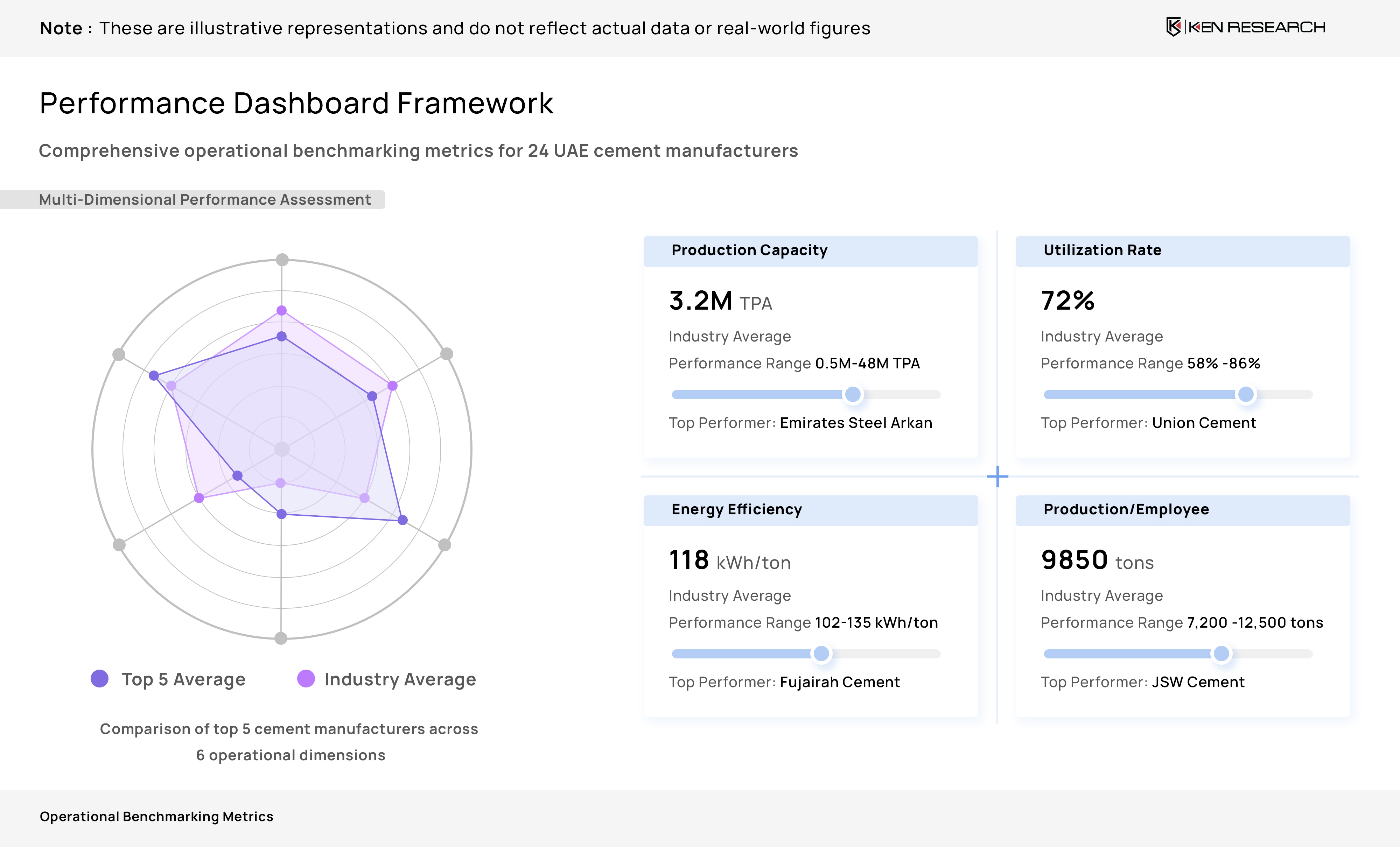
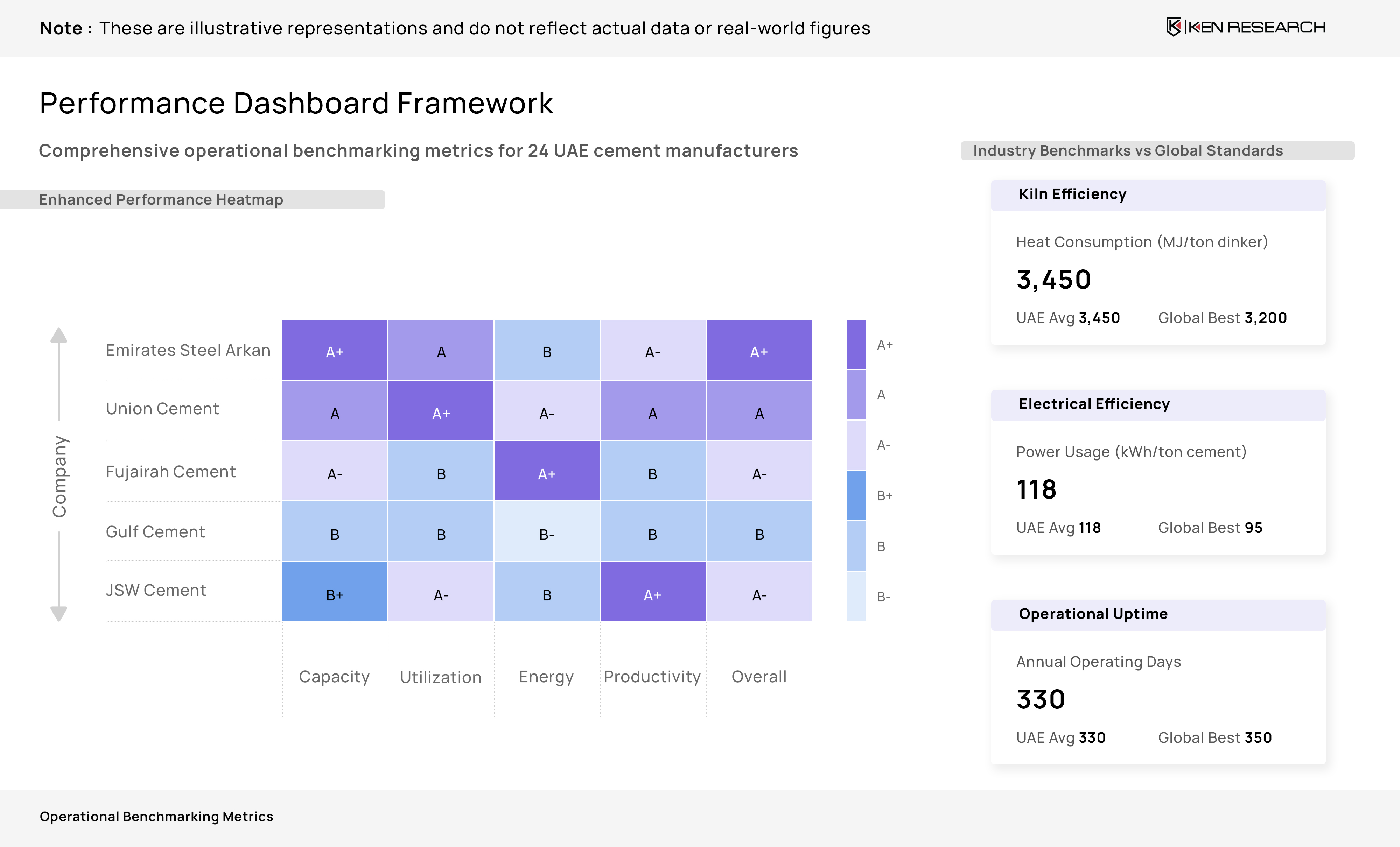
Company Performance Overview
Unlock Market Insights
Dive deeper into production, distribution, and pricing intelligence.
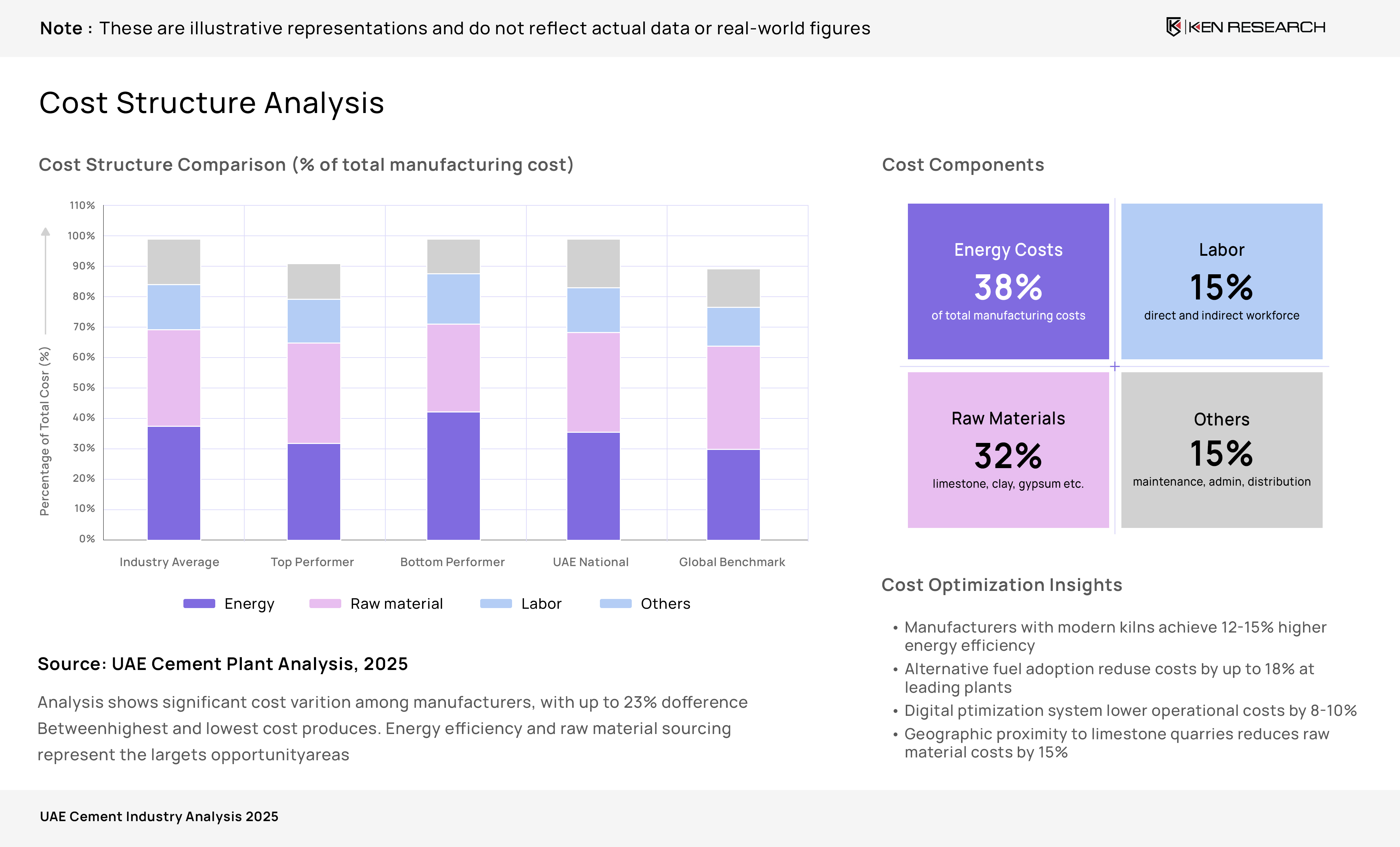
Get Customized ReportRevenue performance in fertilizer distribution is most directly explained byvolume throughput, outlet productivity, and pricing discipline, where faster lead times and higher advisory conversion typically raise average order size and reduce discounting pressure during peak seasons.
Market competitiveness is expected to hinge onmix optimization (specialty penetration), retention economics, and margin-per-tonne management, with leaders using loyalty programs, bundled agronomy services, and segment pricing (crop/region) to protect profitability.
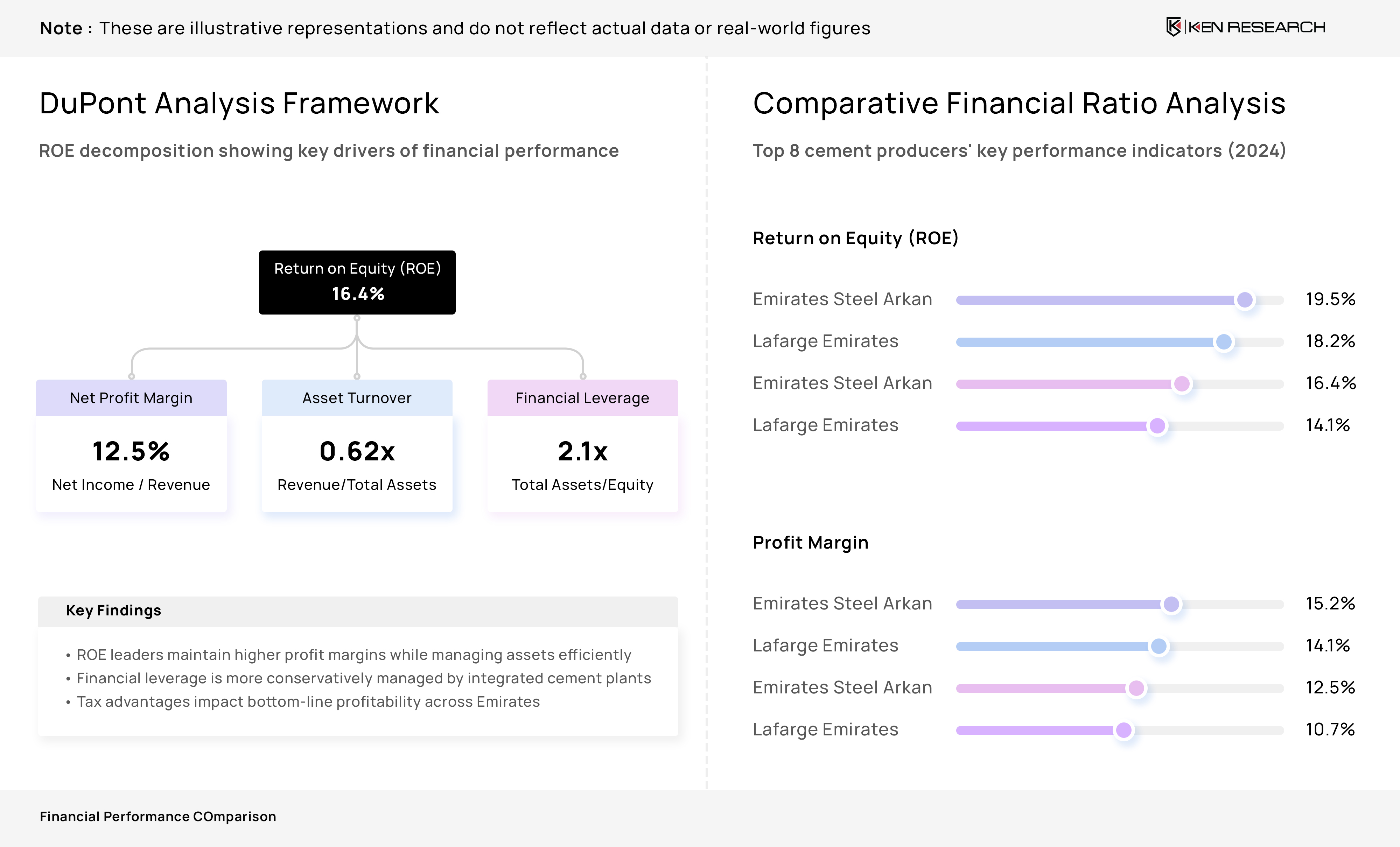
Core Financial Performance Metrics
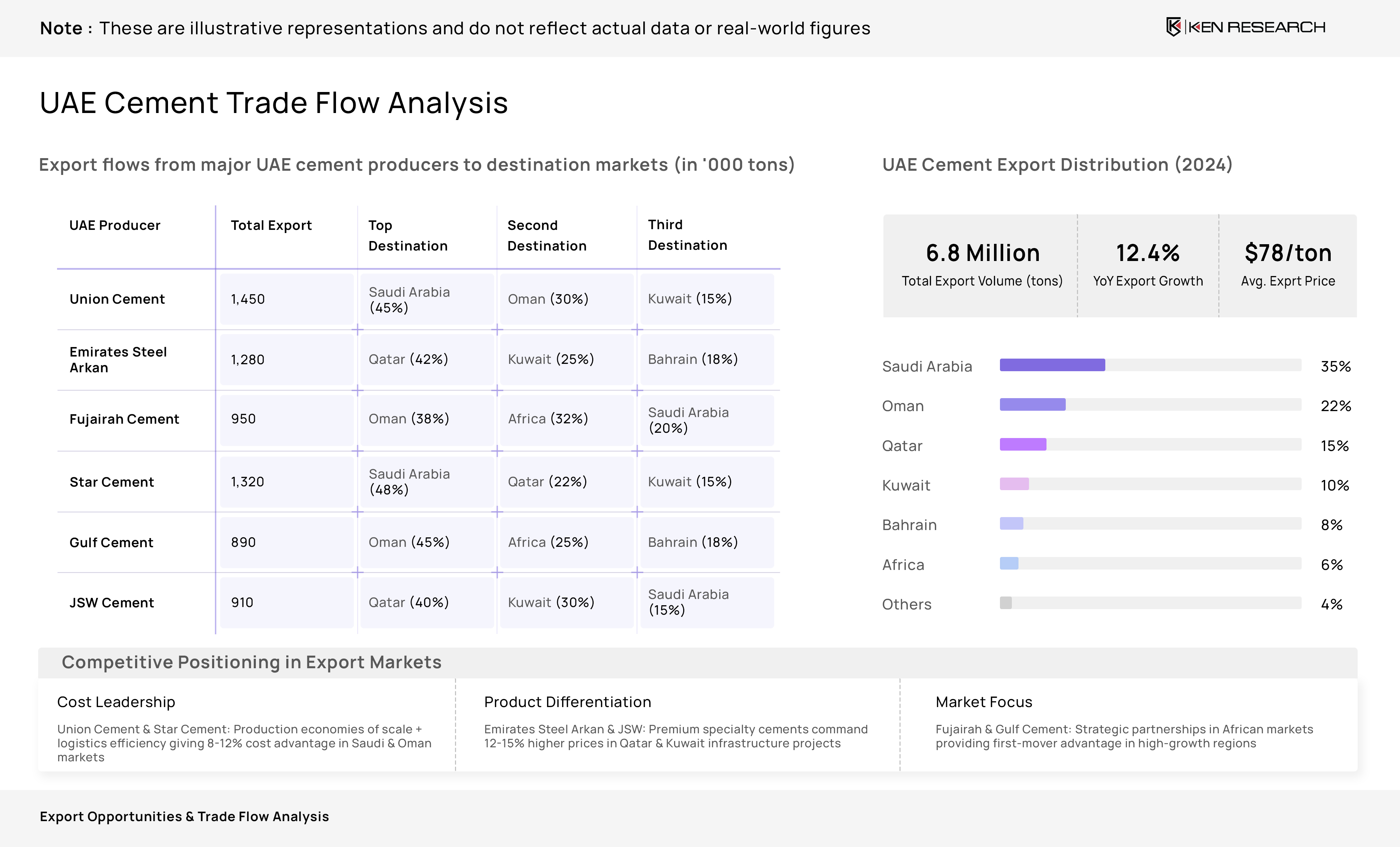
Financial outperformance in fertilizer distribution is typically driven bygross margin stability, procurement leverage, and cost-to-serve control, especially where warehousing and last-mile delivery efficiency reduce COGS leakage and avoid peak-season fulfillment penalties.
EBITDA and PAT resilience depend onmix shift to higher-value specialty portfolios, disciplined pricing ladders, and operating leverage(outlet productivity, logistics utilization), while weaker players tend to show higher COGS volatility and margin compression.
Table of Contents
1. Ecosystem Matrix
1.1 Large Players
1.1.1 InVivo
1.1.2 Groupe Roullier (TIMAC AGRO)
1.1.3 Terrena
1.1.4 Axéréal
1.1.5 Vivescia
1.1.6 Eureden
1.1.7 Euralis
1.1.8 Tereos
1.1.9 Soufflet Agriculture (InVivo)
1.2 Medium Players
1.2.1 Yara France
1.2.2 BASF Agricultural Solutions France
1.2.3 K+S France
1.2.4 ICL France
1.2.5 EuroChem Agro France
1.2.6 COMPO EXPERT France
1.3 Small Players
1.3.1 De Sangosse
1.3.2 Noriap
1.3.3 CAVAC
2. Leading Player Profile
2.1 Company Name
2.2 Group Name
2.3 Headquarters
2.4 Establishment Year
2.5 Core Services
2.6 Mode of Functioning
3. Key Operational Performance Metrics
3.1 Active Retail Outlets / Depots (count)
3.2 Warehousing Capacity (tonnes)
3.3 Annual Distribution Volume (tonnes)
3.4 Product Mix Share: N / P / K / NPK / Specialty (%)
3.5 Average Order Size (tonnes/order)
3.6 Order-to-Delivery Lead Time (days)
3.7 Pricing (USD/tonne)
3.8 Gross Margin per Tonne (USD/tonne)
3.9 Farmer Retention Rate (%)
3.10 Advisory-to-Sales Conversion (%)
4. Core Financial Performance Metrics
4.1 Parameters
4.1.1 Revenue (USD Mn)
4.1.2 Revenue Growth (%)
4.1.3 COGS (USD Mn)
4.1.4 COGS Growth (%)
4.1.5 EBITDA (USD Mn)
4.1.6 EBITDA Growth (%)
4.1.7 EBITDA Margin (%)
4.1.8 PAT (USD Mn)
4.1.9 PAT Margin (%)
5. Methodology
5.1 Approach
5.1.1 Desk Sources
5.1.2 Primary Interviews
5.1.3 Sanity Checking & Validation
5.2 Benchmarking Process
5.2.1 Data Collection
5.2.2 Primary Validation
5.2.3 Proxy KPI Modelling
5.2.4 Normalization & Indexing
5.2.5 Gap Analysis
5.2.6 Peer Review
5.3 Sample Composition
5.3.1 Scope Items
5.3.2 Sample Size
5.3.3 Target Respondents
Methodology
Ken Research will deploy its proprietary, multi-layered research framework combining robust secondary research, targeted primary outreach, and rigorous data validation to deliver an authoritative competitive landscape analysis of the France Fertilizer Distribution Market.
Desk Sources
- Ken Research proprietary industry reports and internal archives
- Company annual reports, statutory disclosures, and investor presentations
- Government and trade association publications covering agriculture, fertilizers, and cooperatives
- Trade magazines, agri-journals, and fertilizer industry articles
- Financial intelligence databases, including Bloomberg and Capital IQ
- Web traffic and digital intelligence tools such as SimilarWeb and distributor websites
Primary Interviews
- CATIs and structured online surveys with key fertilizer industry stakeholders
- Category managers and product heads at fertilizer manufacturers and distributors
- Senior sales and marketing leaders at leading fertilizer distributors
- Regional distributors, cooperatives, and channel partners
- Industry analysts and agri-input consultants
- Logistics and warehousing service providers supporting fertilizer distribution
Sanity Checking and Validation
- Triangulation through cross-verification of secondary research, primary inputs, and proxy model outputs
- Proxy KPI synthesis using fertilizer-specific indicators such as outlet count, warehousing capacity, throughput volumes, and product mix to estimate revenues
- Outlier analysis to identify and reconcile abnormal pricing, margin, or volume data via follow-up interactions
- Assumption tracking through a centralized log detailing justification, limitations, and proxy sources
- Internal peer review by senior analysts to validate assumptions, proxy frameworks, and final outputs
An Inside Look At Our Custom Insights
Take a look at ourcustomized insights, tailored to yourmarket and business needs. Our benchmarking reports deliver data-driven comparisons of key players, helping you uncover opportunities, assess performance, and make confident strategic decisions.