France Retail Banking Market
Published on: March 2026
Report Overview
France Retail Banking Market Overview
Market Highlights
The France Retail Banking Market showcases a diverse competitive structure, where multinational banks leverage their extensive resources alongside regional institutions and nimble local firms. This dynamic fosters a rich environment for innovation, with larger entities focusing on operational efficiency while smaller players capitalize on personalized service and niche offerings.
In this market, global banking innovations are seamlessly integrated with localized strategies, allowing institutions to tailor their services to meet the unique preferences and regulatory requirements of French consumers. This blend of global best practices with local insights enhances customer engagement and satisfaction.
The distribution and aftersales ecosystem is pivotal in ensuring a robust customer experience, with banks forming strategic alliances to enhance service delivery and accessibility. These partnerships facilitate a comprehensive support network that addresses customer needs throughout their banking journey, reinforcing brand loyalty and trust.
Ecosystem Matrix
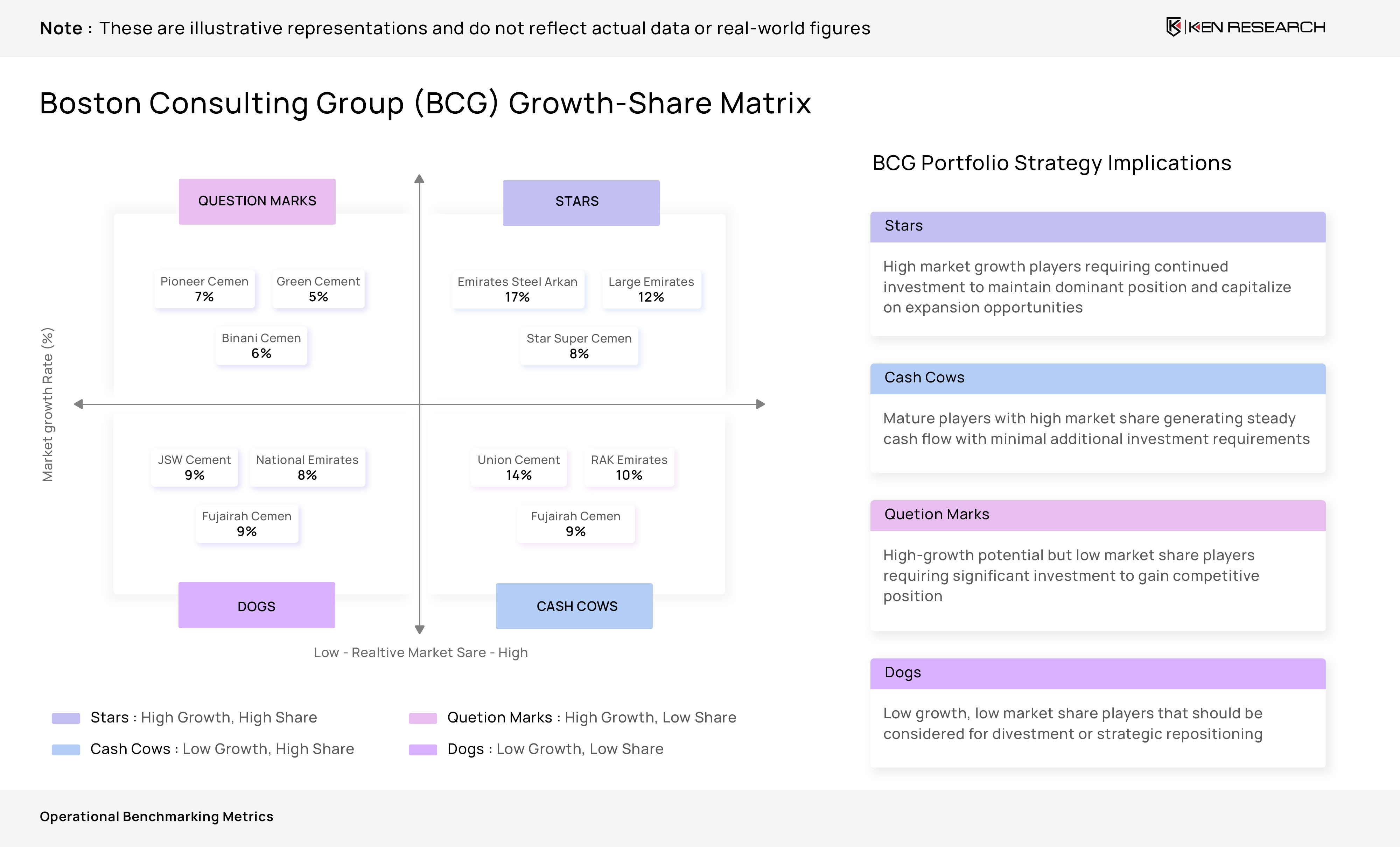
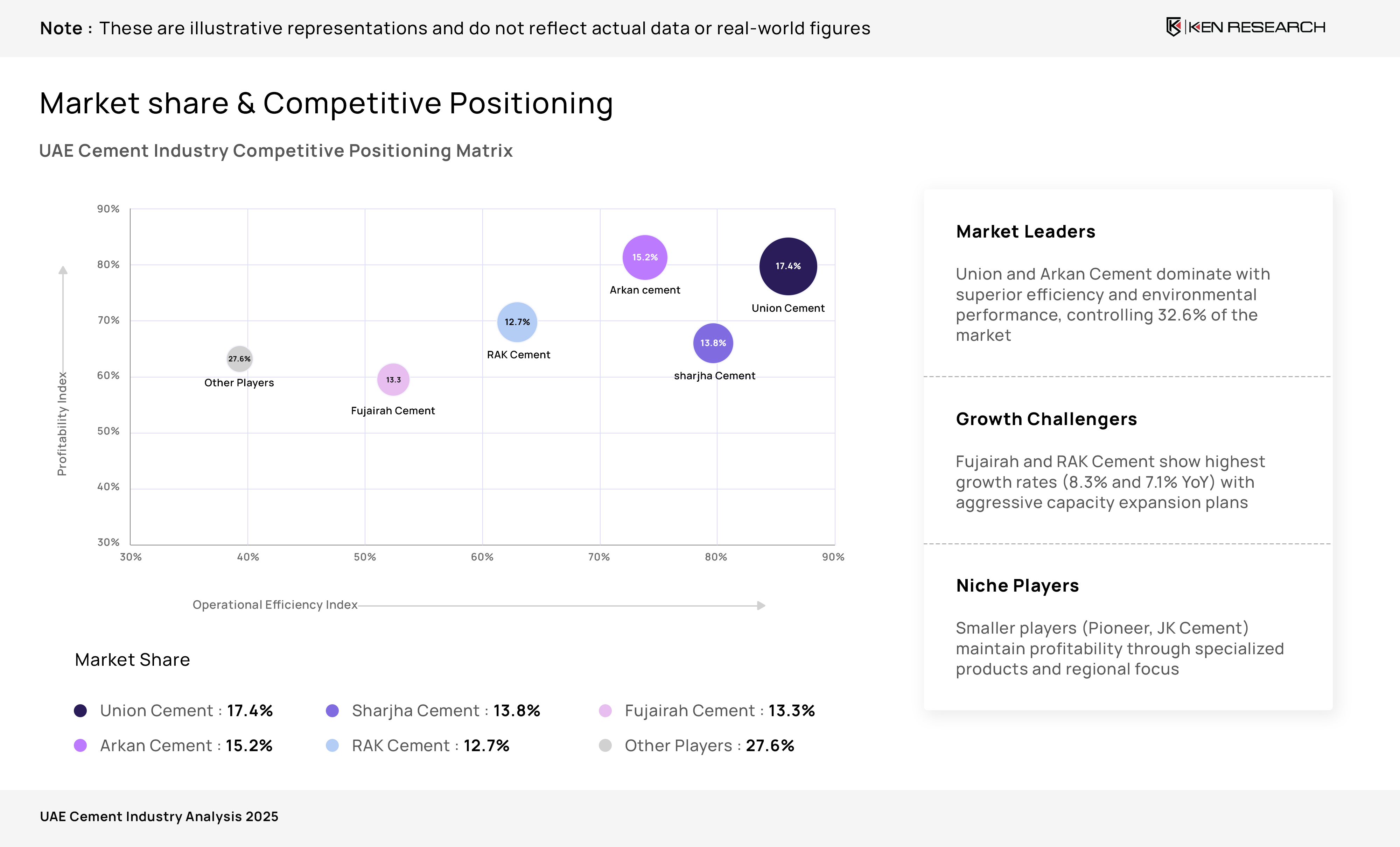
The France retail banking market is dominated by a few large players, with BNP Paribas, Société Générale, and Crédit Agricole leading in market share and assets, reflecting a highly consolidated industry landscape.
The ecosystem maturity in France's retail banking sector is evident through the presence of both traditional banks and innovative digital platforms, indicating a balanced evolution towards digital transformation while maintaining strong traditional banking roots.
Leading Player Profiles
Company Profile Overview
In the France Retail Banking Market, companies are increasingly leveraging digital transformation and fintech partnerships to enhance customer experience and streamline operations, focusing on mobile and online banking solutions to meet evolving consumer demands.
Operational efficiency is achieved through the adoption of advanced analytics and AI-driven processes, enabling banks to optimise resource allocation, reduce costs, and maintain a competitive edge by offering personalised financial products and services.
Key Operational Performance Metrics
Company Performance Overview
Unlock Market Insights
Dive deeper into production, distribution, and pricing intelligence.
Get Customized ReportIn France's retail banking market, revenue is primarily driven by the number of active retail accounts, loan origination volumes, and deposit growth rates, reflecting customer acquisition and credit activity as core income sources. Net interest margin in USD Mn captures pricing efficiency.
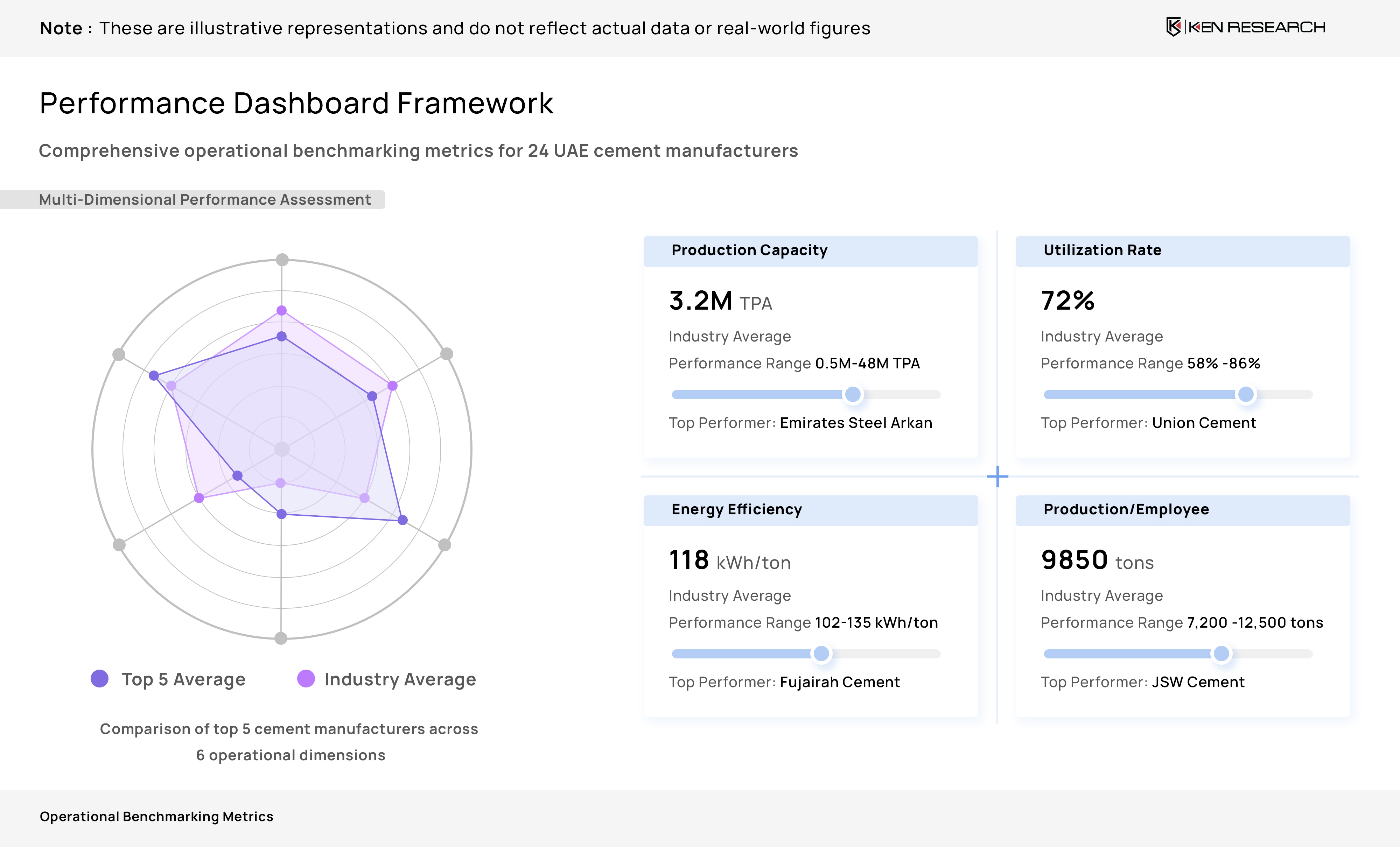
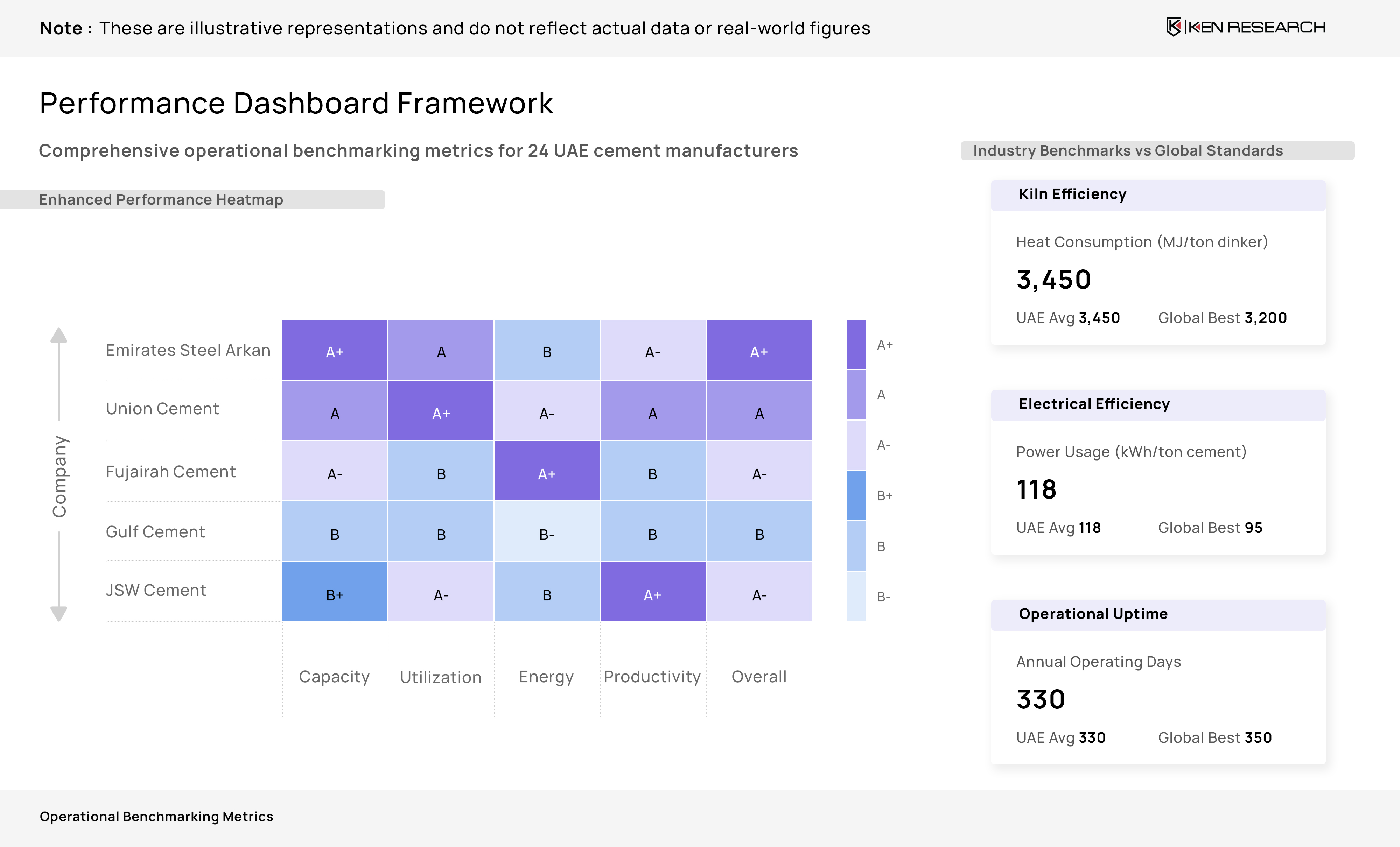
Operational excellence is benchmarked through digital transaction share, customer tenure, branch density, satisfaction scores, loan default rates, and cost-to-income ratios, highlighting the balance between digital adoption, customer loyalty, risk management, and cost efficiency.
Core Financial Performance Metrics
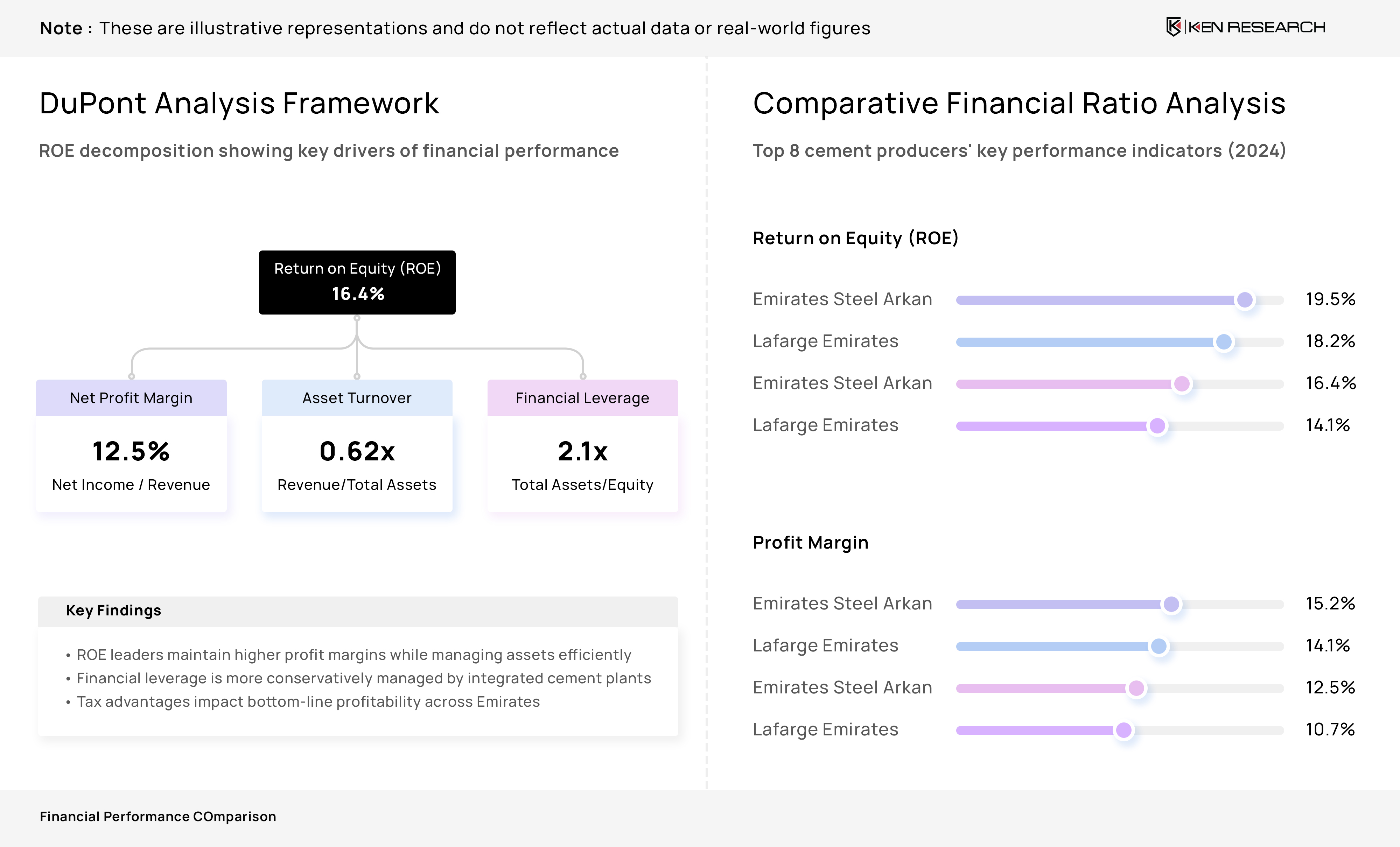
Large players like CIC and Société Générale S.A. demonstrate superior scale and pricing power, reflected in their robust revenue and margin figures, compared to smaller peers like Nickel and Monabanq, which struggle with lower revenue and weaker margins.
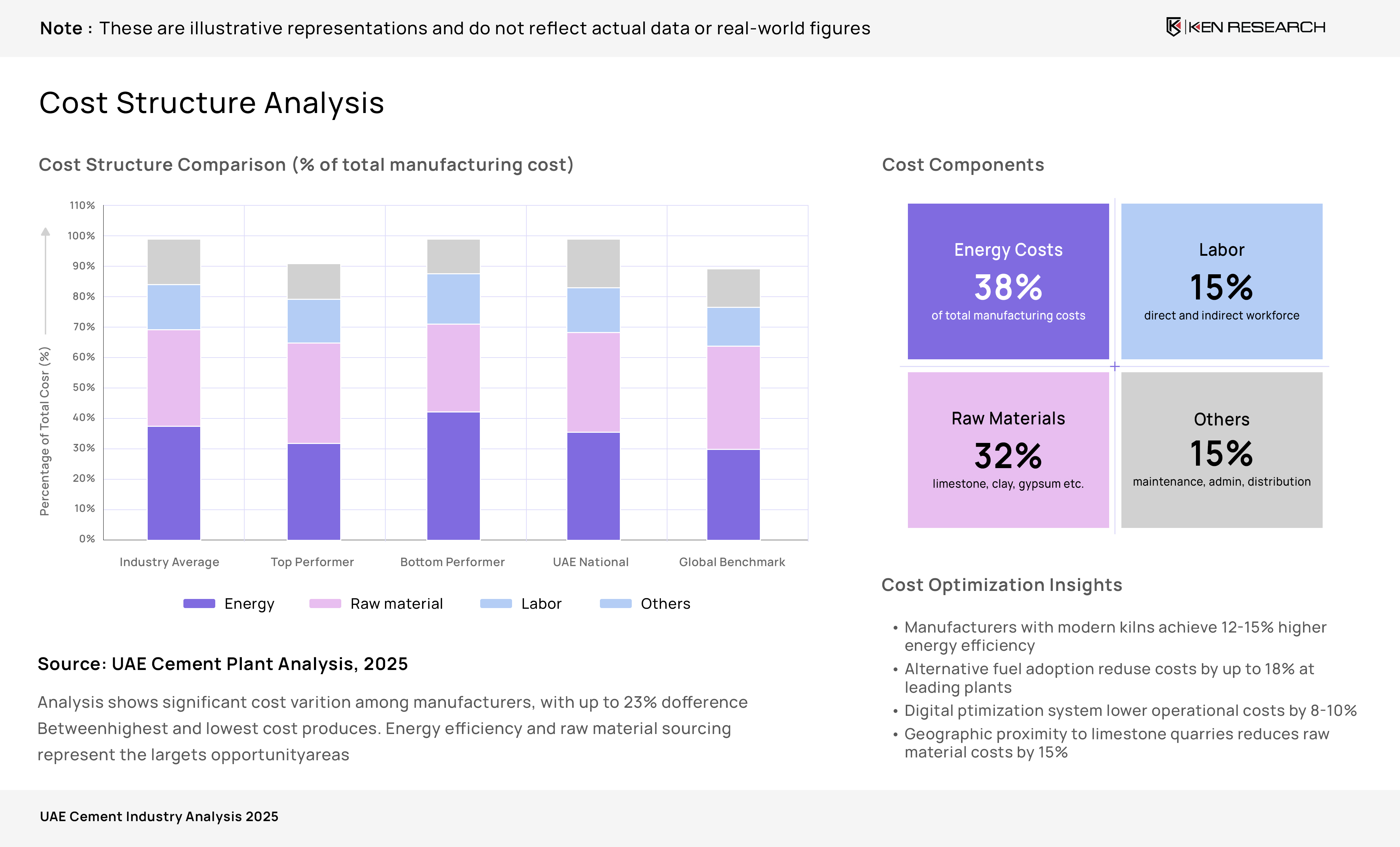
Top-tier banks exhibit greater cost efficiency and financial stability, with lower COGS growth and higher EBITDA margins, while smaller banks face challenges in maintaining cost control and financial resilience, impacting their overall profitability.
Table of Contents
1. Ecosystem Matrix
1.1 Large Players
1.1.1 CIC
1.1.2 Société Générale S.A.
1.1.3 Crédit Mutuel
1.1.4 Crédit Agricole S.A.
1.1.5 BNP Paribas S.A.
1.1.6 La Banque Postale
1.1.7 Groupe BPCE
1.2 Medium Players
1.2.1 Banque Palatine
1.2.2 Caisse d'Epargne
1.2.3 LCL
1.2.4 Banque Populaire
1.2.5 HSBC France
1.2.6 ING France
1.2.7 Boursorama Banque
1.3 Small Players
1.3.1 Banque Courtois
1.3.2 Banque Nuger
1.3.3 Fortuneo Banque
1.3.4 Monabanq
1.3.5 Hello bank!
1.3.6 Nickel
2. Leading Player Profiles
2.1 Parameters
2.1.1 Company Name
2.1.2 Group Name
2.1.3 Headquarters
2.1.4 Established Year
2.1.5 Core Services
2.1.6 Mode of Functioning
2.2. Players
2.2.1 CIC
2.2.2 Société Générale S.A.
2.2.3 Crédit Mutuel
2.2.4 Crédit Agricole S.A.
2.2.5 BNP Paribas S.A.
2.2.6 La Banque Postale
2.2.7 Groupe BPCE
2.2.8 Banque Palatine
2.2.9 Caisse d'Epargne
2.2.10 LCL
2.2.11 Banque Populaire
2.2.12 HSBC France
2.2.13 ING France
2.2.14 Boursorama Banque
2.2.15 Banque Courtois
2.2.16 Banque Nuger
2.2.17 Fortuneo Banque
2.2.18 Monabanq
2.2.19 Hello bank!
2.2.20 Nickel
3. Key Operational Performance Metrics
3.1 Parameters
3.1.1 Number of Active Retail Accounts (units)
3.1.2 Loan Origination Volume (EUR Mn)
3.1.3 Deposit Growth Rate (%)
3.1.4 Net Interest Margin (USD Mn)
3.1.5 Digital Transaction Share (%)
3.1.6 Average Customer Tenure (years)
3.1.7 Branch Network Density (branches per 100k population)
3.1.8 Customer Satisfaction Index (score)
3.1.9 Loan Default Rate (%)
3.1.10 Cost-to-Income Ratio (%)
4. Core Financial Performance Metrics
4.1 Parameters
4.1.1 Revenue (USD Mn)
4.1.2 Revenue Growth (%)
4.1.3 COGS (USD Mn)
4.1.4 COGS Growth (%)
4.1.5 EBITDA (USD Mn)
4.1.6 EBITDA Growth (%)
4.1.7 EBITDA Margin (%)
4.1.8 PAT (USD Mn)
4.1.9 PAT Margin (%)
5. Methodology
5.1 Approach
5.1.1 Desk Sources
5.1.2 Primary Interviews
5.1.3 Sanity Checking & Validation
5.2 Benchmarking Process
5.2.1 Data Collection
5.2.2 Primary Validation
5.2.3 Proxy KPI Modelling
5.2.4 Normalization & Indexing
5.2.5 Gap Analysis
5.2.6 Peer Review
5.3 Sample Composition
5.3.1 Scope Items
5.3.2 Sample Size
5.3.3 Target Respondents
Methodology
Ken Research will deploy its proprietary, multi-layered research framework—combining robust secondary research, targeted primary outreach, and rigorous data validation—to deliver an authoritative competitive landscape analysis of the France Retail Banking Market.
Desk Sources
- Industry reports (Proprietary databases, Ken Research archives, and major regional or global market sources relevant to France Retail Banking Market)
- Company annual reports & investor presentations of large and emerging players in the France Retail Banking Market
- Government & trade association publications related to the France Retail Banking Market sector
- Trade magazines, journals, and e-articles specific to France Retail Banking Market
- Financial databases (Bloomberg, Capital IQ, Factiva)
- Web traffic & app-usage dashboards (SimilarWeb, App Annie, or equivalents) for online or digital players in this market
Primary Interviews
- Category Managers / R&D Heads of key France Retail Banking Market producers or service providers
- Senior Sales/Marketing Leads at leading firms
- Distributors, channel partners, or trade buyers active in this market
- Technology/service providers supporting the ecosystem
- Industry analysts and consultants with expertise in France Retail Banking Market
Sanity Checking and Validation
- Triangulation: Cross-verify estimates from secondary data, primary inputs, and proxy model outputs
- Proxy KPI synthesis: Use related KPIs (e.g., capacity, throughput, transaction volumes, web traffic, or installation base) to approximate market performance
- Outlier analysis: Identify and reconcile anomalous data points via follow-up validation
- Assumption tracking: Maintain a log of all benchmarking assumptions, with clear notes on limitations and proxy KPI sources
- Peer review: Internal expert review of methodology, models, and key outputs before finalization
An Inside Look At Our Custom Insights
Take a look at ourcustomized insights, tailored to yourmarket and business needs. Our benchmarking reports deliver data-driven comparisons of key players, helping you uncover opportunities, assess performance, and make confident strategic decisions.